

Dive Planet Mafia Island
★ 5/5 (127 reviews)
10 km away as the crow flies
Mafia Island · Tanzania · Africa
Max. depth · 26 mDescend Jina Reef, where a system of walls and shallow caverns offers a direct encounter with pelagic life and reef residents in the currents of Mafia Island.
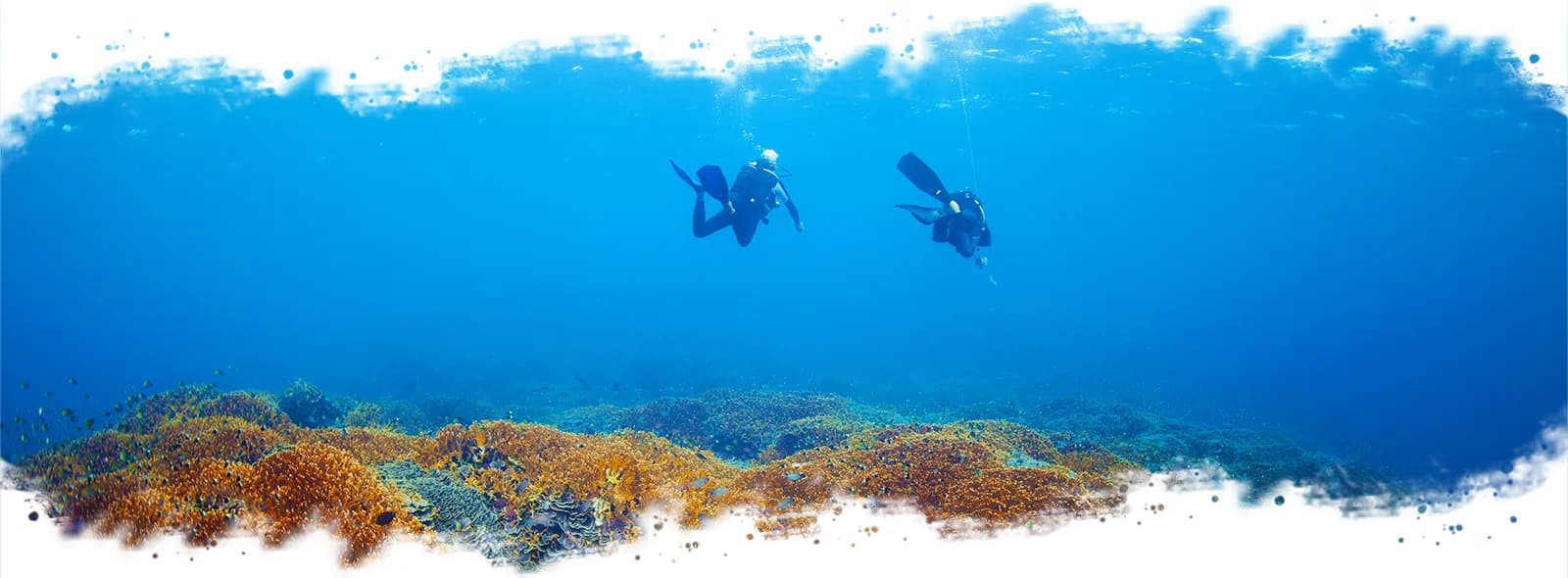
Jina Reef presents itself as a varied topography, beginning in shallower waters and dropping to 26 metres. The site is a complex of wall sections, shallow caverns, and overhangs, distinct from a flat reef. As you descend, the reef transitions to a gravel bottom at its base, offering a different substrate for marine life. This combination creates varied habitats, drawing a diverse range of species to the site.
The dive profile typically involves a descent along the wall, exploring the different formations. These include numerous overhangs that provide shelter for various fish, and small caverns you can explore carefully. The hard corals covering much of the wall and reef sections are home to smaller reef inhabitants, while the gravel bottom can reveal different benthic species. You will find that the exact topography shifts as you move across the site, making each dive unique.
Current is a defining characteristic of Jina Reef, especially when diving through what is locally known as Jina Pass. During incoming tides, the current can pick up significantly, making this site best approached as a drift dive. This variability means that while slack water offers calmer conditions, the stronger currents are often when the pelagic action is at its peak. Planning your dive around the tides is key to experiencing the site effectively and safely.
Visibility here can range significantly, from 10 to 30 metres, influenced by the conditions. When the water is clear, the light filtering through the shallower sections and into the overhangs creates a striking visual. In stronger currents, you will often find yourself in clearer water, as the flow pushes through, bringing in oceanic conditions. This variability means the site presents a different aspect depending on when you dive.
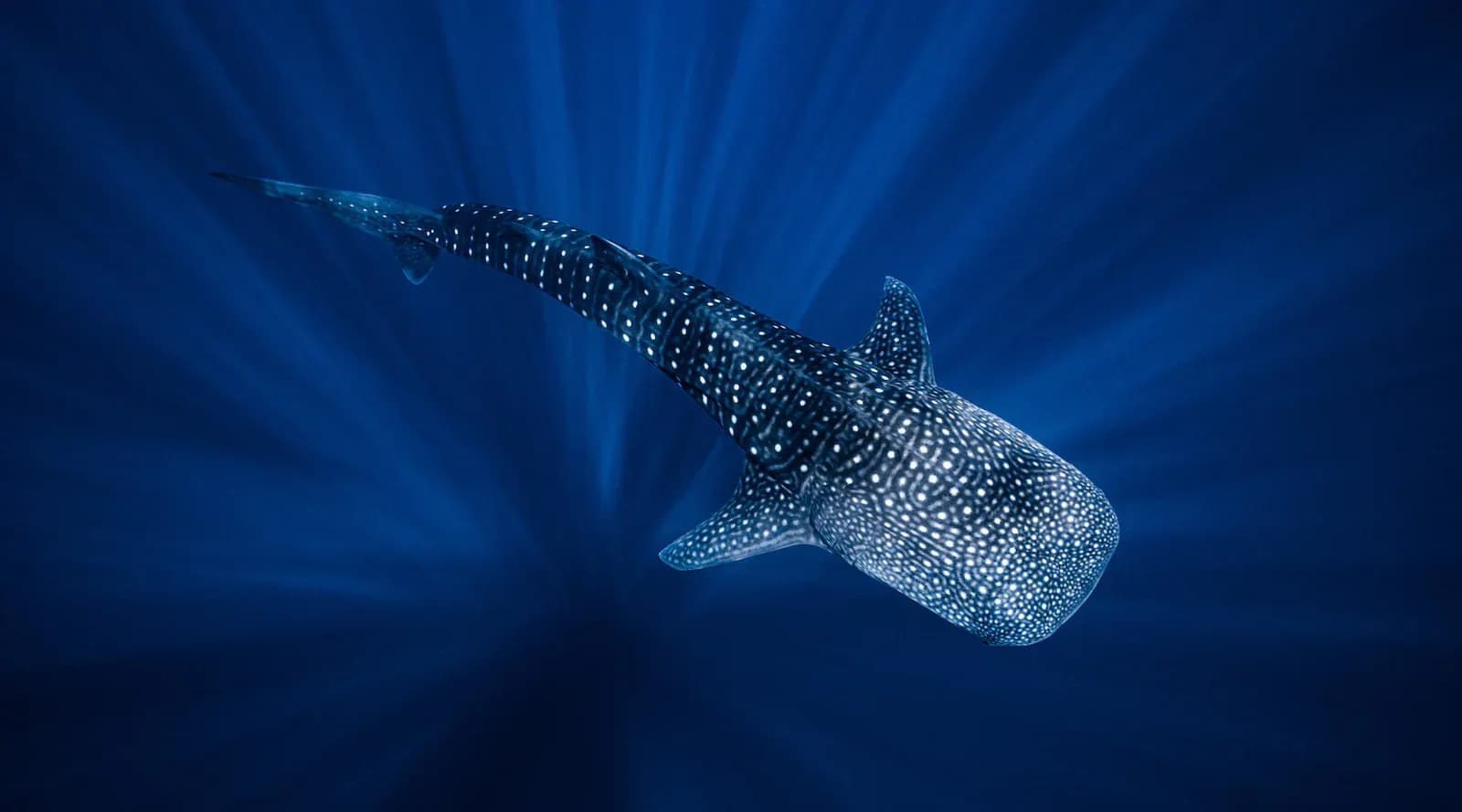
Jina Reef is known for attracting larger pelagics due to its exposure to open ocean conditions, especially when diving outside the immediate bay area. You can expect to encounter sharks and various rays moving through the blue. Large schools of fish, including jacks and trevally, are common here, often found in the stronger currents. These pelagic encounters are a draw for divers looking for more than just a static reef experience.
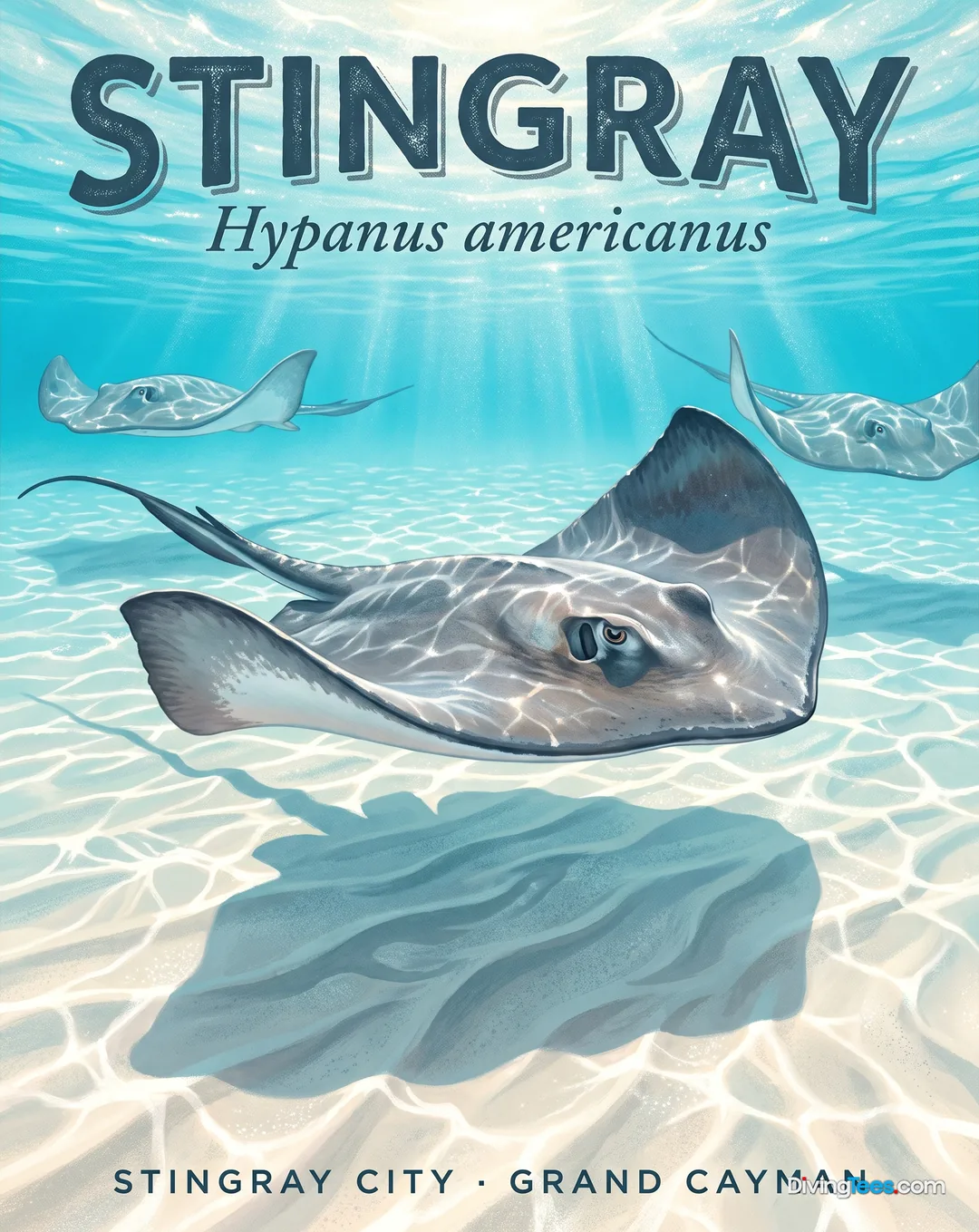
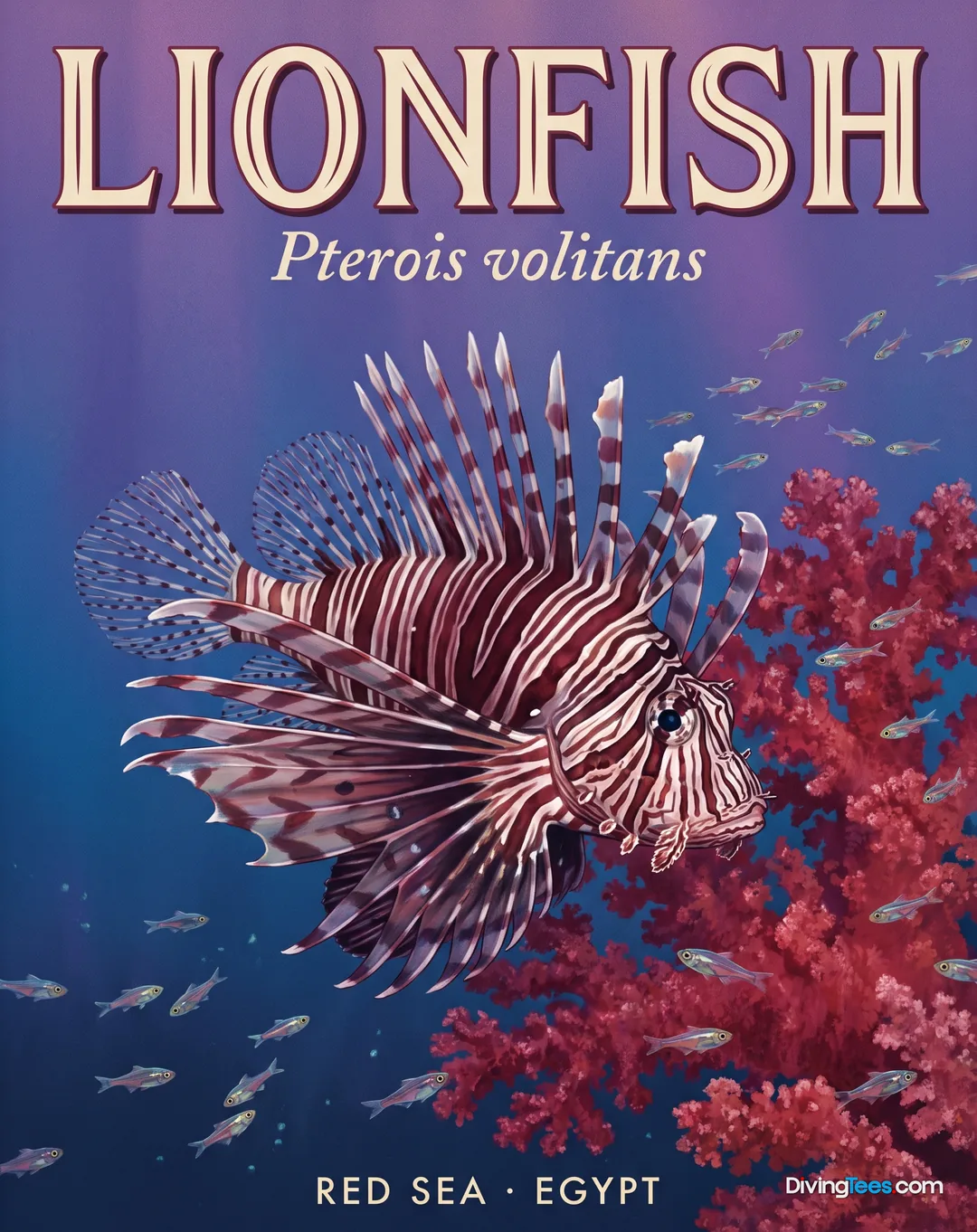
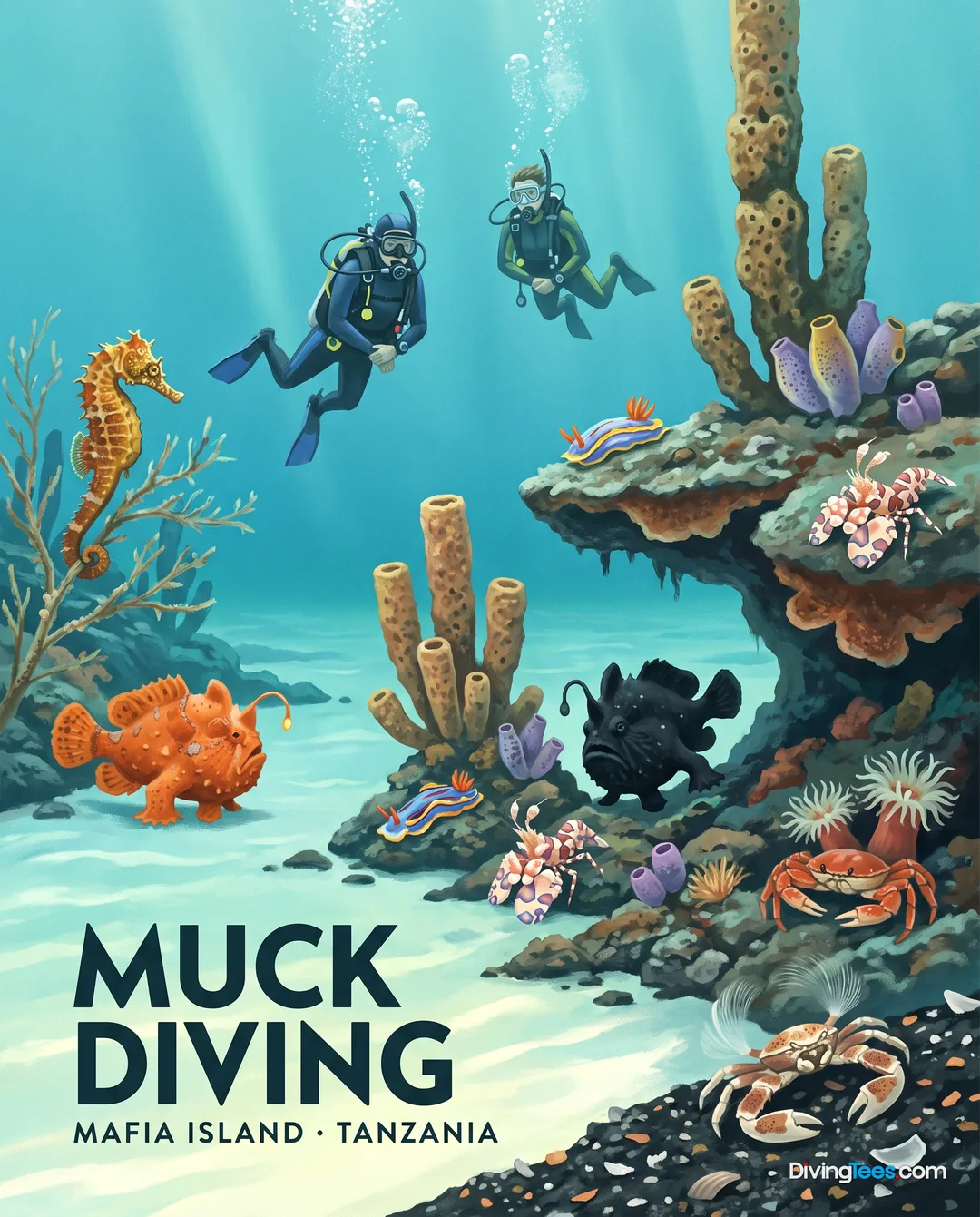
Closer to the reef and wall, you will spot a variety of resident species. Groupers, including the impressive potato grouper, are often present, along with moray eels tucked into crevices. Lionfish and stonefish can be found blending with the coral and rock formations. Batfish and stingrays are also frequent sights on the reef flats and gravel areas, providing consistent reef life throughout the dive.
The seasonal timing for diving Jina Reef spans from October to March, with optimal conditions often extending into April. During the north-east monsoon period, the open ocean conditions tend to be calmer, which generally translates to better visibility and a more comfortable experience on this exposed site. This makes planning your trip during these months beneficial for experiencing Jina Reef at its best.
Jina Reef is accessible to Advanced Open Water divers, with drift-dive experience highly recommended due to variable currents. Depths range from 8 to 26 metres. Visibility typically varies between 10 and 30 metres. Current can be minimal at slack water but becomes strong during tidal changes, particularly through Jina Pass, favoring drift dives. The best conditions are usually found from October to March, with calmer open-ocean conditions often extending through April.