Americas
Belize: reefs, cayes and Maya country
Belize links Ambergris Caye’s reef towns with Hopkins and Placencia, while San Ignacio opens the road to Maya sites inland.
What makes this country unique
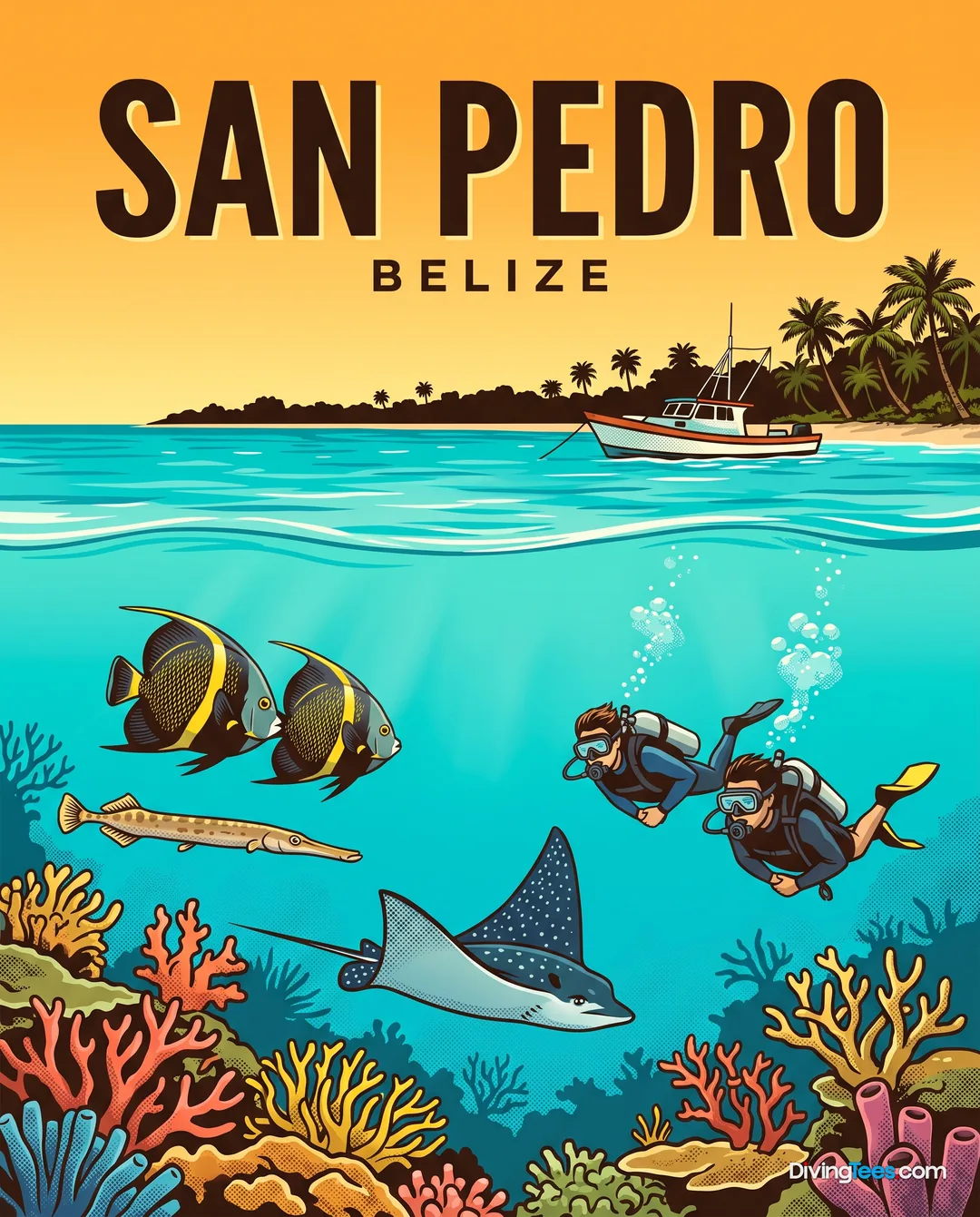
- Ambergris Caye and San Pedro’s compact island logistics
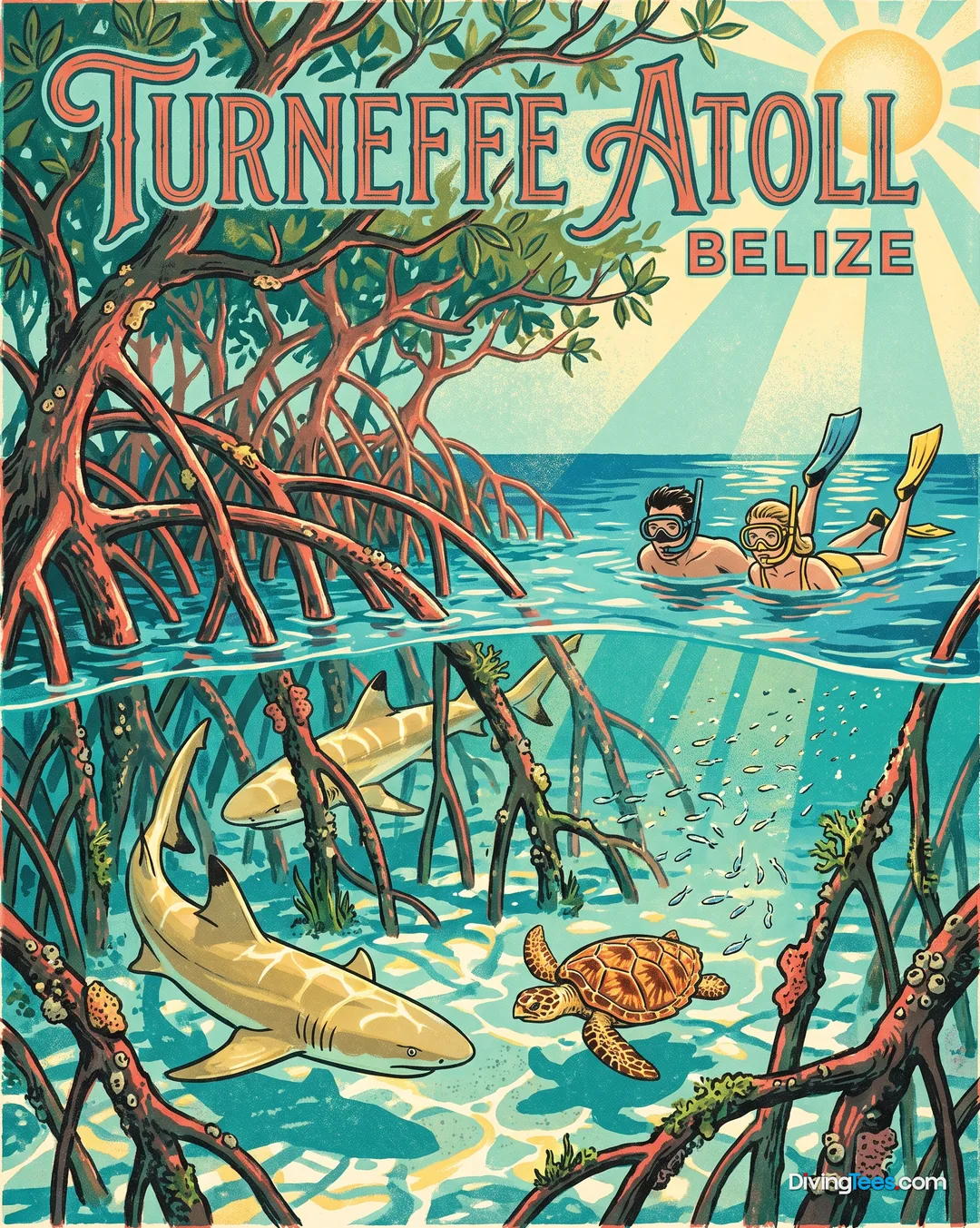
- Turneffe Atoll’s protected reef and controlled moorings
- August through November across Belize’s diving coast
- Hudut in Hopkins and Dangriga’s Garifuna kitchens
- Caracol’s forest pyramids near San Ignacio
- Shark Ray Alley off San Pedro
- Garifuna Settlement Day on 19 November
For subtitles in English: start the video firstthen click the gearat the top right of the video, select “Subtitles/CC”, then “Auto-translate” and choose “English”.
This country for a diver
Belize is a Caribbean reef country shaped by cayes, atolls and a short mainland coast, rather than a single resort strip. Its diving identity runs from the busy island base of San Pedro to the more measured southern departures from Hopkins and Placencia, with Turneffe Atoll standing apart offshore. The same trip can therefore move between village-based boat diving, protected reef areas and an atoll setting. Unlike its Spanish-speaking neighbours, Belize is anglophone, with Kriol, Spanish, Garifuna and Maya languages adding a distinctly mixed character above the water.
How the country divides
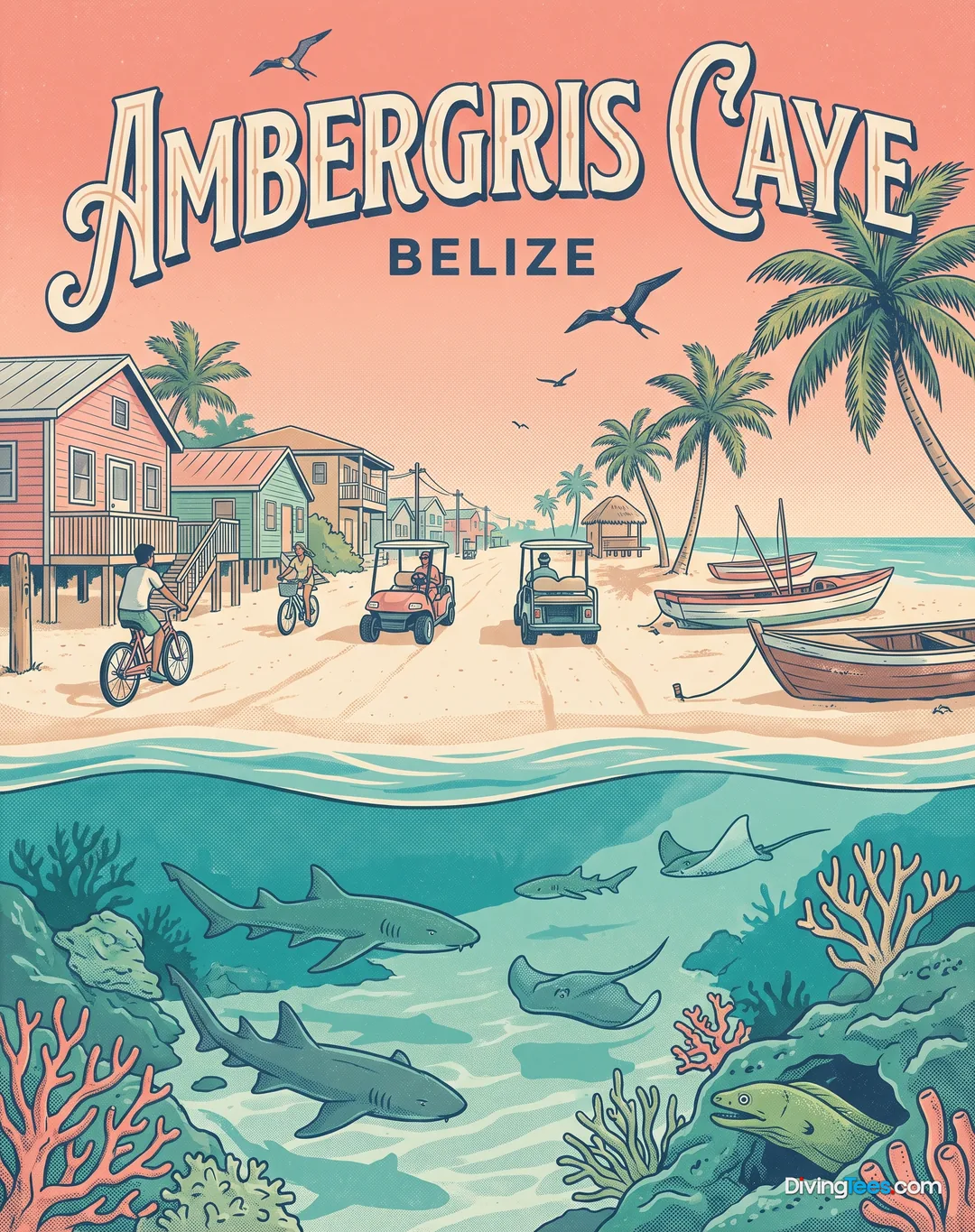
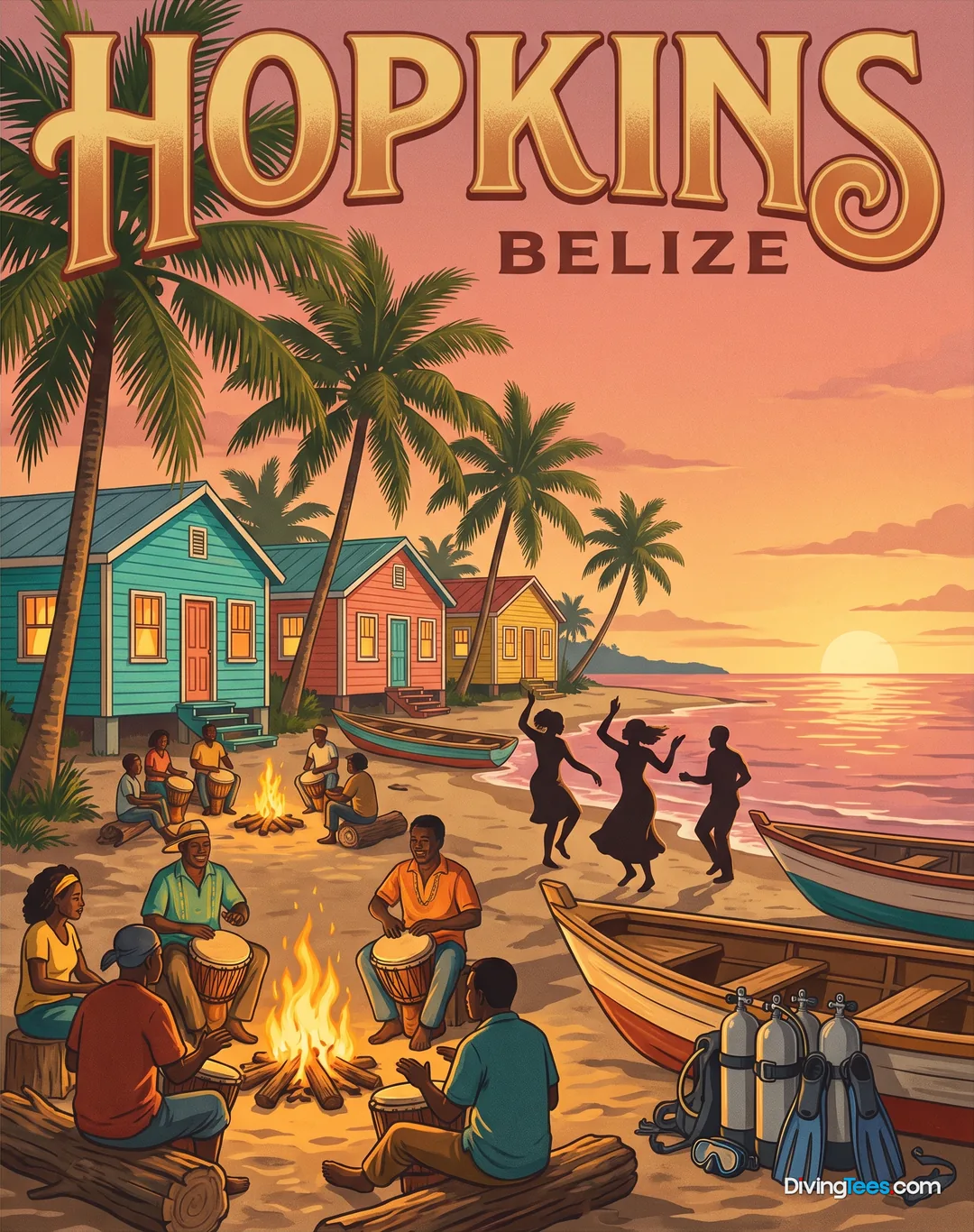
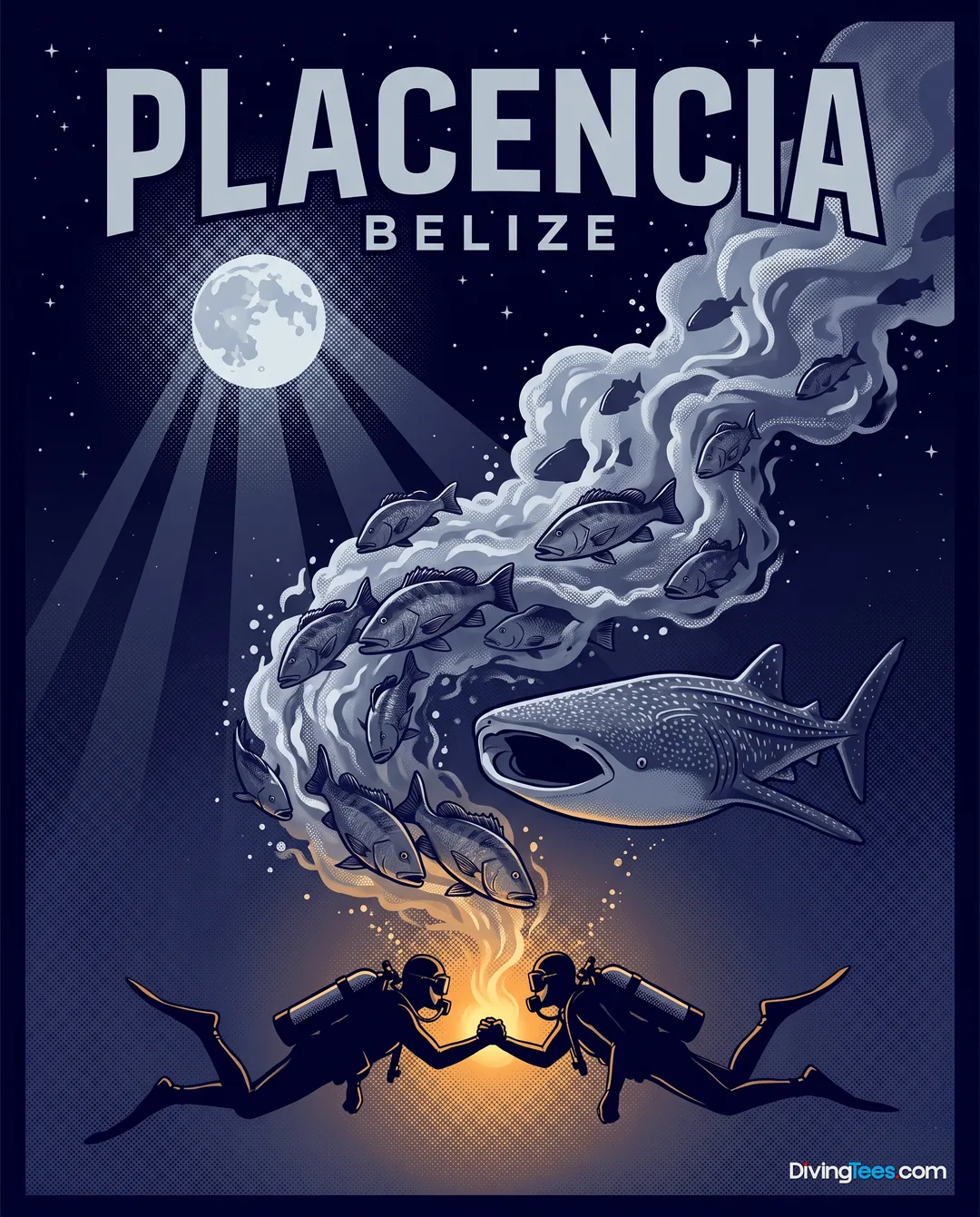
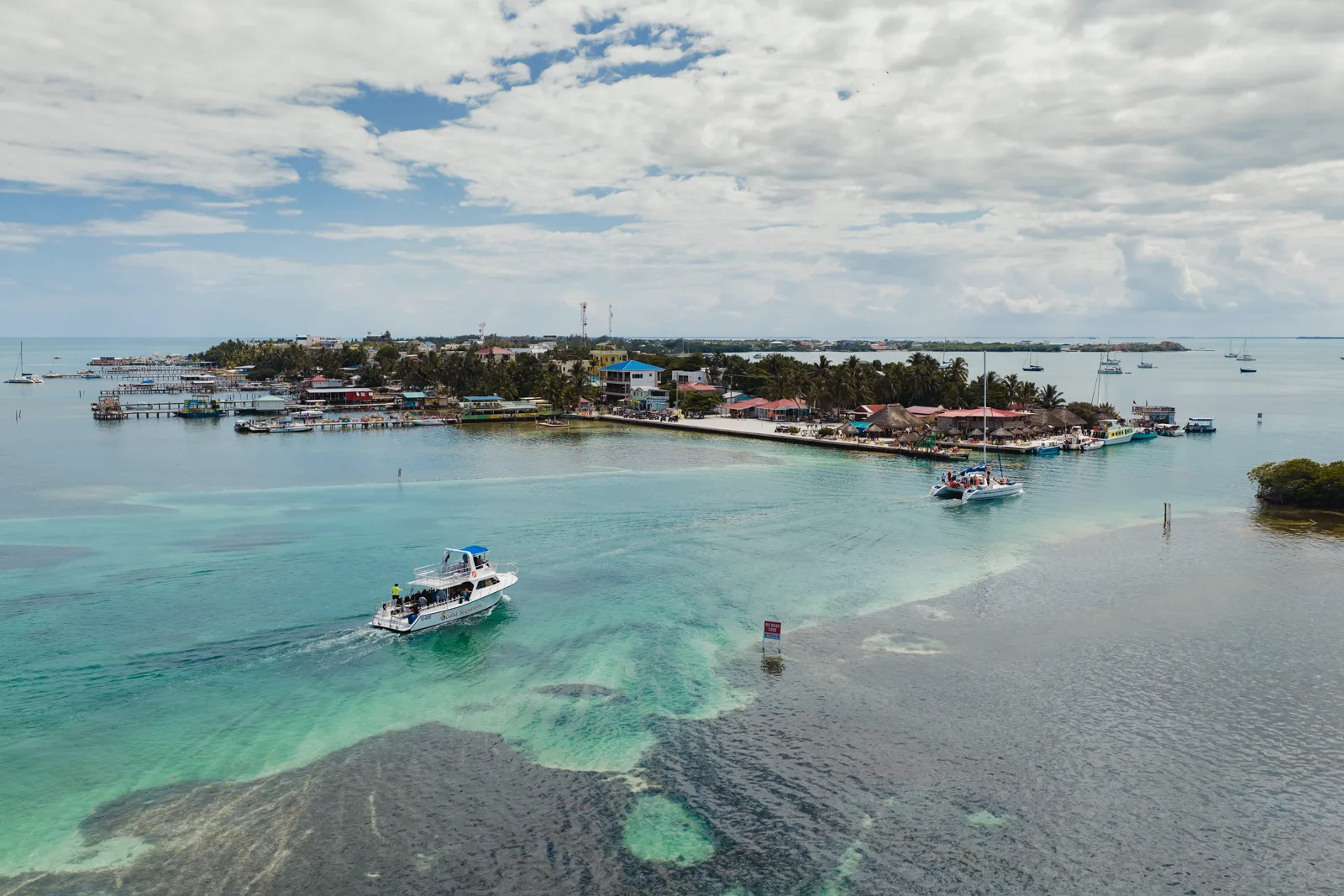
The northern island pattern centres on Ambergris Caye and San Pedro. It suits divers who value a compact base, frequent boat operations, restaurants and a choice of accommodation, though the setting is a lively town rather than an isolated beach. Hopkins and Placencia form the southern mainland coast. Hopkins is closely tied to Garifuna culture and departures towards South Water Caye Marine Reserve, while Placencia feels more like a small resort, with a busier jetty and restaurant scene; both are sensible choices for offshore excursions rather than shore diving. Turneffe Atoll is the separate offshore option, better suited to divers who want protected reef surroundings and, where arranged, a liveaboard or resort-based stay. The areas share the same broad late-summer to autumn window, but Hopkins and Placencia extend further into winter, making the southern coast the more flexible choice at either end of the year.
Diving destinations
Dive centres

Hotels
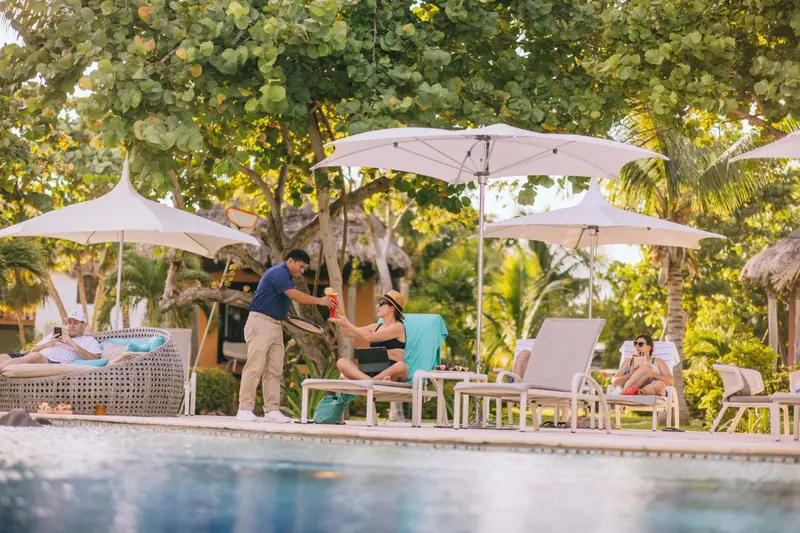
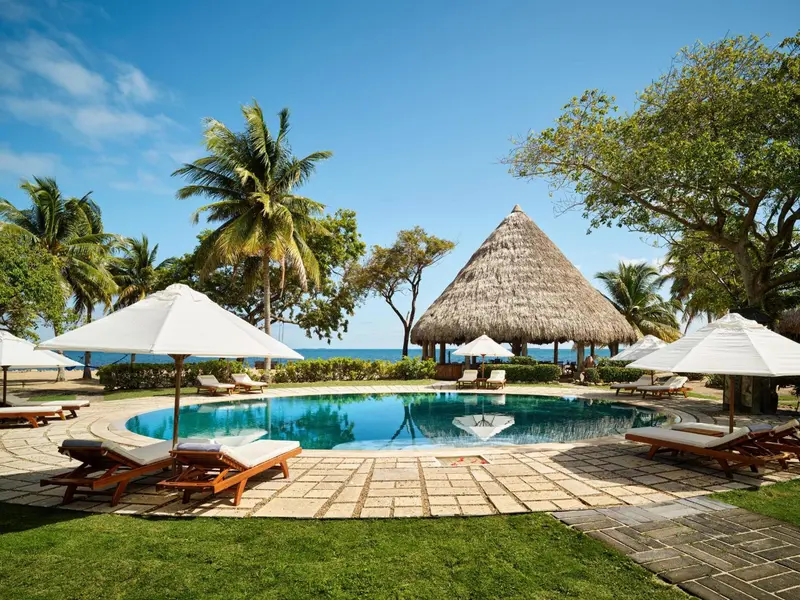
Liveaboards
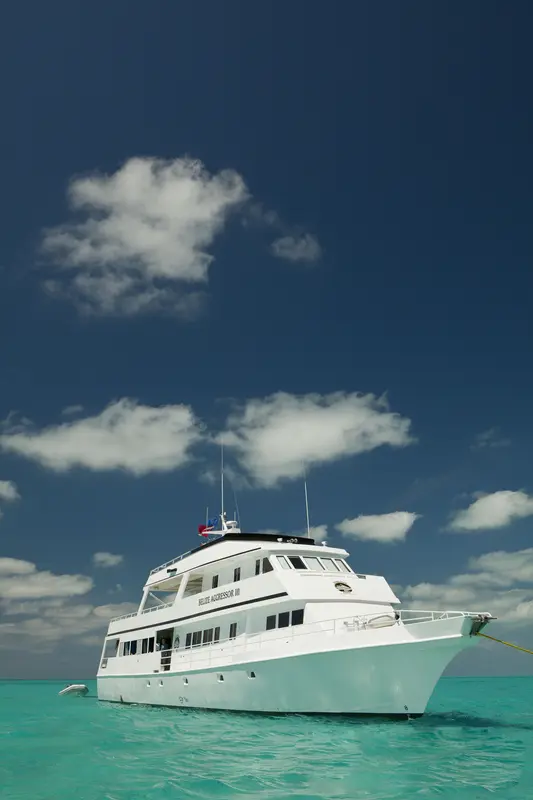
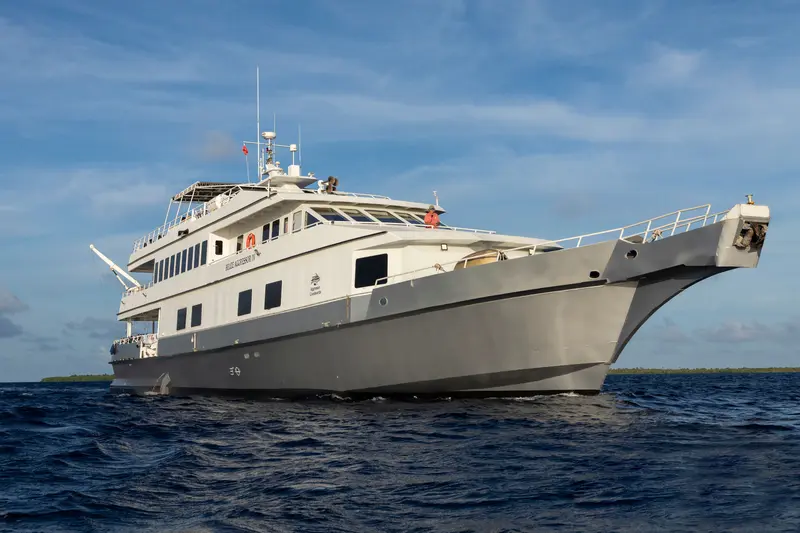
When to go, and where by month
August, September, October and November are the clearest country-wide months for choosing between the northern islands, the southern coast and Turneffe Atoll. This is not an itinerary built around opposite seasons: the areas open together rather than one Caribbean coast replacing another. In December, the practical choice narrows southwards, with Hopkins and Placencia still in season. January leaves Placencia as the remaining southern option, while February through July offer no comparable area-wide diving window in the calendar. That pattern matters more than trying to force a grand circuit into a marginal month. September also brings the country’s Independence Day celebrations, with parades and evening events in San Pedro and Belize City, while 19 November brings Garifuna Settlement Day to Dangriga, Hopkins and Seine Bight. Those dates can add atmosphere, but they can also make transfers and excursions busier.
Marine life, coast by coast
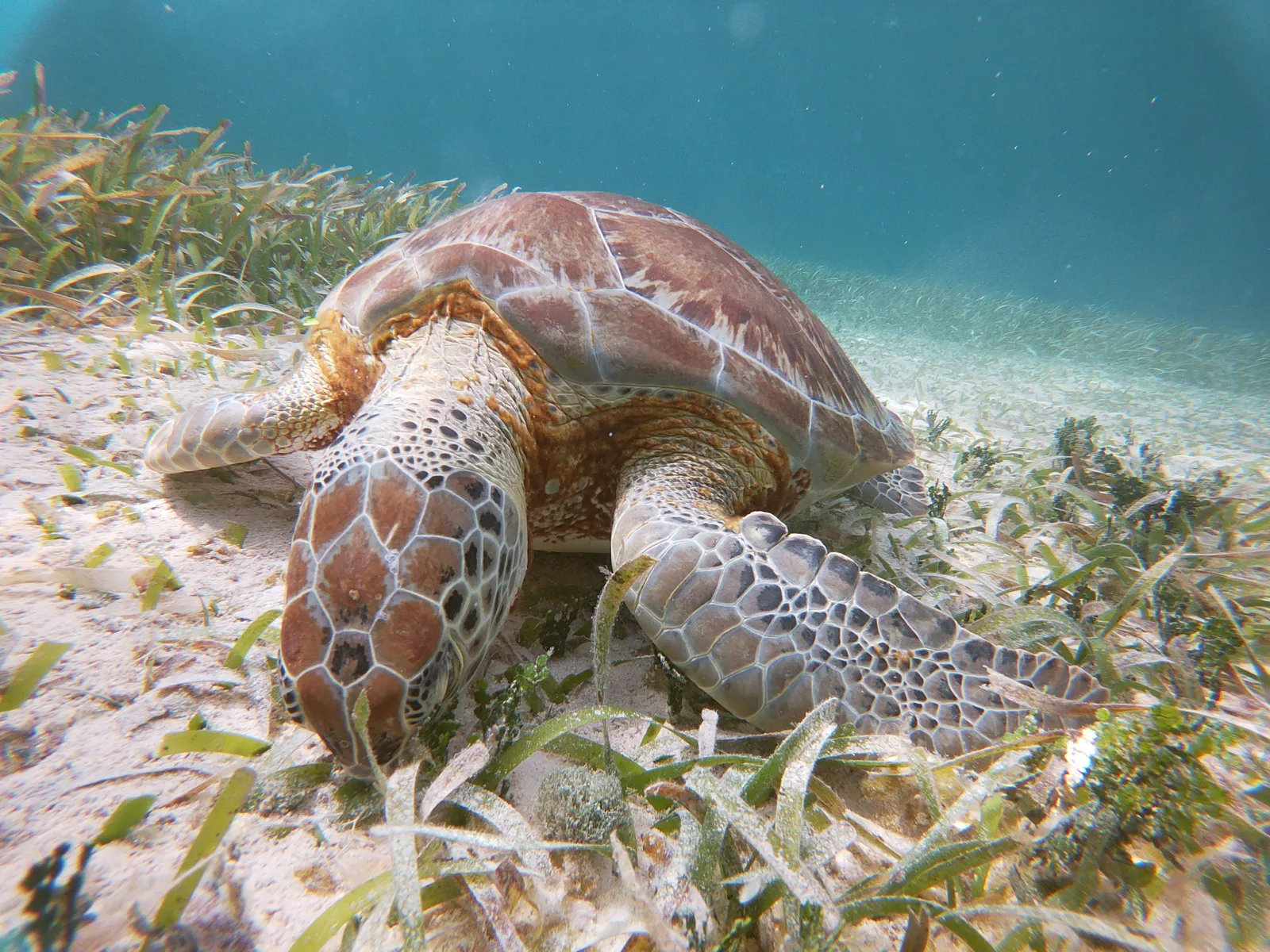
Belize’s marine wildlife sits within a larger reef-and-mangrove picture rather than belonging neatly to one coast. Divers may encounter reef sharks, nurse sharks, barracudas, eagle rays, turtles, groupers and the dense tropical fish life associated with hard and soft corals, gorgonians and sponges. The country’s mangroves also matter, serving as nurseries and supporting manatees in some areas. Whale sharks are part of Belize’s wider marine identity from March to June, while rays and nurse sharks feature prominently in the northern reserve experience around Hol Chan Marine Reserve and Shark Ray Alley. That distinction affects planning: a northern stay can carry a stronger big-animal expectation, whereas a southern or atoll itinerary is chosen more for the setting and reef structure than for a single promised encounter.
Getting between the areas
The easiest combinations are the ones that respect Belize’s geography. Ambergris Caye and San Pedro are only seven kilometres apart in practical terms, so they belong to one compact island arrangement rather than two separate travel stages. Hopkins and Placencia are thirty-eight kilometres apart, making a southern pairing realistic by road. Turneffe Atoll is offshore: it lies roughly seventy kilometres from San Pedro and a little farther from Hopkins, so it is an excursion or dedicated stay, not a casual afternoon transfer. Water-taxis connect the northern cayes with Belize City, while small domestic aircraft link Belize City with San Pedro, Dangriga and Placencia. Bus journeys between Belize City, the interior and the southern coast can consume much of a day. A sensible two-week route combines one island or atoll block with San Ignacio and one southern base, rather than chasing every distant cay.
Take off your mask
Belize’s landward character changes sharply between the cayes, the Garifuna coast and the Maya interior. San Ignacio is the useful base for Caracol Archaeological Reserve, Xunantunich and Actun Tunichil Muknal, while Lamanai Archaeological Reserve offers a river approach to Maya temples from the north. San Ignacio Market is liveliest on Saturday morning, and Art Box Belizean Arts & Crafts provides wood carving, jewellery and books between Belize City and Belmopan. In Punta Gorda, Fajina Craft Center reflects the quieter market culture of Toledo District. Food follows the same regional shifts: rice and beans with stew chicken is found countrywide, hudut belongs to Dangriga and Hopkins, and darasa is a Garifuna coastal speciality. Fry jacks suit breakfast in San Pedro and Belize City; panades and garnaches are everyday snacks. At dinner, Belikin Beer, Travellers Rum or a cold seaweed drink fit the local table. Garifuna Settlement Day brings drums, dancing, canoe arrivals and food stalls on 19 November.
What holds true everywhere here
Belize rewards precise boat discipline because so much diving takes place around shallow, protected reef. A controlled mooring matters: ask whether a trip enters a reserve and how the boat avoids damaging the bottom. Good buoyancy is not merely tidy technique here; contact with coral, collecting souvenirs and poorly controlled descents are especially conspicuous in protected water, including Turneffe Atoll. Repetitive days from a caye or mainland base also make Nitrox a practical option, provided the diver is trained and the operator manages cylinders properly. Treat every current briefing seriously, particularly where a drift dive, downcurrent or a late safety stop could separate divers from the boat. The Belize-specific habit worth carrying home is simple: remain above the reef, follow the local briefing and leave the protected bottom untouched.
Frequently asked questions about Belize
When should you plan a diving trip to Belize?
August through November is highlighted across Belize’s diving coast. If whale sharks are part of your plans, Belize’s wider marine identity includes them from March to June. Your timing can therefore reflect whether you prefer the broader coastal season or want to focus planning around the possibility of whale shark encounters.
What marine life and underwater environments can you see in Belize?
In Belize, you may encounter reef sharks, nurse sharks, barracudas, eagle rays, turtles, groupers and dense tropical fish life around hard and soft corals, gorgonians and sponges. The destination also includes reef and mangrove settings, with mangroves serving as nurseries and supporting manatees in some areas.
How should you organize your stay in Belize for diving and other activities?
You can combine Ambergris Caye and San Pedro for compact island logistics with diving around Hol Chan Marine Reserve, Shark Ray Alley and nearby reefs. Hopkins and Placencia connect you with southern coastal experiences, while San Ignacio opens access to inland Maya sites such as Caracol, creating a broader trip.
Which Belize diving area fits the experience you want?
Choose northern Belize around Hol Chan Marine Reserve and Shark Ray Alley if rays and nurse sharks are central to your plans. Consider Turneffe Atoll for protected reef settings and controlled moorings. Southern or atoll itineraries suit divers choosing reef structure and location rather than one particular animal encounter.