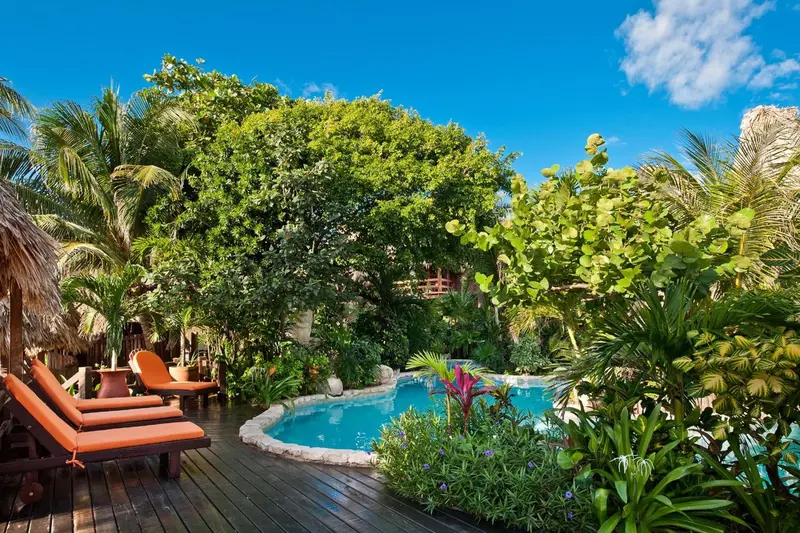
 Dive centre in the hotel
Ramon's Village Resort
Google 4.6/5 (1,315 reviews)
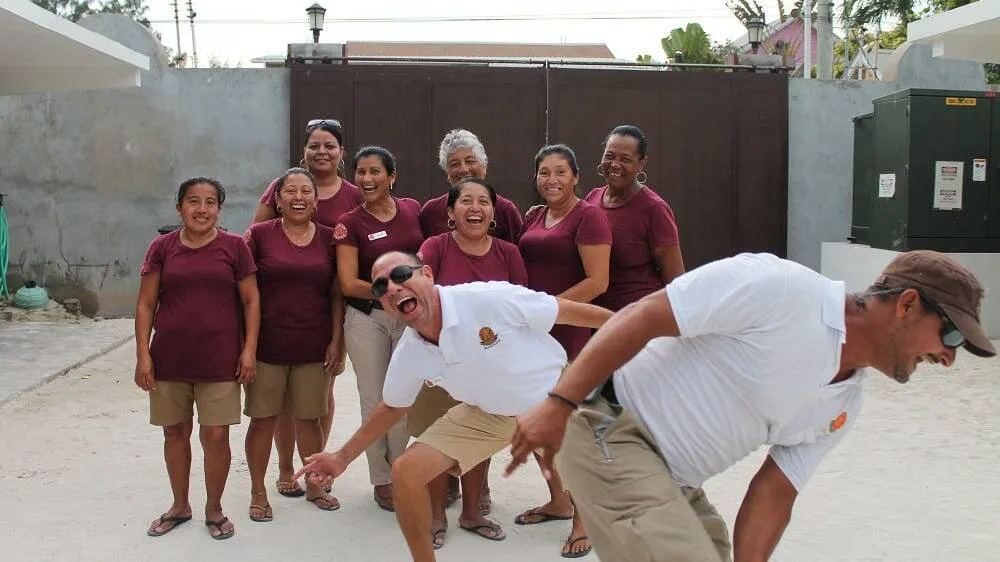
The dive centre
Plongée avec Ramon’s Village Divers
Google 4.5/5 (62 reviews)
Belize · Americas
Mexico Rocks’ shallow coral, Stingray City’s southern stingrays, Half Moon Caye Wall’s drop and the Blue Hole’s dark descent define Ambergris Caye’s range.
For subtitles in English: start the video firstthen click the gearat the top right of the video, select “Subtitles/CC”, then “Auto-translate” and choose “English”.
Ambergris Caye is a practical island base for daily boat diving on the Belize Barrier Reef. San Pedro provides the accommodation, restaurants and shore-based routine; boats carry divers out to shallow coral formations, walls and protected reef areas, then return the same day. The diving suits a mixed group particularly well. A diver can spend time over the shallow Mexico Rocks Marine Park or Stingray City, while a more experienced companion may look towards the Blue Hole or Half Moon Caye Wall.
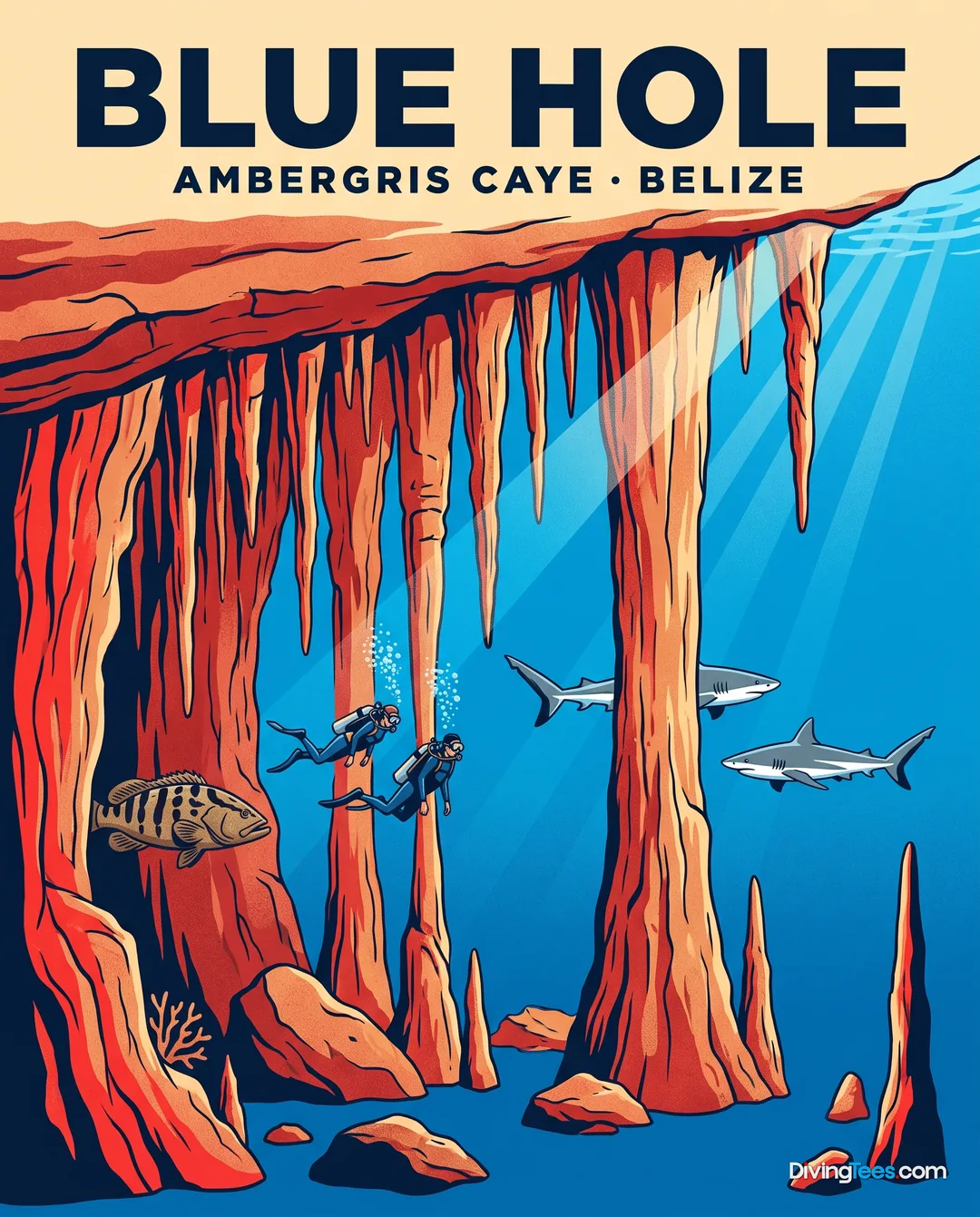
The local diving is predominantly from boats, with reef sites, coral outcrops, canyons and walls providing the main scenery. Mexico Rocks Marine Park stays exceptionally shallow, no more than about 4.5 metres, while Stingray City is shallower still and centred on close observation of its resident rays. At Half Moon Caye Wall, the main route follows the wall between roughly 15 and 18 metres, with a maximum around 24 metres, generally under minimal to very gentle current and visibility commonly around 20 to 40 metres. The Blue Hole changes the tone completely: the descent reaches almost 40 metres and calls for comfort at depth and disciplined gas management. Currents are variable across the area, although some sites are calm. Hol Chan Marine Reserve also offers night diving, adding a different rhythm to a conventional daytime boat programme.
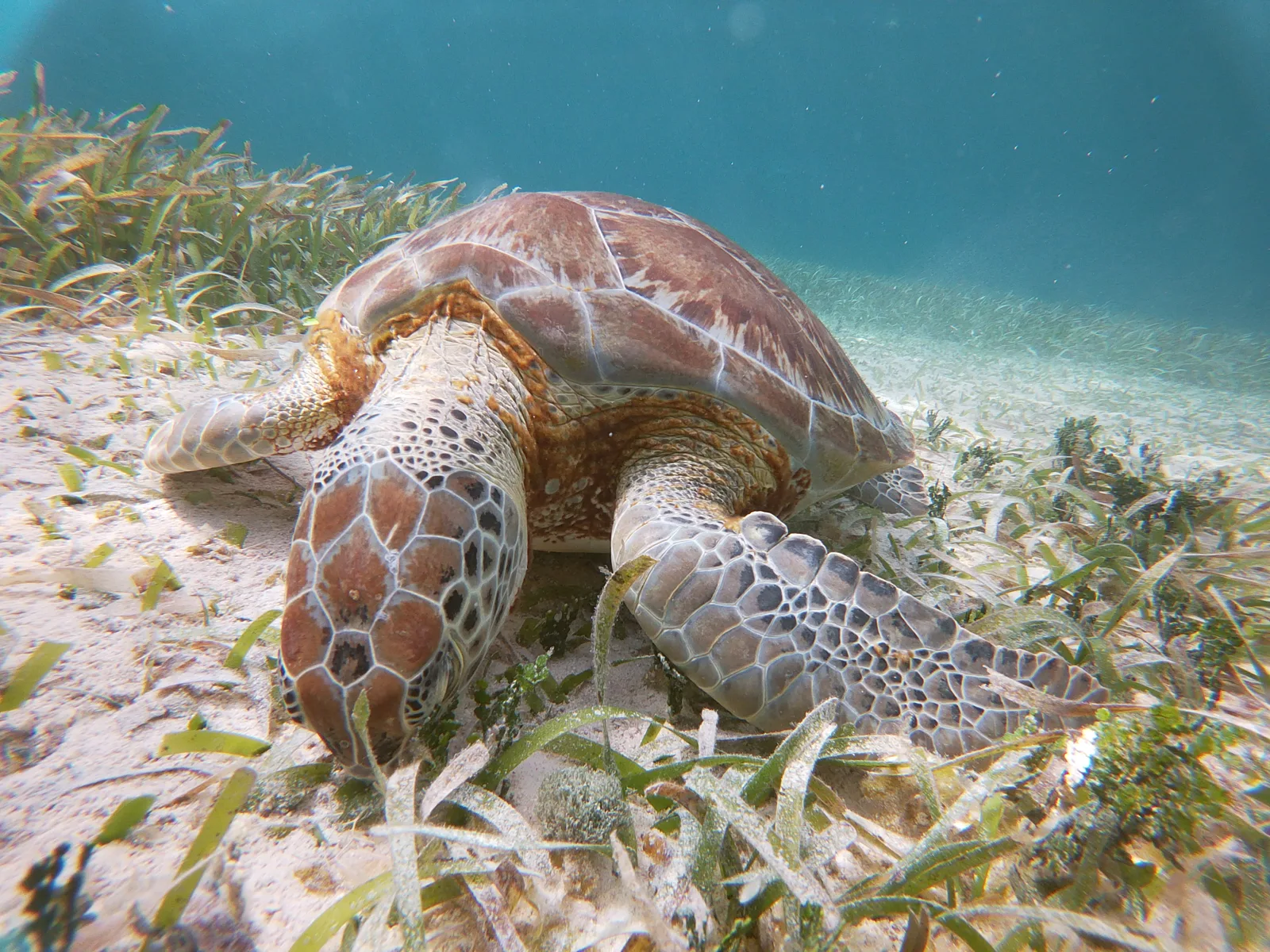
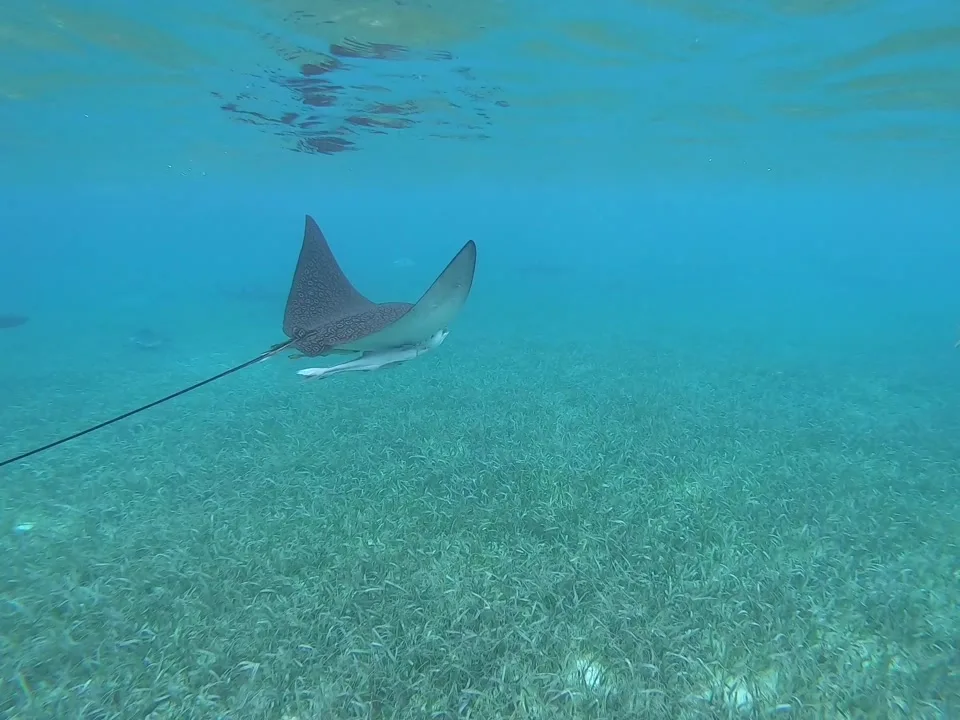
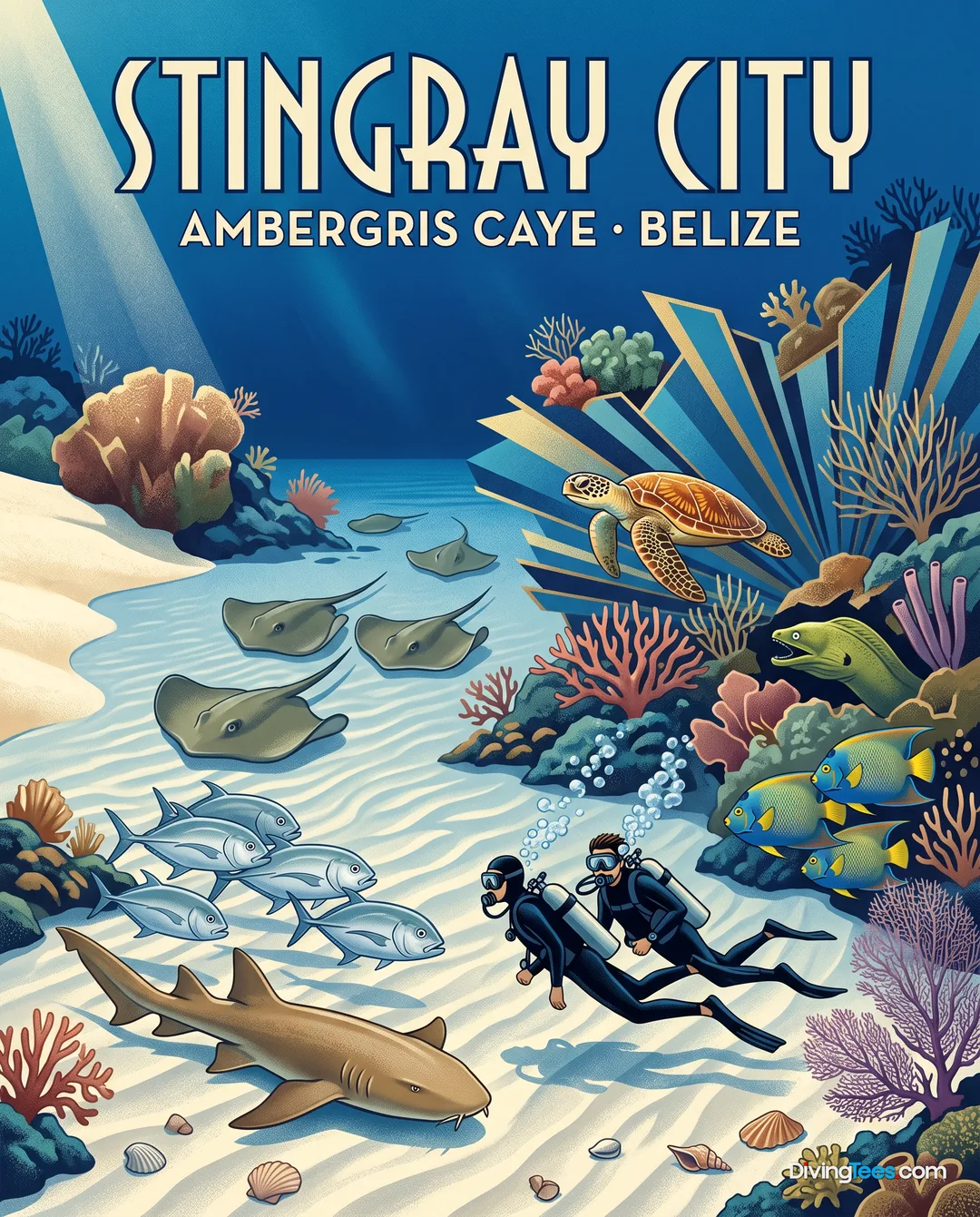
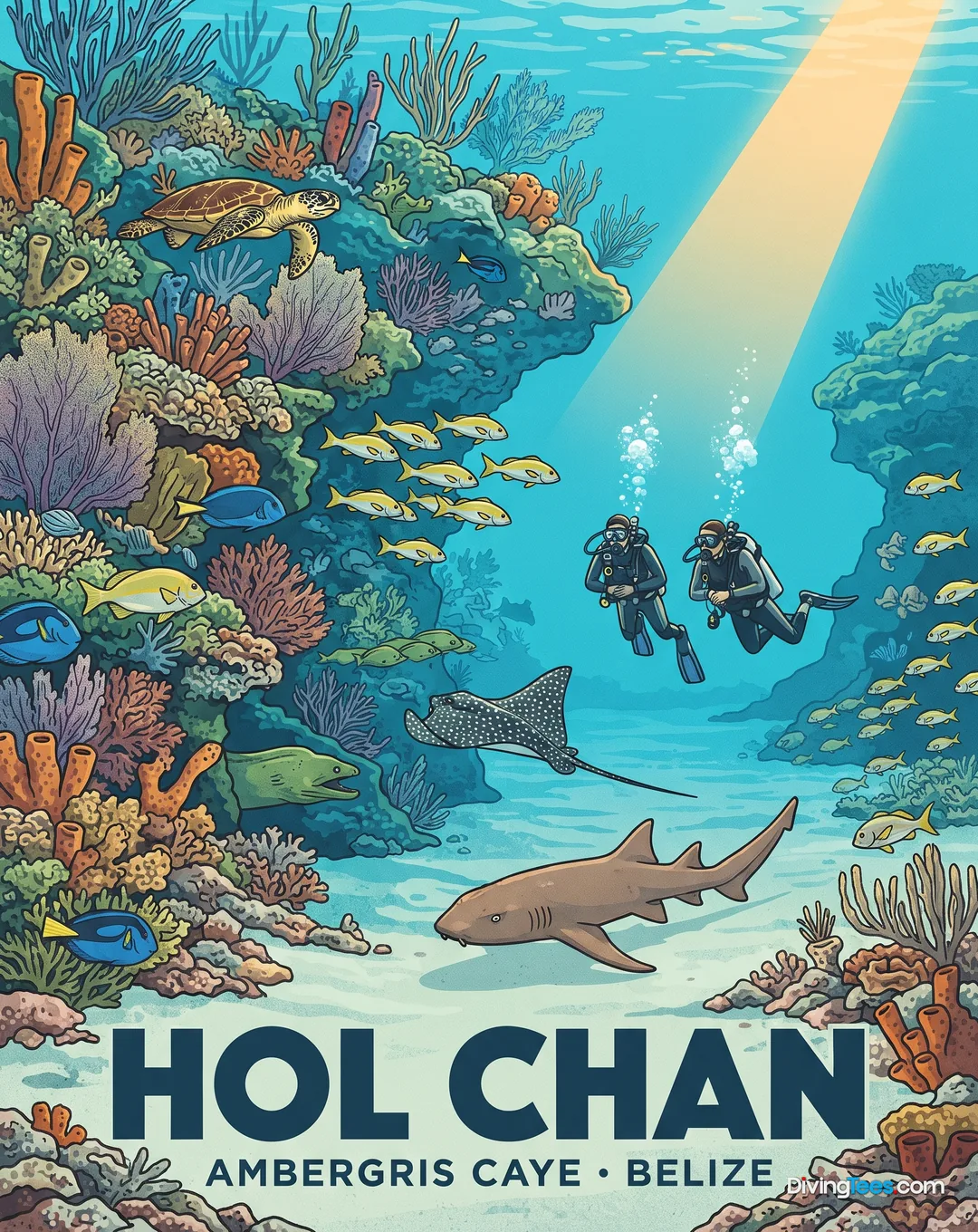
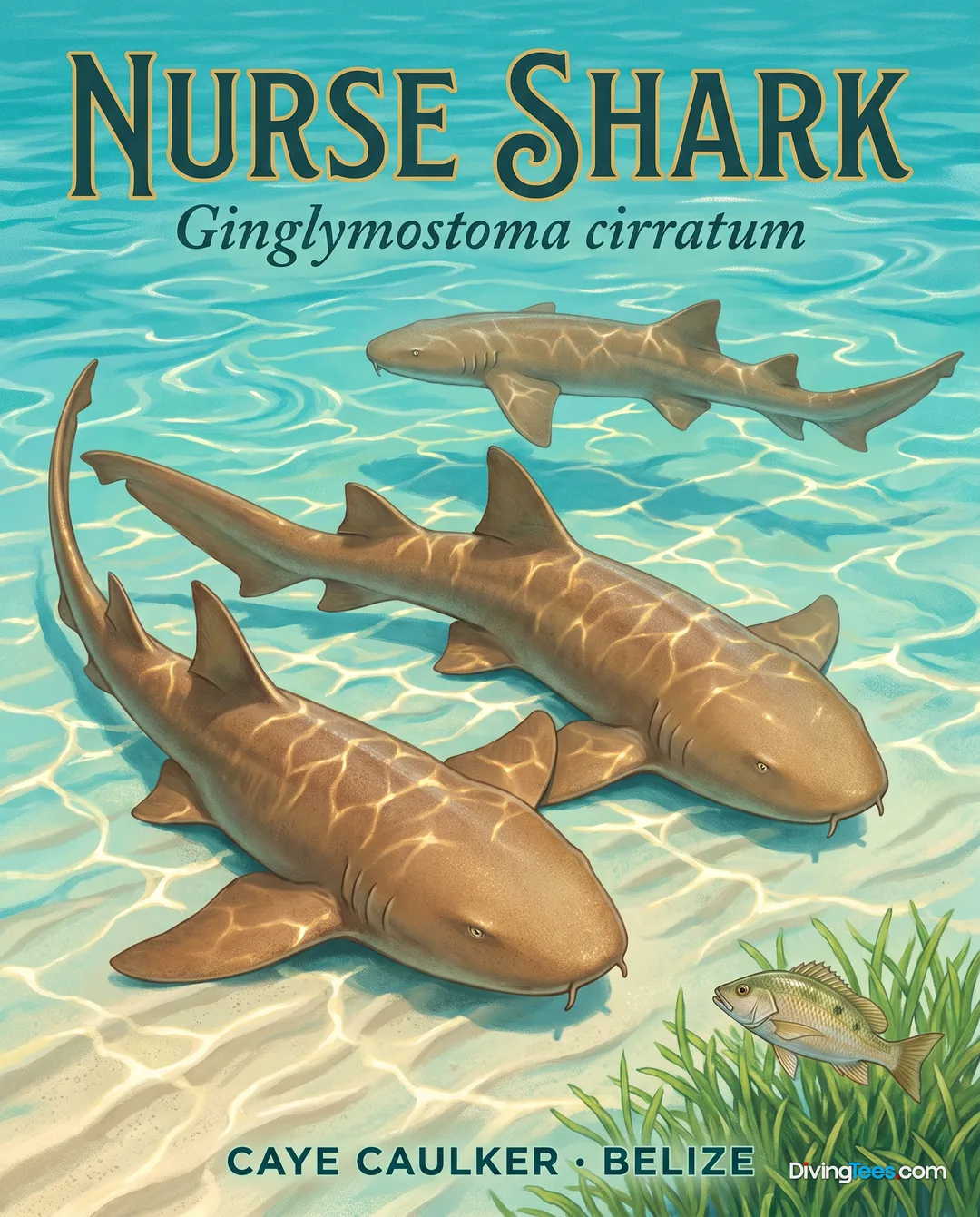
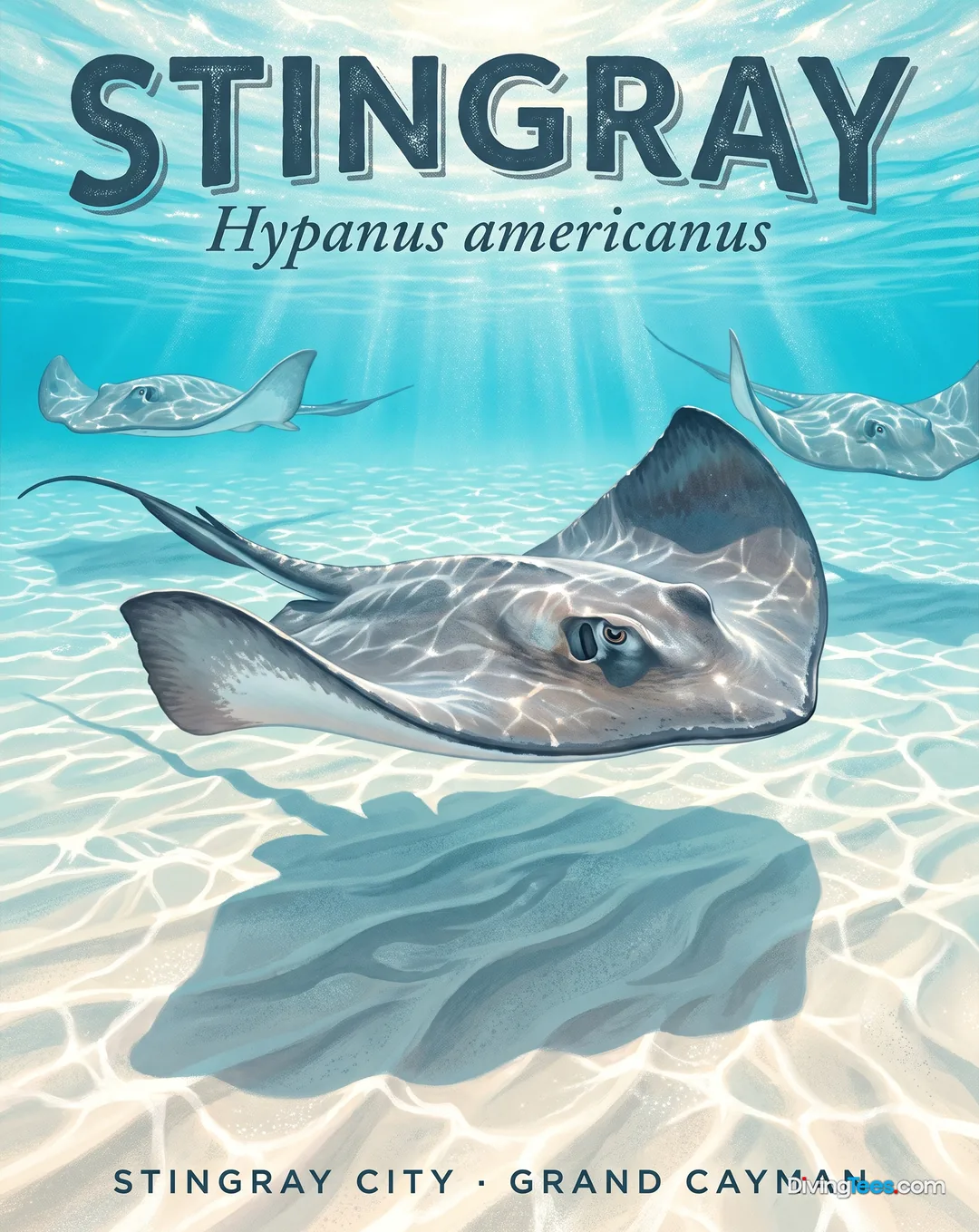
Stingray City is the clearest wildlife focus, with southern stingrays moving through very shallow water where divers can observe them at close range without a demanding profile. Hol Chan Marine Reserve is associated with sharks and rays, and its protected setting gives these encounters a stronger sense of place than a general reef sighting. Mexico Rocks Marine Park brings the eye close to coral and the smaller life using its shallow formations, while Half Moon Caye Wall offers a broader view of the reef ecosystem along the drop. These are site-linked encounters rather than a destination built around a stated seasonal animal migration, so the appeal lies in combining different habitats during the stay.
The measured calmest sea period is from August to November, which is the most useful window when a diver wants the best chance of comfortable boat days and a smooth run of reef outings. Rainfall is measured lowest from January to May, making that period attractive for a drier island stay even though the sea is not identified as being at its calmest then. The destination can be dived throughout the year, but the sensible approach is to keep one or two low-wind reserve days in a four-to-seven-day itinerary rather than build the whole trip around a tight sequence of departures.
This coast is exposed to sargassum strandings, whose intensity varies greatly from year to year. To find out more, see the “Sargassum alert” panel on this page.
Ambergris Caye works for all levels, from a first open-water trip to a diver comfortable with deeper profiles. Mexico Rocks Marine Park, Stingray City and Hol Chan Marine Reserve provide forgiving options, while Half Moon Caye Wall remains within recreational limits for Open Water Divers. The Blue Hole is a different proposition: divers should be experienced, have at least six months of logged diving and be comfortable managing air and task loading at depth. Nitrox is useful for repeated boat-diving days. BSAC, PADI and SSI divers should find the level structure familiar.
From London Heathrow, London Gatwick or Manchester, the journey begins with an international flight to Belize City. Ambergris Caye is then reached either by an internal flight or by boat from Belize City; choosing the ferry means accepting the maritime crossing as an unavoidable part of the route. The transfer is therefore a two-stage journey at minimum, and connections should not be planned too tightly. Once in San Pedro, the diving routine is relatively straightforward: most accommodation and departure points are close enough to reach on foot or by a short transfer. That compact island layout is helpful after a long international journey, but it does not remove the need to allow time between the arrival into Belize and the onward connection.
Treat Ambergris Caye as a land-based, day-boat destination rather than as a substitute for a liveaboard. The value is in returning to San Pedro each afternoon and building a relaxed sequence of reef dives, not in chasing distant sites every day. Book accommodation close to the boat departure point if possible; short walks matter when equipment has to be carried before breakfast. Early departures are worth favouring when the programme includes busy reef sites, as they reduce competition with excursion boats and may find the sea more settled. Keep one or two reserve days for low wind rather than scheduling every dive at the edge of the timetable. Bring a well-fitting personal mask and any small comfort items, since island supplies are less extensive than in a major diving city. Nitrox earns its place over several repetitive boat days. Finally, expect protected-reef rules to be taken seriously: no touching, collecting, resting on coral or anchoring in protected areas.
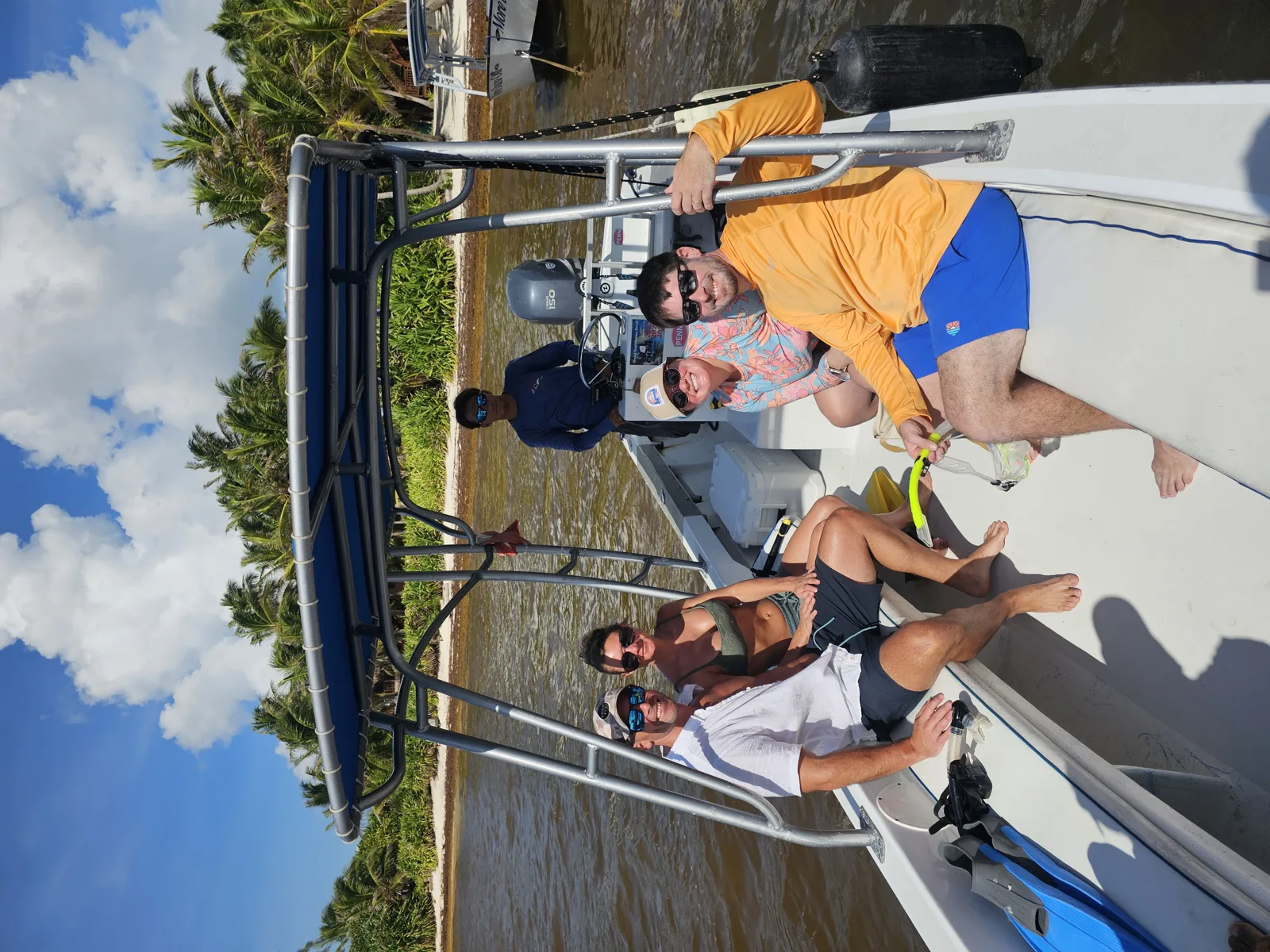
A four-to-seven-day stay gives enough time for several reef days, a deeper change of scene such as the Blue Hole or Half Moon Caye Wall, and one or two weather-buffer days. The rhythm is simple: boat diving from San Pedro, an afternoon back on the island, then a choice between another dive day and a lighter outing. Non-divers have genuine alternatives, including beaches, coastal walks and boat trips to nearby cayes, so the destination suits couples and mixed groups rather than only dedicated divers.
Hello, I'm Marina, DivingDeal.com's AI assistant. I guide you through destinations, areas and countries.
Thinking about the whole trip and the flights? Talk it over with Edith →
Marina is an AI. Some links are affiliate links: DivingDeal may earn a commission, at no extra cost to you. Bookings are made with the partner.
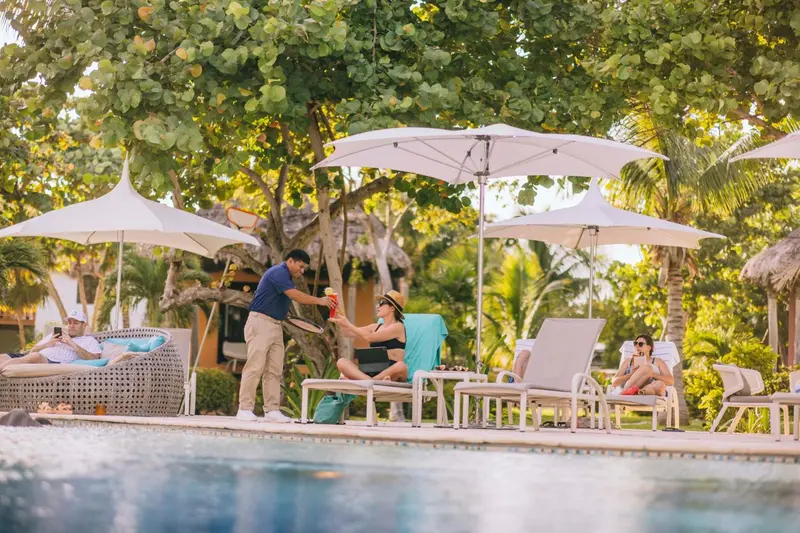
In each one, the dive centre is inside the hotel: step out of your room and go diving.
Dive centre in the hotelGoogle 4.6/5 (1,315 reviews)
The dive centre
Plongée avec Ramon’s Village Divers
Google 4.5/5 (62 reviews)
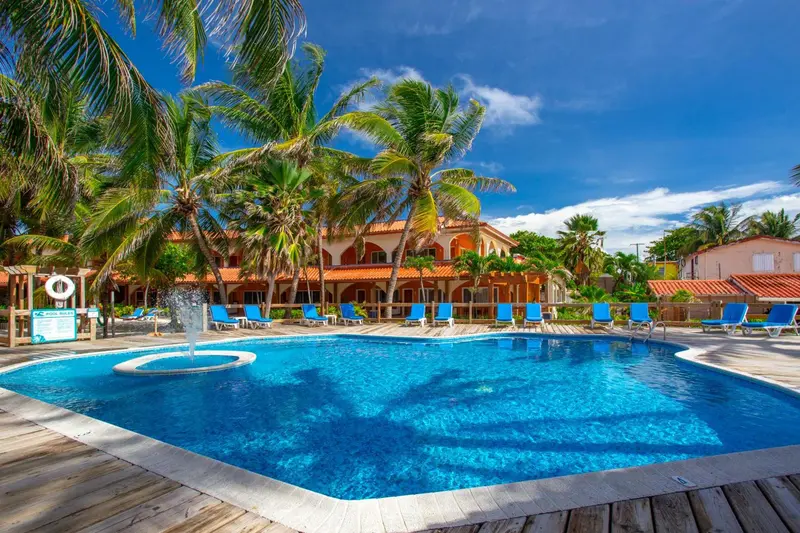 Dive centre in the hotel
★★★★
Google 4.6/5 (357 reviews)
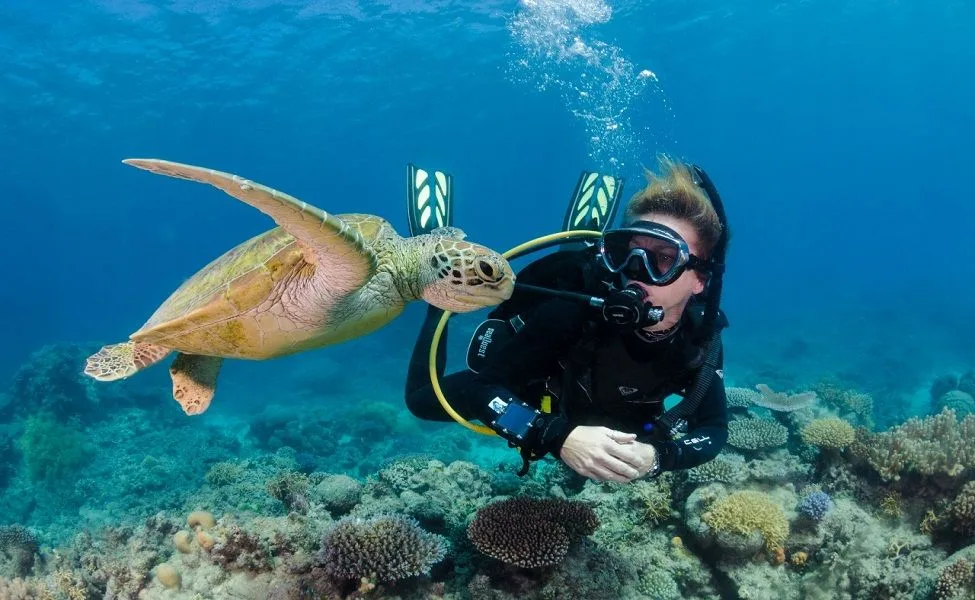
The dive centre
Ambergris Divers
PADI
Google 4.6/5 (210 reviews)
Dives: Hol Chan Marine Reserve, Shark Ray Alley, Great Blue Hole
Your last day stays dry: no diving in the 18-24 hours before a flight, the perfect window to see the destination from another angle.
 Culture
⏱ 2 h · ★ 5.0 (13 reviews)
from £19$25€23
see on Viator ↗
 Culture
⏱ 12 h · ★ 5.0 (7 reviews)
from £418$559€500
see on Viator ↗

⏱ 1 day · ★ 5.0 (2 reviews)
from £44$59€53
see on Viator ↗
Ratings and reviews collected by Viator and Tripadvisor.
Ambergris Caye can be dived throughout the year. August to November has the calmest measured sea, offering the best chance of comfortable boat days. January to May is the driest measured period, which suits a drier island stay. Keep one or two low-wind reserve days in your itinerary for flexibility.
Ambergris Caye suits everyone from first open-water divers to experienced divers comfortable with deeper profiles. Mexico Rocks Marine Park, Stingray City and Hol Chan Marine Reserve offer forgiving options, while Half Moon Caye Wall stays within recreational limits. The Blue Hole requires experience, at least six months of logged diving and confident depth and gas management.
Diving Ambergris Caye combines shallow coral, wildlife encounters, walls and deeper scenery. Mexico Rocks Marine Park brings you close to coral and smaller reef life, while Stingray City centres on southern stingrays. Hol Chan Marine Reserve is associated with sharks and rays, and Half Moon Caye Wall offers clear views along the reef drop.
Plan Ambergris Caye as a land-based, day-boat destination from San Pedro, returning to the island after each outing. A four-to-seven-day stay allows several reef days, a deeper change of scene and weather-buffer days. Choose accommodation near the departure point, avoid tight connections, favour early departures and consider Nitrox for repeated boat dives.