 Dive centre in the hotel
Turneffe Island Resort
★★★
Google 4.9/5 (100 reviews)
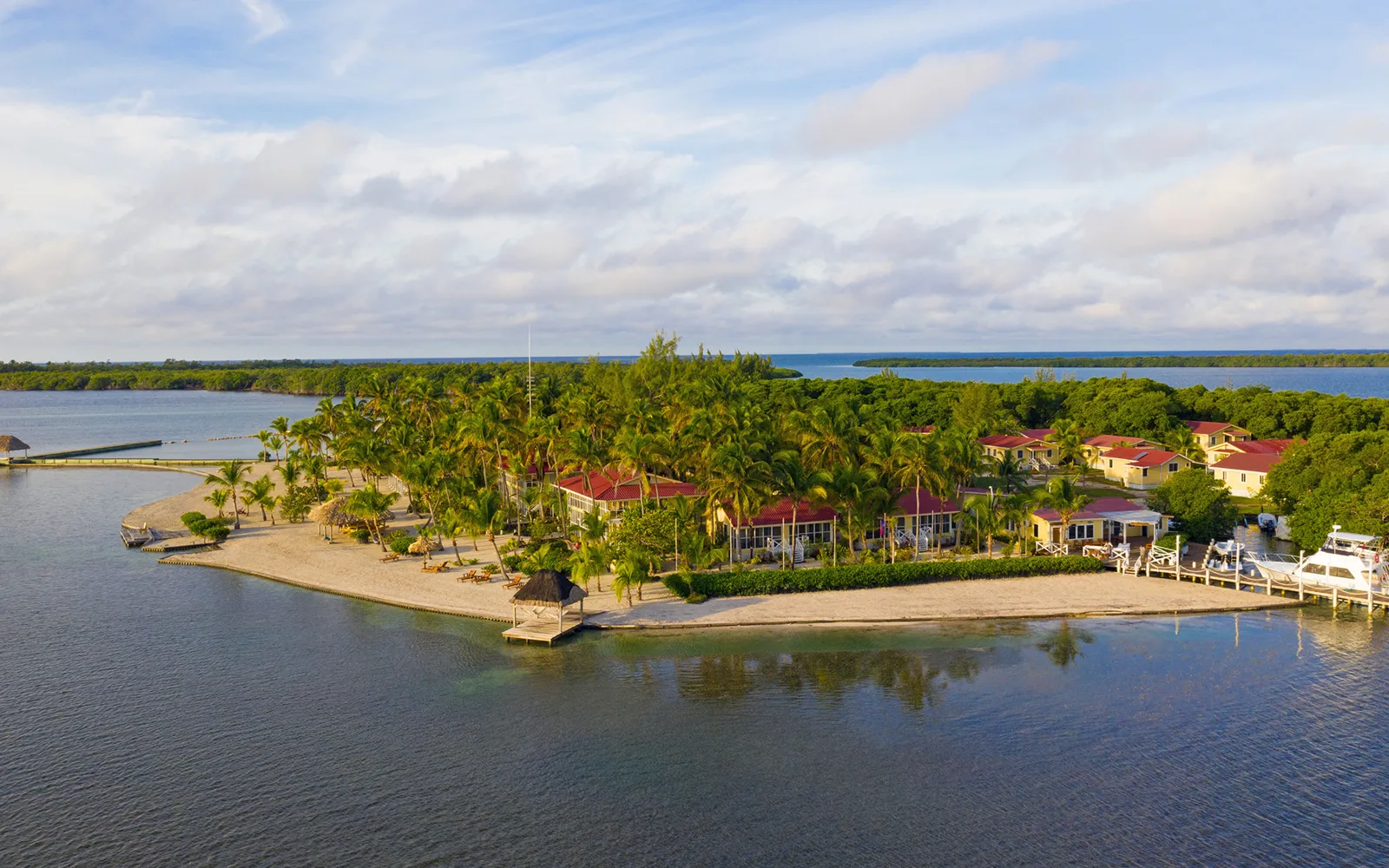
The dive centre
Turneffe Island Resort Dive Center
PADI
Google 4.9/5 (100 reviews)
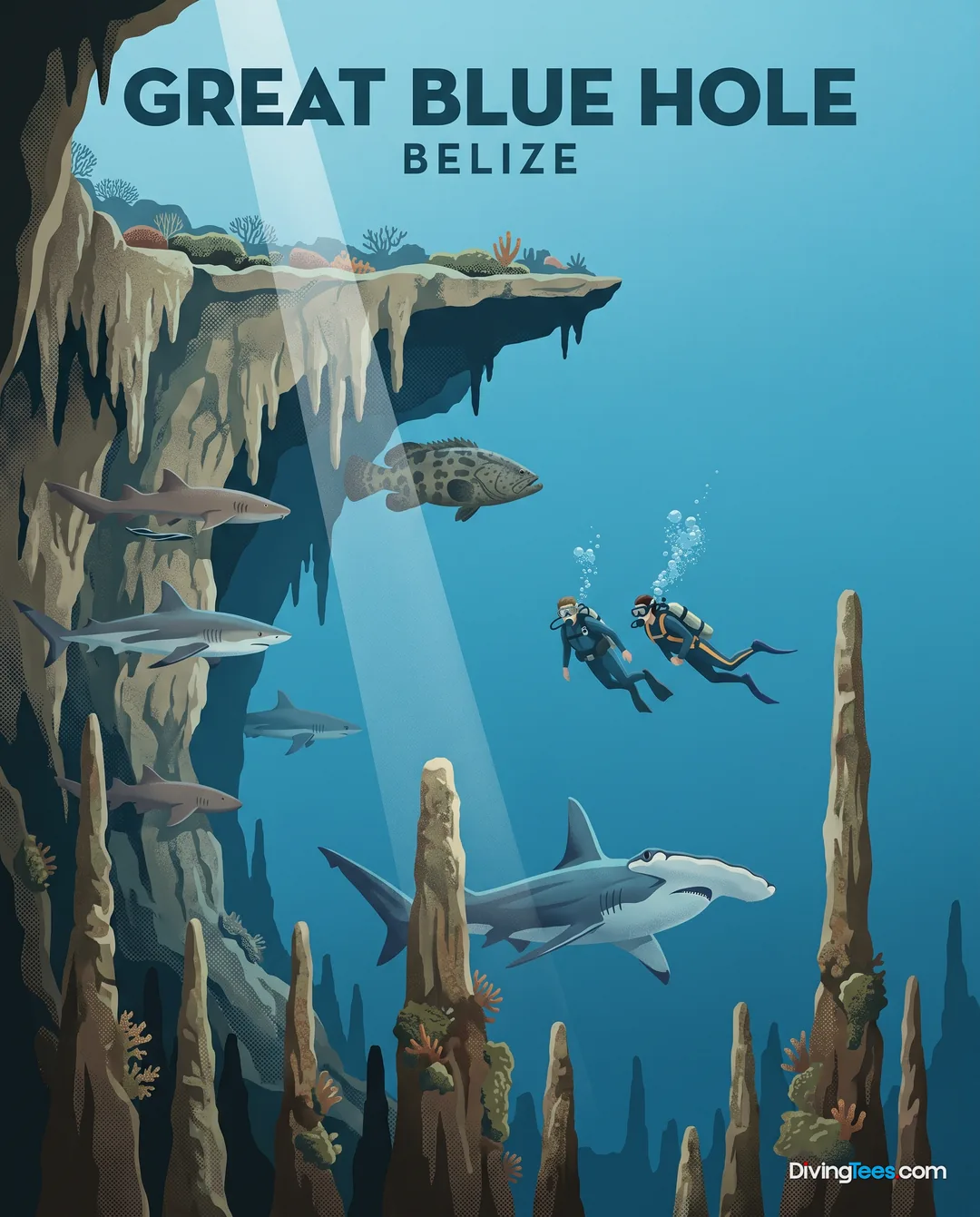
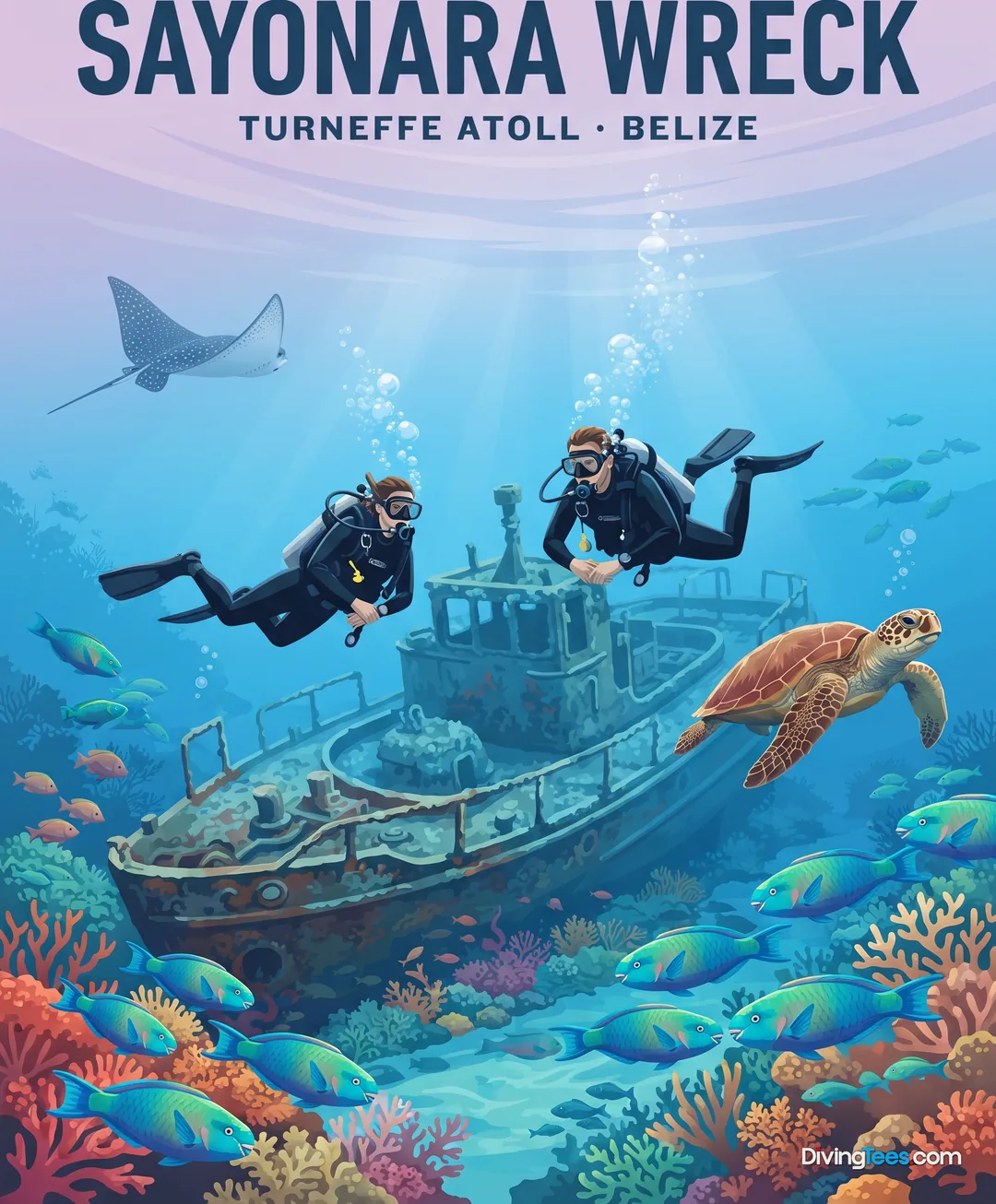
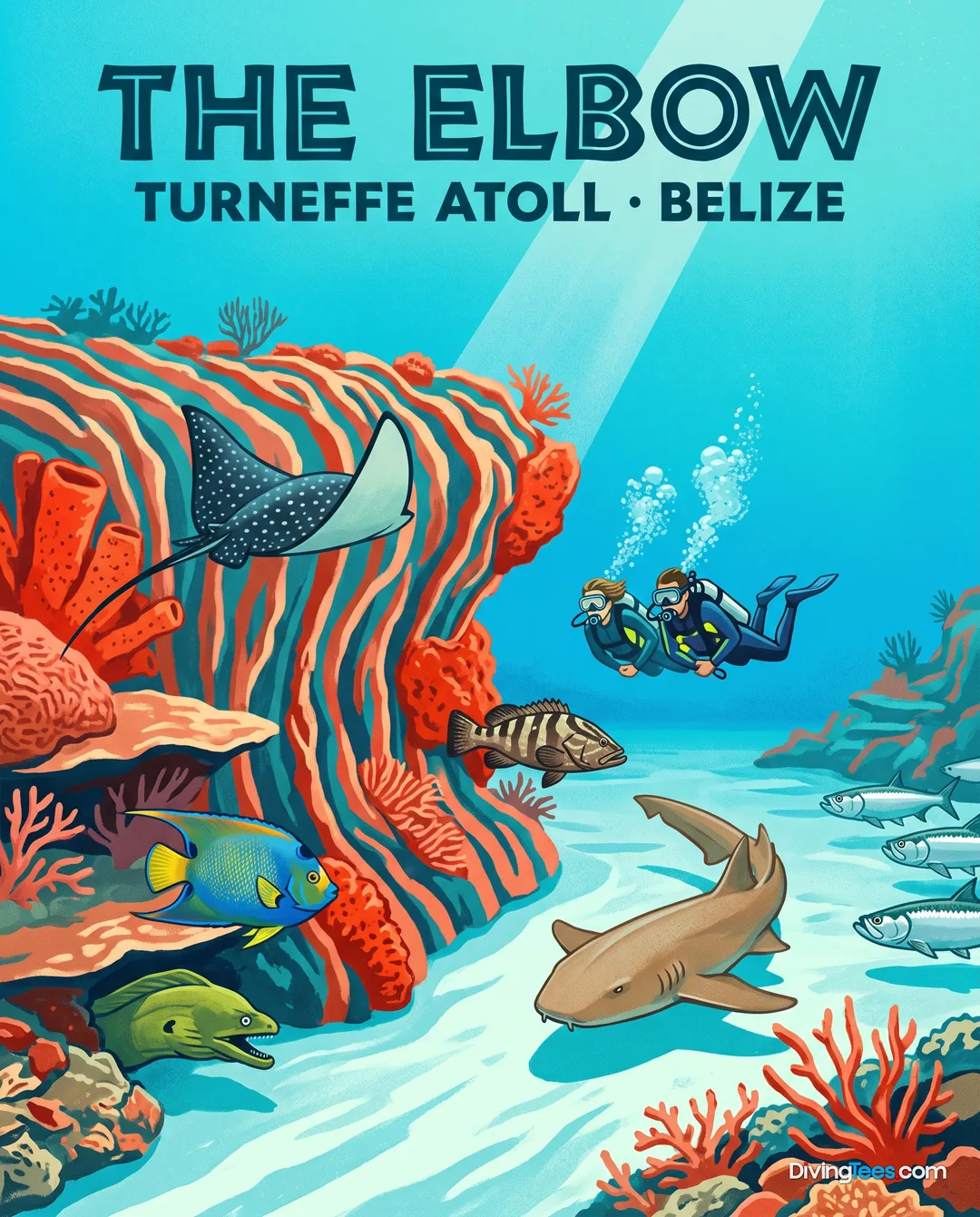
Dives: Great Blue Hole, Sayonara Wreck, The Elbow
Belize · Americas
Mangrove lagoons, coral-encrusted walls, nurse sharks and a 130-metre blue hole define Turneffe's boat-based diving in Belize.
For subtitles in English: start the video firstthen click the gearat the top right of the video, select “Subtitles/CC”, then “Auto-translate” and choose “English”.
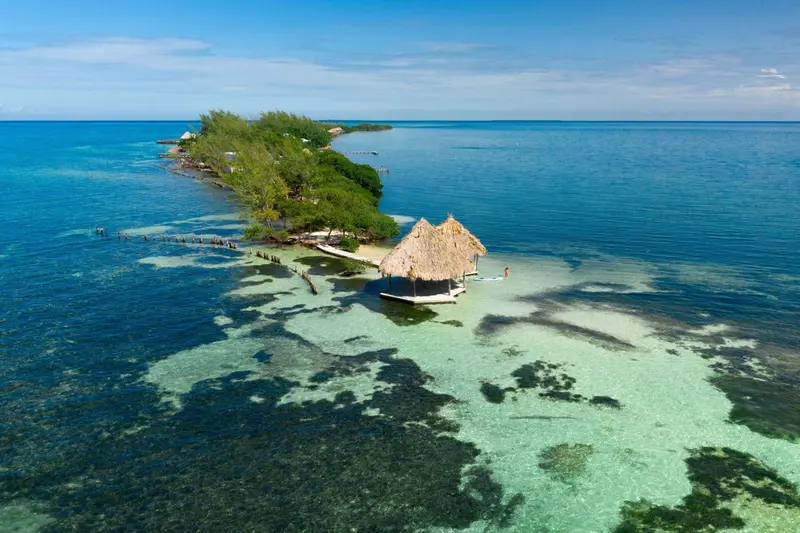
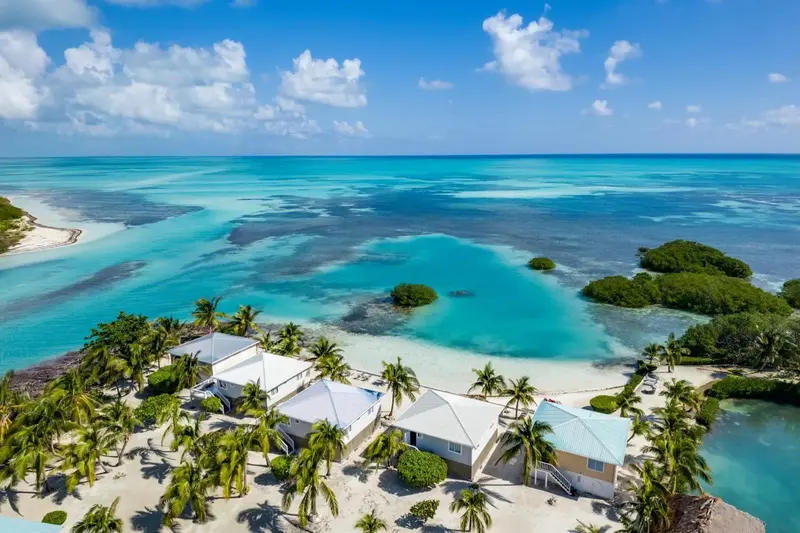
The Great Blue Hole is the most recognisable name associated with this part of Belize, but Turneffe Atoll is not simply a day trip to one dramatic sinkhole. It is a large coral atoll of outer reefs, walls, passes, mangrove and lagoon, reached by boat and explored through repeated dives. The result is a largely natural-history-focused holiday, with reef structure and marine habitats taking precedence over developed shore facilities or non-diving entertainment.
Turneffe combines sloping reef shelves, abrupt walls, canyons, passes and mangrove margins. At The Aquarium, a reef shelf drops towards a coral-encrusted wall, with recreational dives reaching about 24 metres and visibility typically ranging from 24 to 30 metres. Witconcrete Wreck lies between 15 and 24 metres, allowing a steady exploration of its length, holds and developing artificial-reef life. Conditions become more serious at The Elbow, where two currents meet and create a fast drift dive; the site is weather-dependent and demands sound buoyancy and gas management. The Great Blue Hole adds depth exposure and geological interest, with recreational diving confined to the upper section, wall and stalactites. Currents across the atoll are variable, so boat planning matters more than a fixed shore-diving routine.
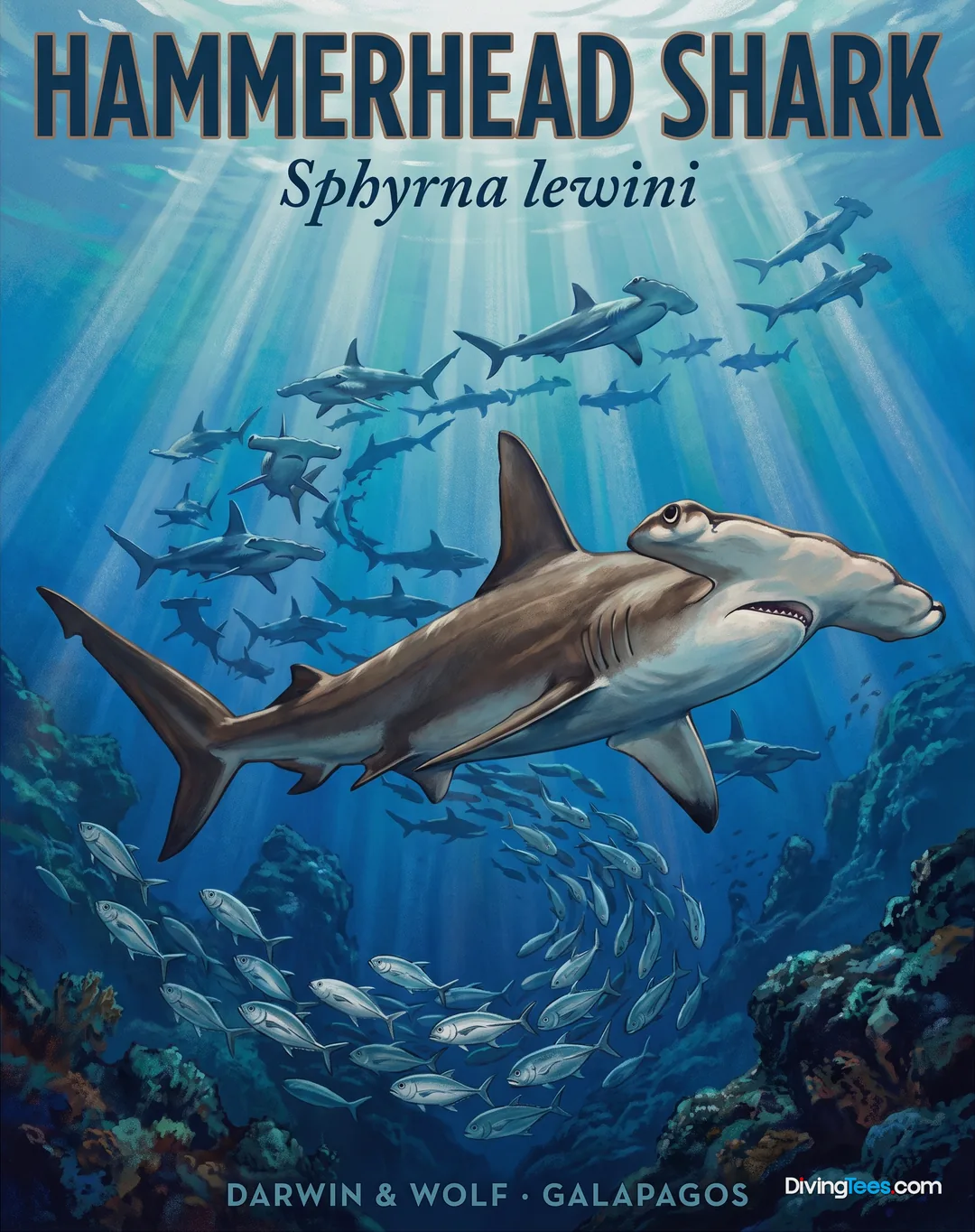
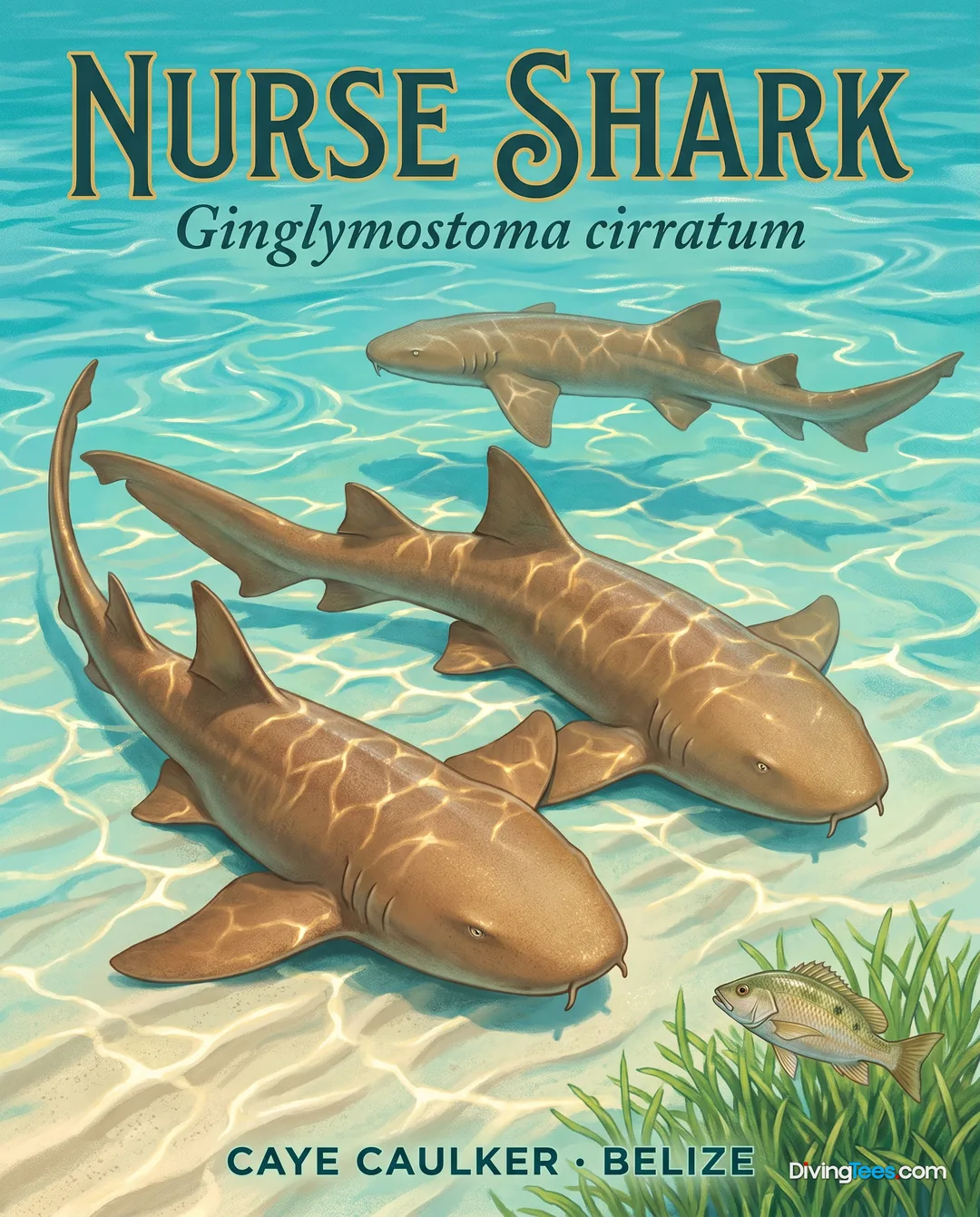
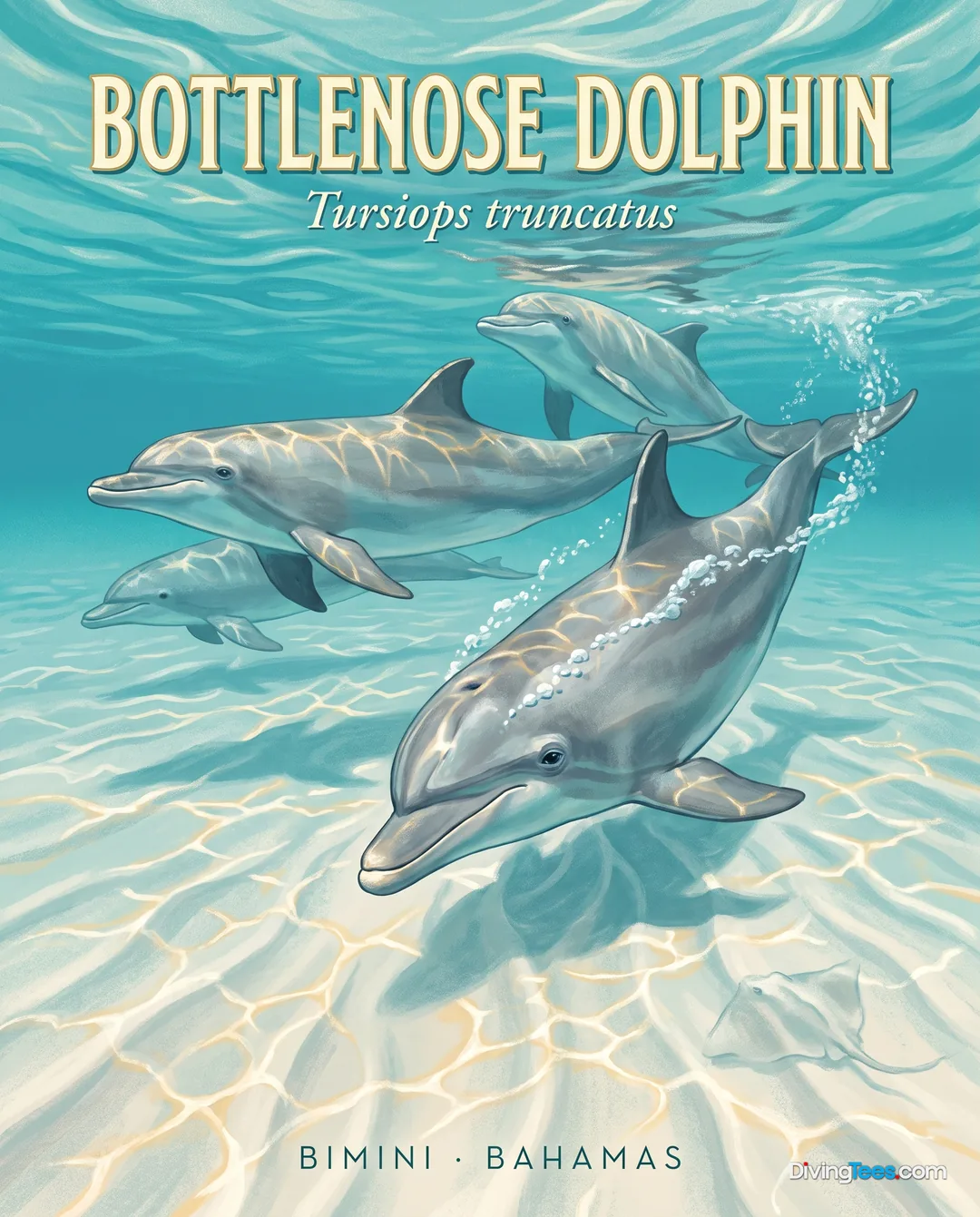
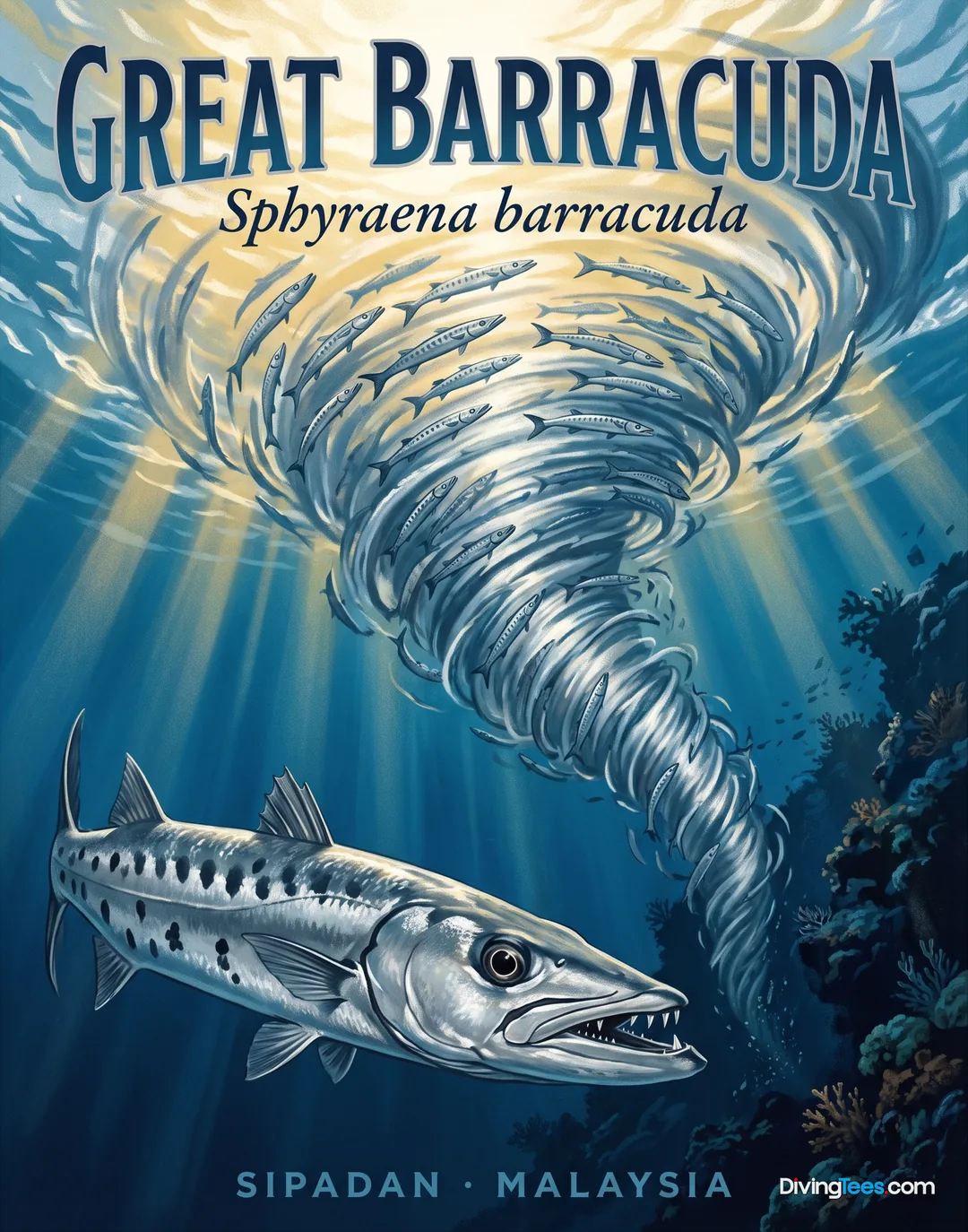
The atoll's mangroves, lagoons and outer reefs support a mixture of reef fish and larger visitors. Reef shark, Nurse shark, hammerhead sharks, Great barracuda and Jack are among the named encounters, while Dolphin may appear in the wider marine setting. Sea fan growth adds detail to the walls and reef slopes, particularly where the structure catches moving water. The Elbow is the clearest example of how current brings the animal interest into the dive, with Nurse shark encounters associated with the drift. At Witconcrete Wreck, schooling Jackfish and barracuda have gathered around the 2021 artificial reef. The attraction is therefore habitat-led: mangrove and lagoon observation above water complements the larger animals and coral life found on the exposed reef.
The measured calmest sea period runs from August to November, making these months the most practical choice when boat access and current-sensitive sites are central to the plan. Rainfall is measured as lowest from January to May, which may suit a trip where time on the island and surface intervals matter as much as visibility. The Elbow is only suitable in calm conditions, so a weather-aware itinerary is preferable to one built around a single fixed site. A spare day is sensible because the atoll is reached by sea and the diving depends on conditions. No specific animal season should be treated as the main reason to choose one month over another.
This coast is exposed to sargassum strandings, whose intensity varies greatly from year to year. To find out more, see the “Sargassum alert” panel on this page.
Turneffe suits divers from all levels, including Open Water divers on the gentler reef sites. The Aquarium and the 15-to-24-metre Witconcrete Wreck provide manageable recreational profiles, while Sayonara Wreck is aimed at divers comfortable around 15 to 20 metres. The Elbow requires experience with strong currents and drift procedures. The Great Blue Hole is an advanced dive because of depth exposure; reaching its full 130 metres is technical diving, not recreational diving. Nitrox is useful for a multi-dive schedule. BSAC, PADI and SSI qualifications can all fit the destination, provided recent experience matches the planned sites.
From London Heathrow, London Gatwick or Manchester, the journey begins with an international flight to Belize, followed by a land transfer to the coast or the chosen boarding point. The final approach to Turneffe Atoll is by boat: there is no road or airport on the atoll itself. Departure times can depend on tide, weather and the coastal embarkation point, so a tight chain of flight, road and boat connections leaves little margin for delay. Once on an island base, movement is generally short walks or boat shuttles rather than taxis and roads. The practical choice is between a fixed island stay with daily boat diving and a liveaboard, with the former making the atoll the centre of the holiday rather than an excursion.
Treat the crossing as part of the dive logistics, not as a routine transfer. Keep the first day flexible: a delayed coastal connection or unsuitable sea state can otherwise turn a boat-based schedule into a missed dive day. Ask before booking whether the plan uses daily boat trips from an island base or a dedicated atoll operation, because that changes loading, surface intervals and the amount of time spent travelling between sites. Pack a signalling device and suitable surface-float equipment if drift dives and long reef lines are likely; remote island sites offer less shore-side backup. Keep one day free for weather, particularly if The Elbow is important. In the reserve, do not anchor on reef where mooring buoys are provided, collect anything, or disturb animals and substrate. Turneffe rewards divers who arrive expecting a marine territory to explore, not a single emblematic dive with easy land access.
A seven-to-ten-day stay gives the boat transfer room to breathe, allows different reef areas, walls, mangrove edges and wrecks to be combined, and leaves a useful weather buffer. A fixed island base works well for divers who prefer settled accommodation and repeated boat departures; a liveaboard keeps the focus even more tightly on the atoll. Non-divers should expect nature and island time rather than a broad programme of urban visits, developed beaches or extensive shore activities.
Hello, I'm Marina, DivingDeal.com's AI assistant. I guide you through destinations, areas and countries.
Thinking about the whole trip and the flights? Talk it over with Edith →
Marina is an AI. Some links are affiliate links: DivingDeal may earn a commission, at no extra cost to you. Bookings are made with the partner.
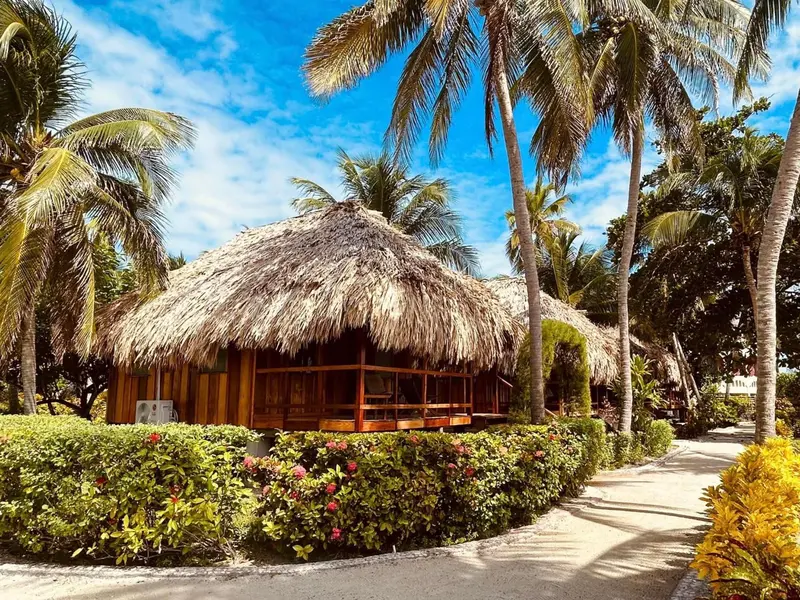
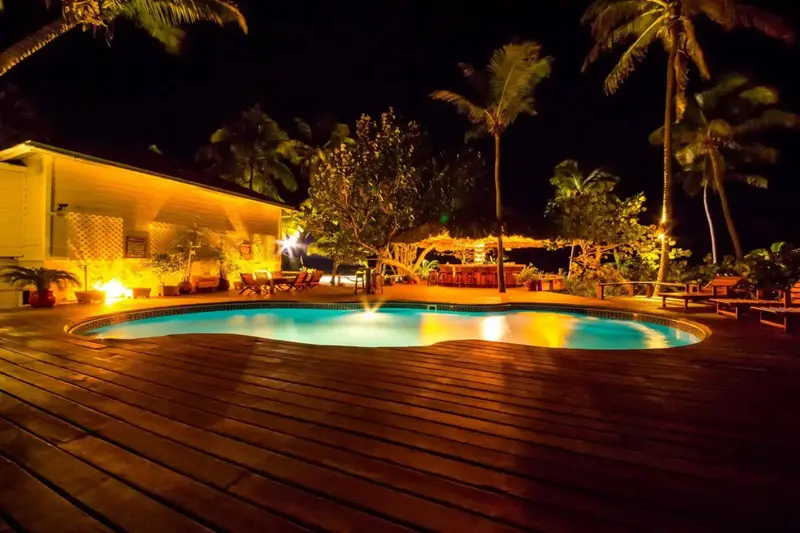
In each one, the dive centre is inside the hotel: step out of your room and go diving.
Dive centre in the hotel★★★
Google 4.9/5 (100 reviews)
The dive centre
Turneffe Island Resort Dive Center
PADI
Google 4.9/5 (100 reviews)
Dives: Great Blue Hole, Sayonara Wreck, The Elbow
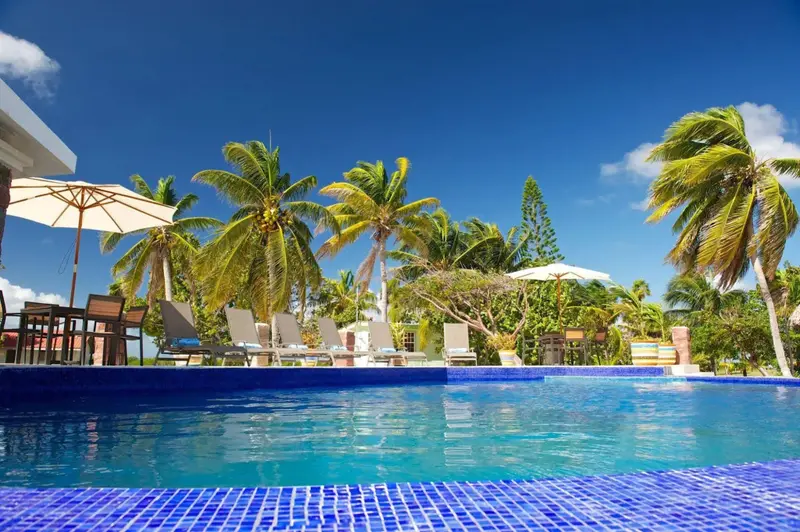 Dive centre in the hotel
★★★
Google 4.5/5 (82 reviews)
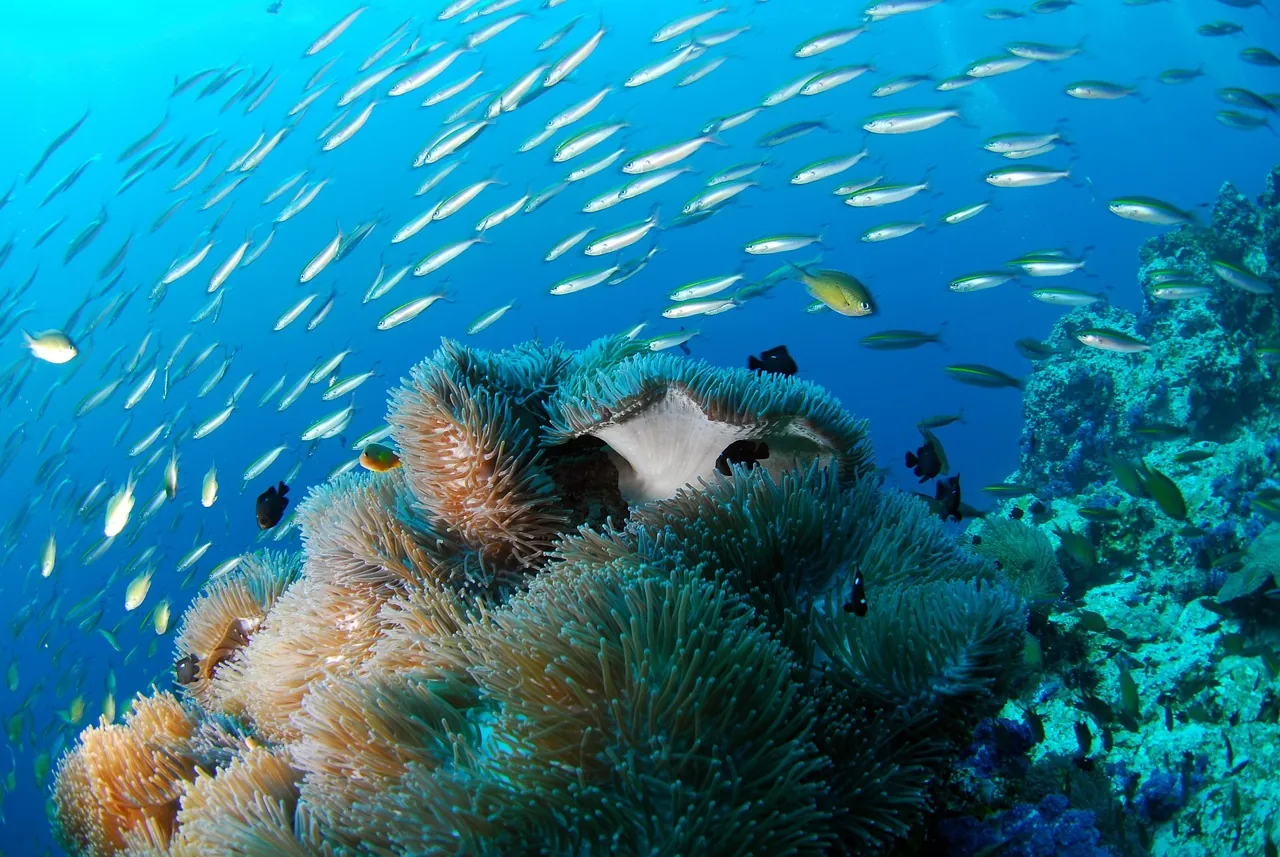
The dive centre
Plongée au Blackbird Caye Resort
PADI
Google 4.5/5 (83 reviews)
Dives: Witconcrete Wreck, Great Blue Hole, Half Moon Caye National Monument
August to November brings the calmest sea conditions, which can help with boat access and current-sensitive sites. January to May has the lowest rainfall and may suit trips with more island time. Keep the itinerary flexible, especially if The Elbow matters, and allow a spare day for weather-related disruption.
Turneffe Atoll suits divers of all levels, with Open Water divers able to enjoy gentler reef sites such as The Aquarium. The Witconcrete Wreck offers manageable recreational profiles. The Elbow requires experience with strong currents and drift procedures, while the Great Blue Hole is advanced because of depth exposure, with its full depth requiring technical diving.
You can explore sloping reefs, abrupt coral-encrusted walls, canyons, passes, wrecks, mangroves and lagoons. Named encounters include nurse sharks, reef sharks, hammerheads, Great barracuda, jackfish and occasional dolphins. Schooling jackfish and barracuda gather around the Witconcrete Wreck, while moving water at The Elbow can bring nurse sharks into view.
Plan Turneffe Atoll as a boat-based trip rather than a shore-diving holiday. Choose between a fixed island base with daily boat departures and a liveaboard, and keep your first day flexible after the international flight, land transfer and coastal crossing. A seven-to-ten-day stay allows varied sites and a useful weather buffer.