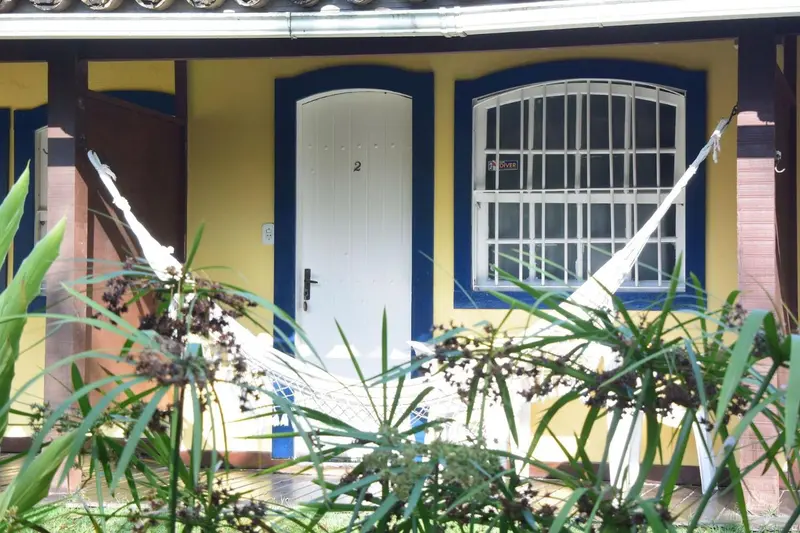
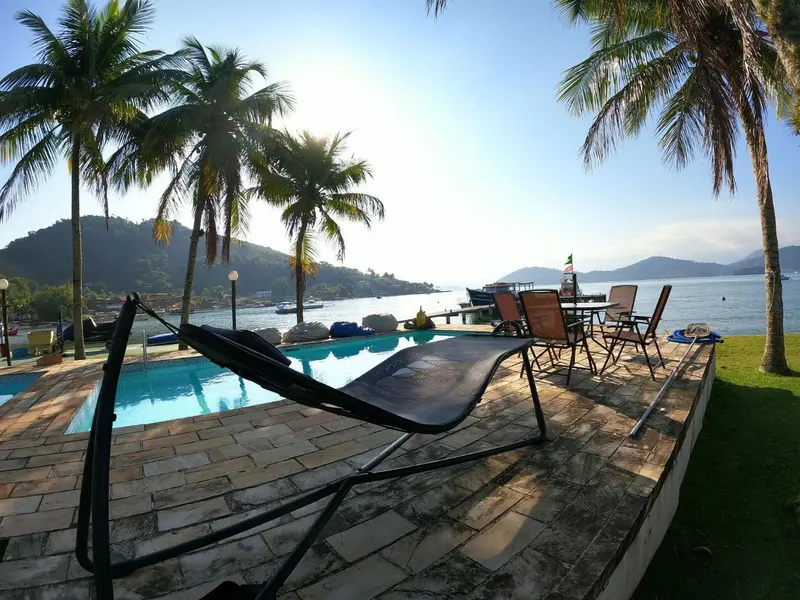
 Dive centre in the hotel
Pousada Aquamaster Dive Center
Google 4.7/5 (203 reviews)
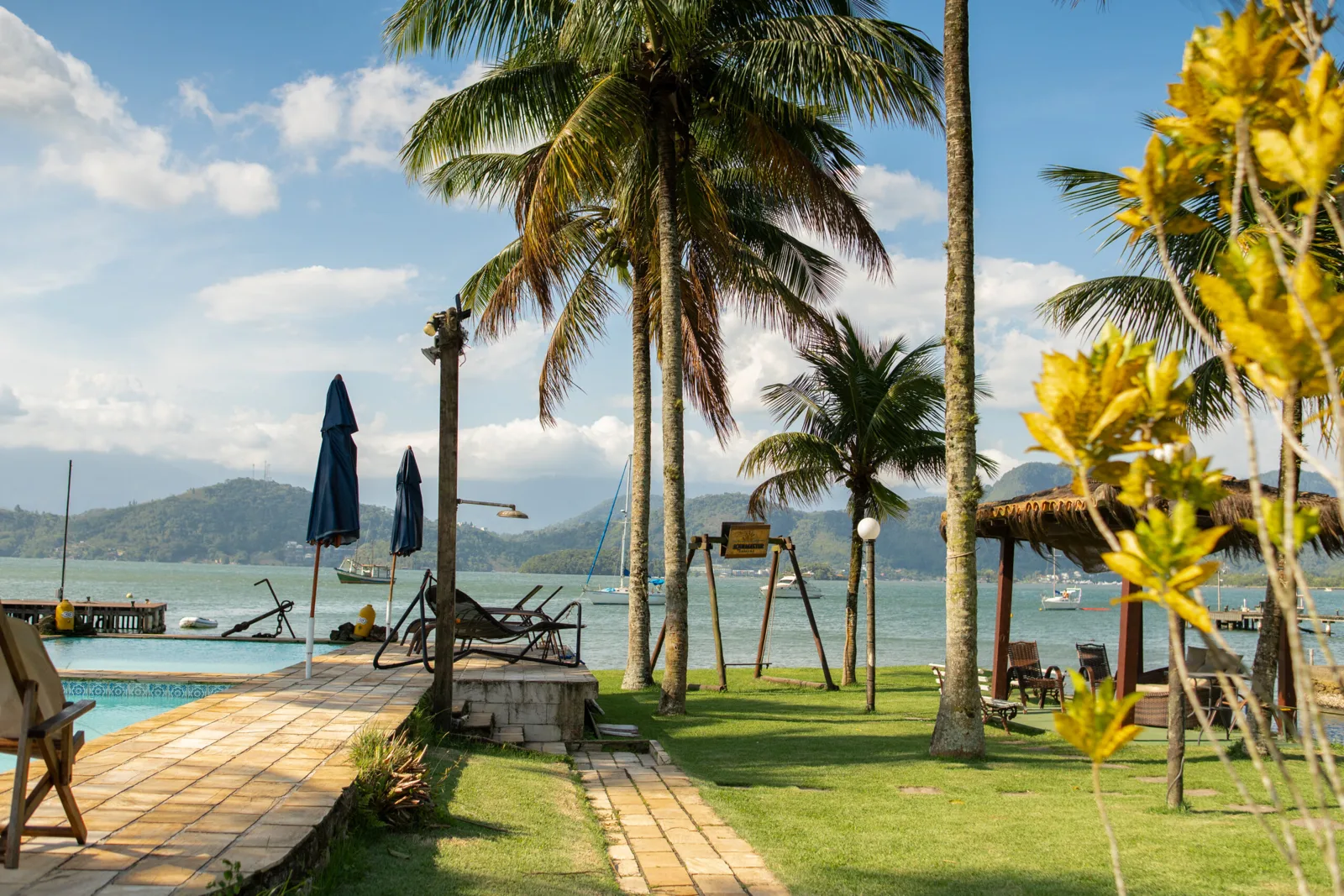
The dive centre
Aquamaster
PADI · RAID
Google 4.7/5 (203 reviews)
Brazil · Americas
Rocky drop-offs, weathered wrecks, sea turtles and island passages shape boat diving around Ilha Grande, Ilha dos Meros and Jorge Grego.
For subtitles in English: start the video firstthen click the gearat the top right of the video, select “Subtitles/CC”, then “Auto-translate” and choose “English”.
Rocky reefs, wrecks and island passages define diving around Angra dos Reis. Boats leave the mainland or Ilha Grande for Ilha dos Meros, Jorge Grego and other parts of the bay, where sheltered rock formations sit alongside more exposed water. Sea turtles and reef fish are regular companions, with rays appearing from time to time. The bay includes protected areas, although reef condition varies between quieter sectors and places under heavier nautical and tourist pressure.
This is principally boat diving over rocky reefs, drop-offs, cavities and wrecks, with the route changing according to wind, sea state and visibility. Ilha Grande and Ilha dos Meros offer sheltered options, while Jorge Grego puts the group in more exposed water when conditions allow. Currents are variable rather than a defining feature of every dive, so expect the possibility of movement without assuming a drift dive. Visibility commonly falls between five and twenty metres. Heavy rain can push sediment into the bay, particularly in enclosed coves, while more open rocky sites may remain clearer. Morning departures are worthwhile because the sea is often calmer and visibility better before the day develops. The boat trip is part of the format, not an occasional extra.
Sea turtles are the most dependable larger encounter, possible throughout the year around the islands. Tropical reef fish are also regular, moving across the rock reefs, cavities and walls rather than being tied to a single season. Rays occur occasionally, so they are a pleasing possibility rather than a reason to build the itinerary around one particular site. Summer brings warmer water and more life, but rain can reduce visibility at the same time. On a clear morning, the appeal is the combination of hard structure, open water and ordinary reef activity, with turtles adding the memorable moment. The bay’s protected areas matter, but the ecological condition is not uniform across all the sectors used by boats.
Diving is possible throughout the year, but April to August usually gives the most dependable balance of workable sea and visibility. October and November can also provide good windows. These periods are generally drier or sit between the wetter spells, so less runoff reaches the enclosed parts of the bay. The austral summer has warmer water and more life, but heavier rain and stronger winds can make the day’s choice of island less predictable. There is no single month to rule out. Instead, allow several days, watch the weather, and let the operator select the morning’s sites rather than trying to force a fixed plan.
Angra dos Reis works for beginners on sheltered sites and for experienced divers wanting deeper or more exposed outings. An Advanced Open Water qualification is useful for the latter, while wreck dives call for proper wreck training and a clear no-unplanned-penetration policy. Variable currents and changing sea conditions reward sound judgement, particularly around Jorge Grego. A basic recreational qualification, including BSAC, PADI or SSI training at the appropriate level, is enough for the easier boat dives.
From London or Manchester, the journey is built around reaching Rio de Janeiro, then travelling by road to Angra dos Reis. The full trip typically takes about sixteen to twenty-four hours, depending on connections and the wait before the road journey. Ilha Grande adds a compulsory boat crossing: the fast ferry from Angra to Vila do Abraão takes about thirty minutes, although departures depend on weather. Vila do Abraão has no normal vehicle traffic, so the final movement to accommodation is on foot or by local boat. On the mainland, getting to a departure point may mean walking, taking a taxi or arranging a transfer, depending on where you stay.
Book enough flexibility to lose a boat day to rain, wind or a rough sea, rather than fixing every dive around one island. Ask for the sites to be chosen on the day, and favour a morning departure when conditions are usually calmer. After heavy rain, do not chase visibility in the bay’s enclosed coves: ask about more open rocky ground instead. Treat Jorge Grego as a condition-dependent outing, not a guaranteed part of the programme. On Ilha Grande, keep luggage manageable because you may have to carry it from the landing place to your accommodation. Intermediate months and weekday mornings usually mean fewer boats than Brazilian holiday periods. Finally, keep the day before an international flight free of diving, using it for a beach, walk or boat trip instead.
Allow five to seven days for a sensible land-based stay, with several mornings available for boat diving and spare time for weather changes. You can base yourself on the mainland at Angra dos Reis or on Ilha Grande, and combine both if the ferry and luggage arrangements are planned carefully. Vila do Abraão is practical for a walking holiday, while Ilha Grande also supplies forest trails, beaches, swimming and boat excursions. Keep one non-diving day for the journey home.
Hello, I'm Marina, DivingDeal.com's AI assistant. I guide you through destinations, areas and countries.
Thinking about the whole trip and the flights? Talk it over with Edith →
Marina is an AI. Some links are affiliate links: DivingDeal may earn a commission, at no extra cost to you. Bookings are made with the partner.
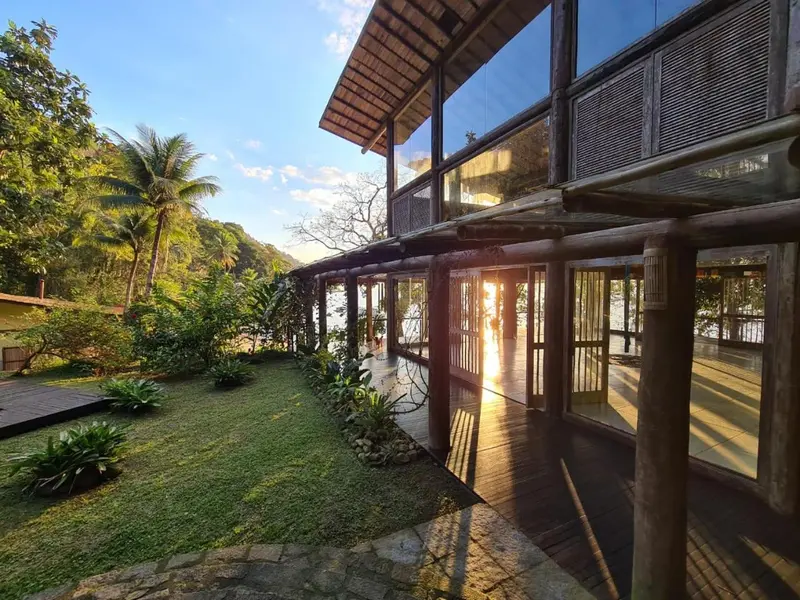
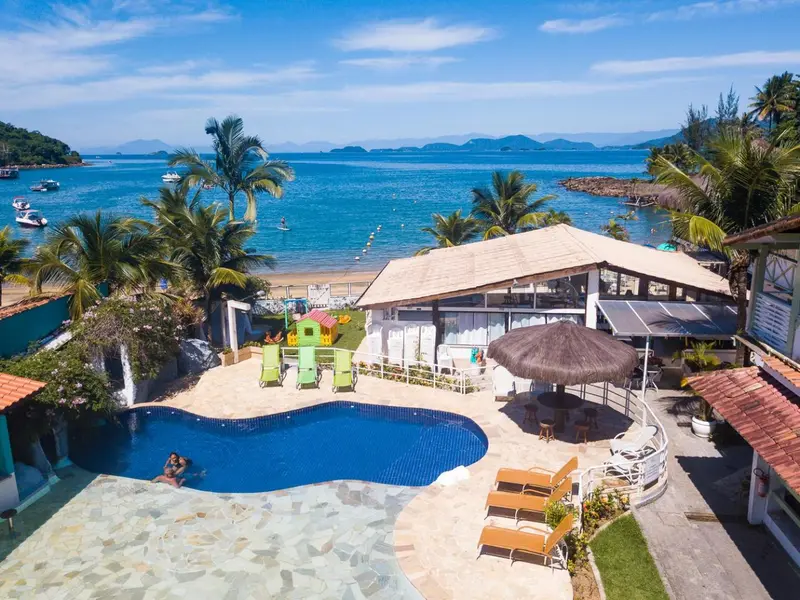
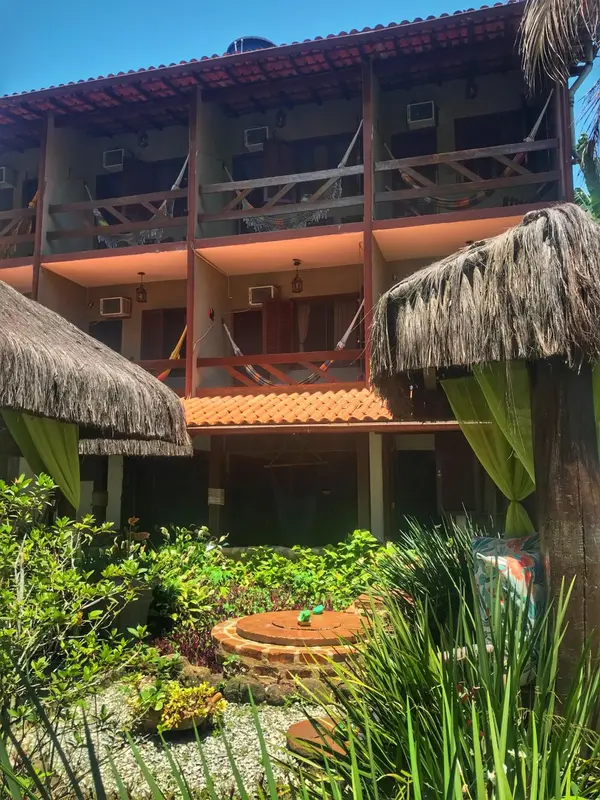
In each one, the dive centre is inside the hotel: step out of your room and go diving.
Dive centre in the hotelGoogle 4.7/5 (203 reviews)
The dive centre
Aquamaster
PADI · RAID
Google 4.7/5 (203 reviews)
You can dive in Angra dos Reis throughout the year, but April to August usually offers the clearest balance of workable sea and visibility. October and November may also provide good windows. Summer brings warmer water and more life, although rain and wind can make the choice of island less predictable.
Angra dos Reis suits beginners on sheltered boat dives around Ilha Grande and Ilha dos Meros. Experienced divers can choose deeper or more exposed outings, with Advanced Open Water useful for those conditions. Wreck dives require proper wreck training and a clear no-unplanned-penetration policy, while variable currents call for sound judgement.
Around Angra dos Reis, expect rocky reefs, drop-offs, cavities, walls and weathered wrecks reached by boat. Sea turtles may appear throughout the year around the islands, while tropical reef fish are regular companions. Rays occur occasionally. Visibility commonly ranges from five to twenty metres, depending on conditions and location.
Allow several days for boat diving, with spare mornings in case rain, wind or rough sea cancels a trip. Base yourself on the mainland or Ilha Grande, or combine both with ferry and luggage planning. Choose sites on the day, keep a non-diving day before your flight, and treat Jorge Grego as condition-dependent.