
Buzos de Baru
Google 4.9/5 (621 reviews)
16 km away as the crow flies
Cartagena · Colombia · Americas
Max. depth · 18 mDescend to 18 metres to explore the intact structure of the ARC Quindío, a purpose-sunk naval wreck resting on a sandy bottom.
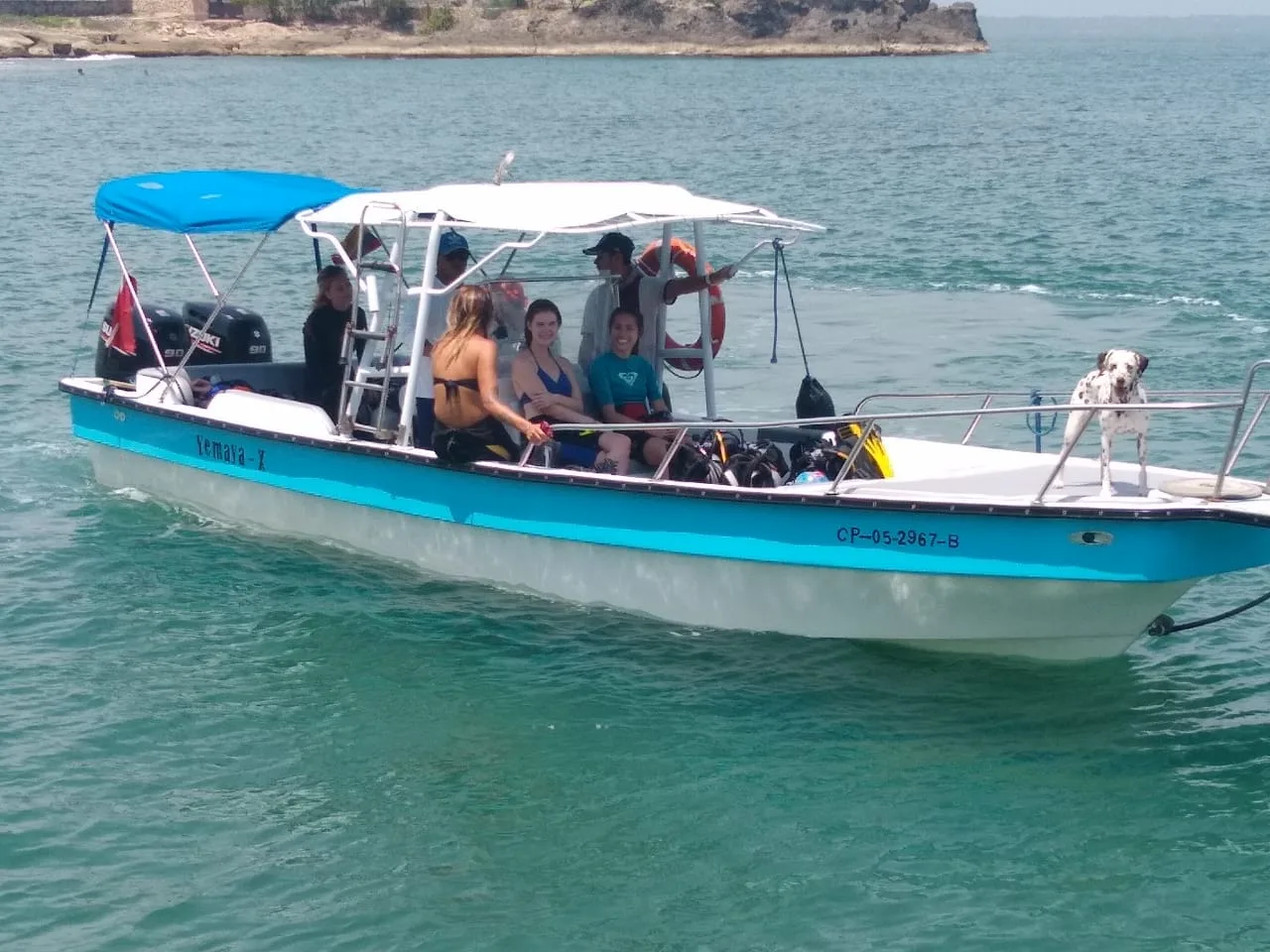
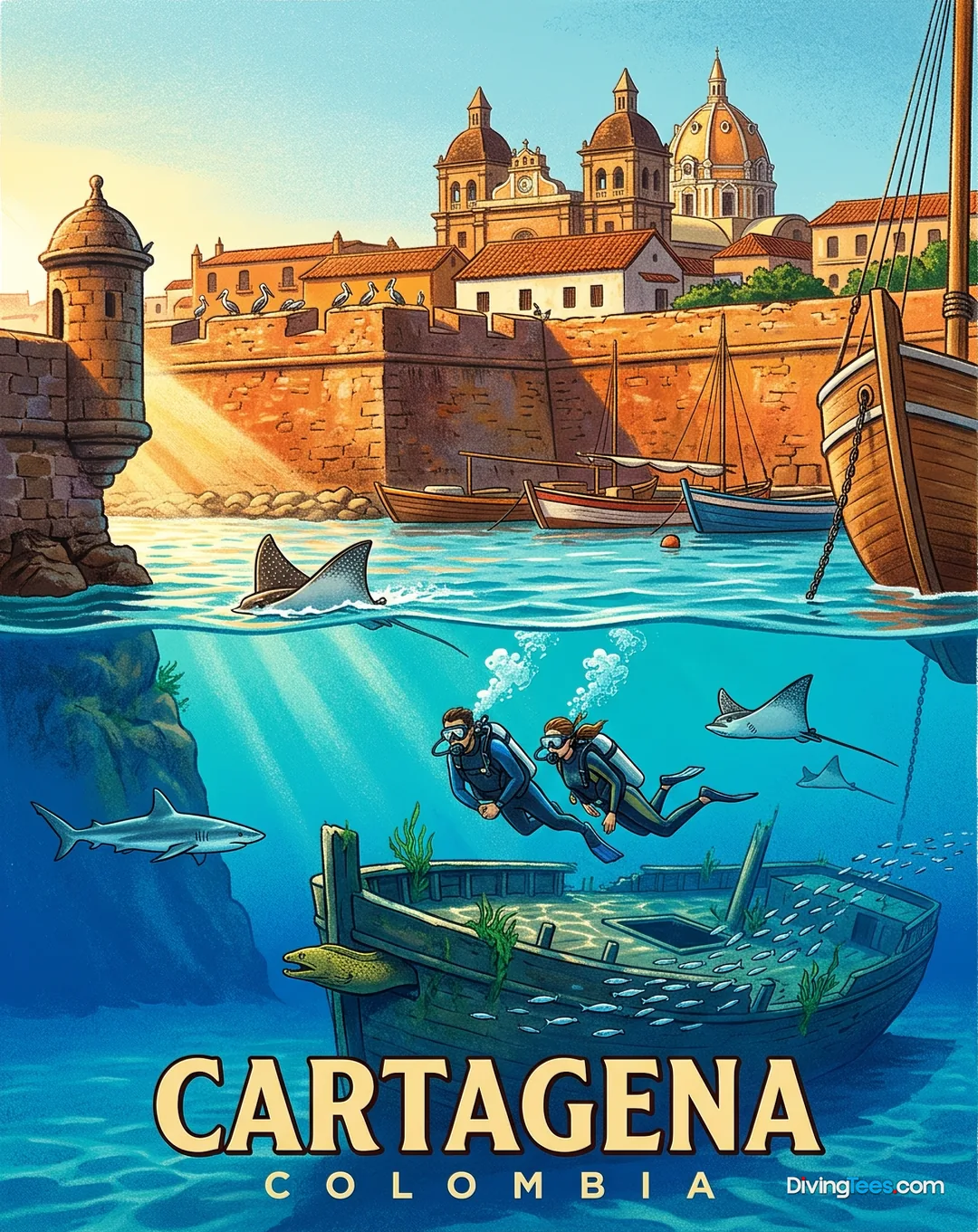
The ARC Quindío, also known as ARC 'Quindío', lies off Cartagena as a purpose-sunk naval vessel, creating an artificial reef environment. Resting on a sandy seabed at a uniform depth of 18 metres, this intact wreck provides a distinct topographical feature in an area otherwise dominated by natural reef formations. You approach the site by boat, typically mooring directly over the wreck, allowing for a controlled descent straight onto the main structure. The consistent depth means the entire dive can be spent exploring the wreck without significant depth changes.
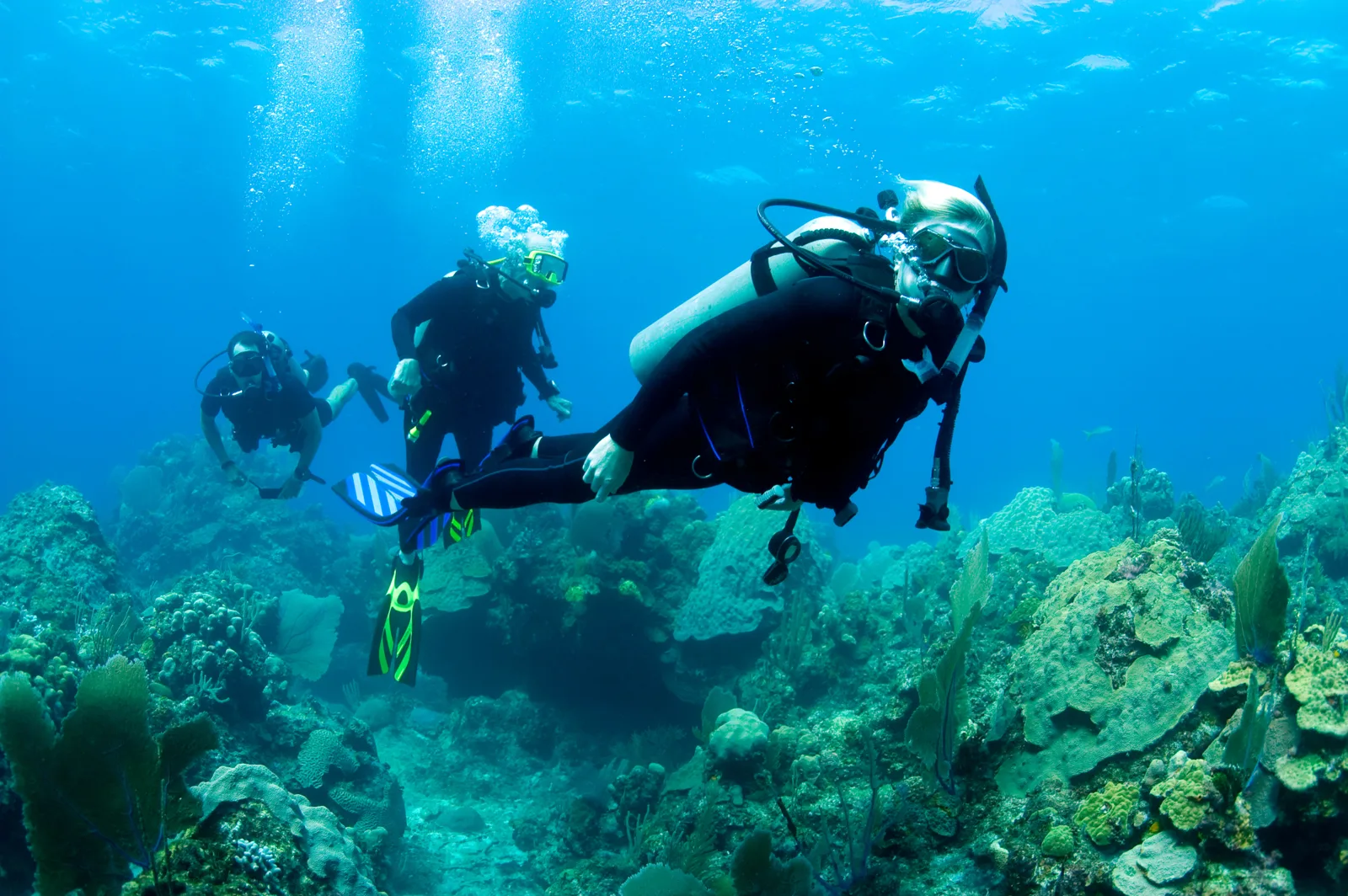
As you descend, the dark mass of the ARC Quindío gradually comes into view, its structure providing shelter and habitat for marine life. The wreck is presented as intact, suggesting that the vessel's original form is largely preserved, with surfaces and compartments inviting exploration. While exact architectural details are not extensively documented, you'll find artificial surfaces creating crevices and overhead environments where fish school and larger resident creatures take refuge. This allows for focused observation of how marine ecosystems adapt to and colonish man-made structures.
The dive profile for ARC Quindío is straightforward, with the entire wreck situated at 18 metres. This depth makes it accessible to recreational divers, allowing for considerable bottom time to navigate around and over the vessel's exterior. Your descent brings you directly into the wreck's vicinity, where you can begin your exploration of its external features. The consistent depth profile means managing your gas consumption and no-decompression limits is predictable, making it a relaxed dive focusing on observation.
Marine life congregates around the ARC Quindío, drawn to the shelter and foraging opportunities presented by the wreck. You can expect to encounter eagle rays (Aetobatus narinari) often gliding gracefully around the deeper sections or over the sandy bottom adjacent to the wreck. Inside the wreck's structure, particularly in more protected areas, giant moray eels (Gymnothorax javanicus) are a common sight, peering out from crevices and hull openings. Their presence adds to the vibrant ecosystem that has developed around the sunken vessel.
Visibility at the ARC Quindío typically ranges between 15 to 20 metres, offering clear views of the wreck and its resident inhabitants. Currents are generally light, making for an easier dive as you navigate the wreck's exterior and observe its marine life. While general conditions in the Cartagena area can see moderate currents depending on weather and seasonal changes, the ARC Quindío generally experiences less pronounced water movement. This allows for stable observation and photography opportunities without constantly battling against flow.
The ARC Quindío is accessible to divers with an Open Water certification who have some experience with moderate depths. The dive operates at a maximum depth of 18 metres. Currents are typically light, contributing to a relaxed exploration of the wreck. Visibility usually falls within the 15 to 20 metre range. The best season for diving this site is from November to April, offering the most stable conditions.
You can dive Arc Quindio throughout the year, but the best season is from November to April, when conditions are most stable. The wreck lies off Cartagena and is reached by boat, typically with the boat moored directly over the site for a controlled descent onto the main structure.
You can dive Arc Quindio with an Open Water certification and some experience with moderate depths. Its consistent depth profile makes the dive suitable for recreational divers, with the entire wreck resting at the same depth. You can focus on exploring the vessel without managing significant changes in depth.
Arc Quindio rests at 18 metres on a sandy seabed, and the dive operates to a maximum depth of 18 metres. Currents are typically light, supporting relaxed navigation around the wreck. Visibility generally ranges from 15 to 20 metres, giving you clear views of the structure and surrounding seabed.
At Arc Quindio, you can watch eagle rays gliding in open water, around the deeper sections, or above the sandy bottom beside the wreck. Giant moray eels inhabit crevices and hull openings within protected parts of the structure. The intact naval vessel also provides shelter for fish and other resident creatures.