
Escuela de Buceo Sea Pride
Google 4.8/5 (1,697 reviews)
Colombia · Americas
San Andrés pairs shallow coral slopes with defined walls, green turtles and light-current boat diving around an island built for straightforward days at sea.
For subtitles in English: start the video firstthen click the gearat the top right of the video, select “Subtitles/CC”, then “Auto-translate” and choose “English”.
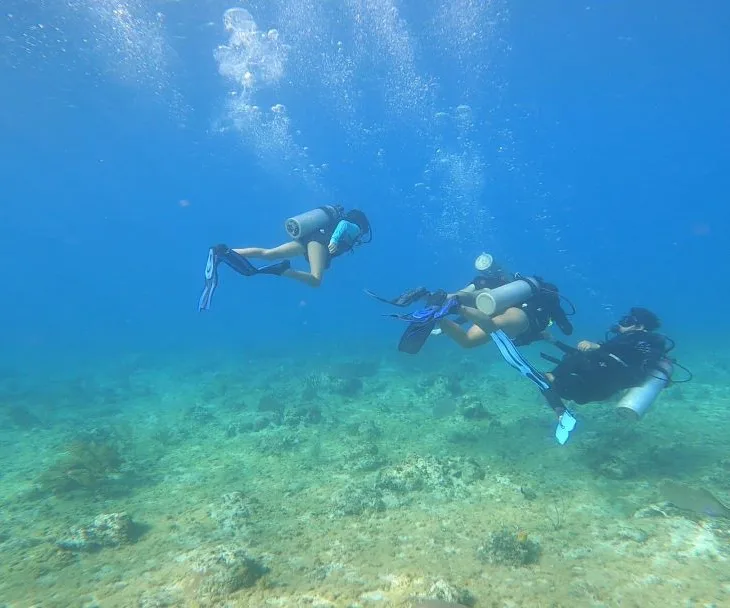
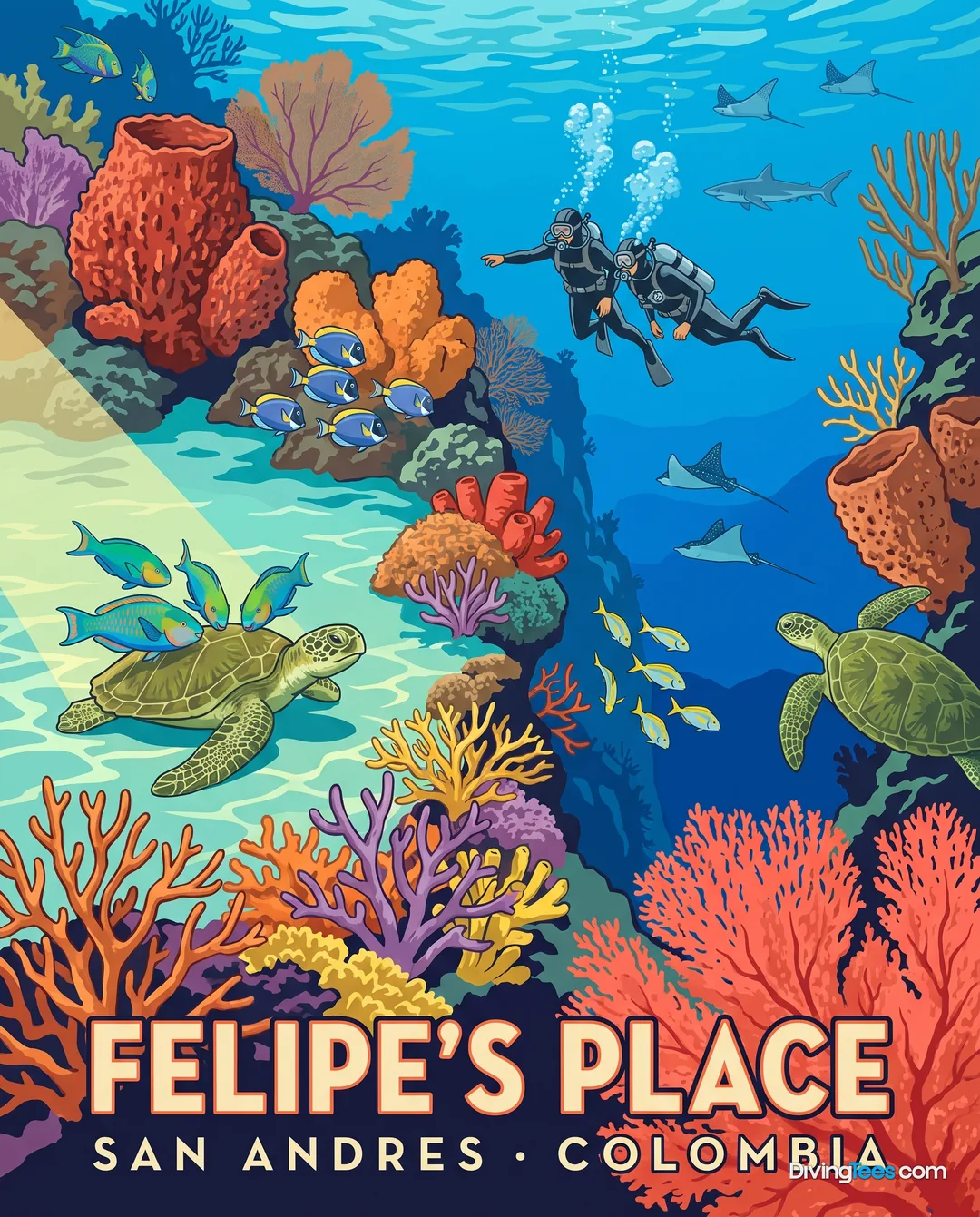
San Andrés is an island-based diving destination where the day begins and ends on land, with boats heading out to reefs close to the island and nearby cays. The underwater character is recreational rather than technical: shallow coral terrain, modest walls and warm-water outings suit divers who prefer several uncomplicated boat trips to a demanding expedition. Felipe's Place shows the format well, moving from an eight-metre coral slope to a defined wall reaching 25 metres, with green turtles adding a clear wildlife interest.
The diving around San Andrés is built around coral reefs, shallow slopes and occasional wall structure rather than deep technical terrain. At Felipe's Place, the profile starts at around eight metres before dropping along a more defined wall to 25 metres, allowing a dive to develop from an easy reef survey into a deeper exploration without changing the site's basic character. Current is variable across the destination, but this site is generally lightly affected, making it possible to take time over the coral gardens and wall. Visibility is not a figure on which to plan the trip, so the practical emphasis is on conditions on the day. Most outings are boat-based and arranged as day trips, with repeated local dives rather than long transfers or a liveaboard routine.
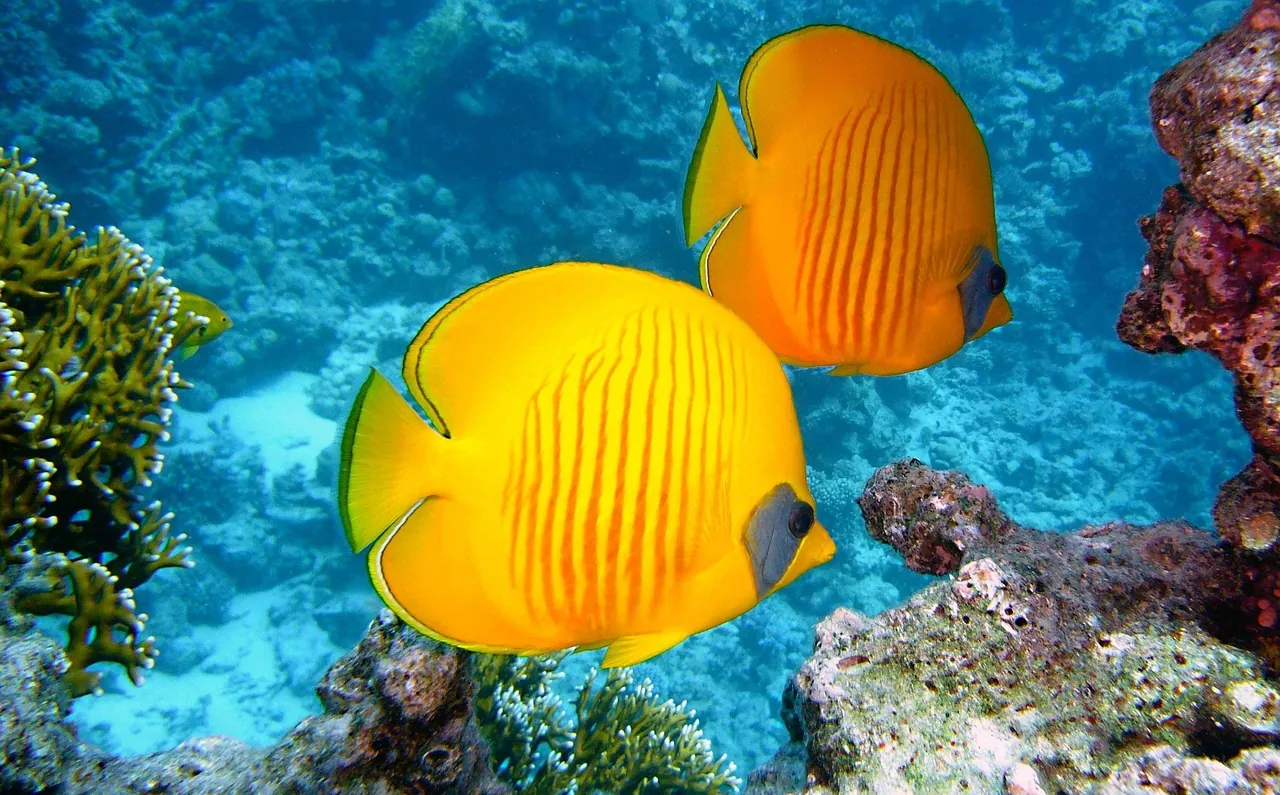
Green turtles are the clearest wildlife reason to pay attention at Felipe's Place. They are resident around the reef system, so encounters are not tied to a short migration window; the best approach is simply to move quietly along the slope and allow the animals to keep their distance. The site also includes regular cleaning stations, where marine life pauses at fixed points on the reef. These stations reward a slower pace and careful observation rather than a fast circuit of the wall. San Andrés is therefore better suited to divers who enjoy looking closely at reef behaviour than to anyone travelling for a named seasonal spectacle. The wider attraction is the combination of turtle habitat, coral gardens and wall relief in one manageable profile.
The measured conditions point to August through November as the period when the sea is calmest around San Andrés. That matters here because the destination depends on boat trips: calmer water makes boarding, surface intervals and repeated outings more comfortable, and leaves more flexibility when planning the day. Rainfall is lowest from December through May, which may appeal to travellers putting equal weight on time ashore, but it is not the same as the calmest diving window. The supplied season pattern does not support a reliable claim for a particular turtle or fish season, so the choice is chiefly between sea comfort and drier land-based weather.
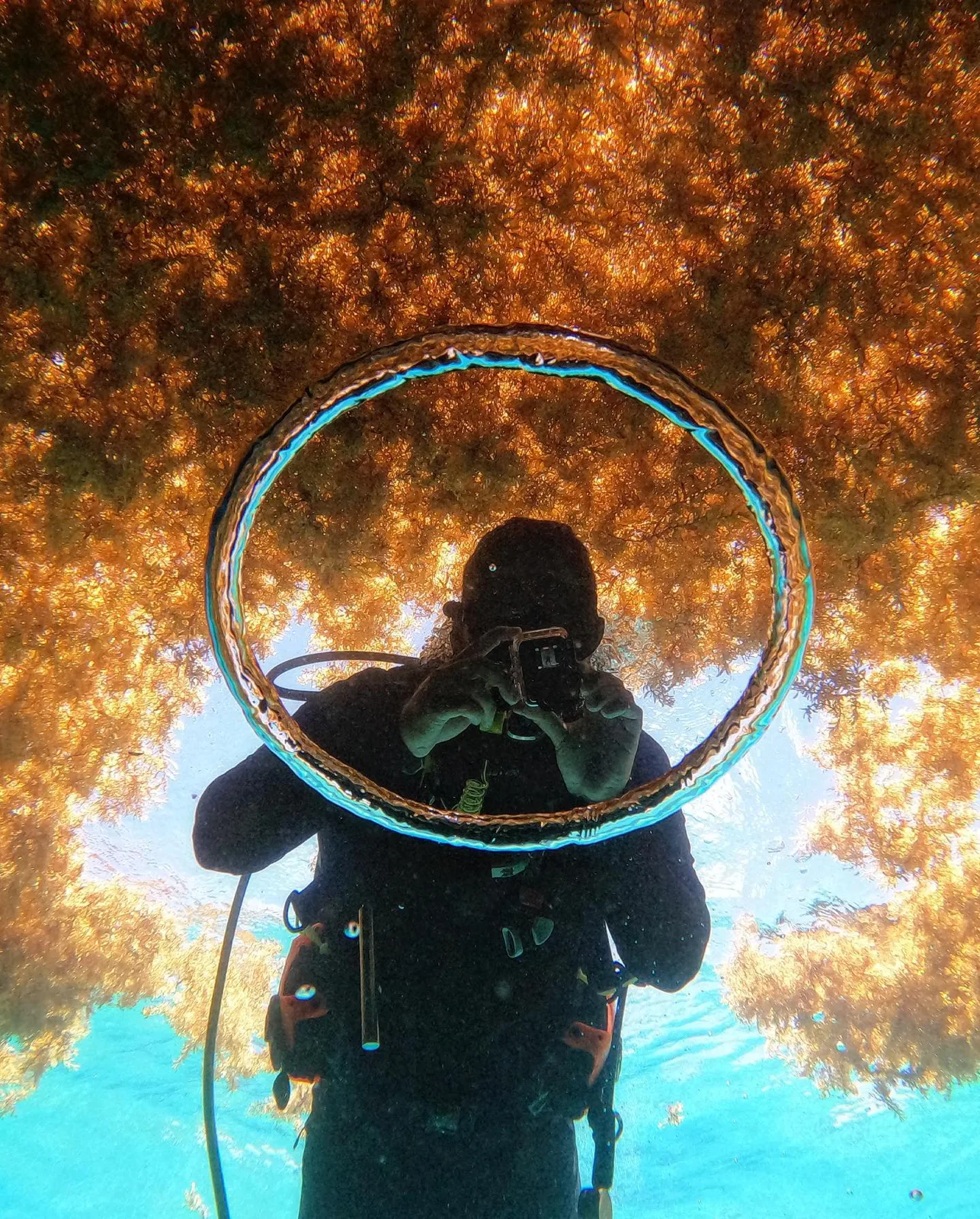
This coast is exposed to sargassum strandings, whose intensity varies greatly from year to year. To find out more, see the “Sargassum” panel on this page.
San Andrés suits Open Water divers, including PADI, SSI and BSAC Ocean Divers who are comfortable with boat diving and ordinary reef conditions. Felipe's Place is accessible to Open Water-certified divers, provided they are happy working through its full depth range to 25 metres. Advanced certification is useful for divers who want to make more of the deeper wall, while Nitrox can fit a schedule of repeated recreational dives. Good buoyancy, calm boat habits and sensible self-management matter more here than technical specialities.
From London Heathrow, Gatwick or Manchester, reaching San Andrés means flying to Colombia and then taking a domestic flight onward to the island. There is no regular ferry from the mainland to use as an alternative, so the final leg remains entirely dependent on air connections. The journey should be planned with the domestic connection in mind rather than treated as a simple arrival at a Colombian gateway; onward services may be less frequent than those serving the mainland. Once on San Andrés, divers generally reach the embarkation area from their accommodation by walking or taking a short taxi ride. Staying close to the departure area keeps early boat mornings and any changes to the day’s schedule relatively straightforward.
Keep the itinerary flexible for windy days or a more formed sea: a particular reef may become uncomfortable without making the whole island unworkable. If early departures are available, they are the sensible choice, as reefs close to San Andrés can also be used by other leisure boats later in the day. Accommodation near the embarkation area saves unnecessary taxi movements and makes a short diving stay run more smoothly. Divers with exact preferences for mask, computer or exposure kit may prefer to bring their own basic equipment, since island rental standards can vary. Treat Seaflower as a protected setting and check the day’s local briefing, especially where anchoring and reef contact are concerned. Do not arrive expecting a liveaboard programme or a trip centred on deep technical diving; San Andrés works best as a land-based run of local day boats.
Five to seven days gives enough time to repeat boat outings without reducing San Andrés to a brief beach stop. A typical stay combines local reef dives with unhurried surface intervals and spare time for weather changes. Non-divers have beaches, lagoon areas, coastal walks and snorkelling around the island and nearby cays. A calm surface day before the flight is useful, rather than filling the final hours with another demanding activity.
Hello, I'm Marina, DivingDeal.com's AI assistant. I guide you through destinations, areas and countries.
Thinking about the whole trip and the flights? Talk it over with Edith →
Marina is an AI. Some links are affiliate links: DivingDeal may earn a commission, at no extra cost to you. Bookings are made with the partner.
Your last day stays dry: no diving in the 18-24 hours before a flight, the perfect window to see the destination from another angle.
 Adventure
⏱ 9 h · ★ 4.8 (67 reviews)
from £127$170€152
see on Viator ↗
 Culture
⏱ 10 h · ★ 4.7 (104 reviews)
from £76$102€91
see on Viator ↗
 Culture
⏱ 3 h · ★ 4.6 (5 reviews)
from £27$36€32
see on Viator ↗
 Nature
⏱ 8 h
from £75$100€89
see on Viator ↗
Ratings and reviews collected by Viator and Tripadvisor.
August through November brings the calmest measured seas around San Andrés, which can make boat boarding, surface intervals and repeated outings more comfortable. December through May has lower rainfall and may suit travellers who value drier time ashore, but that period is not presented as the calmest diving window.
San Andrés suits Open Water divers, including PADI, SSI and BSAC Ocean Divers, who are comfortable with boat diving and ordinary reef conditions. Felipe’s Place is accessible to Open Water-certified divers, while advanced certification can help you make more of the deeper wall. Good buoyancy and calm boat habits remain important.
Diving in San Andrés combines shallow coral slopes, coral gardens and occasional wall structure. At Felipe’s Place, you can move from an eight-metre slope toward a wall reaching twenty-five metres, while resident green turtles add wildlife interest. Cleaning stations beside the shallow reef reward a quiet pace and careful observation.
Plan San Andrés as a land-based series of local boat day trips, with accommodation near the embarkation area for easier early departures. Allow flexibility for windy days or formed seas, and consider early outings. Flying to Colombia and then taking a domestic flight onward requires attention to the connection, as there is no regular mainland ferry.