 Dive centre in the hotel
Divanga Hostel and Diving
Google 4.5/5 (546 reviews)
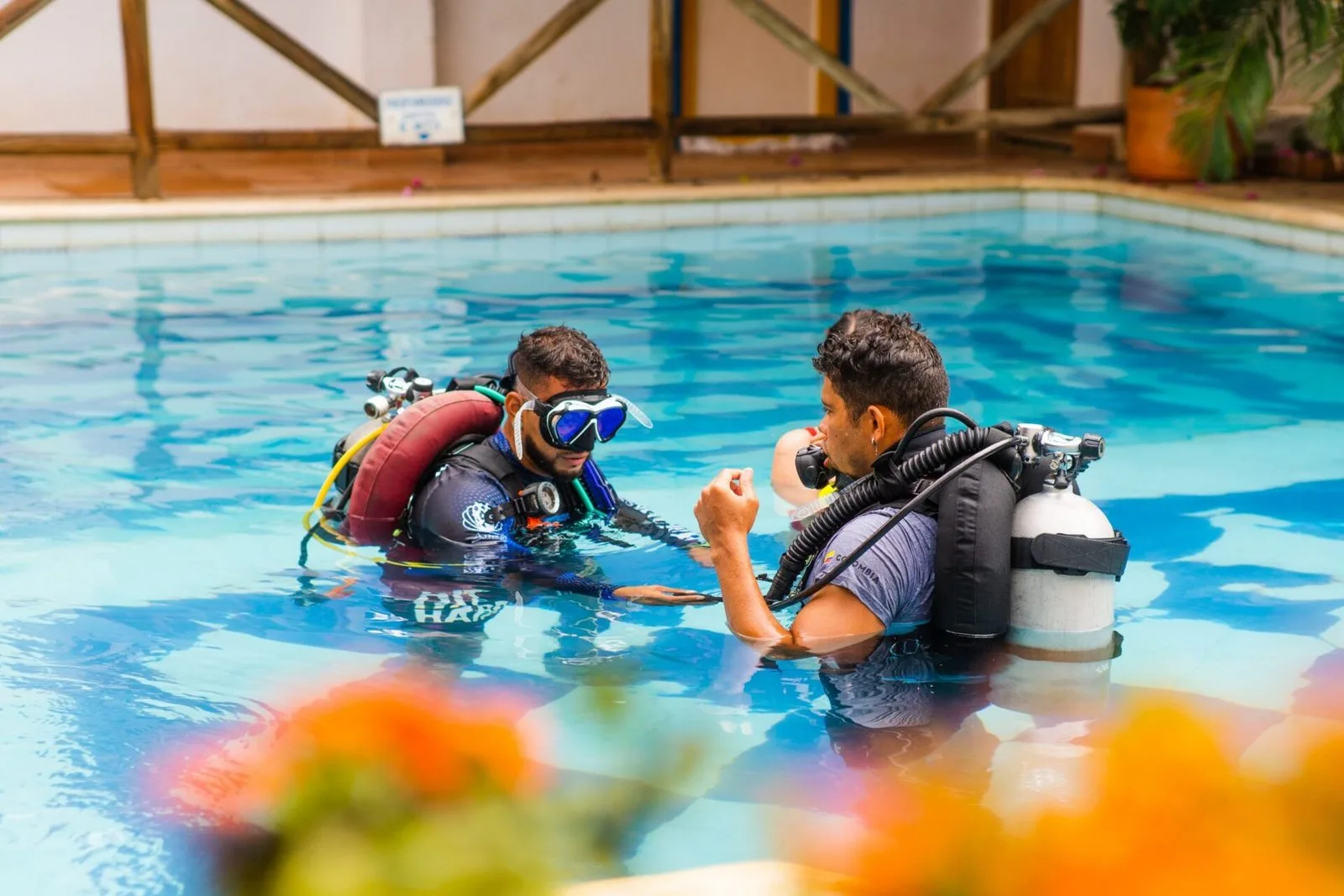
The dive centre
Diving Taganga PADI Dive Resort
PADI
Google 4.9/5 (348 reviews)
Colombia · Americas
Rocky reefs, coral patches, deep walls and the two pinnacles of Los Dos Morritos shape Santa Marta’s diving along the Tayrona coast.
For subtitles in English: start the video firstthen click the gearat the top right of the video, select “Subtitles/CC”, then “Auto-translate” and choose “English”.
Santa Marta is a shore-based diving holiday built around boat days to Taganga, Isla Aguja and the coastal waters of Tayrona National Natural Park. The underwater scenery shifts from shallow bays and rocky reefs to coral patches, deeper walls and exposed pinnacles. It suits divers who want several days in the water without living aboard, while keeping a Colombian city, beaches and the Sierra Nevada within reach. The sensible approach is to leave room in the itinerary for changing sea conditions.
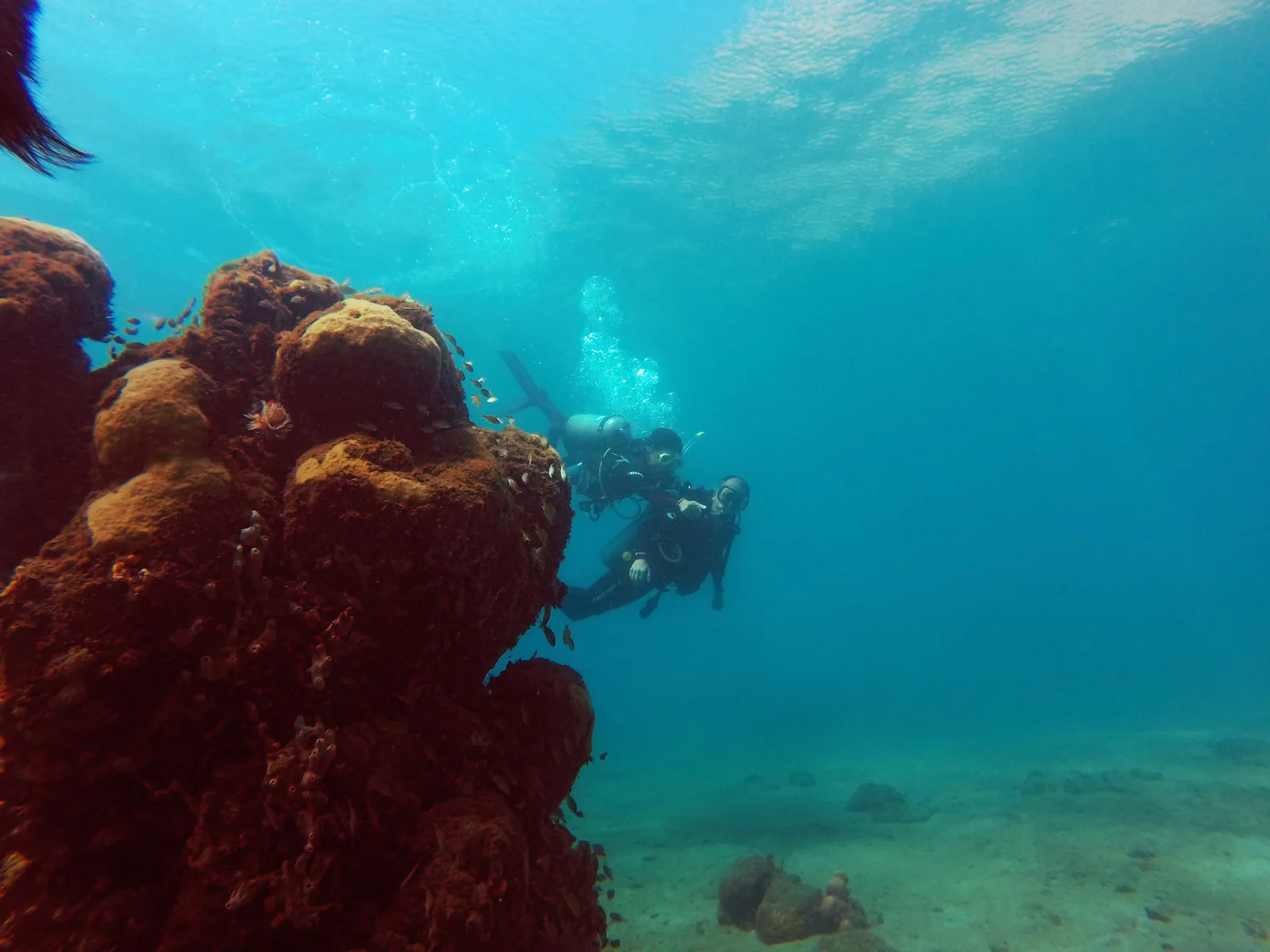
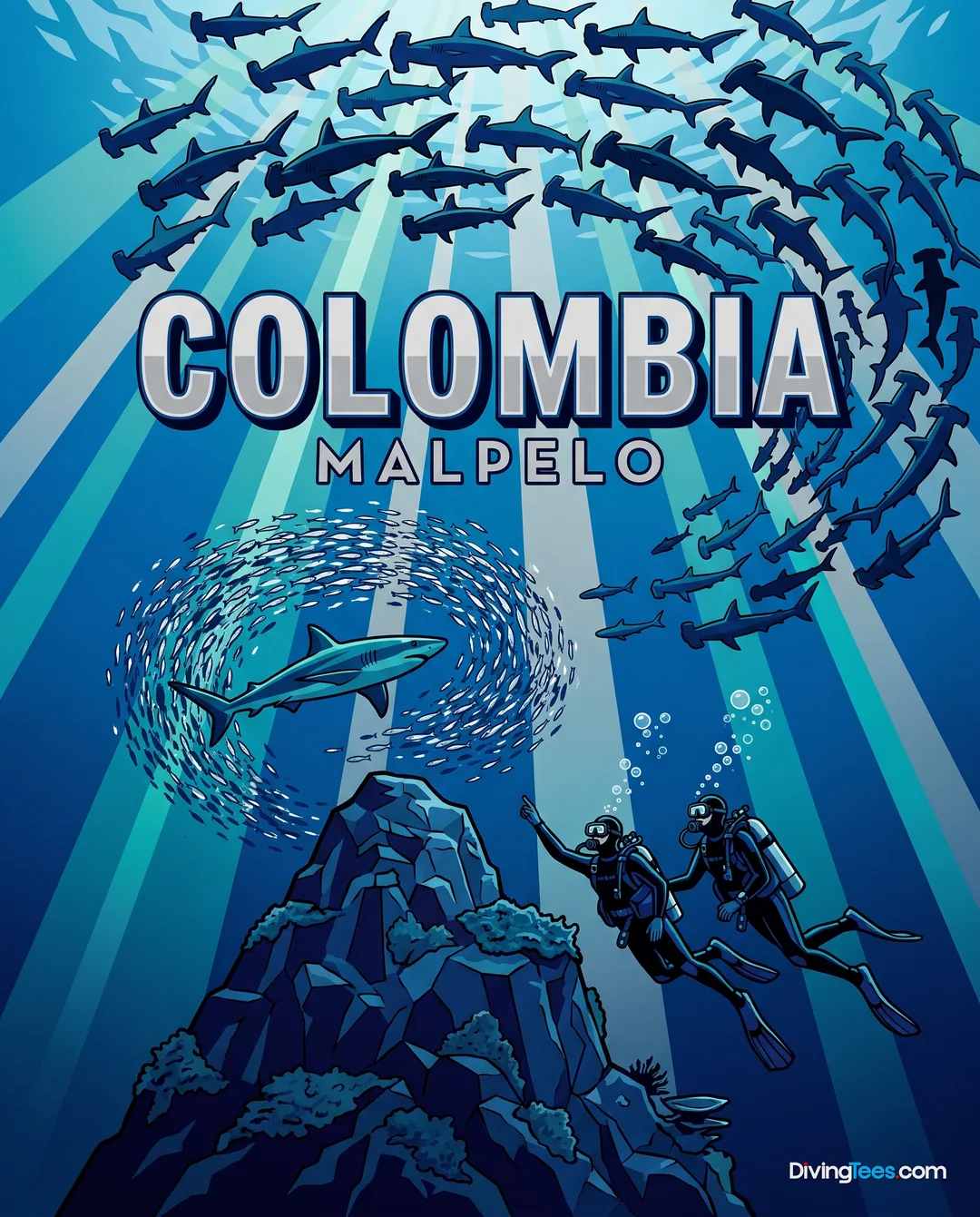
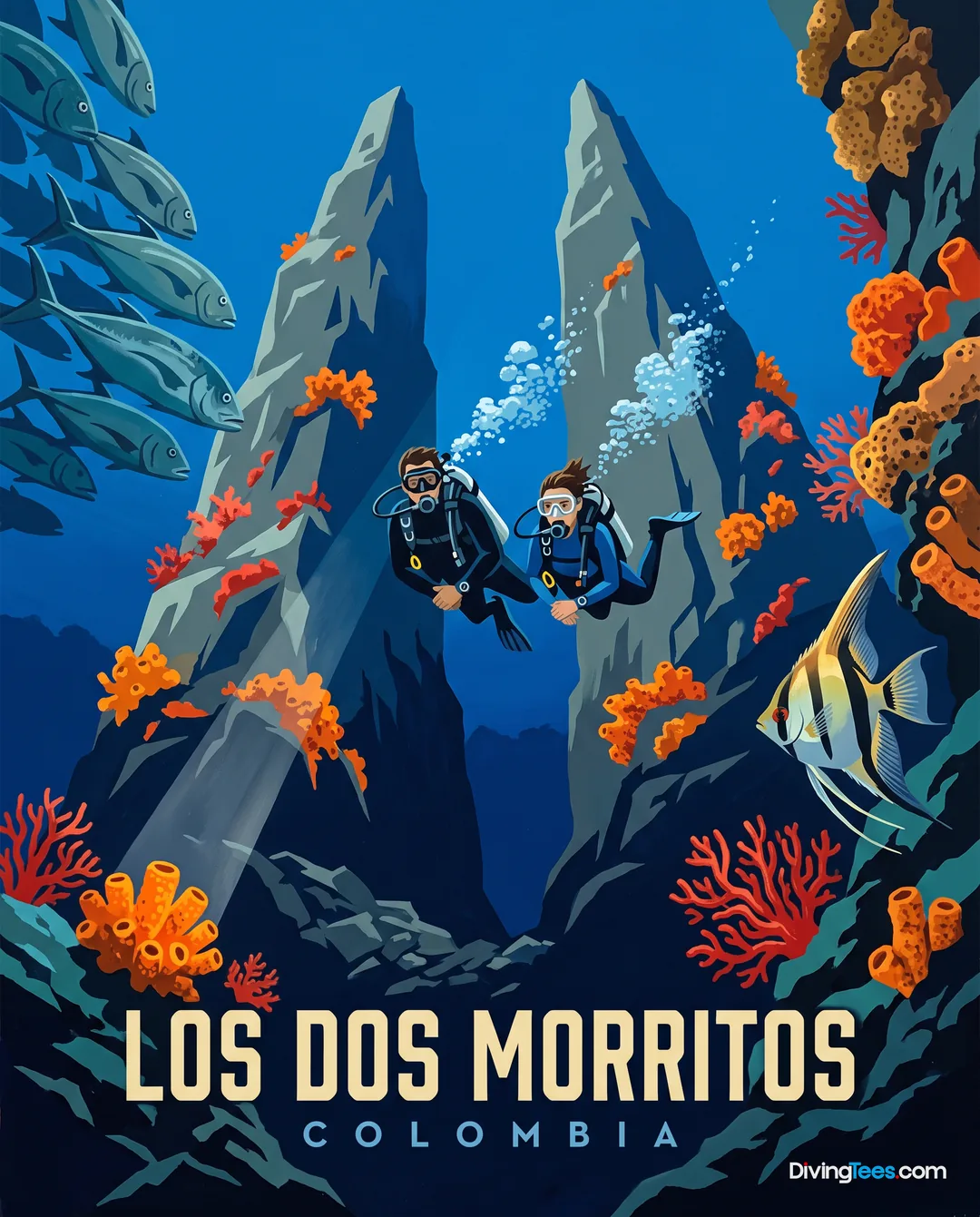
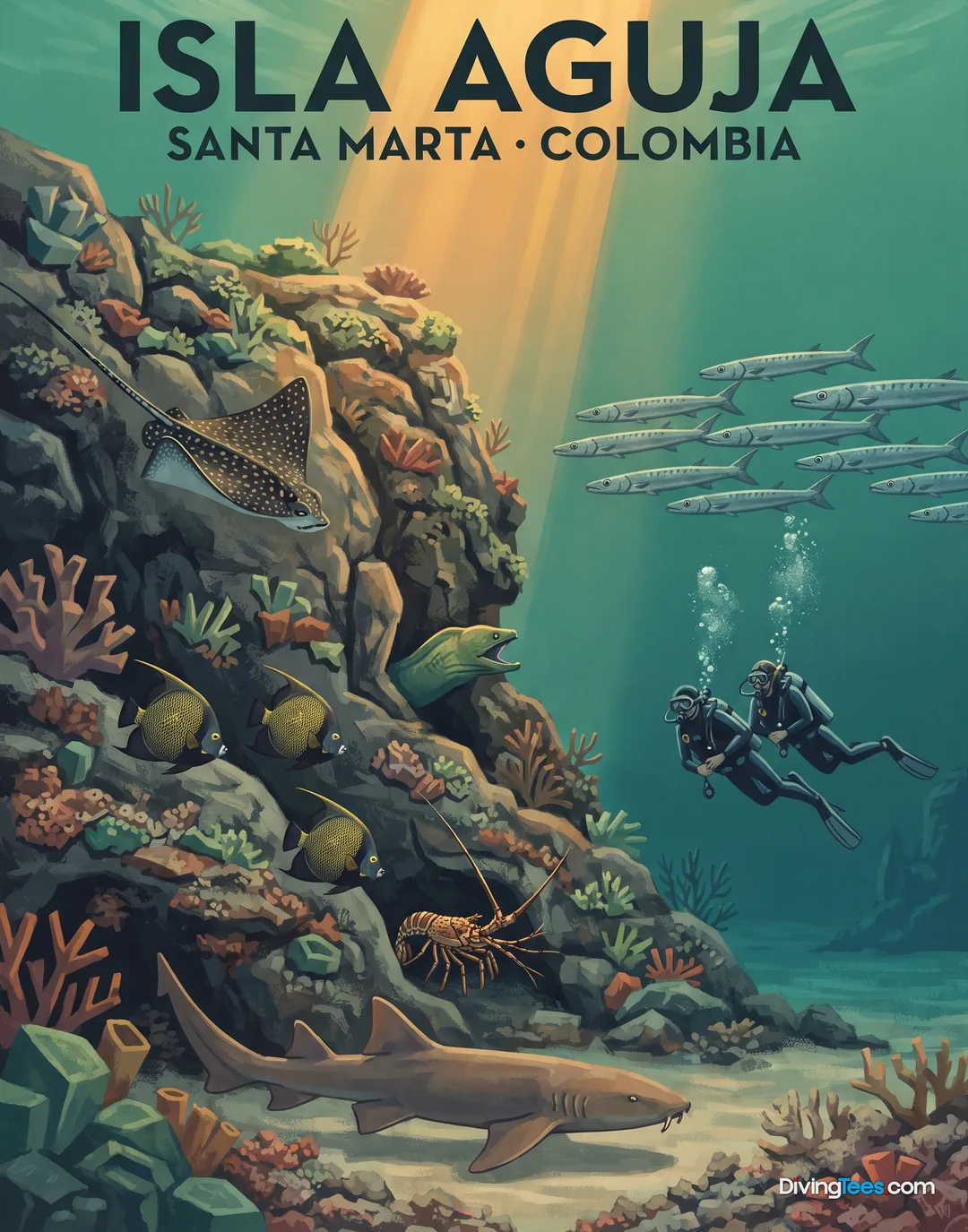
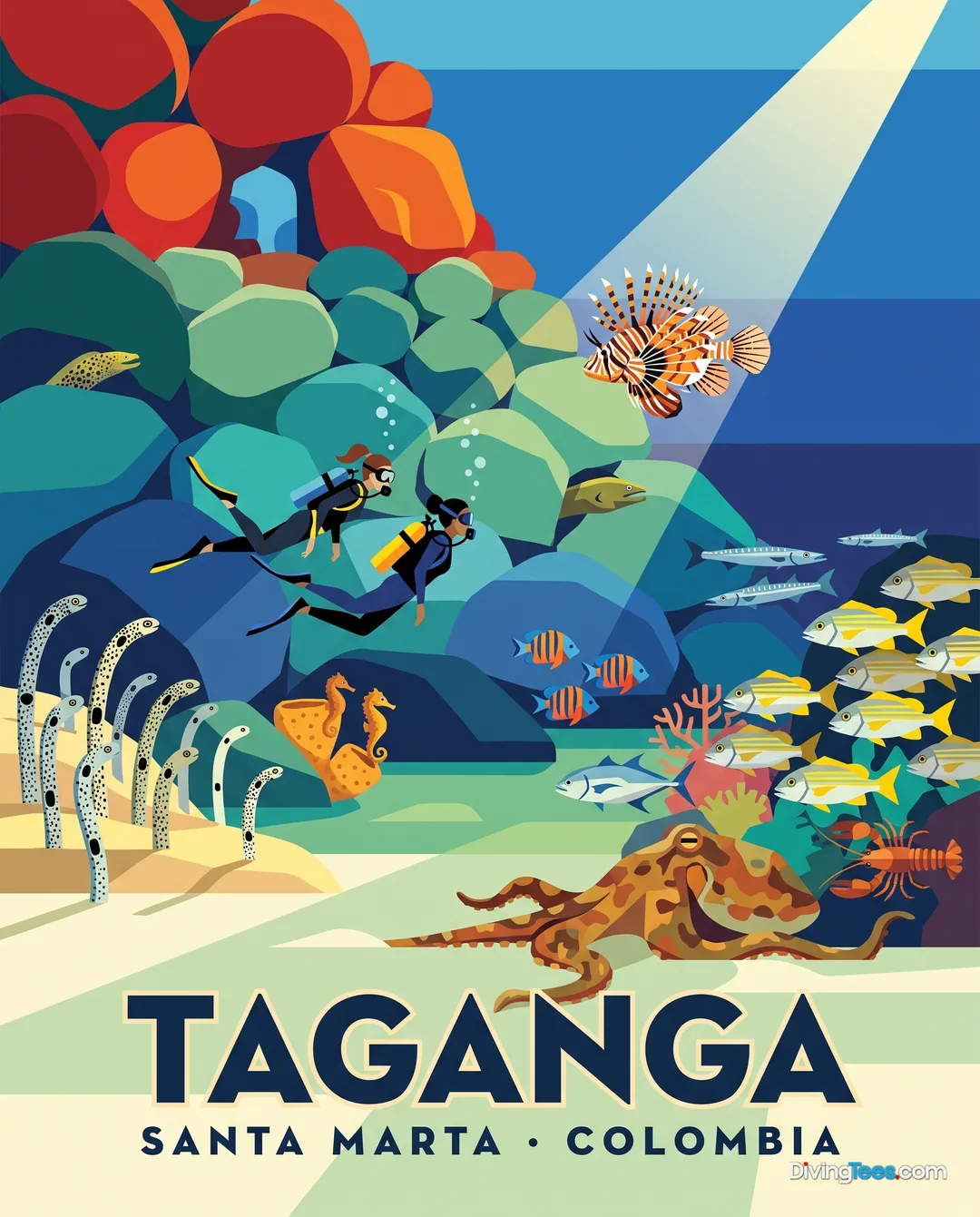
The diving is shaped by rock rather than by a single uniform reef landscape. Around Taganga, shallow bays begin at about three metres, while deeper walls reach 40 metres; rocky reefs, coral patches and artificial habitats give the sites different textures. Isla Aguja provides the same contrast, with sheltered areas for a relaxed descent and exposed locations such as El Salidero where drift-diving skills may matter. Los Dos Morritos is the clear outlier: two rock formations rising from the seabed, with persistent strong current and a maximum depth of 40 metres. Visibility is variable rather than reliably postcard-clear, affected by swell, coastal run-off and sea conditions. Most diving is arranged as day-boat trips from Santa Marta or Taganga, returning to land each evening.
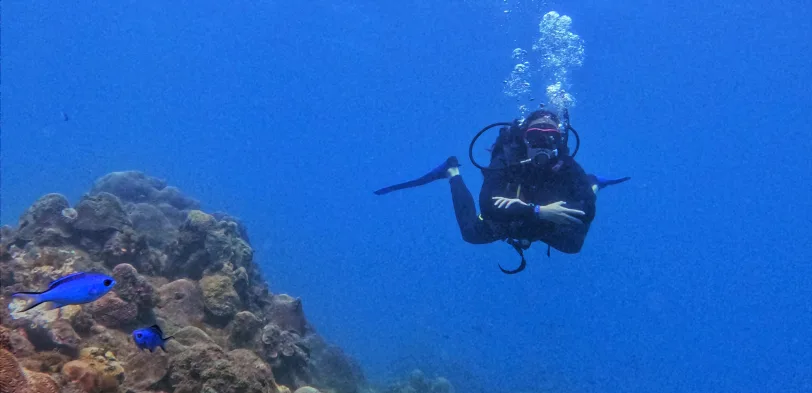
Marine life is encountered across several kinds of habitat rather than in one signature animal encounter. Rocky reefs and coral patches around Taganga and Isla Aguja support soft corals, sponges and large fish, while the artificial habitats add another surface for marine life to occupy. The protected and sheltered sections are well suited to taking time over the smaller details of the reef, whereas the deeper walls and pinnacles bring a more open, fish-focused feel to the dive. Los Dos Morritos is particularly noted for its combination of soft corals, sponges and large fish. There is no dependable seasonal animal spectacle to build the trip around; August to November is useful because calmer water makes it easier to observe the habitats carefully.
The measured window for calmer sea conditions is August to November, making those months the most comfortable choice when the priority is reliable boat access and easier work around exposed rock. Rainfall is lowest from December into January, which can also suit a broader holiday, although the sea may not offer the same calm pattern. In practice, swell, wind and coastal run-off can change the character of a site on the day. A flexible booking plan matters more here than treating one month as a guarantee of fixed visibility or identical conditions.
This coast is exposed to sargassum strandings, whose intensity varies greatly from year to year. To find out more, see the “Sargassum” panel on this page.
Santa Marta works for all levels, provided the day’s site is matched to the diver rather than assumed in advance. Open Water divers can use the shallow and sheltered areas around Taganga and Isla Aguja. Deeper walls and sites affected by moderate current are better for Advanced Open Water divers or those with around 50 logged dives and confidence in variable water. Los Dos Morritos requires genuine experience with strong current and deep profiles. Nitrox is useful on repeated boat-diving days, though it is not a technical requirement.
From London Heathrow, London Gatwick or Manchester, the journey normally involves one or more connections and takes roughly a full travel day, commonly around 13 to 18 hours door to door. The usual structure is an international journey through a hub in the Americas, followed by a domestic or connecting flight to Santa Marta’s airport. Direct Europe–Santa Marta services should not be treated as the basis of the plan. Once in Santa Marta, the practical transfer is by road or taxi into the city or towards Taganga. Diving then continues by day boat from Santa Marta or Taganga; no major sea crossing is needed to reach the destination itself.
Build the diving around the sea state, not around a promised fixed site. Local conditions determine whether the day is better spent on a protected section of Isla Aguja or on a more exposed wall, and that flexibility is especially valuable if swell makes a departure uncomfortable. Divers prone to seasickness should ask for sites sheltered by the coastal relief when the forecast is unsettled. Stay near the actual departure point of the chosen boats where possible, since the short road transfers within Santa Marta and Taganga can otherwise become an unnecessary daily chore. Bring a well-fitting personal mask and fins; dependable fit matters on boat days. Nitrox has practical value on repeated dives. Finally, do not assume constant Caribbean postcard visibility: keep a land-based Tayrona or Santa Marta plan available, and observe the park rules by avoiding anchoring, touching the reef or collecting marine life.
Allow five to seven days, with several boat days balanced by one or two land-based excursions. Santa Marta or Taganga provide the straightforward base: divers can reach departures on foot, by taxi or with a short road transfer, then return to town each evening. Keep at least one flexible day for swell or weather. Outside the water, the Tayrona trails and beaches, Santa Marta’s old town and the Sierra Nevada hinterland provide a proper programme for non-diving companions as well as useful alternatives when a boat cannot run.
Hello, I'm Marina, DivingDeal.com's AI assistant. I guide you through destinations, areas and countries.
Thinking about the whole trip and the flights? Talk it over with Edith →
Marina is an AI. Some links are affiliate links: DivingDeal may earn a commission, at no extra cost to you. Bookings are made with the partner.
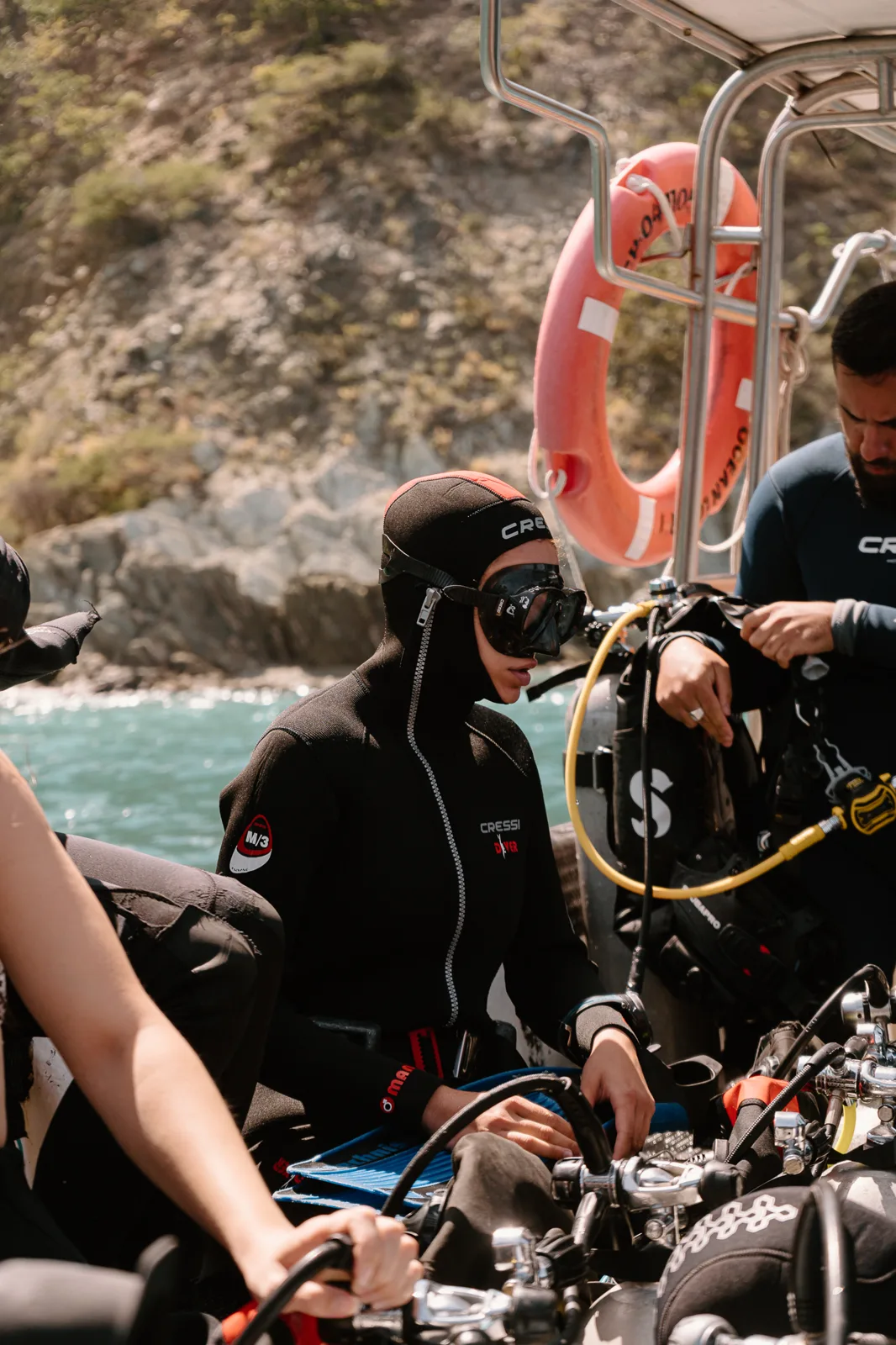
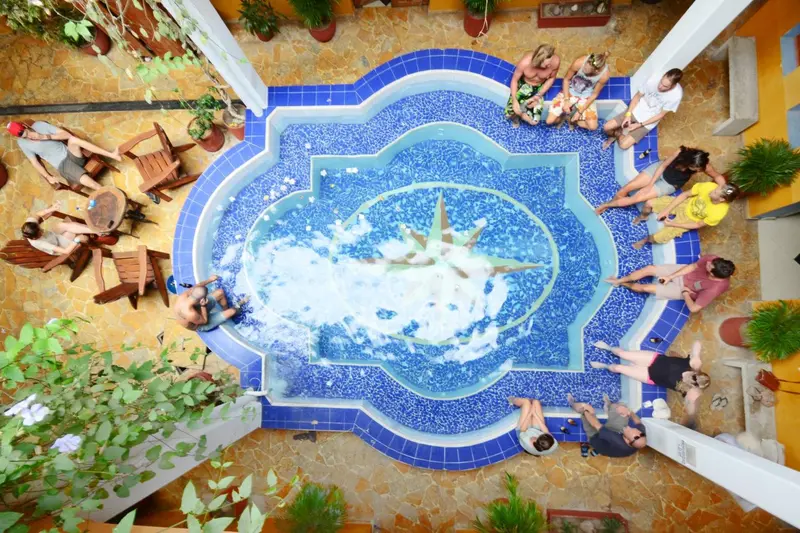
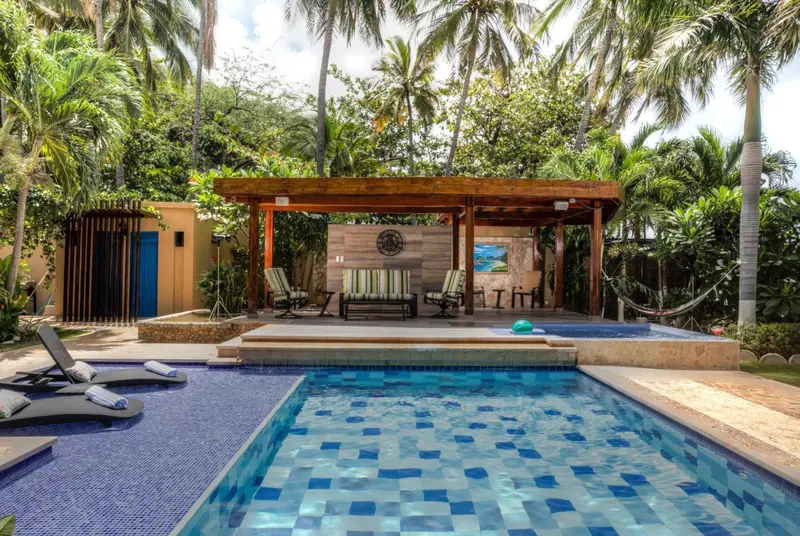
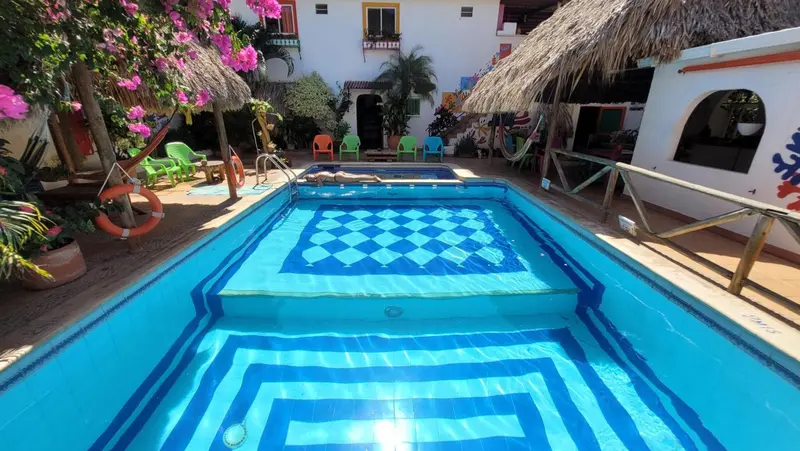
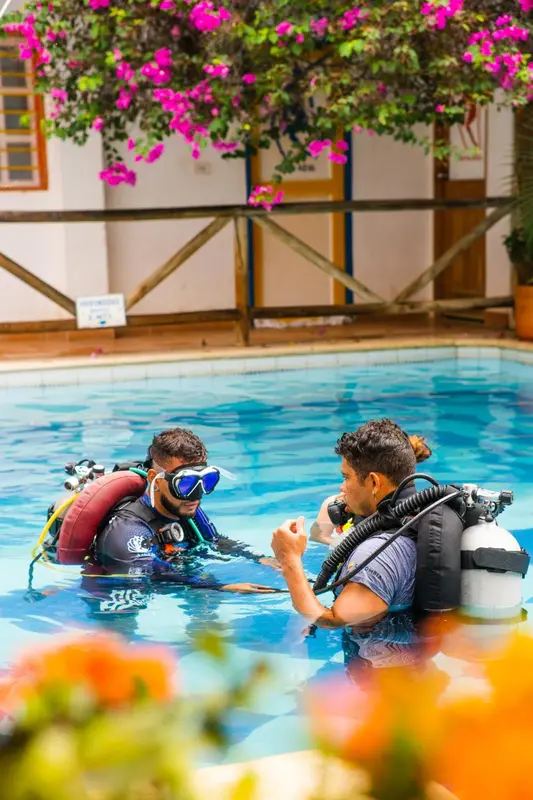
In each one, the dive centre is inside the hotel: step out of your room and go diving.
Dive centre in the hotelGoogle 4.5/5 (546 reviews)
The dive centre
Diving Taganga PADI Dive Resort
PADI
Google 4.9/5 (348 reviews)
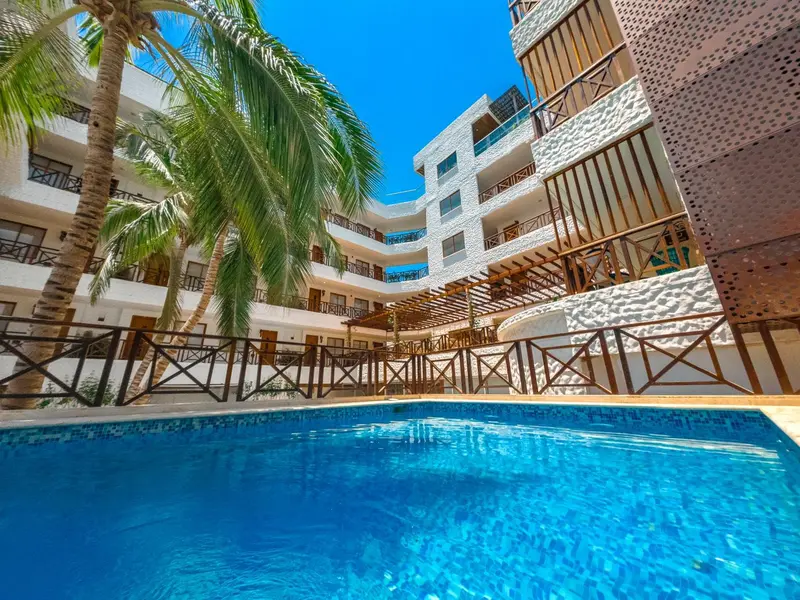 Dive centre in the hotel
Google 4.4/5 (277 reviews)
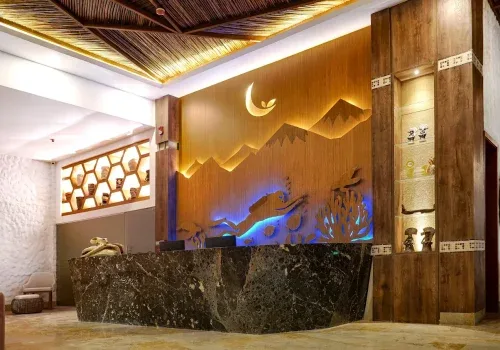
The dive centre
Karaya Dive Resort
PADI
Google 4.4/5 (282 reviews)
Your last day stays dry: no diving in the 18-24 hours before a flight, the perfect window to see the destination from another angle.
 Nature
⏱ 7 h · ★ 5.0 (13 reviews)
from £114$152€136
see on Viator ↗
 Culture
⏱ 3 h · ★ 5.0 (13 reviews)
from £30$41€36
see on Viator ↗
 Culture
⏱ 8 h · ★ 5.0 (12 reviews)
from £105$140€125
see on Viator ↗

⏱ 2 h · ★ 4.9 (7 reviews)
from £123$164€146
see on Viator ↗
Ratings and reviews collected by Viator and Tripadvisor.
Choose Santa Marta between August and November if calmer sea conditions and easier access to exposed sites matter most. Rainfall is lowest from December into January, which may suit a wider holiday, but sea conditions can differ. Swell, wind and coastal run-off vary, so keep your itinerary flexible rather than relying on fixed visibility.
Santa Marta suits different experience levels when you match the site to your abilities. Open Water divers can use shallow, sheltered areas around Taganga and Isla Aguja. Deeper walls and moderate current suit Advanced Open Water divers or those with around fifty logged dives. Los Dos Morritos requires experience with strong current and deep profiles.
In Santa Marta, you can explore rocky reefs, coral patches, artificial habitats, deep walls and the pinnacles of Los Dos Morritos. These habitats support soft corals, sponges and large fish, with smaller reef details in sheltered areas and a more open, fish-focused character on deeper walls and exposed pinnacles.
Plan a shore-based stay in Santa Marta or Taganga, using day boats that return each evening. Allow five to seven days, include several boat days and keep at least one flexible day for swell or weather. Stay near your departure point, consider Nitrox for repeated dives, and retain land-based Tayrona or city activities as alternatives.