
Ankla Azul | Centro de buceo | Diving center 🤿 Colombia
Google 4.9/5 (509 reviews)
Colombia · Americas
Rocky islets, mangrove-fringed Utría, sardine shoals and humpback whales shape a Colombian Pacific stay built around boat diving from Mutis.
Rocky and volcanic coastal reliefs give Mutis its underwater character, with dives reached by boat from Ciudad Mutis into Bahía Solano and around its offshore islets. Expect tropical water, reef fish and the possibility of pelagic encounters rather than a neatly predictable aquarium. Mutis works as a land-based base: dive during the day, then use the remaining time for rainforest, beaches, whale watching or a boat excursion to Parque Nacional Natural Utría. It is a Colombian Pacific trip with plenty to do above water.
The diving takes place from a boat in Bahía Solano, around rocky islets and coastal formations. Volcanic and rock reliefs, reefs, and open stretches where pelagic animals may pass form the setting, while the guide chooses the site according to weather, current and the group’s experience. Currents are variable, so one outing may feel calm and another may call for careful positioning or a drift dive. Visibility is equally changeable, affected by current and by freshwater and runoff entering the coastal waters. Do not come expecting the consistently clear view of a sheltered coral destination. The practical answer is to leave the day’s site choice flexible, allow time for a proper descent and safety stop, and accept that the most rewarding dive may be the one selected that morning. All levels are catered for, provided the conditions match the diver’s experience.
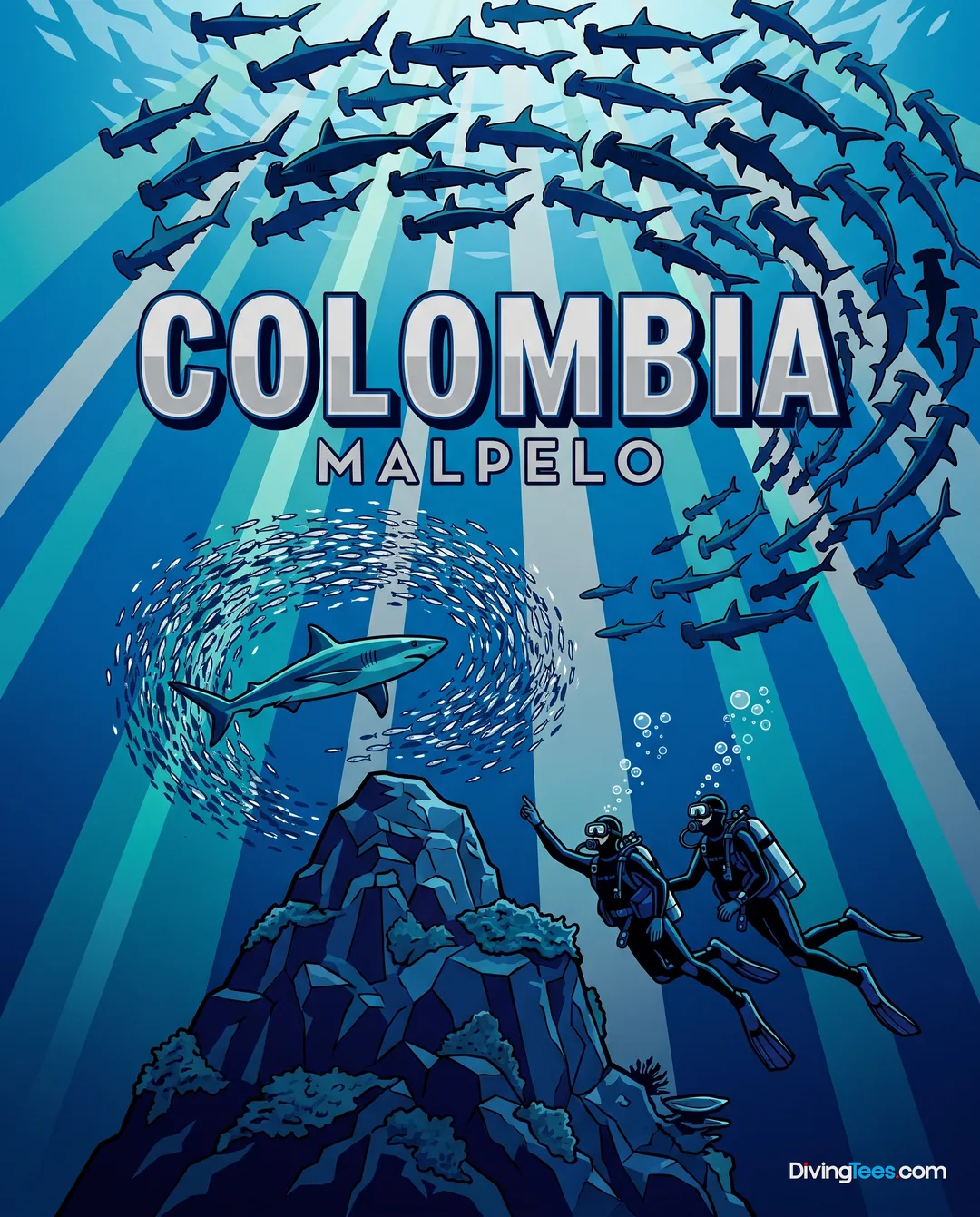
The seasonal attraction is moving water rather than a fixed species list. In March and April, sardine or agallona shoals can draw pelagic predators, giving the open water around the rocky formations a different scale and energy. Whale shark encounters are possible around May and June, but they remain occasional rather than something to plan around with certainty. From June to October, humpback whales pass through the region, usually as a surface-watching highlight rather than a guaranteed underwater meeting. Around the reefs and rock, expect reef fish and the changing visibility that comes with current and runoff. A day at Utría adds mangroves, forest and coastal wildlife to the marine picture, while Morros Vidales is suited to snorkelling around island and shoreline reliefs.
Mutis can be dived throughout the year, but the timing changes the wider experience. March and April are the period to target if sardine or agallona shoals and the pelagic predators following them are the main reason for travelling. May and June offer a chance of whale sharks, with no guarantee. From June to October, humpback whales make the destination particularly attractive to anyone happy to combine diving with surface observation. Rainfall and runoff can influence visibility, so a flexible programme matters more than chasing a supposedly perfect week. Keep several days available for boat diving, then reserve a non-diving day for whales or Utría.
Mutis suits beginners and experienced divers because local outings are matched to the conditions and to the diver’s experience. PADI, SSI and BSAC divers should find the certification framework familiar, but a qualification alone does not remove the need to discuss current and visibility before boarding. Anyone new to variable conditions should be comfortable with buoyancy, a controlled descent and a safety stop. More experienced divers will get more from the rocky reliefs and seasonal pelagic possibility when they are prepared to adapt rather than demand a particular site.
From London or Manchester, reach Mutis by taking an international connection followed by a domestic Colombian flight to José Celestino Mutis airport. Domestic links may be available via Bogotá, Medellín, Cali, Pereira or Quibdó, so allow sensible time between sectors rather than building the trip around a tight connection. The airport is close to Ciudad Mutis, with the final transfer made by motocarro or taxi. A sea route is also possible from Buenaventura by coastal boat, and links from Nuquí may operate, but schedules and journey times depend on the service and sea conditions. Once on the coast, distant accommodation may require another motocarro, taxi or boat to reach the town and the diving departure point.
Build slack into this trip. Do not put a flight or coastal boat immediately after a planned dive, because weather and sea conditions can delay either the outing or the transport. Let the local team choose the site on the day, particularly when current or runoff has changed visibility, and book several diving days rather than a tightly packed schedule. If pelagic life is the priority, aim for March or April; if whales matter more, June to October gives you the better combination of diving and surface watching. Stay in Mutis when diving is the main purpose. A beach lodge farther along the coast may look convenient on a map but can mean another boat or local transfer each morning. Pack for persistent rain and humidity. Keep one day free for Utría or whales, and check the park’s current access arrangements before travelling. Treat the airport, Ciudad Mutis and Bahía Solano as related but different names, which avoids arranging transport to the wrong place.
Allow five to seven days on the ground. Use Mutis or nearby Bahía Solano as the base for daily boat dives, keeping the programme open to changing conditions. Alternate diving days with whale watching, a rainforest walk, beaches or snorkelling around Morros Vidales. Utría works best as a separate boat excursion, combining mangroves, forest and coastal wildlife rather than being treated as a quick local dive. Accommodation farther along the coast needs its transport arranged in advance.
Hello, I'm Marina, DivingDeal.com's AI assistant. I guide you through destinations, areas and countries.
Thinking about the whole trip and the flights? Talk it over with Edith →
Marina is an AI. Some links are affiliate links: DivingDeal may earn a commission, at no extra cost to you. Bookings are made with the partner.
You can dive in Mutis throughout the year, but seasonal attractions differ. March and April suit sardine or agallona shoals and the pelagic predators that follow them. May and June bring occasional whale shark encounters. From June to October, humpback whales add a surface-watching highlight, although underwater meetings are not guaranteed.
Mutis suits beginners and experienced divers because local outings are matched to conditions and your experience. You should discuss current and visibility before boarding, especially if variable conditions are new to you. Comfort with buoyancy, a controlled descent and a safety stop is important, while experienced divers can adapt around rocky reliefs and pelagic possibilities.
Boat dives from Ciudad Mutis reach rocky islets, volcanic coastal formations, reefs and open water in Bahía Solano. You may see reef fish, sardine or agallona shoals, pelagic predators and occasional whale sharks. Humpback whales pass from June to October, while Utría adds mangroves, tropical forest and coastal wildlife above and around the water.
Use Mutis or nearby Bahía Solano as your base for daily boat dives, keeping the schedule flexible for weather, current and runoff. Book several diving days, leave time for a proper descent and safety stop, and avoid tight connections after diving. Reserve a non-diving day for Utría, whales, beaches or rainforest, and arrange local transfers in advance.