Jaco Guides dive shop
Google 4.9/5 (223 reviews)
Costa Rica · Americas
Reefs, drop-offs, wrecks, turtles and rays shape offshore boat dives from Puntarenas towards Isla Tortuga in the Gulf of Nicoya.
For subtitles in English: start the video firstthen click the gearat the top right of the video, select “Subtitles/CC”, then “Auto-translate” and choose “English”.
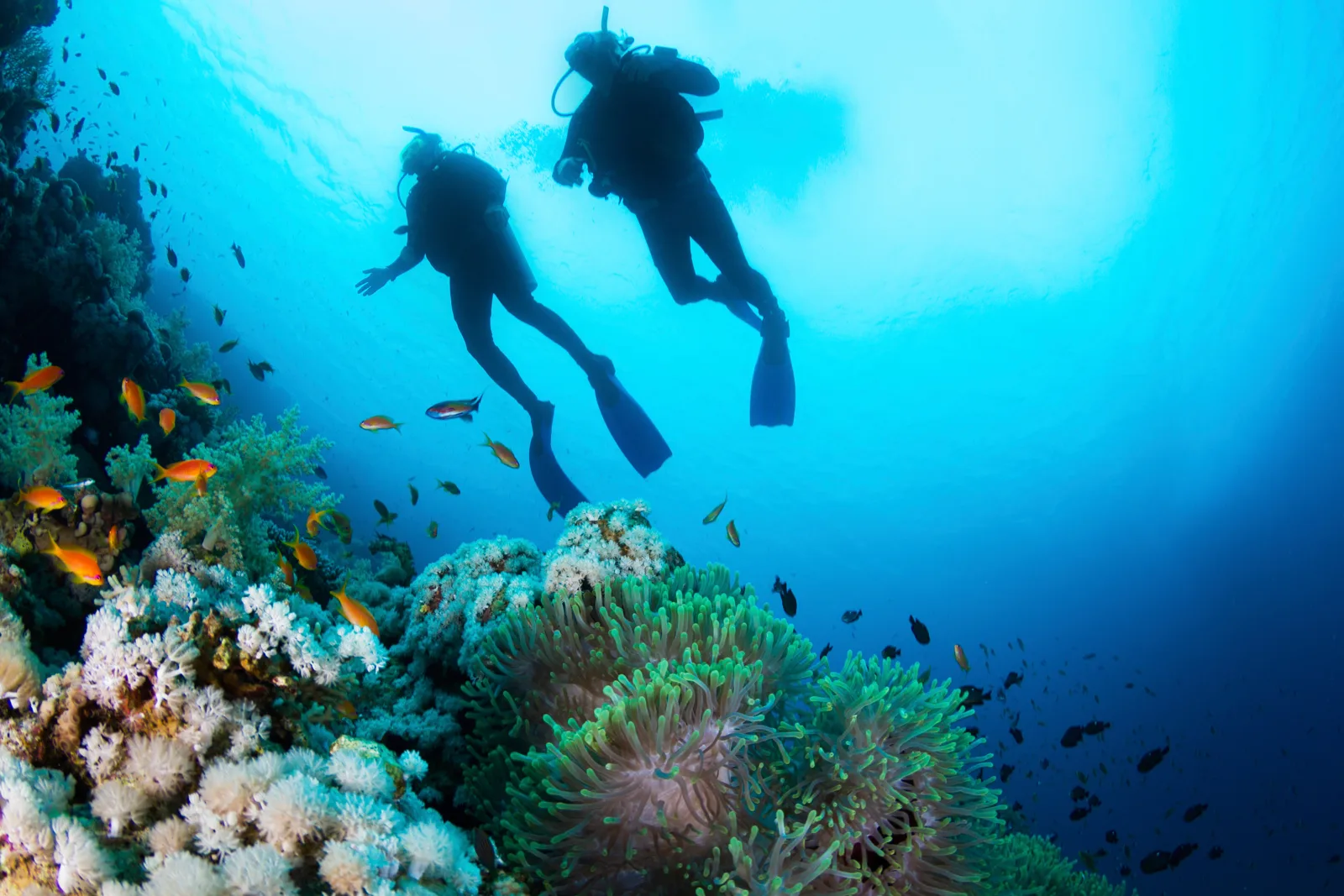
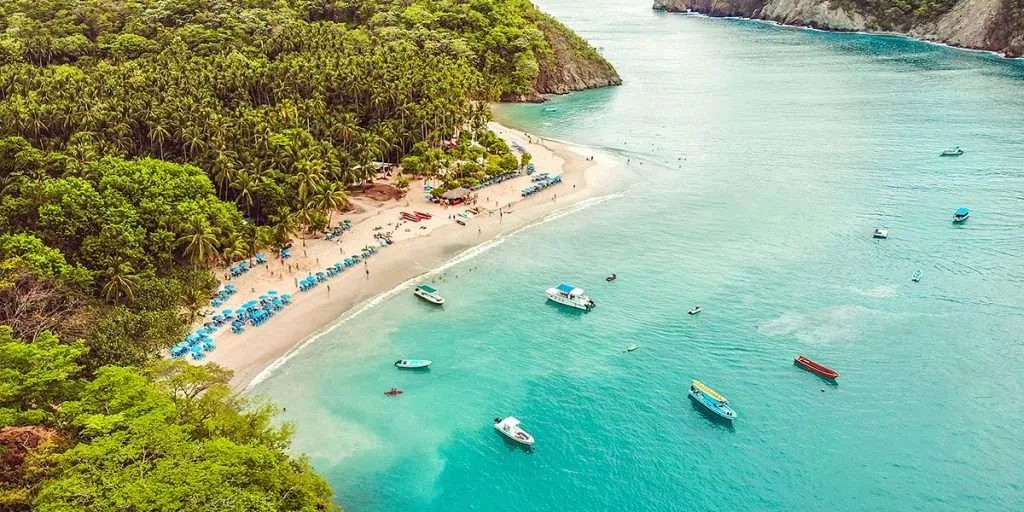
Reefs, drop-offs and wrecks around Isla Tortuga give Puntarenas its underwater shape, reached by day boat from the mainland harbour. The diving is tropical rather than an offshore expedition: you can spend a morning moving between fish-filled reef, a drop-off and a wreck, then be back on land. Turtles, rays, octopus, reef sharks and shoals of tropical fish provide the encounters. It suits a shore-based holiday, with beaches, boat trips and the Gulf of Nicoya available to non-divers.
Most diving is from a boat, with Isla Tortuga and other Gulf of Nicoya sites reached on day outings from Puntarenas. Reefs, drop-offs and wrecks give the dives their shape, while conditions range from relatively sheltered water to sites affected by swell and changing current. The current is variable rather than a constant feature, so the day’s plan matters more than any fixed expectation of a drift dive. Visibility can change with rain, coastal runoff, swell and plankton in the water. That makes the Gulf less predictable than an isolated ocean destination, but it also gives the diving a useful mixture of fish-filled reef, open drop-off and wreck structure. Ask where the boat is actually heading before boarding, as Puntarenas is the departure harbour, not necessarily the site itself.
Marine turtles, rays, reef sharks, octopus and shoals of tropical fish are the main underwater encounters around Isla Tortuga and the Gulf of Nicoya. Rays, octopus and tropical fish are regular features across the year, while turtles and reef sharks are occasional rather than dependable sightings. That distinction matters if a particular animal is the reason for the trip. The dry season from December to April generally brings more settled surface conditions and better visibility, making it easier to search the reefs and drop-offs. During the rainy season, runoff can cloud the water, but nutrient-rich conditions may increase plankton-related activity. In other words, a greener, less predictable season can still produce interesting water, even when it is not the obvious choice for clear reef scenery.
December to April is the sensible window when calm boat conditions and clearer water matter most. The dry season brings less rain and coastal runoff, so surface disturbance and the factors that reduce visibility are usually less troublesome. From May to November, the rainy season can bring heavier runoff, swell and plankton, with September and October the least attractive months if clear water is the priority. Those months may still reward a flexible diver with richer, nutrient-driven activity, but Isla Tortuga should be treated as weather-dependent at any time. Weekdays outside holiday periods are usually quieter, while the dry-season demand brings more divers, snorkellers and beach excursions to the island.
Puntarenas suits all levels, provided the day’s site is matched to the conditions. Some Isla Tortuga sites are described as suitable for less experienced divers, while swell, variable current and changing visibility can make another site more demanding. PADI, SSI and BSAC divers should find the destination straightforward from a certification point of view, with no specialist qualification identified as necessary. Experience in boat diving and comfort with adapting a plan are more useful than chasing a particular depth. Beginners should say so when booking, rather than assuming that every Isla Tortuga outing is equally sheltered.
From London Heathrow, London Gatwick or Manchester, travel to Costa Rica and continue by road from the international airport serving San José to Puntarenas. Allow roughly 16 to 24 hours overall from western Europe, depending on the connection and waiting time. No domestic flight is needed to reach Puntarenas. Once there, the dive boat leaves from or around the harbour, with central accommodation often close enough to reach on foot, otherwise by taxi or local transfer. The public ferries from Puntarenas to Paquera or Playa Naranjo cross to the Nicoya Peninsula, taking roughly an hour to an hour and twenty minutes, but they do not serve Isla Tortuga. Isla Tortuga requires a separate diving excursion by boat.
Treat an Isla Tortuga booking as dependent on the sea, even when Puntarenas looks fine on land. Keep a spare day in the itinerary, particularly if the trip is built around clear water, and do not put a tight onward connection after a boat outing. Before booking, check whether the excursion is going to Isla Tortuga or another Gulf of Nicoya site, because the terrain and conditions can differ. In the dry season, weekdays outside holiday periods should reduce the chance of sharing the island with several day excursions, although demand is higher then, so reserve the boat ahead. Do not use the Paquera or Playa Naranjo ferry as a substitute for the dive boat. If crossing to the peninsula as part of a wider trip, allow time for queuing, loading and unloading, not just the published sailing time.
Allow three to five days for a practical stay based in Puntarenas, with one or more boat days to Isla Tortuga and a reserve day for the sea. Central accommodation can make harbour access walkable, while taxis or local transfers cover less convenient locations. Non-divers have beaches, snorkelling, boat trips and Gulf of Nicoya scenery to fill the same days. A longer Costa Rican itinerary can add a ferry crossing to Paquera or Playa Naranjo, but that is a separate peninsula journey rather than part of the Isla Tortuga dive schedule.
Hello, I'm Marina, DivingDeal.com's AI assistant. I guide you through destinations, areas and countries.
Thinking about the whole trip and the flights? Talk it over with Edith →
Marina is an AI. Some links are affiliate links: DivingDeal may earn a commission, at no extra cost to you. Bookings are made with the partner.
December to April is the practical season if you value calmer boat conditions and clearer water. From May to November, rain can bring runoff, swell and plankton, while September and October are less attractive when visibility is the priority. The rainy season may still offer nutrient-driven activity for flexible divers.
Puntarenas suits divers at different levels when the site matches the conditions. Some Isla Tortuga sites suit less experienced divers, while swell, variable current and changing visibility can make others more demanding. No specialist qualification is identified as necessary, but beginners should mention their experience when booking the boat outing.
Around Isla Tortuga and other Gulf of Nicoya sites, you can explore fish-filled reefs, drop-offs and wrecks. Turtles, rays, reef sharks, octopus and tropical fish shoals are the main encounters. Rays, octopus and tropical fish occur across the year, while turtles and reef sharks are occasional sightings rather than dependable ones.
Allow three to five days in Puntarenas, including one or more boat days to Isla Tortuga and a reserve day for the sea. Check the boat’s destination before booking, keep onward connections flexible and reserve ahead in the dry season. Central accommodation may place you within walking distance of the harbour.