
TamaDive Dive Center
Google 5/5 (631 reviews)
Costa Rica · Americas
Leatherback turtles, reef fish, rays and dolphins frame Tamarindo’s boat diving, reached by small craft from the beach and shaped by Pacific visibility.
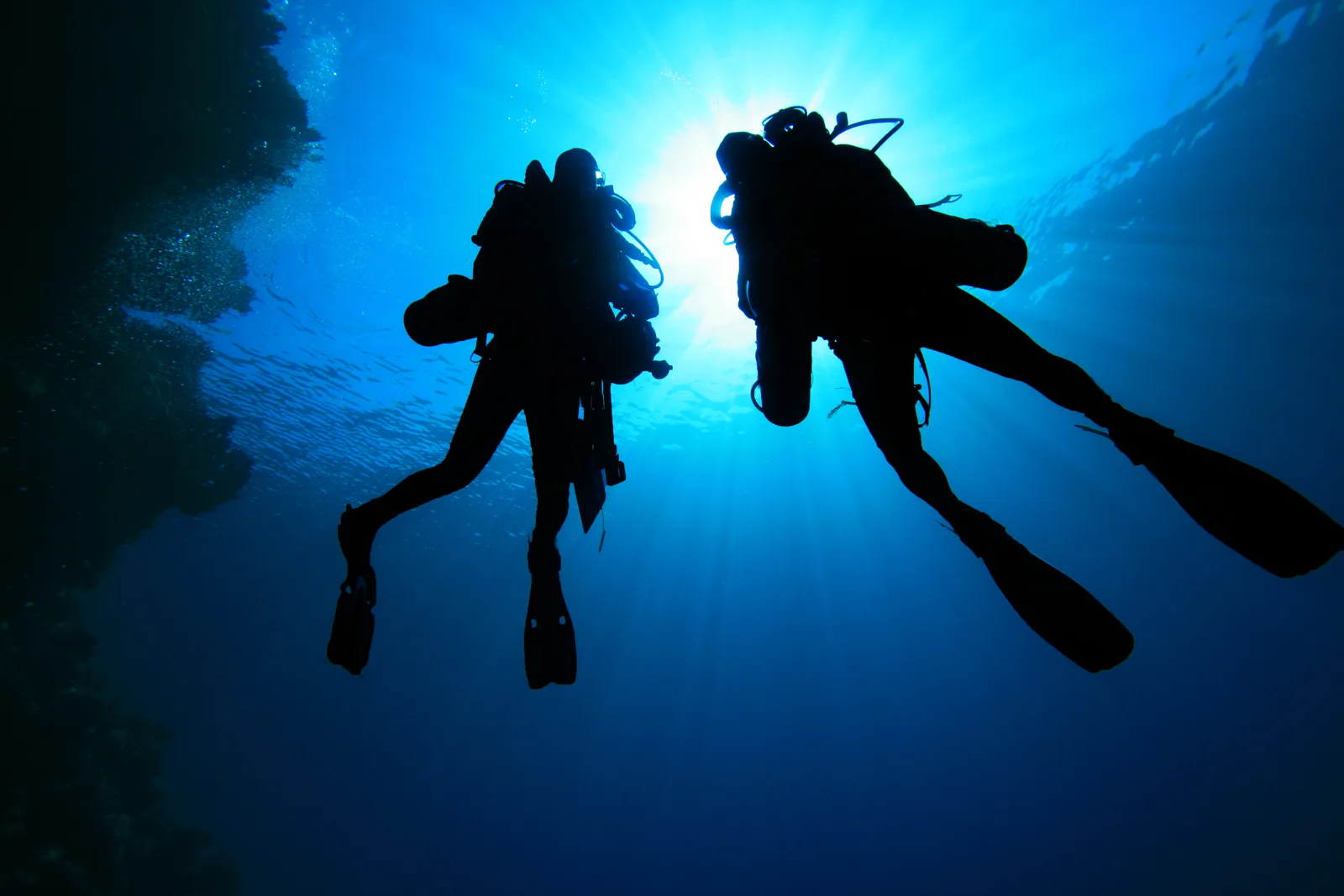
Leatherback turtles return to the beaches around Tamarindo from October to May, while reef fish, rays, reef sharks and dolphins belong to the underwater picture. The town works as a beach holiday base rather than a purpose-built diving harbour. Most diving means a morning boat outing to the Catalinas, with Tamarindo’s surf, estuary and Las Baulas coastline filling the hours above water. It suits a diver who wants several chances at Pacific wildlife, but can accept that visibility and sea conditions decide how much the day delivers.
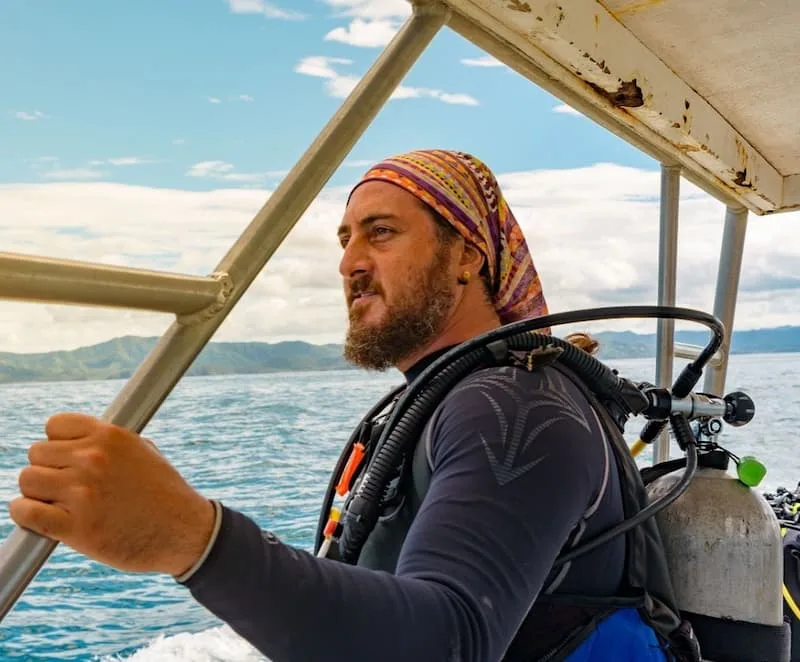
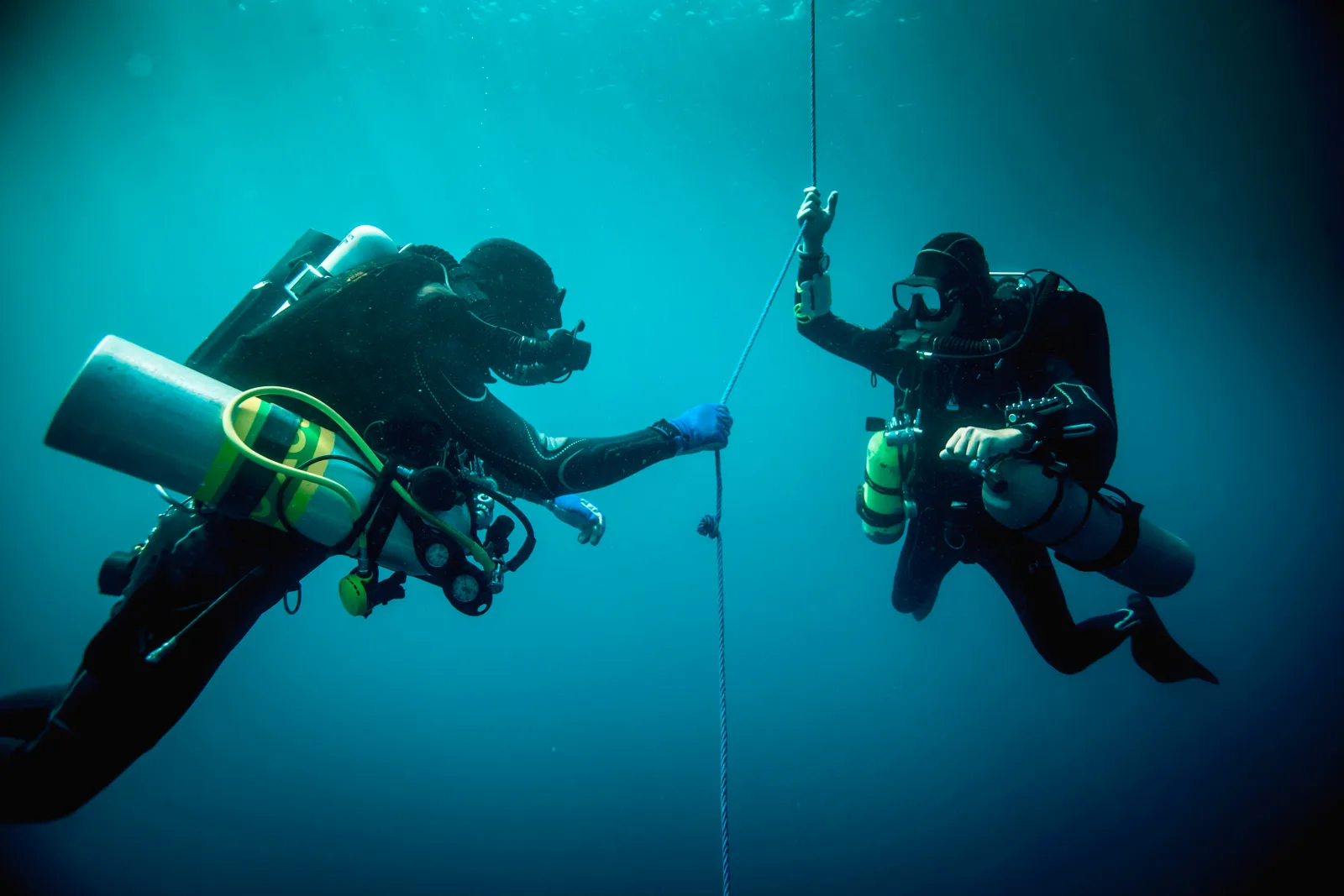
Tamarindo diving is principally boat diving, with the Catalinas reached after roughly 40 to 45 minutes on the water. Expect recreational diving depths and sites where current is variable rather than a predictable conveyor belt. A calm-looking plan can change with swell, and visibility may shift markedly between outings, commonly sitting somewhere between six and sixteen metres. The attraction is the prospect of reef fish, rays, white-tip reef sharks and passing dolphins around the island sites, not a guaranteed parade of large animals. The practical wrinkle comes before the descent: there is no working dive marina here, so the day starts on Tamarindo beach, with a small-boat transfer to the dive boat. That makes the outing feel more maritime than a simple shore-based dive, and leaves a reserve day sensible when exposed sites become uncomfortable or visibility falls away.
Reef fish provide the dependable background, with rays and white-tip reef sharks possible throughout the year. Manta rays are also reported year-round, although sightings depend on local conditions rather than a fixed seasonal appointment. Dolphins can appear at any time, sometimes as part of the boat journey as much as the dive itself. Leatherback turtles are the more useful seasonal marker, with occasional encounters from October through May and nesting activity on nearby beaches adding meaning to the coastal setting. These are wildlife encounters, not guarantees. Tamarindo is better approached with interest in what the Catalinas offer on the day, rather than with a single-species promise. Las Baulas protects the nesting beaches and estuary around the town, placing the diving within a coastline where marine wildlife matters above and below the surface.
December to April is usually the easier window, as the dry season often brings calmer seas and better visibility. February deserves caution, since winds and waves can make conditions less comfortable and reduce what you see underwater. August can be surprisingly worthwhile: some local operators find the rainy season brings calmer water and favourable visibility, with fewer visitors on land. Conditions remain changeable, so the useful rule is to choose a broad travel window rather than treat one month as a guarantee. Morning departures also make sense, since surface conditions may worsen as the day progresses.
The Catalinas are presented locally as suitable for all levels, including divers beginning their boat experience. A current PADI, SSI or BSAC qualification is the relevant starting point, but certification alone does not remove the practical demands of the day. Beginners should be comfortable entering from a beach transfer, boarding a small boat and climbing its ladder after the dive. More experienced divers will appreciate the flexibility to adapt to current and visibility, while anyone expecting consistently clear water or a fixed drift dive may find Tamarindo less predictable.
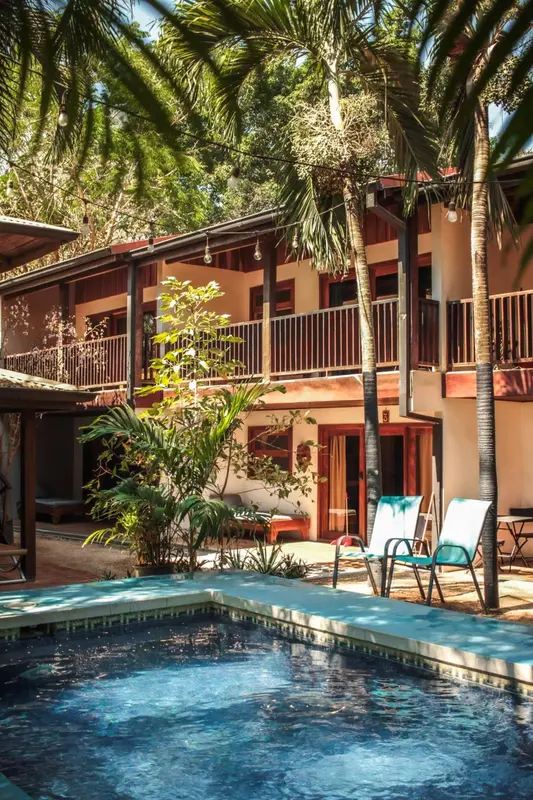
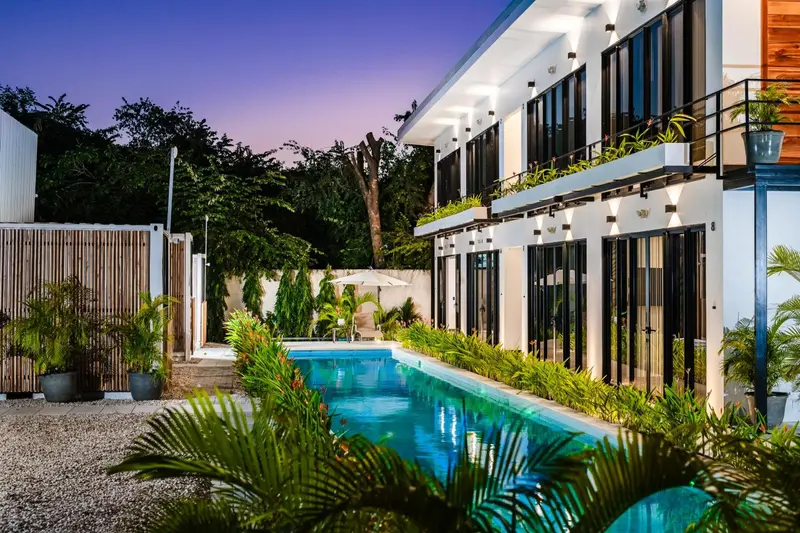
From London Heathrow, Gatwick or Manchester, allow roughly 18 to 24 hours overall, depending on connections and the onward road journey. Tamarindo is reached by road from Liberia or San José, as the town has no airport and no ferry crossing is needed. Build in time for the land transfer after the flight, rather than treating the airport and dive base as interchangeable points. Once in Tamarindo, accommodation and dive facilities around the tourist area are often within walking distance or a short local transfer. The final stage is distinctive: reach the beach, walk in with manageable equipment and transfer by small boat to the dive boat, since there is no direct marina departure.
Treat the beach launch as part of the dive, not as a minor transfer. Carry equipment that you can manage through shallow water and onto the small boat, and ask in advance how the entry and ladder exit work. Before committing to a day, ask which Catalinas sites are planned and what the alternative will be if swell blocks the exposed options. Keep a spare day in the itinerary, because a poor-visibility outing can look very different from the next morning. Prioritise early departures, both for the normal operating pattern and because surface conditions may deteriorate later. If visibility matters more than a particular site name, ask what the previous days have produced and stay flexible. Do not arrive assuming a marina boarding, or fill the whole holiday with diving days that leave no room for a weather-related change.
Five to seven days gives Tamarindo enough breathing space for several morning boat outings and a spare day when swell or visibility intervenes. The town works well for mixed groups: divers can head towards the Catalinas while companions surf, use the beach, explore the estuary and mangroves, or join wildlife and dolphin trips. Playa Grande and the Las Baulas coastline add a useful land-based counterpoint, particularly during the leatherback nesting season. This is a stay on land, not a liveaboard itinerary.
Hello, I'm Marina, DivingDeal.com's AI assistant. I guide you through destinations, areas and countries.
Thinking about the whole trip and the flights? Talk it over with Edith →
Marina is an AI. Some links are affiliate links: DivingDeal may earn a commission, at no extra cost to you. Bookings are made with the partner.
December through April often brings calmer seas and better visibility, although February can bring winds and waves. August may offer calmer water, favourable visibility and fewer visitors. Leatherback turtles are present from October through May. Choose a broad travel window, plan morning departures, and keep your schedule flexible because conditions can change.
The Catalinas are suitable for all levels, including divers beginning their boat experience. You should hold a current PADI, SSI or BSAC qualification and feel comfortable with a beach transfer, small boat entry and ladder exit. Variable current and visibility reward flexibility, while consistently clear water and fixed drift dives should not be assumed.
Reef fish form the underwater background, with rays and white-tip reef sharks possible throughout the year. Manta rays and dolphins may also appear, depending on local conditions. Leatherback turtles are occasional encounters from October through May. These are wildlife possibilities rather than guaranteed sightings, with visibility commonly changing between outings.
Allow five to seven days for several morning boat outings and a spare day if swell or visibility disrupts plans. Tamarindo is a land-based beach holiday setting, with Catalinas trips leaving from the beach by small boat. Ask about entries, ladder exits and alternatives, while companions can enjoy beaches, surfing, estuary and mangroves.