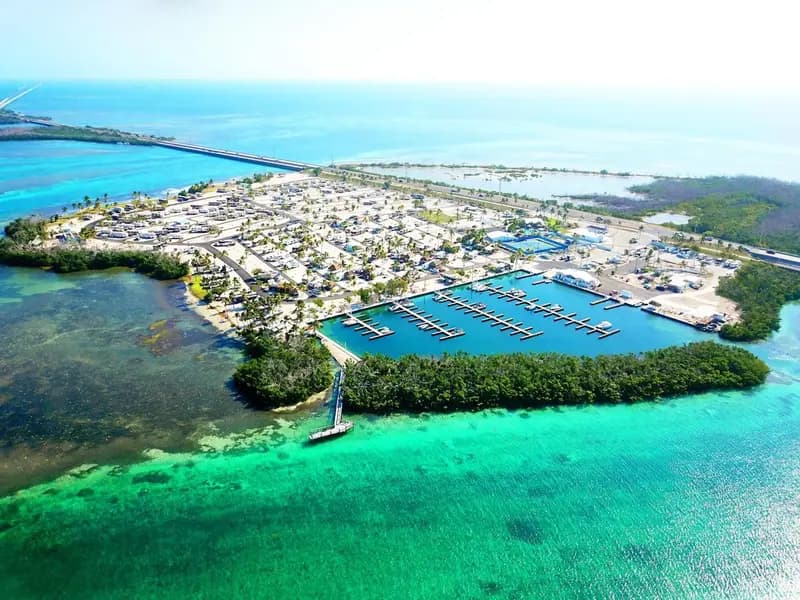
Sunshine Key RV Resort & Marina
★ 8.5/10 (92 reviews)
12 km away as the crow flies
Dive centre · Big Pine Key · United States
4.8579 Google reviewsExplore the vibrant coral structures of Looe Key and the historic Thunderbolt wreck with a team boasting over 60 years of local expertise.
For subtitles in English: start the video firstthen click the gearat the top right of the video, select “Subtitles/CC”, then “Auto-translate” and choose “English”.
Captain Hook’s is a long-established name in the Florida Keys, operating with a legacy of over 60 years. With locations in Marathon, Big Pine Key, and Key West, they provide access to a vast range of marine environments, from the shallow reef flats to the deeper waters of the Atlantic and the Gulf of Mexico.
The centre is recognised by the Florida Keys National Marine Sanctuary for its commitment to responsible diving and active reef protection. This dedication to the environment is central to their operations, ensuring that the delicate coral ecosystems you visit remain preserved for the future.
As a family-run business, Captain Hook’s prides itself on a professional and friendly atmosphere. They have built a reputation for deep local knowledge, which is essential for navigating the varying conditions of the Middle and Lower Keys.
Their expertise extends beyond just diving, offering services including equipment repair, maintenance, and a full retail shop. This comprehensive approach makes them a reliable hub for both local divers and those visiting the Keys for a specific expedition.
A full range of training is available through the centre, catering to every stage of a diver's progression. Beginners can start with Discover Scuba Diving or work towards their Open Water Diver certification.
For those looking to expand their technical skills, they offer Advanced Open Water Diver courses, alongside specialised training in Deep Diver and Wreck Diver disciplines.
The centre provides full equipment hire, including masks, snorkels, fins, and complete diving rigs. For those who prefer to bring their own kit, they also offer specialised rental of individual components.
On-site facilities include a dive shop and a convenience store stocked with bait and fishing supplies. They also provide equipment servicing and repair services to ensure your gear is mission-ready.
Looe Key is a classic spur-and-groove reef located about 6 miles offshore, with depths ranging from 5 to 35 metres. This sanctuary site is known for its bright, shallow coral structures and is ideal for those seeking a relaxing dive among large schools of fish.
Sombrero Reef, the largest reef formation in the Middle Keys, is marked by a historic lighthouse and offers diverse topography. The site features coral ridges extending toward the surface, providing a varied landscape for divers of all levels.
The Thunderbolt Wreck is a significant site for advanced divers, consisting of an 188-foot vessel resting vertically in depths of up to 36 metres. It remains highly recognisable, featuring bronze propellers and a well-preserved wheelhouse.
Vandenberg wreck is a famous site near Key West that requires an Advanced certification. The wreck sits in depths between 13 and 30 metres and can be subject to moderate to strong currents.
And some of the dive sites the centre runs.
The reefs are teeming with life, particularly around the coral structures where you will encounter large schools of snapper, grunt, parrotfish, and angelfish. You can regularly observe various species of rays, sea turtles, and barracuda patrolling the sandy channels and reef edges.
Larger pelagics and reef residents include nurse sharks, grouper, and moray eels. During the months of December to February, you may have the opportunity to see increased numbers of nurse sharks and lobster, while the period from June to August brings more frequent sightings of sea turtles, rays, and various reef fish.
In the seasonal transitions, specifically between March and May, the presence of grunts and snappers increases, alongside healthy soft corals. If you are diving between September and November, keep an eye out for jacks and mackerel.
The reefs in this region generally experience low currents, making for easy, controlled dives. However, when visiting wreck sites, you should be prepared for more significant water movement.
Conditions can change quickly depending on the weather. While the reefs are often calm, the area can be affected by easterly or north-easterly winds, which may impact visibility. For those heading out on the boats, a swell of 1 to 2 feet is ideal for comfort, whereas 3 feet can result in more surface chop and swell.
Hello, I'm Marina, DivingDeal.com's AI assistant. I answer in detail about hotels, dive centres and liveaboards.

Thinking about the whole trip and the flights? Talk it over with Edith →
Marina is an AI. Some links are affiliate links: DivingDeal may earn a commission, at no extra cost to you. Bookings are made with the partner.