Try Snorkel and Scuba Diving Honolulu
Google 4.9/5 (6,854 reviews)
United States · Americas
Horseshoe Reef’s coral formations, Turtle Canyon’s green sea turtles and Kewalo Pipe’s resident octopus frame boat diving from Waikīkī and Honolulu.
For subtitles in English: start the video firstthen click the gearat the top right of the video, select “Subtitles/CC”, then “Auto-translate” and choose “English”.
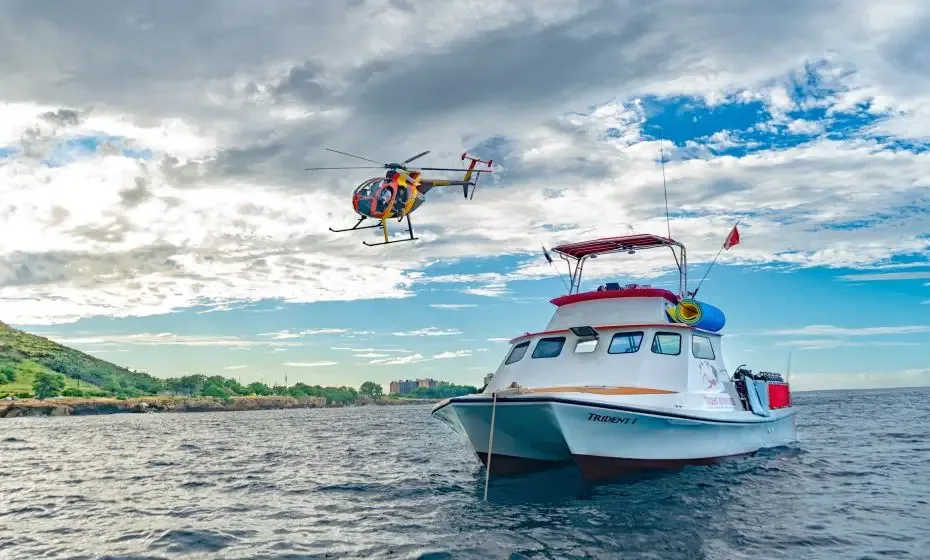
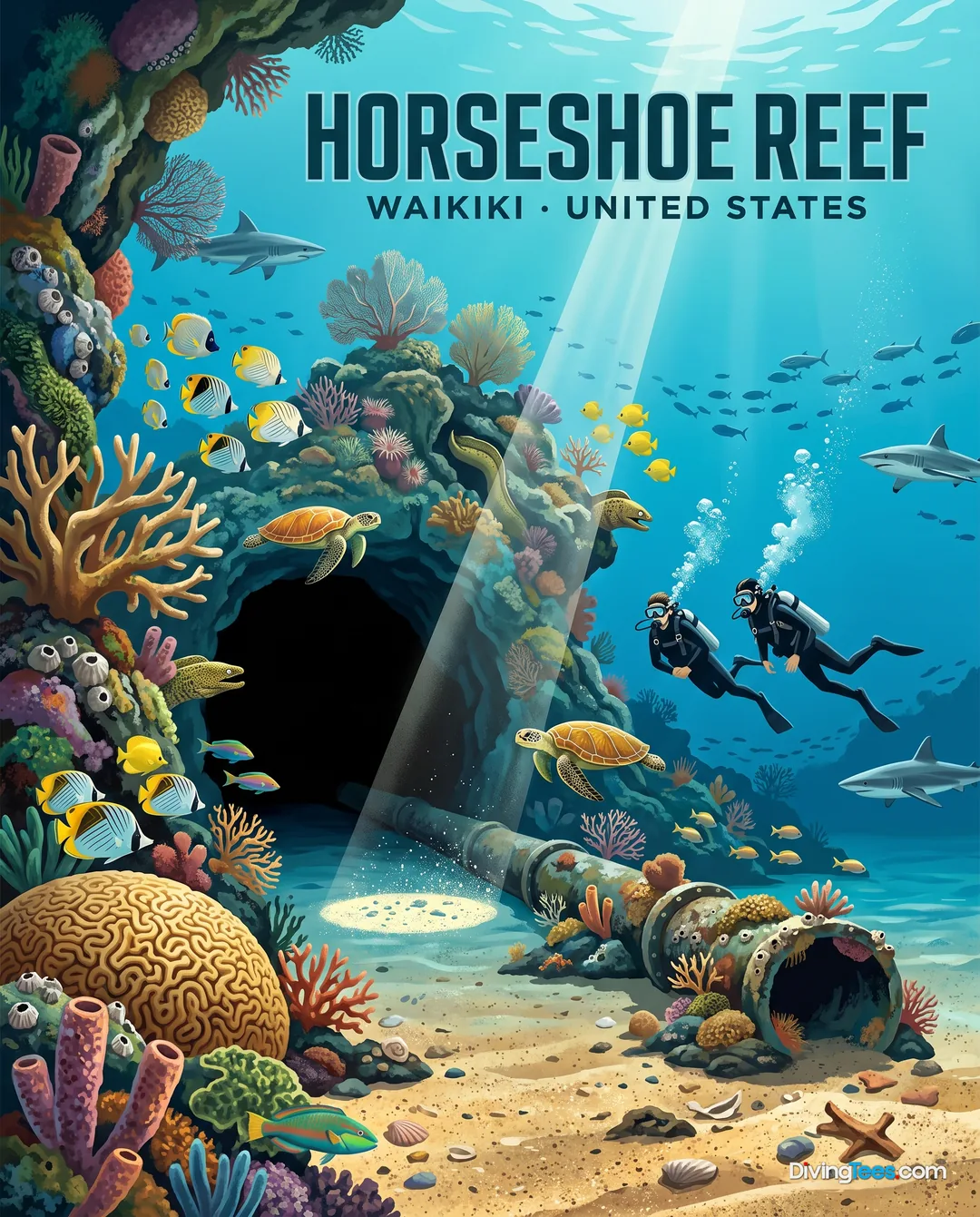
Horseshoe Reef puts Honolulu’s character into a single dive: horseshoe-shaped coral formations, broad sand patches and the feature known as the Eye of the Reef. From Waikīkī and the harbour, daily boat trips reach shallow reefs, artificial structures and wreck sites around Oʻahu. The result is a practical land-based diving holiday rather than an isolated dive resort. It suits travellers who want several underwater outings, then a city evening, a museum visit or a day exploring the island with a non-diving companion.
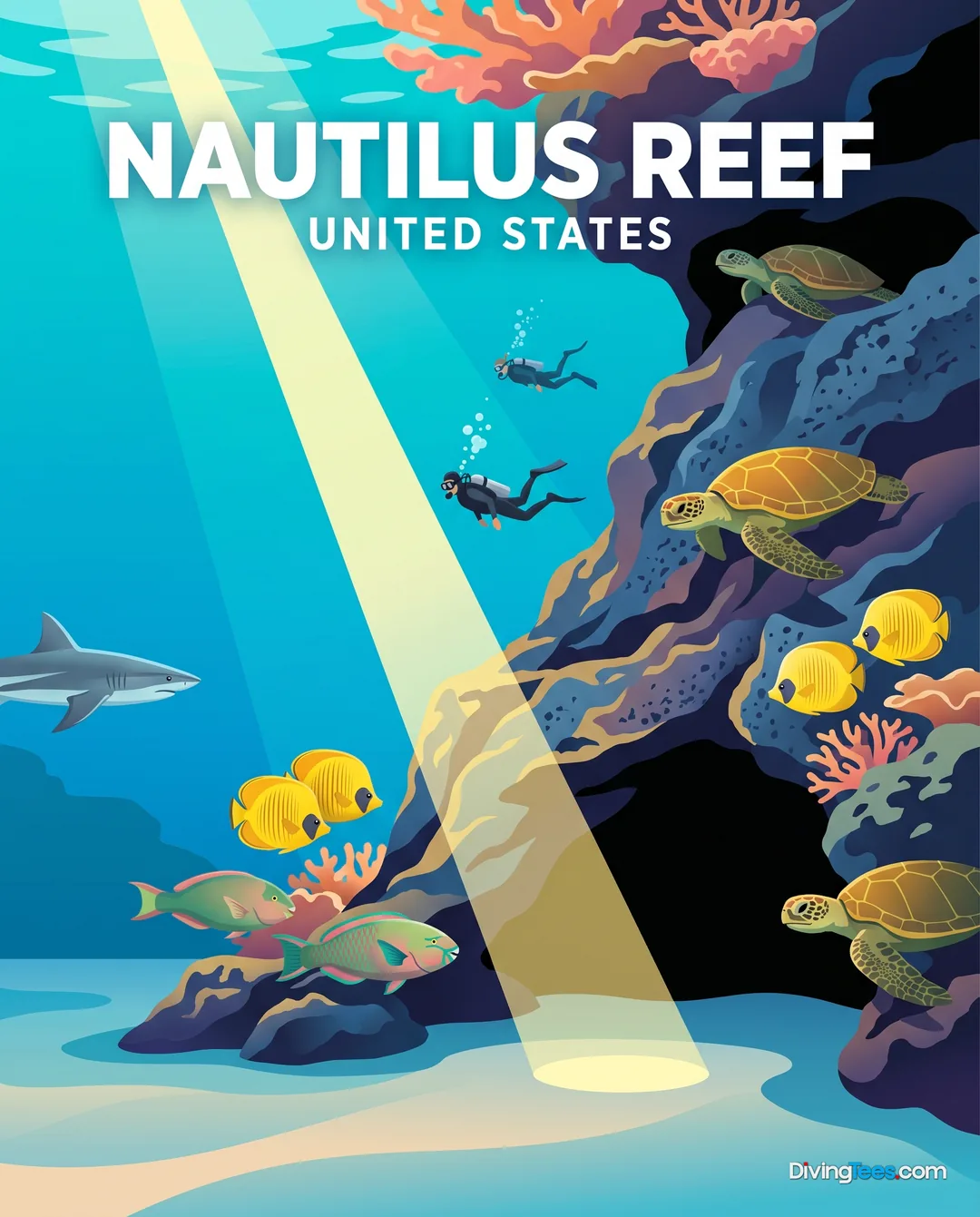
Honolulu’s diving mixes coastal reef, lava formations, artificial habitat and wreck outings. Horseshoe Reef slopes from nine to twenty metres, with coral shapes and sand giving the dive a clear rhythm: move across the formations, pause over the open patches, then look into the reef’s overhangs. Turtle Canyon is shallower, from 4.5 to 14 metres, with finger reefs and hard coral around a recognised turtle cleaning station. Nautilus Reef adds a peanut-shaped lava and coral structure, while Kewalo Pipe reaches eleven to twenty metres around an old storm-drain structure. Currents are variable: weak at Turtle Canyon and usually at Kewalo Pipe, moderate at Horseshoe Reef, and occasionally moderate at Nautilus Reef. Visibility can be very good, but local swell, wind and coastal runoff matter more than any fixed promise. Most diving is by boat, with morning departures generally the calmer choice.
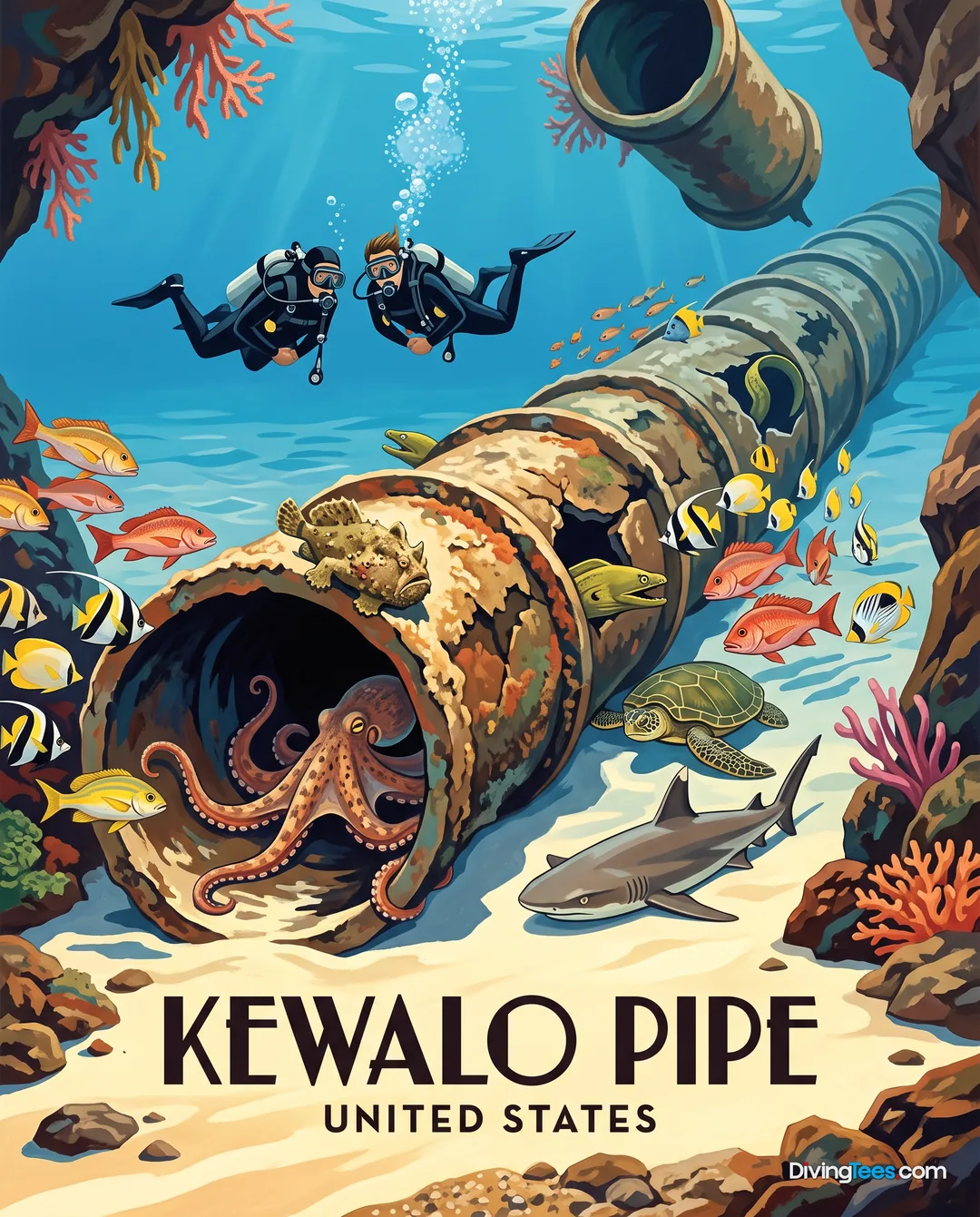
Green sea turtles are the signature encounter, particularly around Turtle Canyon, where the finger reef works as a cleaning station. The reefs also hold butterflyfish, angelfish, parrotfish and juvenile wrasses, with moray eels and octopus using holes and overhangs. Kewalo Pipe is a useful place to slow down and inspect the artificial structure for resident octopus, frogfish and eels rather than simply swimming past it. Leaf scorpionfish and devil scorpionfish reward careful searching, while reef sharks may appear on suitable reef and boat dives. Hard coral and soft coral are both part of the underwater scenery. The principal reef sites are diveable year-round; conditions, not a promised seasonal spectacle, should guide the plan.
May to September is the most sensible window for a planned diving holiday, when summer conditions are generally more comfortable and the sea is usually easier to manage. The measured period with the lowest rainfall extends from June to December, so June through September combines that drier tendency with the calmer summer pattern. Winter, particularly November to February, brings more swell to exposed Oʻahu coasts and can remove some sites from the day’s plan or make the ride less comfortable. Honolulu remains diveable outside the preferred months, but a flexible schedule matters more then. Holiday periods also bring heavier tourist pressure; weekdays and periods outside major breaks are easier on boats, roads and popular sites.
This coast is exposed to sargassum strandings, whose intensity varies greatly from year to year.
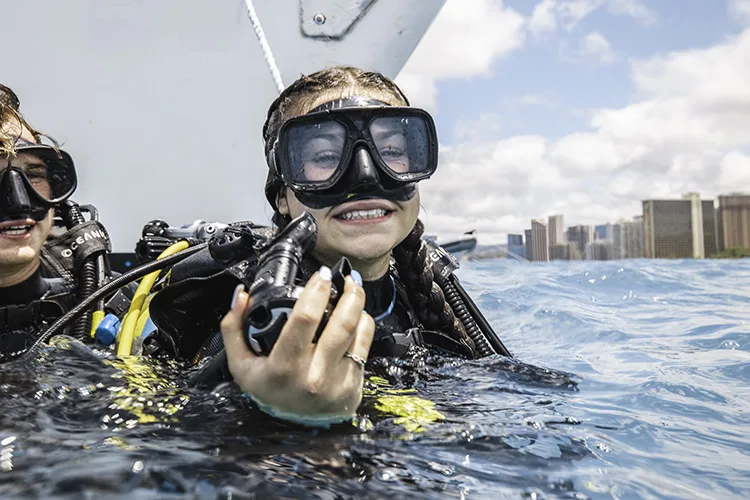
Honolulu works for all certification levels. Open Water divers can use the shallower reef sites, including Turtle Canyon, and the depth range at Horseshoe Reef also leaves room for a straightforward guided outing. Nautilus Reef is similarly within reach of newer divers, although its occasional moderate current calls for sensible awareness and a willingness to adjust the dive. Deeper wreck or more demanding boat options may suit Advanced Open Water divers better. Nitrox is useful for divers planning repetitive boat days, particularly when the itinerary includes deeper profiles. BSAC, PADI and SSI qualifications should fit the same practical division: experience and comfort in changing sea conditions matter more than the agency logo.
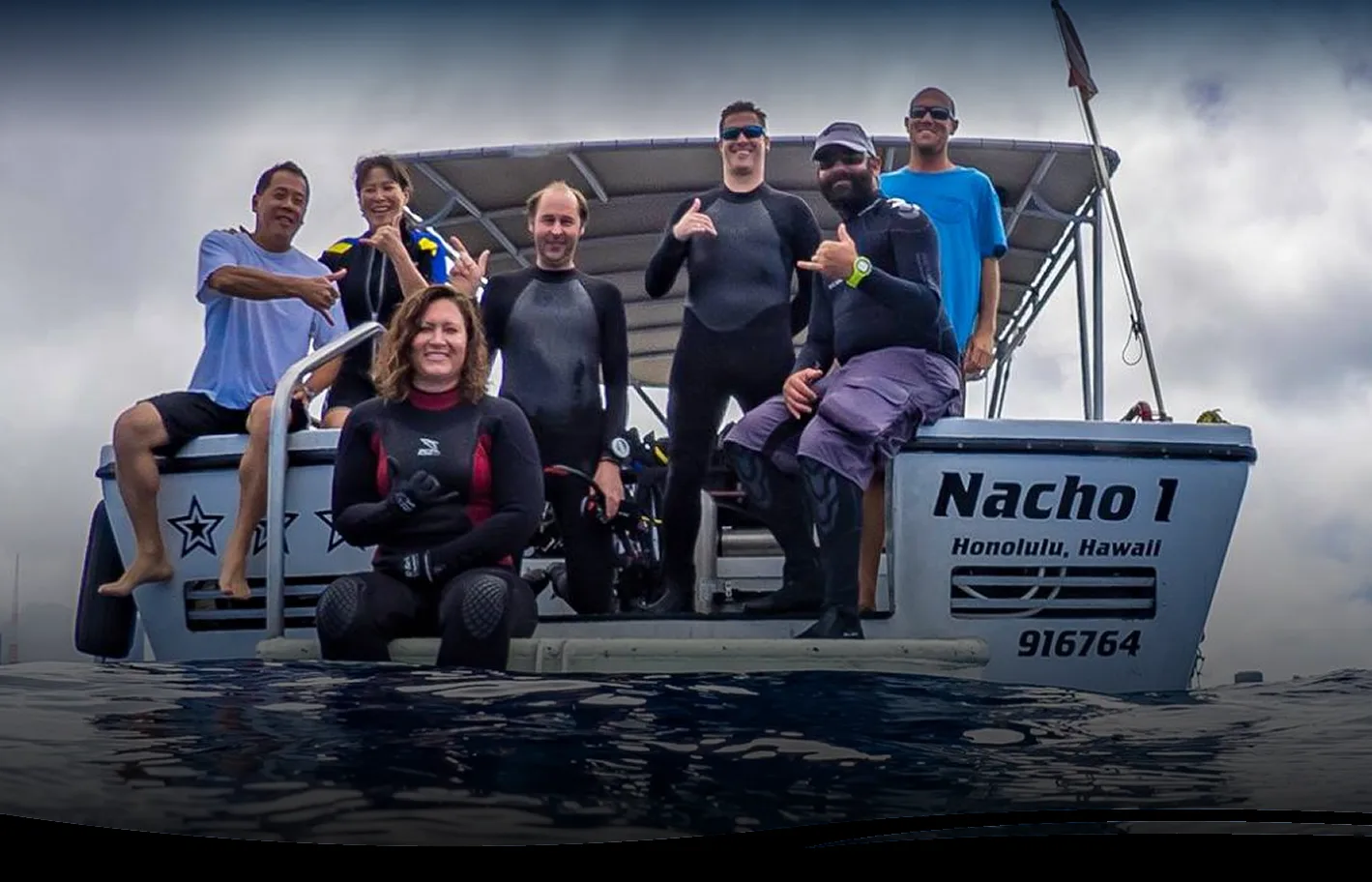
From London Heathrow, London Gatwick or Manchester, Honolulu is reached by international air travel to Daniel K. Inouye International Airport. The journey normally involves a connection in the continental United States or, less often, a trans-Pacific hub, so the itinerary and connection time deserve attention before the diving schedule is fixed. Once in Honolulu, reach the harbour or other departure points by taxi, rideshare, bus or hire car. Dive operators use port access in the city, and boat transfers to sites are generally short to moderate rather than ferry journeys. Waikīkī accommodation can work without a car, but early departures and Honolulu traffic make a taxi, rideshare or hire car more practical than relying on a walk unless the meeting point is genuinely central.
Keep the first boat departures in the morning where possible: the sea is generally steadier, and surface traffic has had less time to build. Do not lock the week to one named site. Oʻahu’s exposed coasts can change the plan, so leave room to switch from reef to wreck or the other way round. If the north or another exposed coastline is on the itinerary, treat swell as the deciding factor, not the road distance. Divers staying in Waikīkī should allow more time than the map suggests for the trip to the harbour or meeting point. Bringing a preferred mask, snorkel or backup items is sensible, especially when a precise fit matters and small sizes may not be readily available. Check that the boat uses authorised moorings in protected areas; anchoring bans and restrictions on fishing or collection apply in designated conservation areas. Keep a spare day for weather, and leave a land day before flying home after deeper or repetitive diving.
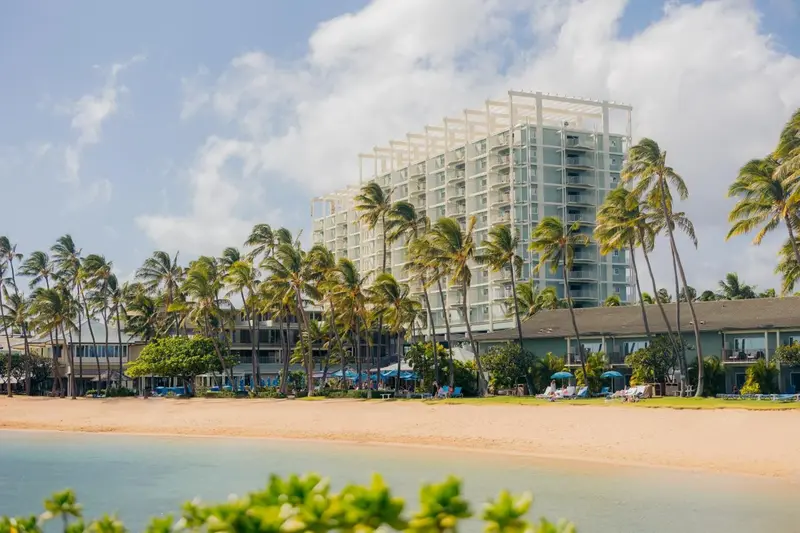
Allow four to seven days for a comfortable balance of boat diving and Honolulu time. Put the dives early in the stay, leaving a buffer day for swell or a changed site plan. Evenings return the diver to the city rather than a liveaboard routine, and a non-diving companion has beaches, coastal viewpoints, museums and local heritage to fill the same days. A final land day is particularly useful after repetitive or deeper profiles and avoids forcing the last dive too close to the flight home.
Hello, I'm Marina, DivingDeal.com's AI assistant. I guide you through destinations, areas and countries.
Thinking about the whole trip and the flights? Talk it over with Edith →
Marina is an AI. Some links are affiliate links: DivingDeal may earn a commission, at no extra cost to you. Bookings are made with the partner.
Your last day stays dry: no diving in the 18-24 hours before a flight, the perfect window to see the destination from another angle.
 Culture
⏱ 3 h · ★ 5.0 (24 reviews)
from £164$219€195
see on Viator ↗
 Nature
⏱ 3 h · ★ 5.0 (13 reviews)
from £72$97€86
see on Viator ↗
 City
City⏱ 3 h · ★ 5.0 (12 reviews)
from £570$761€680
see on Viator ↗
 Culture
⏱ 6 h · ★ 5.0 (11 reviews)
from £223$298€266
see on Viator ↗
Ratings and reviews collected by Viator and Tripadvisor.
May to September is the most sensible window, with generally more manageable summer sea conditions. June through September also combines this calmer pattern with the period of lowest rainfall. Winter, particularly November to February, brings more swell to exposed coasts, while holidays create heavier pressure on boats, roads and popular sites.
Honolulu works for all certification levels. Open Water divers can use shallower sites such as Turtle Canyon and enjoy a straightforward guided outing at Horseshoe Reef. Nautilus Reef may suit newer divers, although occasional moderate current requires awareness. Deeper wrecks and more demanding boat dives may suit Advanced Open Water divers better.
You can encounter green sea turtles at Turtle Canyon’s cleaning station, alongside butterflyfish, angelfish, parrotfish and juvenile wrasses. Moray eels and octopus use reef holes and overhangs, while Kewalo Pipe offers resident octopus, frogfish and eels. Horseshoe Reef, Nautilus Reef and the coastal sites add coral, lava formations, artificial habitat and wrecks.
Allow four to seven days to balance boat diving with Honolulu’s beaches, museums, coastal walks and local heritage. Schedule dives early, preferably in the morning, and keep a spare day for swell or changed sites. Waikīkī visitors should allow time for harbour traffic, while a final land day helps separate deeper or repetitive diving from the flight home.