
Kona Honu Divers, Inc.
Google 5/5 (7,694 reviews)
United States · Americas
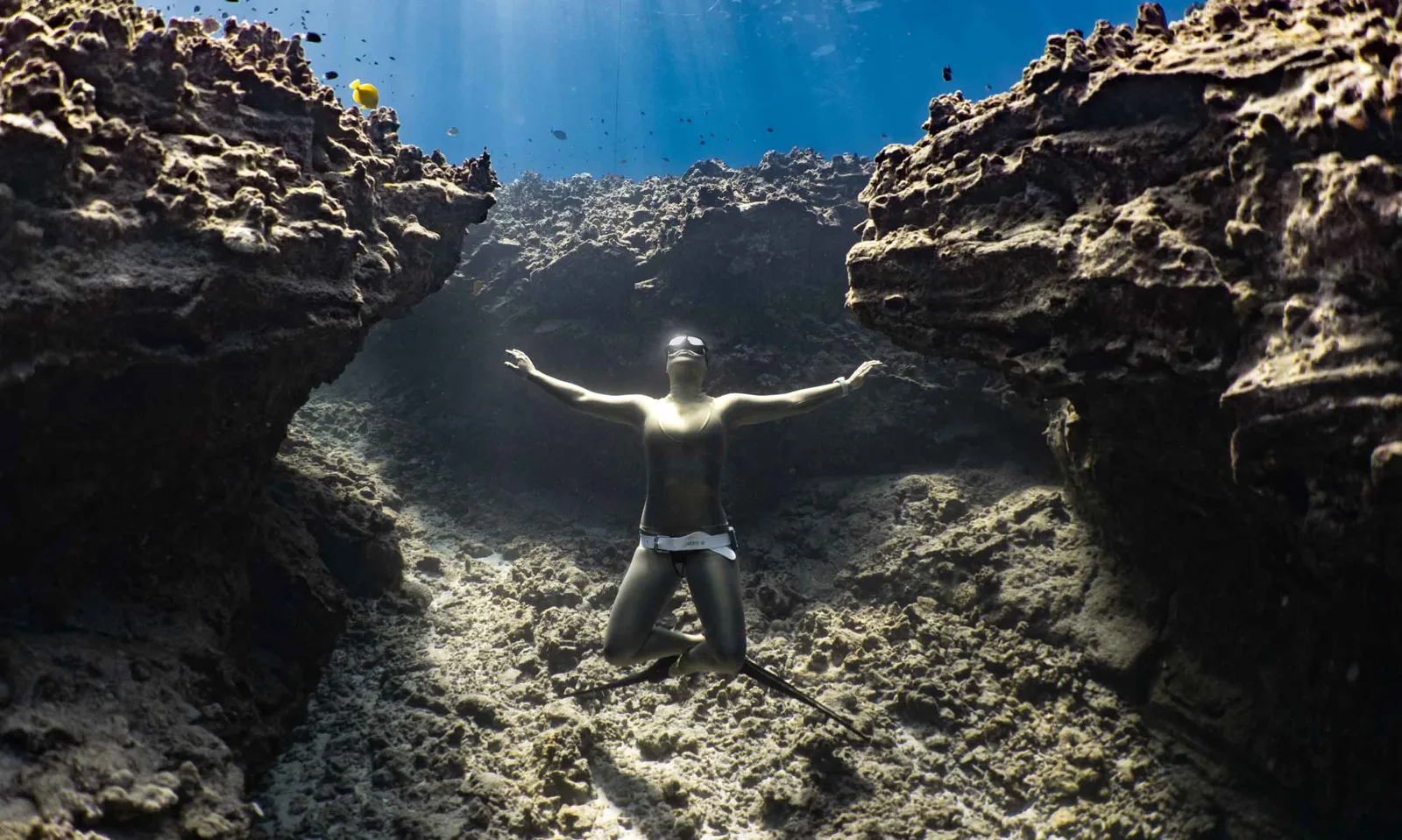
Lava-formed reefs, sandy viewing platforms at 10–17 metres, and reef manta rays circling through plankton-lit night water define diving around Kona.
For subtitles in English: start the video firstthen click the gearat the top right of the video, select “Subtitles/CC”, then “Auto-translate” and choose “English”.
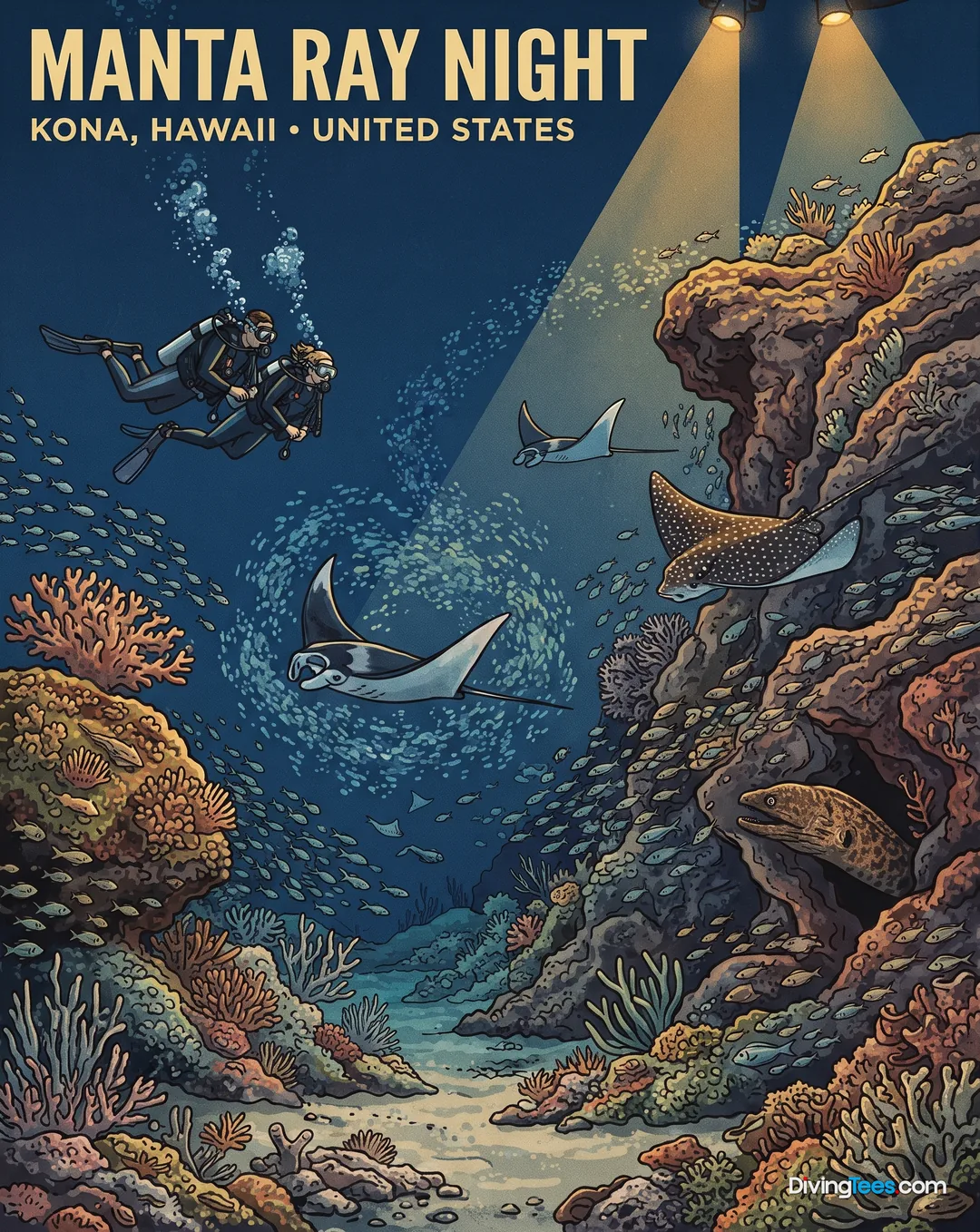
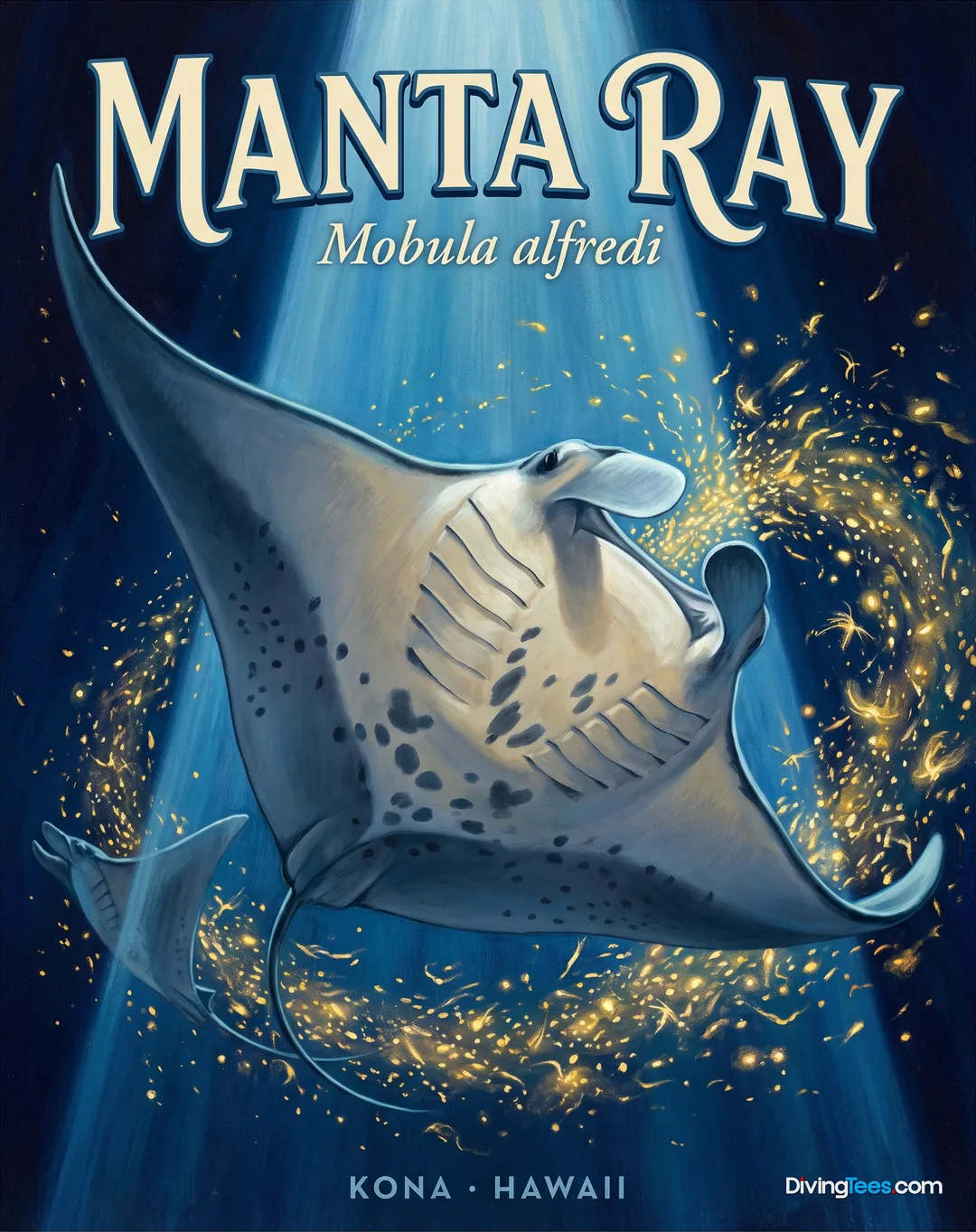
Kona is a practical land-based base on Hawaiʻi Island’s leeward west coast, where a diver can combine shore entries with day boats and a carefully managed night encounter with manta rays. The underwater scenery comes from lava: dark rocky reef, ledges and uneven exits rather than neatly arranged coral gardens. The Manta Ray Night Dive is the signature experience, with divers settled on a sandy bottom while mantas sweep overhead. Away from it, the destination suits a week built around different dive styles rather than a liveaboard routine.
Kona’s underwater character is shaped by lava-formed reef structure: rocky ledges, sloping ground and exposed coastal sections that can feel very different from one entry to the next. Shore diving is a genuine part of the destination, but it demands attention to the entry and exit, with lava rock, ladders and limited exit points at some sites. Boat dives add offshore profiles and access to sites where current or surge may be less predictable. Conditions are generally manageable, but current is variable and winter swell can affect exposed entries and surface comfort. The Manta Ray Night Dive is relatively shallow, normally 10–17 metres, with divers holding position over sand while the animals feed above them. Visibility there is typically around 5–9 metres: enough for close encounters, but not a guarantee of a wide, postcard-style view.
Reef manta rays are Kona’s defining encounter. They are seen year-round, and the night dive works because powerful lights concentrate plankton above the sandy viewing area. The correct role is to remain in position and let the mantas make the passes; chasing them turns a calm observation dive into a poor wildlife encounter. Spinner dolphins can occur at any time of year, although they are an occasional sight rather than a dependable part of a dive plan. Humpback whales are occasional visitors in the winter months, adding interest to the wider island trip even when they are not part of the underwater itinerary. Kona’s appeal is therefore less about ticking off a long species list and more about seeing large animals behaving naturally in a distinctive volcanic setting.
April, May, September and October are sensible months for Kona diving because they balance boat comfort, swell and the general rhythm of west-coast conditions. Kona does not revolve around a strict monsoon season: the leeward coast is usually the calmer side of the island, while winter swell can make exposed shore entries and surface procedures less comfortable. Manta dives remain a year-round possibility, since their feeding depends on plankton gathering around the lights rather than on a narrow seasonal window. Winter also brings the occasional humpback whale, but divers choosing those months should allow flexibility for swell rather than assuming every shore site will be equally inviting.
Kona works for all certified levels, including PADI, SSI and BSAC divers, provided they are comfortable with the particular entry or boat procedure being used. The manta dive is within Open Water depth limits, but lava-rock shore exits, ladders, surge and variable current can make some dives less forgiving than their depth suggests. Advanced certification is useful for deeper offshore profiles, while Nitrox suits repetitive multi-day boat diving. A sensible first dive is a straightforward reef or checkout dive to settle weighting and entry technique before attempting the more exposed or specialised outings.
From London Heathrow, London Gatwick or Manchester, reaching Kona normally means a long-haul journey with at least one transatlantic leg, a United States connection, and then either a mainland-to-Hawaiʻi routing or an inter-island sector, depending on the ticket. The destination is served by the airport on the west side of the island; there is no ferry crossing for Kona itself. Once on the island, divers follow the coast by road to their accommodation, dive base or departure harbour. Kailua-Kona and the nearby waterfront corridor keep the daily logistics relatively straightforward: a short taxi ride or self-drive usually links hotels with shore entries, dive centres and marina departures. A hire car is particularly useful when mixing shore dives with boat days, as coastal access is spread along the road rather than concentrated at one single pier.
Build the trip around flexibility, not around putting the manta dive on the first or last night. Keep a spare day in the middle, because swell can change which shore entries are comfortable and which offshore sites are selected. Before a night dive, listen closely to the positioning briefing: the mantas circle the lights and plankton, so the rewarding position is low and still, not in pursuit. Shore divers should judge an entry by its exit as well; lava rock, ladders and limited escape points matter more than the short drive to the water. Bring exposure protection suitable for long repeated dives and night work rather than packing only for a warm-water holiday. If combining shore and boat diving, use the first day to check weighting, ladder technique and equipment handling. In designated conservation areas, leave marine life and natural material where they are, avoid touching wildlife or coral, and follow posted mooring and anchoring rules.
Five to seven days gives Kona enough breathing room for shore diving, day boats and at least one manta night dive without forcing every decision around the weather. Kailua-Kona or the nearby coast is the practical base, keeping road transfers short and leaving non-divers close to sightseeing. Plan a flexible day rather than filling every morning and evening. Away from the water, Hawaiʻi Island offers volcanic landscapes, lava scenery, coastal wildlife viewing and historic or cultural visits around Kailua-Kona. A boat-free day also makes a useful pause before the journey home.
Hello, I'm Marina, DivingDeal.com's AI assistant. I guide you through destinations, areas and countries.
Thinking about the whole trip and the flights? Talk it over with Edith →
Marina is an AI. Some links are affiliate links: DivingDeal may earn a commission, at no extra cost to you. Bookings are made with the partner.
April, May, September and October balance boat comfort, swell and west-coast conditions. Kona diving is possible year-round, including the manta night dive, because feeding depends on plankton gathering around lights. Winter brings occasional humpback whales, but swell may make exposed shore entries and surface procedures less comfortable, so keep plans flexible.
Kona works for all certified levels, including PADI, SSI and BSAC divers, if you are comfortable with the entry or boat procedure involved. The manta dive stays within Open Water depth limits, while lava-rock exits, ladders, surge and variable current require care. Advanced certification helps with deeper offshore profiles, and Nitrox suits repetitive boat diving.
Kona offers lava-formed reefs with dark ledges, walls, sloping ground and rocky passages. Reef manta rays circle above a sandy viewing area during the night dive, feeding on plankton gathered around powerful lights. Spinner dolphins may appear offshore, while humpback whales occasionally visit during winter. Kealakekua Bay has marine-life conservation protection.
Use Kailua-Kona or the nearby coast as a land-based base for shore dives, day boats and a manta night dive. Allow a flexible day for swell, and avoid scheduling the manta dive first or last. A hire car helps reach spread-out coastal sites, while a first checkout dive can settle weighting and entry technique.