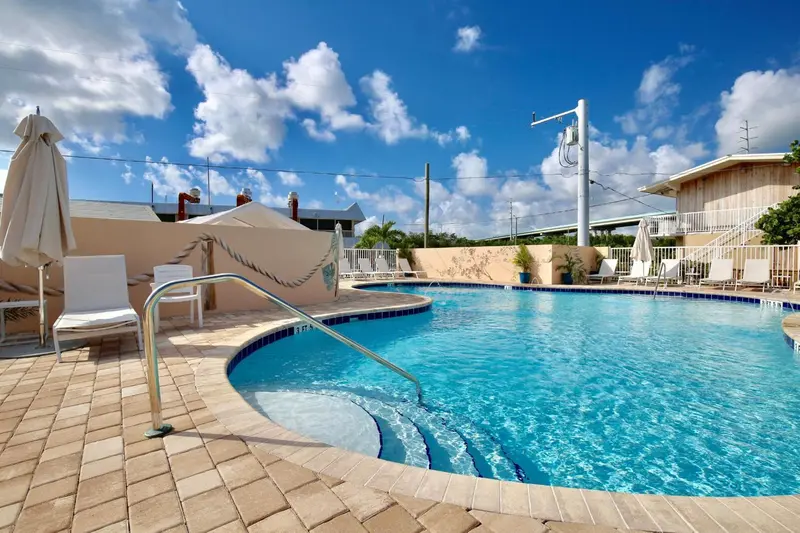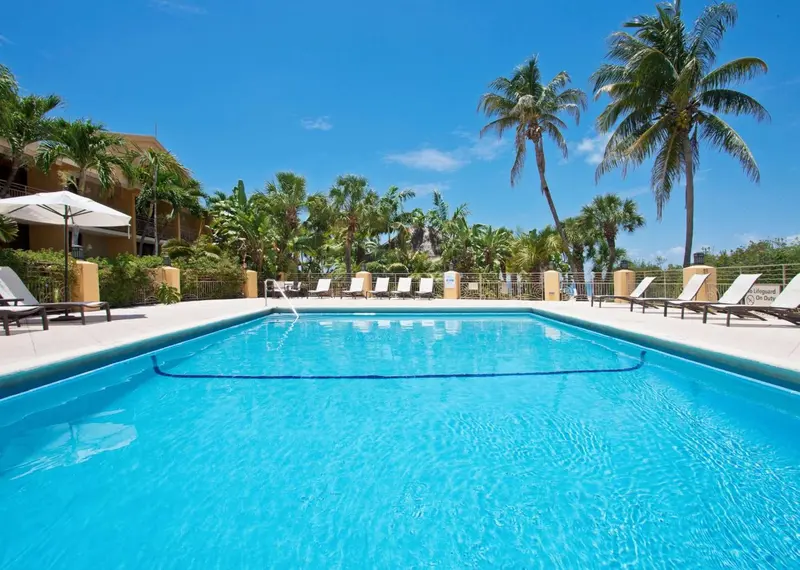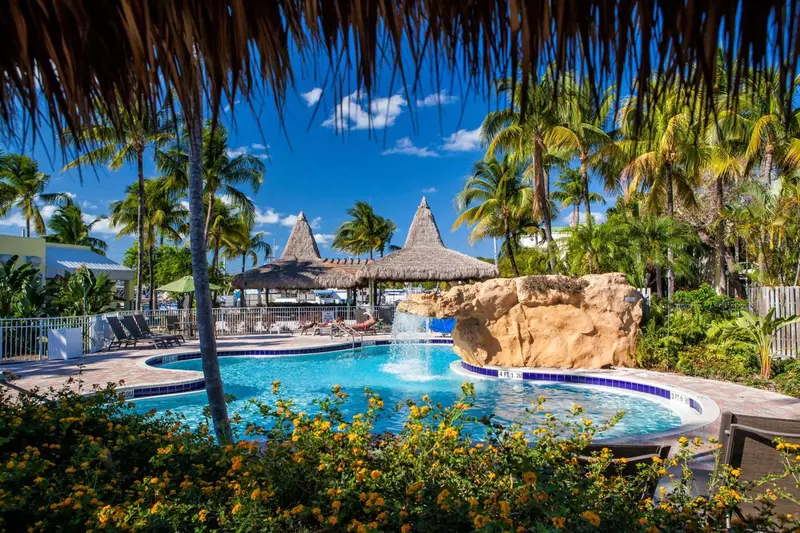
 Dive centre in the hotel
Amoray Dive Resort
★★
Google 4.4/5 (1,406 reviews)
The dive centre
Amoray Dive Center LLC
PADI
Google 4.9/5 (199 reviews)
United States · Americas
Shallow coral gardens, swim-throughs, a bronze Christ statue and large wrecks make Key Largo a practical land-based base for Florida Keys diving.
For subtitles in English: start the video firstthen click the gearat the top right of the video, select “Subtitles/CC”, then “Auto-translate” and choose “English”.
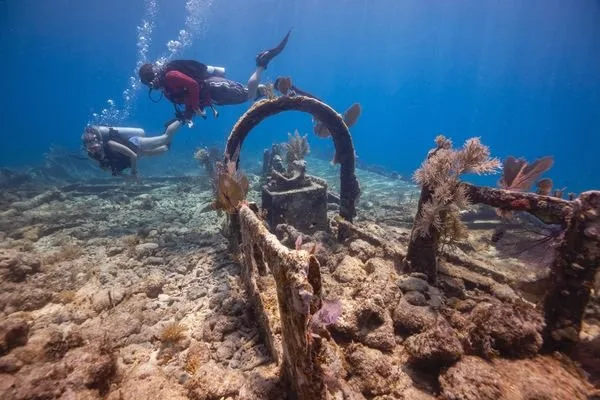
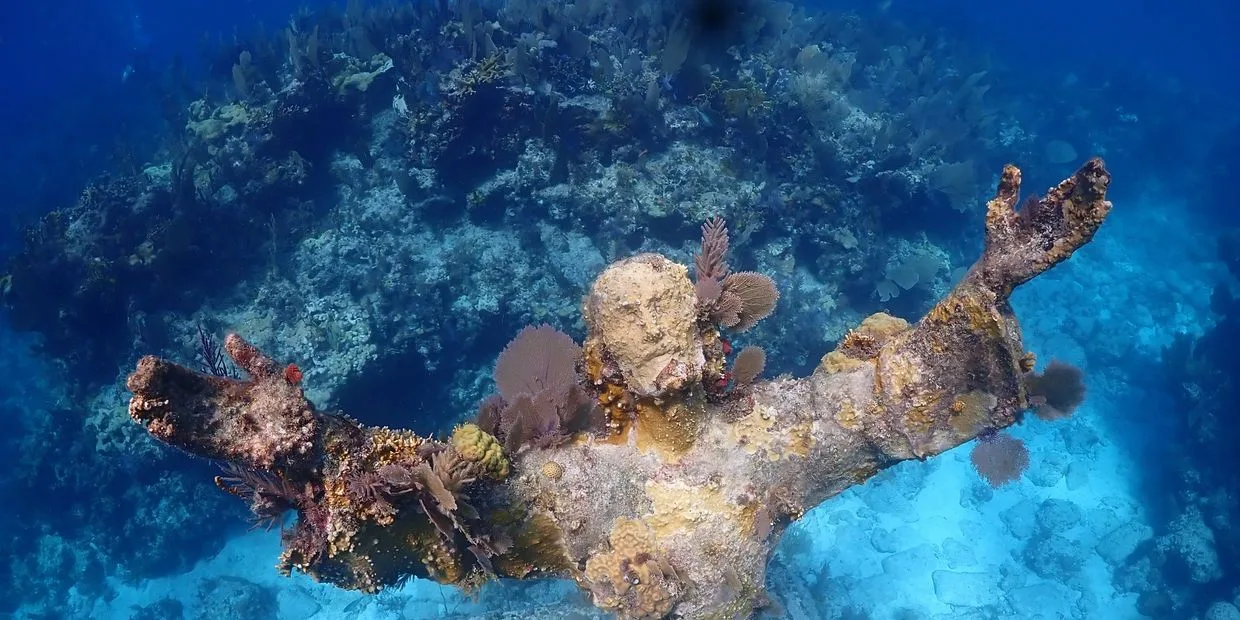
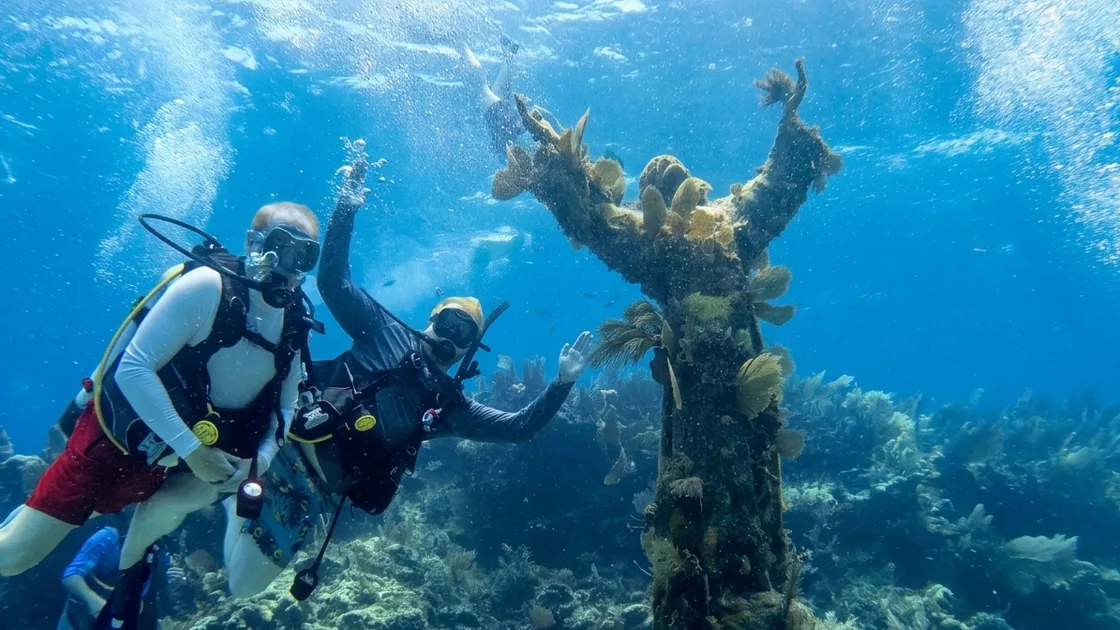
Key Largo is a shore-based diving destination built around short boat trips from the Upper Keys. The underwater menu moves from bright, shallow coral gardens at Grecian Rocks and Pickles Reef to deeper wrecks such as USCG Duane and USS Spiegel Grove. Christ of the Abyss adds a particularly recognisable shallow landmark, while the Florida Keys National Marine Sanctuary gives the local diving a clear framework of protected sites and no-touch rules. It suits a focused four- to seven-day stay without requiring a liveaboard.
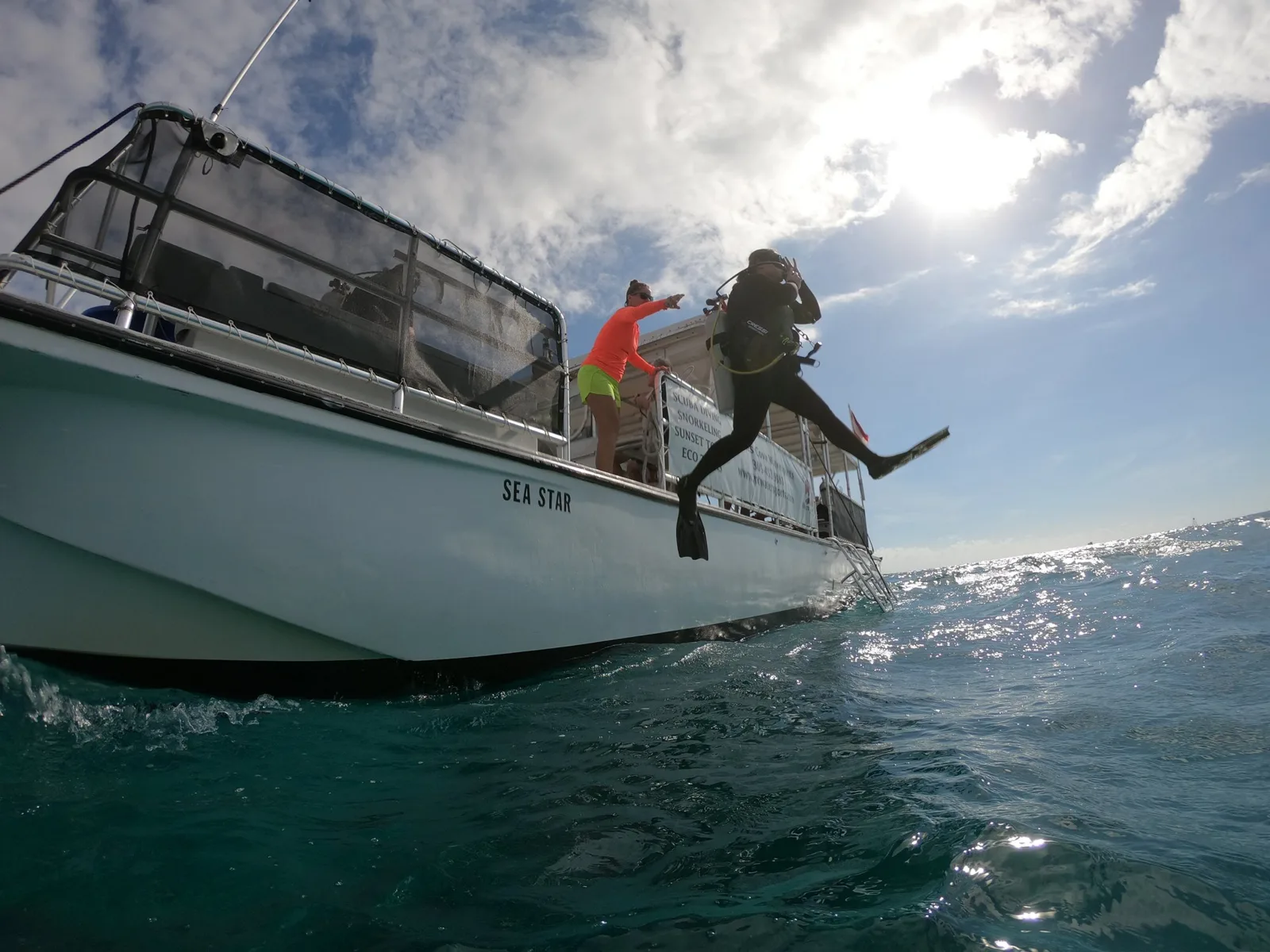
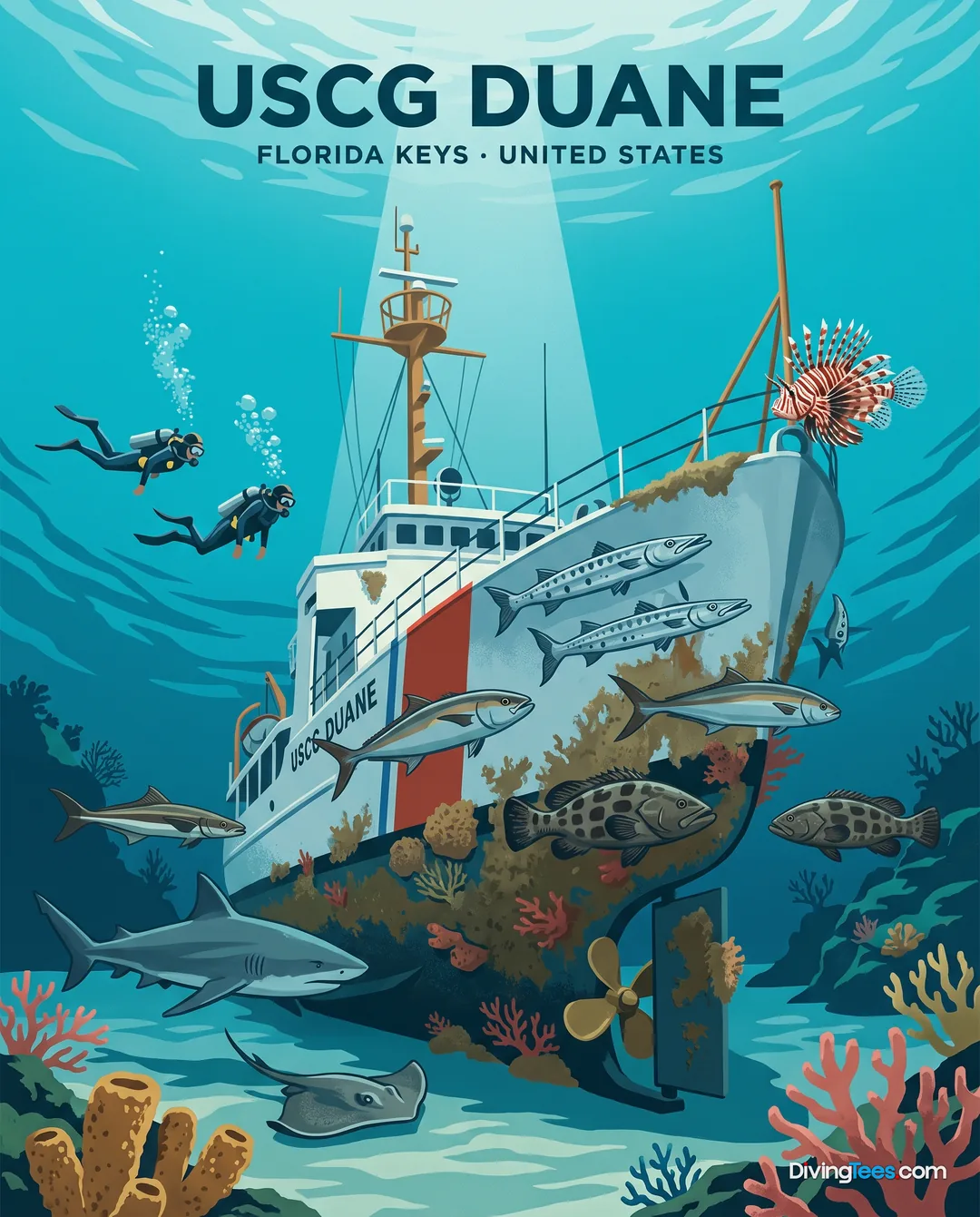
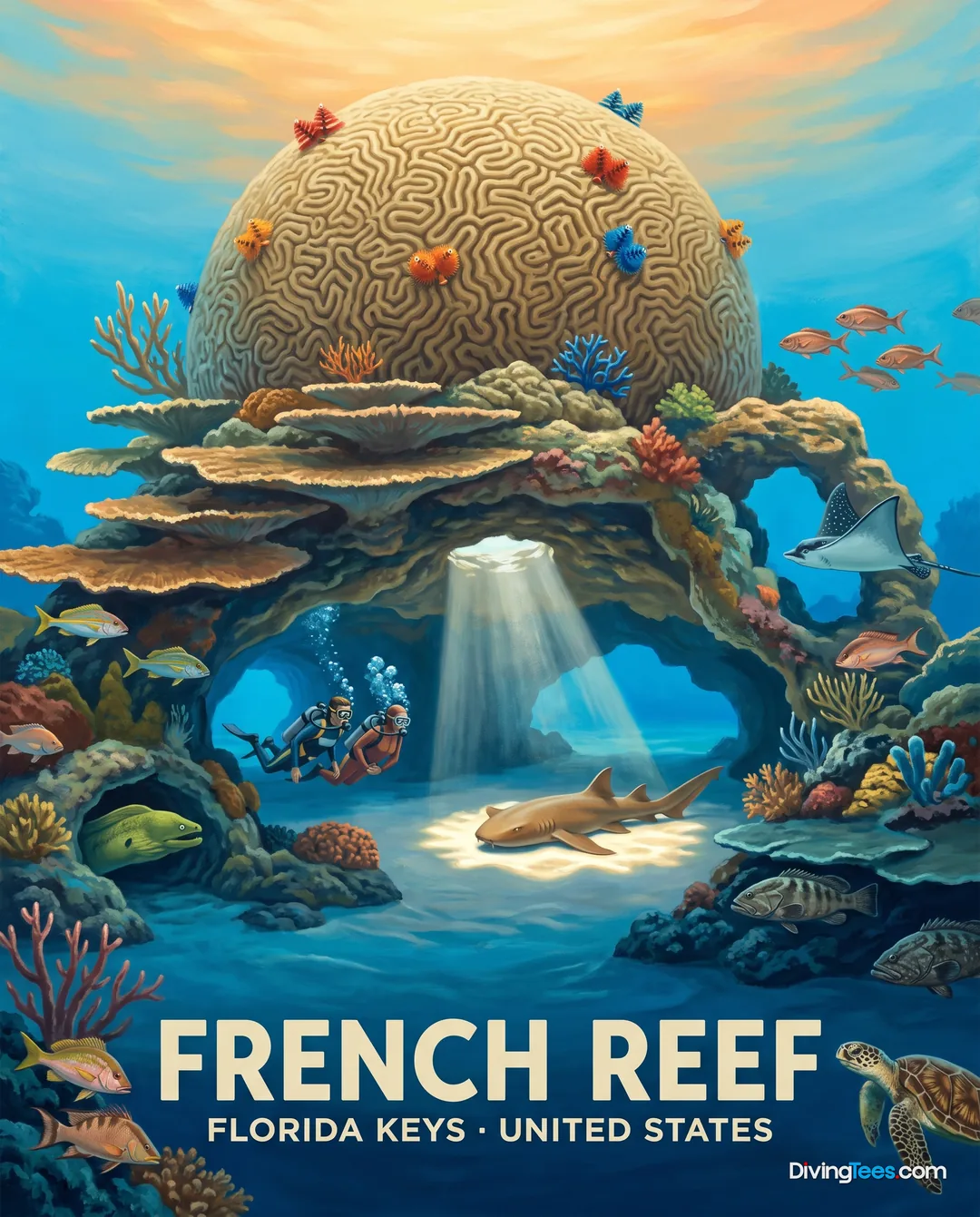
Most dives begin with a local boat departure and reach reefs, walls, arches or wrecks without a long sea passage. Molasses Reef shows the typical range: shallow coral structures, spur-and-groove formations and some current moving across the reef. French Reef adds caves and swim-throughs, while Grecian Rocks stays very shallow, with star and brain corals in clear, well-lit water. Visibility is generally good to excellent, with site information placing it commonly between twelve and thirty metres, though the sea state and exposure matter. Currents are often light on the reef, but can become moderate or strong around exposed wrecks. USCG Duane reaches thirty-seven metres and USS Spiegel Grove runs down to forty metres, so these are more demanding dives than the sheltered gardens. A useful Key Largo pattern is a reef dive paired with a wreck on the same day.
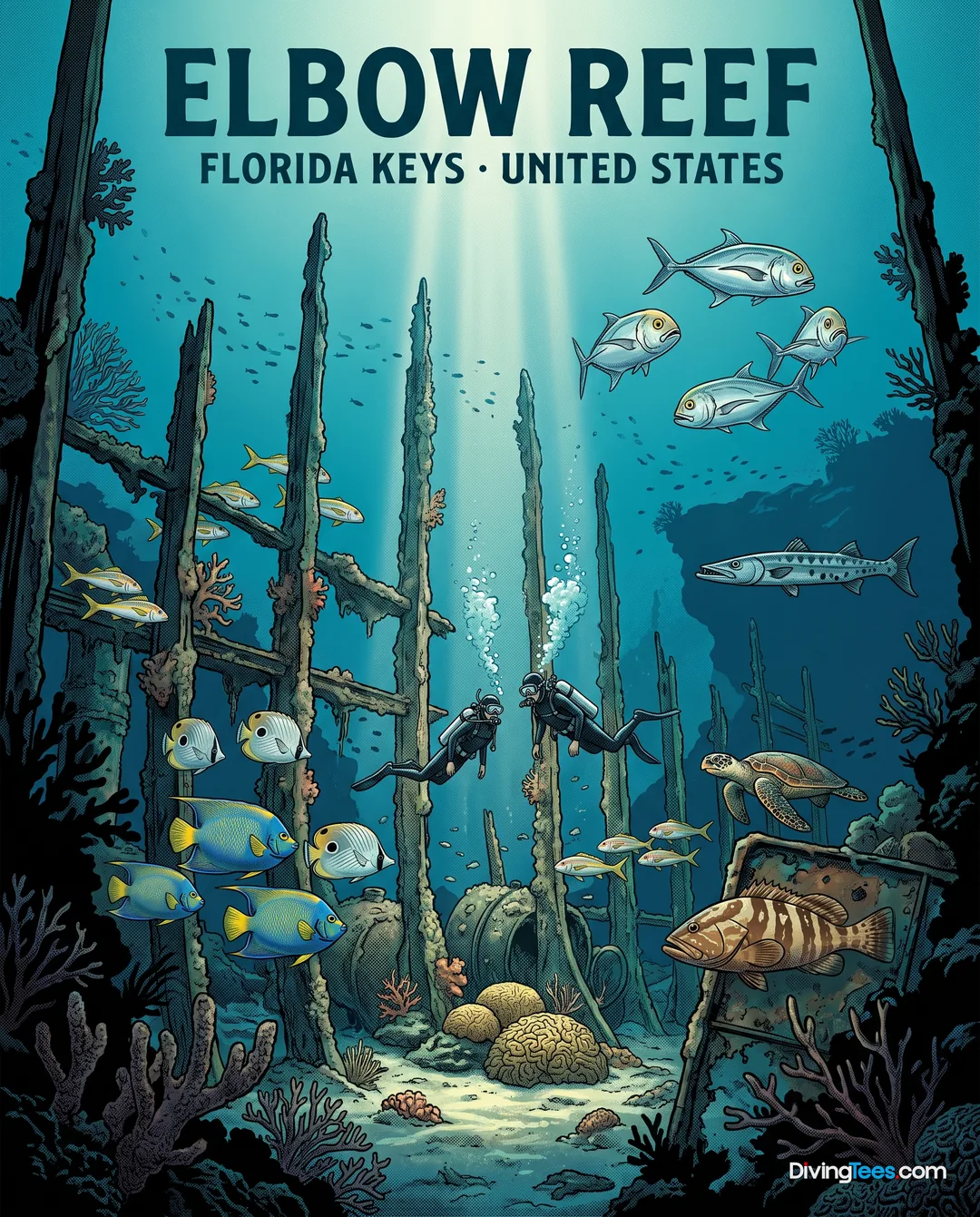
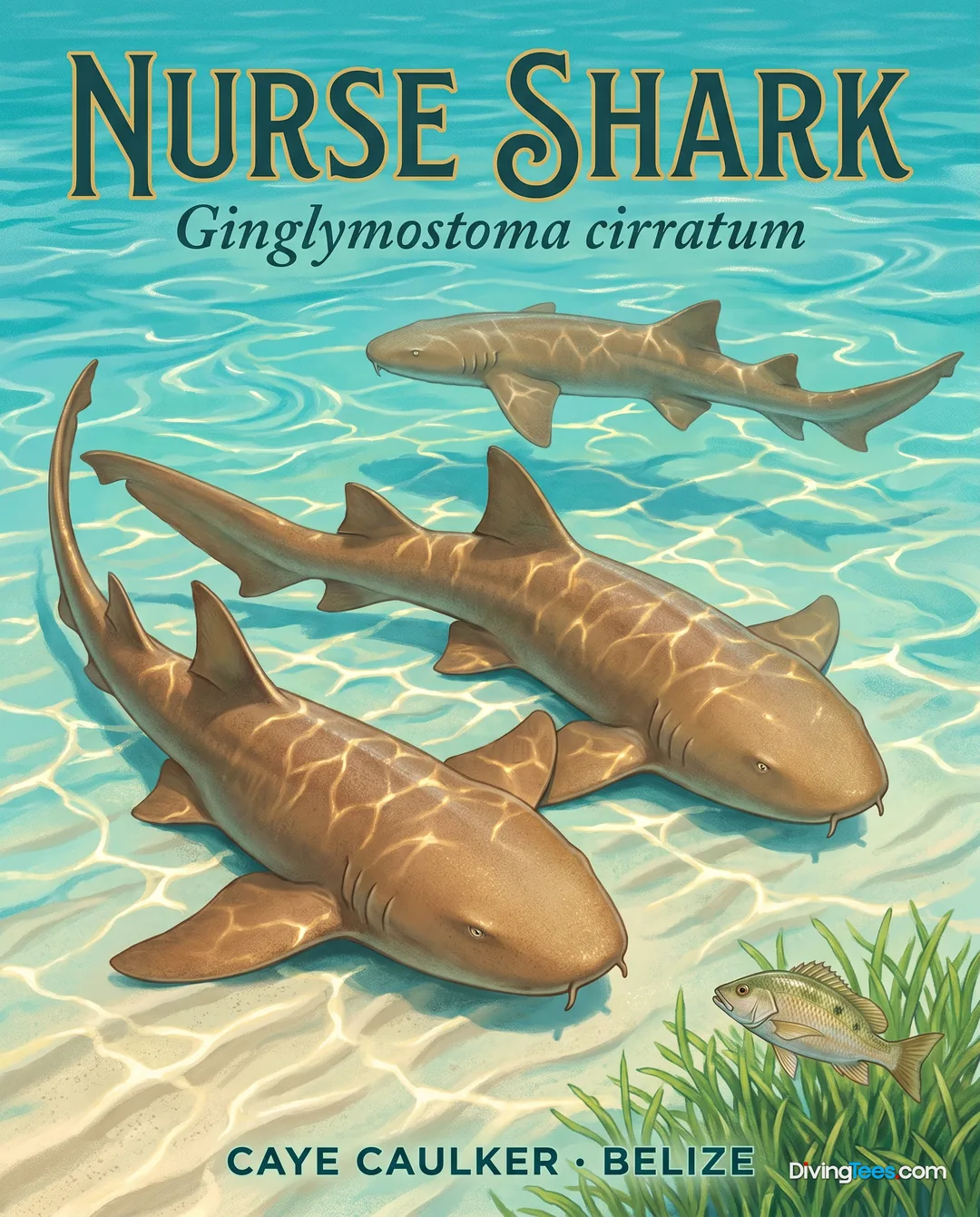
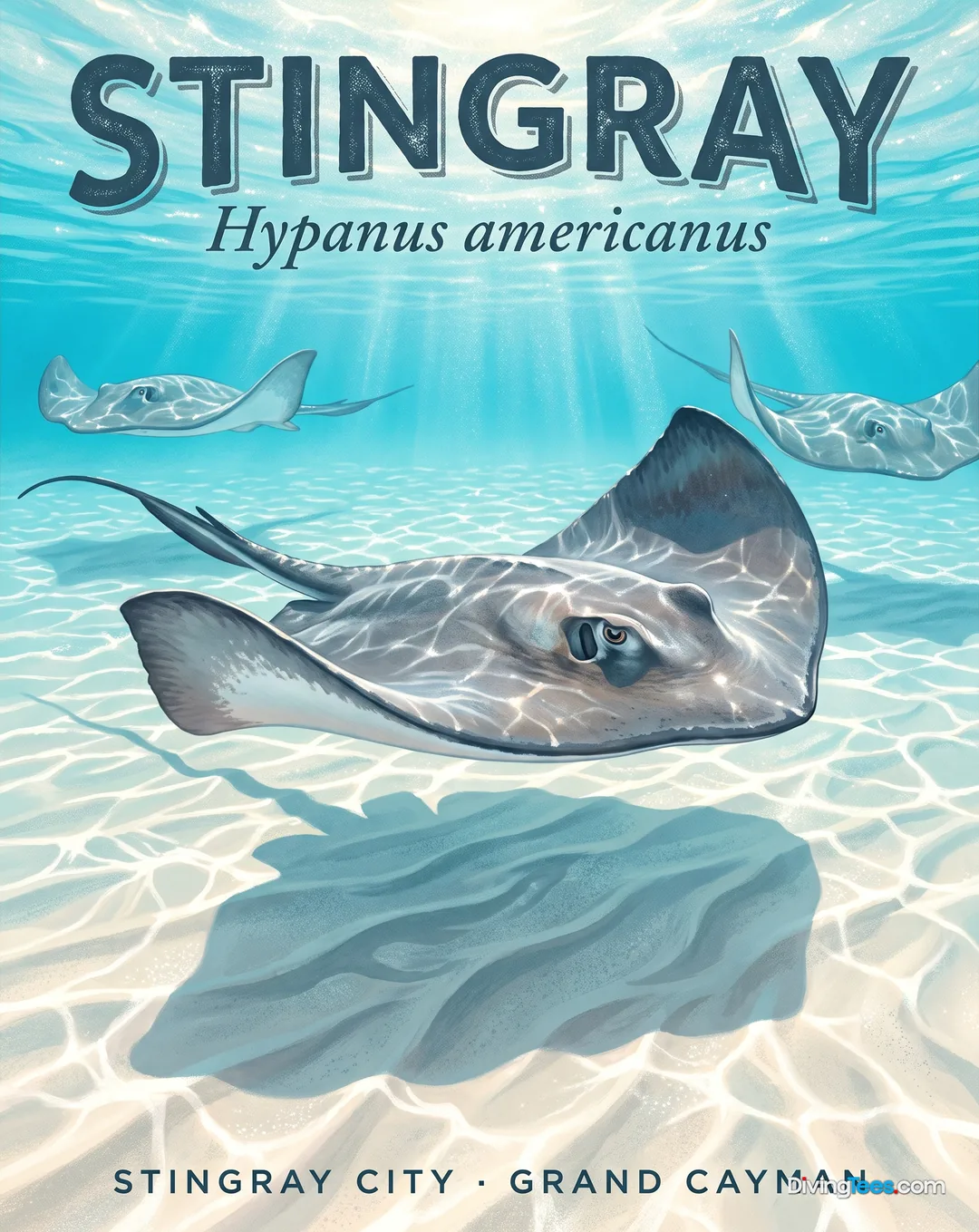
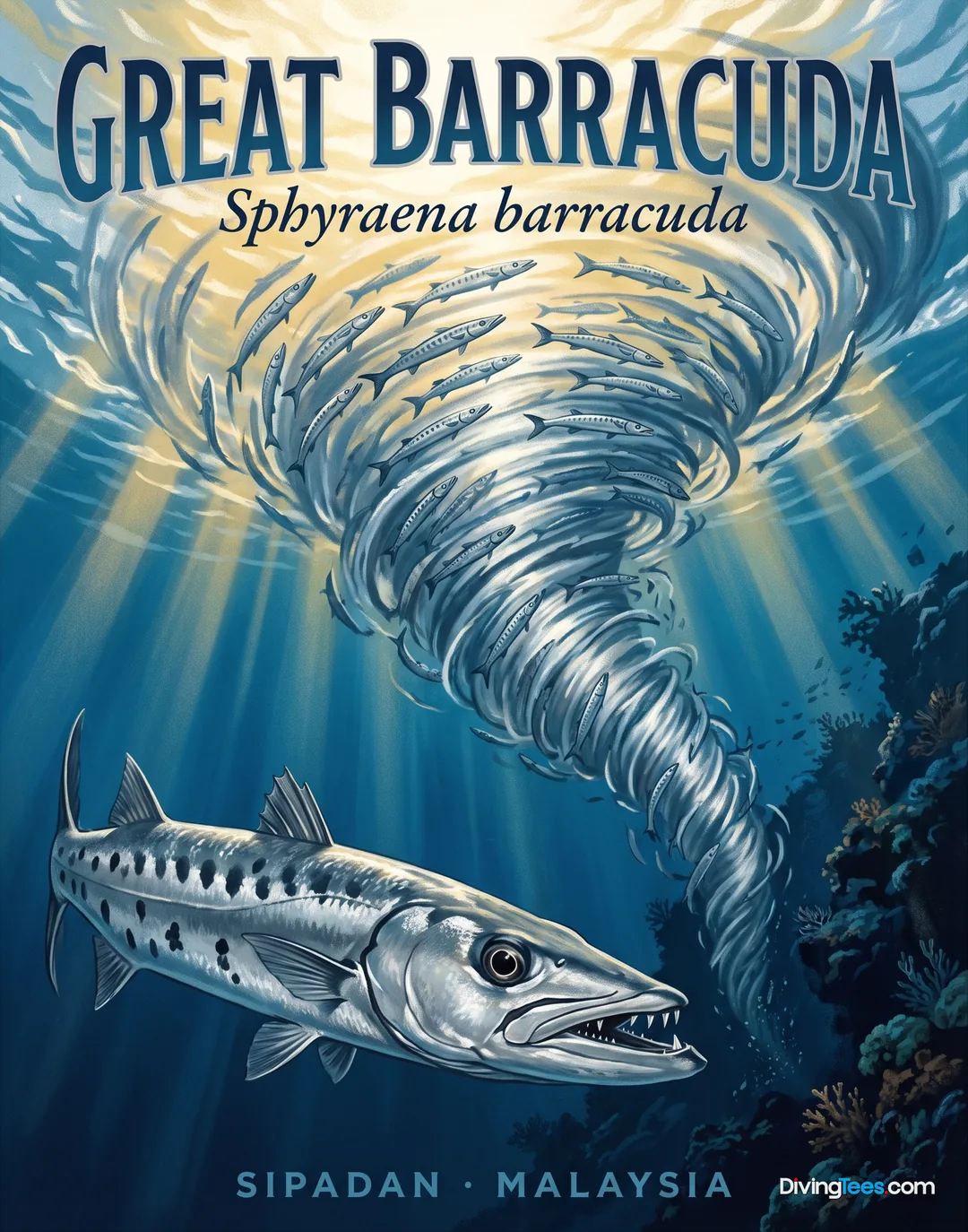
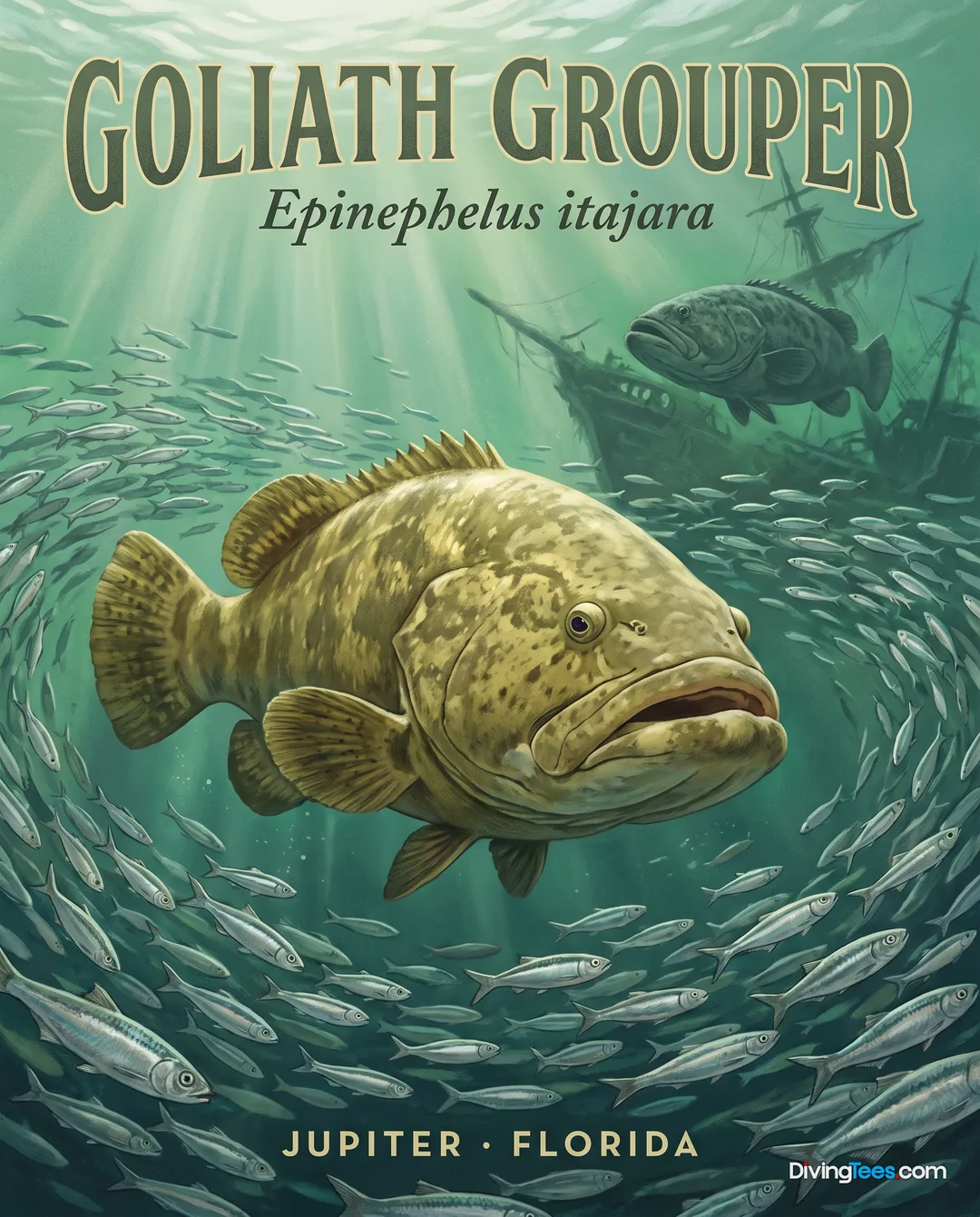
The reefs support angelfish, parrotfish, grunts, grouper and other tropical fish among the coral heads, ledges and overhangs. Moray eel and spiny lobster are the sort of finds that reward a slower look into cracks, while great barracuda may hold position around the more open reef and wreck structures. Nurse shark, sea turtle, hawksbill turtle and ray are also part of the local picture, with southern stingrays appearing over sandy areas. Alligator Reef is associated with nurse sharks, turtles and barracuda; USCG Duane attracts barracuda, black grouper and jackfish. There is no separate seasonal wildlife promise to build a trip around, so the May-to-September calmer-water period is the sensible time to concentrate on relaxed reef observation and photography.
May to September is the measured period when the sea is generally at its calmest, which matters for boat exits, entries and the exposed wrecks. That window is therefore the most comfortable choice for combining reef and wreck diving over several days. January to May brings the lowest rainfall, so it can suit travellers who prefer a better chance of drier days even though the calmest-sea period extends later into the year. Holiday periods and busy tourist weeks put more pressure on boats and departure times, making advance planning more useful than simply turning up and hoping for a spare place.
This coast is exposed to sargassum strandings, whose intensity varies greatly from year to year. To find out more, see the “Sargassum alert” panel on this page.
Key Largo works for newly qualified Open Water divers on the shallower reefs, including Christ of the Abyss, Pickles Reef and Grecian Rocks. More experience helps at Davis Reef and on exposed sections where current may increase. USCG Duane and USS Spiegel Grove require advanced certification, with sound buoyancy and appropriate wreck experience particularly important if entering or working close to the structure. Nitrox is useful for several boat dives across consecutive days, especially when reef and wreck profiles are combined.
From London Heathrow, Gatwick or Manchester, Key Largo is reached via a flight to South Florida followed by a road transfer along the US-1 and Overseas Highway. There is no compulsory sea crossing and no domestic flight needed to reach Key Largo itself, but the final road leg is part of the journey and must be allowed for when arranging the first boat departure. Once in the Keys, accommodation in Key Largo is normally within a short drive of the dive centres, and some stays are close enough to walk. Staying in the same Key Largo area avoids adding unnecessary morning driving to an already fixed boat schedule. Traffic on the US-1 can make a seemingly simple transfer or early departure less predictable.
Build the week around reef-and-wreck days rather than treating every outing as interchangeable; that gives Christ of the Abyss or Molasses Reef one character and USCG Duane or USS Spiegel Grove another without extra transfers. Ask for the more exposed sites on early departures, when the day’s sea conditions are generally easier to manage; afternoon trips are more vulnerable to a worsening sea state on this shallow coastline. Reserve boat places during holiday periods, when fixed departure windows fill quickly. Do not book accommodation far up or down the Keys merely to save a little on the room: the US-1 can turn the morning drive into the weak link. Bring a cover or dry protection for cameras and computers on an open boat, where the sun is persistent and shelter may be limited. Use moorings at marked sites, never free anchoring, and remember that touching or taking marine life is prohibited in the sanctuary. Key Largo is primarily boat diving, not a shore-diving destination, and it loses much of its appeal if planned as a liveaboard trip.
Four to seven days gives enough time to settle into the local boat routine, repeat the reefs in different conditions and include a deeper wreck without rushing. A typical stay works best from accommodation in or close to Key Largo, with short daily transfers to the centre. Non-divers have more to do here than at a purely dive-focused outpost: mangrove and coastal areas, non-diving boat trips in the sanctuary, and rest days around the islands and roadside viewpoints all fit naturally around the diving.
Hello, I'm Marina, DivingDeal.com's AI assistant. I guide you through destinations, areas and countries.
Thinking about the whole trip and the flights? Talk it over with Edith →
Marina is an AI. Some links are affiliate links: DivingDeal may earn a commission, at no extra cost to you. Bookings are made with the partner.
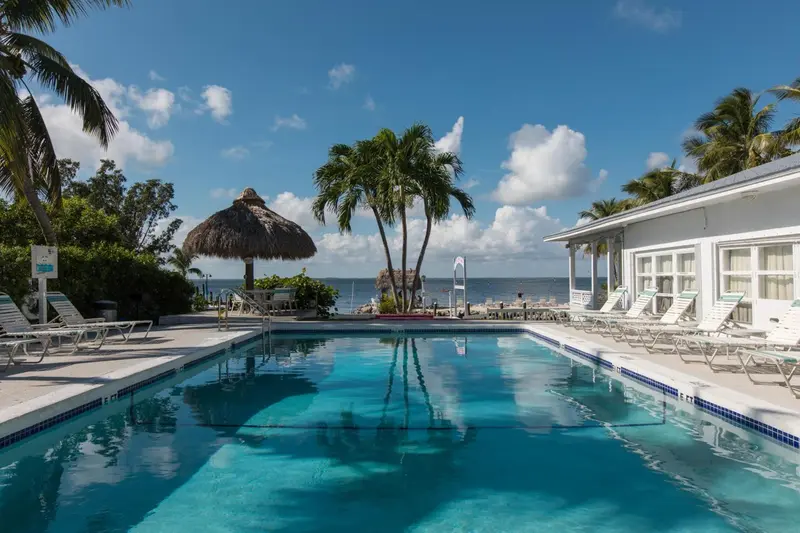
In each one, the dive centre is inside the hotel: step out of your room and go diving.
Dive centre in the hotel★★
Google 4.4/5 (1,406 reviews)
The dive centre
Amoray Dive Center LLC
PADI
Google 4.9/5 (199 reviews)
Your last day stays dry: no diving in the 18-24 hours before a flight, the perfect window to see the destination from another angle.
Ratings and reviews collected by Viator and Tripadvisor.
May to September generally brings the calmest sea, making this a comfortable period for boat exits, entries and exposed wrecks. January to May has the lowest rainfall, which may suit you if drier days matter more. Holiday periods and busy tourist weeks can put pressure on boats, so advance planning is useful.
Key Largo suits newly qualified Open Water divers on shallow sites such as Christ of the Abyss, Pickles Reef and Grecian Rocks. More experience helps where currents increase, including exposed sections of Davis Reef. Advanced certification, sound buoyancy and suitable wreck experience are required for USCG Duane and USS Spiegel Grove.
Key Largo offers shallow coral gardens, spur-and-groove formations, arches, caves, swim-throughs and the Christ of the Abyss statue. Reefs support angelfish, parrotfish, grunts, grouper, moray eels and spiny lobsters, while turtles, nurse sharks, barracuda and rays may appear. USCG Duane and USS Spiegel Grove add large wreck structures.
Plan a focused four- to seven-day stay from accommodation in or close to Key Largo, keeping daily drives short before boat departures. Mix reef and wreck days, reserve boat places during busy periods, and allow time for the road transfer from South Florida. Key Largo is mainly boat diving, not a liveaboard destination.