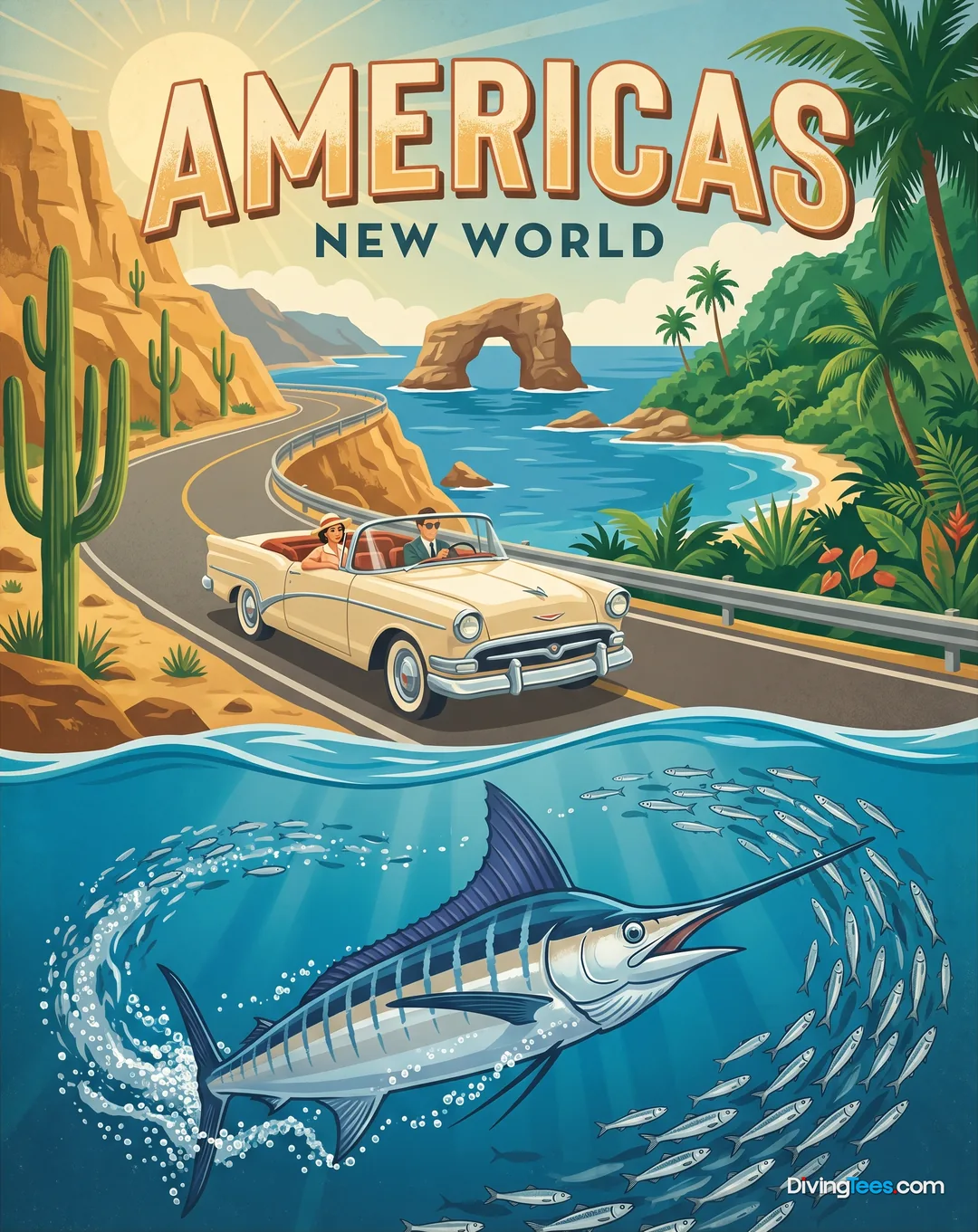
Americas
United States: from Keys to Hawaiian islands
The United States links Molasses Reef in the Florida Keys with Turtle Canyon off Honolulu, while Key lime pie and poke mark two very different shorelines.
What makes this country unique
- Florida Keys wrecks, reefs and the Vandenberg Wreck
- September overlap at Clearwater and Crystal River
- Honolulu’s Turtle Canyon and Oʻahu’s urban shoreline
- Waimea Canyon above Kauaʻi’s rural island roads
- Key lime pie and conch fritters in the Keys
- Manatees around Crystal River’s Three Sisters Springs
- Pearl Harbor and ʻIolani Palace in Honolulu
For subtitles in English: start the video firstthen click the gearat the top right of the video, select “Subtitles/CC”, then “Auto-translate” and choose “English”.
This country for a diver
The United States is less a single dive destination than a collection of very different coastal trips. Its defining feature is scale: Florida’s subtropical Keys and springs, Hawaiʻi’s island geography, and New York City’s urban setting have little logistical or cultural continuity. For a diver, the shared thread is choice rather than sameness, from light-current Key Largo to variable conditions around Honolulu, Kauaʻi and Kona, with mixed diving around much of Florida and Hawaiʻi. A two-week holiday therefore works best as one carefully chosen regional slice.
How the country divides
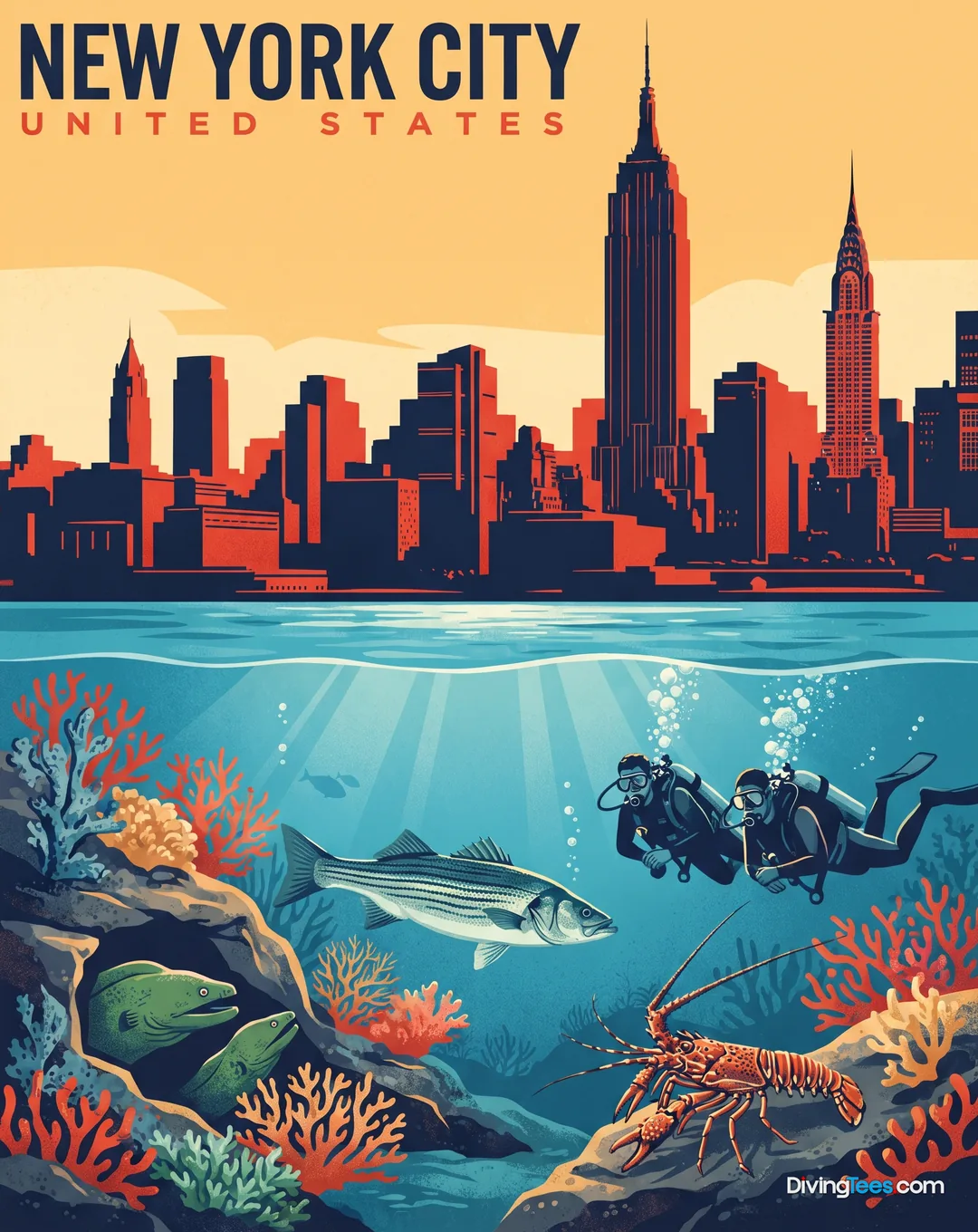
Florida divides into two quite different trips. The southern Keys suit divers looking for an island setting, light current and a mix of reef and wreck diving around Key Largo and Key West; Key Largo runs from May to September, as does Key West. On the Gulf coast, Clearwater is the more urban, beach-oriented base and is in season from April to September, while nearby Crystal River is built around springs and manatee country from September to November. Those two work as a road combination, rather than as interchangeable beach resorts. Hawaiʻi is an archipelago choice: Honolulu offers a capital-city base and year-round diving, while Kauaʻi is more rural and boat-led, also year-round; Kona belongs to the distinct west coast of Hawaiʻi Island. New York City is the outlier, an experienced-diver option centred on wreck diving, in season from May to October.
Diving destinations
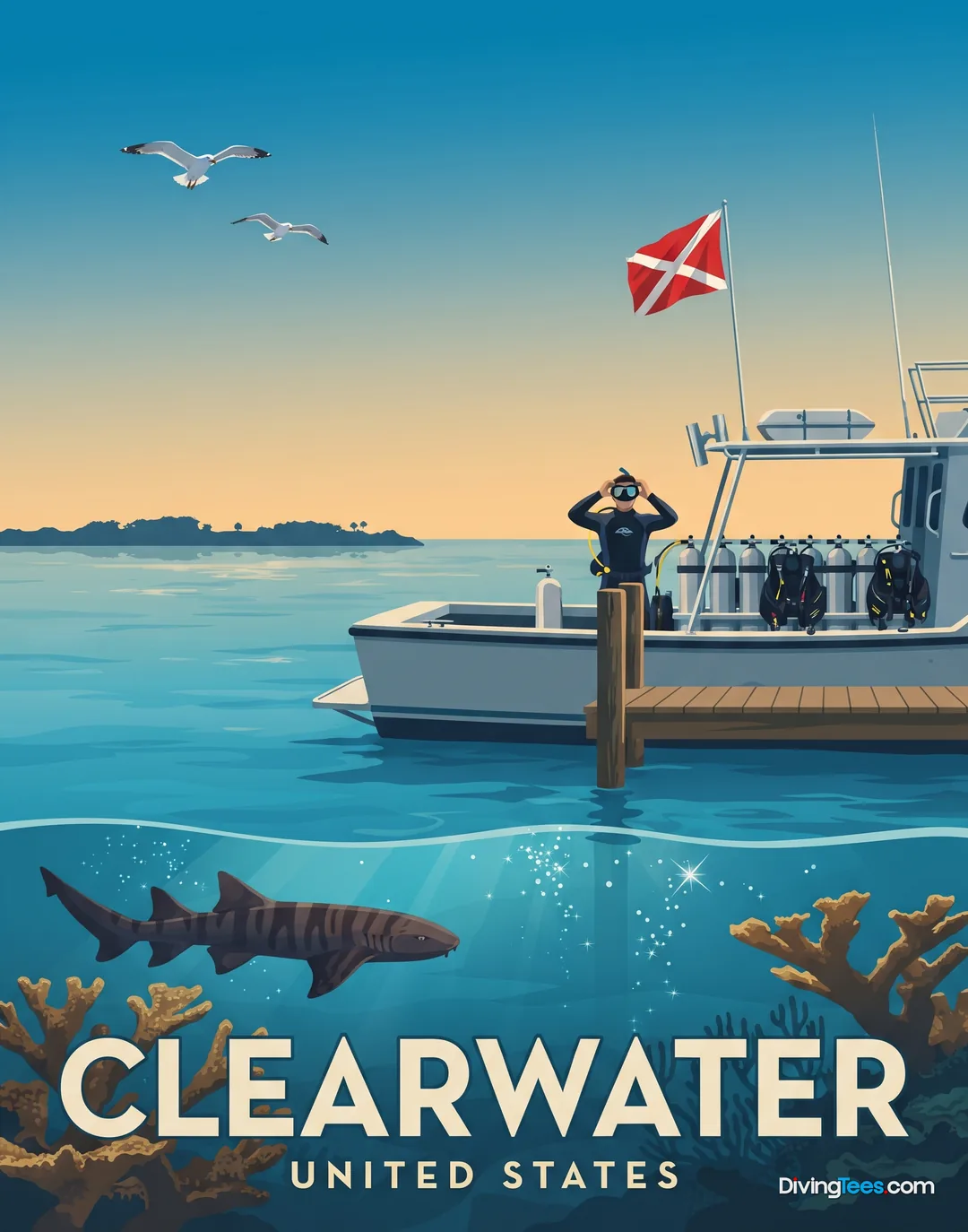
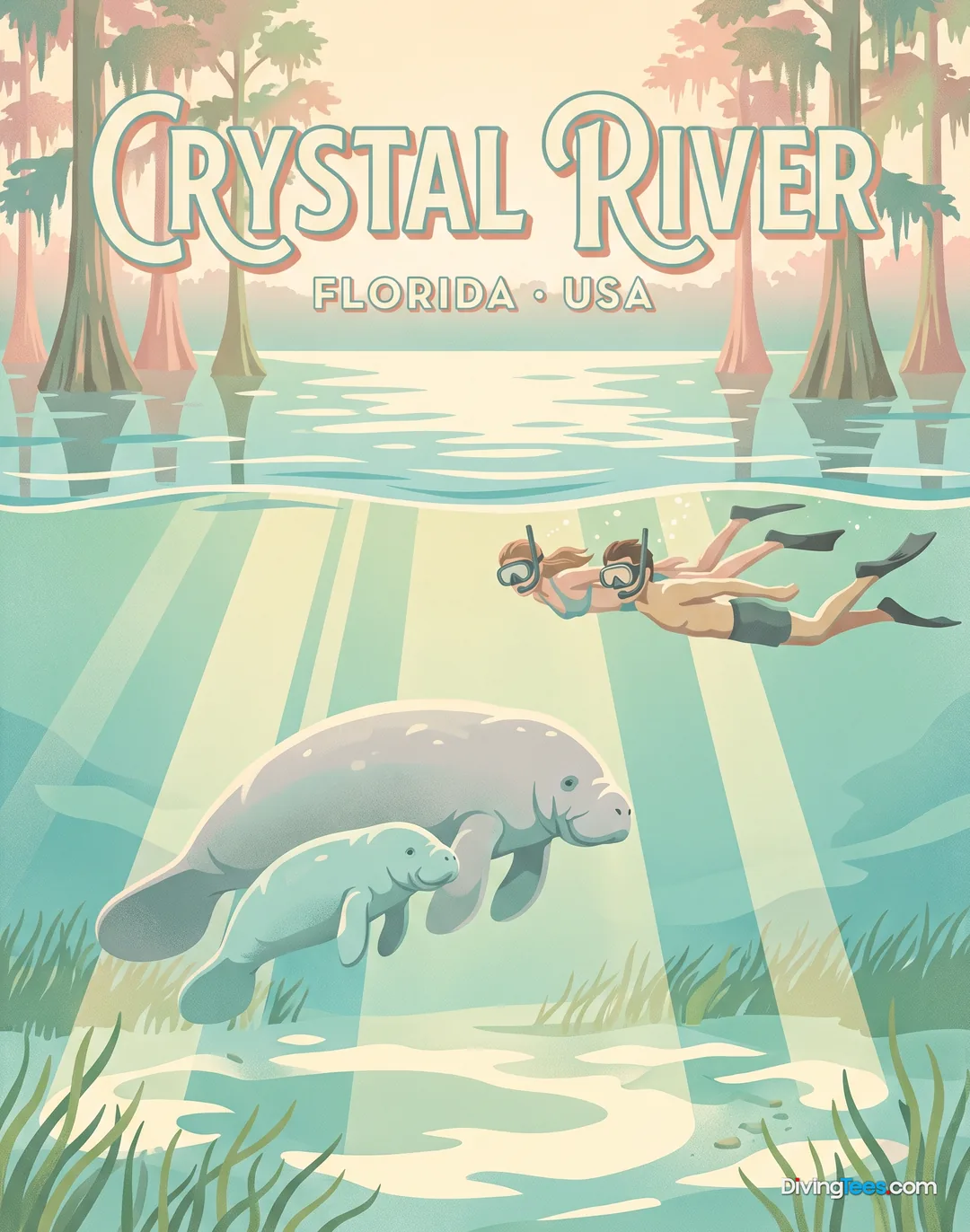
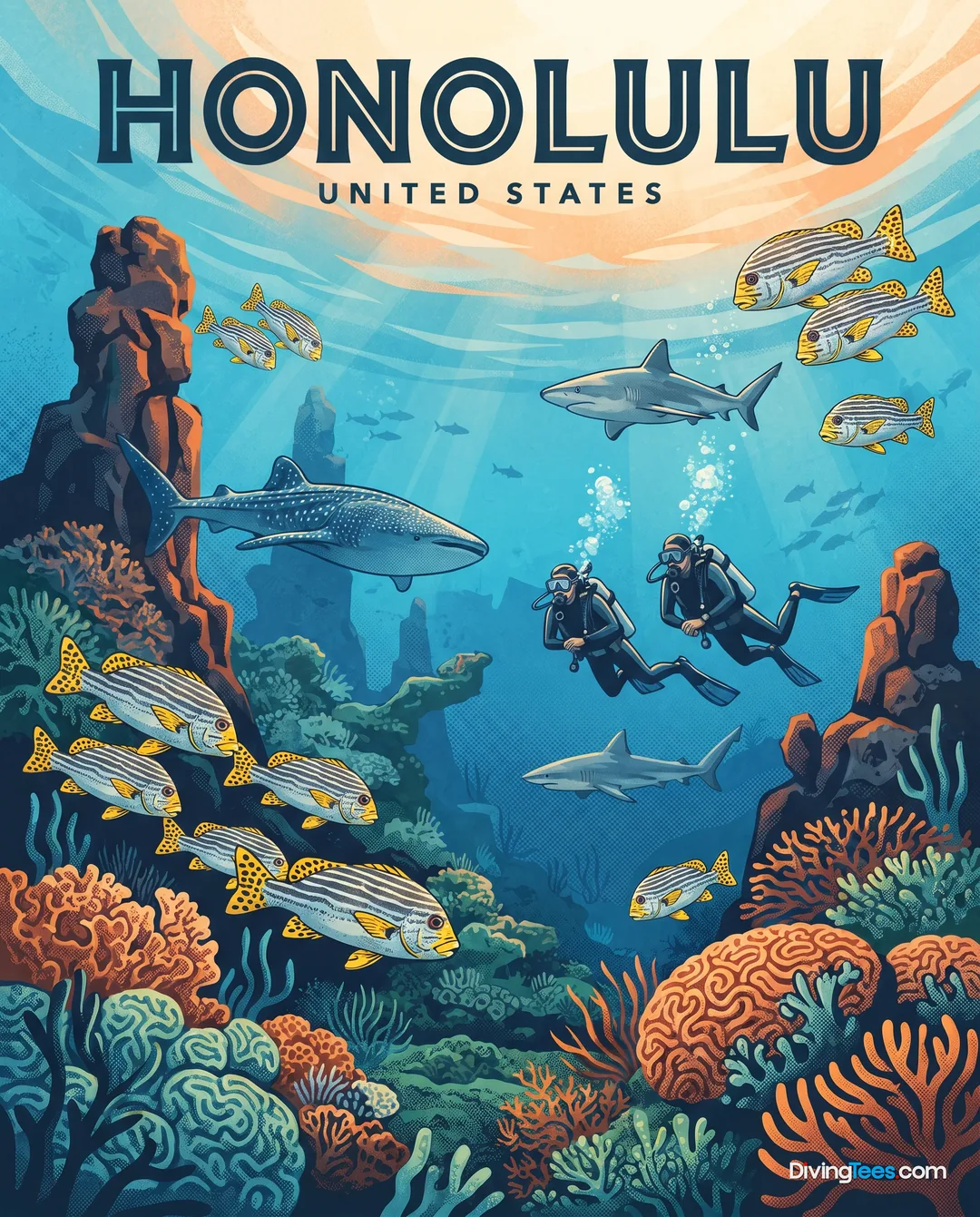
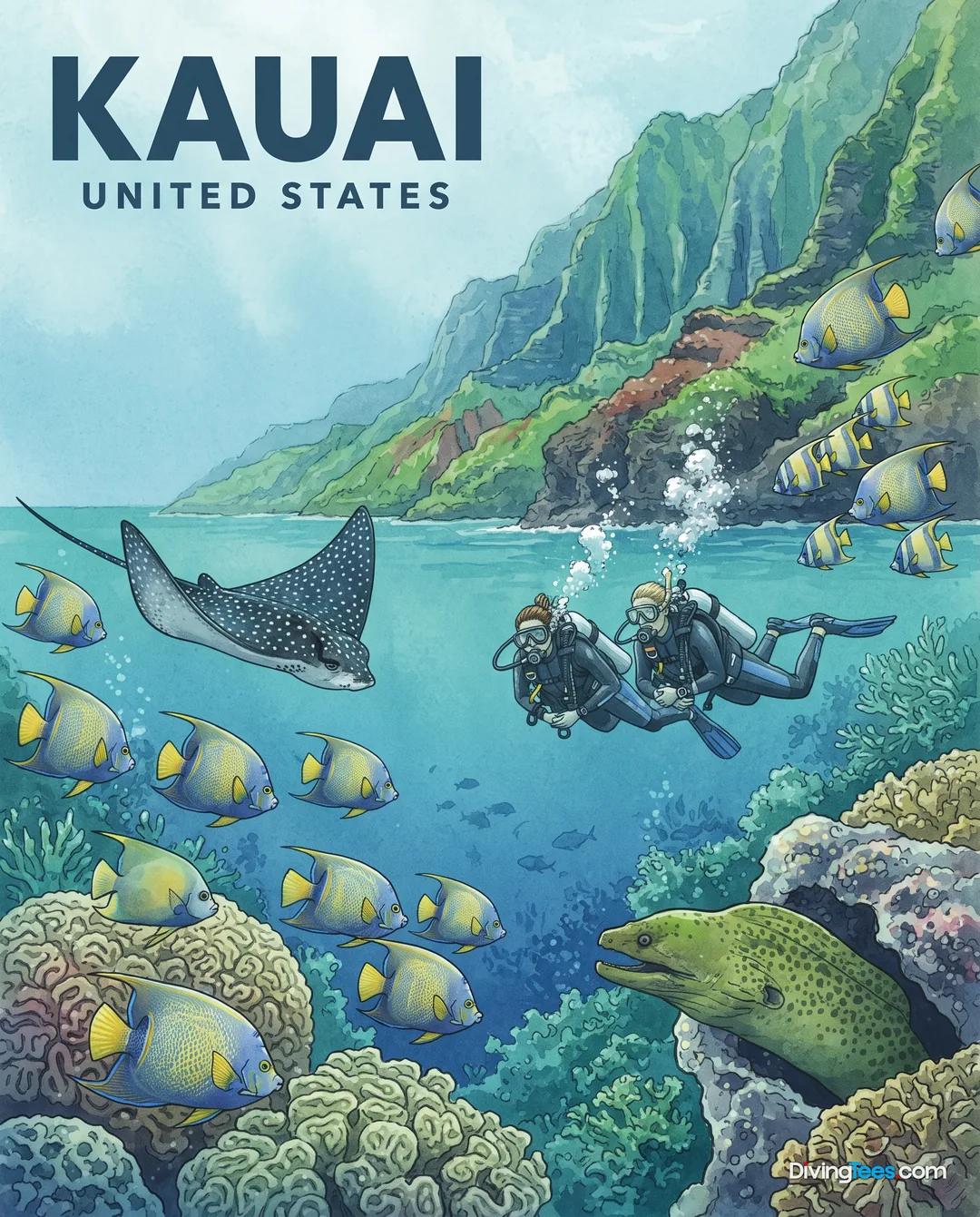
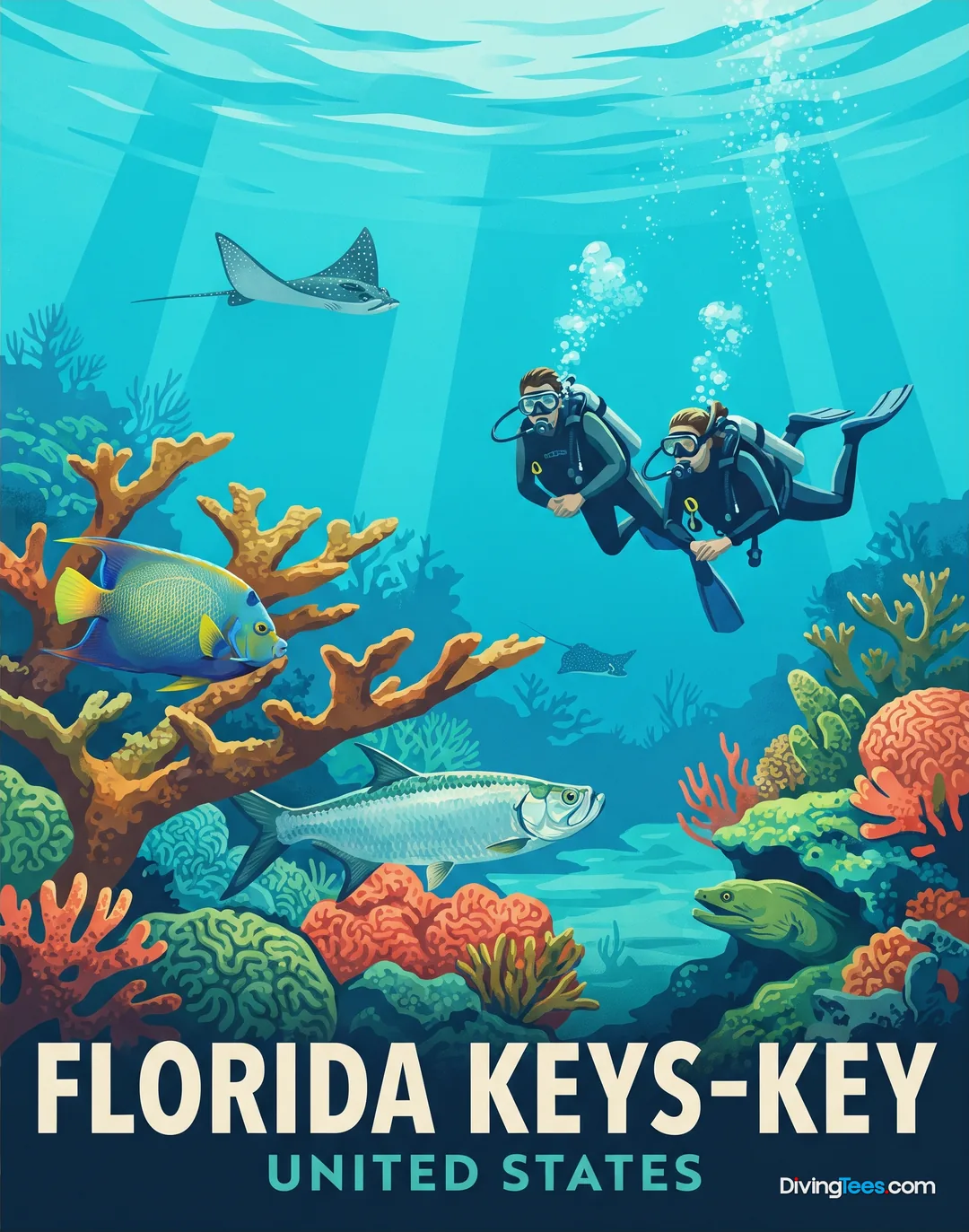
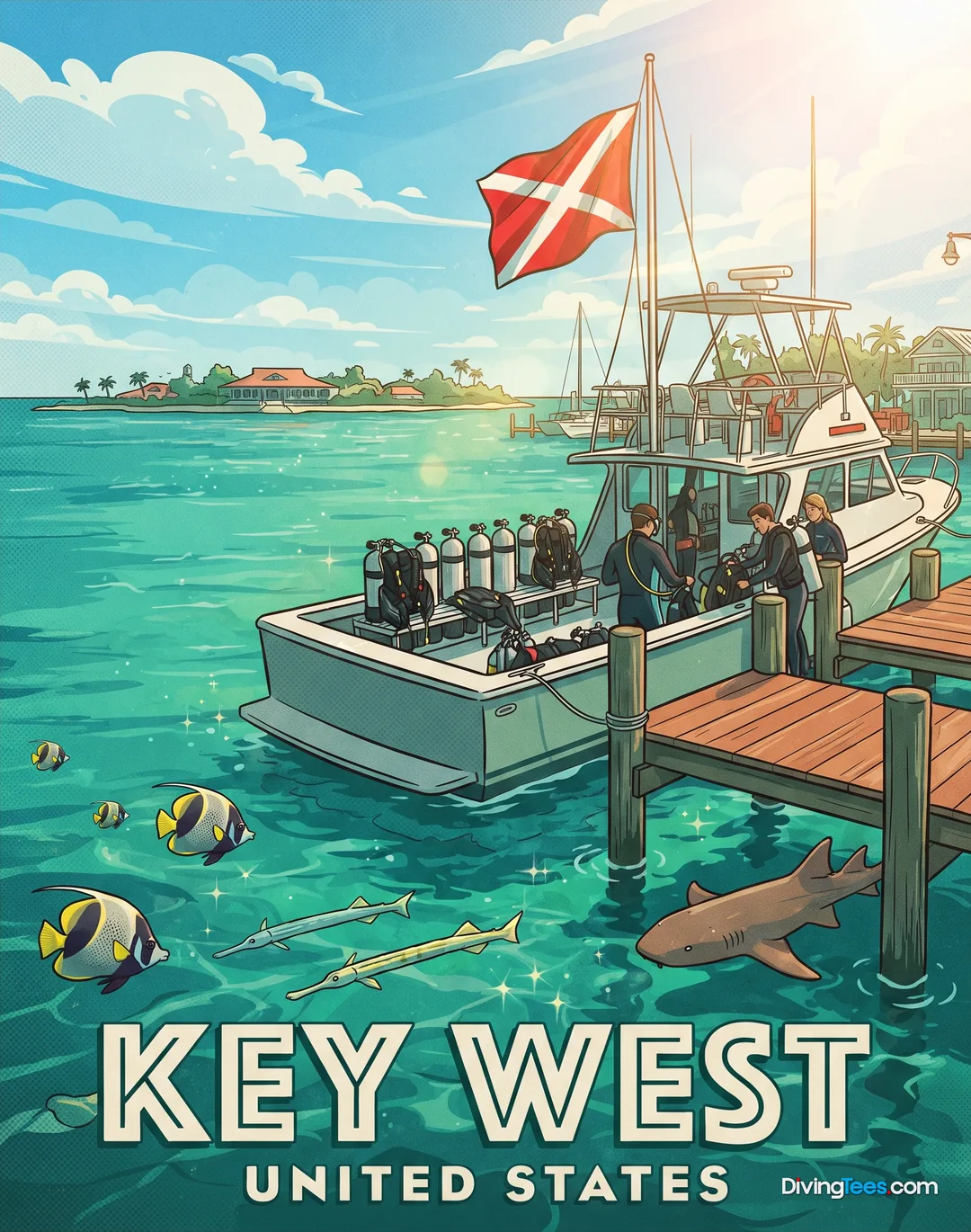
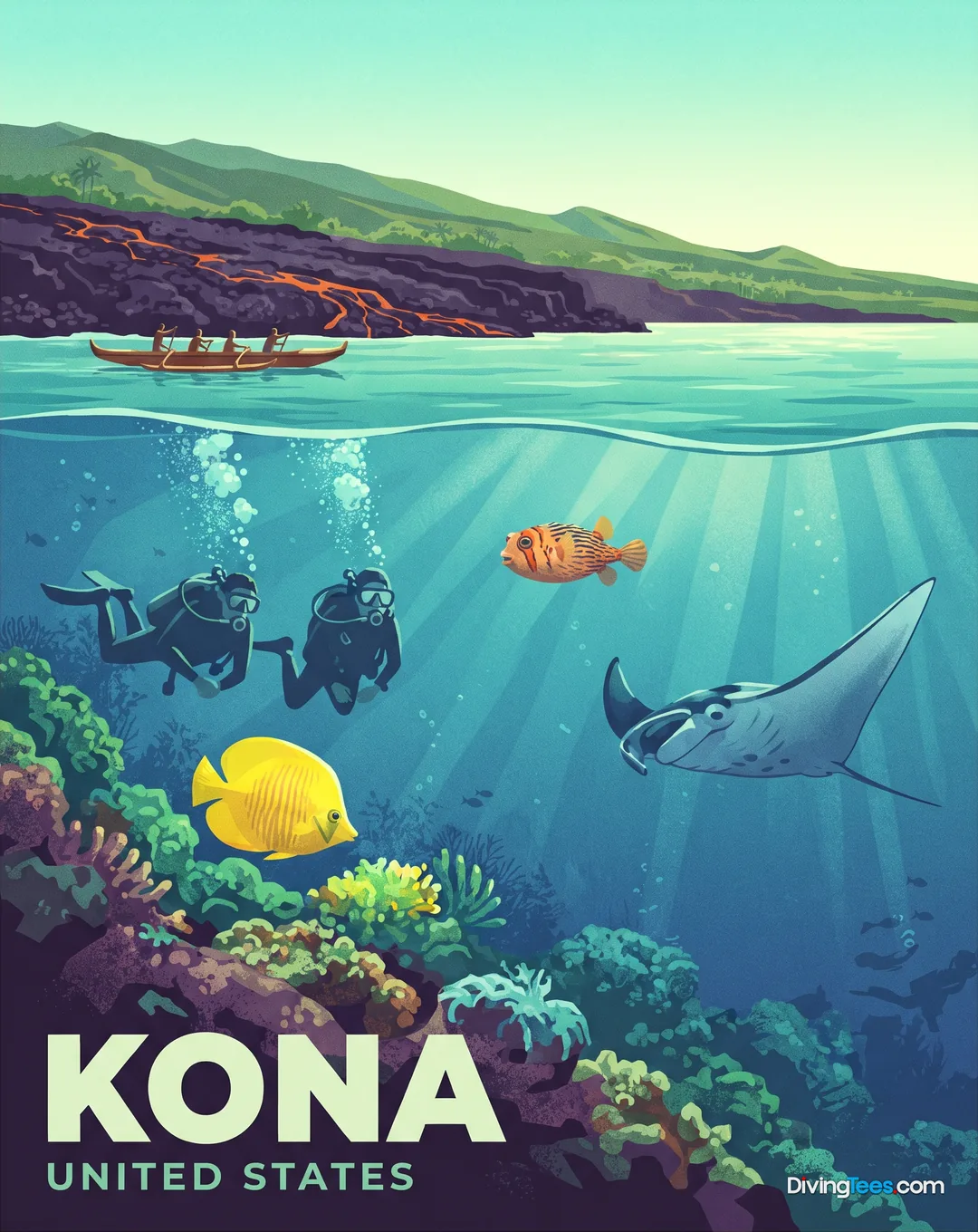
Dive centres

Hotels
When to go, and where by month
There is no single United States dive season. January, February and March favour the year-round Hawaiian bases of Honolulu and Kauaʻi. Clearwater joins them in April, opening the Gulf coast before the southern Keys. May, June, July and August are the broadest window: Clearwater, Honolulu, Kauaʻi, Key Largo, Key West and New York City are all in season. September is the hinge month, when Crystal River joins that group while Key Largo and Key West remain open. In October, the Florida Keys and Clearwater close their stated windows, leaving Crystal River, Honolulu, Kauaʻi and New York City. November narrows the choice to Crystal River and the two Hawaiian areas, while December returns to Honolulu and Kauaʻi alone. The clearest seasonal opposition is on Florida’s Gulf coast: Clearwater runs from April to September, Crystal River from September to November, sharing only September. That makes September the logical month for combining both.
Marine life, coast by coast
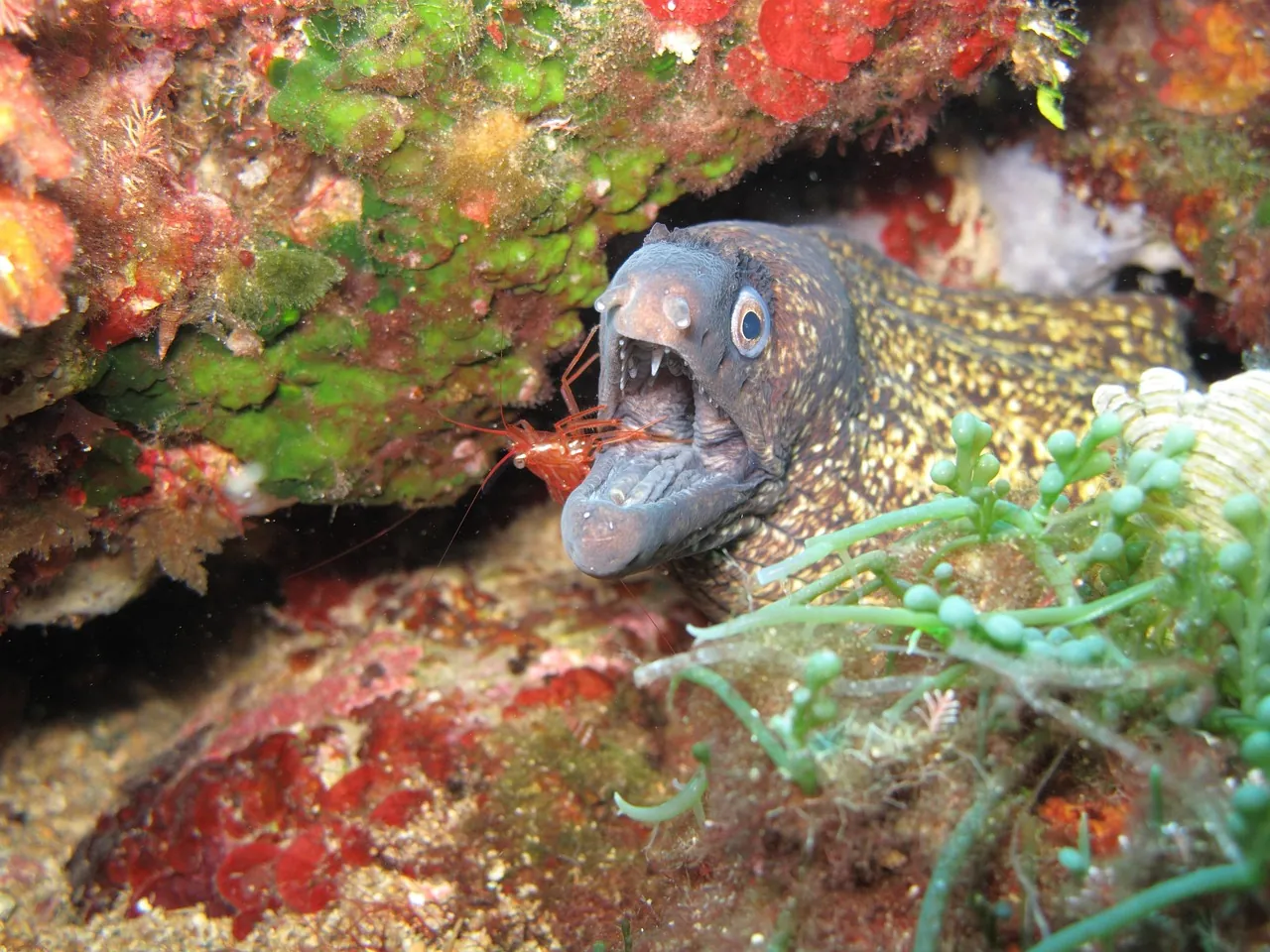
Wildlife changes sharply between the Florida Keys and Hawaiʻi, so the choice of region also changes the character of the holiday. Around Key Largo, the marine cast includes barracuda, grouper, giant grouper, eagle rays, nurse sharks, turtles and southern stingrays, alongside colourful tropical fish. Molasses Reef and the surrounding Keys sit within a distinctly Caribbean-feeling mix of reef fish and rays. Honolulu offers a different set of encounters: green turtles, reef sharks with white tips, octopus, butterflyfish, eels and leafy scorpionfish appear among hard and soft corals and sponges. That contrast matters when building an itinerary. A diver choosing Key Largo is choosing a broad reef-fish and ray palette; a diver choosing Honolulu is also choosing the particular Hawaiian combination of turtles, reef sharks and unusual small reef species.
Getting between the areas
The only straightforward road pairing is Clearwater with Crystal River, about 84 kilometres apart. It joins a Gulf beach base to a spring-country base without turning the holiday into a transfer exercise, although their seasons overlap only in September. Key Largo and Key West are roughly 152 kilometres apart, so they can form a Florida Keys journey, but the road distance still deserves its own planning space. Honolulu and Kauaʻi are separated by about 182 kilometres and belong to different islands, making a short internal flight the normal link rather than a drive. Florida, Hawaiʻi and New York City do not combine neatly: flights structure the journey, and a Florida–Hawaiʻi pairing consumes substantial time in transit. Florida with New York City is more realistic; adding Hawaiʻi creates a fragmented holiday rather than a clean regional trip.
Take off your mask
Away from the water, the United States offers several completely different holidays under one national name. Around Key West, Dry Tortugas National Park is a day-long outing by boat or seaplane, with Fort Jefferson providing its historical centrepiece. Crystal River has a quieter rhythm: Three Sisters Springs and Crystal River National Wildlife Refuge focus attention on freshwater springs and manatees. Clearwater supplies the more conventional seaside contrast through Pier 60 Park and Clearwater Marine Aquarium. Honolulu pairs Waikīkī Beach with ʻIolani Palace and Pearl Harbor National Memorial, moving from resort frontage to royal and military history. Kauaʻi rewards a full day at Waimea Canyon State Park or Nā Pali Coast State Wilderness Park, while Kona’s Puʻuhonua o Hōnaunau National Historical Park brings a strong cultural dimension. Food follows the regions: Key lime pie and conch fritters in the Keys, Cuban sandwiches in Florida, and poke, laulau, plate lunch and shave ice across Hawaiʻi. Kona coffee and a Mai Tai belong naturally to the island table.
What holds true everywhere here
The practical constant is the scale of American travel. Flights are the normal answer between Florida, Hawaiʻi and New York City, while cars make sense across most of Florida and on Kauaʻi; Honolulu is the exception if the stay remains urban. Food is generally served in individual portions, and tipping is expected in restaurants, whether the setting is a Keys fish shack, a Hawaiian plate-lunch shop or a New York City deli. For a multi-region itinerary, strenuous water activity should finish at least twenty-four hours before flying. Around Oʻahu, exposure can make a reef or wreck plan change, so a spare day has more value than a tightly packed schedule.
Frequently asked questions about United States
When should you plan a United States diving holiday?
September is associated with an overlap involving the Vandenberg Wreck, Clearwater and Crystal River. A United States itinerary can also include Florida Keys diving, Honolulu’s Turtle Canyon and Oʻahu’s urban shoreline. Above Kauaʻi, Waimea Canyon and rural island roads add land-based possibilities between dives.
What marine life can you see in the United States around the Florida Keys?
In the United States Florida Keys, especially around Key Largo and Molasses Reef, you can encounter barracuda, grouper, giant grouper, eagle rays, nurse sharks, turtles and southern stingrays. Colourful tropical fish contribute to a distinctly Caribbean-feeling reef environment with a broad mix of fish and rays.
What can you see while diving the United States around Honolulu?
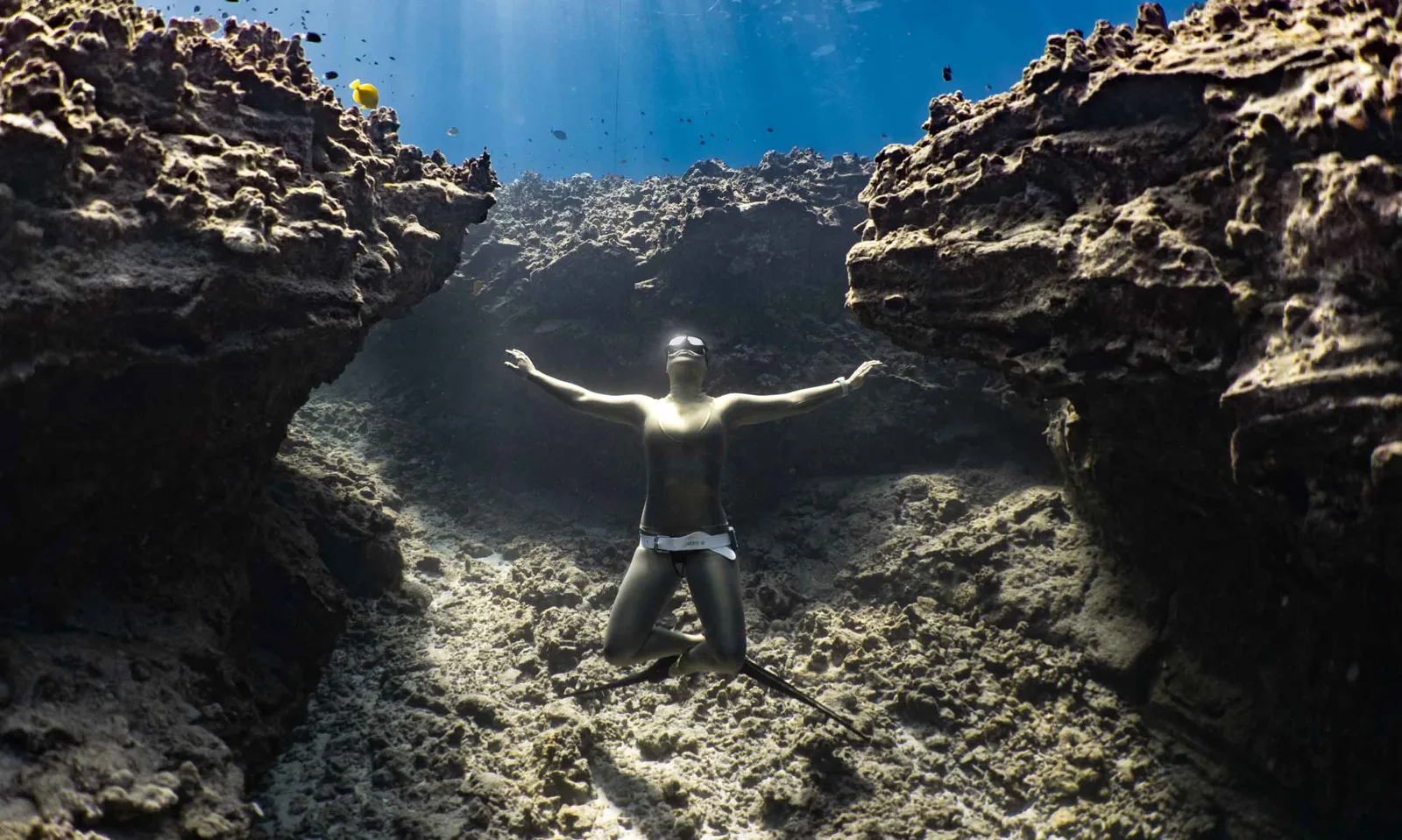
Around Honolulu in the United States, Turtle Canyon features green turtles, white-tip reef sharks, octopus, butterflyfish, eels and leafy scorpionfish. Hard and soft corals and sponges shape the underwater setting. On shore, Pearl Harbor and ʻIolani Palace provide additional places to include in a Honolulu stay.
How should you plan a United States diving stay?
Choose the region according to the character of holiday you want. The Florida Keys combine wrecks, reefs, Key lime pie and conch fritters, while Hawaiʻi offers Honolulu’s Turtle Canyon, Oʻahu’s urban shoreline and a different marine cast. Around Crystal River, Three Sisters Springs is associated with manatees.