
Medusa Divers Dive Center
★ 5/5 (605 reviews)
3 km away as the crow flies
Perhentian Islands · Malaysia · Asia
Max. depth · 18 mThe Sugar Wreck, a 90-metre cargo ship resting at 18 metres, offers an intimate look at marine life reclaiming a monsoon-sunk vessel.
For subtitles in English: start the video firstthen click the gearat the top right of the video, select “Subtitles/CC”, then “Auto-translate” and choose “English”.
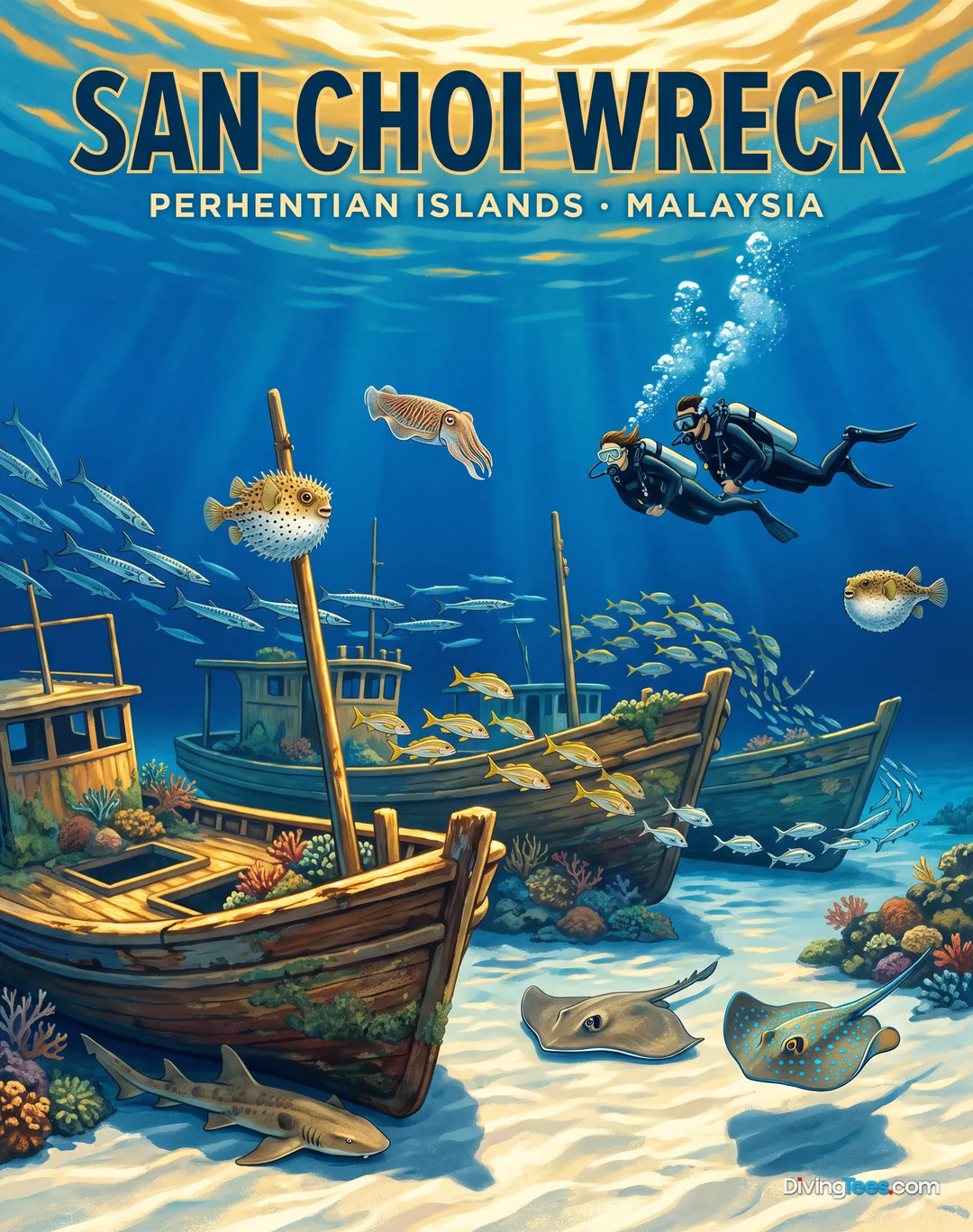
Descend onto the MV Unionstar 17, better known as the Sugar Wreck, a steel cargo vessel that came to rest here during the monsoon season of 2000 while transporting sugar. This 90-metre ship, originally from South Africa, now lies largely intact on a sand bottom, providing significant structure for a thriving ecosystem. The sheer size of the wreck allows for varied exploration paths, from tracing the hull to investigating the more collapsed central sections, offering shelter to a broad range of marine species you would expect to see on an established artificial reef.
The wreck's depth profile is straightforward, with the shallowest parts reaching around 10 to 12 metres and the deepest touching 18 metres. As you navigate the site, you'll encounter the remnants of its cargo holds, where sunlight still penetrates, illuminating schools of fish. The sheer scale of the wreck, even with some sections showing signs of collapse due to the currents, provides numerous pockets and overhangs for smaller, more cryptic species to inhabit, creating a dynamic environment that changes with each dive perspective.
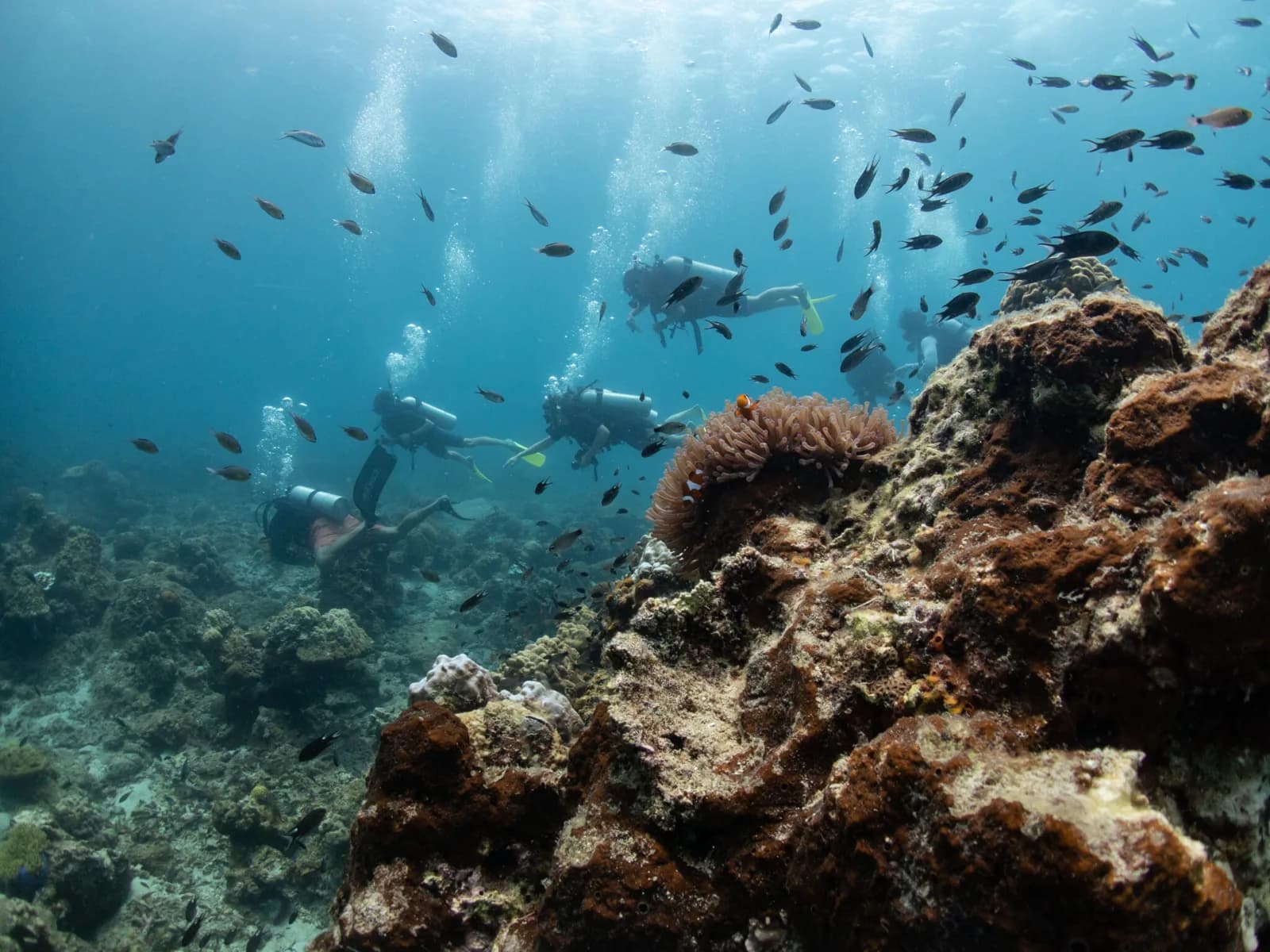
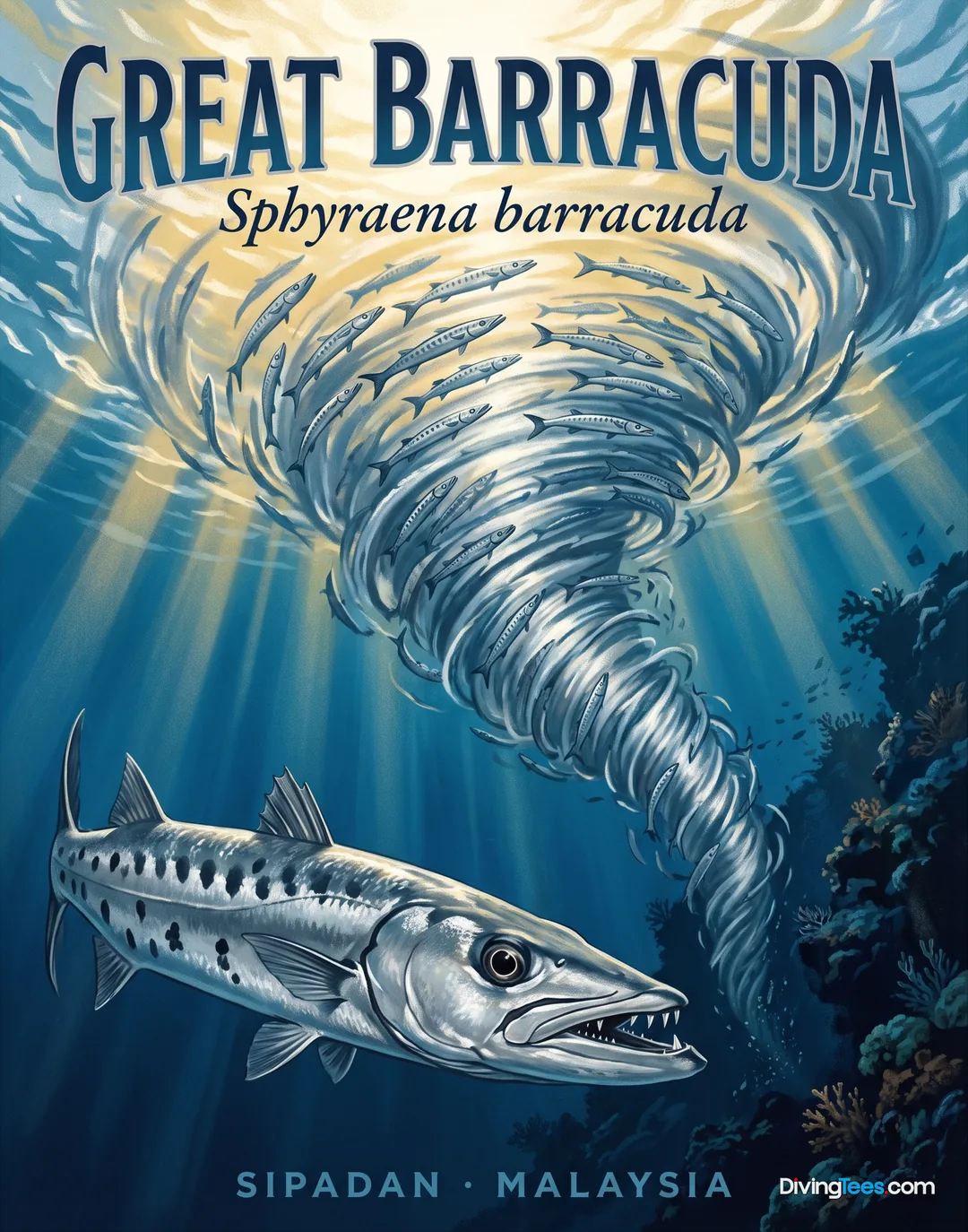
Life here is abundant, with large schools of chevron barracudas (Sphyraena puthiae) often congregating around the superstructure and in open water above the wreck. You'll also find dense schools of snappers (Lutjanidae) and yellowfin trevally (Caranx ignobilis) circling the main body of the ship. These pelagic species are drawn to the wreck as a prominent aggregation point, offering a constant show of predatory activity and schooling behaviour. Keep an eye out for them as you approach the wreck, as they are often the first sign of the site's rich biodiversity.
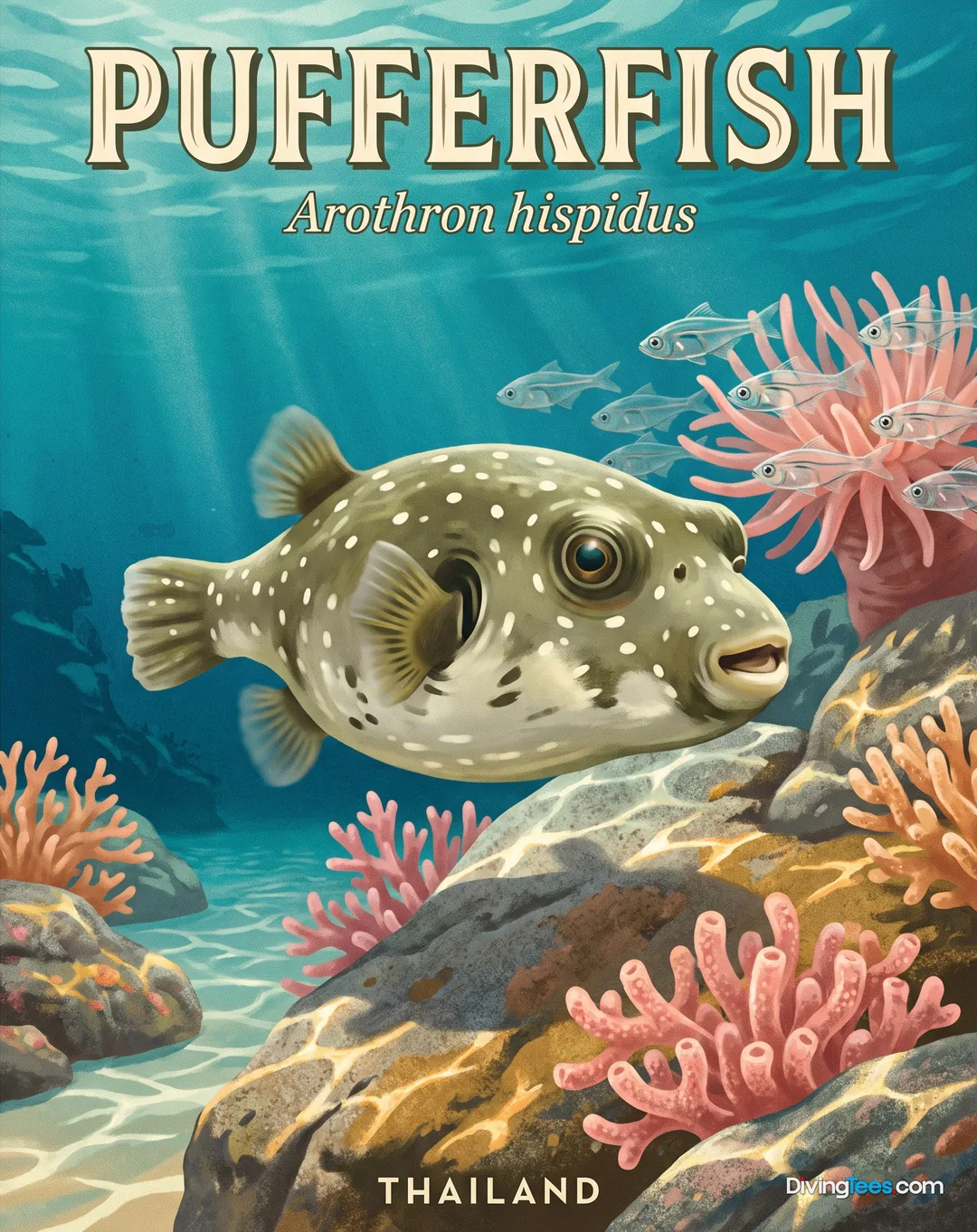
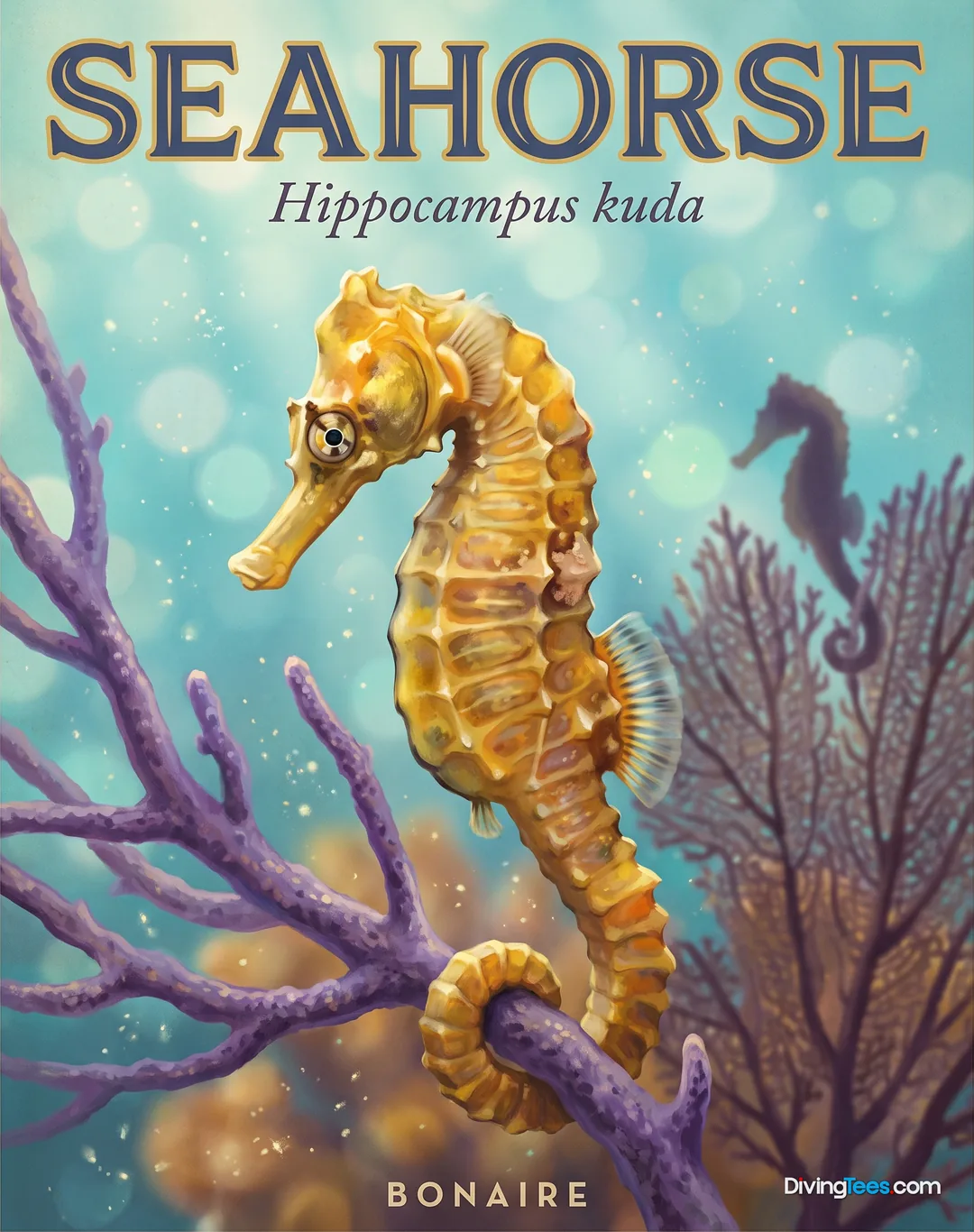
Closer to the wreck's structure, the resident fauna reveals itself. Look for pipefishes (Syngnathus) and seahorses (Hippocampus) tucked within the crevices and coral growth now covering parts of the hull. Octopus and cuttlefish (Sepia) are commonly camouflaged against the dark metal, while giant pufferfish (Tetraodon) can be seen patrolling the perimeter. The protection offered by the wreck creates a nursery effect, fostering a diverse community of smaller invertebrates and juvenile fish that contribute to the site’s vibrancy.
The current at Sugar Wreck can be variable, ranging from calm to strong, particularly around the turning of the tides. This variability, combined with the wreck's location, is a key factor in its rich biodiversity but also demands attention to dive planning. When stronger currents are present, you’ll find yourself holding on to the wreck or using it as a shield, observing the schooling fish use it to their advantage. This specific flow also contributes to the good visibility often experienced here, pushing suspended particles away.
The Sugar Wreck is accessible at a maximum depth of 18 metres. Due to its exposure and the potential for strong currents, an Advanced Open Water certification is recommended. Visibility typically ranges between 10 and 30 metres, influenced by local conditions and plankton blooms. The best period for diving here is from March to October during the dry season, with peak conditions usually between June and August.