
Lekker Divers
Google 5/5 (403 reviews)
1.5 km away as the crow flies
Perhentian Islands · Malaysia · Asia
Max. depth · 12 mD'Lagoon offers a calm and shallow dive around a vibrant coral reef, perfect for leisurely explorations.
For subtitles in English: start the video firstthen click the gearat the top right of the video, select “Subtitles/CC”, then “Auto-translate” and choose “English”.
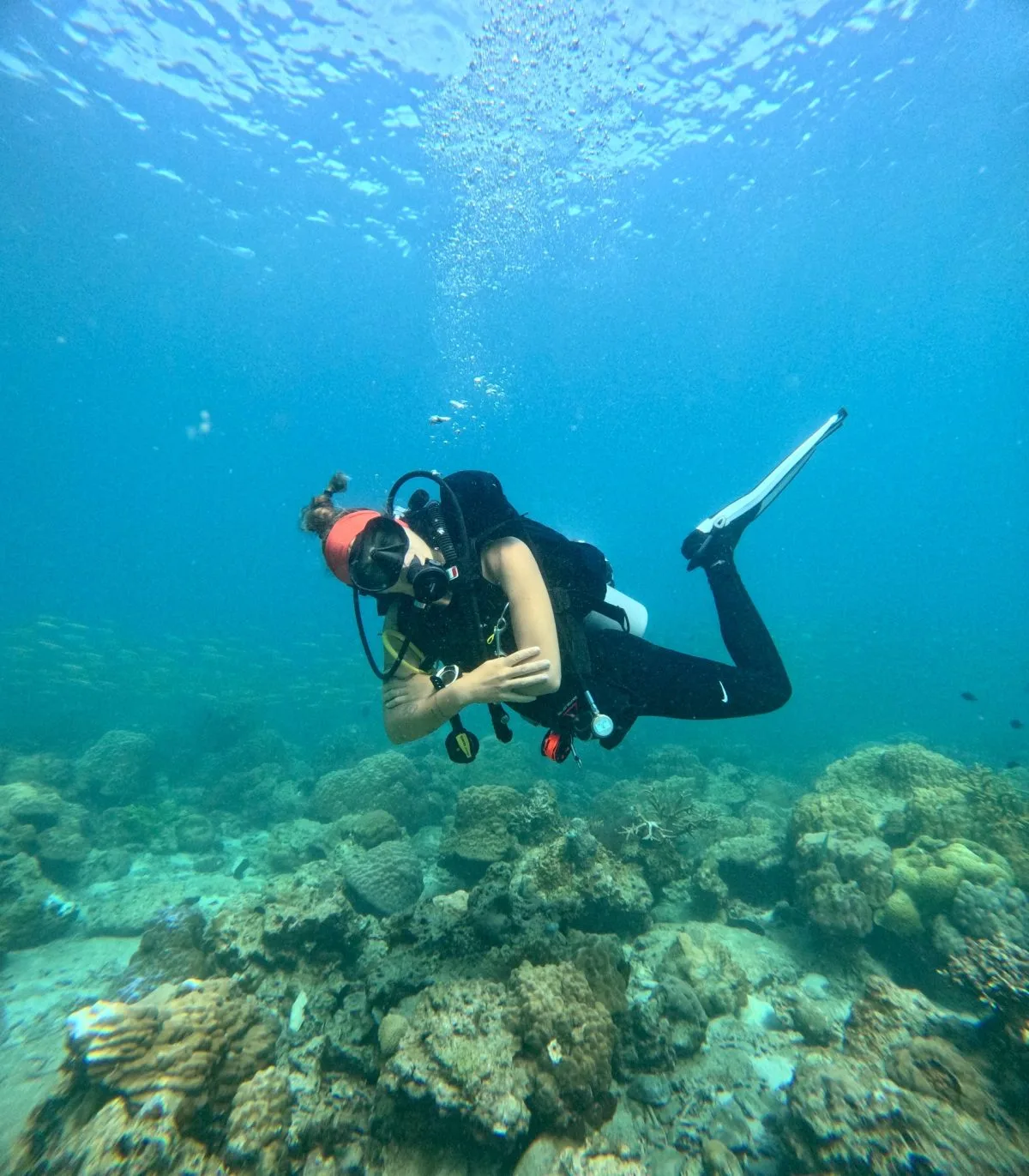
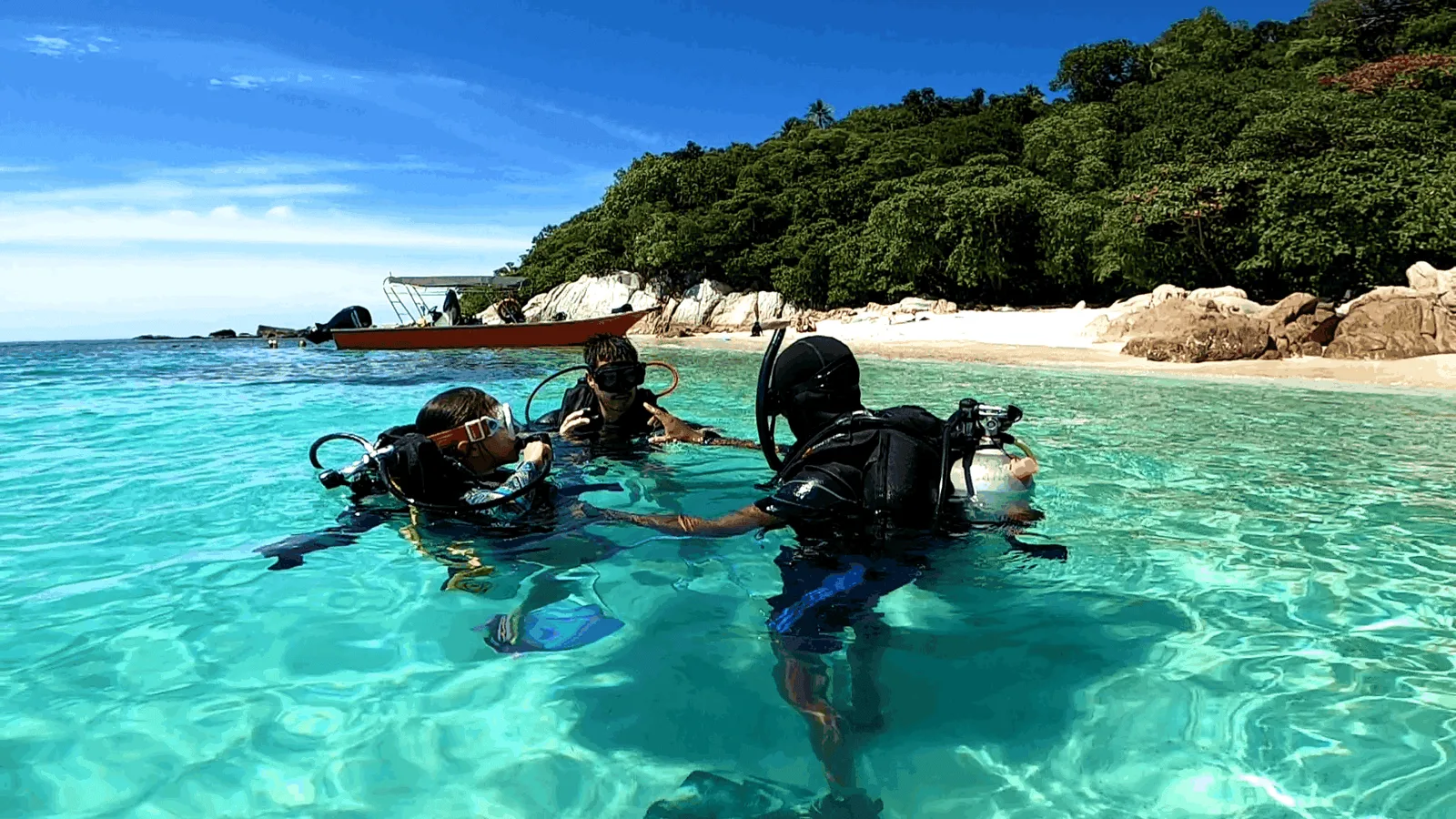
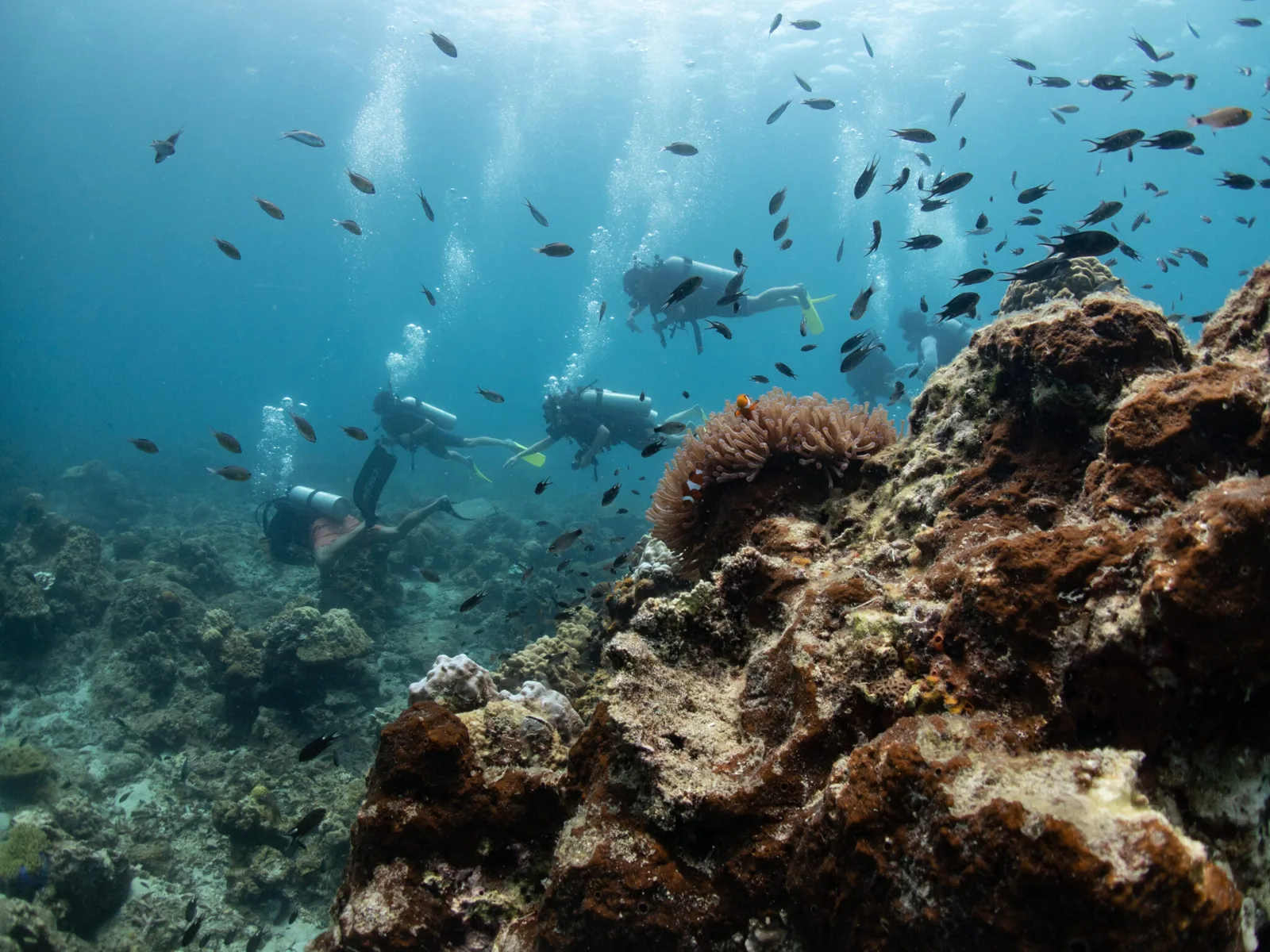
D'Lagoon is situated within a sheltered bay on the northern side of Perhentian Kecil, providing consistently calm conditions. The dive begins with a gentle descent into a shallow, protected lagoon, transitioning to a white sandy bottom surrounded by extensive coral gardens. This natural topography shields the site from stronger currents, creating a relaxed environment suitable for extended bottom times and detailed observations of the reef.
The topography here is relatively straightforward: a large, shallow sandy area gives way to vibrant hard coral beds as you move towards the outer edges of the lagoon. The maximum depth of 12 meters means you can easily explore the entire profile of the site, staying well within recreational dive limits. Light penetration is excellent, illuminating the corals and the various creatures sheltering within them.
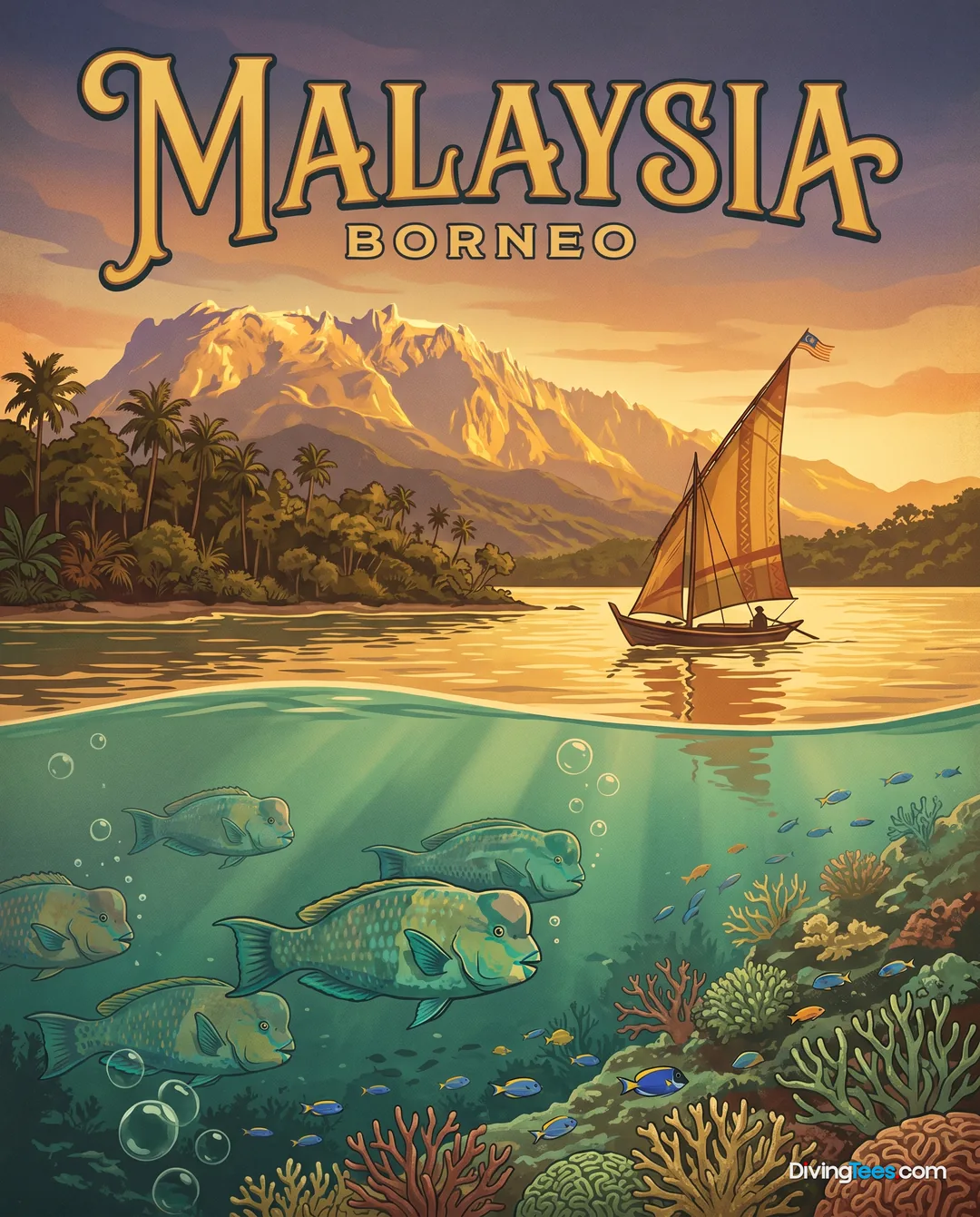
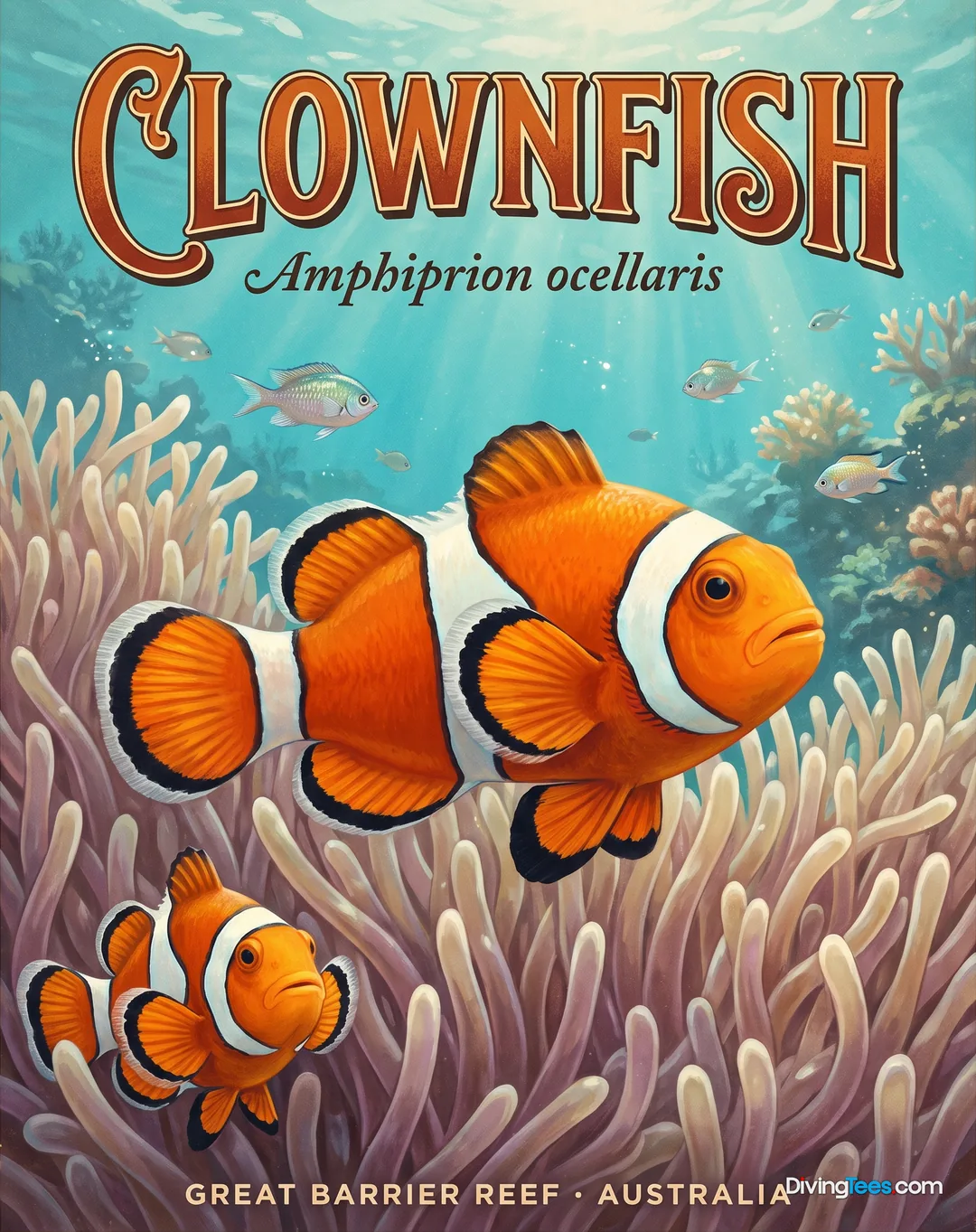
When moving through the coral gardens, keep an eye out for Giant Bumphead parrotfish (Bolbometopon muricatum), which are a regular sight here, often seen grazing on the corals. The site also hosts a variety of clownfish, typically found nestled among their host anemones. Observing these larger and smaller inhabitants in their natural environment is a core part of the D'Lagoon experience.
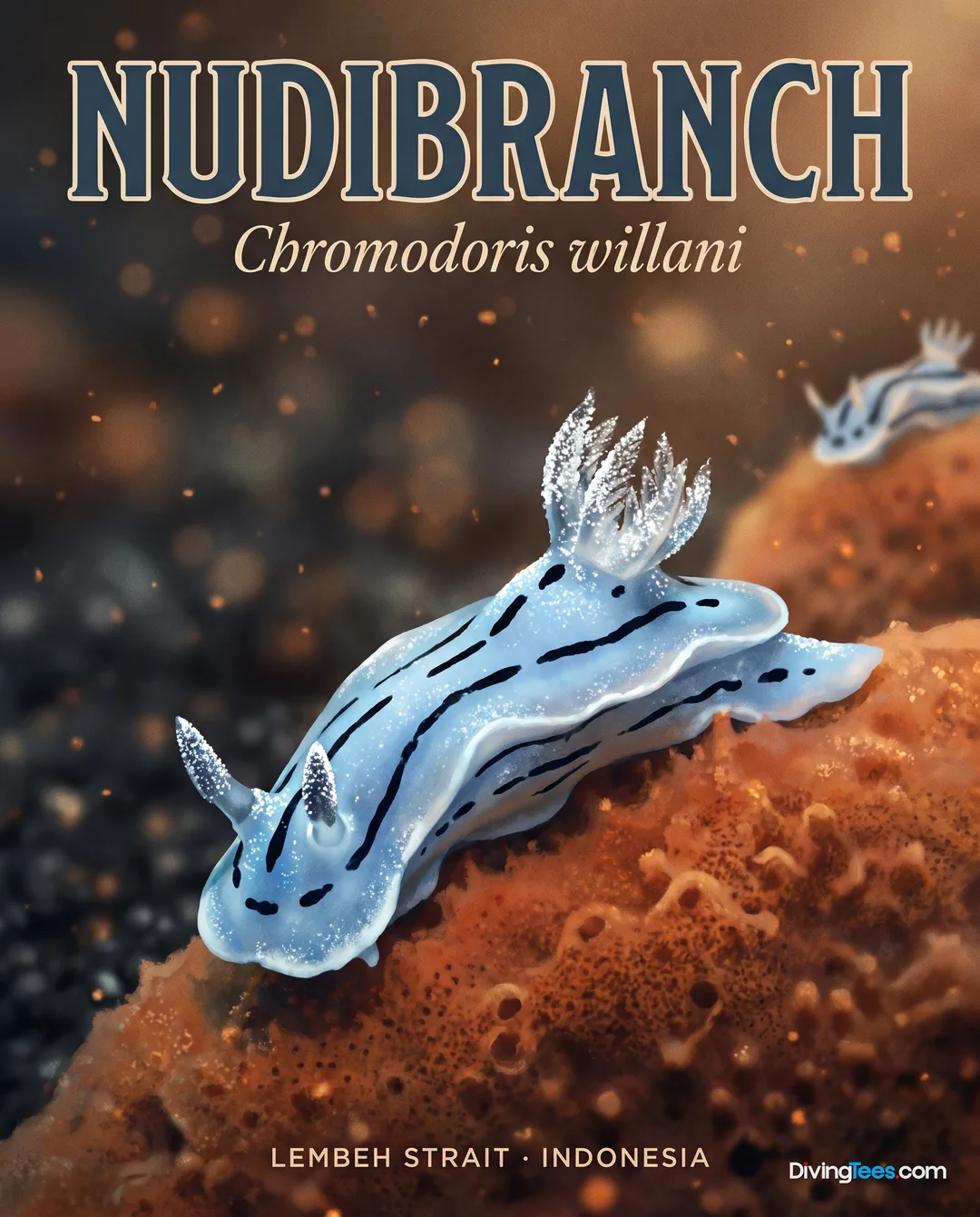
Beyond the prominent parrotfish and clownfish, D'Lagoon is known for its macro life and smaller reef dwellers. You will encounter several species of nudibranchs moving slowly across the corals and sandy patches, providing opportunities for close inspection. Indian Ocean walkmen (Inimicus didactylus) are also present, often camouflaged against the seabed.
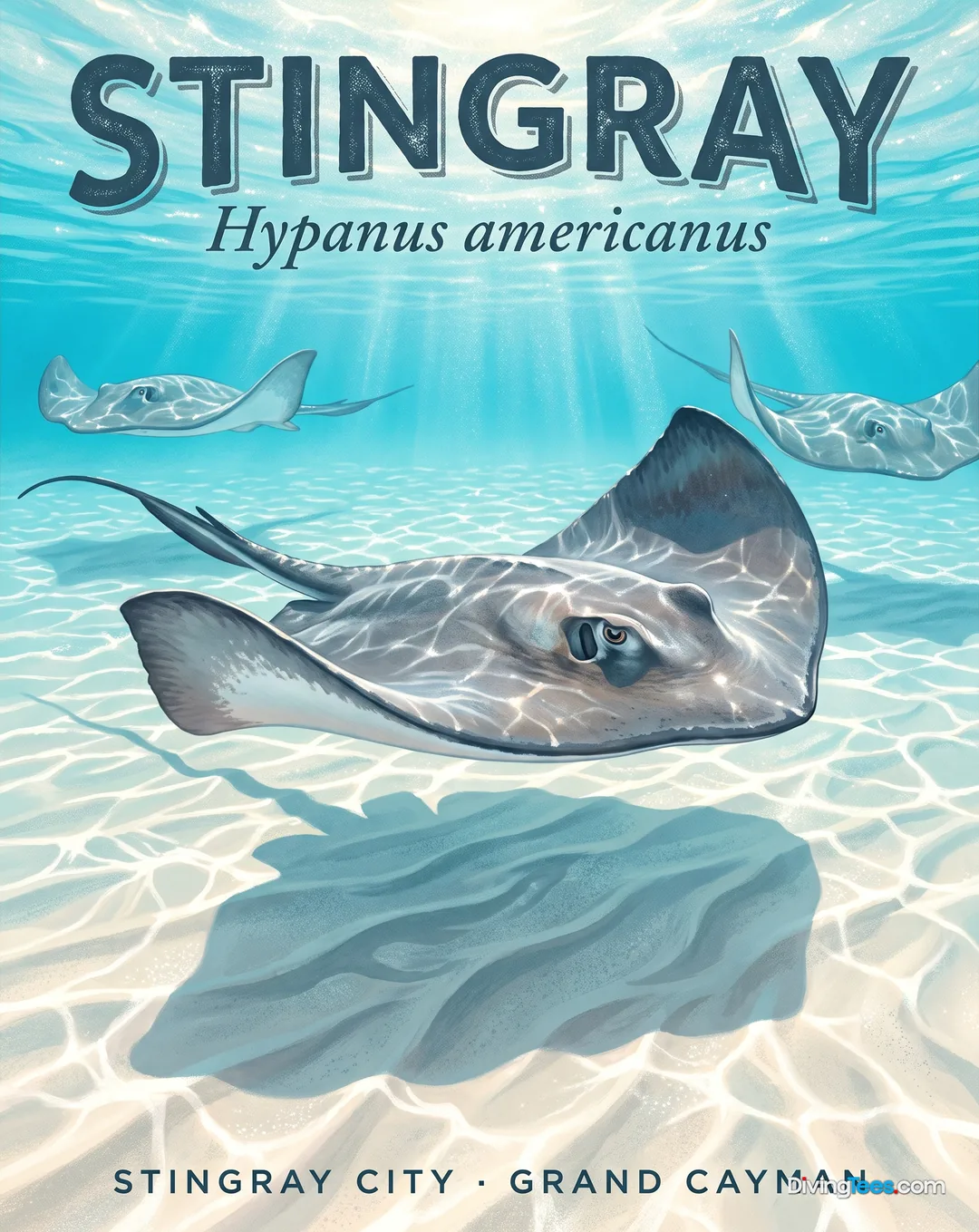
The sandy areas surrounding the coral patches are productive grounds for spotting various rays. Blue-spotted stingrays (Neotrygon kuhlii) are commonly seen resting on the sand, and the larger Jenkins' whiprays (Pateobatis jenkinsii) also frequent the area. These encounters happen at various depths across the site, requiring a keen eye but no extraordinary movements, given the calm conditions.
Other resident reef inhabitants include diverse groups of reef fish, from damselfish to sergeant majors, which populate the coral structures. You might also spot an occasional blacktip reef shark (Carcharhinus melanopterus) patrolling the outer edges of the lagoon, offering a glimpse of larger predators in a shallow, accessible setting. Turtles are also regular visitors, often found resting or feeding on the corals.
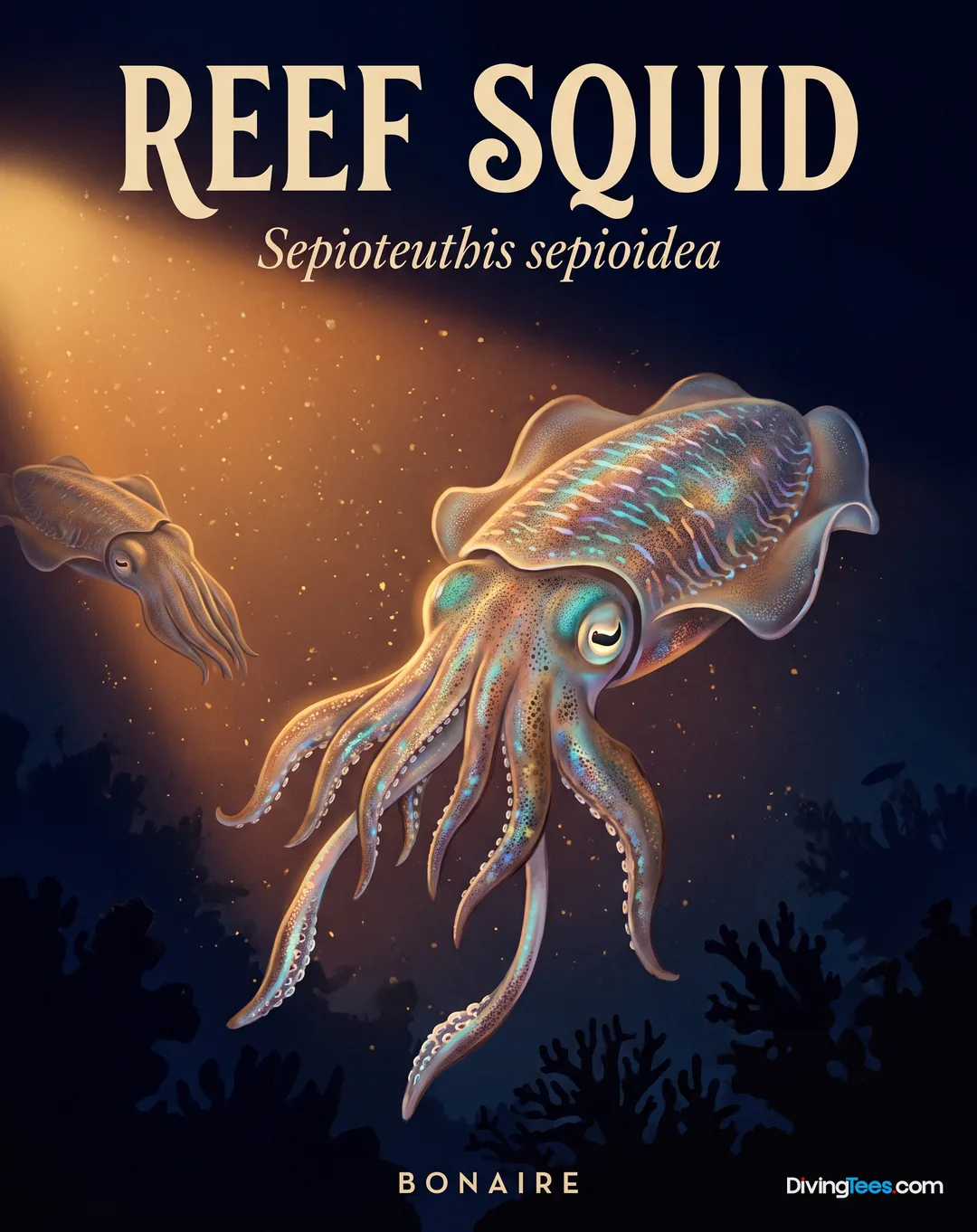
D'Lagoon's relaxed pace allows you to concentrate on the smaller details that might be missed on a faster drift dive. Take your time to examine crevices for scorpionfish and look out for squid gracefully moving through the water column. The overall atmosphere of the site is one of tranquility, providing a stark contrast to some of the more current-swept locations found elsewhere in the Perhentian Islands.
D'Lagoon is a shallow site with a maximum depth of 12 meters. It is accessible for all certification levels, including Open Water Divers and beginners. Conditions are consistently calm with no discernible current, making it an ideal location for divers new to the ocean environment. Visibility is generally good, allowing for clear views of the reef and its inhabitants.
D’Lagoon is suitable for every certification level, including Open Water Divers and beginners. Its shallow profile and calm conditions make it approachable if you are new to the ocean environment. The straightforward layout also lets you explore the sandy bottom and coral gardens at a relaxed pace.
D’Lagoon reaches a maximum depth of twelve metres. The site begins with a gentle descent into a shallow, protected lagoon, then extends across a white sandy bottom and coral gardens. You can explore the full profile comfortably within recreational diving limits while enjoying good light on the reef.
D’Lagoon is sheltered within a bay, so conditions are consistently calm with no discernible current. The lagoon’s natural shape protects it from stronger water movement, allowing you to examine coral gardens, sandy areas, and reef life without needing to manage a drift or current.
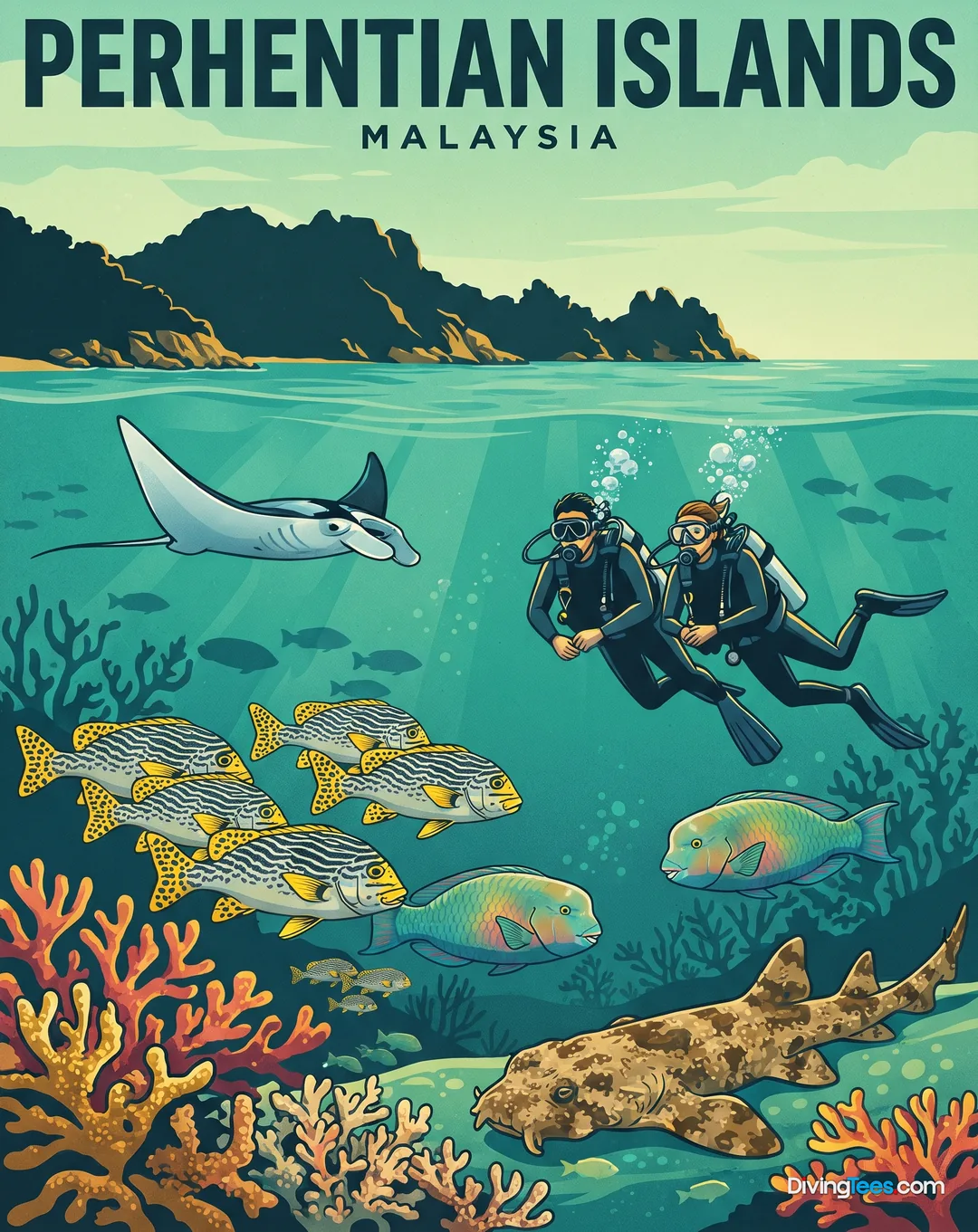
At D’Lagoon, you may see Giant Bumphead parrotfish grazing on coral, clownfish among anemones, nudibranchs, and Indian Ocean walkmen. Blue-spotted stingrays and Jenkins’ whiprays frequent the sand. You might also encounter turtles, occasional blacktip reef sharks, squid, scorpionfish, and varied reef fish.