
Medusa Divers Dive Center
Google 5/5 (636 reviews)
8.5 km away as the crow flies
Perhentian Islands · Malaysia · Asia
Max. depth · 24 mDescend along Serenggeh's submerged rock formations, exploring canyons and overhangs frequented by bamboo sharks and schooling barracudas.
For subtitles in English: start the video firstthen click the gearat the top right of the video, select “Subtitles/CC”, then “Auto-translate” and choose “English”.
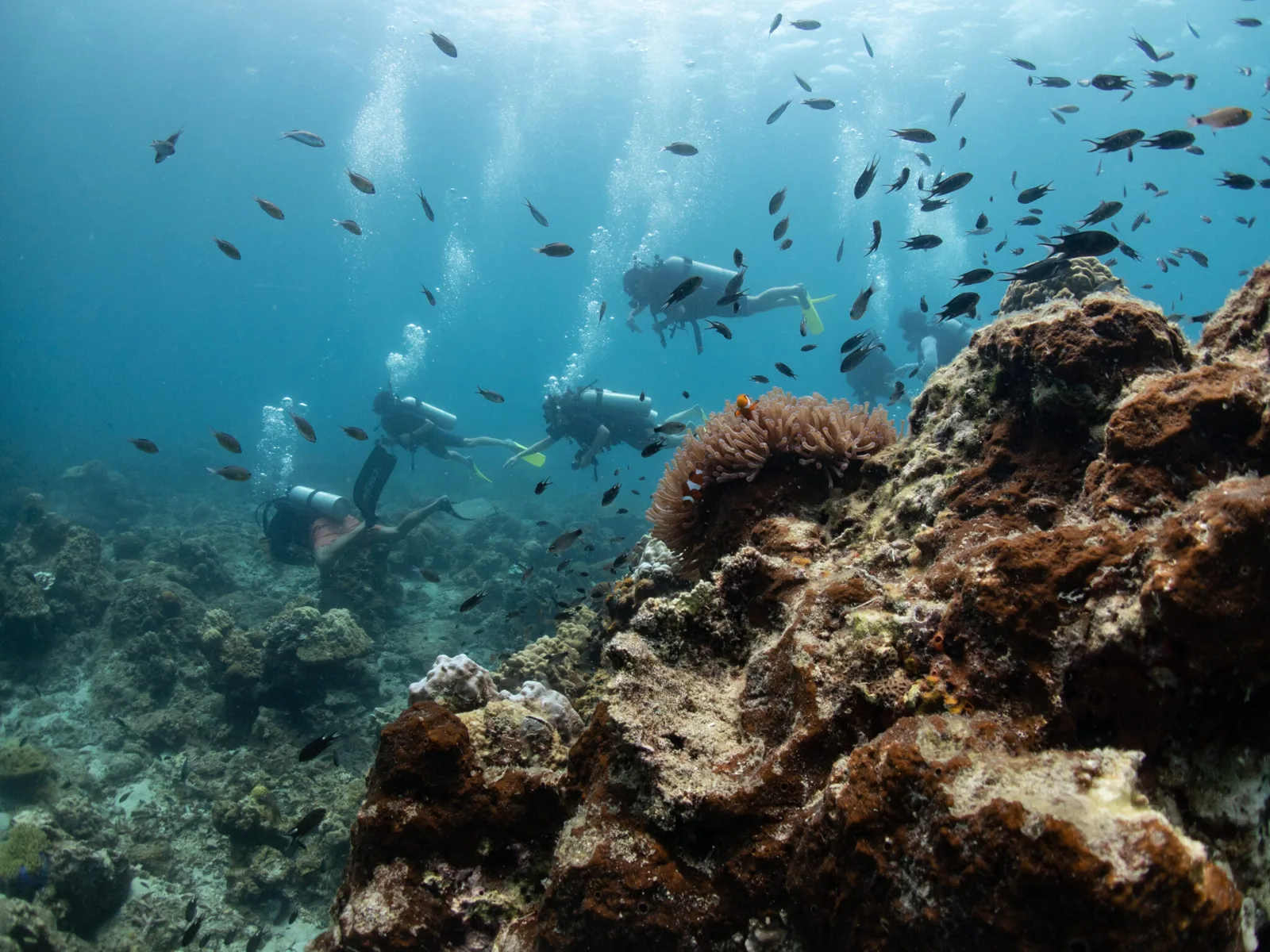
Serenggeh is a distinct rocky islet situated a 20-minute boat ride from Perhentian Kecil. Below the surface, the site maps out into a series of impressive rock formations, creating a varied underwater landscape of ledges, crevices, and even distinct canyons. This complex topography holds a wide array of marine life in its shelter, from smaller reef dwellers tucked into coral gardens to pelagics patrolling the deeper sections.
The dive profile at Serenggeh is generally moderate, with most dives averaging around 14 meters, though the site reaches a maximum depth of 24 meters. This allows for extended bottom times and thorough exploration of the various features. As you descend, you’ll navigate through interesting passages and over distinct rock structures that define the site's unique character. The presence of hard corals indicates a healthy and established reef ecosystem.
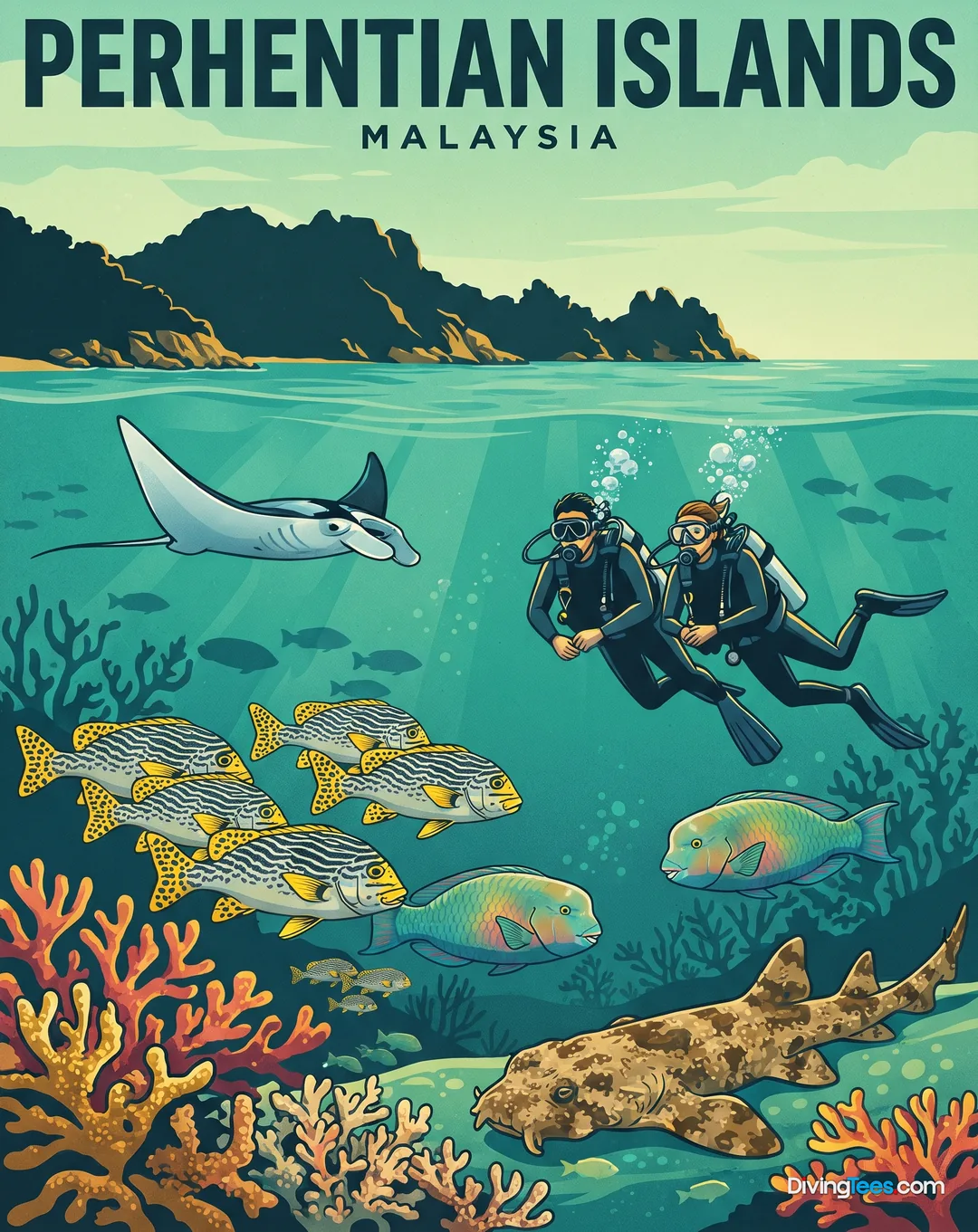
Among the structures, you’ll frequently encounter a diverse range of marine species. Bamboo sharks (Chiloscyllium punctatum) often rest within sheltered areas, while blue-spotted stingrays (Neotrygon kuhlii) may be seen moving across the sandy patches. Keep an eye out for porcupinefish (Diodon holocanthus) and large giant pufferfish (Arothron stellatus), which are common inhabitants of these reef formations.
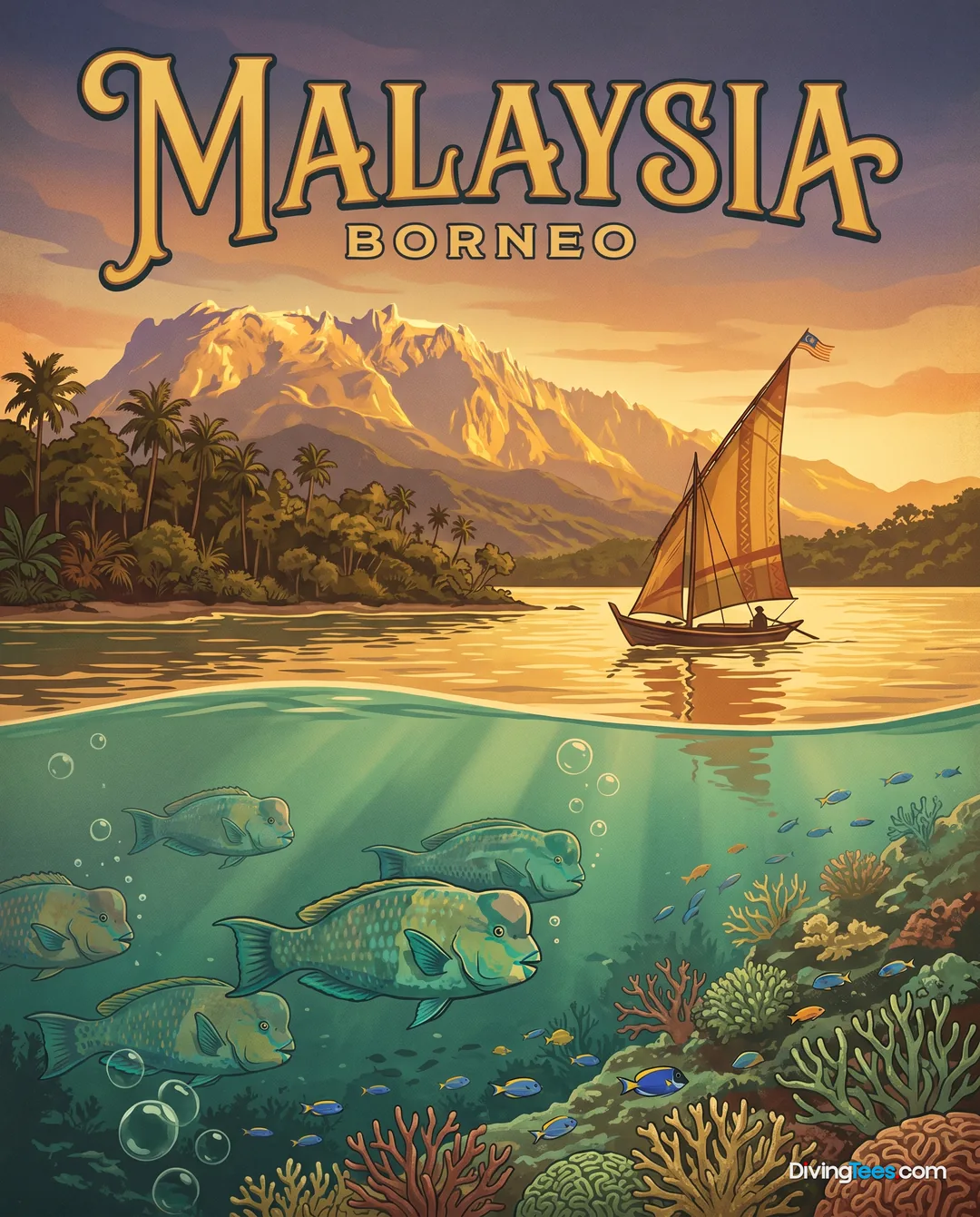
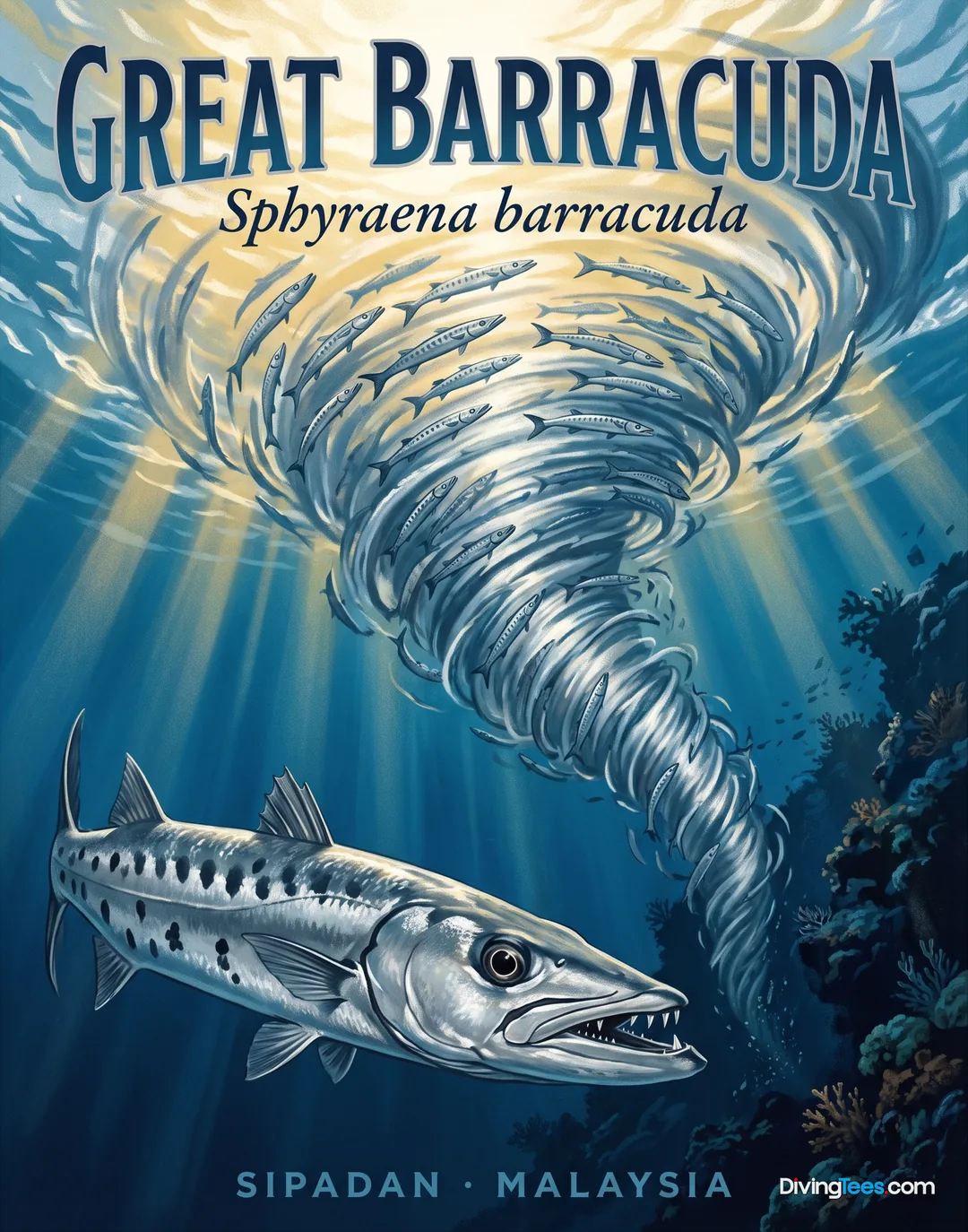
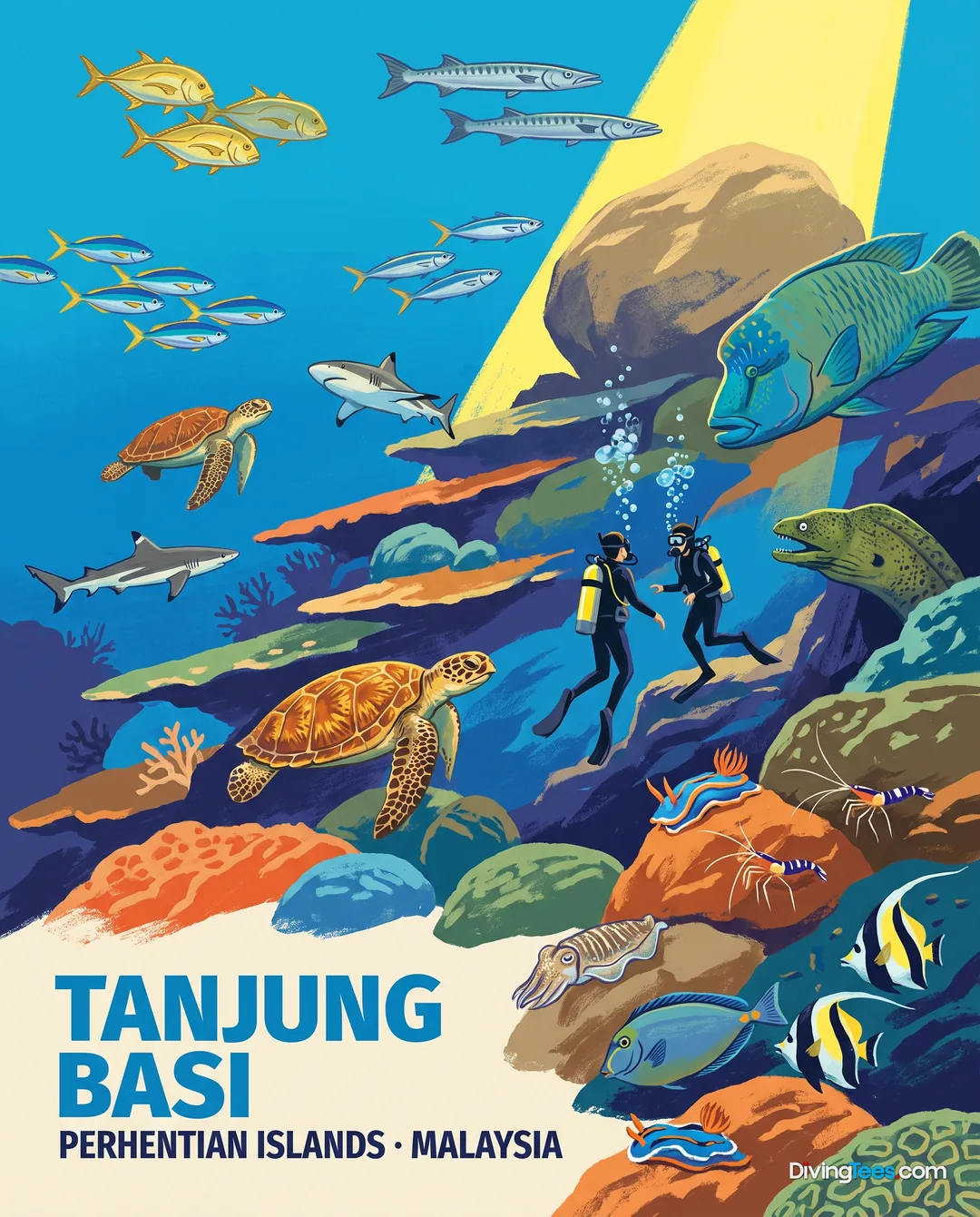
Serenggeh is also known for its larger schooling fish. Barracudas (Sphyraena barracuda) and golden trevally (Gnathanodon speciosus) often cruise in the mid-water, particularly around the more exposed rock faces where currents may bring in food. Humphead parrotfish (Bolbometopon muricatum) are a regular sight, often found grazing on the reef or moving in small groups.
The site's unique topology provides ample opportunities for exploration. Towards the end of the dive, if your air consumption allows, a distinct 'canyon' offers an interesting navigable section. This area, along with other caves and overhangs, provides shelter for moray eels and other nocturnal feeders, adding another layer to the site's biodiversity.
Beyond the fish, Serenggeh supports a rich population of cephalopods. Cuttlefish and squid are frequently observed, sometimes in hunting mode or exhibiting their camouflage capabilities within the coral. The varied hard coral gardens themselves are a strong draw for macro enthusiasts, harbouring many smaller creatures that blend seamlessly into the reef structure.
Depths at Serenggeh range from the surface down to 24 meters, though the majority of the dive often takes place at an average of 14 meters. The site is accessible from Open Water Diver level. Visibility is generally good, ensuring clear views of the underwater topography and marine life. The best time to dive here is during the dry season, which runs from March through October.
You can dive Serenggeh during the dry season, which runs from March through October. Visibility is generally good during dives, giving you clear views of the underwater topography and marine life. The site is a twenty-minute boat ride from Perhentian Kecil, making it an accessible excursion from the island.
Serenggeh is accessible to you as an Open Water Diver. Depths range from the surface to twenty-four meters, while most of the dive takes place at an average of fourteen meters. The moderate profile allows you to explore ledges, crevices, overhangs, and rock structures while maintaining extended bottom times.
At Serenggeh, you can explore diverse underwater rock formations shaped into ledges, crevices, overhangs, and distinct canyons. You can navigate interesting passages around exposed structures, then explore a canyon toward the end of the dive if your air consumption allows. Hard coral gardens add detail throughout the rocky landscape.
At Serenggeh, you can look for bamboo sharks resting in sheltered areas, blue-spotted stingrays crossing sandy patches, and porcupinefish among the formations. Barracudas and golden trevally cruise in mid-water, while humphead parrotfish graze on the reef. Cuttlefish, squid, moray eels, giant pufferfish, hard corals, and macro life add variety.