
Atalaia Diving Center
★ 5/5 (473 reviews)
2.1 km away as the crow flies
Madeira · Portugal · Atlantic
Max. depth · 30 mDescend the volcanic wall of Garajau, where large dusky groupers patrol and the Atlantic offers a rich, sheltered dive.
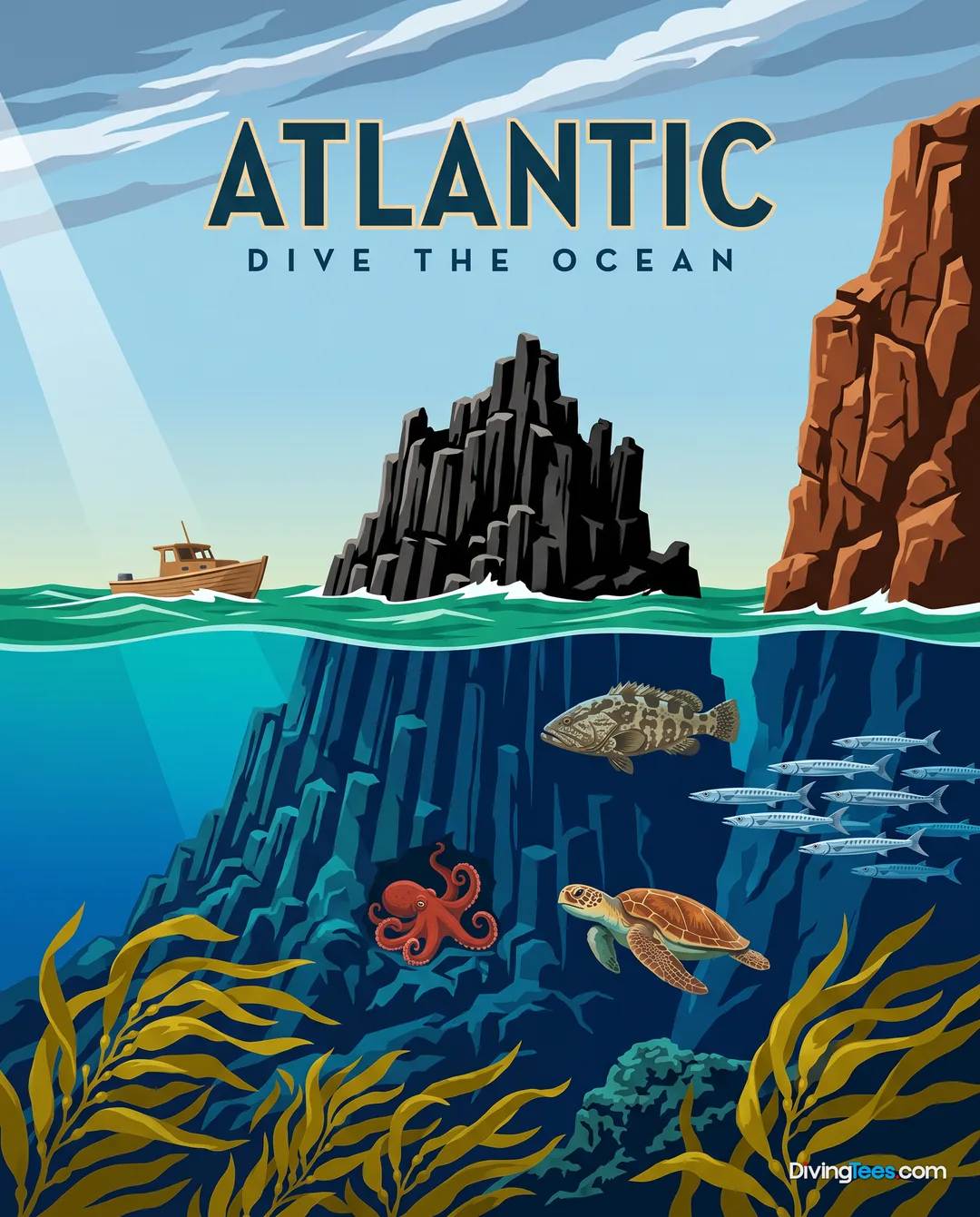
Garajau Wall greets you with a direct drop into the Atlantic, a volcanic formation that starts around 5 to 10 metres and extends down to 30 metres. This is not a gradual slope but a true wall, providing immediate exposure to the dynamics of the open ocean while still offering sheltered sections. The topography features numerous small caves, overhangs, and crevices, creating a complex habitat for resident species. As you descend, the rock face changes, revealing different ledges and formations that define the character of the dive.
The approach to the main wall involves navigating a gently sloping seabed of black sand and scattered boulders before the dramatic drop-off. This transition zone serves as a nursery and a hunting ground, often revealing moray eels tucked into rocky crevices or flatfish camouflaged against the sand. The light plays differently across this varied terrain, from the bright, shallow reef top to the deeper sections where the wall truly comes into its own, providing a visual guide as you move through the dive profile.
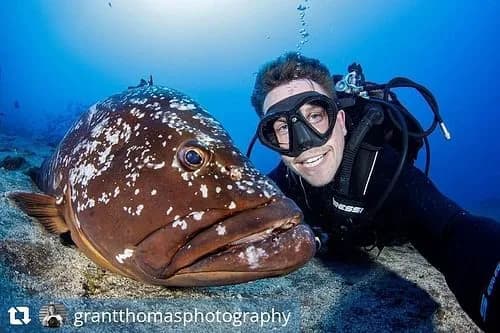
What sets Garajau Wall apart is its status as a marine reserve, which directly translates to a notable density of marine life, particularly the large dusky groupers (Epinephelus marginatus). These iconic fish are a signature attraction here, often encountered patrolling the wall’s ledges or resting in its overhangs. Their presence is a testament to the protected nature of the site, allowing them to thrive and become a consistent feature of the dive, often showing little apprehension towards divers.
Beyond the groupers, the wall supports a diverse community of fish. You'll observe schools of blue jack mackerel (Trachurus picturatus) and amberjack (Seriola dumerili) cruising the open water column, while closer to the rock, colourful wrasse and parrotfish forage. Green sea turtles (Chelonia mydas) are also regular visitors, gracefully gliding along the wall, offering a moment of quiet observation as they navigate the currents and search for food.
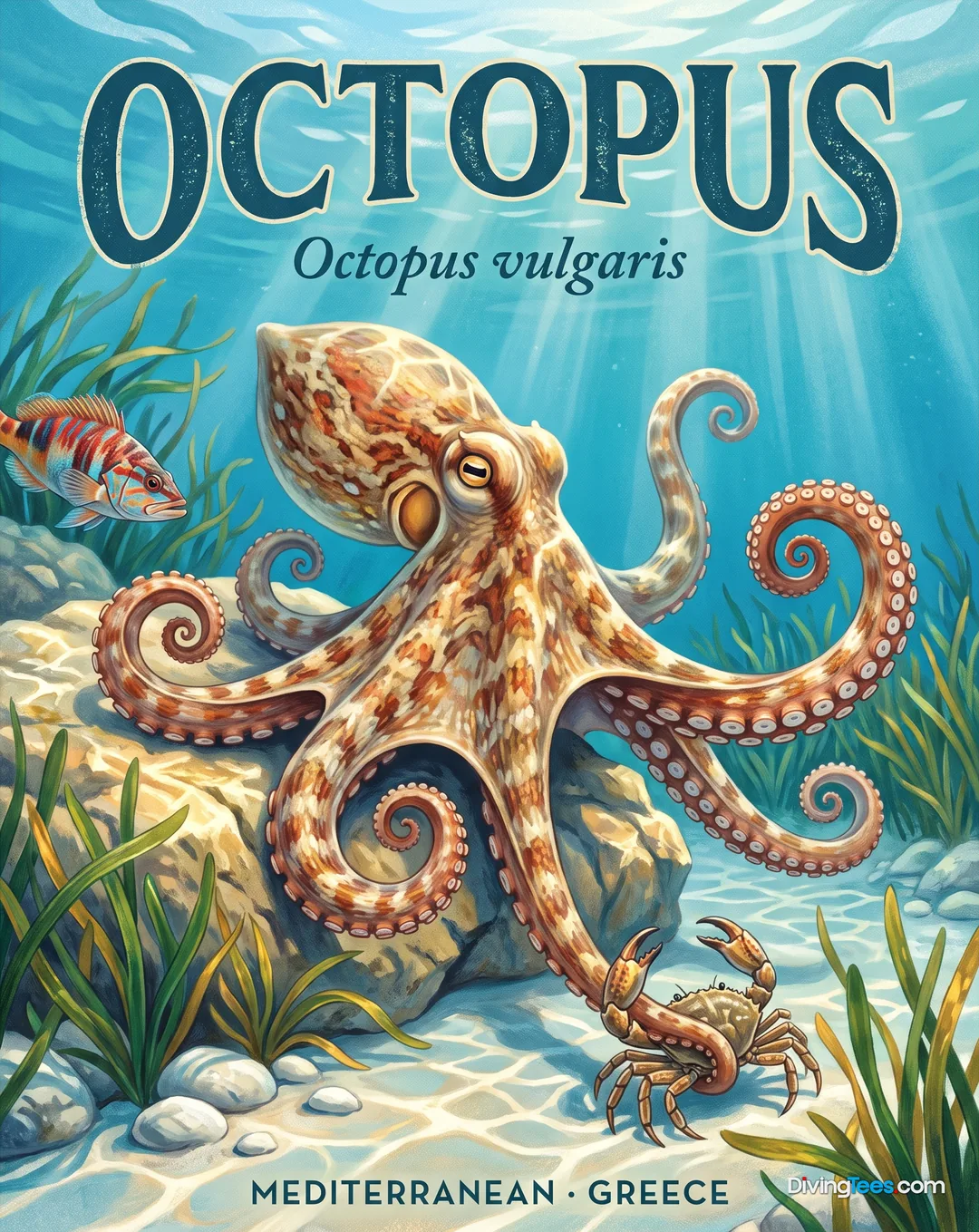
The intricate structure of the wall, with its numerous hiding spots, makes it a prime location for encountering shy species. Keep an eye out for octopus tucked into rocky dens, their skin changing texture and colour to blend seamlessly with the environment. Stingrays can be found resting on the sandy patches at the base of the wall, often partially buried. Grey triggerfish (Balistes capriscus) and goatfish (Mullus surmuletus) explore the crevices, adding to the rich tapestry of life on the reef.
Conditions at Garajau Wall are typically influenced by its Atlantic exposure, though the site is generally considered diveable year-round. While the current is variable, it is not consistently reported as strong for this specific wall dive, meaning you can expect a range from calm to moderate drift depending on the day. Visibility is generally good, often reaching between 10 and 30 metres, with the clearest conditions typically observed during the late summer months. These varying conditions are part of the Atlantic diving experience, demanding attention to detail without posing undue challenge.
While the site can be explored during any season, August and September often provide the warmest water temperatures and clearest visibility, making for a comfortable and visually rewarding dive experience. However, even outside this peak window, the marine life remains abundant, and the volcanic topography offers consistent visual interest. Understanding the variable nature of Atlantic conditions allows you to plan your dive to make the most of what Garajau Wall has to offer, regardless of the time of year.
Garajau Wall is accessible from Open Water Diver certification for its shallower sections, with Advanced Open Water recommended for exploring the deeper parts of the wall down to 30 metres. The current is variable; while usually manageable, always check local conditions before your dive. Visibility ranges from 10 to 30 metres, with the best conditions typically found from August to September, when water temperatures are also at their warmest.
★ 5/5 (473 reviews)
2.1 km away as the crow flies
★ 5/5 (297 reviews)
less than 1 km away as the crow flies
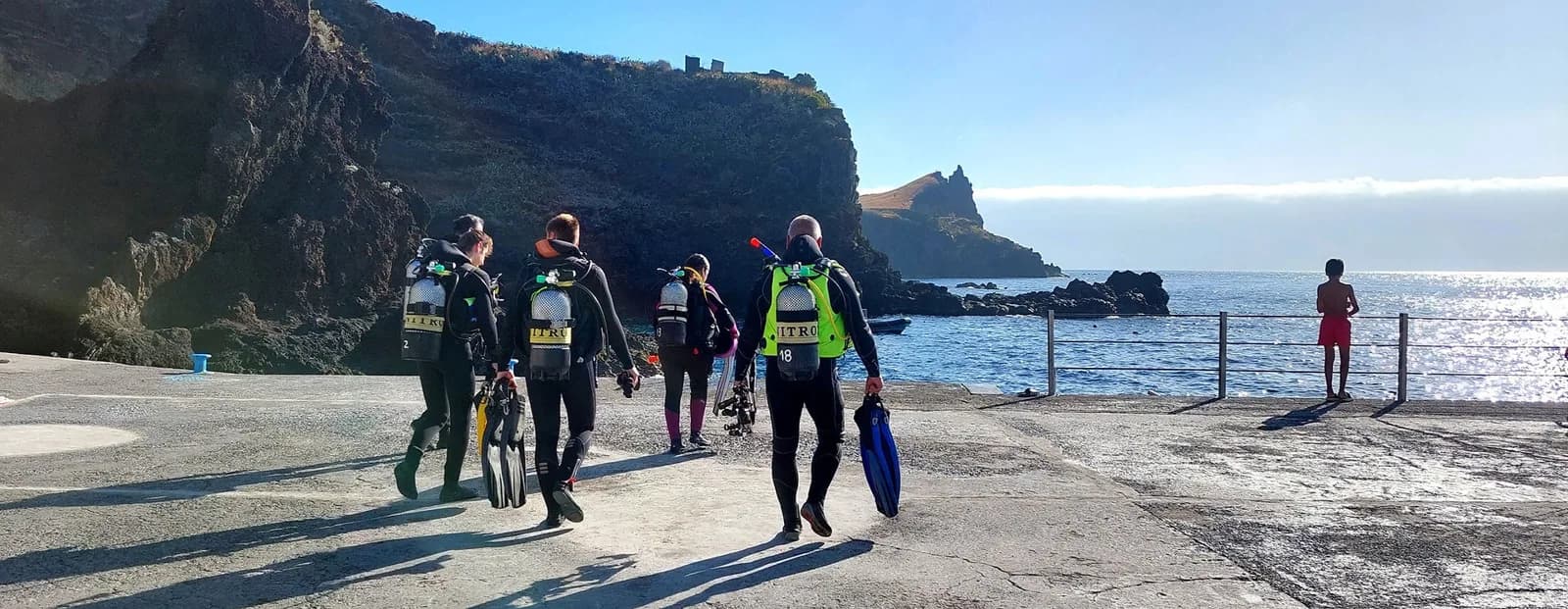
★ 4.9/5 (447 reviews)
1.9 km away as the crow flies

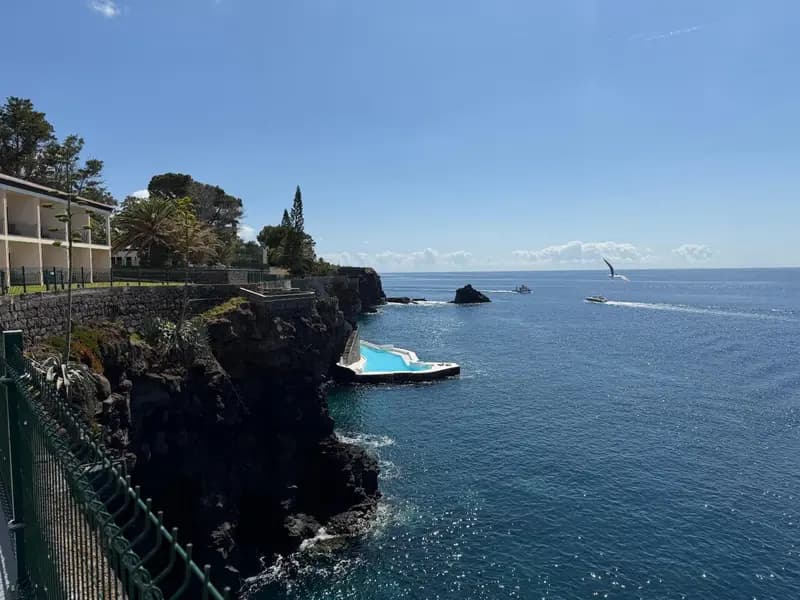
★ 4.9/5 (1,390 reviews)
6.5 km away as the crow flies
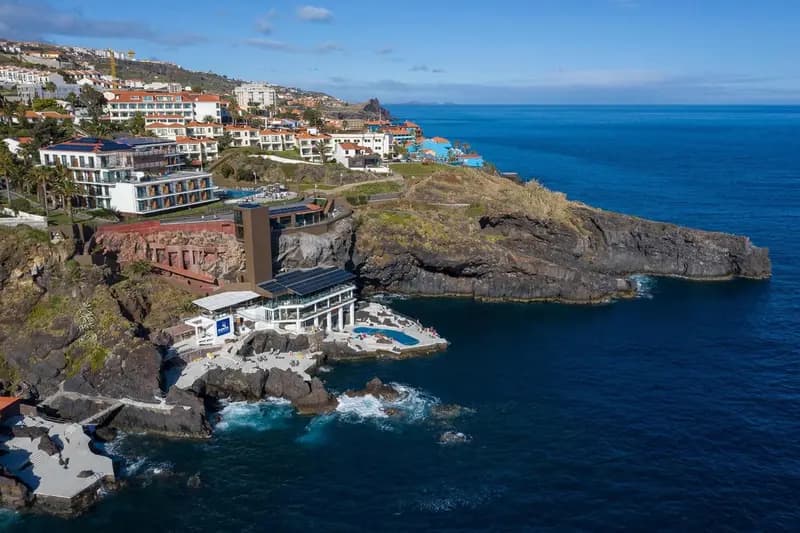
★★★★★
★ 9.7/10 (534 reviews)
9 km away as the crow flies
★★★★
★ 9/10 (1,206 reviews)
1.7 km away as the crow flies
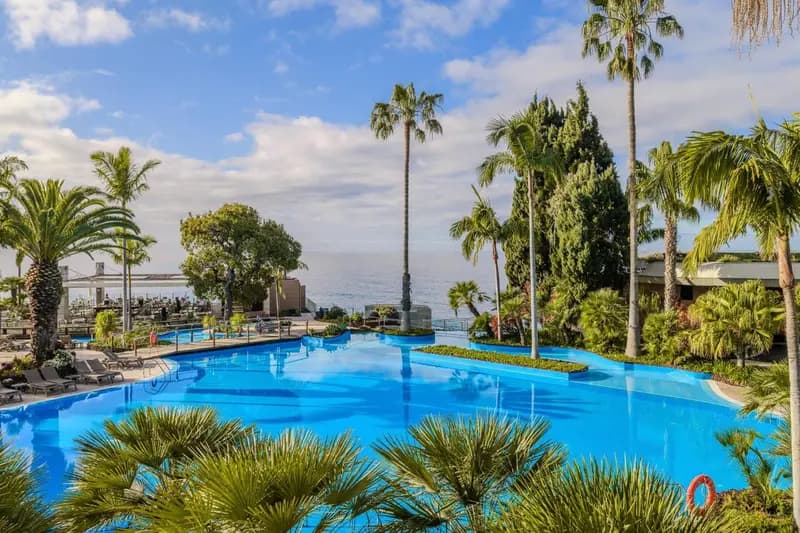
★★★★★
★ 8.8/10 (1,754 reviews)
6.8 km away as the crow flies
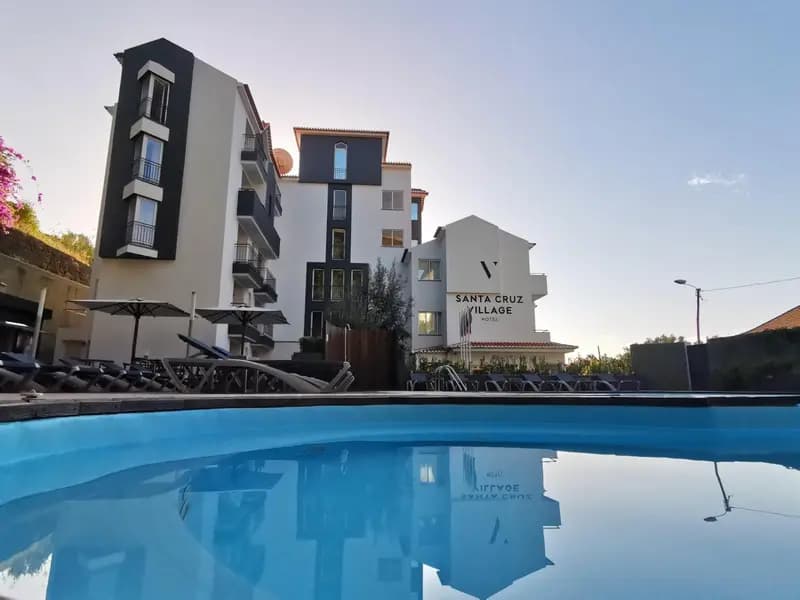
★★★★
★ 8.5/10 (2,236 reviews)
7.9 km away as the crow flies