
Fyne Diving
Google 4.9/5 (31 reviews)
United Kingdom · Atlantic
Rocky walls in Loch Long, Clyde wrecks, dark loch water and occasional basking sharks make Glasgow a practical gateway to Scottish cold-water diving.
For subtitles in English: start the video firstthen click the gearat the top right of the video, select “Subtitles/CC”, then “Auto-translate” and choose “English”.
Glasgow is a useful urban base for exploring cold-water diving around the Firth of Clyde, Loch Long, Holy Loch and neighbouring sea lochs. The underwater landscape is built from rocky reefs, walls, sheltered loch bottoms and wrecks rather than coral gardens. Loch Long is the practical starting point, with shore dives and relatively protected water, while the Clyde and Holy Loch open the way to boat diving and wrecks. It is a destination for divers who enjoy planning around weather, tides and road journeys, with Glasgow providing supplies, clubs and an easy place for non-divers to spend a day.
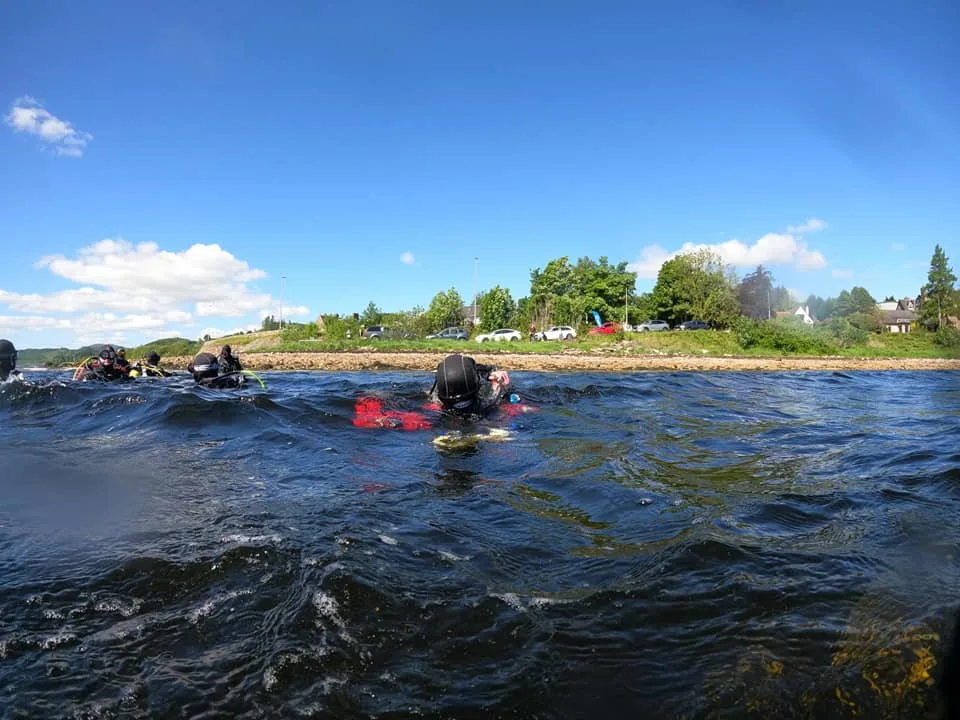
The diving alternates between shore entries in lochs, boat trips to wrecks and coastal sites exposed to changing weather. Loch Long offers rocky ground, walls and silty or muddy bottom, so buoyancy and finning matter more than a postcard view. The Firth of Clyde and Holy Loch bring wreck diving, while Loch Fyne and nearby sea lochs add further rocky terrain. Currents are variable, and some coastal dives depend closely on tide, wind and sea state. Visibility is commonly around 10 to 30 metres, with the clearer conditions generally found from late spring into summer. Recent storms, heavy runoff from the hills and algal growth can reduce it sharply. A sheltered loch dive may remain workable when a coastal boat trip is cancelled, which makes the day best planned with a proper fallback rather than a fixed single-site itinerary.
The main attraction is the combination of habitat and cold-water atmosphere: rocky reefs, loch walls, silty bottoms and wreck structure provide the scenery, even when visibility changes after rain. Seals, porpoises and dolphins may be encountered at any time of year, but they are occasional rather than guaranteed sightings. Summer also brings the possibility of a basking shark, another occasional encounter rather than a seasonal promise. Around the Firth of Clyde and the lochs, the pleasure is often in slowing down over the rock and wreck surfaces, looking into cracks and along walls instead of expecting a tropical procession of large animals. Keep the wildlife encounters as a bonus, not the reason for fixing a particular day.
May to September is the most comfortable window for organising a trip, with more daylight and generally better visibility from May through August. Summer also gives the best chance of an occasional basking shark, although it should never be treated as a booking guarantee. The lochs make year-round diving possible because they offer shelter when coastal sites are exposed. After strong rain, runoff from the surrounding hills can cloud the water, while storms can disturb both visibility and boat plans. Spring and summer therefore offer more useful light and clearer conditions, but a flexible itinerary still matters more than a calendar promise.
Sheltered Loch Long sites can suit beginners and divers in training, provided they are properly prepared for cold water, variable visibility and sometimes silty bottoms. A drysuit with suitable undergarments, hood and gloves is strongly recommended, especially for repeated dives. Drysuit experience matters: warm-water certification alone does not prepare a diver for local weighting and buoyancy. Wreck divers will find a Wreck qualification useful, while deeper outings call for Advanced or equivalent experience. Nitrox can be useful on repetitive days where the centre and site allow it.
From London Heathrow, London Gatwick or Manchester, fly to Glasgow, then continue by road to the diving areas. Loch Long is roughly 45 minutes to an hour from Glasgow, depending on the site, while the Holy Loch and Firth of Clyde require longer road journeys and, for some sectors, a local ferry. Allow a full day when the plan involves a ferry or a more distant base, rather than treating it as a short urban excursion. A hire car or club vehicle is the most practical way to connect scattered loch and shore sites, carry cold-water equipment and adapt to weather. Check ferry times and vehicle capacity before setting out, as the crossing can shape the whole day's plan.
Do not search only around Glasgow itself. The useful diving lies around the Firth of Clyde, Loch Long, Holy Loch, Loch Fyne and neighbouring sea lochs, so map the driving before booking consecutive days. Keep a sheltered Loch Long option in reserve whenever the plan involves an exposed coastal site. For a first outing, use an organised Loch Long shore dive before attempting a coastal wreck, particularly if your drysuit weighting and buoyancy are recent rather than routine. Check wind, tide and recent rainfall on the morning of the dive: runoff from the hills can turn a promising site opaque, while sea conditions can remove a boat trip altogether. If you are shore diving, carry your own surface-navigation and signalling equipment suitable for cold water unless its provision has been confirmed. Do not assume that a tropical qualification makes Loch Long straightforward, and do not commit the whole trip to sites reached by ferry without checking the crossing separately.
A four- to seven-day land-based stay works well. Use Glasgow for equipment, supplies and an evening in the city, then group dive days around Arrochar, Loch Long, the Firth of Clyde and Holy Loch instead of driving back after every outing. Clubs and centres may arrange both shore and boat diving, but local plans vary, so advance contact is useful. Leave room for weather changes and keep a non-diving day before the flight home. Glasgow also gives companions museums, galleries, historic districts and parks, while Loch Lomond and Argyll offer walking and coastal excursions.
Hello, I'm Marina, DivingDeal.com's AI assistant. I guide you through destinations, areas and countries.
Thinking about the whole trip and the flights? Talk it over with Edith →
Marina is an AI. Some links are affiliate links: DivingDeal may earn a commission, at no extra cost to you. Bookings are made with the partner.
May to September offers more daylight and generally better visibility, with clearer conditions usually found from late spring into summer. The lochs allow diving throughout the year because they provide shelter when coastal sites are exposed. Plan flexibly, since storms, wind and rainfall runoff can affect visibility and boat trips.
Sheltered Loch Long sites can suit beginners and divers in training, provided you are prepared for cold water, variable visibility and silty bottoms. You should have drysuit experience, including local weighting and buoyancy. Wreck diving benefits from a Wreck qualification, while deeper outings require Advanced or equivalent experience.
Glasgow provides access to rocky reefs, loch walls, silty bottoms and wrecks around Loch Long, the Firth of Clyde, Holy Loch and nearby sea lochs. Seals, porpoises and dolphins may appear year-round, while summer can bring an occasional basking shark. Wildlife remains an extra rather than a guarantee.
Use Glasgow for equipment, supplies and evenings in the city, then group dive days around Arrochar, Loch Long, the Firth of Clyde and Holy Loch. A hire car or club vehicle helps carry cold-water equipment and adapt to weather. Contact clubs or centres ahead, check ferry times, and keep backup sites available.