Caribbean
Guadeloupe: islands, seasons and practical dive planning
From Basse-Terre’s volcanic coast to Terre-de-Haut’s ferry-linked harbour, Guadeloupe rewards divers who match their island choice to the calendar.
What makes this country unique
- Basse-Terre diving throughout the year
- Deshaies diving from May through September
- Terre-de-Haut and its inter-island ferry constraint
- The Soufrière rising above Basse-Terre
- The Franjack Histoire wreck in Guadeloupe
- Coffee and chocolate at caféière Chaulet
- Pastel houses above the village of Terre-de-Haut
For subtitles in English: start the video firstthen click the gearat the top right of the video, select “Subtitles/CC”, then “Auto-translate” and choose “English”.
This country for a diver
Guadeloupe is less a single dive base than a compact arrangement of coastal and island options. Basse-Terre combines boat and other diving with year-round availability; Deshaies is a more seasonal, boat-led choice; Terre-de-Haut adds an inter-island timetable to the decision. Across the country, the common thread is volcanic or rocky substrate, where precise buoyancy matters more than carrying extra equipment. It is suitable for all levels, but the best itinerary depends on whether you value a broad year-round window, lighter current, or the character of an island reached by ferry.
How the country divides
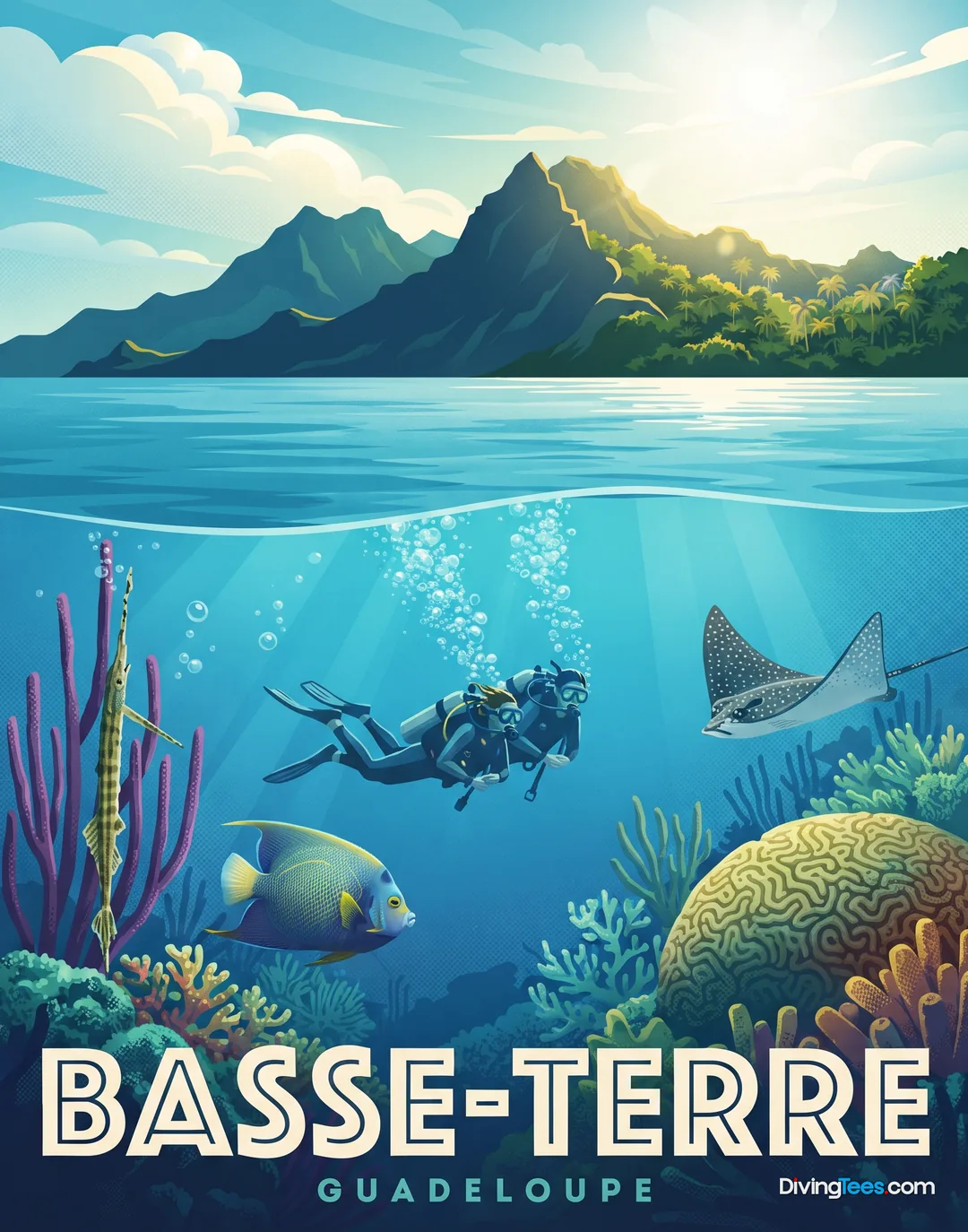
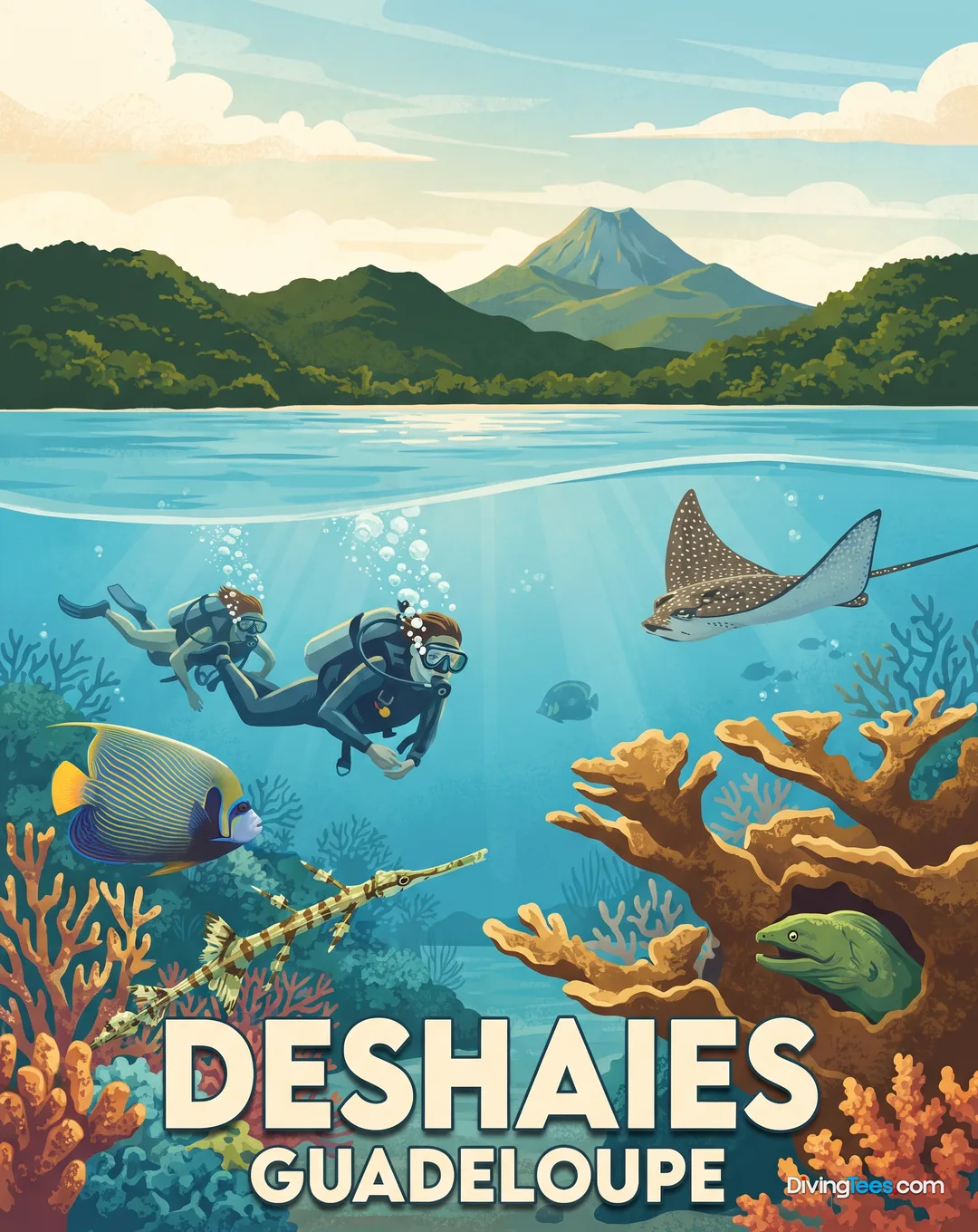
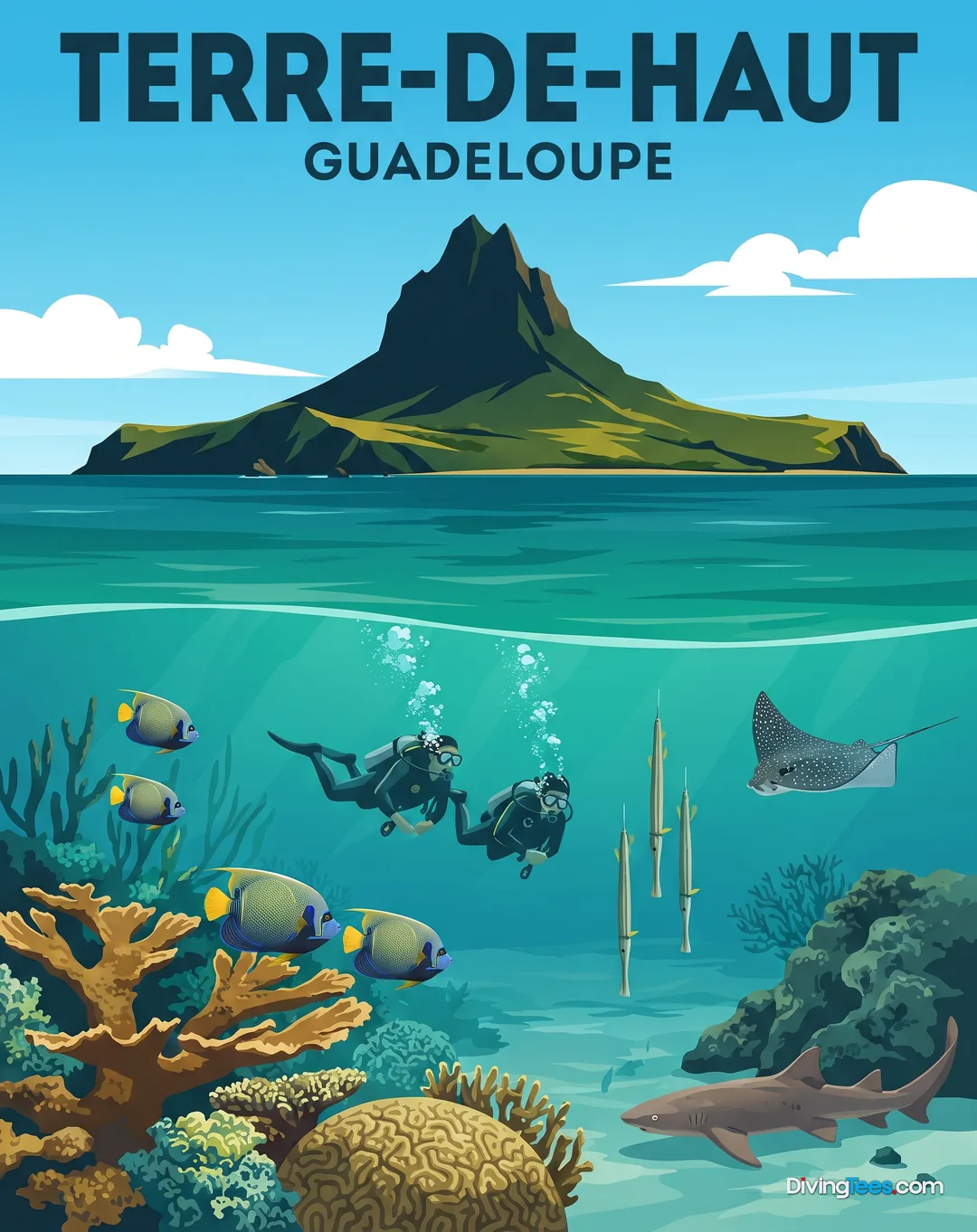
The practical division is between the main Basse-Terre coastline, the Deshaies sector, and the island setting of Terre-de-Haut. Basse-Terre is the most mixed proposition: it works throughout the year and does not reduce the choice to one style of departure. Deshaies is the narrower seasonal option, with its diving window running from May to September and a lighter current profile. That makes it appealing to divers who prefer a more straightforward boat routine during the months when it is operating. Terre-de-Haut is also available year-round, but its variable current and boat-based character come with a different constraint: the harbour and inter-island ferry schedule become part of the dive plan. In plain terms, choose Basse-Terre for flexibility, Deshaies for its May-to-September window and lighter current, or Terre-de-Haut when the island setting is worth building the day around.
Diving destinations
Dive centres


Hotels
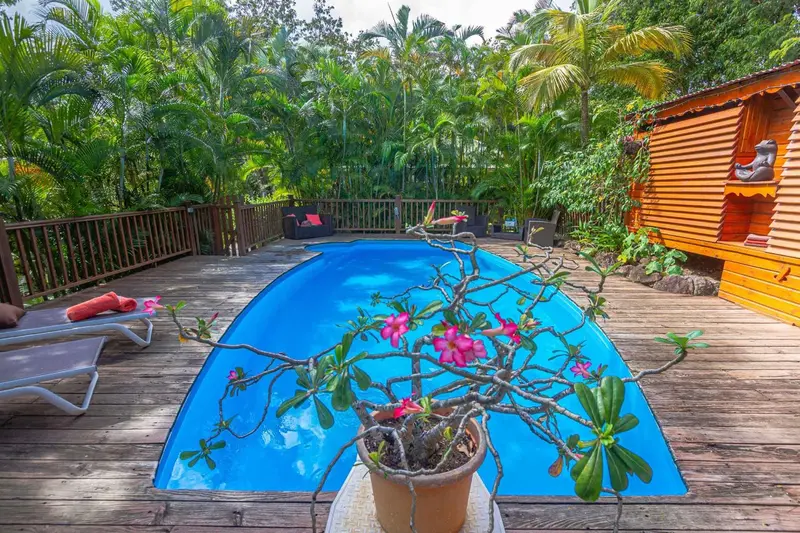
Au Jardin Des Colibris Ecolodge&Spa
Deshaies
★★★
Google 4.8/5 (669 reviews)
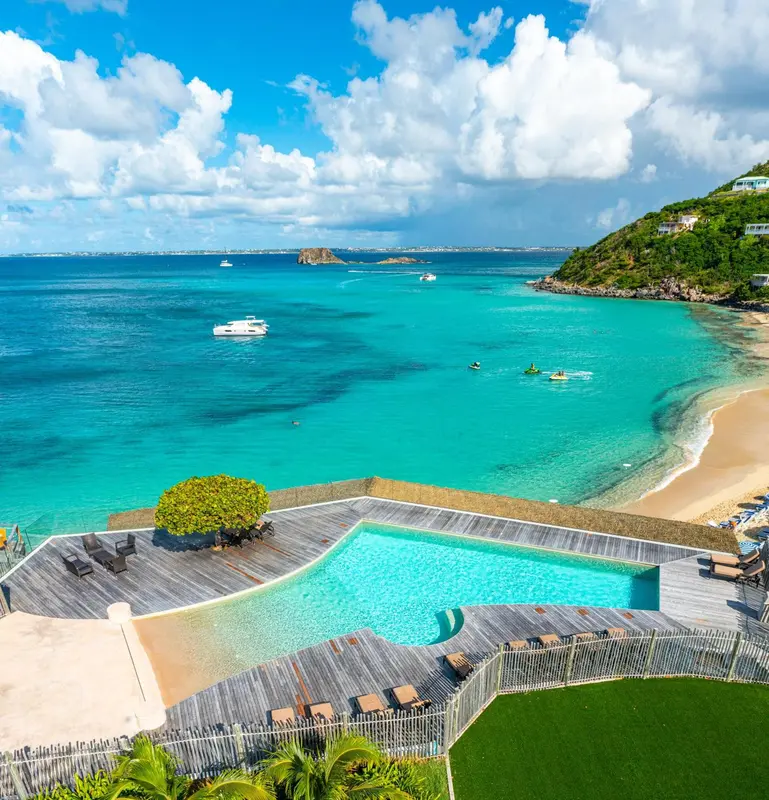
Grand Case Beach Club
Saint-Martin, French side
★★★★
Google 4.7/5 (798 reviews)
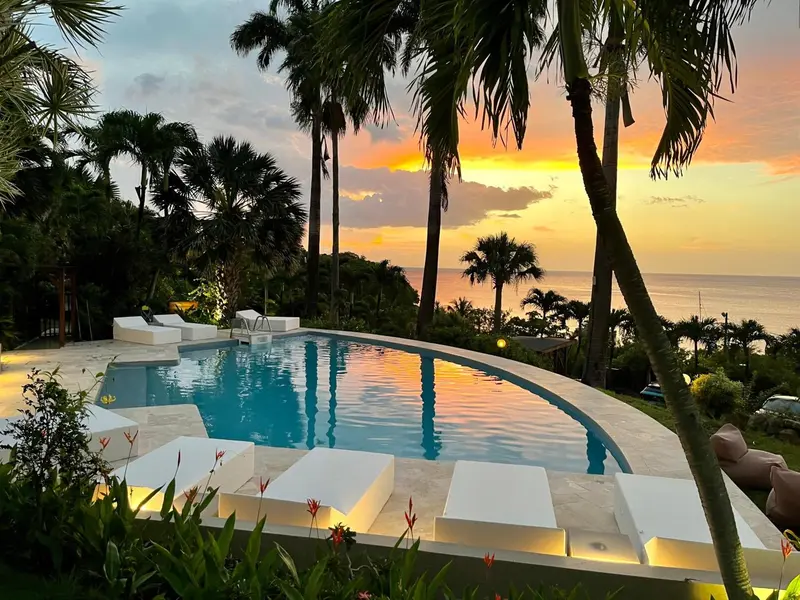
Residence AU 'TI SUCRIER
Pointe-Noire, Deshaies
★★★
Google 4.7/5 (219 reviews)
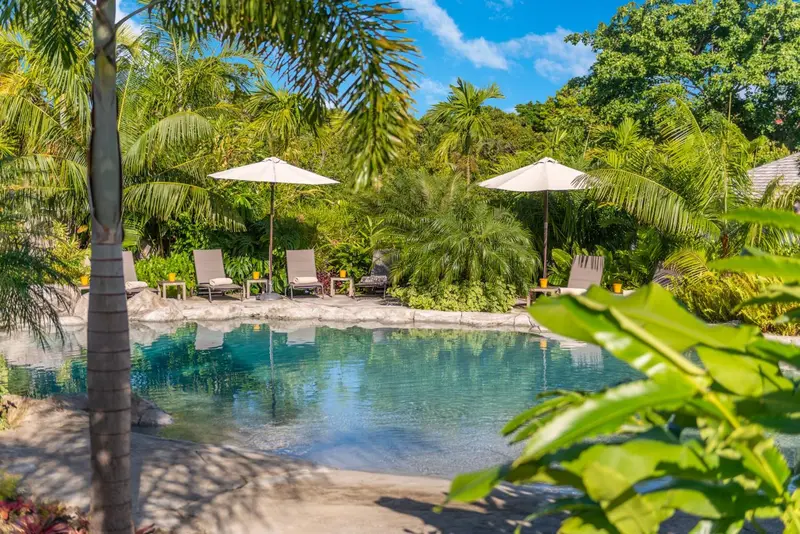
Habitation Saint Charles - Hôtel de Charme & Spa
Basse-Terre
★★★★
Google 4.5/5 (517 reviews)
When to go, and where by month
From January through April, the year-round choices are Basse-Terre and Terre-de-Haut. The same pairing applies from October through December, including November and December when Deshaies is outside its stated season. From May to September, all three areas are in season: Deshaies joins Basse-Terre and Terre-de-Haut for the country’s broadest choice of bases. This is not a case of one coast closing as another opens. The calendar shows one narrower seasonal window set against two areas available throughout the year. That matters when arranging an expensive, once-a-year trip: outside May to September, a Deshaies plan cannot simply be swapped into the same seasonal slot, whereas Basse-Terre or Terre-de-Haut remain options. Terre-de-Haut still requires ferry coordination, so “in season” does not remove the need to protect the day’s boat connections.
Marine life, coast by coast
Guadeloupe does not offer a named, country-wide marine-animal pattern that can sensibly dictate an itinerary. The wildlife detail that does stand out is terrestrial or coastal: the Guadeloupe woodpecker and the little tern can be observed around the islands, while the mangrove offers a different setting from the open water. For divers, the more useful country-level point is that wreck life is described in terms of sponges and other inhabitants rather than a guaranteed species list. The Franjack Histoire and Augustin Fresnel therefore belong in a wreck-and-colonisation story, especially around Basse-Terre, not in a promise of particular encounters. Petite Terre is a protected natural site, but no specific marine species pattern is attached to it here.
Getting between the areas
The three areas can be combined geographically, but not casually. Basse-Terre and Deshaies are only 31 kilometres apart, so they are the most natural pairing on a road itinerary. Terre-de-Haut is 39 kilometres from Basse-Terre and 53 kilometres from Deshaies, yet the important distance is maritime: the ferry timetable governs the day more than the map does. A missed connection can shift a full day of diving, particularly when an outward and return crossing are both involved. Keep a proper margin rather than arriving at the harbour at the last minute. For several consecutive diving days, grouping departures on the same island avoids unnecessary transfers and port waits. In practical terms, the mainland sectors combine more easily; adding Terre-de-Haut is possible, but the ferry can turn a neat-looking island chain into a day lost to connections.
Take off your mask
Guadeloupe’s landscape is especially concentrated around Basse-Terre, where tropical forest, rivers, waterfalls, trails and the Soufrière at 1,467 metres give the island a strong inland identity. The hiking choice ranges from waterfall paths to the early ascent of the volcano, with canyoning offering a more active alternative. Around Deshaies, the botanical garden provides a deliberately cultivated counterpoint, with a thousand exotic species. Food and drink are represented in the coffee-growing country: at caféière Chaulet in Vieux-Habitants, coffee or chocolate can be tasted, while caféière Beauséjour near Pointe-Noire is valued for its view over the Caribbean Sea. The Grand Cul-de-Sac marin can be explored by sea kayak through protected marine and terrestrial areas, with mangrove channels and the search for a fiddler crab. Terre-de-Haut brings a different visual register, with a cross above the village and small houses picked out in pastel shutters.
What holds true everywhere here
Across Guadeloupe, the volcanic or rocky bottom makes buoyancy and trim practical priorities, particularly if you carry a camera. Ask the local centre which sectors have that substrate, then keep equipment and hands off the bottom; a careful frog kick and tidy configuration are more useful than a setup built solely around current. If you are making repeated dives, Nitrox may make the week more comfortable, but only where the centre provides it. The same logic applies to transfers: group departures on one island when possible, because port waits and ferry connections can consume useful time. Terre-de-Haut needs the greatest timetable margin. These are not abstract good intentions in Guadeloupe; they determine whether a camera stays safe, a wreck is enjoyed without contact, and a boat day remains intact.
Frequently asked questions about Guadeloupe
When should you choose Guadeloupe for a diving trip?
Guadeloupe offers diving around Basse-Terre throughout the year. Deshaies is presented as a seasonal choice from May through September. Terre-de-Haut involves an inter-island ferry constraint, so its harbour setting requires more attention to transport when you match your island choice to the calendar.
What can you see while diving in Guadeloupe?
Guadeloupe’s diving includes the Franjack Histoire and Augustin Fresnel wrecks, especially around Basse-Terre. Wreck life is described through sponges and other inhabitants rather than a guaranteed species list. Around the islands, the mangrove provides a different setting, while the little tern and Guadeloupe woodpecker are coastal or terrestrial wildlife.
How should you choose where to stay for diving in Guadeloupe?
Choose your Guadeloupe base according to the diving area and transport. Basse-Terre suits access to its volcanic coast and wreck story, while Terre-de-Haut has a ferry-linked harbour and an inter-island ferry constraint. Deshaies is a seasonal option, and the Soufrière rises above Basse-Terre as a landward landmark.
What else can you include in a Guadeloupe diving stay?
A Guadeloupe stay can combine diving with island scenery and local places. On Basse-Terre, the Soufrière rises above the island, while caféière Chaulet offers coffee and chocolate. In Terre-de-Haut, you can see pastel houses above the village and use the ferry-linked harbour as part of your plans.