ANMP
Club De Plongee Des Saintes Pisquettes
Google 4.8/5 (196 reviews)
Guadeloupe · Caribbean
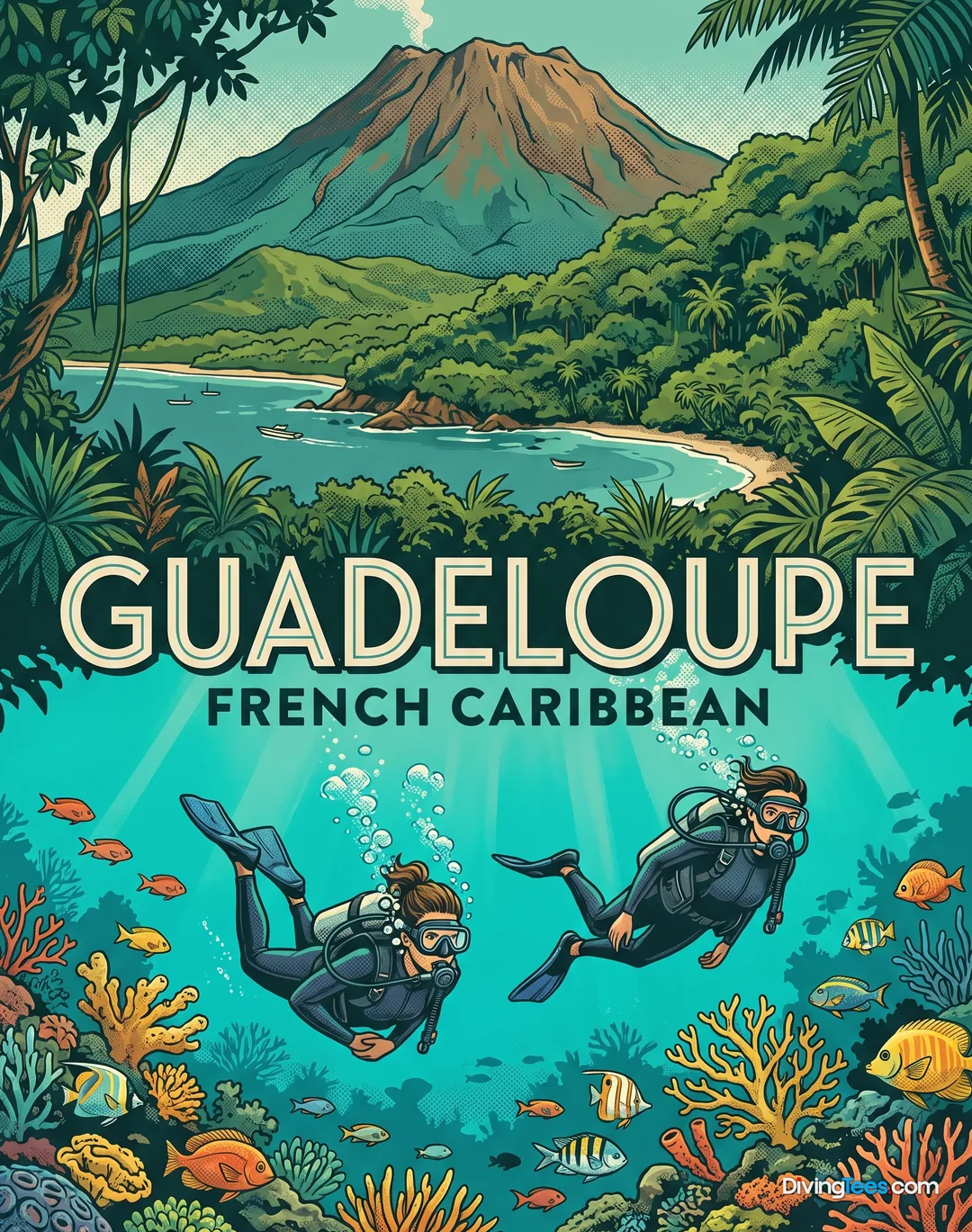
Coral tables at Les Augustins, arches and faults at La Vierge, and an 18-metre ceiling shape short boat dives around Terre-de-Haut.
For subtitles in English: start the video firstthen click the gearat the top right of the video, select “Subtitles/CC”, then “Auto-translate” and choose “English”.
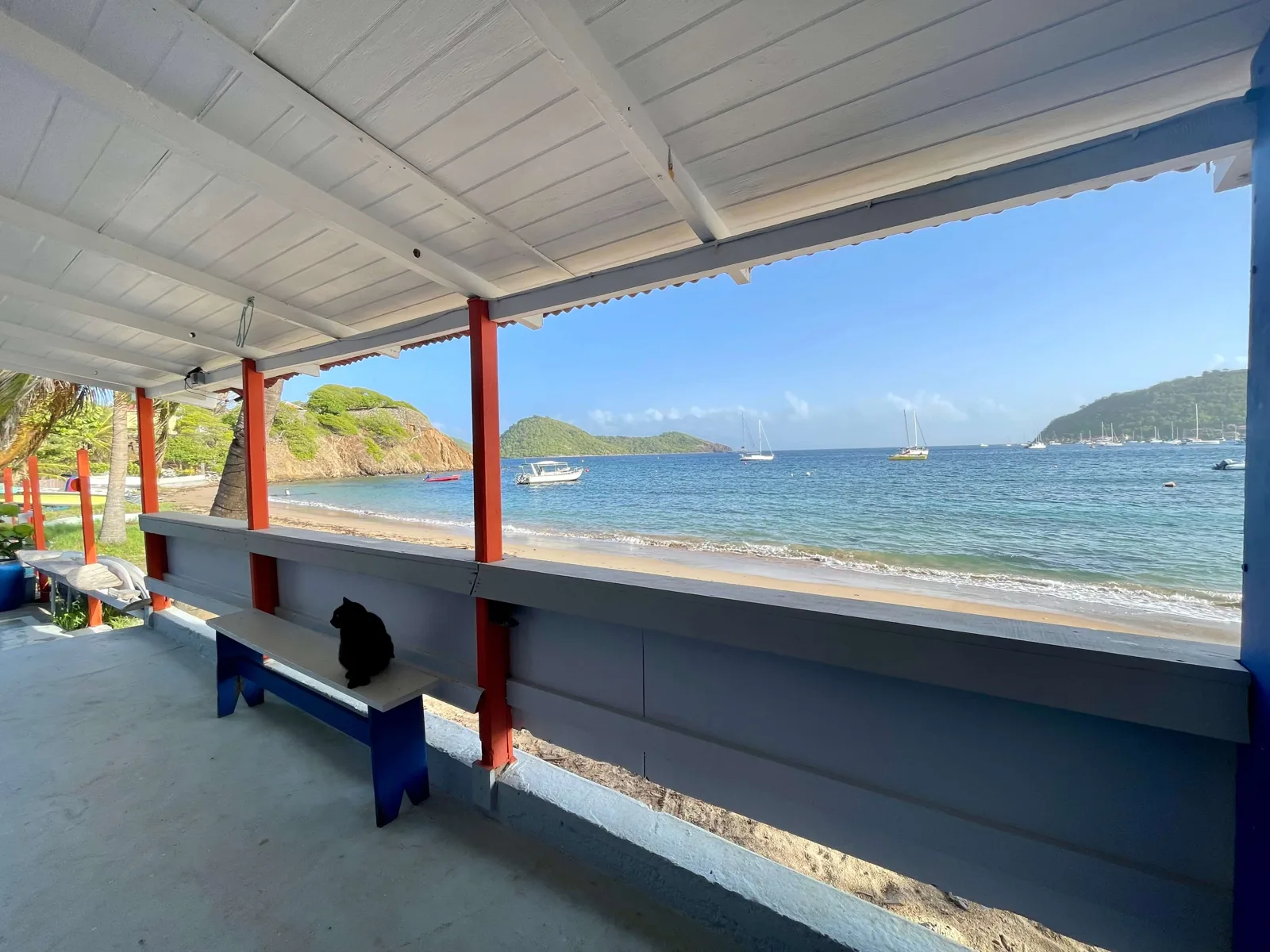
At Les Augustins, three coral tables give the dive a clear physical focus; at La Vierge, arches, canyons and faults make the route more exploratory. Terre-de-Haut is a small island base for straightforward boat diving around the Saintes, with departures close to the village rather than long offshore runs. It suits divers who want several uncomplicated days in the water, while a compact island setting gives non-diving companions beaches, walks and an easygoing village to explore.
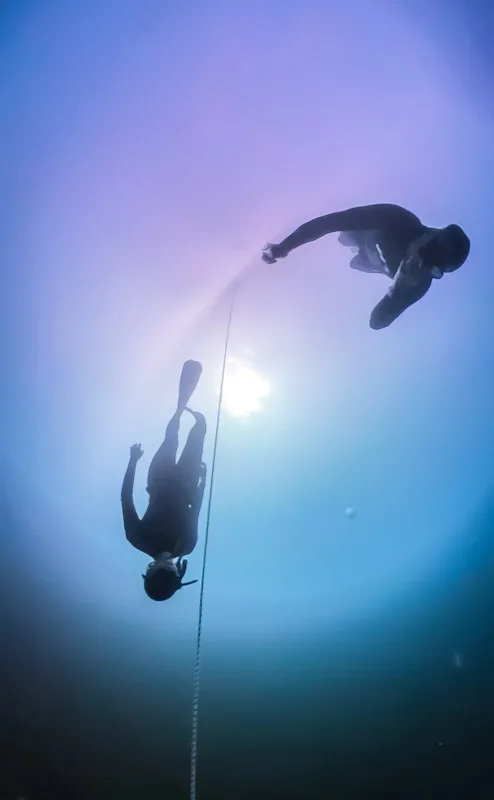
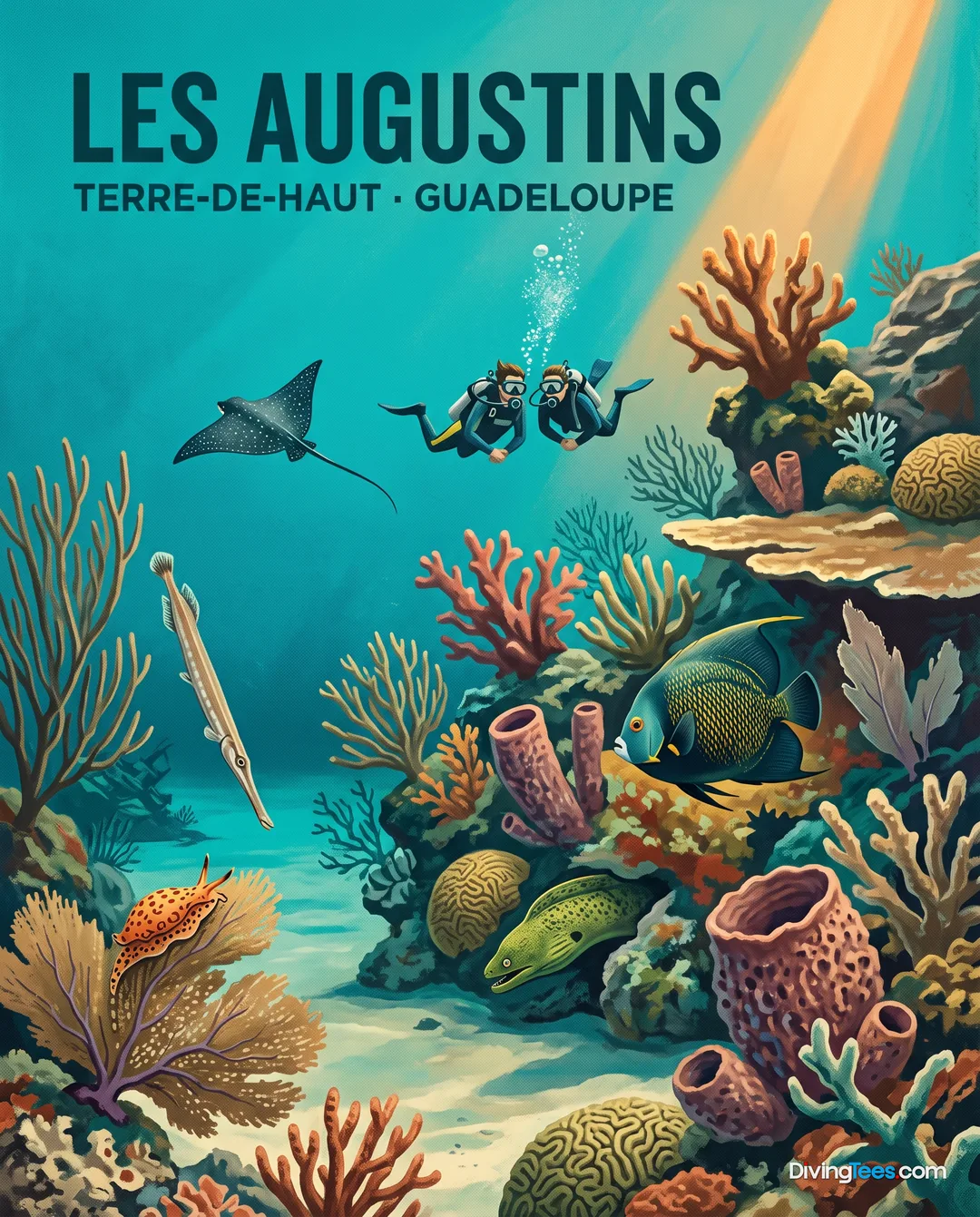
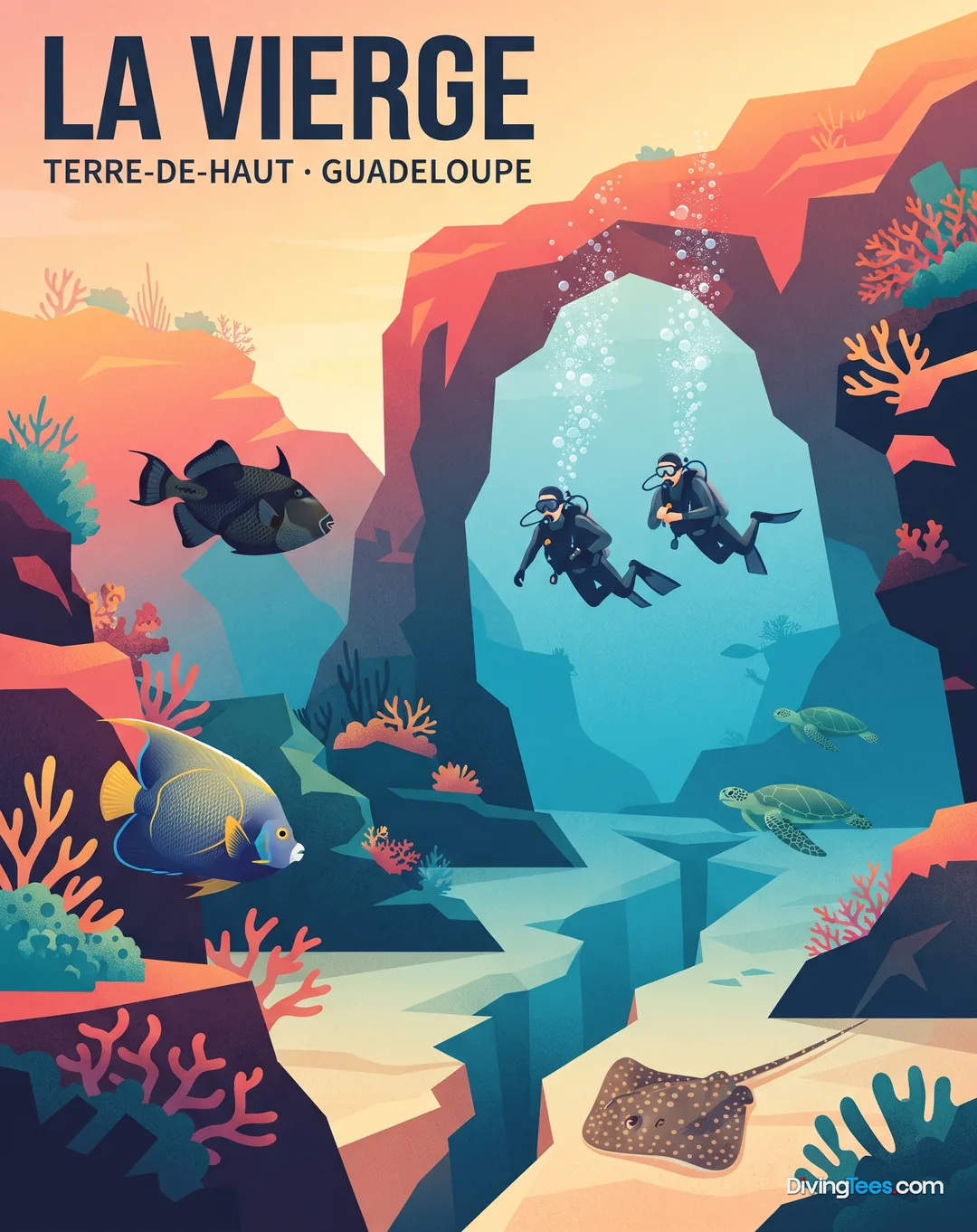
The diving here is principally from a boat, with short outings towards nearby islets and walls in the Saintes. La Vierge provides the most distinctive terrain in the material: the route passes among arches, canyons and faults, with the liveliest sections in the first 12 metres before the site reaches 18 metres. Les Augustins is shallower, descending to 14 metres around three coral tables that can be explored without a demanding profile. Conditions and current are variable, so the same site may feel very different from one day to the next. This is not a place built around long navigations or technical depth; it is better understood as a series of manageable boat dives, with enough structure in the rock and reef to keep experienced divers interested.
The most clearly defined seasonal encounter is the humpback whale, which may be seen in the wider region from March to May. Underwater, the appeal is concentrated around the coral structures themselves: Les Augustins places three tables in front of the diver, while La Vierge combines reef life with arches, cracks and faults. The first 12 metres at La Vierge are described as the most vibrant part of the site, making a shallow, observant pace worthwhile rather than treating the dive as a simple descent to maximum depth. These are sites for looking closely at the reef and its formations, with whale sightings a fortunate addition rather than the basis of the trip.
Rainfall is lowest from December to June, making that the more settled part of the year to consider for a stay. March to May adds the possibility of humpback whale encounters in the region, so this period combines the drier season with a seasonal wildlife opportunity. August and September fall within the cyclonic season and deserve more caution when planning boat days. Weekends, holidays and arrivals from Guadeloupe can also make the small port and village feel busier, while an early-week stay should generally feel less concentrated around the island’s main activity points.
This coast is exposed to sargassum strandings, whose intensity varies greatly from year to year. To find out more, see the “Sargassum alert” panel on this page.
Terre-de-Haut is suitable for all levels, provided the day’s current and site profile are matched to experience. Les Augustins is accessible from Open Water Diver or N1 level and reaches 14 metres. La Vierge is also suitable for N1 divers, although its 18-metre maximum and variable current reward sound buoyancy and sensible supervision. PADI and SSI Open Water divers, BSAC divers with comparable certification, and more experienced divers can all find useful profiles here. Advanced Open Water is helpful rather than essential.
For travellers leaving from London Heathrow, London Gatwick or Manchester, the journey is organised in two stages: first reach Guadeloupe by international flight, then continue by ferry to Terre-de-Haut. Ferries operate from Trois-Rivières or Pointe-à-Pitre, depending on the service running, and the sea crossing is the part that dictates the day. Allow proper margin between the arrival ferry and a booked dive departure, and equally between the final dive day and the return crossing. Once on the island, the village and many accommodation options are close enough for walking. A scooter, taxi or small local vehicle becomes useful when lodging or boat departures are farther from the centre.
Treat the ferry timetable as part of the dive plan, not as a separate travel detail. A missed connection can remove a whole diving day, so leave breathing space on both the outward and return legs. If several dive days are planned, staying in or near the village makes the morning departure simpler and also gives a non-diver genuinely usable days on foot. A light vehicle can help when accommodation is spread away from the centre, but it is not automatically needed for everyone. Early-week diving should reduce the sense of congestion around the port. Do not arrive expecting a large-destination rhythm or long site-hopping days: the useful pattern here is short boat trips, repeated from the island base. Keep the final day before the flight free of demanding plans and use it for beaches, viewpoints or the village, rather than tying it to a ferry connection.
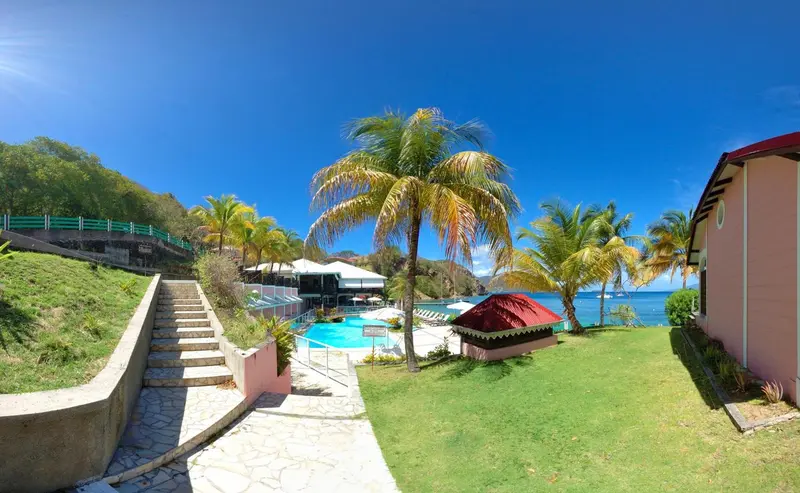
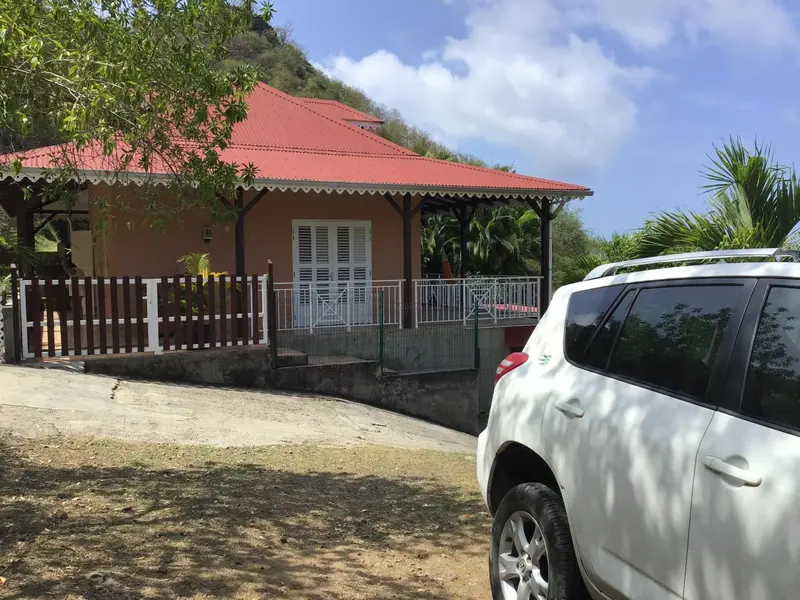
Four to six days works well for a land-based stay, allowing several short boat outings without turning every day into a transport exercise. Accommodation in or near the village keeps diving, meals and walks close together, while beaches, coastal paths, viewpoints and the waterfront give companions plenty to do. A non-diving day before the flight is sensible, with low-effort activities and no dependence on a final ferry connection.
Hello, I'm Marina, DivingDeal.com's AI assistant. I guide you through destinations, areas and countries.
Thinking about the whole trip and the flights? Talk it over with Edith →
Marina is an AI. Some links are affiliate links: DivingDeal may earn a commission, at no extra cost to you. Bookings are made with the partner.
Consider Terre-de-Haut from December to June, when rainfall is lowest and conditions may feel more settled. From March to May, humpback whales may be seen in the wider region. August and September fall within the cyclonic season, so boat-day planning needs more caution. Weekends and holidays can make the small port busier.
Terre-de-Haut suits divers of all levels when the site profile and current match your experience. Les Augustins is accessible to Open Water Diver or N1 level and reaches 14 metres. La Vierge is also suitable for N1 divers, with an 18-metre maximum. Sound buoyancy and sensible supervision are useful when currents vary.
At Les Augustins, you explore three coral tables, while La Vierge features arches, canyons and faults. Marine life is especially lively in La Vierge’s first 12 metres, rewarding a slow, observant pace. The area may also offer humpback whale encounters from March to May, although whales are a fortunate addition rather than the trip’s foundation.
Reach Terre-de-Haut by flying to Guadeloupe and continuing by ferry from Trois-Rivières or Pointe-à-Pitre. Build breathing space around both crossings and booked boat departures. Staying in or near the village keeps diving, meals and walks close. Plan several short boat outings, and leave the final day for easy activities rather than ferry-dependent plans.