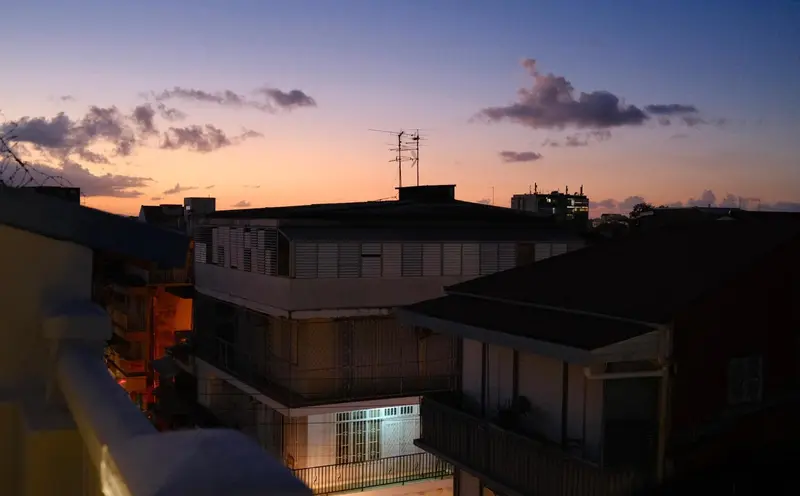
Maison Victoire, boutique hôtel - Pointe-à-Pitre
Google 4.6/5 (141 reviews)
Guadeloupe · Caribbean
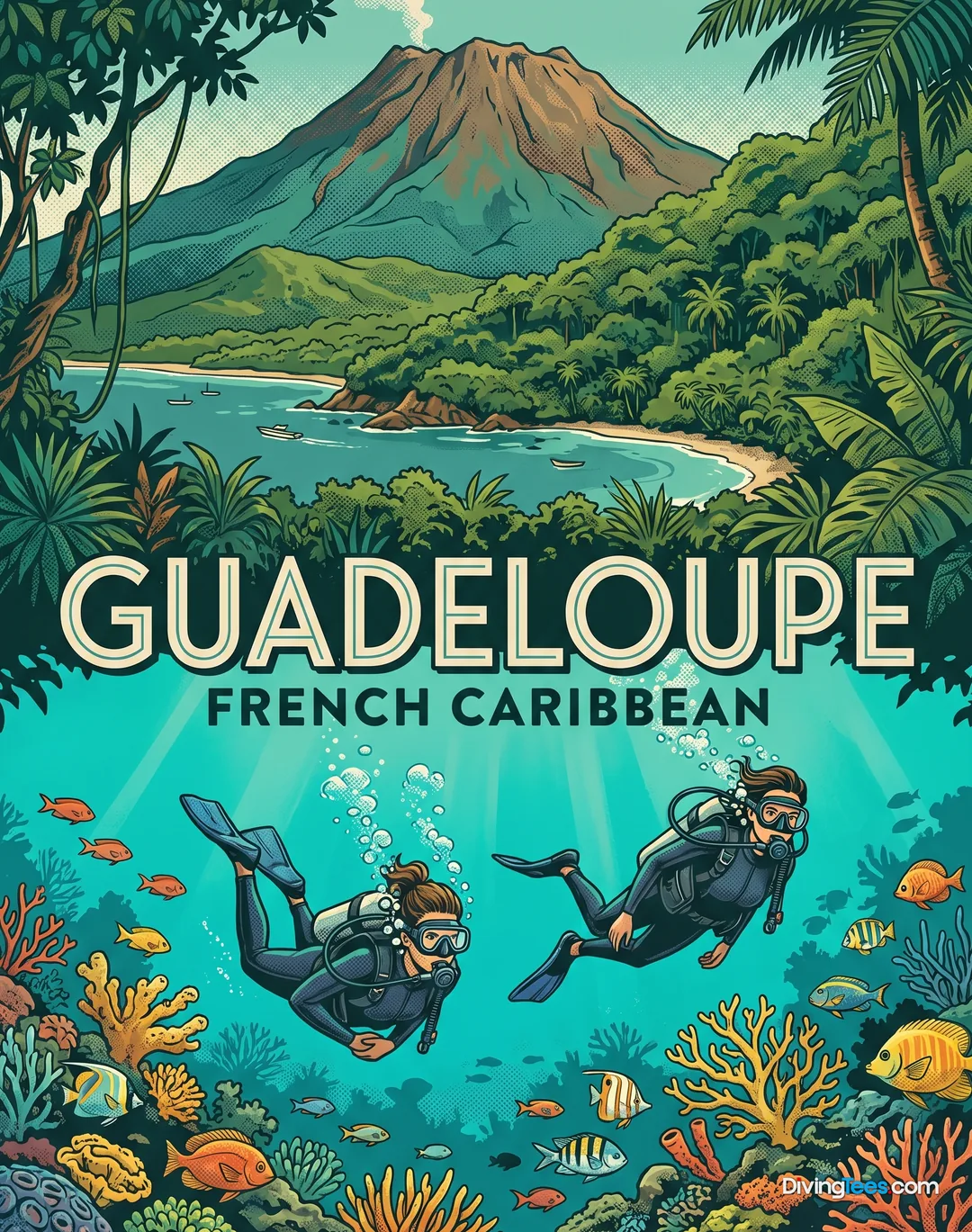
Coral reefs, Pigeon Islets, wrecks and dives down to 60 metres sit beyond Pointe-à-Pitre, the urban gateway to Guadeloupe’s west-coast diving.
Coral reefs and wrecks lie off Bouillante and Malendure, not directly outside Pointe-à-Pitre. The city is Guadeloupe’s air and ferry gateway, while the proper diving base is on Basse-Terre’s west coast, with boat trips heading out to the Pigeon Islets and the Cousteau Reserve. It suits divers who want several days underwater alongside Creole markets, beaches, rainforest and inter-island outings, rather than a week confined to a single harbour.
The diving is mainly by boat from the west coast, with the Pigeon Islets providing the focus. Expect reef terrain ranging from a few metres to about 60 metres, with coral formations, deeper walls and wrecks forming the main visual interest. Conditions are not uniform: current is variable, and the sea state can alter which outing is sensible on the day. Visibility is generally most promising in spring, but swell, coastal run-off and wet weather can reduce it. Beginners can stay on the shallower reefs, while deeper routes and wrecks demand more experience. A normal outing is a short coastal transfer followed by a guided reef or wreck dive, with the boat returning to Bouillante or Malendure between dives. This is not primarily a shore-diving destination, so daily planning revolves around the boat timetable and the weather.
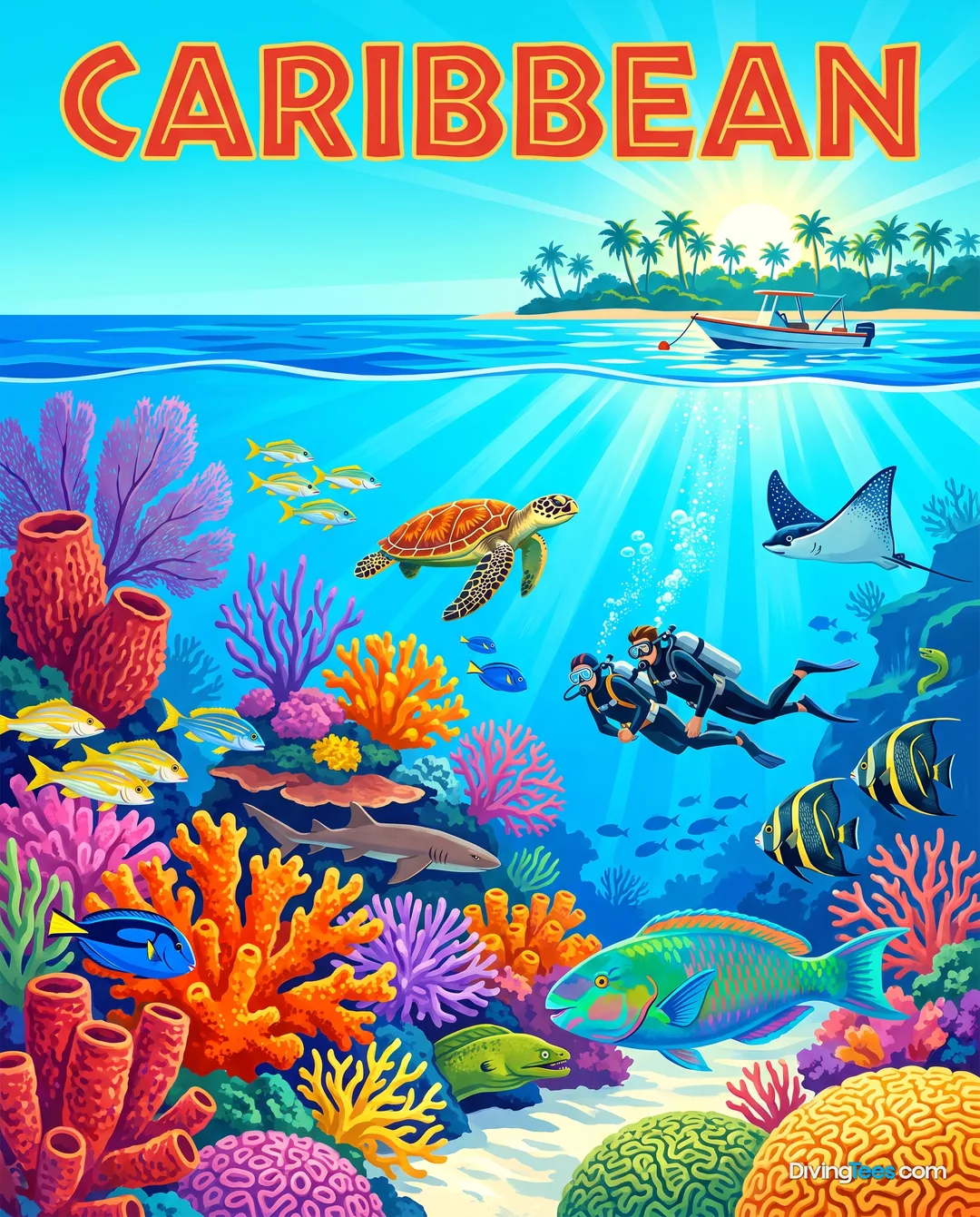
Around the Cousteau Reserve, the main encounter is the reef itself: coral structures, changing relief and the smaller reef fauna that uses them for shelter. The Pigeon Islets give the underwater landscape a clear sense of place, while the wrecks add darker, more enclosed features to the usual reef scenery. The area is suitable for observing rather than handling, particularly where repeated visits and cyclone damage have already put pressure on the coral. There is no particular wildlife calendar around which to build the trip. Instead, plan for the best underwater impressions when the sea is calmer and run-off is limited, because that is when reef detail and marine life are easiest to see.
March, April and May are the most attractive months for diving around Pointe-à-Pitre’s western base. Spring usually brings calmer seas and better visibility, making boat trips to the Pigeon Islets more comfortable and giving divers a clearer view of the reef and wrecks. No month needs to be ruled out automatically, but swell, wind and rainy spells can change conditions at short notice. The practical answer is to leave spare days in the programme rather than relying on a tightly packed sequence of boat dives. Early departures and travel outside school-holiday periods can also reduce pressure around the busiest Pigeon Islets sites.
This area works for all levels, from introductory dives on suitable shallow reef to demanding deeper routes and wrecks. Divers certified through BSAC, PADI or SSI should match the day’s plan to their logged experience and comfort in variable current. An Advanced-level qualification is useful for deeper diving and some wreck outings. Beginners should expect a boat-based format and should not assume that every reef or wreck is interchangeable. The range is broad, but the centre’s site choice and the weather remain important to the experience.
From London Heathrow, London Gatwick or Manchester, the journey ends at Pointe-à-Pitre’s international airport. Allow time for the flight connections and for the onward transfer, because the airport is a gateway rather than the most convenient base for Cousteau Reserve diving. Bouillante and Malendure, on Basse-Terre’s west coast, are reached by road, after which the reserve is accessed by boat from the coast. A hire car is generally the most useful arrangement for linking the airport, accommodation and different diving areas. Taxis can cover the main transfer, but relying on them for several days of coastal diving gives less flexibility. Ferries from Pointe-à-Pitre are for inter-island travel, not a requirement for reaching the reserve.
Do not book a Pointe-à-Pitre stay on the assumption that the Cousteau Reserve is just around the corner. If diving is the priority, place the accommodation near Bouillante or Malendure, and use the city for arrival, departure or a separate cultural stay. Keep a car available, since the west-coast diving areas are spread along the road and there is no common shuttle serving every operator. Reserve boat outings ahead during school holidays, then ask for early departures if you want less traffic around the Pigeon Islets. Leave several days for diving rather than filling every morning, as swell and rain can change the boat programme. Do not anchor on coral or ignore the park’s mooring rules. Keep a no-dive day before flying, and do not follow a deep or wreck dive with an aerial excursion or similarly demanding travel plan.
Allow seven to ten days for a sensible combination of diving and land time. Spend the main diving stretch near Bouillante or Malendure, then use Pointe-à-Pitre for markets, museums and the ferry terminal. Non-divers have beaches, kayaking, snorkelling, rainforest and waterfalls in the Guadeloupe National Park, while Les Saintes and Marie-Galante provide straightforward inter-island diversions. Keeping one day free before the flight also gives the itinerary room to absorb weather changes.
Hello, I'm Marina, DivingDeal.com's AI assistant. I guide you through destinations, areas and countries.
Thinking about the whole trip and the flights? Talk it over with Edith →
Marina is an AI. Some links are affiliate links: DivingDeal may earn a commission, at no extra cost to you. Bookings are made with the partner.
Choose Pointe-à-Pitre for western-coast diving in March, April or May, when seas around Basse-Terre are usually calmer and visibility is generally more promising. Swell, wind, rain and coastal run-off can still change conditions, so leave spare days for boat trips instead of arranging a tightly packed diving schedule.
Pointe-à-Pitre suits all levels, with introductory dives available on suitable shallow reefs. Deeper routes and wreck outings require more experience, and an Advanced-level qualification is useful for them. If you are certified through BSAC, PADI or SSI, match each boat trip to your logged experience and comfort with variable current.
Around Pointe-à-Pitre’s western diving base, you can explore the coral reefs of the Pigeon Islets and the Cousteau Reserve, with coral structures, changing relief and smaller reef fauna. Deeper walls and wrecks add different scenery, including darker, more enclosed areas, while the underwater landscape ranges from shallow sites to about 60 metres.
Use Pointe-à-Pitre mainly as your arrival, departure or cultural stop, and stay near Bouillante or Malendure for diving. Keep a hire car for the west-coast areas, reserve boat outings ahead during school holidays, and leave several days flexible for weather. Plan seven to ten days for diving and land activities, with a no-dive day before flying.