
Ouanalao Dive
Google 5/5 (63 reviews)
Guadeloupe · Caribbean
Reef walls, wrecks, ecological moorings and sheltered bays give Saint-Barthélemy a distinctly boat-based diving holiday in the French West Indies.
For subtitles in English: start the video firstthen click the gearat the top right of the video, select “Subtitles/CC”, then “Auto-translate” and choose “English”.
Reef walls and wrecks are the underwater starting point around Saint-Barthélemy, where most dives leave by boat from Gustavia or one of the island’s bays. The setting is the Réserve naturelle nationale de Saint-Barthélemy, with ecological moorings and rules designed to keep anchors away from the seabed. This is not a destination built around shore diving or a week spent entirely underwater. It suits a stay that mixes boat dives with beaches, snorkelling, walking and time in Gustavia.
The diving is organised around reefs, drop-offs and wrecks scattered around the island, so the boat journey is part of every normal outing. Currents are variable rather than a permanent feature, and the choice of site depends on wind, swell and which regulated moorings can be used. Winter fronts and rougher conditions can stir the sandy seabed, reducing visibility even when the surface looks inviting. Expect straightforward outings for beginners as well as more demanding water for experienced divers, with the reserve’s ecological moorings replacing anchoring. This is not a shore-diving destination with an easy alternative when the sea turns awkward. A sensible plan leaves room for a weather day, while calm mornings can make the boat schedule and site conditions more manageable.
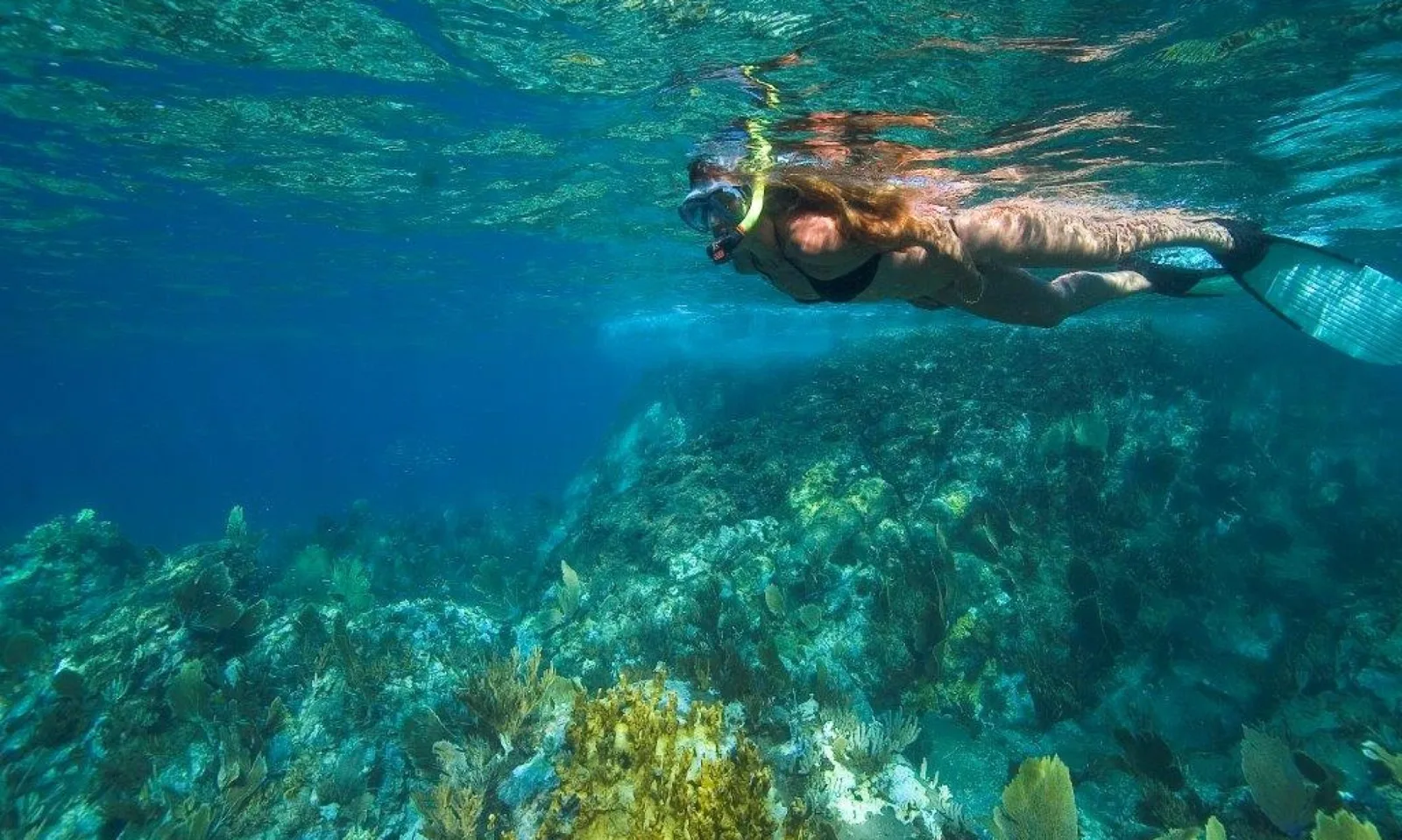
Underwater, the appeal is the combination of living reef, steep reef edges and wreck structure, with animals encountered around the protected seabed rather than presented as a guaranteed wildlife show. The reserve’s restrictions on feeding or deliberately attracting animals help keep encounters natural. Reef life can be explored on ordinary daytime dives, while some local centres also offer night diving for a different look at the same terrain. Conditions matter: swell can disturb sand and flatten visibility, changing how much detail you see on a reef or wreck. Snorkellers can also find underwater life in the more sheltered bays, particularly around Marigot and Petite Anse, when boat diving is not practical.
December to June is the period most visitors favour, because the dry season generally offers the most appealing conditions for time on the water. It is not a guarantee of flat seas: trade winds and passing cold fronts can still make winter swell stir the sandy seabed and reduce visibility. Diving remains possible throughout the year, but the island’s boat-based format makes sea conditions more important than on a shore-diving holiday. The drier months also bring the greatest demand, especially around holidays, so quieter boats and easier scheduling are more likely outside the busiest periods.
This coast is exposed to sargassum strandings, whose intensity varies greatly from year to year. To find out more, see the “Sargassum” panel on this page.
Saint-Barthélemy works for newly qualified divers as well as experienced divers, with local centres offering beginner outings, further training and dives suited to stronger experience. A BSAC, PADI or SSI qualification should be considered alongside your recent experience in boat diving, variable currents and changing sea conditions. You do not need an advanced qualification simply to dive here, but you do need to accept that the skipper and dive team may change the site when wind, swell or mooring availability makes the original plan unsuitable.
From London Heathrow, Gatwick or Manchester, the usual journey involves flying via Guadeloupe, Saint Martin or Puerto Rico, then taking a regional flight to Gustaf III Airport. A maritime connection from Saint Martin is the main alternative. Allow a full day from western Europe, and sometimes longer, because the long-haul booking and final regional or sea connection are normally arranged separately. A Saint Martin connection may involve changing between an airport and a port, so it needs checking before you commit to timings. On the island, centres around Gustavia and the bays are reached on foot, by local taxi or with a hire car, depending on where you stay.
Treat every dive as a boat dive when planning the week. Book outings early in the stay, not at the end, so wind or swell can leave room for a rearranged day. Keep one day genuinely free: if the regulated moorings cannot be used, there may be no convenient shore-based substitute. Ask before departure which moorings are operating, since anchoring is not the fallback inside the reserve. Leave gloves at home, as they are prohibited in the reserve, and do not bring fishing gear onto the dive boat. Feeding or attracting animals is also prohibited. A small personal kit, especially mask, snorkel and fins and your computer, avoids relying on identical rental arrangements everywhere. For a poor boat day, Marigot or Petite Anse offer a practical snorkelling alternative. Early departures can also help when several boats are heading for the same areas.
Plan on a land-based week, with several boat-diving mornings separated by weather days and time for the island itself. Staying near Gustavia simplifies access to the centres, although a bay location can work with a hire car or taxi. Non-divers have plenty to do, from Marigot and Petite Anse snorkelling to beaches, coastal walking towards Colombier, navigation and exploring Gustavia. Keep the final day for land activities rather than a last-minute scuba dive before flying.
Hello, I'm Marina, DivingDeal.com's AI assistant. I guide you through destinations, areas and countries.
Thinking about the whole trip and the flights? Talk it over with Edith →
Marina is an AI. Some links are affiliate links: DivingDeal may earn a commission, at no extra cost to you. Bookings are made with the partner.
December through June is the period most visitors favour, as the dry season generally offers appealing conditions for time on the water. Trade winds and passing cold fronts can still bring swell and reduce visibility, so plan around changing sea conditions. Outside the busiest periods, scheduling may be quieter.
Saint-Barthélemy suits newly qualified divers and experienced divers, with beginner outings, further training and dives for stronger experience. Consider your recent boat-diving experience, comfort with variable currents and ability to adapt to changing sea conditions. You do not need an advanced qualification, but the team may change sites when conditions require it.
Saint-Barthélemy combines living reef, steep reef edges and wreck structure, with marine life encountered around protected seabed. Daytime dives explore the reef and wreck terrain, while night diving offers a different view. When boat diving is impractical, Marigot and Petite Anse provide sheltered snorkelling with underwater life.
Plan a land-based stay with boat-diving mornings, weather flexibility and time for the island. Book dives early, keep a day free, and ask which ecological moorings are operating. Stay near Gustavia for easier centre access, or use a taxi or hire car from a bay. Leave the final day for land activities.