Caribbean
Martinique: volcanic history and locally based diving
From Saint-Pierre’s eruption heritage to the beaches of Anses-d’Arlet, Martinique joins volcanic history, Creole culture and locally organised diving trips.
What makes this country unique
- Saint-Pierre’s 1902 eruption memory and historic wrecks
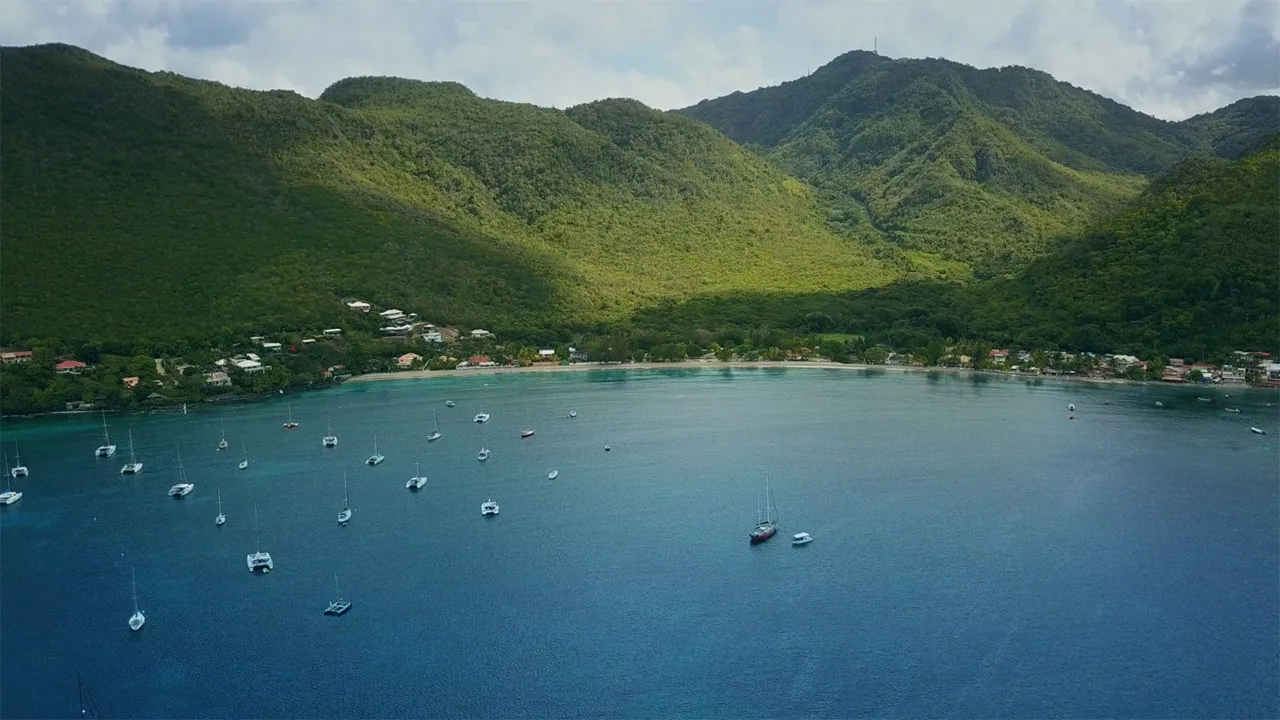
- Anses-d’Arlet’s village coastline and Caribbean-facing departures
- August to October around Les Trois Ilets
- Turtles, morays and barracudas beneath the surface
- Accras de morue beside a Martinique beach
- Fort-de-France museums and Schœlcher Library
- Savane des Esclaves at Les Trois Ilets
For subtitles in English: start the video firstthen click the gearat the top right of the video, select “Subtitles/CC”, then “Auto-translate” and choose “English”.
This country for a diver
Martinique suits divers who prefer a French Caribbean island with diving organised by coastal sector rather than by liveaboard. Its volcanic geography, Creole culture and colonial history give the trip a stronger sense of place than a uniform beach resort. The practical pattern is consistent across the island: moderate prices, light current, diving suitable for all levels, mixed reef health and no meaningful cruise option. Anses-d’Arlet and Les Trois Ilets serve the south-western coast, while Saint-Pierre brings a distinctly northern, port-and-wreck character.
How the country divides
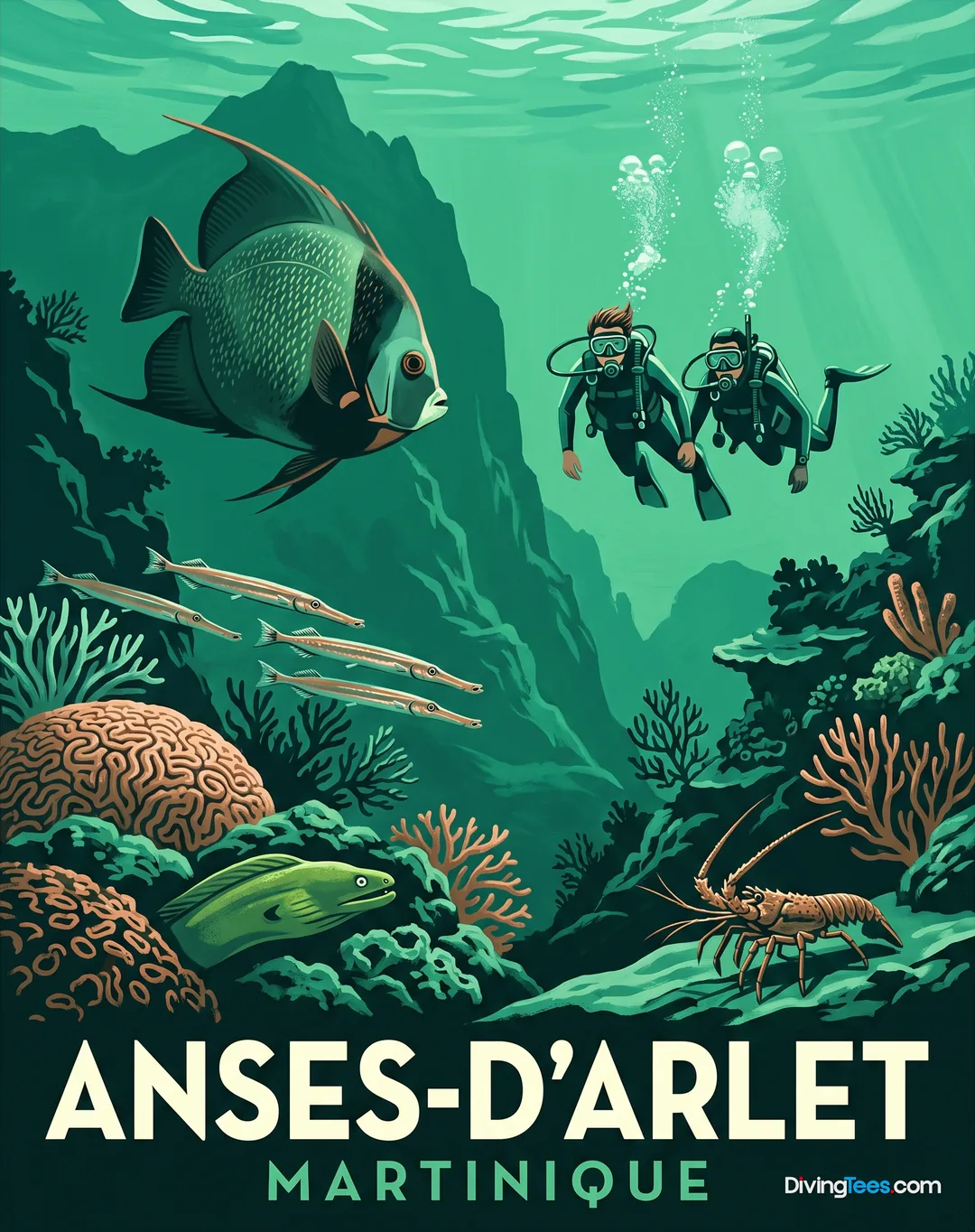
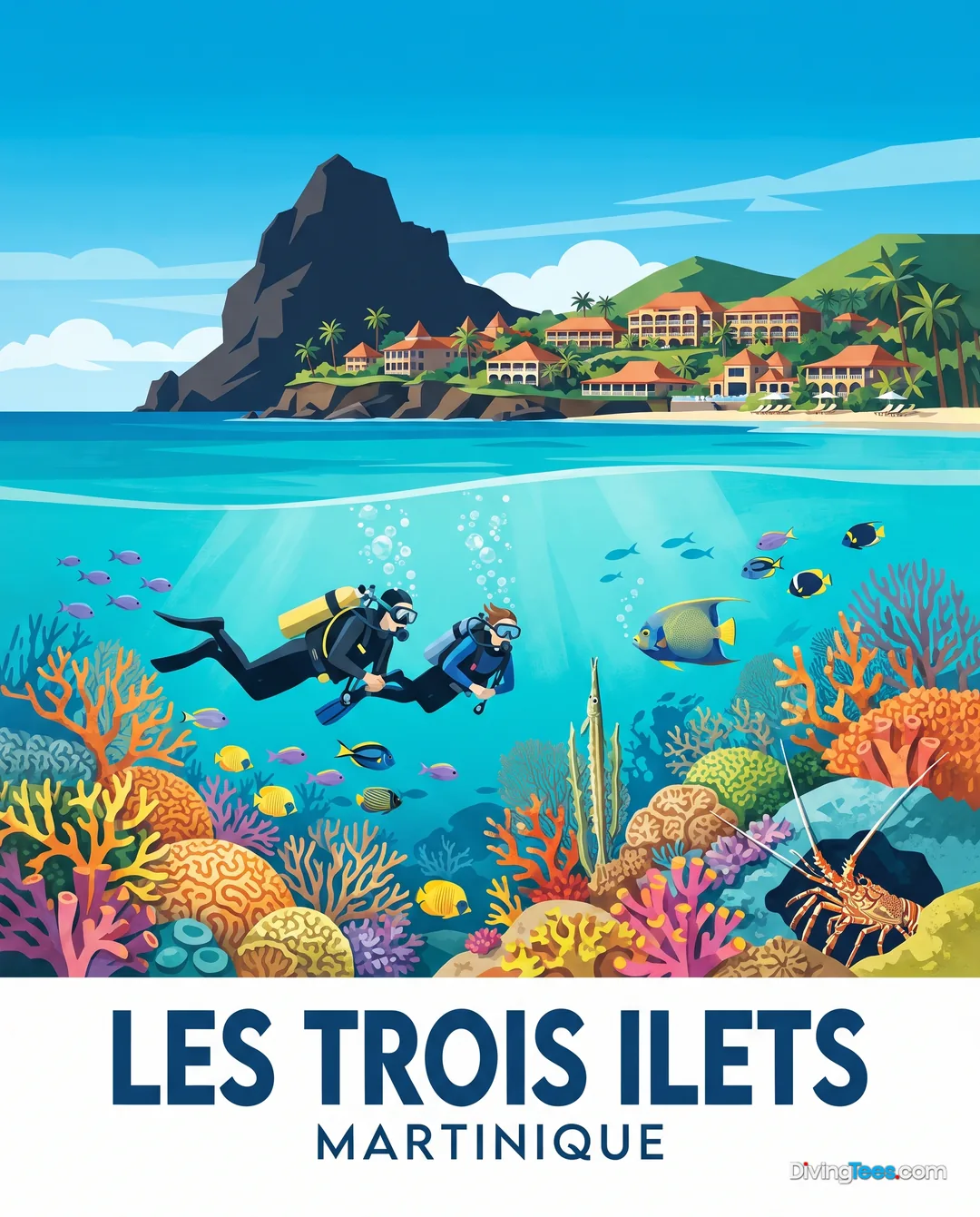
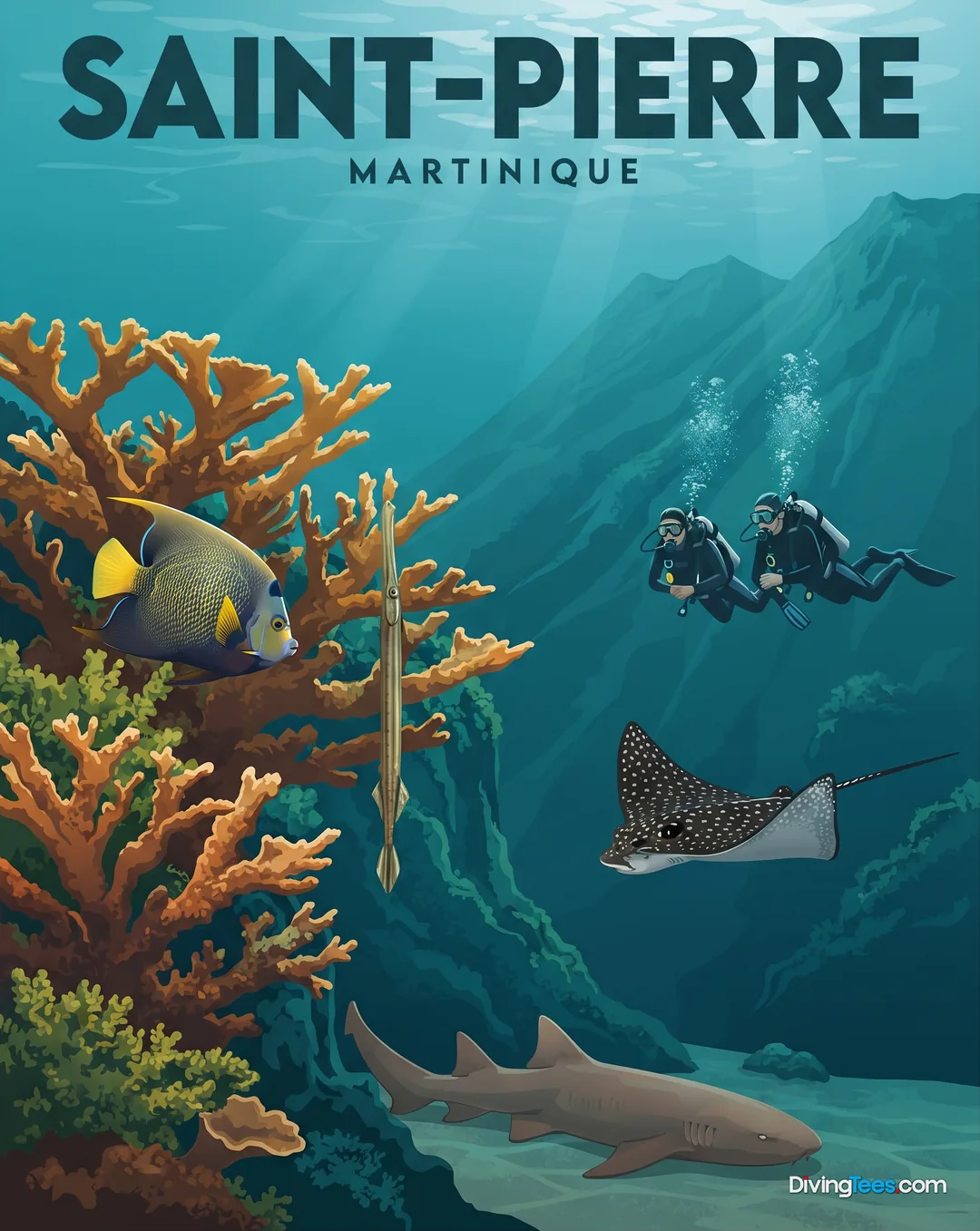
Martinique breaks naturally into a south-western coastal grouping and the Saint-Pierre sector. Anses-d’Arlet is the choice for a village-based stay, with beach life, small-scale accommodation and local departures; its diving identity is mixed rather than centred on one format. Les Trois Ilets is the more strategic southern gateway to Fort-de-France Bay, combining coastal diving with forts, heritage sites and maritime links across the bay. Anse Dufour belongs to this sector here, as does the L’épave du Nahoon, an anchor for divers who want a named wreck within a locally organised programme. Saint-Pierre stands apart on the north Caribbean coast. It is the right base for visitors drawn to the memory of Mount Pelée, the old capital and historical wreck diving, including Épave du Tamaya. These are not interchangeable bases: choose the south-west for a settled coastal rhythm, or Saint-Pierre for history and a more specialised northern atmosphere.
Diving destinations
Dive centres


Hotels
When to go, and where by month
Saint-Pierre is the dependable calendar choice throughout the year. From January through July, it is the area shown in season, and it remains so in November and December. The seasonal window broadens in late summer: Les Trois Ilets joins Saint-Pierre in August, September and October. This is not an opposite-season pattern in which one coast shuts as another opens. Instead, Saint-Pierre provides the year-round anchor, while Les Trois Ilets adds a second south-western option during the August-to-October period. Anses-d’Arlet is best approached through a locally arranged coastal stay rather than a fixed national calendar. For a trip built around the greatest choice of sectors, August, September and October are therefore the clearest months. Outside that window, a Saint-Pierre itinerary remains the straightforward planning logic, with the island’s regional character changing more than the overall destination does.
Marine life, coast by coast
Across Martinique, the marine characters most likely to shape a diver’s memory are turtles, morays and barracudas. Turtles have a particularly strong association with the coastal waters around Anses-d’Arlet, where the shoreline and village setting make marine encounters part of the wider coastal experience. Morays and barracudas belong to the broader underwater vocabulary of the island rather than to a single named coast. The difference matters when planning an itinerary: the south-west invites a close connection between beach, village and wildlife, whereas Saint-Pierre adds the atmosphere of a historic harbour and volcanic landscape. At Anse Dufour in Les Trois Ilets, the site name itself is tied to a coastal sector where turtles are a recognised part of the appeal. The island’s wildlife story is therefore regional in emphasis, even when the headline species are familiar across Caribbean diving.
Getting between the areas
Anses-d’Arlet and Les Trois Ilets are close enough to combine sensibly, with only five kilometres between them. That makes a south-western itinerary practical, especially when several dives are booked with the same local operator and unnecessary road transfers are avoided. Saint-Pierre is a different proposition. It lies twenty-seven kilometres from Les Trois Ilets and thirty kilometres from Anses-d’Arlet, so moving north changes the rhythm of the trip rather than adding a casual excursion. Road travel, traffic and the need to meet a boat can turn a link-up into a lost diving day. A central port does not function here as a grand island-wide base, particularly for Anses-d’Arlet. A hire car is the sensible solution for combining sectors and for reaching heritage sites, while maritime shuttles are useful across Fort-de-France Bay but do not replace the road journey to Saint-Pierre.
Take off your mask
Martinique rewards time ashore with places that explain why its coast feels so varied. In Fort-de-France, the Musée d’Histoire et d’Ethnographie and the Musée d’Archéologie précolombienne et de Préhistoire set the island’s Creole, colonial and Amerindian histories in context. The Bibliothèque Schœlcher and Cathédrale Saint-Louis add distinctive landmarks in the city centre. Around Les Trois Ilets, Savane des Esclaves, La Maison de la Canne and Fort d’Alet bring memory, sugar production and military history together. Saint-Pierre is shaped by the eruption of 1902 and the remains of the former capital, while Église Saint-Henri gives Anses-d’Arlet its recognisable seafront focus. Food is equally rooted in place: order accras de morue, boudin créole, colombo de poulet, poulet boucané or féroce d’avocat at markets, beach paillotes, snacks and Creole restaurants. A ti-punch, planteur or glass of rhum agricole belongs naturally to that setting.
What holds true everywhere here
Martinique is best treated as a coastal, day-by-day diving destination, not a liveaboard itinerary. Keep a spare day in the programme: conditions can affect the north-western coast, and a rigid sequence leaves little room to move between sectors without sacrificing a planned dive. For repetitive profiles, Nitrox has a practical role, particularly when several dives are made over successive days; it is not presented here as a passport to technical depth. The ordinary discipline remains familiar to BSAC, PADI and SSI divers: allow time for a proper safety stop and let the local operator set the day’s plan. The island’s light current makes that approach comfortable, but it does not remove the value of leaving the schedule flexible.
Frequently asked questions about Martinique
When should you go diving in Martinique?
August to October is highlighted around Les Trois Ilets. This period can suit a stay focused on Caribbean-facing departures from the village coastline. You can also shape your trip around the island’s wider coastal experiences, including Anses-d’Arlet, Saint-Pierre’s volcanic history and Fort-de-France’s cultural attractions.
What diving level is Martinique suited to?
Martinique’s destination information focuses on locally organised diving trips, coastal departures and marine encounters rather than specifying a diver qualification or experience level. You should therefore choose your trip with the local operator and the planned sites in mind, while considering whether you want wildlife, historic wrecks or volcanic coastal scenery.
What can you see while diving in Martinique?
In Martinique’s waters, you may encounter turtles, morays and barracudas. Turtles are particularly associated with Anses-d’Arlet and the coastal sector around Anse Dufour in Les Trois Ilets. Saint-Pierre adds historic wrecks and a volcanic harbour atmosphere, while the island’s wildlife story extends beyond one named coast.
How should you plan a diving stay in Martinique?
Plan Martinique as a trip that combines locally organised diving with time on shore. Base part of your itinerary around Anses-d’Arlet’s village coastline or Caribbean-facing departures near Les Trois Ilets, then include Saint-Pierre, Fort-de-France museums, Schœlcher Library or Savane des Esclaves for the island’s history and culture.