
Alpha Plongee Martinique
Google 4.9/5 (1,472 reviews)
Martinique · Caribbean
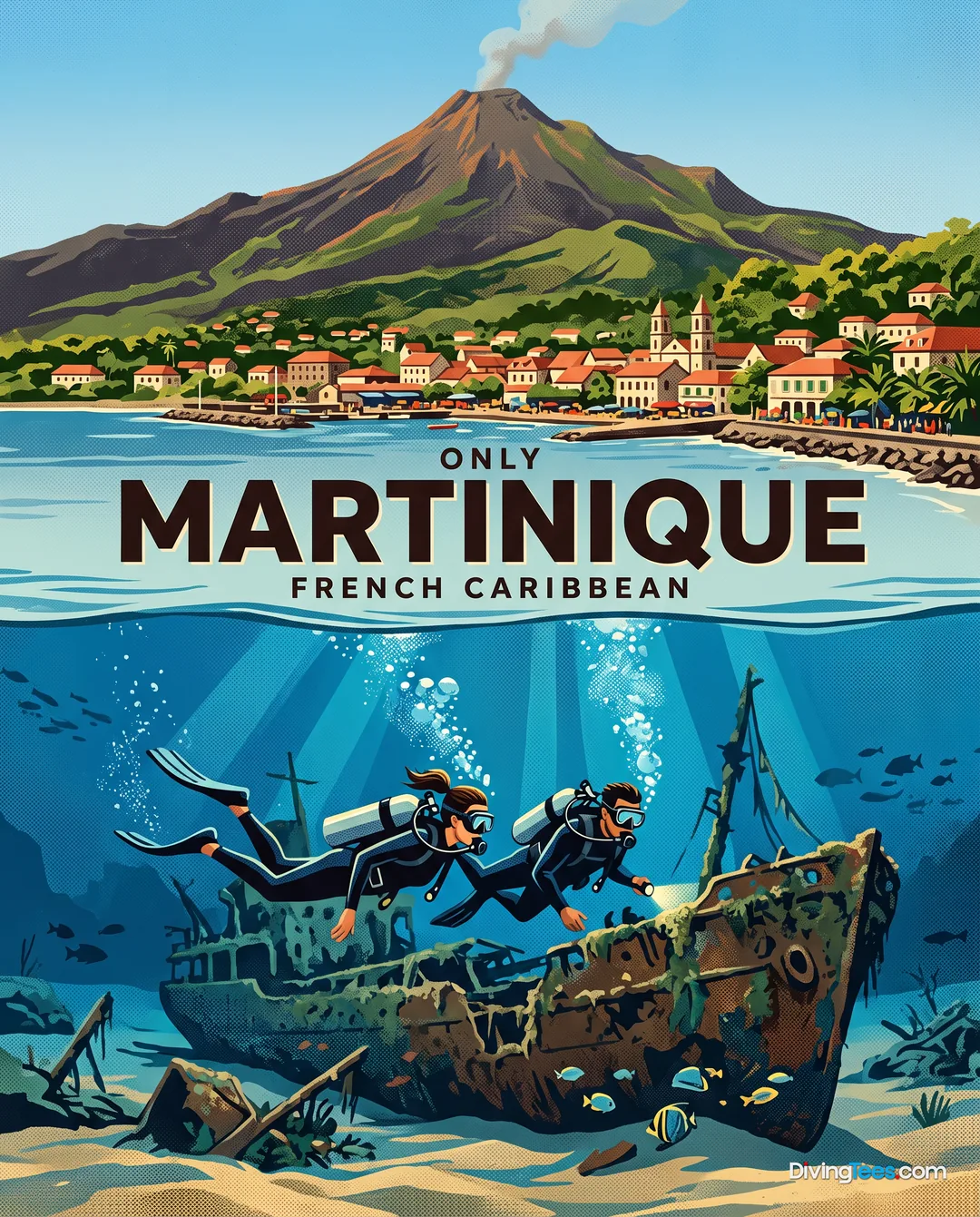
Volcanic walls, coral plateaux, the Nahoon wreck, sea turtles and southern stingrays frame short boat dives from Martinique’s Caribbean coast.
For subtitles in English: start the video firstthen click the gearat the top right of the video, select “Subtitles/CC”, then “Auto-translate” and choose “English”.
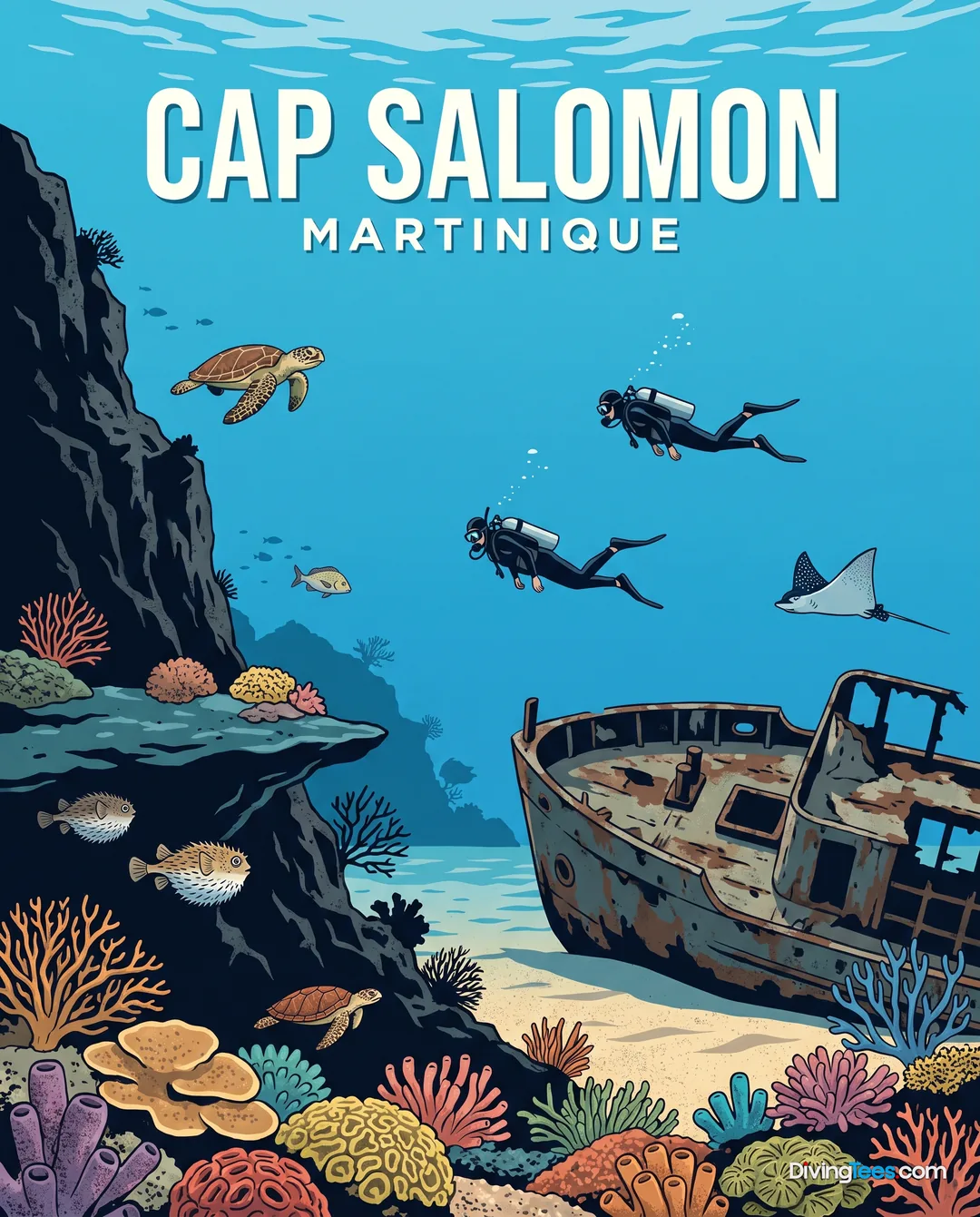
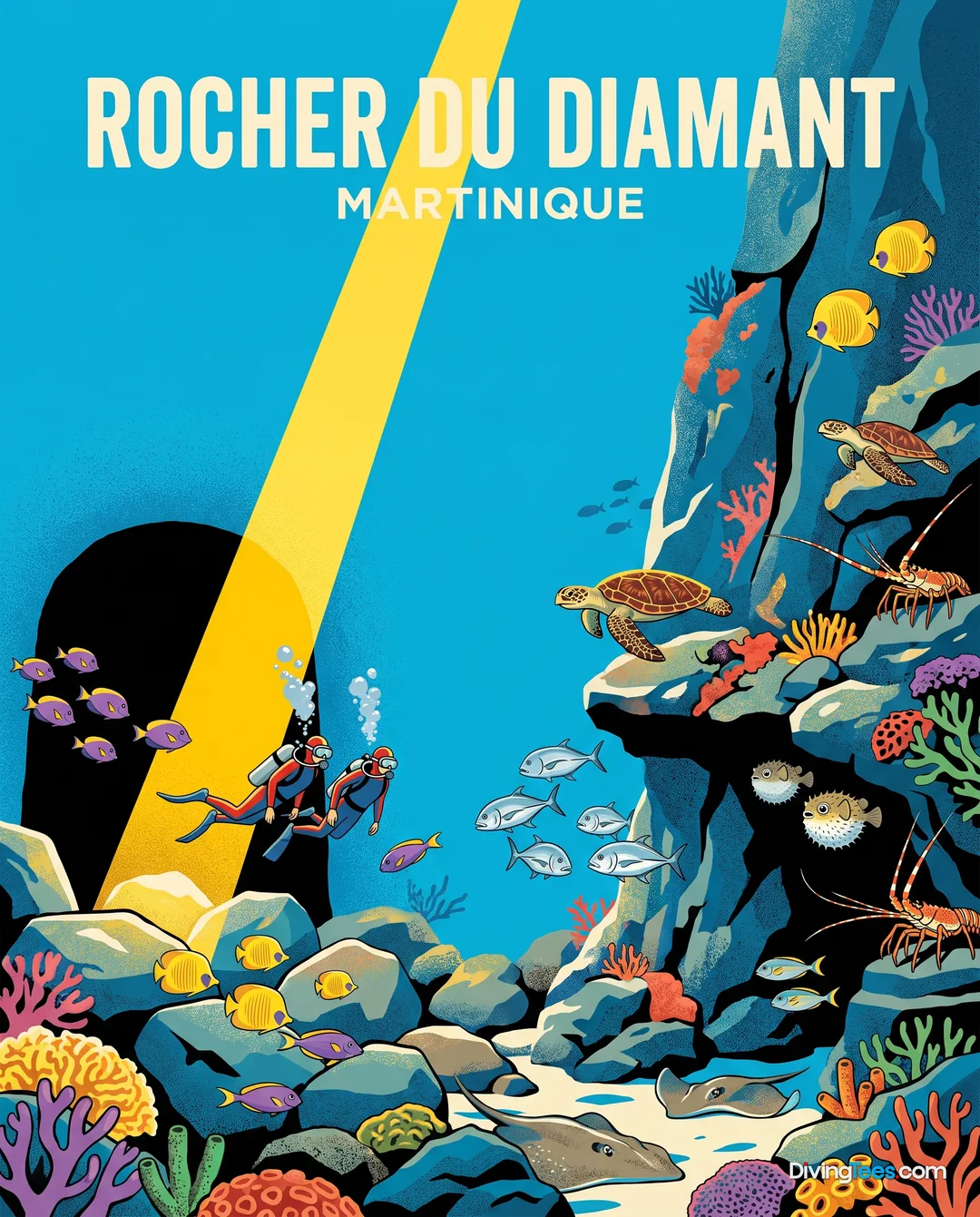
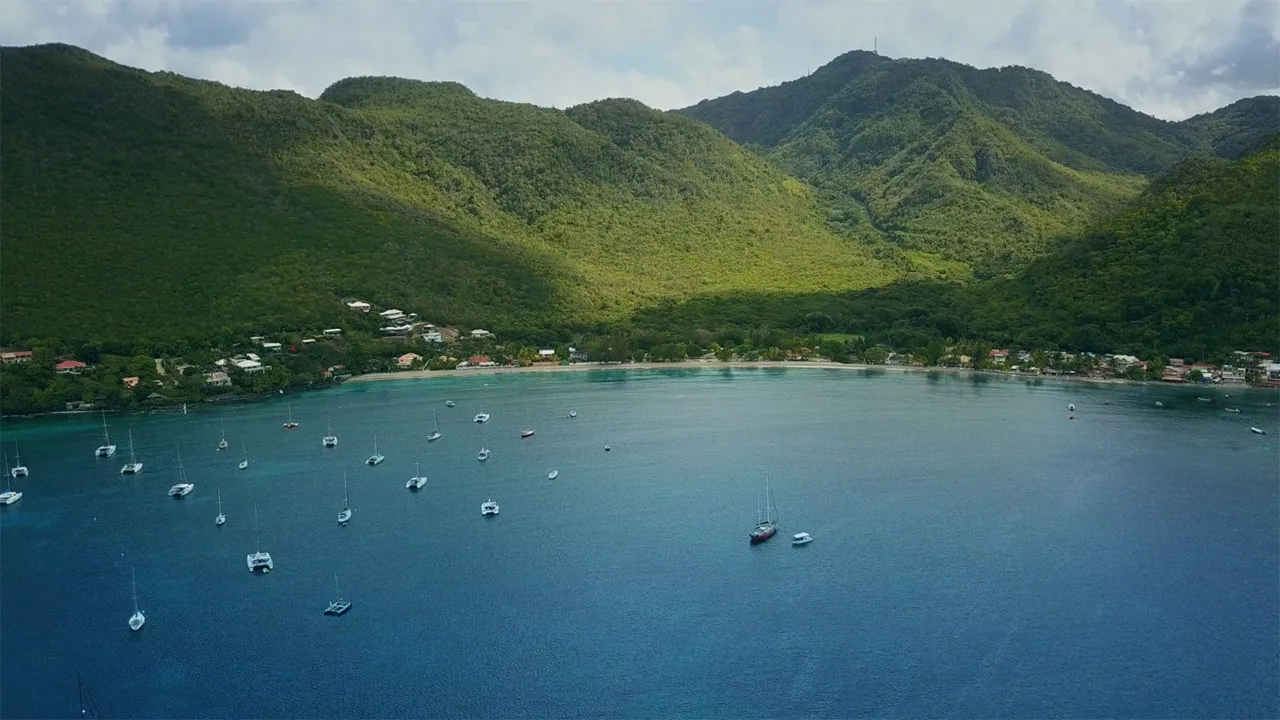
Rocher du Diamant sets the tone: a volcanic island with a traversable fault, arches, grottos and deeper drop-offs. Around Anses-d'Arlet, diving is organised from the shore, with local boats making short runs to reefs, walls and rocky formations. Cap Salomon adds coral plateaux, a deeper wall and the Nahoon wreck. This is a practical base for a mixed diving holiday, especially for travellers who want boat dives in the morning and beaches or coastal villages afterwards.
The diving alternates between coral plateaux, rocky relief and walls rather than following one single pattern. Rocher du Diamant is the more demanding outing, with its fault, arches and grottos leading down to 57 metres; strong currents can occur, so the site rewards divers who are comfortable managing depth and water movement. Cap Salomon reaches 40 metres, with moderate currents that may change during the dive, and combines a coral plateau with a wall and the Nahoon wreck. Visibility is reported at up to 30 to 40 metres around Rocher du Diamant and up to 25 metres at Cap Salomon. Elsewhere, the local character is generally light-current, coastal boat diving, suited to short half-day trips rather than an intensive liveaboard programme.
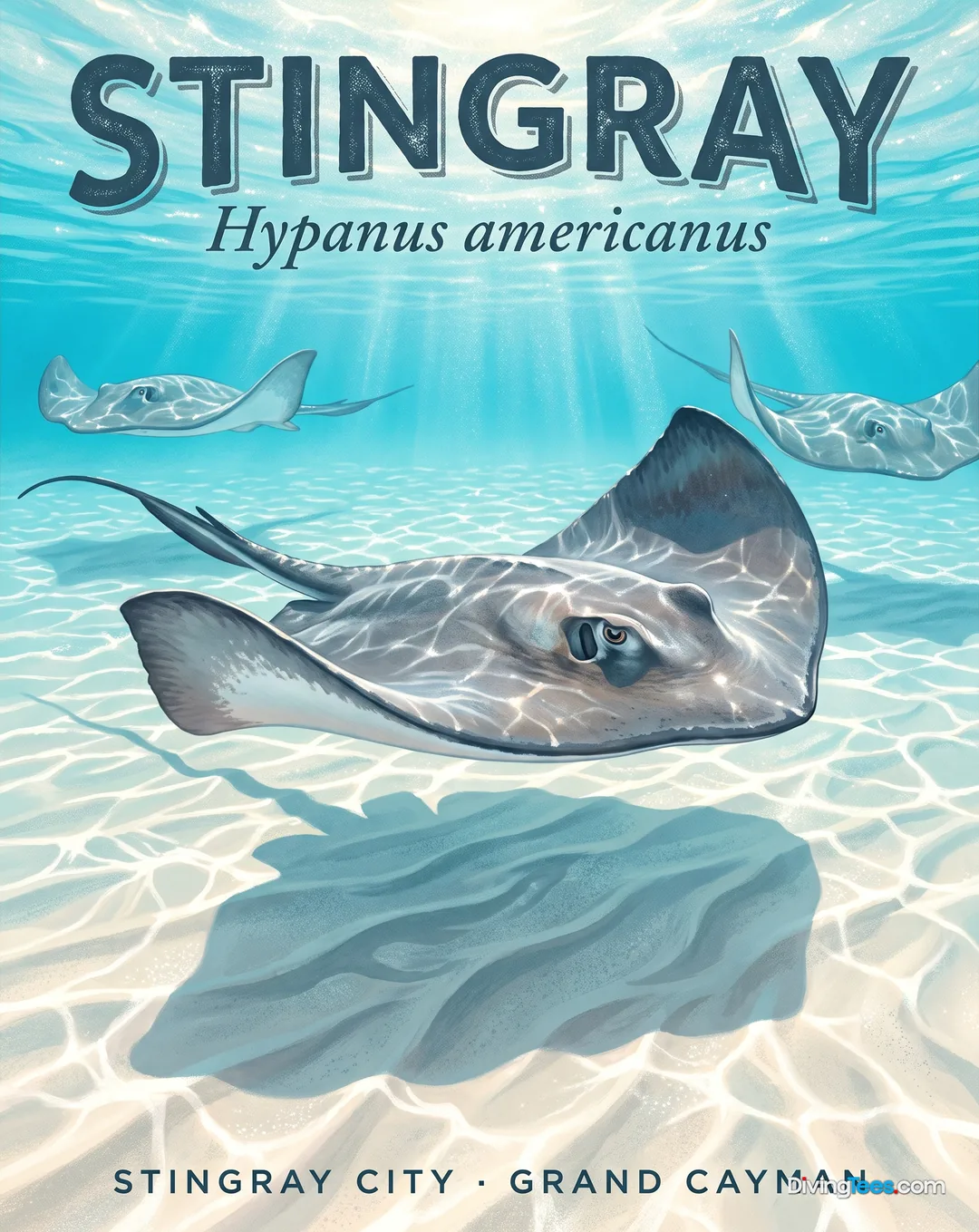
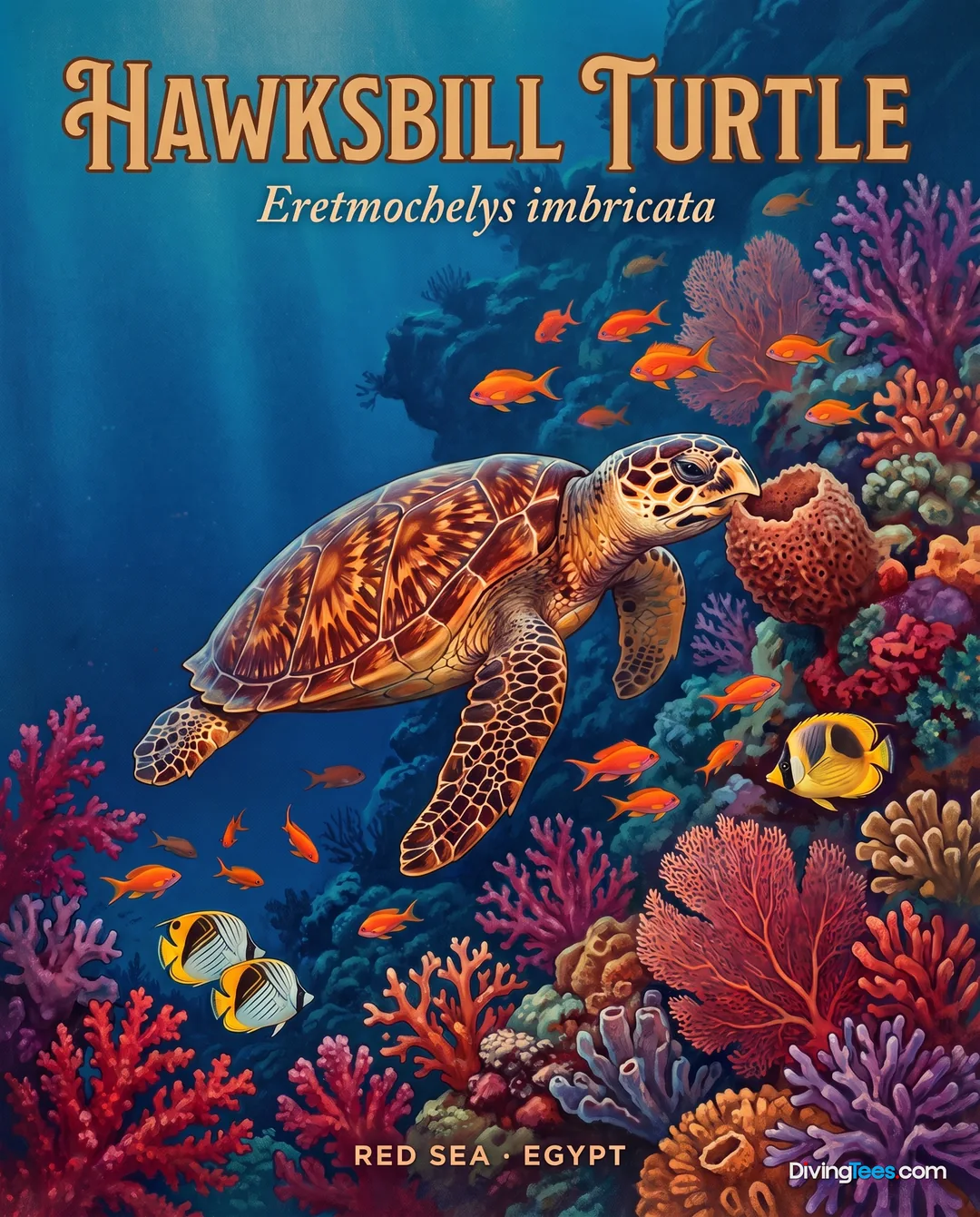
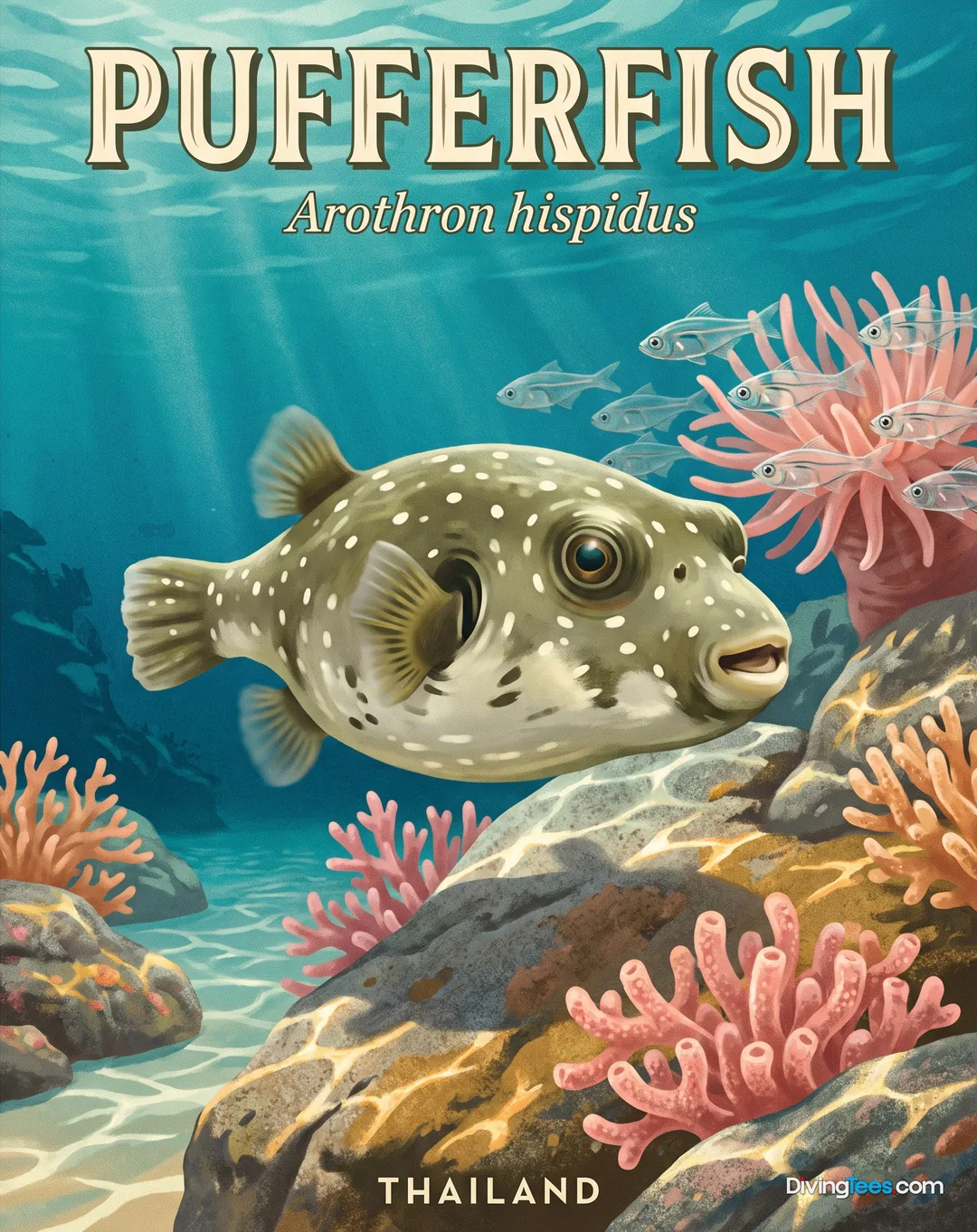
A sea turtle can turn a straightforward reef dive into a memorable one, while southern stingrays and porcupinefish add interest around the rocky and coral sections. Spanish mackerel bring a faster, more open-water presence than the reef residents, particularly when the terrain opens towards deeper water. Rocher du Diamant’s drop-offs, arches and grottos create the sort of three-dimensional setting where a diver can look both into the rock and out into blue water. The sensible approach is to treat these animals as part of the destination’s regular underwater character rather than plan the trip around a single seasonal encounter.
Anses-d'Arlet works best when the itinerary leaves room for the sea to dictate the order of outings. There is no named seasonal window to chase in the available destination information, while the short boat runs make it relatively easy to use a calmer day for the more exposed or deeper sites and keep another day flexible. A five- to seven-day stay gives enough time for several departures, a weather reserve and proper time ashore. Travellers should therefore favour flexibility over a tightly packed diving schedule.
This coast is exposed to sargassum strandings, whose intensity varies greatly from year to year. To find out more, see the “Sargassum alert” panel on this page.
The area suits all levels, with local coastal dives that can be kept straightforward and progressive. Beginners and returning divers can make good use of the easier reef and rocky sites, provided the day’s conditions match their experience. Rocher du Diamant is a different proposition: its 57-metre maximum and possible strong currents call for at least Niveau 2 or PADI Advanced Open Water, with the relevant SSI or BSAC equivalent and recent experience in depth and moving water. Cap Salomon is aimed more at intermediate divers.
Travellers leave from London Heathrow, London Gatwick or Manchester on an international flight to Martinique, then continue by road to Anses-d'Arlet. There is no ferry leg required to reach this diving area. The approach is by road from the Fort-de-France and Le Lamentin side of the island, using the coastal route towards the south-west. Once in the village area, the practical distances are short: accommodation close to the seafront may allow walking to the diving operation, while those staying farther away will need a car or taxi. The important planning point is not an additional island transfer, but the time and convenience of the road position chosen for the stay.
Stay in Anses-d'Arlet or immediately nearby if the purpose of the trip is regular morning diving. That keeps the short boat outings genuinely short; a poorly positioned base can turn them into tiring road journeys on slow coastal roads. Think in half-days, not in liveaboard terms: the destination is designed for returning to shore, eating, resting and choosing between another dive, snorkeling or the beach. Keep one day free as weather insurance rather than filling every morning in advance, especially if Rocher du Diamant is a priority. Do not treat the area as a central Martinique transit port for reaching distant sites. Group several outings with the same local arrangement to avoid unnecessary daily transfers, and choose accommodation near the seafront when possible. The boat is the normal route to the sites, so anyone expecting a mainly shore-diving base should reset that expectation before booking.
A comfortable stay lasts five to seven days. Mornings can be given to short boat departures, with afternoons left for the beaches and sheltered coves around the village, snorkeling or a coastal walk. The format suits a couple travelling together when one person dives and the other does not, since the non-diver has an attractive shoreline rather than a boat-bound schedule. Keeping the accommodation close to the seafront makes the whole routine simpler and reduces dependence on the car.
Hello, I'm Marina, DivingDeal.com's AI assistant. I guide you through destinations, areas and countries.
Thinking about the whole trip and the flights? Talk it over with Edith →
Marina is an AI. Some links are affiliate links: DivingDeal may earn a commission, at no extra cost to you. Bookings are made with the partner.
Your last day stays dry: no diving in the 18-24 hours before a flight, the perfect window to see the destination from another angle.
 Culture
⏱ 4 h · ★ 3.0 (2 reviews)
from £54$73€65
see on Viator ↗
 Nature
⏱ 2 h · ★ 5.0 (30 reviews)
from £9$12€11
see on Viator ↗
 City
City⏱ 5 h · ★ 4.3 (86 reviews)
from £60$81€72
see on Viator ↗
 Culture
⏱ 6 h
from £142$189€169
see on Viator ↗
Ratings and reviews collected by Viator and Tripadvisor.
Anses-d'Arlet has no named seasonal window to target. You should keep your itinerary flexible and use calmer conditions for exposed or deeper sites such as Rocher du Diamant. Leave another day open as weather insurance, rather than scheduling every morning, so changing conditions can shape the order of your boat dives.
Anses-d'Arlet suits all levels, with straightforward local reef and rocky dives for beginners and returning divers when conditions match their experience. Cap Salomon is more suitable for intermediate divers. Rocher du Diamant involves depth to fifty-seven metres and possible strong currents, requiring at least Niveau Two or PADI Advanced Open Water, or an equivalent qualification.
Around Anses-d'Arlet, you can explore coral plateaux, rocky relief, walls and the Nahoon wreck at Cap Salomon. Rocher du Diamant adds a traversable fault, arches, grottos and deep drop-offs. Sea turtles, southern stingrays, porcupinefish and Spanish mackerel form part of the local underwater character, with clear blue-water views around the volcanic island.
Plan a five- to seven-day stay in Anses-d'Arlet or nearby, with accommodation close to the seafront if possible. Short boat outings work well as half-day trips, leaving afternoons for beaches, snorkeling or walks. Travel to Martinique by international flight, then continue by road, using a car or taxi if you stay farther away.