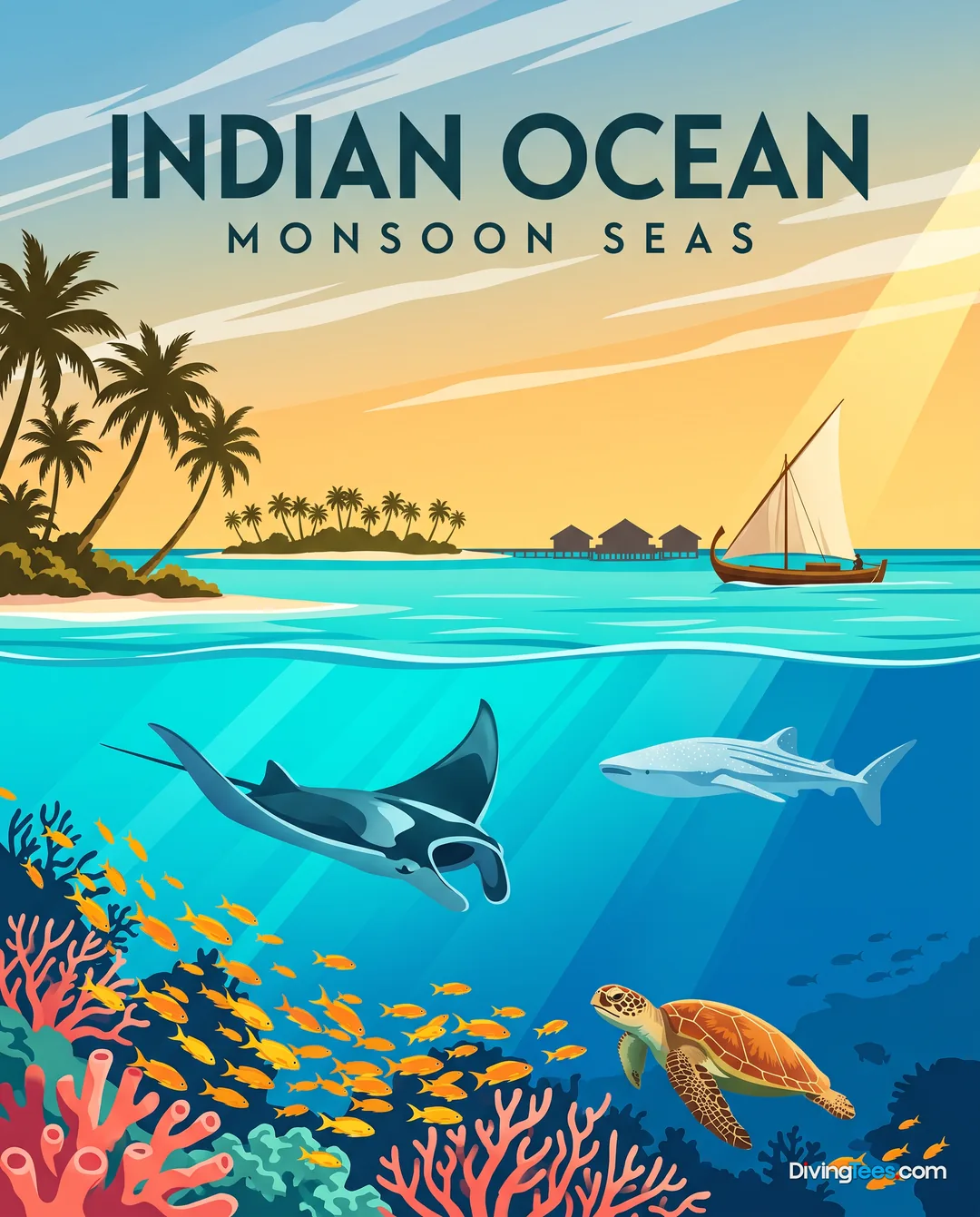
Indian Ocean
Maldives: passes, thilas and life between islands
From Malé’s fish market to British Loyalty in Addu Atoll, the Maldives connect working island life with current-swept passes and thilas.
What makes this country unique
- Hanifaru Bay and its tightly managed manta encounters
- November to April across the central and southern atolls
- Malé Fish Market beside the working harbour
- Garudhiya, mas huni and hedhikaa on local islands
- Addu Atoll’s Gan Island and British Loyalty wreck
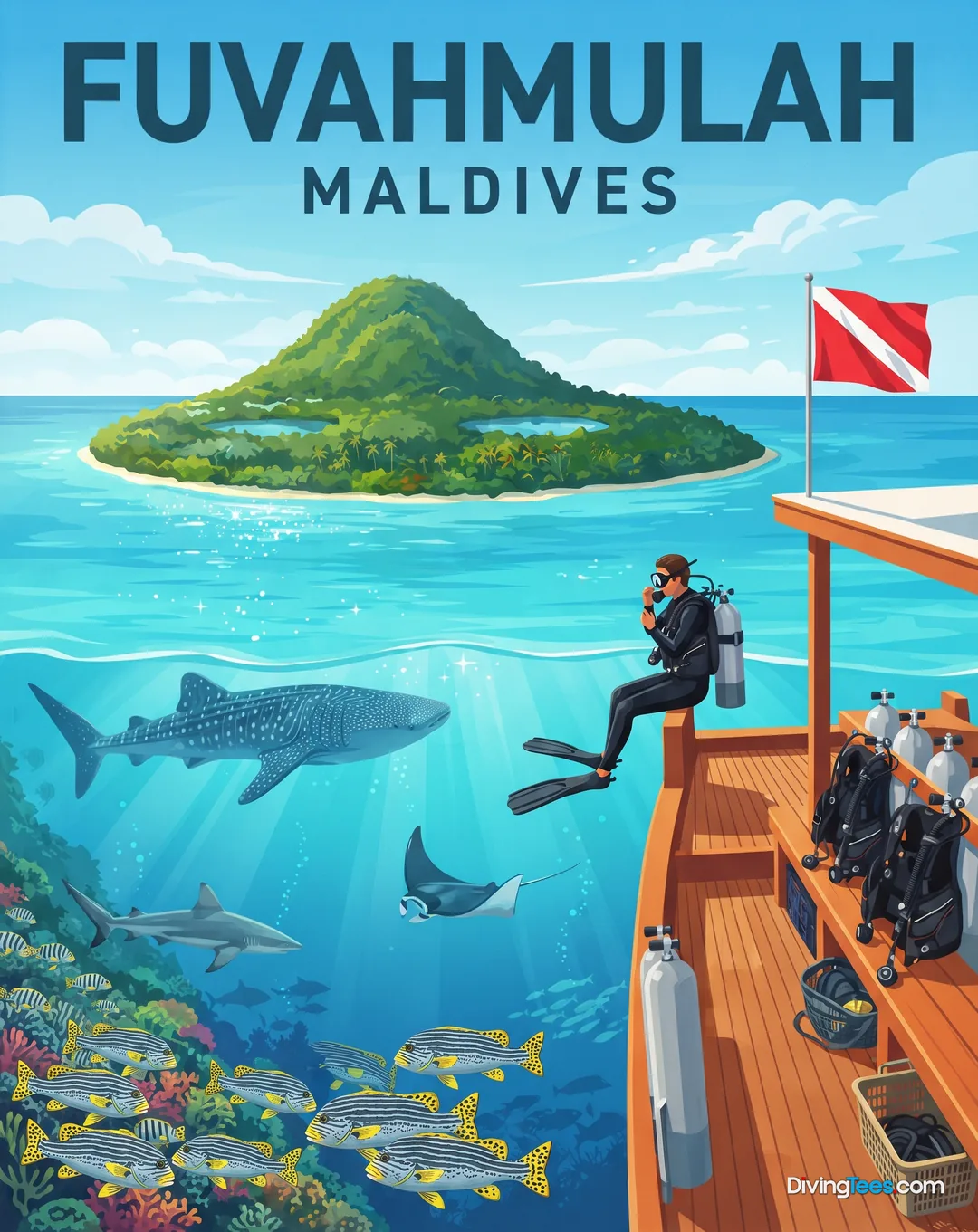
- Fuvahmulah’s demanding tiger shark encounters for experienced divers
- Maaya Thila among Ari Atoll’s recognised dive sites
For subtitles in English: start the video firstthen click the gearat the top right of the video, select “Subtitles/CC”, then “Auto-translate” and choose “English”.
This country for a diver
The Maldives are defined less by coastline than by movement through water: kandus, outer reefs and thilas link islands that have no continuous road network. Malé is the crowded transport hinge, while distant Addu Atoll and Fuvahmulah feel like separate southern destinations. Across the country, currents make the briefing matter, and a drift dive can be more revealing than a static reef tour. The shared backdrop is a mix of reef fish, turtles, tuna, rays and barracuda, with boat logistics shaping the character of every itinerary.
How the country divides
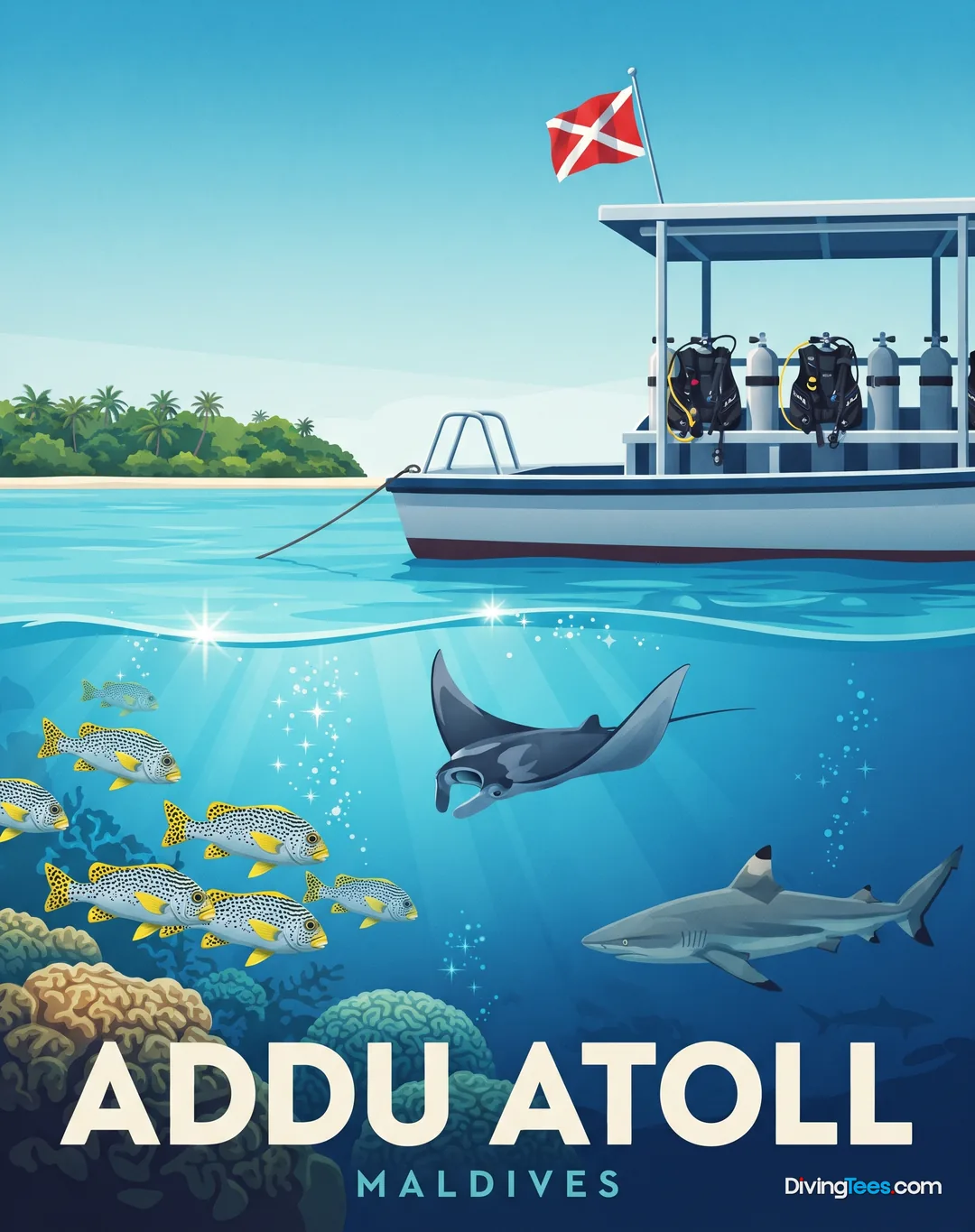
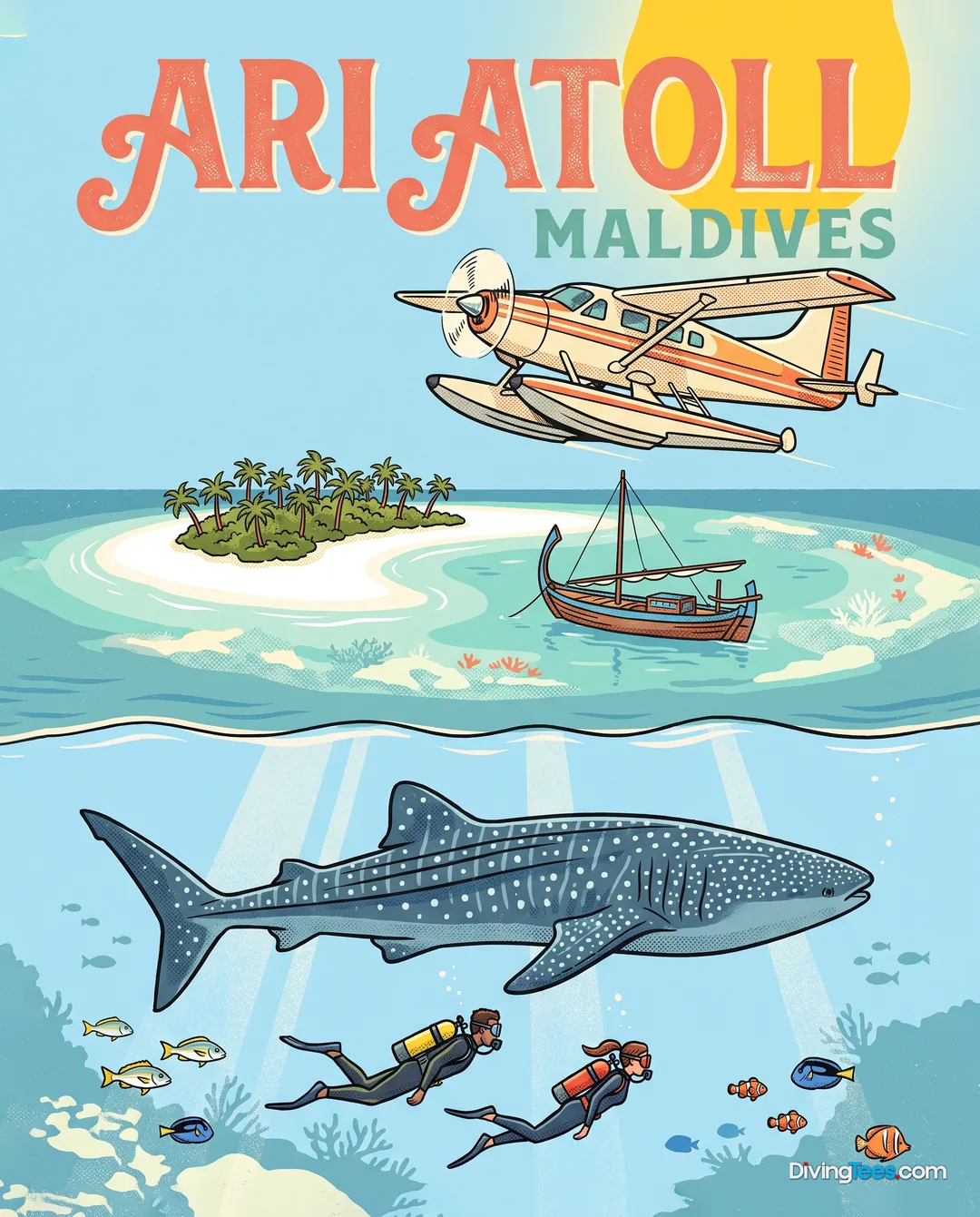
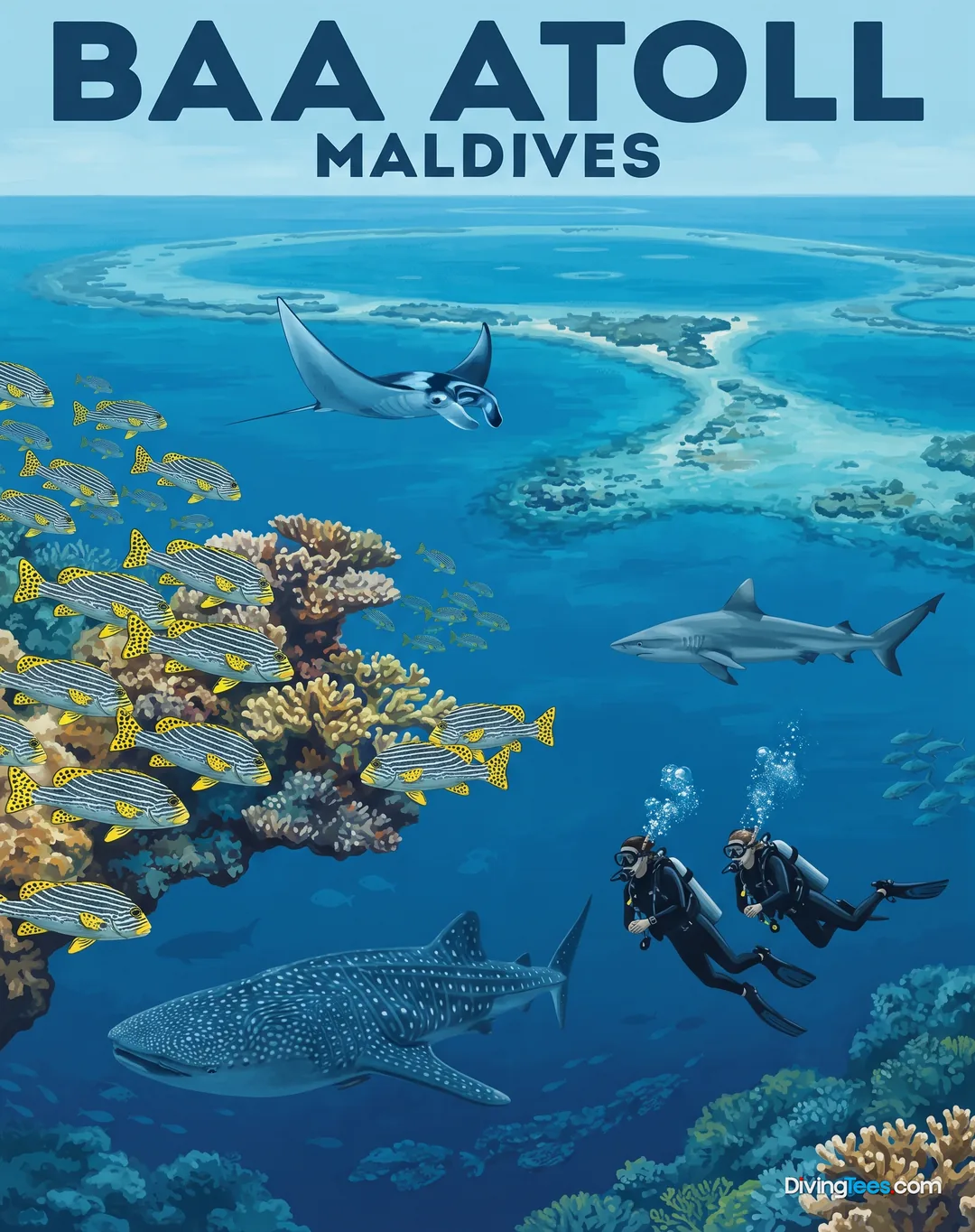
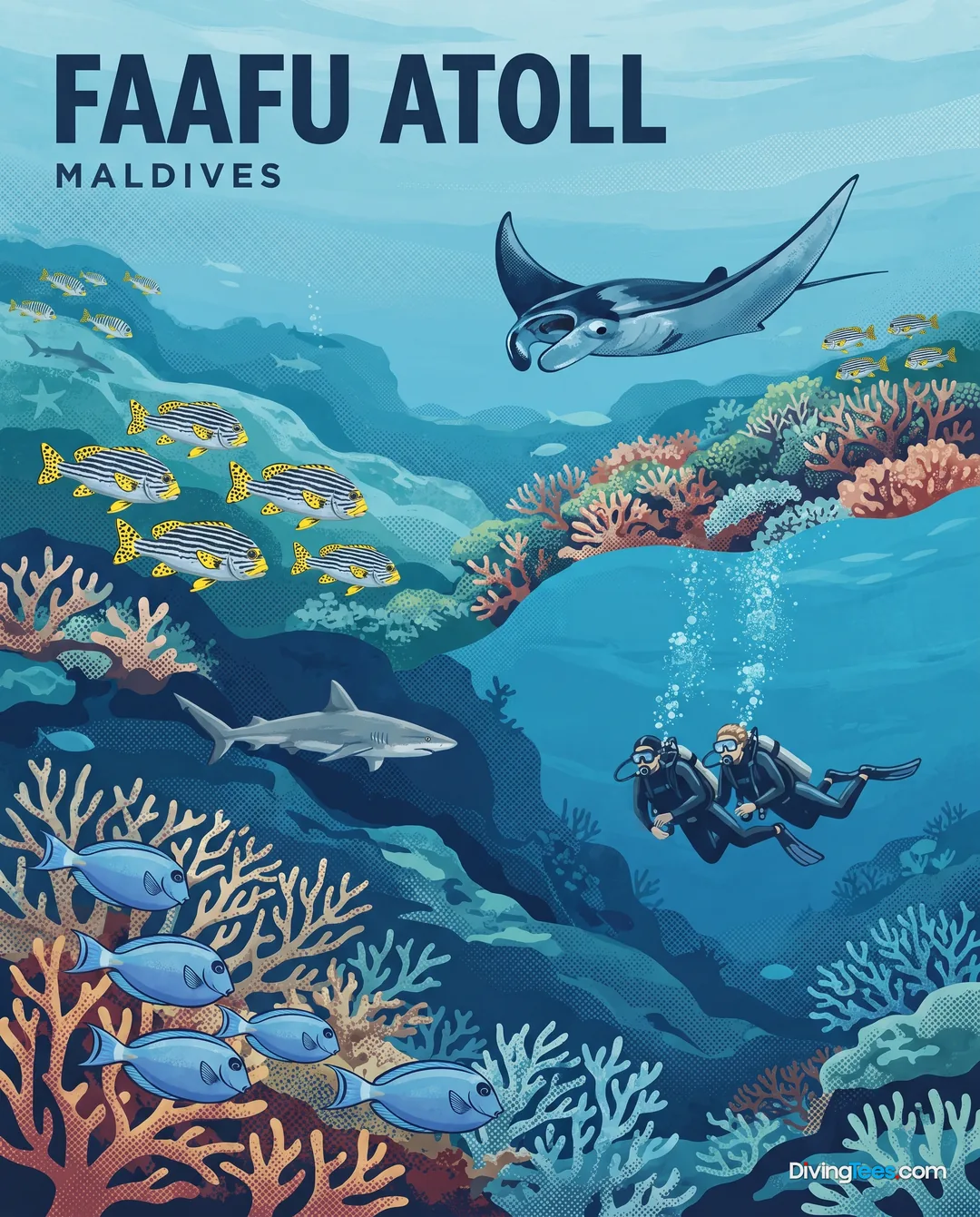
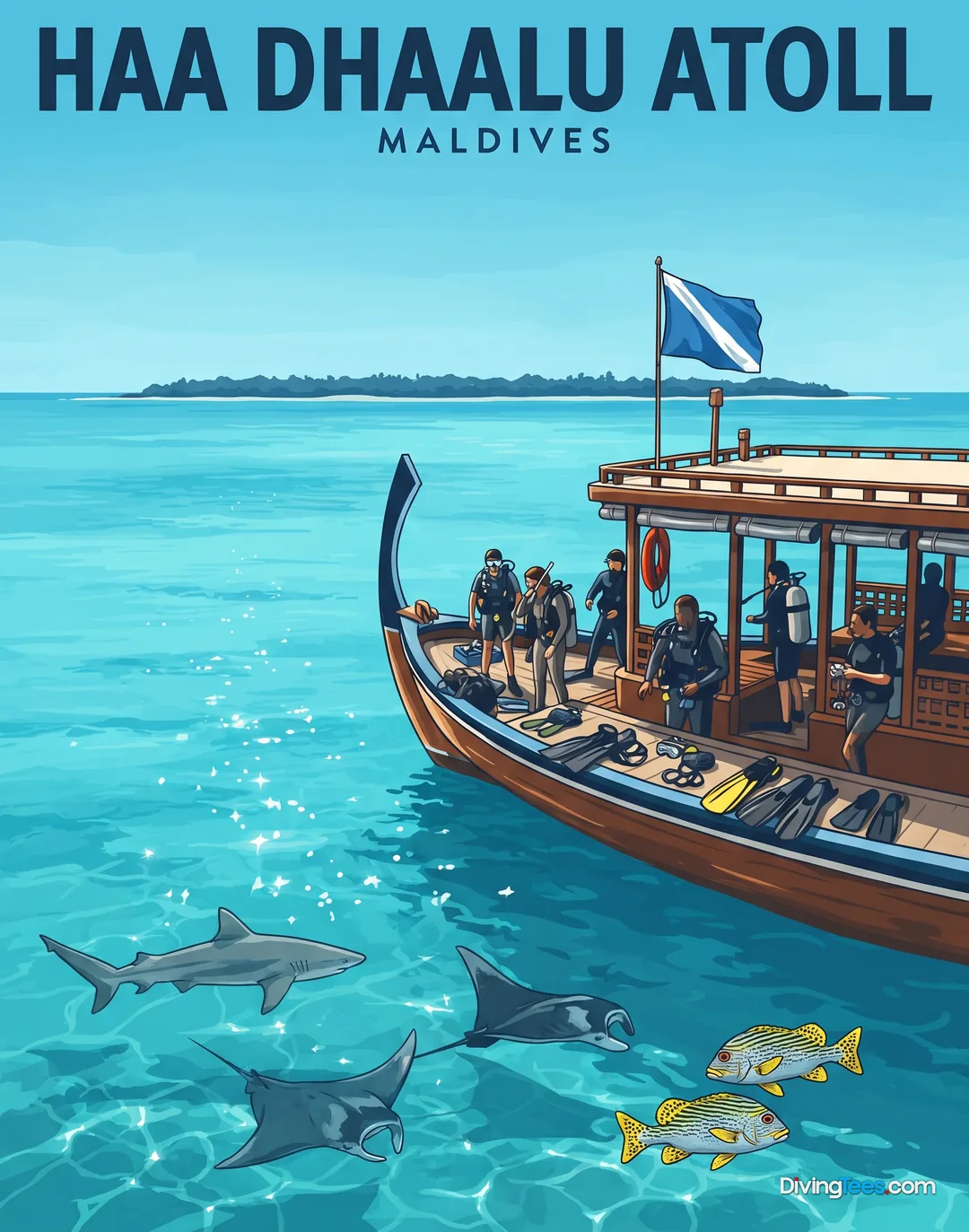
The central grouping runs from Malé through the better-connected atolls, including Ari Atoll, Baa Atoll and the quieter Faafu Atoll. It suits divers who want choice: mixed reef, pass and wreck programmes, liveaboard possibilities, and access that can be built around speedboats, seaplanes or domestic flights. Ari and Malé are the busier, more established choices; Faafu offers a less crowded relationship with island life, while Baa adds a carefully managed manta focus around Hanifaru Bay. Meemu sits within this wider central travel pattern, with boat-led diving and links towards Faafu. The southern grouping is different. Addu Atoll and Fuvahmulah are reached as a southern journey rather than a quick extension from Malé. Addu favours varied programmes combining outer reef, channels and wreck, whereas Fuvahmulah is the more demanding choice for experienced divers interested in large pelagics. Haa Dhaalu belongs to the remote northern picture, with lighter tourism and stronger dependence on domestic flights and ferries.
Diving destinations
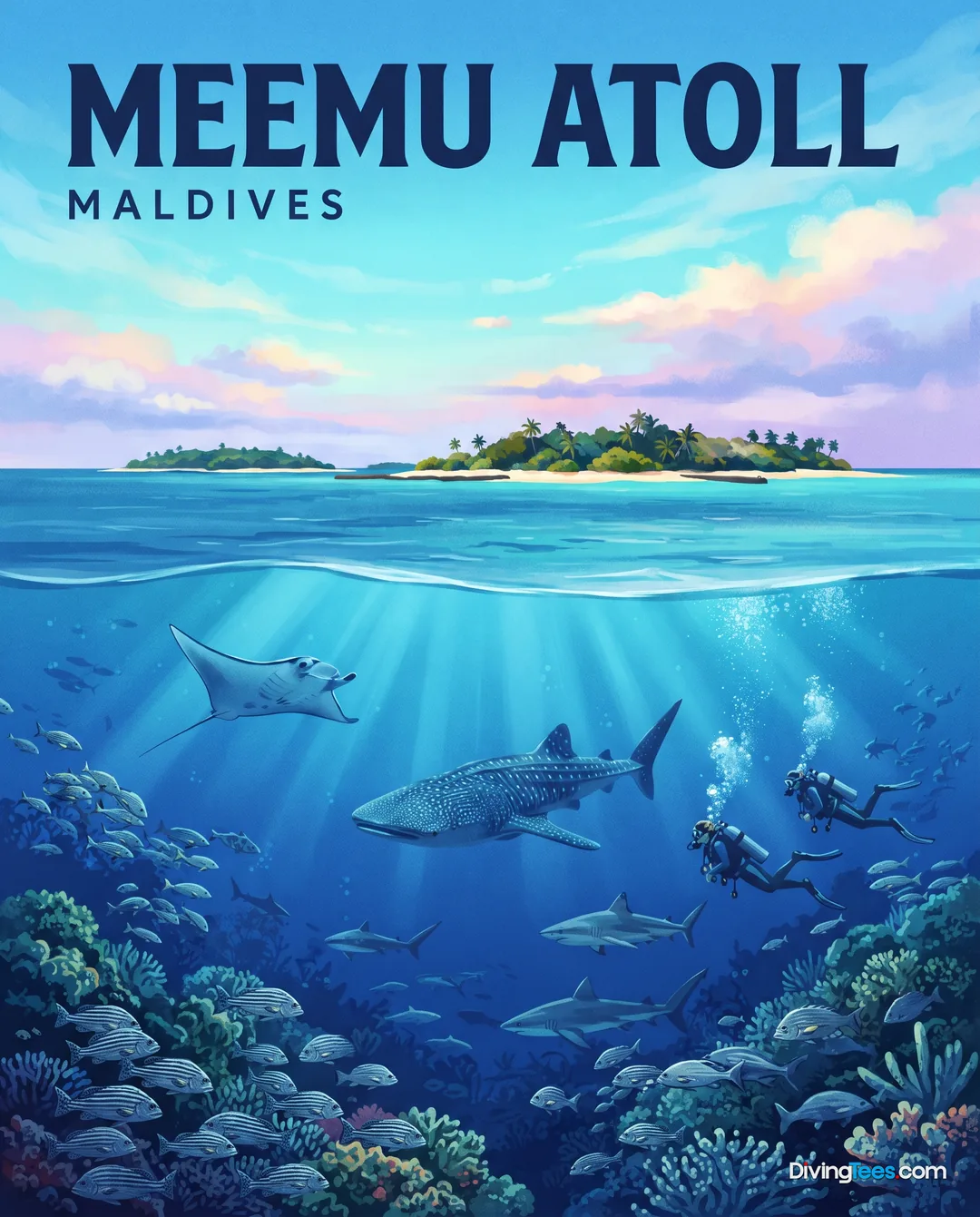
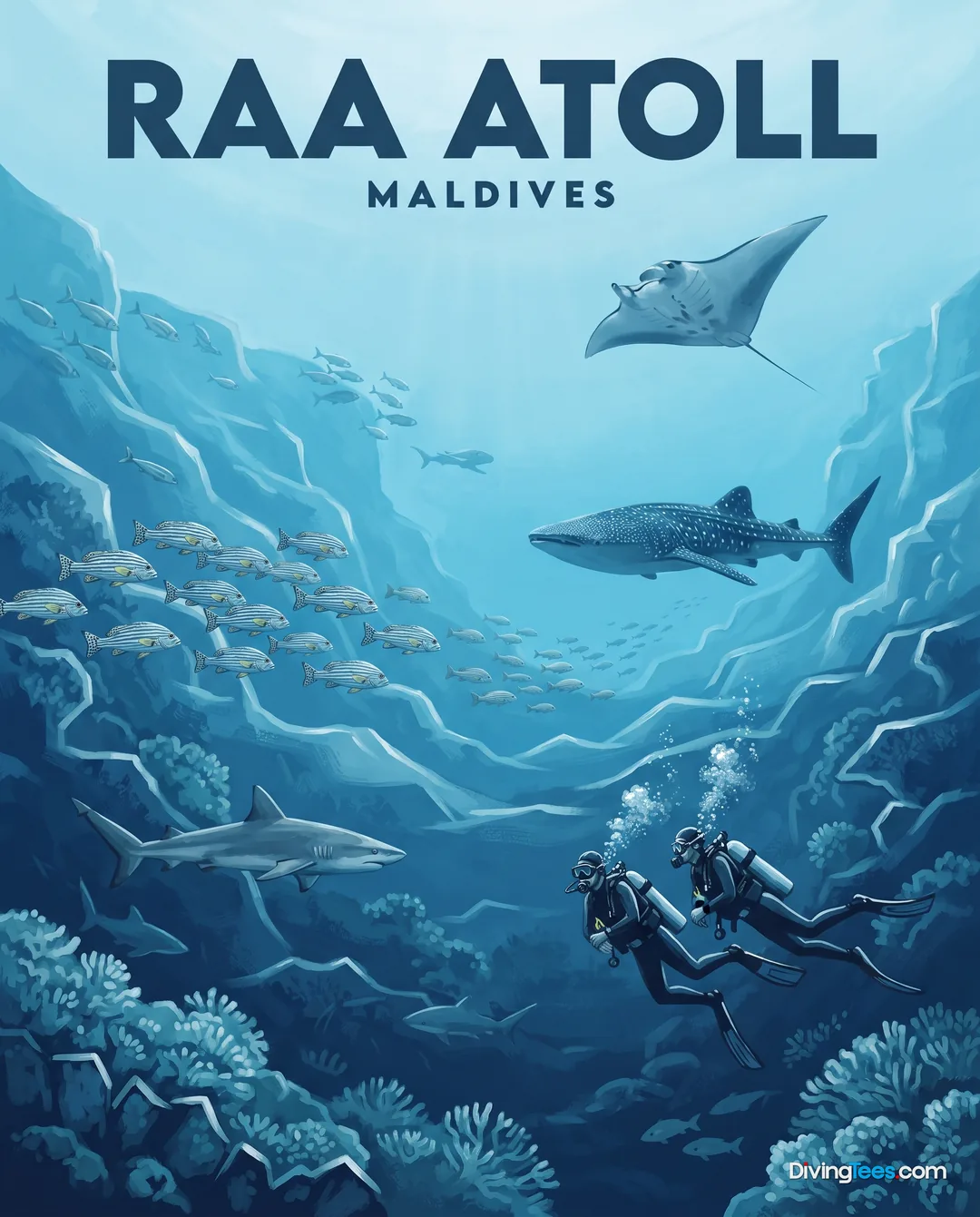
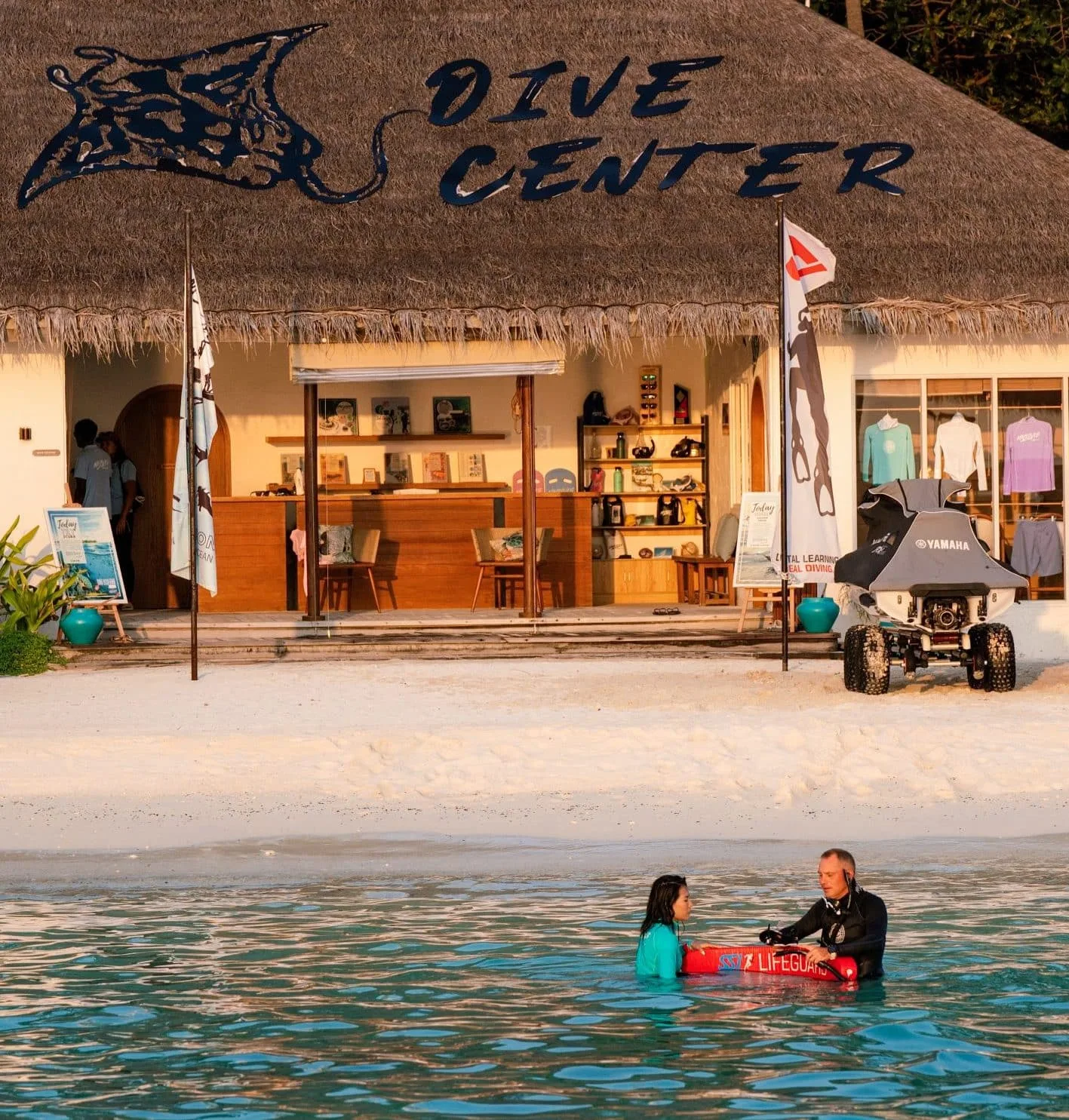
Dive centres


Hotels
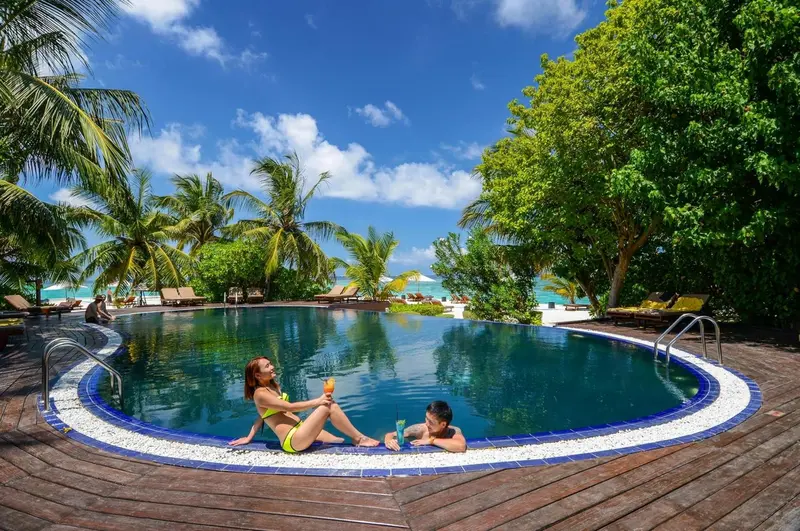
Adaaran Prestige Vadoo - Adults Only Premium All Inclusive with Free Transfers -15 Minutes away from Male
Male
★★★★★
Google 4.9/5 (7,266 reviews)
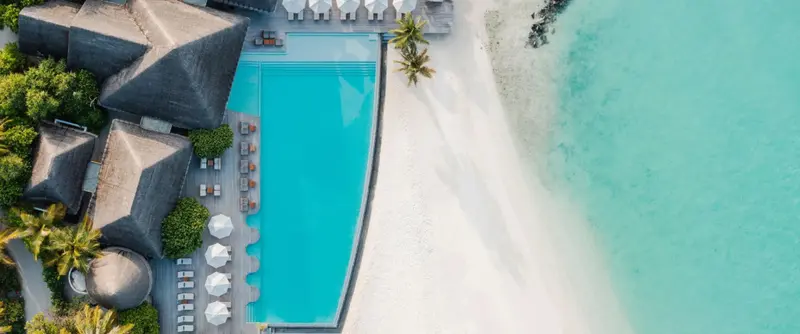
Heritance Aarah
Aarah, Raa Atoll
★★★★★
Google 4.9/5 (1,906 reviews)
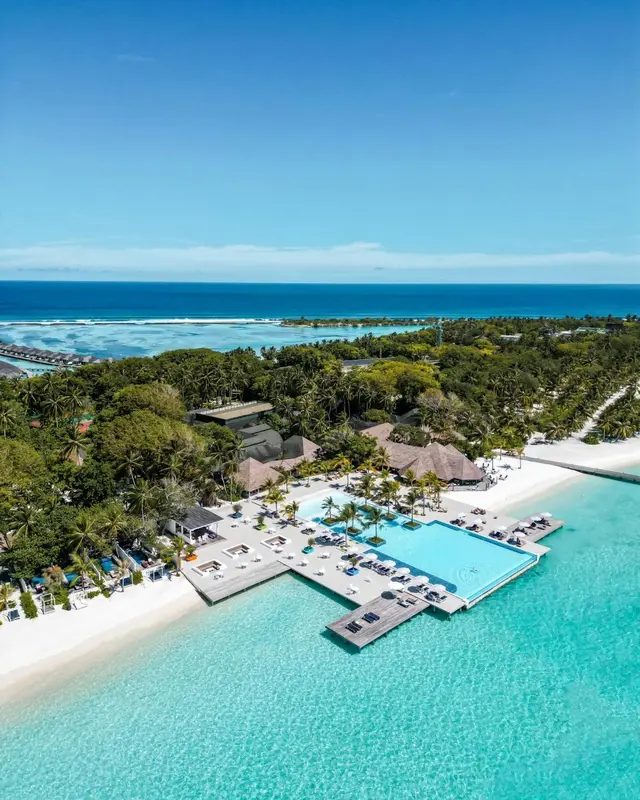
Villa Nautica Paradise Island Resort
North Malé Atoll, Male
★★★★★
Google 4.8/5 (18,667 reviews)
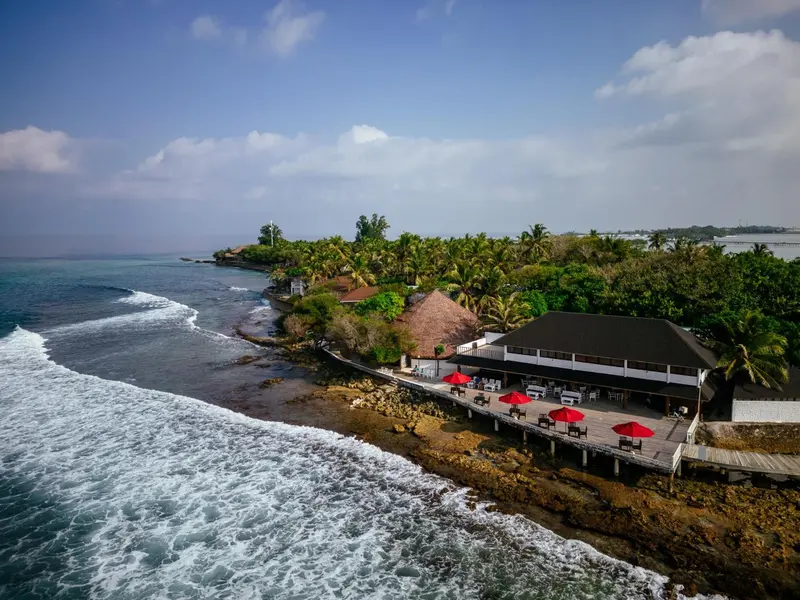
Cinnamon Dhonveli Maldives - Complimentary Speedboat Return for 2 pax on 7 nights or more stays valid to 31 Oct 2027 & up to 2 kids stay free
Male
★★★★
Google 4.8/5 (4,422 reviews)
Liveaboards
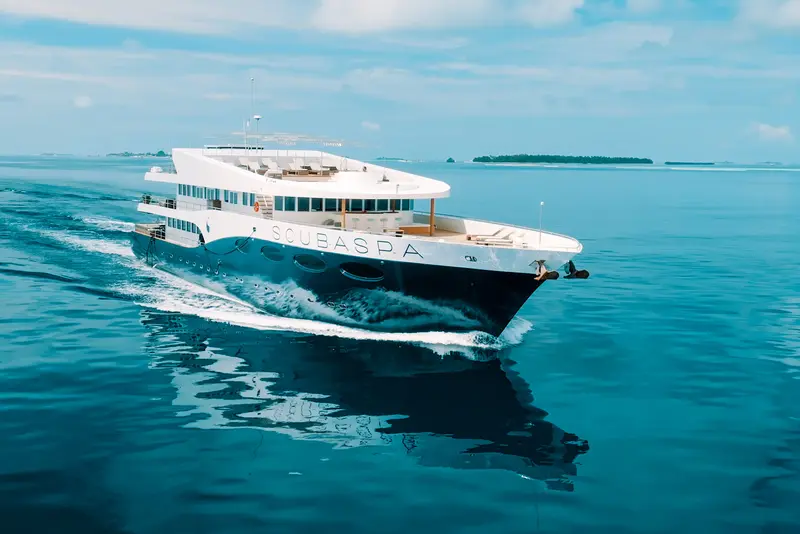
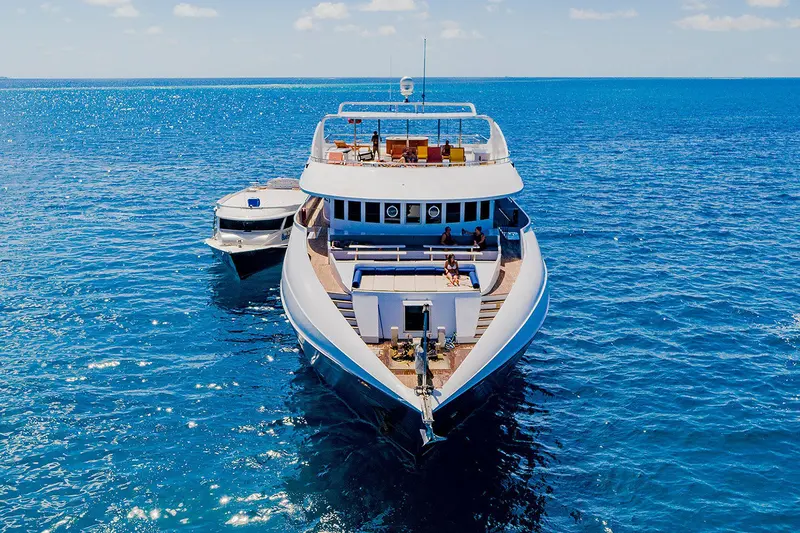
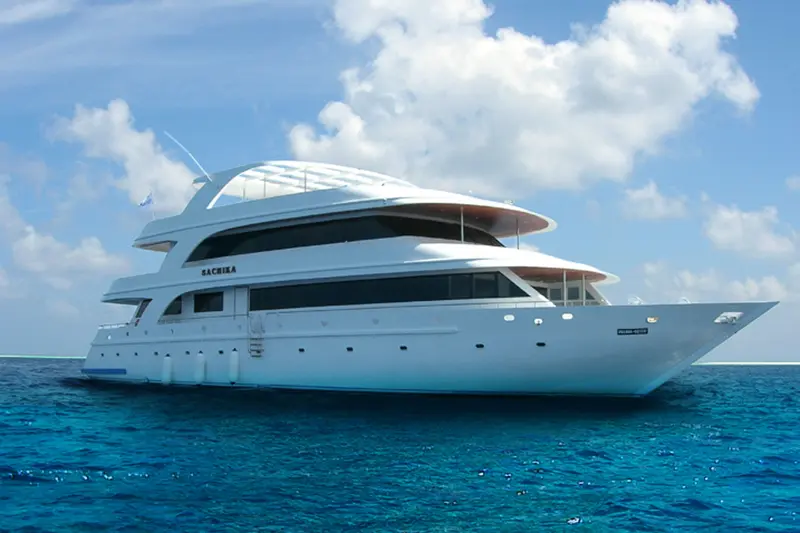
When to go, and where by month
For the areas with a defined diving window, the useful months are November, December, January, February, March and April. January through April gives the broadest overlap across the central and southern groupings, while November and December provide the same shared seasonal pattern before the year turns. There is no opposite seasonal split in which one Maldivian coast reliably replaces another; instead, the monsoon changes which side of an atoll is most productive. Ask whether the programme uses the inside lagoon or the outer reef side, because current, visibility and encounters with larger animals can shift with that choice. The calendar offers no comparable in-season grouping from May through October, so the practical decision is not simply central versus south. It is whether the chosen base can move intelligently between sheltered and exposed sites when the rainy season and monsoon affect the day’s plan. A whole-dive package matters more than a room detached from boat logistics.
Marine life, coast by coast
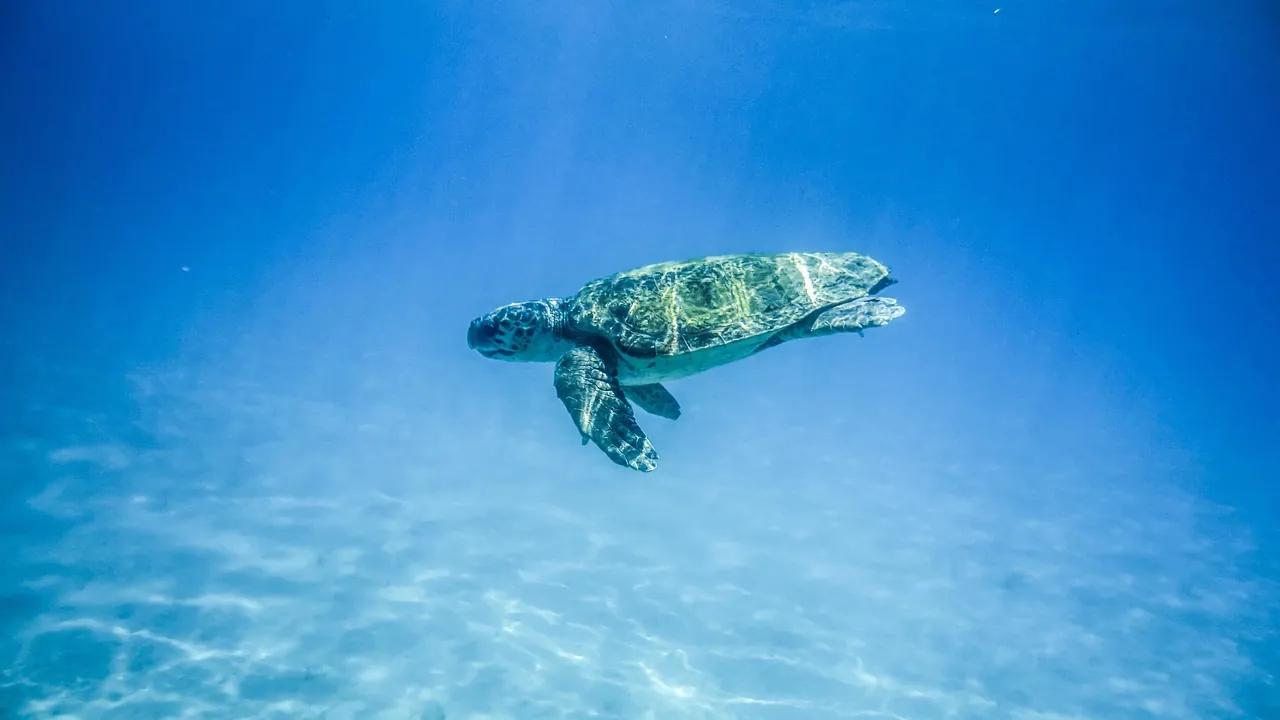
Some encounters belong to the Maldivian background rather than a single corner of the country: manta rays, eagle rays, barracuda, tuna, sea turtles and green turtles can shape an itinerary across widely separated atolls. The central chain broadens that picture with reef sharks, grey reef sharks, white-tip reef sharks, black-tip reef sharks, groupers, napoleon wrasse, soft coral, dolphins and large schools of trevally and fusiliers. That breadth is useful when a costly trip needs more than one signature animal. The southern pairing of Addu Atoll and Fuvahmulah adds a different emphasis, with tiger sharks and shrimp identified on that side. This makes the choice of region meaningful: the central atolls offer a broad reef-and-pelagic mix, while Fuvahmulah demands more experience and points the itinerary towards heavyweight encounters.
Getting between the areas
The easiest link-ups stay within the central chain. Baa Atoll and Raa Atoll are only 35 kilometres apart, while Ari Atoll and Malé sit close enough for a practical combination when boat or flight timings cooperate. Ari Atoll can also be paired with Baa Atoll, though the 107-kilometre gap turns it into a planned transfer rather than a casual hop. The southern pairing of Addu Atoll and Fuvahmulah is similarly workable, separated by 53 kilometres. The difficulty comes when a southern trip is mixed with the central chain: Fuvahmulah is 498 kilometres from Malé, and Addu Atoll is farther still from Ari Atoll. Such journeys normally return through Malé, with daytime domestic flights, speedboats and possible overnight stops consuming a substantial part of a diving day.
Take off your mask
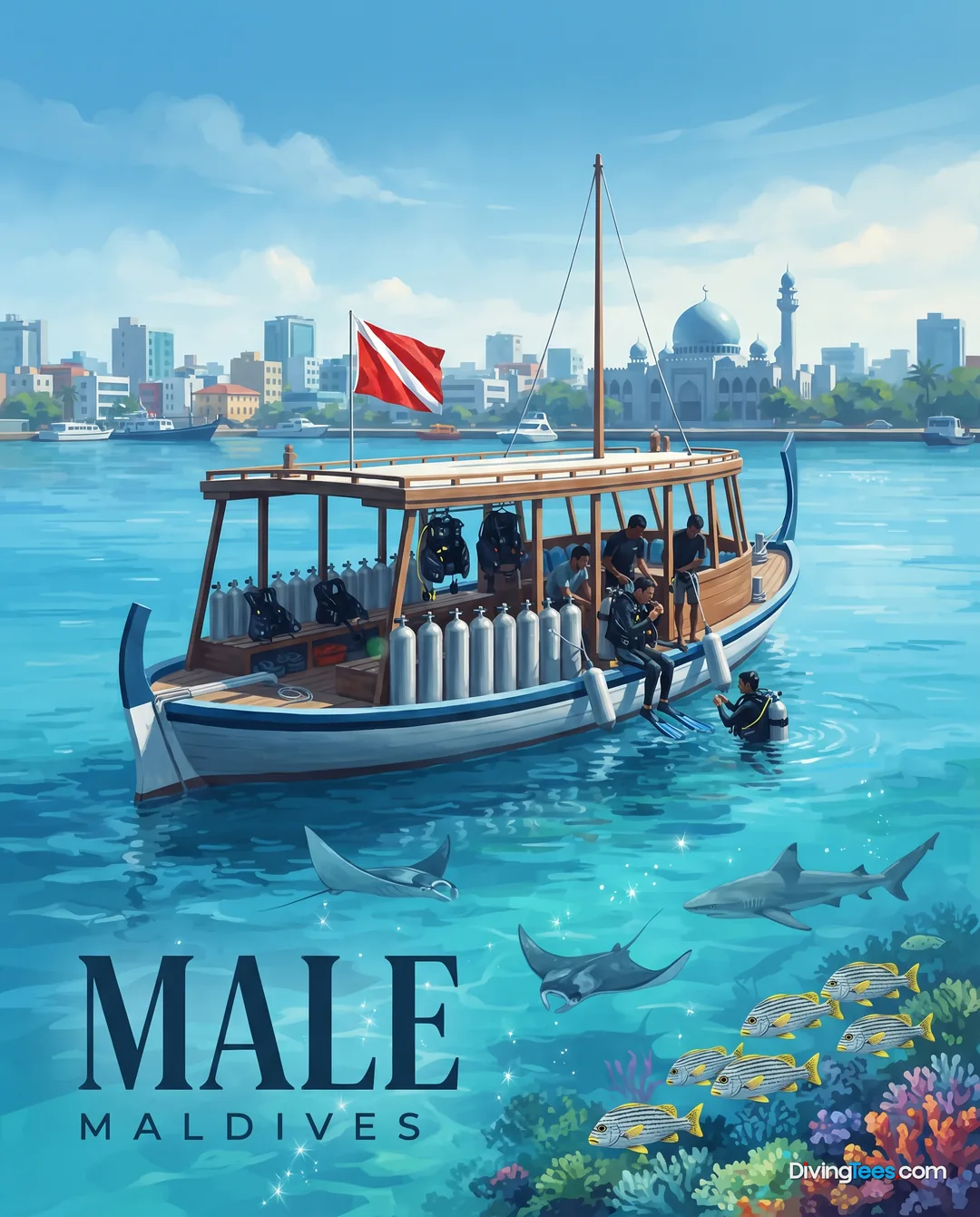
Malé is compact enough to explore on foot, with the Malé Fish Market, the working harbour and Chaandhanee Magu close together. At the market, dhonis bring in tuna and reef fish; along Chaandhanee Magu, cafés serve hedhikaa such as bajiyaa, gulha and kulhi boakibaa with black tea. Local food is built around tuna. Garudhiya is a clear broth served with rice, chilli and onions; mas huni combines tuna, coconut, onion, chilli and lime for breakfast; mas riha turns tuna into a coconut curry. On island communities, these dishes are found in small cafés and tea shops rather than resort buffets. Addu offers a different outing: Gan Island retains the runway and other remains of the former RAF Gan base, while Hithadhoo Local Market sells everyday produce, woven baskets and wooden objects. Hanifaru Bay provides a carefully regulated nature visit from Baa Atoll, with surface snorkeling around manta aggregations. Visitors should dress modestly on inhabited islands, keep swimwear to designated beaches, and remember that alcohol belongs in resorts rather than local communities. Independence Day on 26 July and Republic Day on 11 November bring parades, flags, speeches and fireworks, particularly in Malé.
What holds true everywhere here
Current is the practical constant across the Maldives, especially around kandus. A calm-looking reef top does not remove the need to agree an entry point, exit plan and downcurrent response before the boat leaves. The productive section may depend on timing rather than on dropping in anywhere, and the safety stop should be planned as part of the drift rather than treated as an afterthought. Ask which monsoon-facing side is being used and whether the trip moves between lagoon and outer reef sites. Repeated diving also makes Nitrox worthwhile on a week built around daily reef and wreck profiles. Transfers deserve the same discipline: ferries are slow and infrequent, seaplanes generally operate by day, and late arrivals can cost a half-day. On inhabited islands, modest clothing and permission before photographing people are part of travelling well.
Frequently asked questions about Maldives
When should you go to the Maldives for manta encounters?
Plan around November to April if Hanifaru Bay and its tightly managed manta encounters are central to your trip. Manta rays can also shape itineraries across widely separated atolls, so choosing the central or southern atolls gives you access to more of the Maldives’ reef and pelagic setting.
What diving level do you need for the Maldives?
The Maldives suit different experience levels, depending on your chosen region and sites. Fuvahmulah’s tiger shark encounters are demanding and identified for experienced divers. In the central atolls, you can focus on reef and pelagic diving around current-swept passes and thilas, with encounters including reef sharks, turtles and schools of fish.
What can you see while diving in the Maldives?
You may encounter manta rays, eagle rays, barracuda, tuna, sea turtles and green turtles across the atolls. The central chain adds reef sharks, grey reef sharks, white-tip and black-tip reef sharks, groupers, napoleon wrasse, soft coral, dolphins, trevally and fusiliers. Southern diving includes tiger sharks and shrimp.
How should you plan a diving stay in the Maldives?
Choose your region around the experience you want. The central atolls offer a broad reef and pelagic mix, while Addu Atoll and Fuvahmulah shift attention towards wrecks and tiger sharks. You can include Gan Island, British Loyalty, Maaya Thila, local food and Malé Fish Market when building your itinerary.