
FlyingFish Scuba School, Puneet Gautam
Google 4.8/5 (697 reviews)
Goa · India · Indian Ocean
Max. depth · 20 mDescend into the warm, sheltered waters surrounding Grande Island to explore a landscape of rocky pinnacles, coral formations, and historical wrecks.
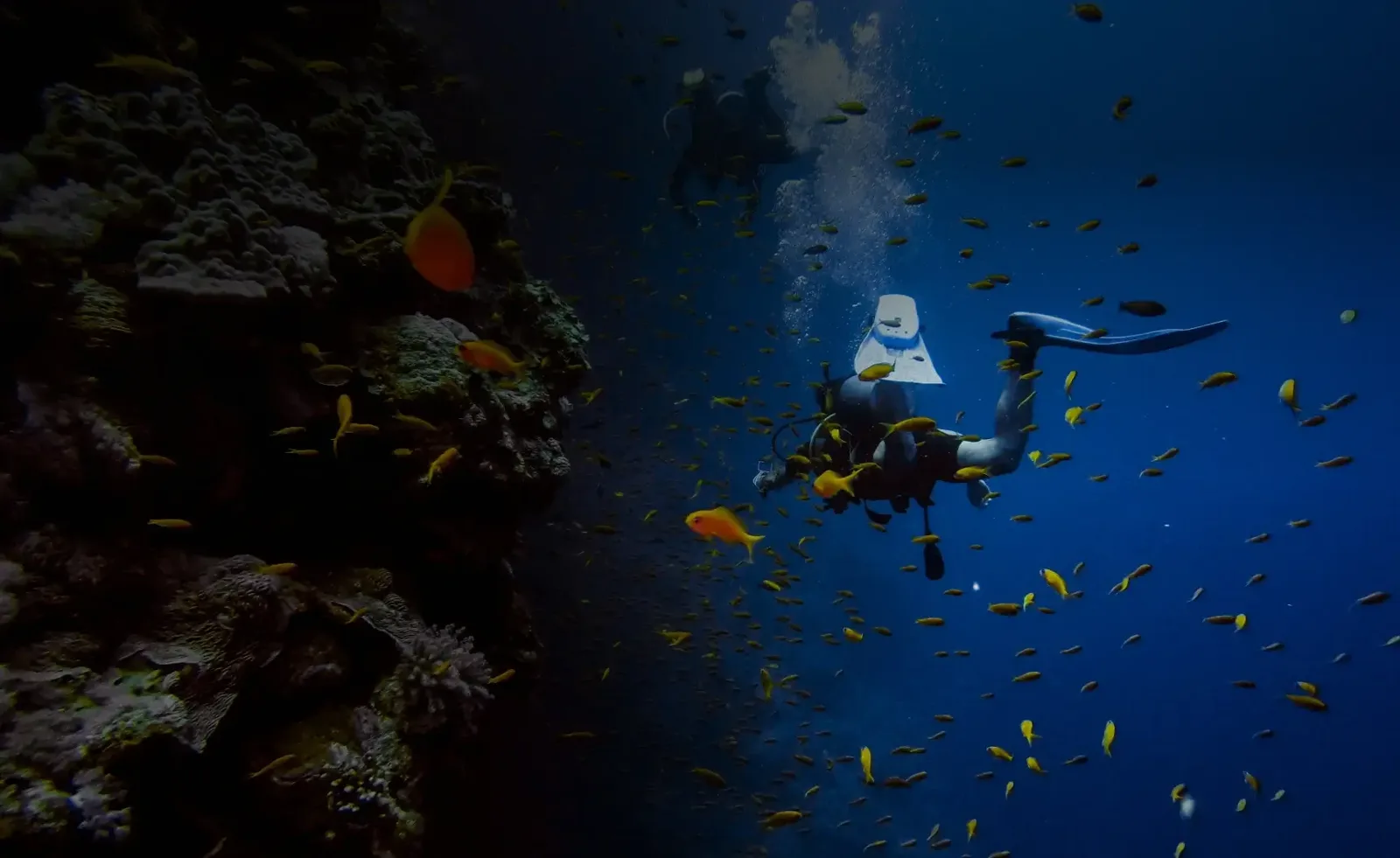
Diving around Grande Island provides diverse underwater scenery, from vibrant reef structures to the silent history of various wrecks. The topography here is distinctive, characterized by rocky pinnacles that break up the seafloor, creating sheltered pockets and small canyons for marine life. As you descend, you will notice the transition from open water to this more intricate environment, with the varied depths offering different perspectives on the local ecosystem. The presence of these prominent rock formations also means a dynamic interaction with currents, even in generally calm waters, influencing where specific marine species choose to shelter and feed.
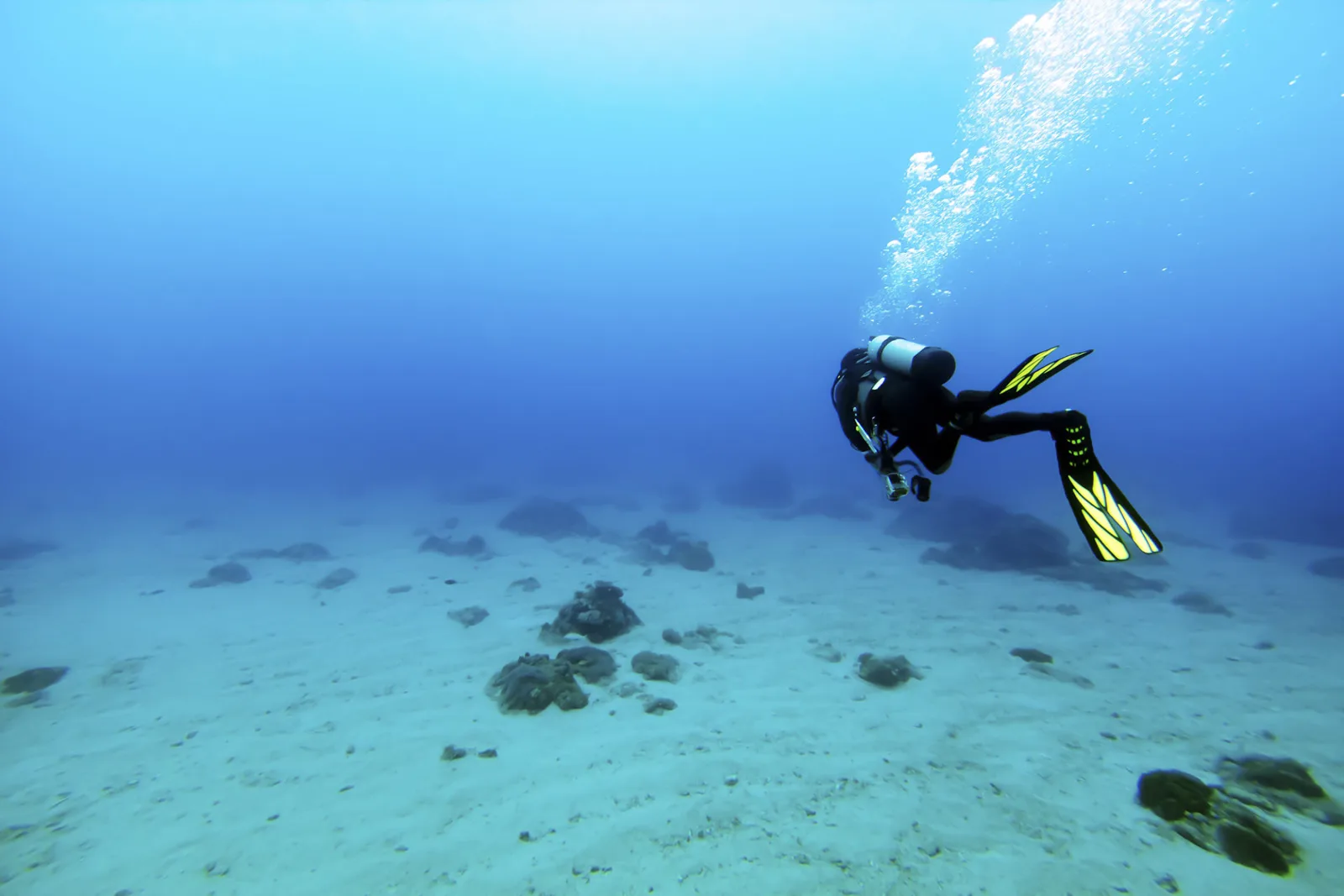
The dive sites around Grande Island typically range from 8 to 20 metres, making much of the area accessible for recreational diving. You’ll find yourself navigating formations that provide refuge for a variety of tropical fish, schools of which often move in concert with the subtle underwater surges. The shallower zones around 8 metres often feature more exposed reef sections, while deeper areas towards 18-20 metres can reveal the full extent of the pinnacles and the initial sections of the wrecks. Maintaining buoyancy is key here, allowing you to move through these structures without disturbing the delicate balance of the environment.
Wrecks are a notable feature of Grande Island's diving landscape, adding a layer of historical interest to the natural reefs. These artificial structures have become integrated into the marine ecosystem, offering new habitats and aggregation points for resident species. As you approach a wreck, observe how the light changes and how different fish species now dominate, adapted to life around the metal structures. Some parts of the wrecks are easily explored, while others require careful navigation, always respecting the integrity of the structure and the safety of the diver.
The marine life encountered at Grande Island includes a range of resident species that have made these reefs and wrecks their home. You can expect to see various species of eels, which often hide within crevices and the darker sections of the wrecks, emerging to feed. Parrotfishes are common on the reef, their vibrant colours standing out against the coral, while butterflyfishes forage amongst the polyps. Look for stingrays resting on the sandy patches between reef sections, often partially buried, blending into the substrate until they move.
Among the larger encounters, bamboo sharks can be present, typically found resting or moving slowly along the bottom or within sheltered cavelets during the day. Turtles are also observed, cruising through the water column or resting on ledges. These larger animals, while not guaranteed on every dive, add to the specific character of Grande Island, providing a different point of focus from the more numerous reef fish. Always maintain a respectful distance, allowing them to continue their natural behaviour undisturbed.
Visibility at Grande Island can vary, typically lying within a range of 3 to 8 metres, though periods of lower visibility are not uncommon. This variability is a characteristic of some coastal sites and requires divers to stay aware of their buddy and surroundings. The water temperature remains consistently warm, which contributes to a comfortable dive experience even with moderate visibility. Understanding these conditions helps in planning your dive, appreciating the details that emerge from the slightly dimmer light, and adjusting your movements to maintain proximity to your group.
Dive depths around Grande Island range from 8 to 20 metres, making the site generally accessible for Open Water divers. Visibility typically averages between 3 and 8 metres, but periods of lower visibility can occur, requiring vigilance. The regional conditions indicate generally calm oceanic waters, contributing to a tranquil dive experience around the island.
Grande Island is generally accessible for Open Water divers, with dive depths spanning recreational ranges. You should stay attentive because visibility can average only a few metres and may become lower. Careful buddy awareness and buoyancy control help you navigate reefs, pinnacles, wrecks, and sheltered structures comfortably.
Diving at Grande Island ranges from 8 to 20 metres. Shallower areas around 8 metres may include more exposed reef sections, while depths around 18 to 20 metres can show more of the rocky pinnacles and the initial sections of wrecks. The varied depths offer different views of the ecosystem.
Grande Island generally has calm oceanic waters, contributing to a tranquil dive experience. However, rocky pinnacles create a dynamic interaction with currents, including subtle underwater surges around formations and sheltered pockets. Maintain good buoyancy and remain aware of your surroundings while moving through canyons, reefs, and wreck areas.
At Grande Island, you can explore reefs, rocky pinnacles, wrecks, and sandy patches. Eels hide in crevices and wreck sections, while parrotfishes and butterflyfishes feed on the living reef. Stingrays may rest on the sand, and calmer areas can hold bamboo sharks and turtles. Keep a respectful distance from animals.