
Le Dodo Palmé
Google 4.8/5 (222 reviews)
3.6 km away as the crow flies
La Réunion · Réunion · Indian Ocean
Max. depth · 45 mL'ecole offers a deep wall dive that drops past 35 meters, requiring advanced skills to navigate its depths.
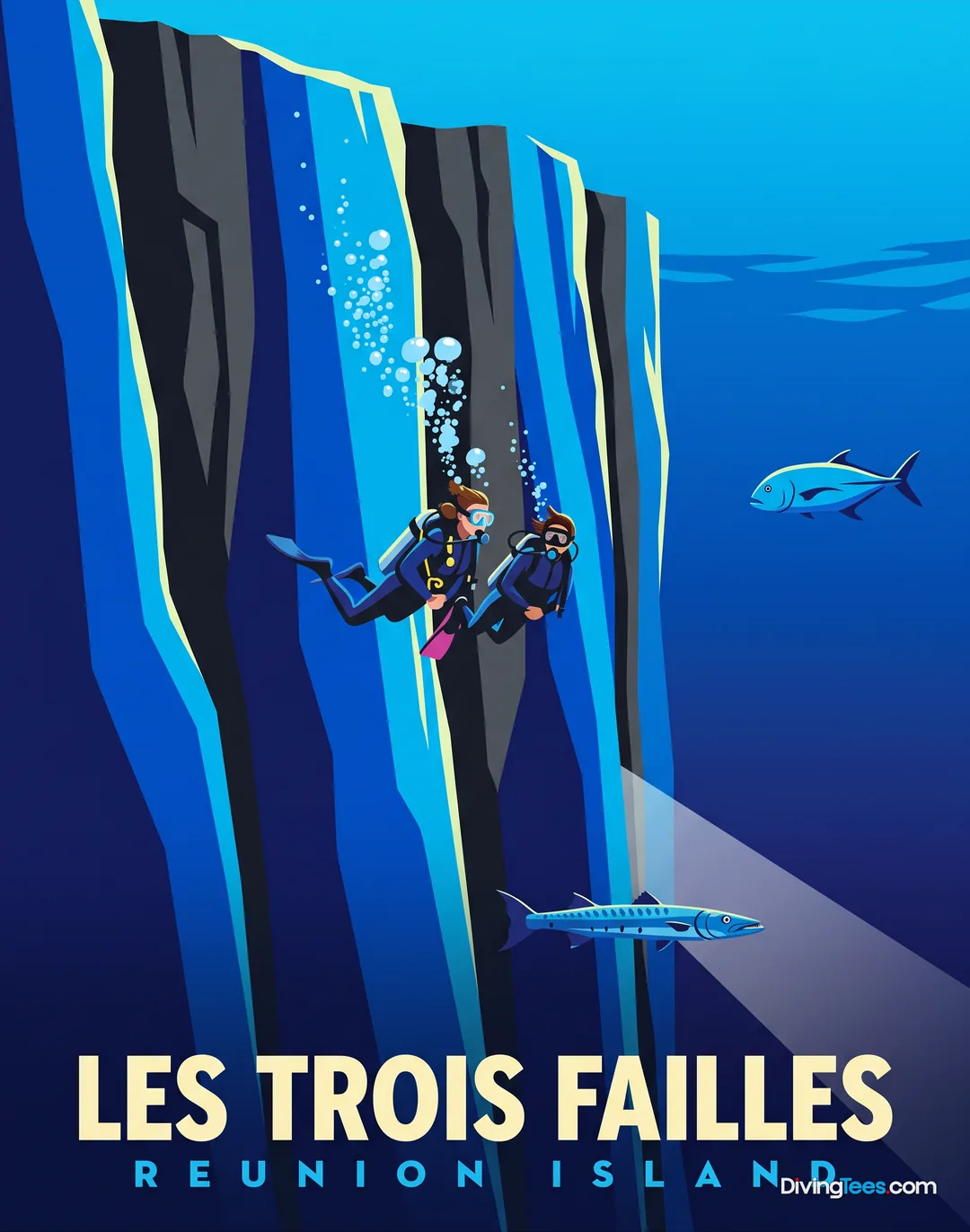
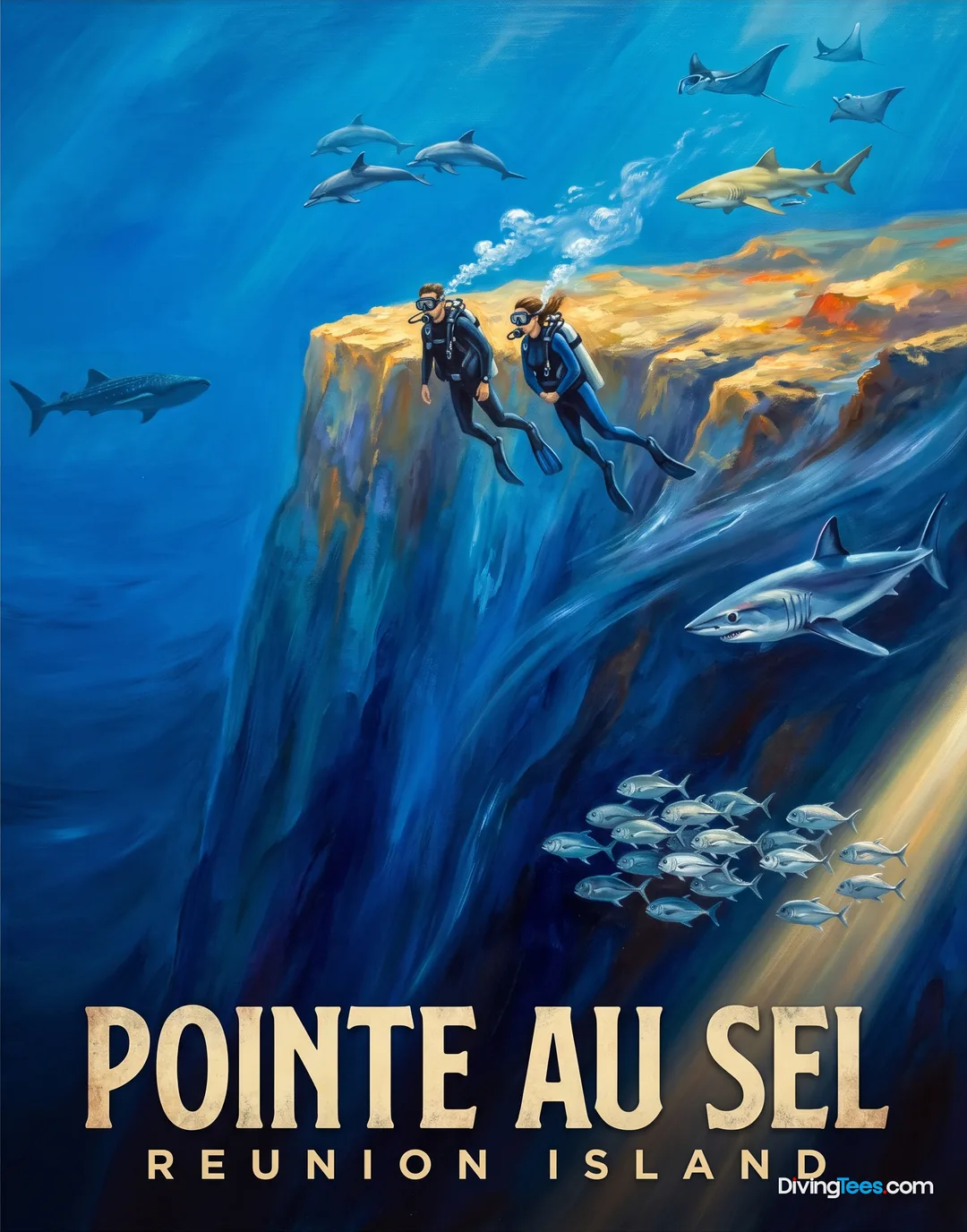
L'ecole, known locally as École, is a distinct deep wall dive located off the coast of Saint-Paul, in the Port area of Réunion. Unlike the shallower, more protected reef dives found elsewhere on the west coast, L'ecole drops sharply, presenting a different profile. The site's primary feature is a vertical drop-off, a true tombant, that descends well into the mesophotic zone, demanding a controlled descent and a keen awareness of your depth.
The dive here begins in depths around 36 metres, plunging further down to approximately 45 metres. This depth profile means extended bottom times are not typically feasible, requiring precise dive planning and gas management. As you descend along the wall, the ambient light diminishes, enhancing the sense of exploration into deeper water.
Currents at L'ecole are notably variable, a characteristic common to exposed sites on Réunion's west coast. These conditions can shift depending on swell, oceanic patterns, and seasonal changes. It is crucial to anticipate and be prepared for potential changes in current direction and strength throughout the dive, particularly when planning your ascent and safety stops.
While specific faunal details are not consistently documented for L'ecole, the nature of a deep wall dive often attracts a different spectrum of marine life compared to shallower reefs. Pelagic species may cruise the blue, while the wall itself can harbor cryptic invertebrates and fish adapted to deeper environments. Your focus here will be on managing the dive profile and navigating the conditions, rather than a species hunt.
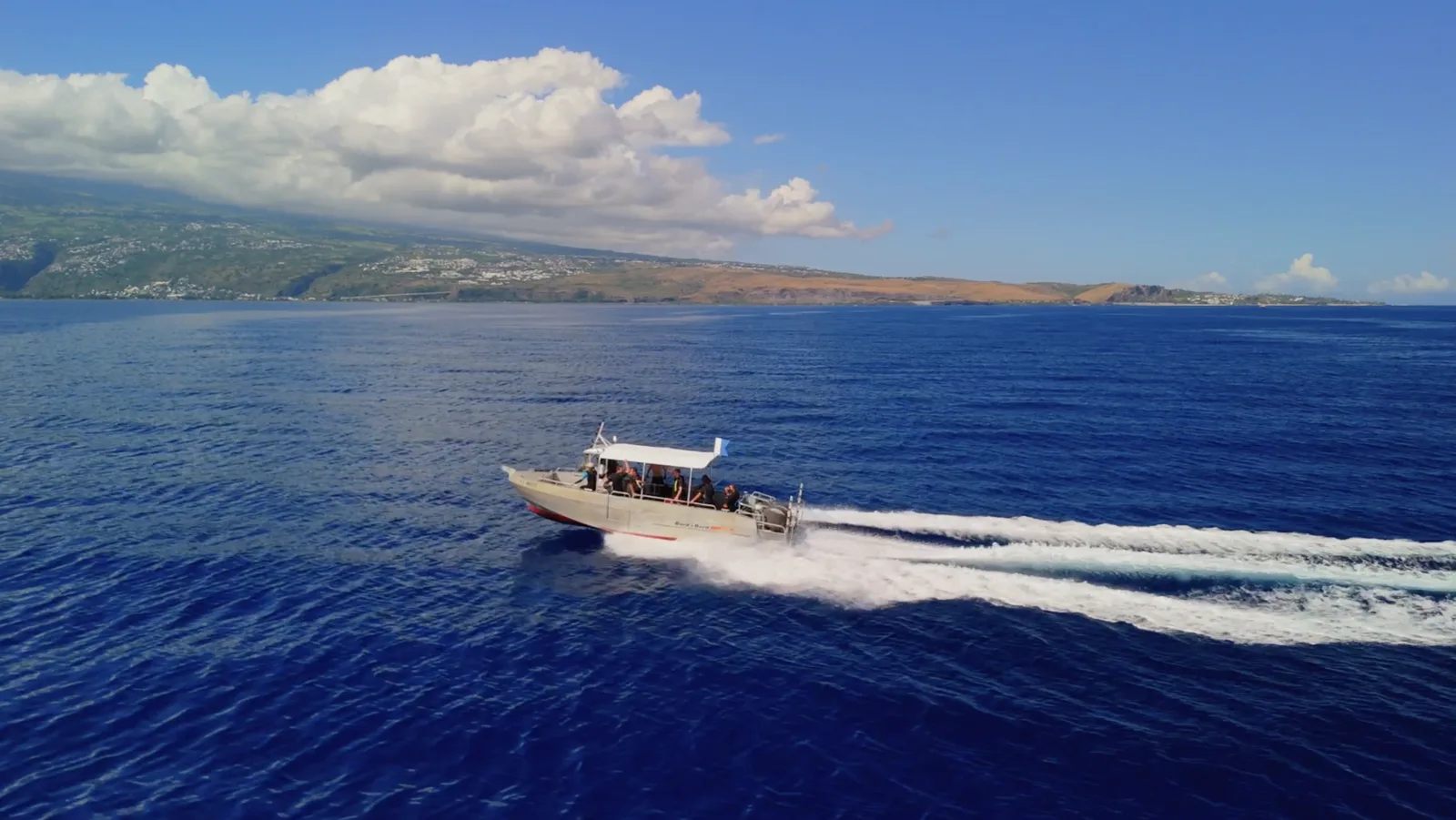
This is an advanced dive, requiring at least a Level 2 certification or equivalent. Divers should have significant experience with deep diving and managing variable current conditions. Depths at L'ecole range from 36 to 45 metres. Access to the site is exclusively by boat. Be prepared for potentially variable currents, which can change due to local oceanic conditions.
At L'ecole, plan with the possibility that current conditions may change with swell, oceanic patterns, and seasonal changes. The site is exposed, so timing involves preparing for shifts in current direction and strength during the dive, including your ascent and safety stops. Access is exclusively by boat.
L'ecole is an advanced dive requiring at least Level 2 certification or an equivalent qualification. You should also have significant experience with deep diving and managing variable current conditions. The site's deep wall profile, changing currents, and need for controlled descent make advanced skills important throughout the dive.
L'ecole begins at approximately 36 metres and descends to around 45 metres along a vertical wall. At these depths, ambient light diminishes and extended bottom times are not typically feasible. You need precise dive planning, careful gas management, depth awareness, and a controlled descent and ascent.
At L'ecole, you dive along a deep vertical wall where the diminishing ambient light adds to the deeper-water environment. Pelagic species may cruise through the blue, while cryptic invertebrates and fish adapted to deeper habitats may occupy the wall. The experience focuses on the profile and conditions rather than a species hunt.