Blue Safaris
★ 5/5 (4 reviews)
Desroches · Seychelles · Indian Ocean
Max. depth · 40 mDescend into Astove Atoll's sheer drop-off, where the reef transitions abruptly into an oceanic abyss, a geological feature that plunges beyond recreational limits.
Diving Astove Atoll means committing to a blue water experience on the edge of an underwater continent. The site is defined by its sheer drop-off, a geological feature that descends sharply from the shallows into the deep. As you begin your descent, the reef structure quickly transitions into an almost vertical wall, a testament to the powerful forces that shaped this remote atoll. This dramatic topography attracts oceanic life that thrives in proximity to abyssal depths, making the vastness of the ocean palpable from the earliest moments of your plunge.
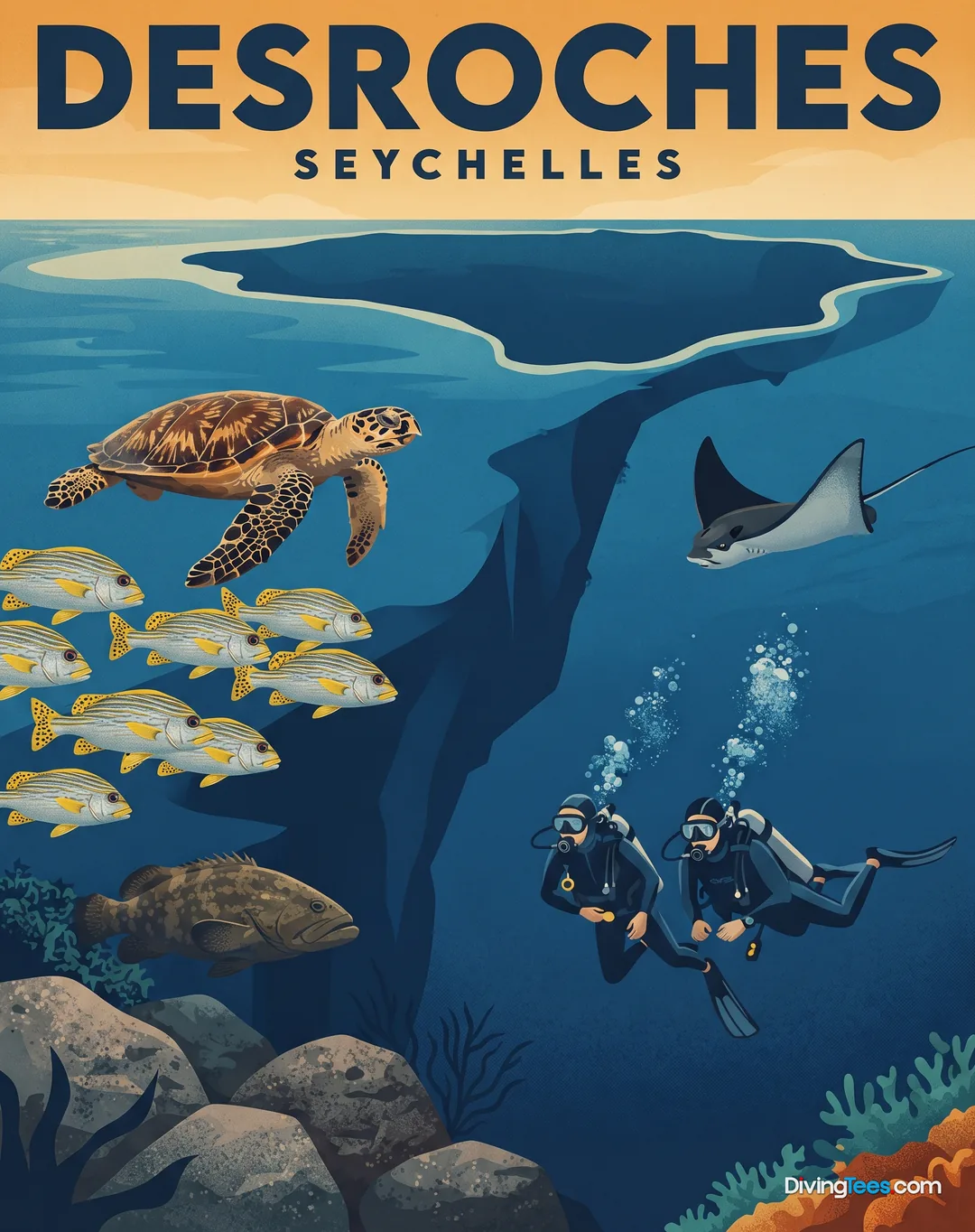
The topography here is singular; rather than a gradual slope or a series of terraces, you are met with an uncompromising verticality. The wall drops almost vertically from a very shallow reef edge, sometimes waist-deep, to depths well beyond normal recreational limits, exceeding 100 metres just a short distance from the shore. This structure combines steep walls and sloping reef sections, supporting highly diverse hard and soft coral growth, and features dramatic canyon-like relief that provides shelter and hunting grounds.
As you follow the wall down, the changing light emphasizes the scale of the environment, a canvas stretching far beyond the limits of your vision. This is a dive where the feeling of isolation and discovery is constant. You are exploring a segment of the ocean floor that remains largely undisturbed, experiencing the marine environment as it has existed for millennia, with very limited human impression on the site.
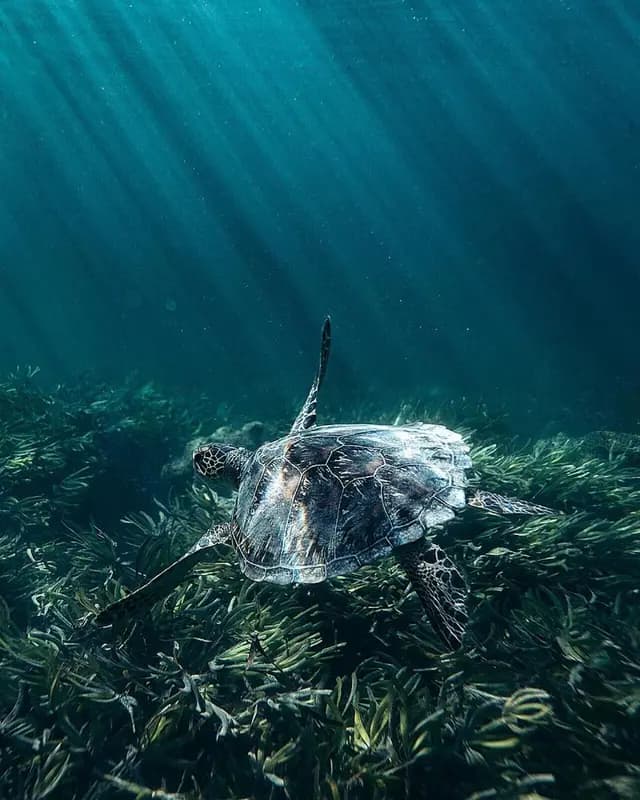
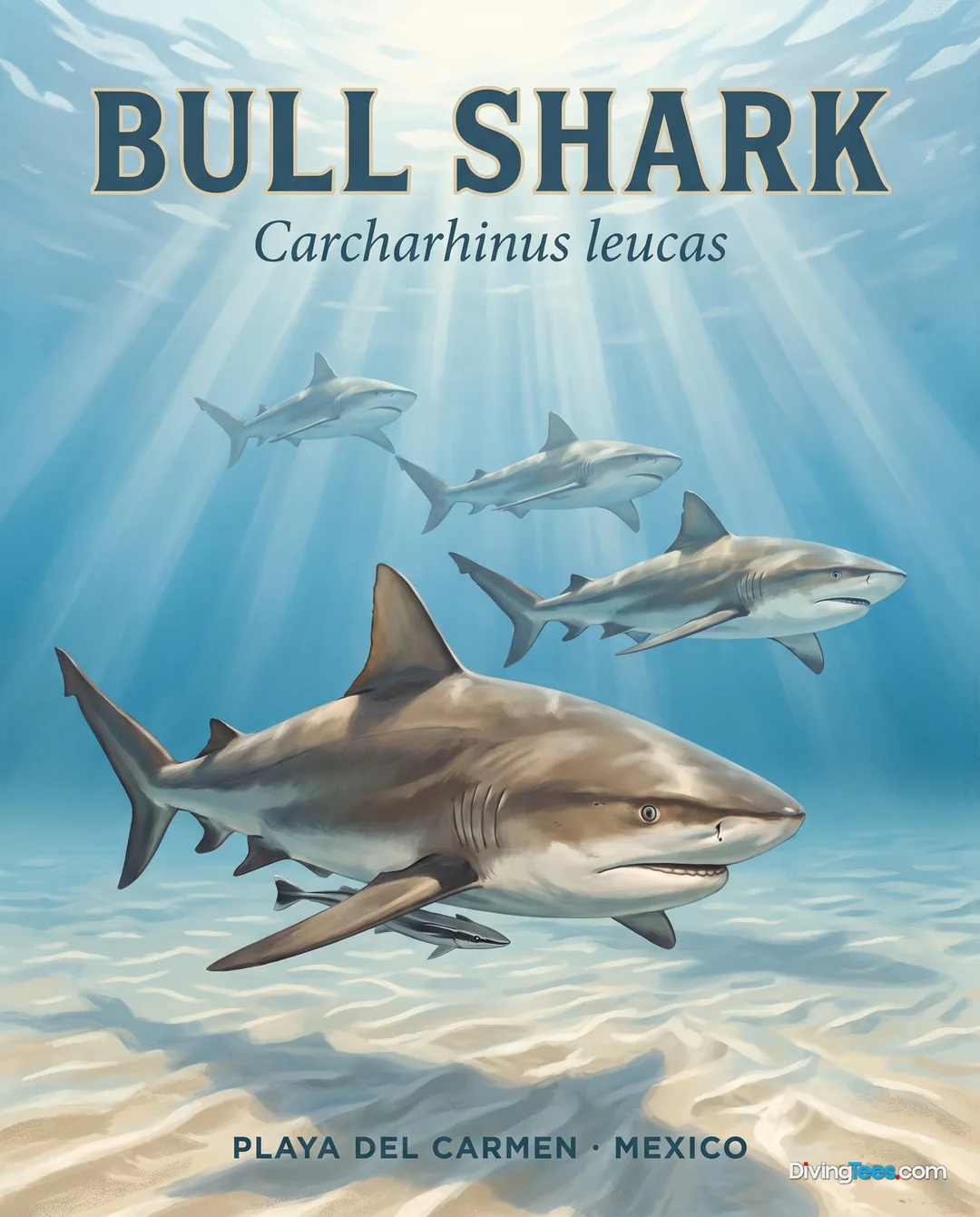
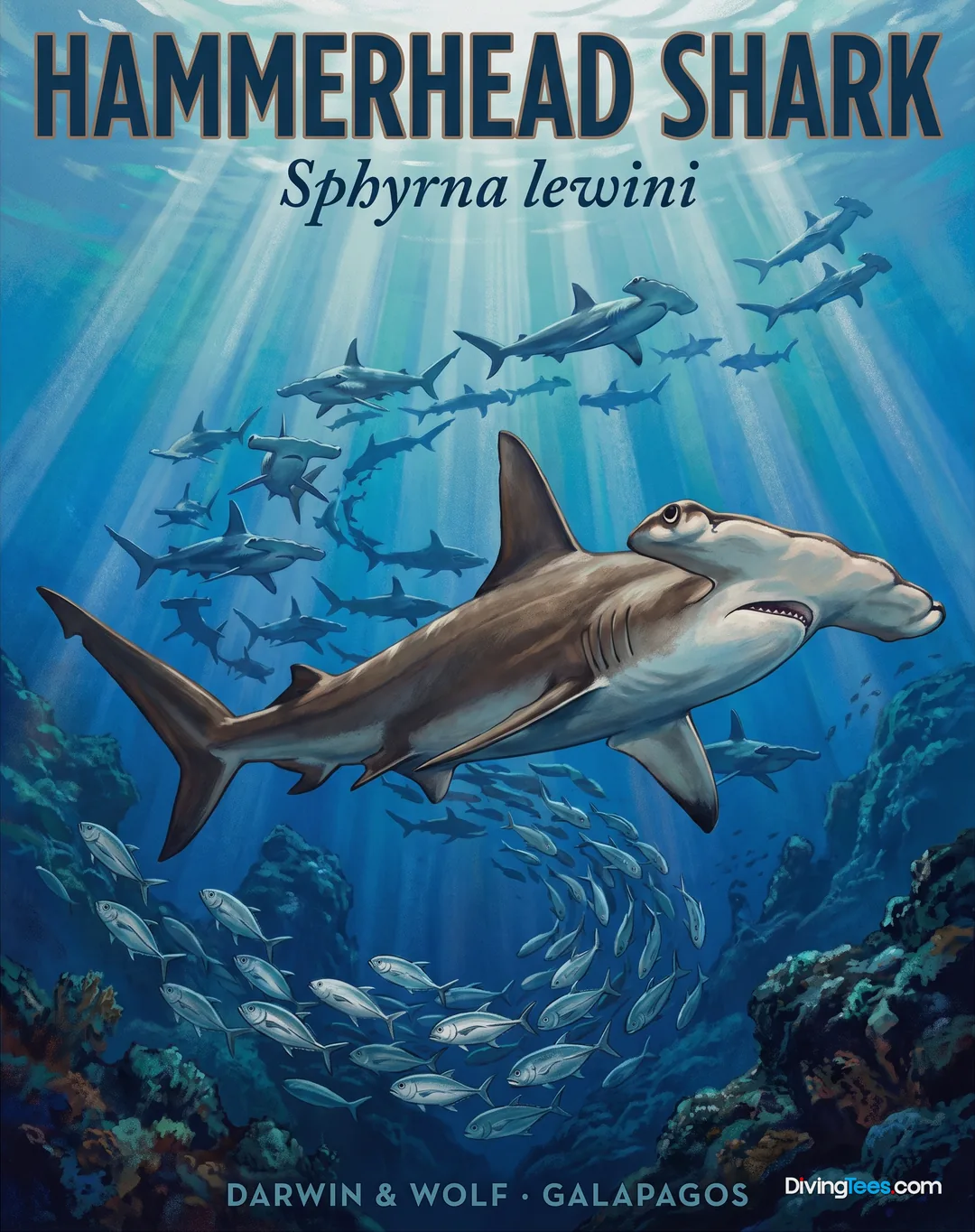
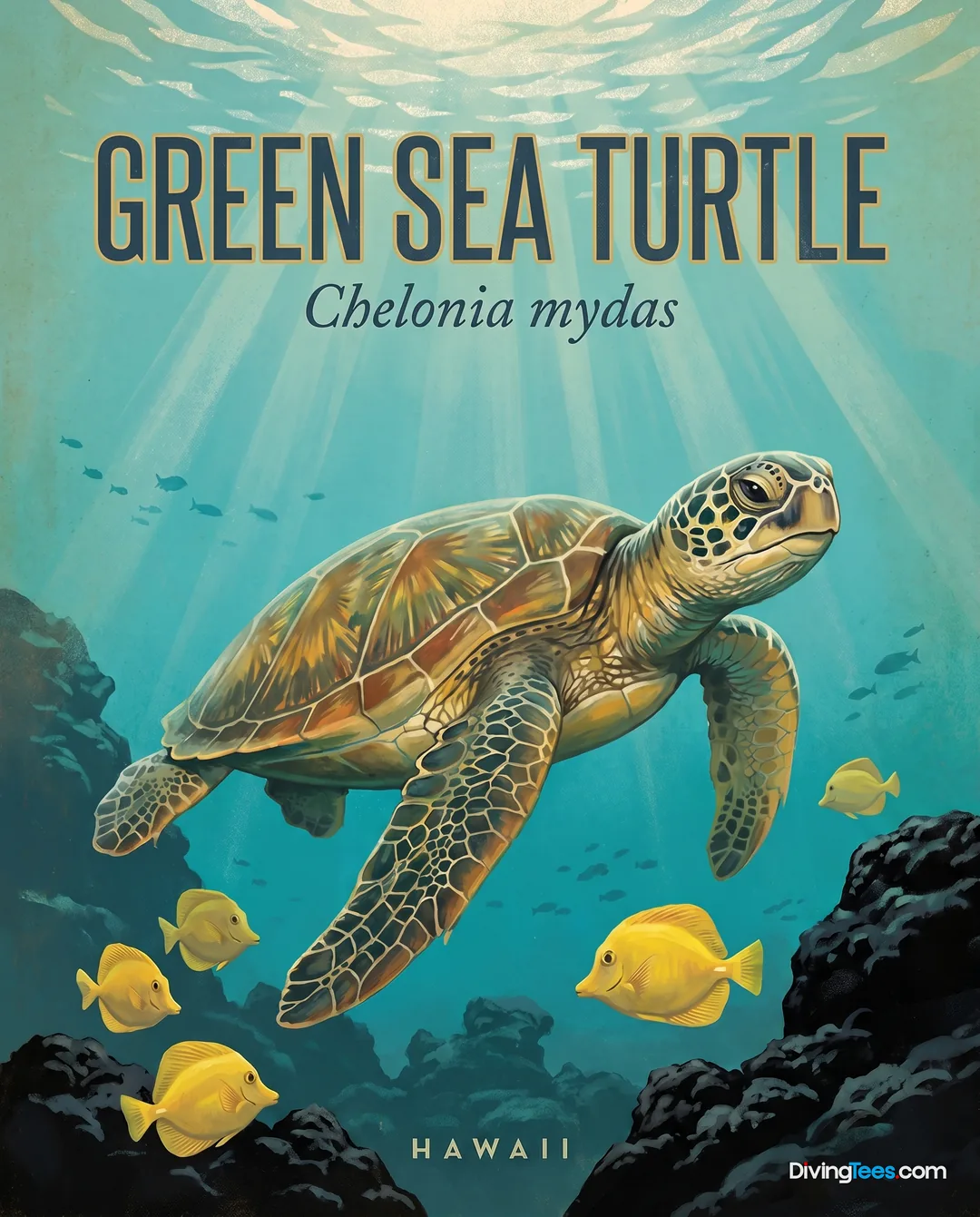
The sheer drop-off acts as a magnet for pelagic species. You can expect to encounter green turtles (Chelonia mydas) and hawksbill turtles (Eretmochelys imbricata) along the reef edge. Grey reef sharks (Carcharhinus amblyrhynchos), bull sharks (Carcharhinus leucas), and silvertip sharks (Carcharhinus albimarginatus) are common sights patrolling the wall, often appearing from the deeper blue. Scalloped hammerhead sharks (Sphyrna lewini) are also present, adding to the pelagic encounters.
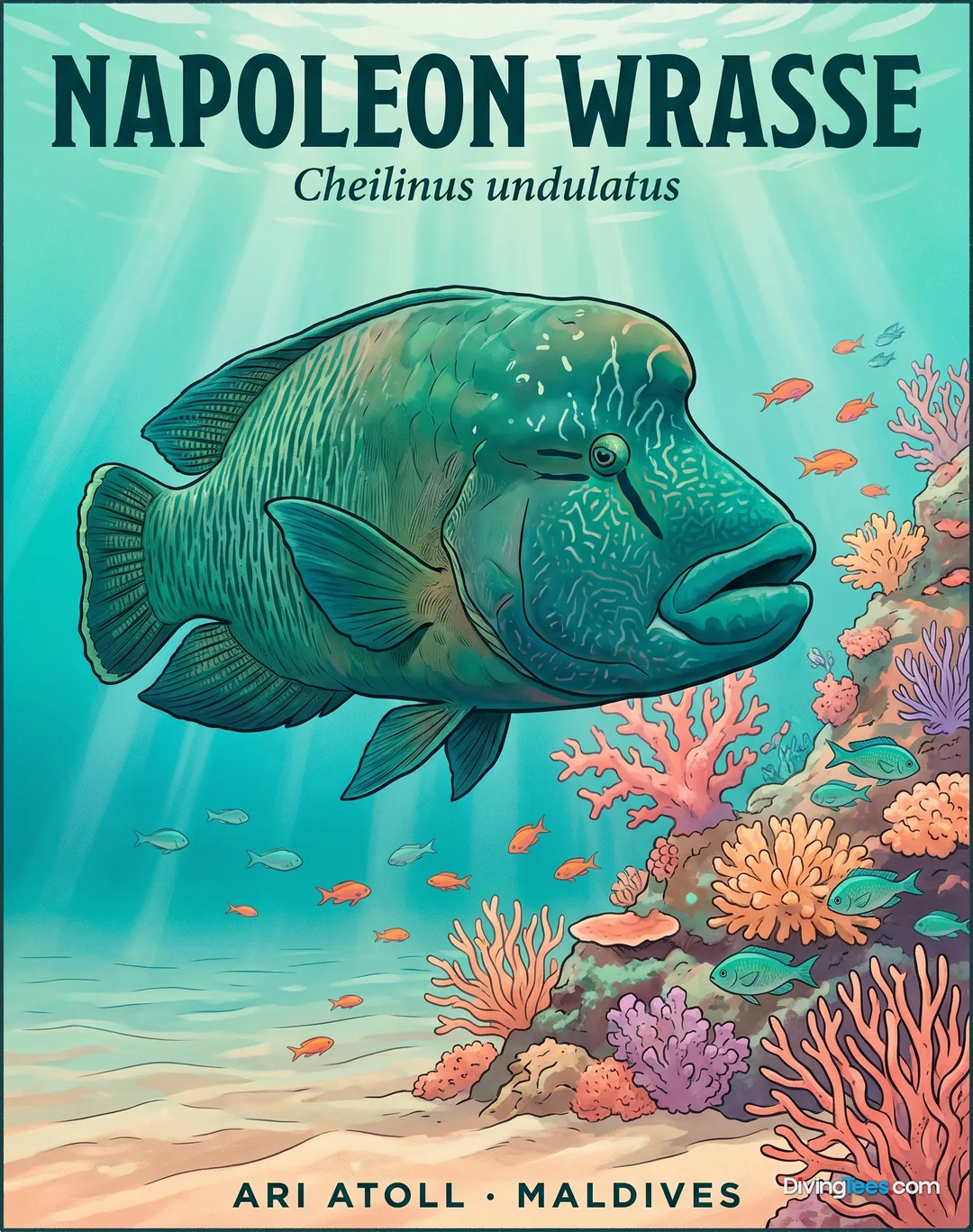
Beyond the larger predators, the reef structure itself is teeming with life. Groupers and snappers are frequently observed in the crevices and along the ledges of the wall. Napoleon wrasse (Cheilinus undulatus) cruise the reef, while eagle rays (Aetobatus narinari) glide gracefully in the blue. The density of reef fish is notably high, indicating a healthy and vibrant ecosystem supported by the pristine conditions of this remote atoll.
Currents around Astove Atoll are variable, influenced by tidal cycles. They can be surprisingly cool and strong, with thermoclines sometimes encountered as shallow as 10 metres, as cooler water pushes around the atoll almost daily. While surface currents at the lagoon mouth can swirl due to the unusual tidal cycle, divers often report relatively calm conditions below the surface on the main wall, though preparedness for changing conditions is always prudent.
Visibility at Astove is consistently excellent, often ranging from 20 to 50 metres. This clarity, combined with the dramatic vertical topography, allows for expansive views of the wall and the open ocean. The remote location of Astove Atoll, roughly 1,040 km southwest of Mahé, contributes to its pristine state, making it one of the most untouched drop-off and wall diving experiences in the Seychelles.
Diving at Astove Atoll is generally considered advanced due to the challenging wall and drop-off diving, and the potential for strong, variable currents influenced by tides. A minimum of Advanced Open Water certification is recommended, along with experience in current. Depths range from 5 metres on the reef top to 40 metres for recreational limits along the wall, though the drop-off continues well beyond. Visibility is typically excellent, between 20 and 50 metres. The primary diving season runs from mid-November to mid-April, with optimal conditions often reported in November-December and March-April.