
Atoll Divers Seychelles
Google 5/5 (608 reviews)
Seychelles · Indian Ocean
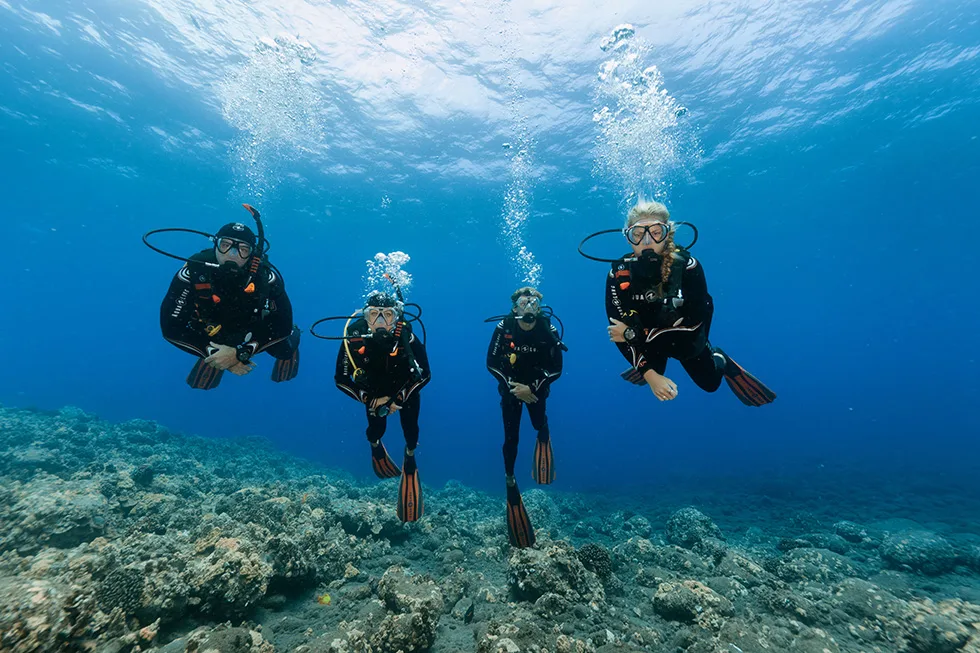
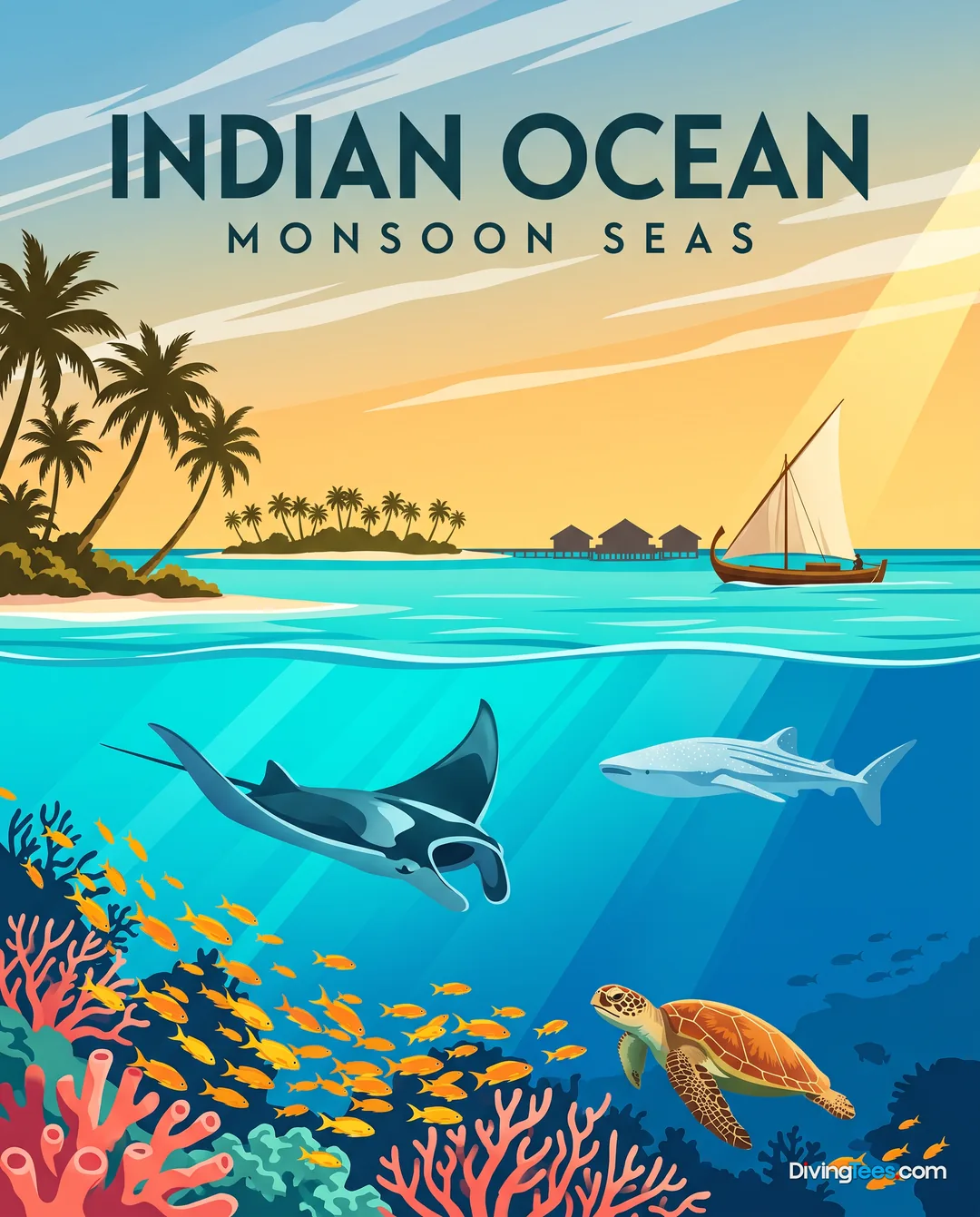
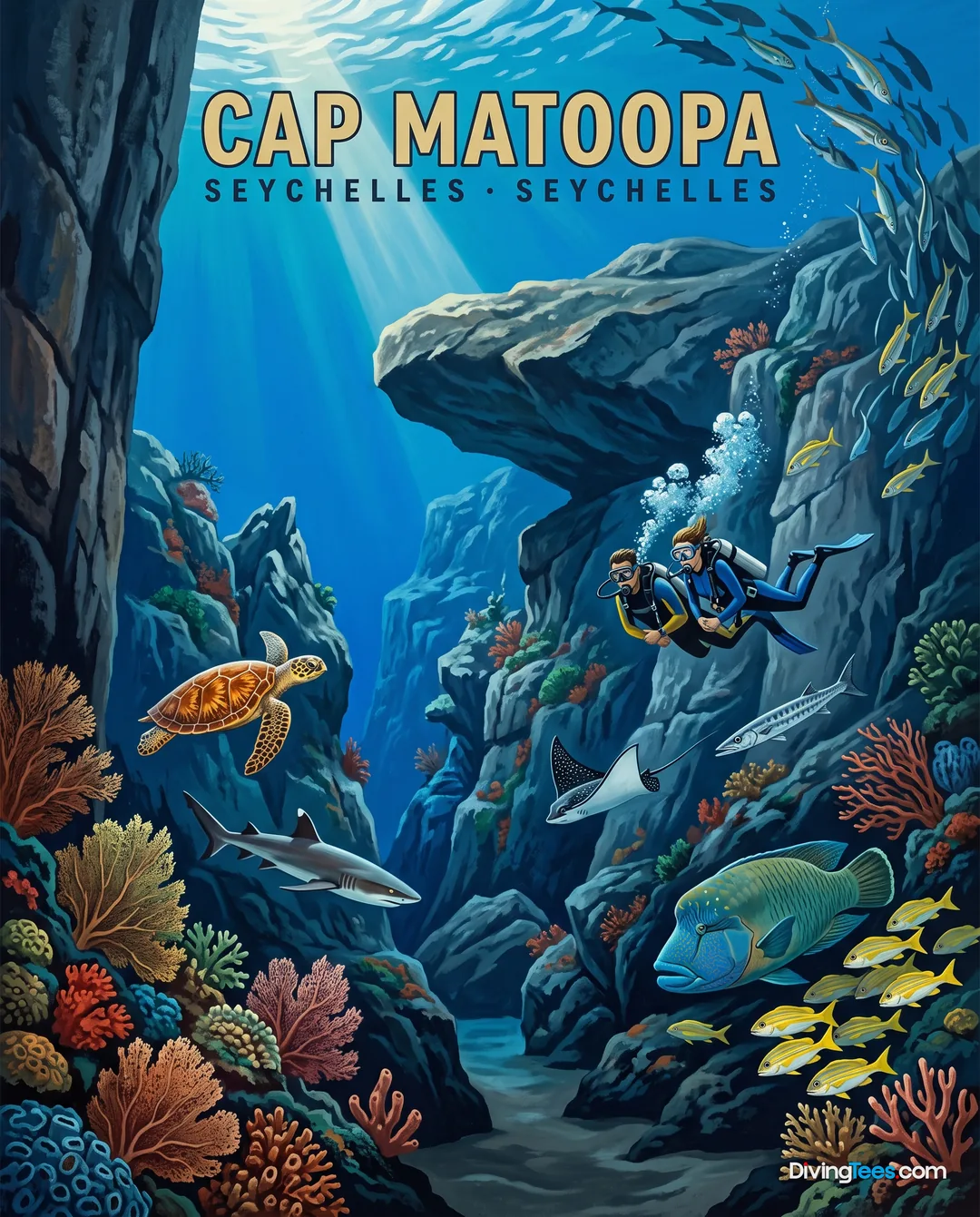
Granite pinnacles, sunk wrecks and moray eels shape day-boat diving around Mahé, with sheltered reefs, exposed sites and depths reaching 40 metres.
For subtitles in English: start the video firstthen click the gearat the top right of the video, select “Subtitles/CC”, then “Auto-translate” and choose “English”.
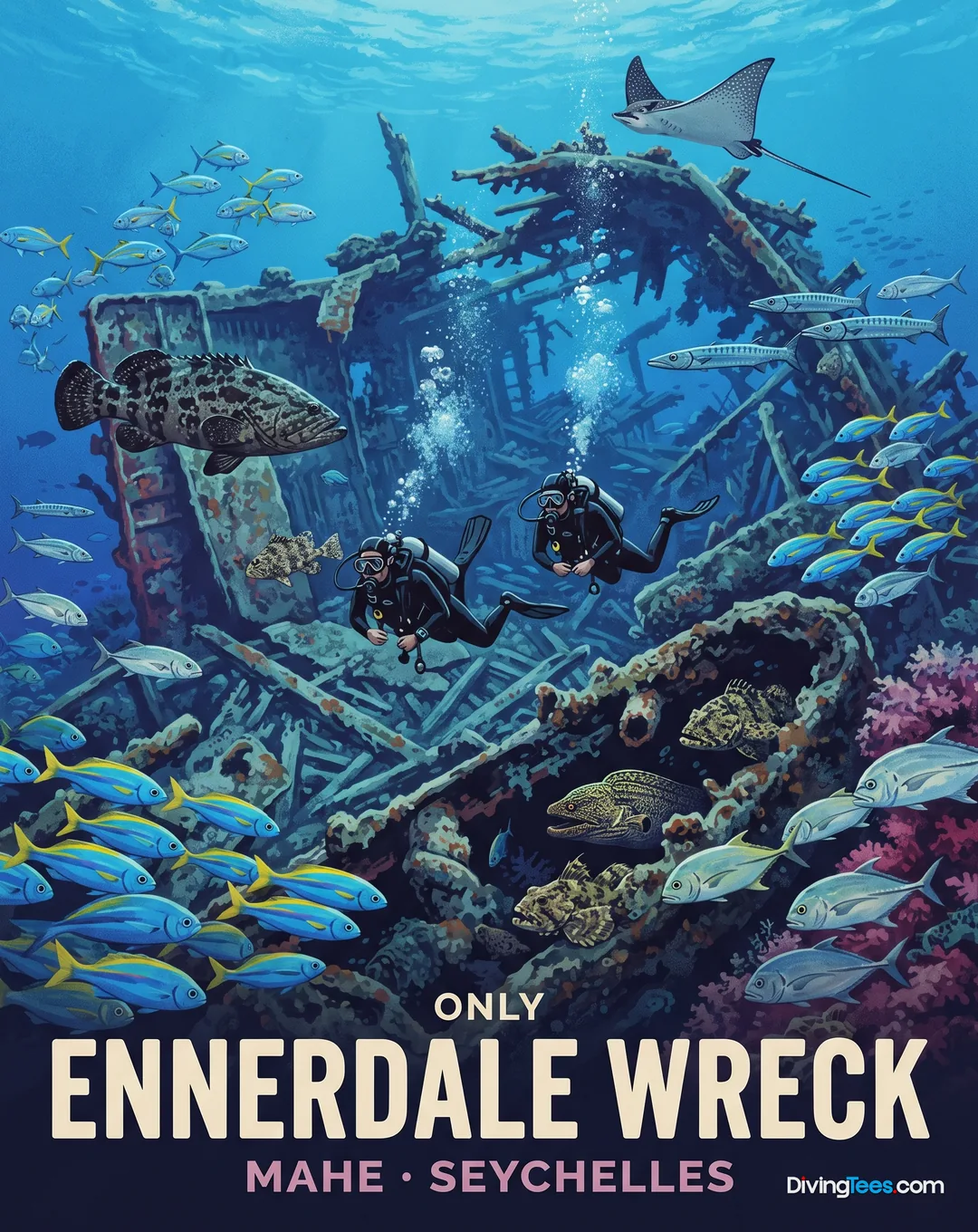
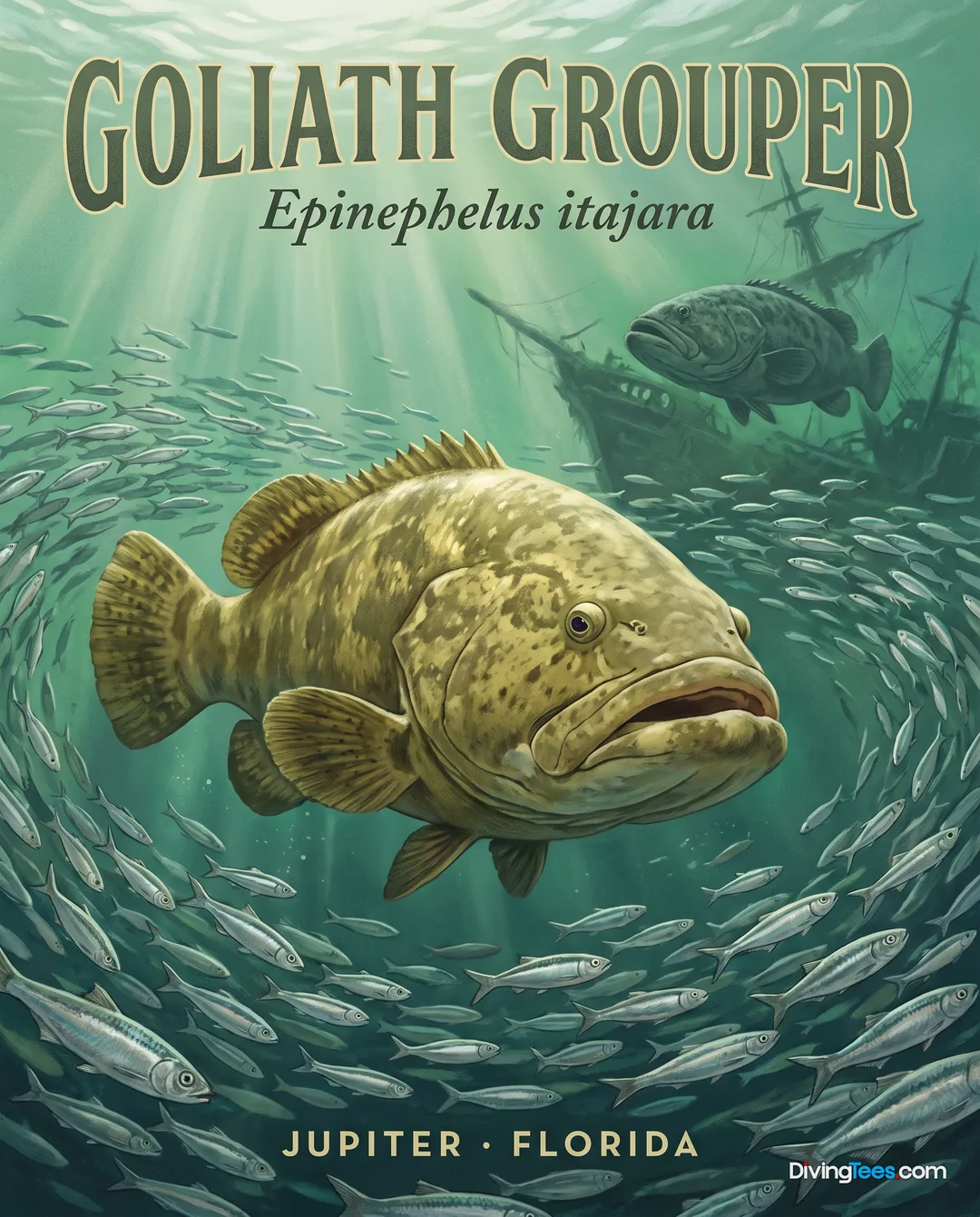
The Ennerdale Wreck lies off Mahé in 18 to 30 metres, its broken structure now used by giant groupers, moray eels and patrolling sharks. It is one expression of a destination built around boat diving from the main island, where granite reefs, underwater reliefs, artificial reefs and nearby islets can all be reached on day trips. Mahé suits divers who want several dives without giving up beaches, walks, Victoria and ordinary island life for a dedicated liveaboard routine.
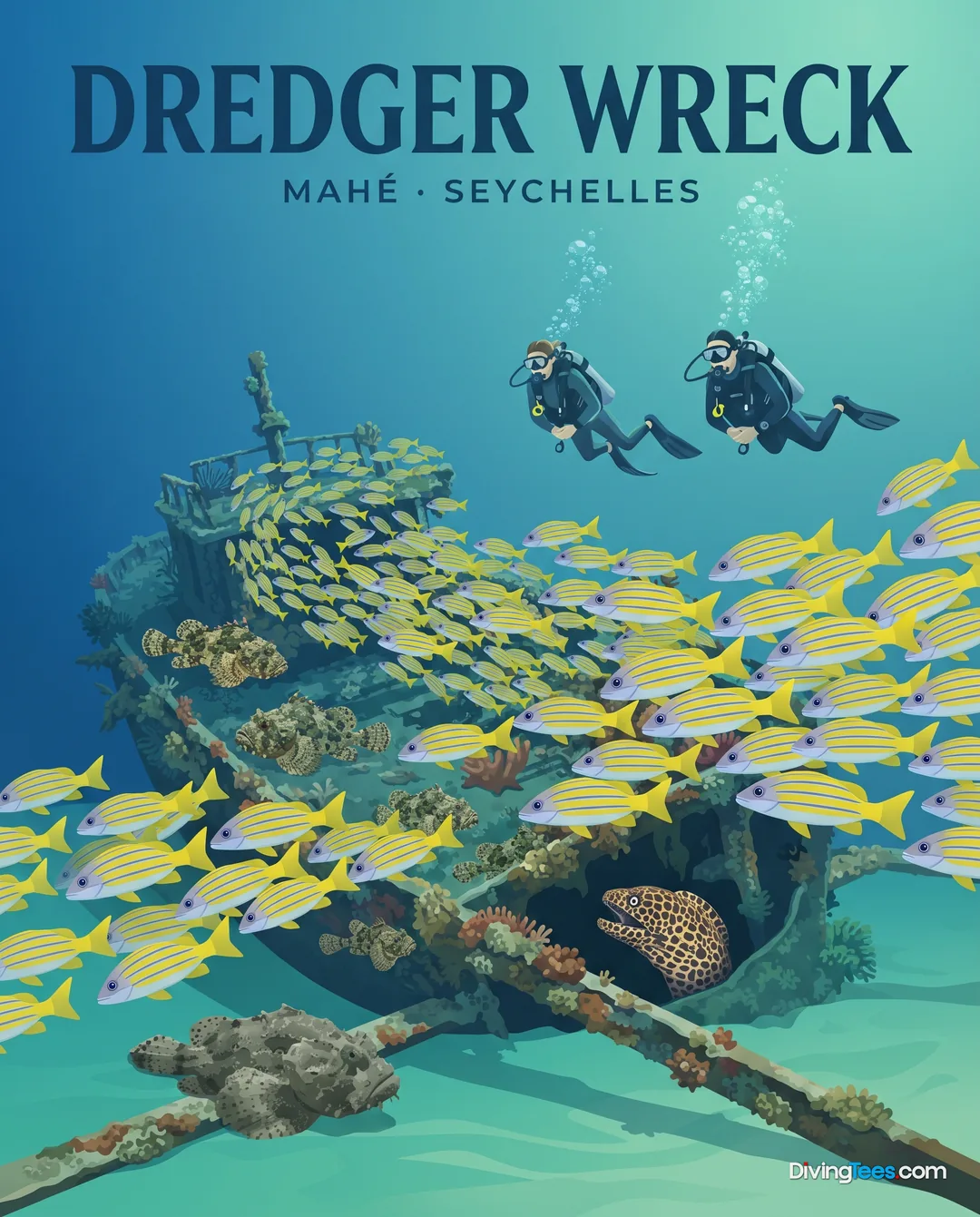
Mahé is mainly a boat-diving destination, with granite formations, reefs, deeper walls and deliberately sunk wrecks providing the underwater structure. Currents are variable rather than consistently strong, and exposure matters: a site on the more open side of the island can feel very different from one chosen in sheltered water. The Dredger Wreck runs from 12 to 30 metres, while Twin Barges offers a shallower 10-to-26-metre profile and can suit a relaxed wreck dive or night dive. Ennerdale Wreck reaches 30 metres and may involve surge. Aldebaran Wreck sits at 40 metres throughout, making it a specialised deep dive rather than a casual add-on. The sensible rhythm is a day boat with the final site selection left to the conditions, followed by enough flexibility for a change of coast or a weather-related adjustment.
The wrecks provide some of Mahé’s clearest wildlife encounters. Giant groupers occupy the Ennerdale Wreck, while moray eels can be found around both wreck structure and reef. The Dredger Wreck is almost hidden beneath schools of blue-stripe snapper, with scorpionfish adding a more cryptic subject for careful observers. Lionfish, fusiliers, jacks and sweetlips bring movement to the reef scenes, and southern stingrays offer a different encounter on the bottom. Sharks patrol parts of the Ennerdale site. These are not staged seasonal spectacles: the attraction is the combination of animal behaviour and solid underwater structure, with the day’s site choice determining what the group gets to explore.
The measured pattern places the calmest sea conditions from October through April, which matters on Mahé because diving depends on boat travel and the ability to use different sides of the island. The lower-rainfall period runs from May to November, so May and November sit usefully between the two patterns. April, May, October and November are sensible months to favour when planning around more settled inter-season conditions. There is no need to build the trip around a particular visiting species; the stronger reason to choose these months is a better chance of comfortable navigation and a wider choice of sites on the day.
Mahé is suitable for all levels, with shallower reef and wreck profiles available to Open Water divers. Twin Barges and the upper sections of Dredger Wreck are approachable choices for divers new to wrecks. An Advanced Open Water, BSAC Sports Diver or equivalent experience becomes useful for deeper profiles and more exposed conditions. Ennerdale Wreck calls for advanced-level deep or wreck experience, while Aldebaran Wreck at 40 metres belongs with divers who are genuinely comfortable applying deep-diving procedures, not simply holding the certificate.
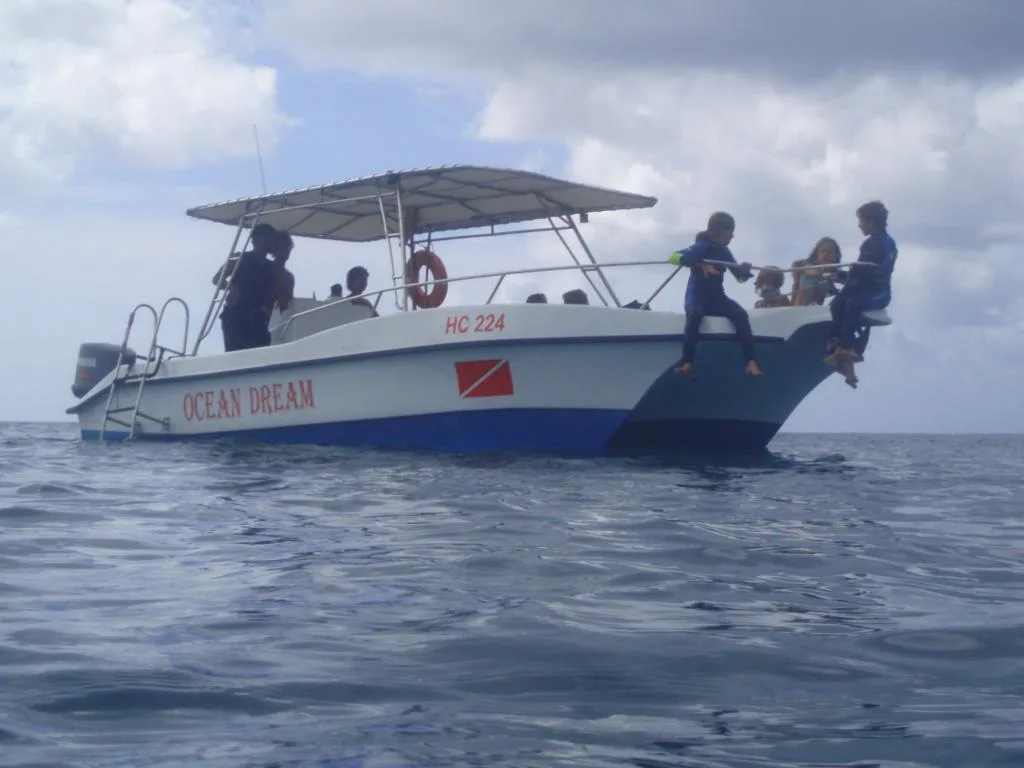
From London Heathrow, London Gatwick or Manchester, the journey begins with an international flight to Mahé. Once on the main island, the practical sequence is road transfer from the accommodation to the dive centre, followed by boarding at a harbour or local launch point. Some days include short boat crossings to nearby islets, so the diving is not a shore-based walk-in operation. Accommodation location affects the road transfer and the departure time; staying near the chosen centre reduces unnecessary early travel. Allowing spare days is sensible because boat movements and the choice between exposed and sheltered sites depend on the weather. The local logistics are straightforward, but they are organised around the operator’s daily boat schedule rather than an independent shore-diving routine.
Keep the first day flexible instead of booking every available dive in advance. Mahé’s boats may switch between the windward and more sheltered sides, and a spare day gives the schedule room to absorb a rough crossing or a changed site plan. Group dives by the same island coast where possible; this cuts road transfers and avoids turning every morning into a long departure. Bring familiar basic equipment, particularly a well-adjusted BCD and your usual weighting, because granite reefs and shallow rock require accurate buoyancy to avoid accidental contact. Before entering Sainte Anne Marine National Park, listen for the site-specific rules: it is a regulated, no-take area with anchoring restrictions and no touching or collecting marine life. Do not assume the wrecks are all similar. Twin Barges is a manageable introduction, Dredger Wreck reaches 30 metres, Ennerdale involves deeper wreck conditions and possible surge, and Aldebaran is a 40-metre dive.
A practical Mahé stay lasts five to seven days, allowing several boat days without making every morning a dive morning. The island works particularly well for a mixed holiday: diving can be combined with beaches, coastal walks, viewpoints, nearby-island excursions and time in Victoria. A non-diving companion is not left with a resort timetable alone. Keep at least some unscheduled time for weather changes, rest between boat days and the possibility that the most exposed sites are not the right choice on a particular morning.
Hello, I'm Marina, DivingDeal.com's AI assistant. I guide you through destinations, areas and countries.
Thinking about the whole trip and the flights? Talk it over with Edith →
Marina is an AI. Some links are affiliate links: DivingDeal may earn a commission, at no extra cost to you. Bookings are made with the partner.
Your last day stays dry: no diving in the 18-24 hours before a flight, the perfect window to see the destination from another angle.
 City
City⏱ 7 h · ★ 5.0 (122 reviews)
from £209$280€250
see on Viator ↗
 Culture
⏱ 4 h · ★ 5.0 (29 reviews)
from £65$86€77
see on Viator ↗
 Culture
⏱ 6 h · ★ 5.0 (12 reviews)
from £171$228€204
see on Viator ↗
 City
City⏱ 4 h · ★ 4.6 (5 reviews)
from £83$111€99
see on Viator ↗
Ratings and reviews collected by Viator and Tripadvisor.
Plan around the sea conditions as well as rainfall. October through April generally brings calmer boat conditions, while May through November is the lower-rainfall period. April, May, October and November offer a useful balance between these patterns, with a better chance of comfortable navigation and a broader choice of sites.
Mahe has options for all levels, including shallower reefs and wreck sections for Open Water divers. Twin Barges and the upper Dredger Wreck suit divers gaining wreck experience. Deeper or more exposed sites need advanced experience, while Ennerdale requires deep or wreck skills and Aldebaran requires genuine comfort with deep-diving procedures.
You can explore granite formations, pinnacles, reefs, deeper walls and deliberately sunk wrecks. Ennerdale has giant groupers, moray eels and patrolling sharks, while Dredger is surrounded by blue-stripe snapper and scorpionfish. Lionfish, southern stingrays, fusiliers, jacks and sweetlips also appear, depending on the selected site.
Base your trip around day boats from the main island, with accommodation near your chosen dive centre to reduce road transfers. Keep the first day and some later time flexible for weather changes, exposed or sheltered site choices and rest. Mahe also combines diving with beaches, walks, viewpoints, nearby islets and Victoria.