Blue Safaris
Google 5/5 (4 reviews)
Seychelles · Indian Ocean
Astove Atoll’s sheer wall, sandy passes, coral reefs, turtles and the open-water drop-off define Desroches for divers seeking an island base.
For subtitles in English: start the video firstthen click the gearat the top right of the video, select “Subtitles/CC”, then “Auto-translate” and choose “English”.
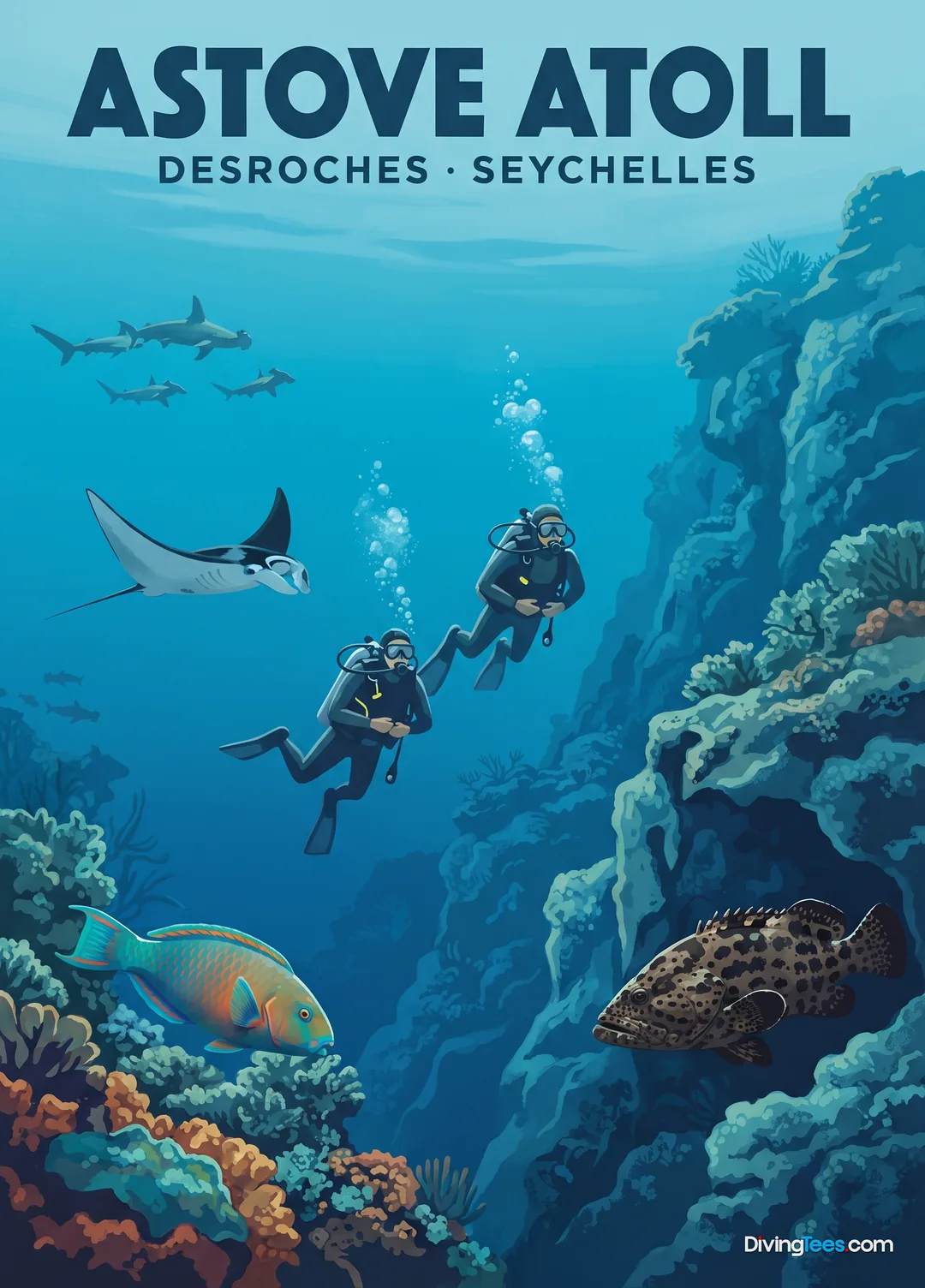
Astove Atoll’s vertical wall is the clearest picture of Desroches underwater: a reef top at five metres giving way to a drop-off that continues beyond recreational depth, with the wall itself reaching forty metres. Around it, diving is organised from the island rather than a busy mainland harbour. The result is a quiet, boat-based reef holiday, with sandy passes, hard-bottom areas and open-water surroundings, not a destination built around shore diving or a large choice of operators.
Most diving is by boat, with reefs and nearby hard-bottom areas reached from the island base. The scenery ranges from shallow reef tops and sandy passes to the more committing profile of Astove Atoll, where the wall descends from about five metres to forty metres within recreational limits. Tidal movement and exposure to changing monsoon conditions make currents variable rather than reliably gentle. Sea state can therefore decide which sites are practical on a given day. Visibility is not tied to a dependable fixed monthly pattern; clarity changes with weather and water movement. Divers should expect relaxed reef dives when conditions allow, but keep enough flexibility for a day when the open-water sites are less comfortable.
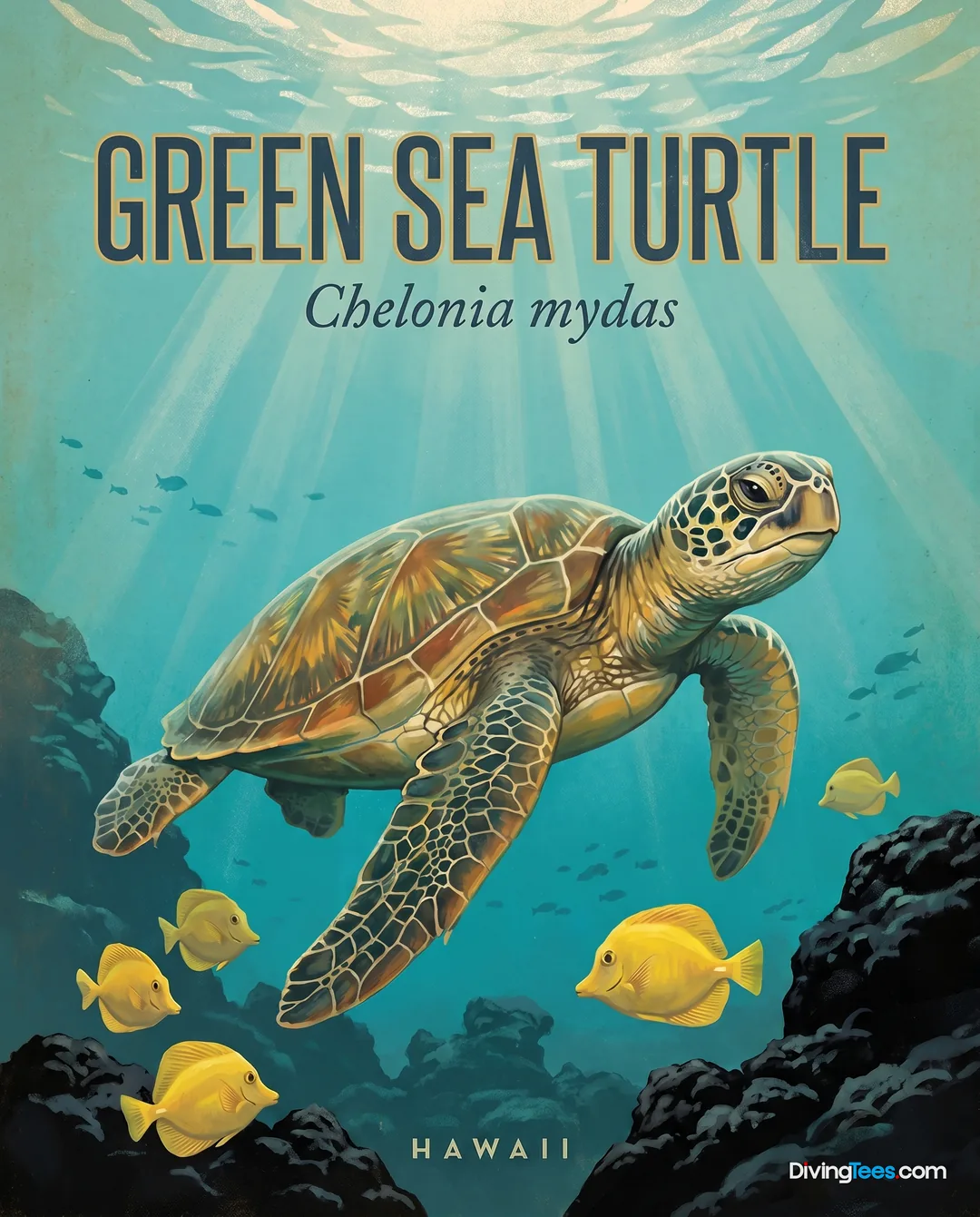
Turtles are the most dependable named encounter, with regular sightings around the reefs. Reef sharks and rays are possible, but occasional rather than a reason to treat every dive as a wildlife guarantee. Astove Atoll’s wall is the place to concentrate on the physical setting: the diver follows the reef edge, manages depth carefully and watches the open water beyond the drop-off. Sandy passes and hard-bottom areas provide a contrasting backdrop for rays when they are present, while reef sharks may pass through the wider blue water. No particular month is attached to these encounters, so Desroches is better approached for its combination of reef structure, island isolation and the chance of passing animals than for a fixed seasonal species spectacle.
The calmest sea conditions are generally from November to April, while the lightest rainfall is usually from May to October. For divers wanting the most useful compromise, April, May, October and November sit between the northwest and southeast monsoons, when conditions are often less dominated by either seasonal wind pattern. November to April can offer the calmer boating window, but the transition months may give a better balance between sea state and rain. As Desroches relies on boats, these distinctions matter: weather affects not only comfort but also the range of sites that can be reached on the day.
General reef diving is suitable for all levels, provided the diver is comfortable with boat entries and changing conditions. Astove Atoll is a different proposition: the wall and possible strong, variable currents call for Advanced Open Water, or the equivalent PADI, SSI or BSAC experience, plus genuine practice in current. Advanced certification is useful even for divers mainly interested in the reefs, because it allows a wider choice when conditions and site plans change.
From London Heathrow, Gatwick or Manchester, the journey is an air connection followed by a domestic flight to Desroches Island. Air Seychelles is the European-linked carrier named for the route, but the island sector should be treated as a separate part of the journey when planning connections. There is no ferry crossing or road approach to fall back on. Once on Desroches, the transfer to the island base is short and local; divers normally walk or use a brief internal transfer rather than relying on a town taxi network. The remote setting makes a coherent island booking more sensible than trying to build a flexible mainland-style itinerary around separate connections.
Desroches rewards preparation more than spontaneity. Pack every personal dive item that would be awkward to replace, especially anything relied upon for repeated boat dives; this is an isolated island, not a large retail dive market. Build the domestic island flight into a single, coherent travel plan, and allow more time than a one- or two-night add-on deserves. The day’s site choice can narrow when the sea rises, so do not assume that a published plan will remain fixed. Divers particularly interested in Astove Atoll should travel with current experience and the appropriate Advanced qualification, rather than treating the wall as an ordinary reef outing. Dates around April, May, October or November offer a useful compromise between monsoon exposure and boating conditions. A slightly longer stay also gives weather-dependent diving room to settle. Avoid arriving with the expectations of a mainland hub: flexible departures, last-minute replacement kit and effortless commuting are not part of the Desroches arrangement.
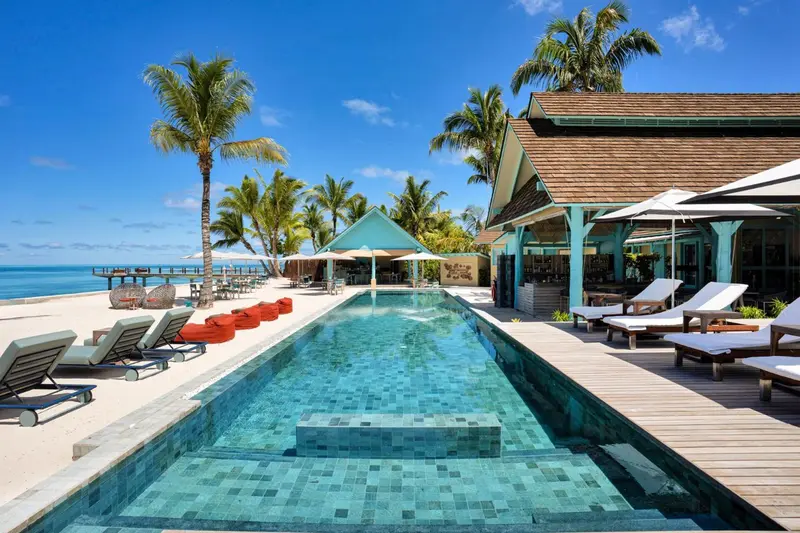
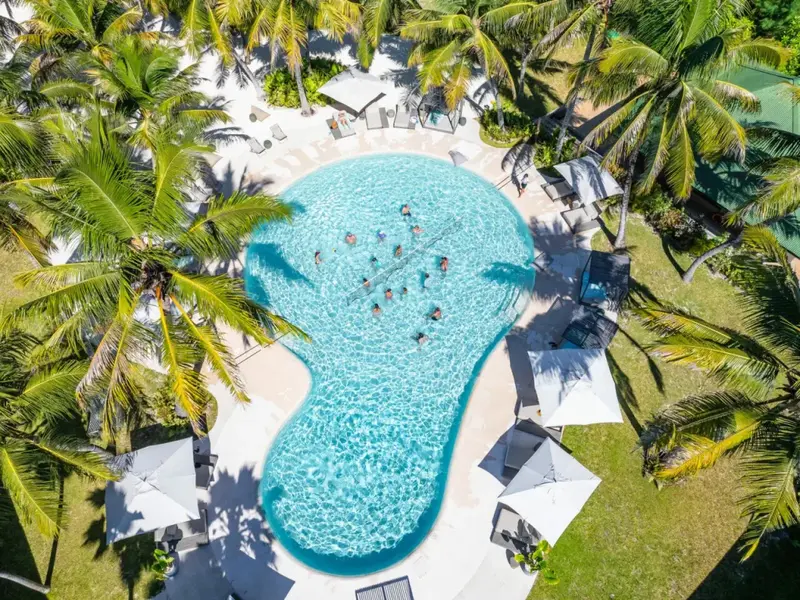
A five- to seven-day stay makes sense because the journey is remote and the diving depends on local boats and weather. Days are built around boat departures from the island base, with beaches, lagoon time and quiet shoreline relaxation filling non-diving periods. Companions have genuine resort-island options, although the destination remains deliberately low-key rather than a town with a wide choice of activities. The island works best as a complete holiday, not a brief stop between larger destinations.
Hello, I'm Marina, DivingDeal.com's AI assistant. I guide you through destinations, areas and countries.
Thinking about the whole trip and the flights? Talk it over with Edith →
Marina is an AI. Some links are affiliate links: DivingDeal may earn a commission, at no extra cost to you. Bookings are made with the partner.
Desroches generally has its calmest sea conditions from November through April, which can make boat departures more comfortable. Rainfall is usually lighter from May through October. April, May, October and November offer a useful compromise between seasonal wind patterns, rain and boating conditions, although weather can still affect which sites are practical.
General reef diving at Desroches suits all levels if you are comfortable with boat entries and changing conditions. Astove Atoll is more demanding because its wall and variable currents require Advanced Open Water or equivalent experience, together with genuine current practice. Advanced certification also gives you a wider choice when plans change.
Desroches offers shallow reef tops, sandy passes, hard-bottom areas and open-water surroundings. Astove Atoll features a wall descending from a shallow reef top to forty metres. Turtles are regularly encountered around the reefs, while rays may appear over sand or hard bottom and reef sharks may occasionally pass through open water.
Plan Desroches as a complete island holiday, with boat diving arranged from the self-contained base rather than a mainland harbour. Build the domestic flight into a coherent itinerary after your international connection, pack personal dive equipment that would be difficult to replace, and allow flexibility for weather-dependent departures and site changes.