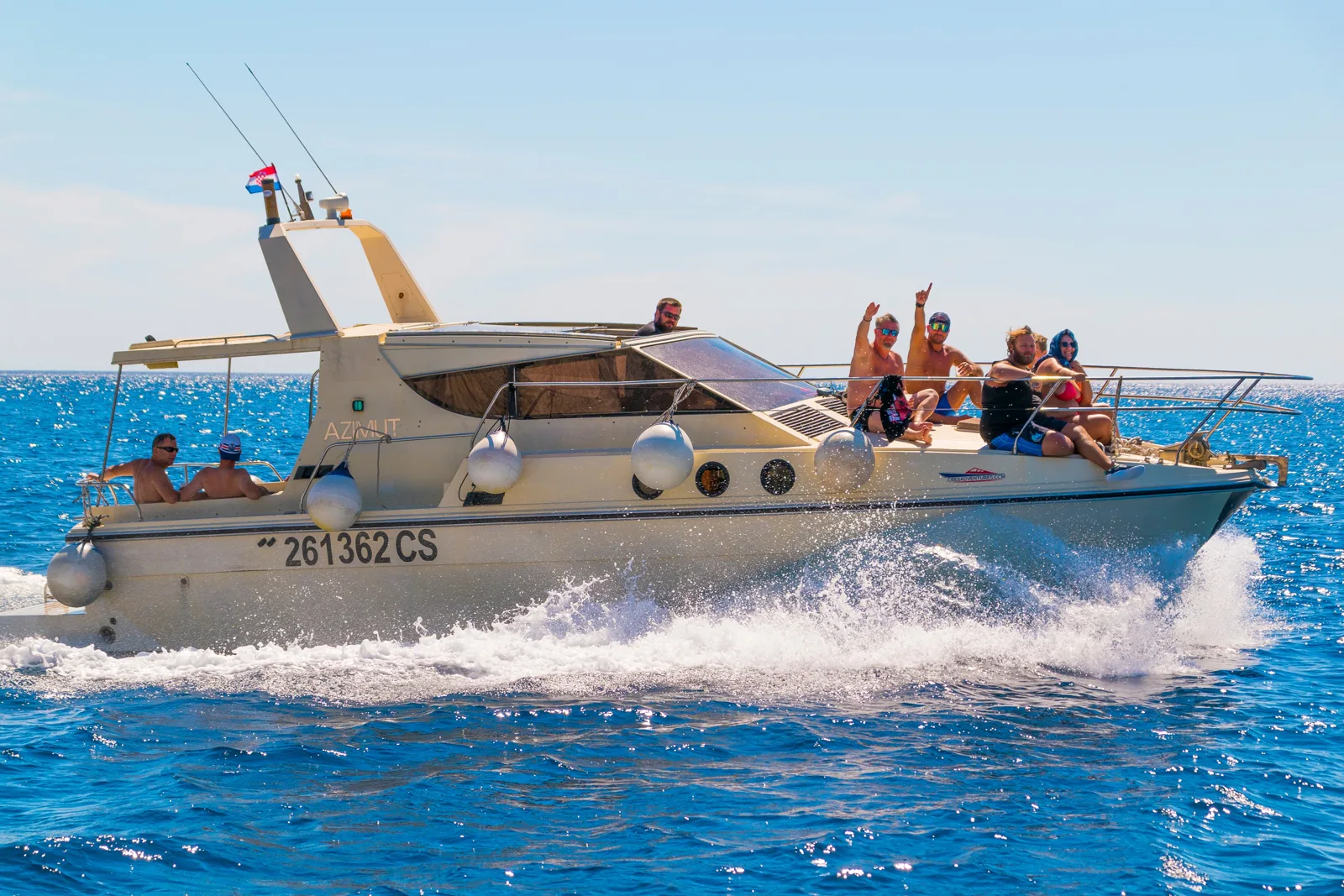

Sea Mates XR Diving Cres
Google 5/5 (58 reviews)
Croatia · Mediterranean
Red gorgonians on rocky walls, small caves, wrecks and a house reef give Cres a distinctly Adriatic shape above and below water.
For subtitles in English: start the video firstthen click the gearat the top right of the video, select “Subtitles/CC”, then “Auto-translate” and choose “English”.
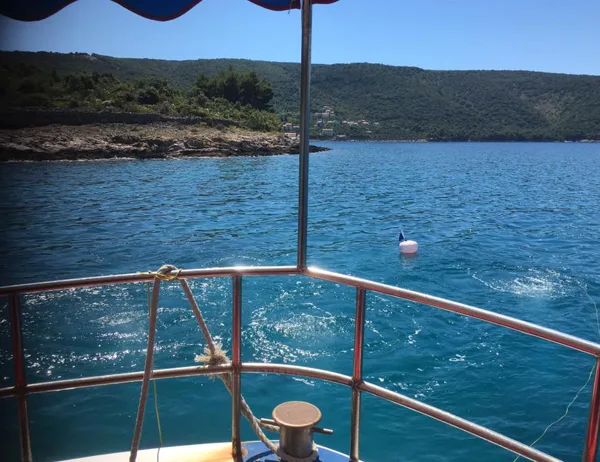
Cres is an island diving base where a shore dive can begin at a house reef and a boat trip can lead to rocky walls, drop-offs, small caves or a wreck. That mix suits a week on land rather than a liveaboard routine. You can build a gentle programme around accessible coastal diving, then add deeper or more exposed outings as conditions and experience allow. Away from the water, historic villages, beaches and coastal walks give non-divers a proper holiday too.
The underwater landscape is Adriatic rock: walls, drop-offs, reefs, small caves and occasional wrecks, reached either from shore or by local boat. Cres also has a house reef and training area, useful for settling in before committing to a more exposed site. Currents are variable rather than a constant feature, but a confirmed drift dive may involve moving with the water, and the deeper walls need sensible planning. Visibility commonly falls between 12 and 30 metres after calm weather, then deteriorates when the bora, swell or coastal stirring lifts particles from the seabed. May, September and October are particularly attractive for clear-water outings after a settled spell. Boat dives are the way to reach the more remote walls, reefs and wrecks, while shore alternatives become valuable when wind makes the exposed sites impractical.
Red gorgonians are the clearest named attraction on Cres’s rocky walls, appearing through the local diving season from May to October. Around them, expect the general fauna of Adriatic rocky reef rather than a tropical-style catalogue of large animals. The interest lies in working along the rock, looking into cracks and small caves, and reading the changing surface of the reef as visibility allows. Calm water makes the gorgonians and wall structure easier to appreciate, while bora or swell can reduce the view by stirring coastal particles. A boat trip may give a different feel from the house reef, with the same rocky setting opening into a deeper wall, a high point or a wreck.
The practical diving season runs from May to October. May, June and September are the most useful compromises for divers who want a reasonable chance of boat trips without July and August’s heavier visitor and boat traffic. October can also reward photographers after a calm spell, although the wind deserves more attention. In winter and early spring, bora episodes and changeable sea conditions make outings less regular. Keep the weather in your plans rather than treating every day as interchangeable, because a calm forecast can open the exposed walls while a fresh wind may leave a shore dive as the sensible alternative.
Cres works for all levels, provided the dive is matched to the site. The house reef and training area offer a straightforward introduction, while deeper walls and boat dives call for suitable experience and planning. Advanced training is useful for drop-offs and deeper profiles. A Wreck certification is appropriate for wreck diving, and a Drift qualification is relevant when the centre confirms a current-led outing. Do not assume that every site around the island is a beginner dive.
From London Heathrow, Gatwick or Manchester, the journey requires a flight connection into the mainland or island part of the route, followed by road travel and a compulsory ferry. Cres has no airport and no fixed road link to the mainland. The structural choices are Jadrolinija from Brestova in Istria to Porozina, a crossing of about 20 minutes, or from Valbiska on Krk to Merag, about 25 minutes. Brestova is the shorter ferry approach, while Valbiska means reaching Krk first and arrives on the south-eastern side of Cres. Allow plenty of connection time in high season, especially on the road to Brestova, where queues can be long. Once on Cres, a car or road transfer is usually needed between ports, villages and dive centres.
Build the trip around the ferry, not around the first planned dive. In July and August, a queue at Brestova can disrupt a booking, so keep a spare day for the crossing and for a boat trip lost to bora or swell. Ask in advance which exposed walls, wrecks and deeper profiles remain realistic for your qualification, and keep a shore dive available as a substitute. The two ferry routes are not interchangeable: compare Brestova–Porozina with Valbiska–Merag against where you are staying and where the diving is based. Cres is spread out, so do not book a remote room assuming a regular shuttle to the harbour. Bring a plan for specialised equipment if you need it, because availability is not uniform across the island’s centres. Finally, leave room for the weather rather than forcing every dive from the original itinerary.
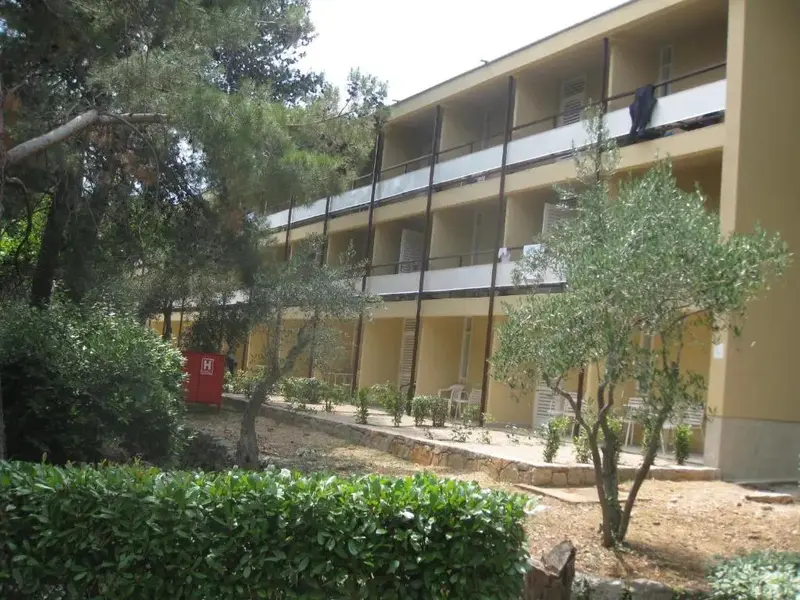
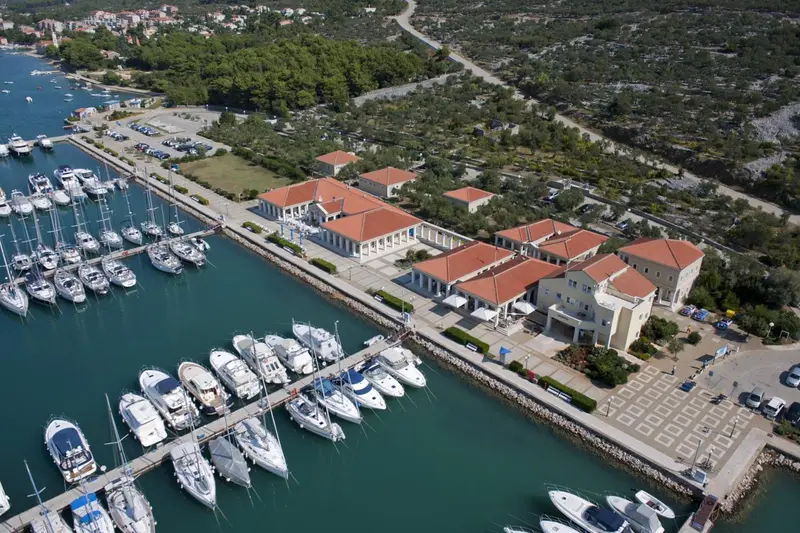
Allow about seven days on land to combine house-reef or other shore dives with boat outings, while keeping a weather and ferry reserve. The practical base depends on the village: accommodation near a harbour or dive centre may be walkable, but elsewhere a car or road transfer is normally needed. Non-divers can spend the gaps visiting Cres town and island villages, swimming from coves and beaches, walking the coast, taking boat excursions or looking for griffon vultures.
Hello, I'm Marina, DivingDeal.com's AI assistant. I guide you through destinations, areas and countries.
Thinking about the whole trip and the flights? Talk it over with Edith →
Marina is an AI. Some links are affiliate links: DivingDeal may earn a commission, at no extra cost to you. Bookings are made with the partner.
Cres has a practical diving season from May to October. May, June and September offer useful conditions for boat trips with less visitor and boat traffic than July and August. October can suit photographers after calm weather. Plan around forecasts, since bora and swell may favour shore diving over exposed sites.
Cres suits different experience levels when the site matches your ability. The house reef and training area provide a straightforward introduction. Deeper walls and boat dives require suitable experience and planning. Advanced training helps with drop-offs and deeper profiles, while wreck and drift dives require appropriate qualifications when those outings are confirmed.
Diving in Cres reveals Adriatic rocky walls, drop-offs, reefs, small caves and occasional wrecks. Red gorgonians grow along the walls during the diving season. You can explore cracks and reef surfaces from shore or by boat, with the house reef offering a different setting from deeper walls, high points and wreck sites.
Plan Cres around the ferry, weather and location of your accommodation. Allow about seven days to combine house-reef or shore dives with boat outings and reserve time for delays. Compare Brestova to Porozina with Valbiska to Merag, then arrange a car or road transfer if you are not near a harbour or dive centre.