
Diving Rovinj, Rovinj Diving News
★ 4.8/5 (136 reviews)
13 km away as the crow flies
Istria · Croatia · Mediterranean
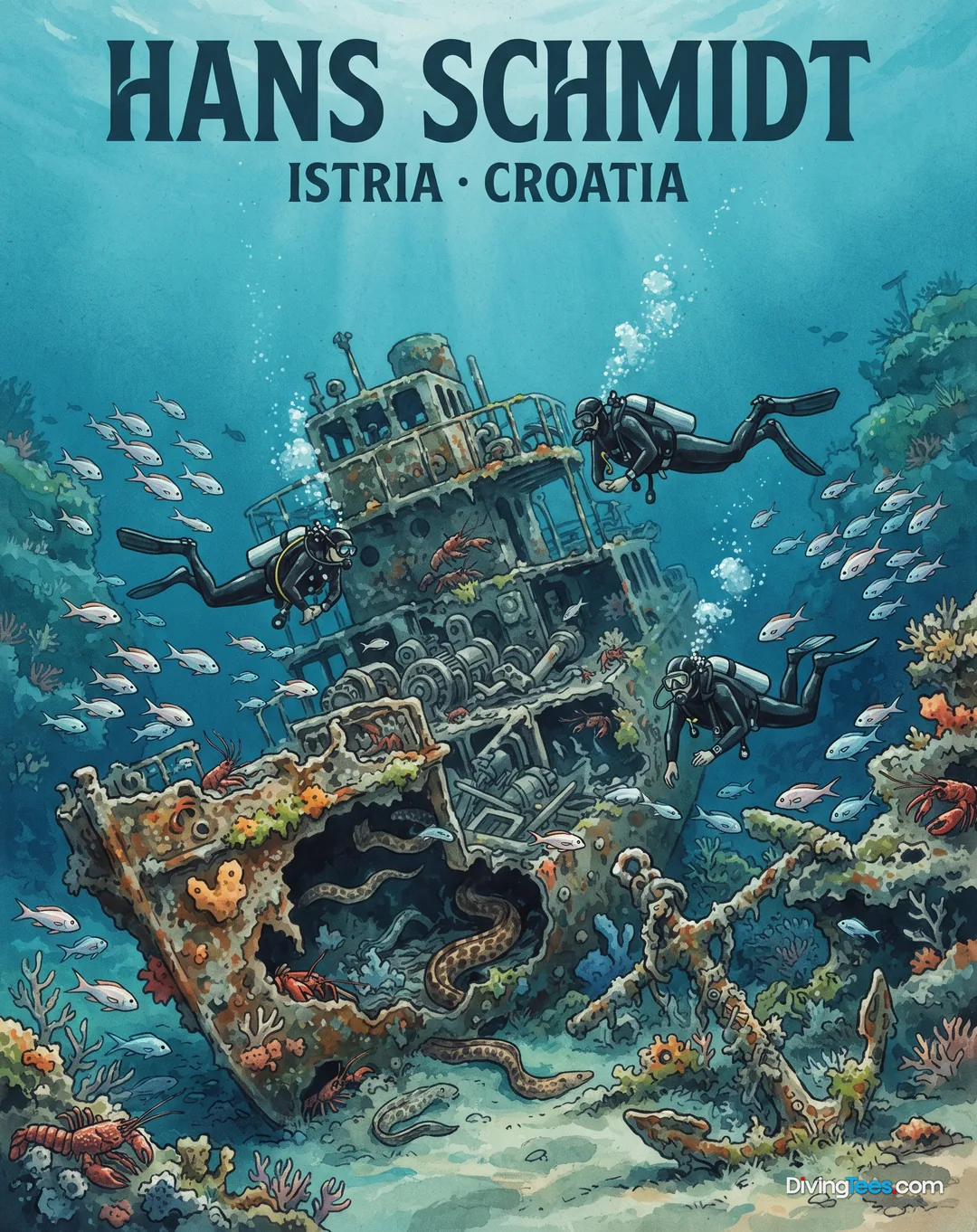
Max. depth · 40 mDescend to between 28 and 40 metres to explore the remarkably preserved hull of the Baron Gautsch, a passenger liner resting upright on the sandy seabed.
For subtitles in English: start the video firstthen click the gearat the top right of the video, select “Subtitles/CC”, then “Auto-translate” and choose “English”.
The Baron Gautsch, an Austrian passenger liner launched in 1908, lies off the coast of Istria, Croatia. She met her end in 1914 after striking a mine, sinking rapidly. This wreck is not merely a dive site; it is listed on the Croatian Register of Cultural Monuments, which means diving requires a special permit secured through authorised dive centres. At 89 metres long and 11.5 metres wide, the size of the Baron Gautsch means a single dive provides only an initial impression, hinting at the scope of exploration possible.
The wreck sits upright on a sandy bottom, with its highest points, the upper deck, starting at 28 meters and sloping down to the seabed at 40 metres. The overall structure is in excellent condition, showing minimal signs of collapse despite its age. Diving on the Baron Gautsch allows you to trace the vessel's outline, imagining its journey from Kotor to Trieste, which tragically ended here near the Brijuni Islands. The light penetration on the upper decks is still notable, illuminating parts of the structure.
As you descend, you will begin to discern the ship's superstructure, which remains largely intact. The framework is home to a variety of benthic life, including red and orange soft corals and sponges that have colonised the metallic surfaces over the century. These growths add a vibrant contrast to the ship's historical steel, creating an environment where marine life thrives, offering a visual testament to the ocean's reclamation.
For divers with appropriate experience, penetration into the wreck is possible, though strictly controlled. Entry is limited to the first two decks for safety reasons. Inside, the cooler, darker environment occasionally reveals schools of fish congregating for shelter. Moving deeper into the wreck, you might encounter conger eels (Conger conger) and lobsters (Homarus gammarus) tucked away in the shadows or within the structural confines, observing their natural habitat within the ship's remains.
The story of the Baron Gautsch is a somber one, with significant loss of life after it strayed into a minefield. The ship was carrying families of Austrian officers, and over two hundred passengers were aboard when it struck a mine on its port side. This history adds a layer of reverence to the dive, reminding you of the human element behind this artificial reef. The wreck stands as a reminder of its past, preserved beneath the surface.
Visibility at the site is generally good, allowing you to appreciate the scale of the wreck from a distance before approaching. The dive profile is straightforward, following the contours of the wreck. There is generally minimal current here, which contributes to the site's accessibility and provides a more relaxed environment for prolonged exploration, particularly when navigating around the deeper sections and planning your ascents. This allows for detailed observation of the wreck and its marine inhabitants without the added challenge of strong flow.
Given its upright position and the intact nature of its decks, the Baron Gautsch provides multiple areas beneficial for exploration beyond a single dive. Its historical significance, combined with the visible marine ecology, means that each return offers new perspectives. The density of growth on the hull and the variety of life in the interior spaces ensures that the site remains dynamic. It continues to be a focal point for those interested in historical wrecks and the unique ecosystems they foster.
This is an advanced dive, with depths ranging from 28 metres to 40 metres. To dive the Baron Gautsch, you require an Advanced Open Water certification at minimum, along with practical experience in deep diving. The site typically presents with minimal current and good visibility, making sustained exploration feasible. The best period for diving here runs from April through September when conditions are most stable.
★ 4.8/5 (136 reviews)
13 km away as the crow flies
★ 4.7/5 (287 reviews)
17 km away as the crow flies

★ 4.7/5 (203 reviews)
22 km away as the crow flies
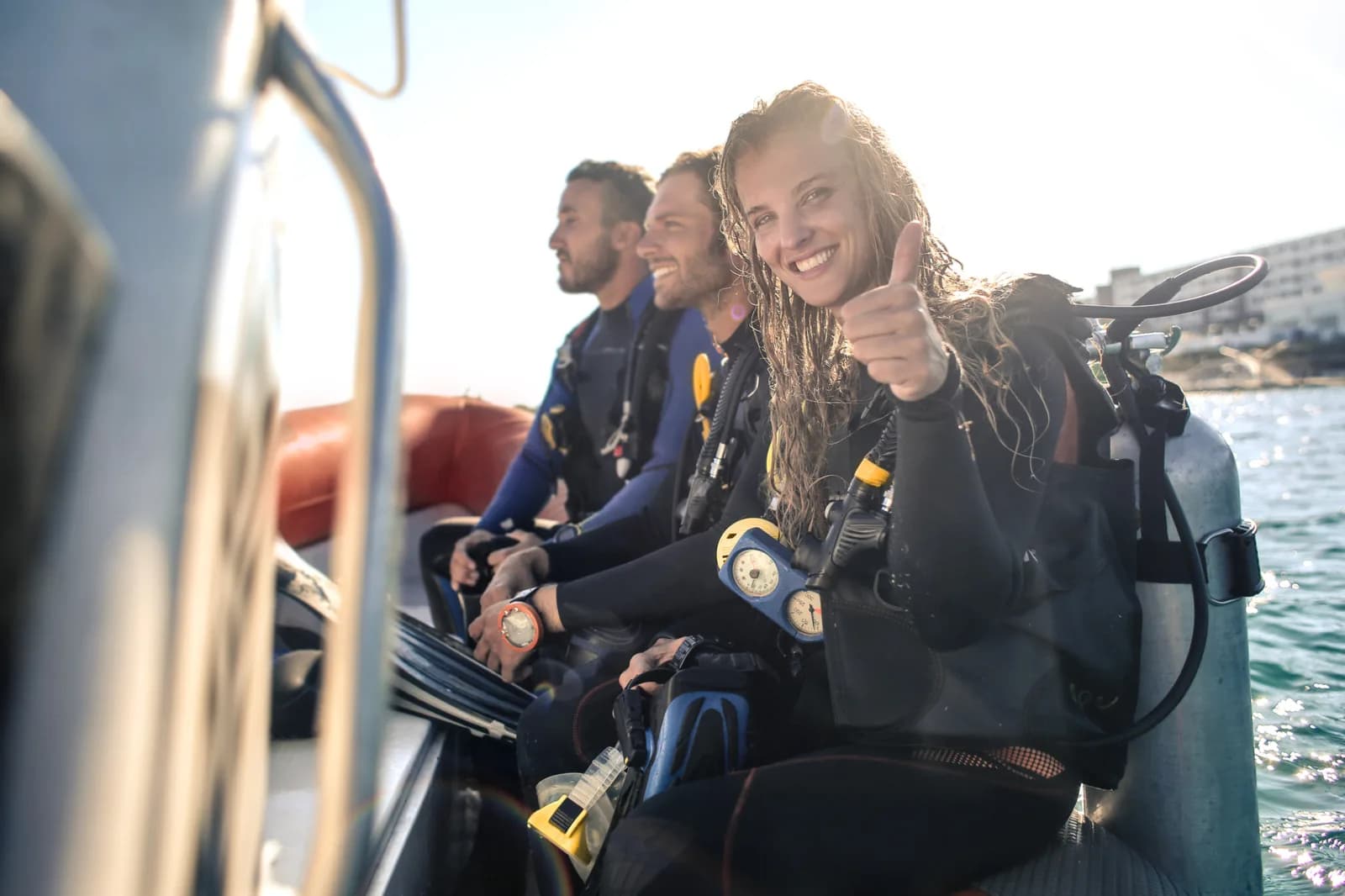

★ 4.8/5 (160 reviews)
24 km away as the crow flies

★★★★★
★ 8.7/10 (2,029 reviews)
13 km away as the crow flies
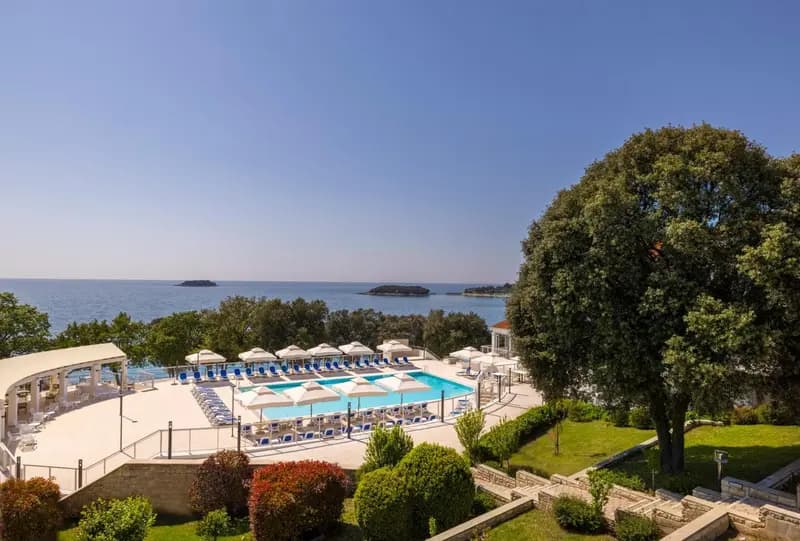
★★★
★ 9.1/10 (2,026 reviews)
25 km away as the crow flies
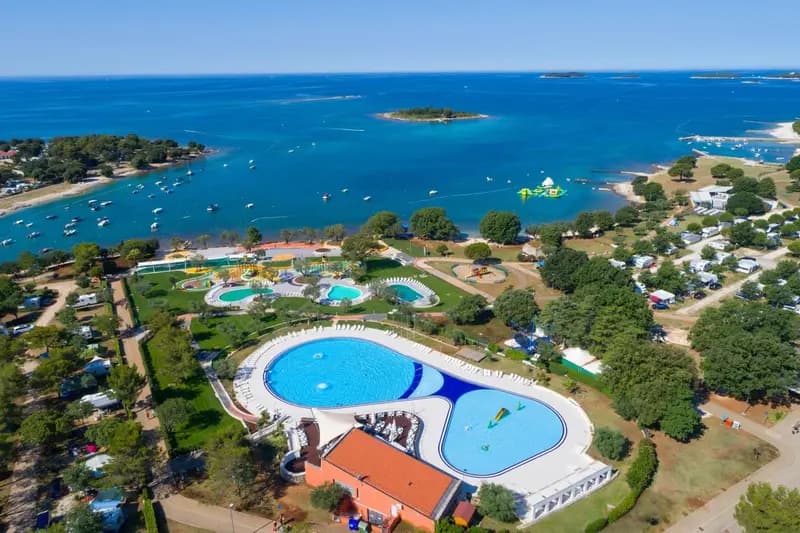
★★★★
★ 8.6/10 (3,054 reviews)
14 km away as the crow flies

★★★
★ 8.8/10 (1,016 reviews)
23 km away as the crow flies