
More Sub D.o.o.
Google 4.8/5 (118 reviews)
Croatia · Mediterranean
Silver Cave, Posidonia meadows, vertical walls and deep wrecks give Makarska a distinctly Adriatic mix from a mainland base.
For subtitles in English: start the video firstthen click the gearat the top right of the video, select “Subtitles/CC”, then “Auto-translate” and choose “English”.
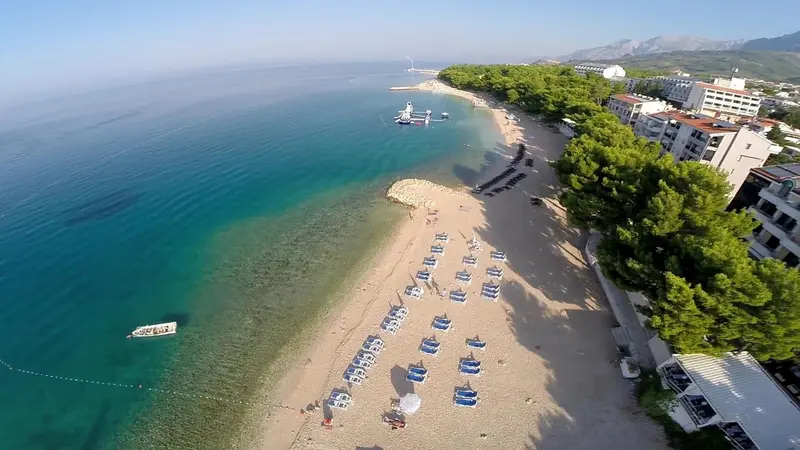
Makarska is a mainland base for exploring the Riviera, Osejava, Vruja Bay and nearby Brač. A sheltered shallow dive near town can suit a first underwater experience, while a boat trip opens up rocky reefs, vertical walls, caves and wrecks. That range makes the destination work for a mixed group: one diver can pursue deeper terrain and an Advanced Open Water programme, while a companion spends the day on the promenade, beaches, Biokovo or Brač. Plan on a land-based stay, not a liveaboard.
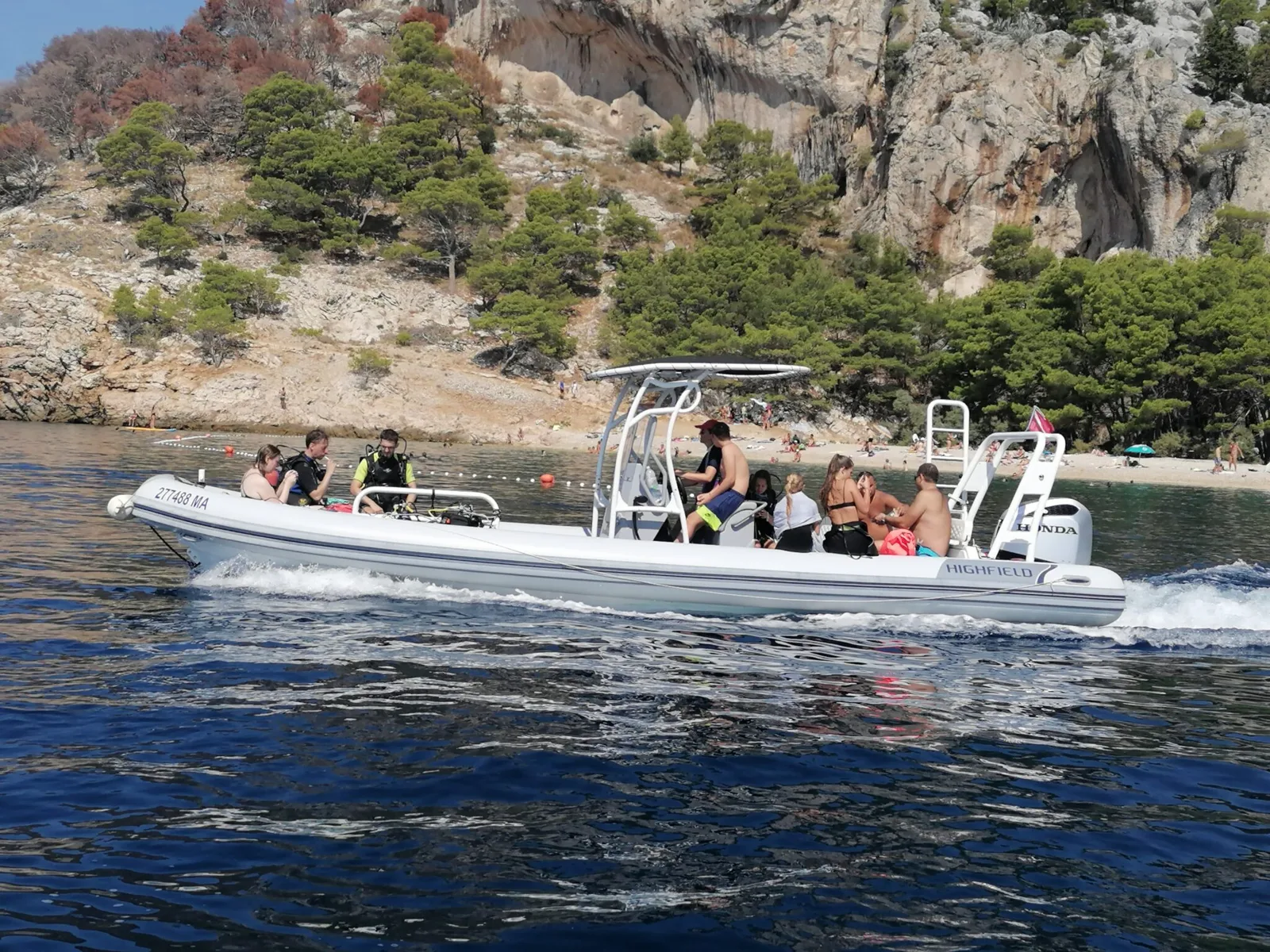
The diving shifts noticeably from one outing to the next. Close to Makarska, sheltered coastal sites provide shallow water for introductions and uncomplicated shore dives. Around Osejava, the scenery becomes more vertical, with rocky walls and reef structure; Vruja Bay adds caves and cavities, including the Silver Cave near Punta Rata. Further trips by boat reach sectors around Brač and the wider Riviera, where walls, reefs and wrecks bring more depth and commitment. Currents are variable rather than a defining feature, so do not assume every outing is a drift dive. Visibility is generally good, but west winds, swell and coastal run-off can change the picture. The most characteristic sites are reached by boat, while the shore remains useful for an introduction or a flexible extra dive.
What you meet here is chiefly Adriatic rocky habitat: coloured benthic life on reefs and walls, bare rock shaped into caves and overhangs, and Posidonia meadows along the coast. The contrast is the attraction. One dive may keep you close to the bottom among seagrass and shallow rock, while the next follows a wall into darker water or explores a cavity such as Silver Cave. Wrecks add a different surface for marine growth and a more enclosed feel, but they should not be confused with the beginner sites. There is no named seasonal wildlife spectacle to plan around, so May to September diving is organised around sea conditions, daylight, boat access and the quality of the underwater terrain rather than a particular visiting animal.
May, June and September are the most comfortable months for combining diving with a pleasant stay on land. The coast is less crowded than in July and August, when beaches and boat traffic are busiest, and early departures are easier to enjoy. Summer remains the main diving period, but the west wind can build through the afternoon and make exposed sectors or caves less appealing. Build the day around the sea state rather than treating the timetable as fixed. A morning boat trip usually gives you more options, while a flexible day in the programme allows the centre to move between the coast, Osejava, Vruja and Brač when conditions change.
Makarska suits beginners as well as experienced divers, provided the site matches the diver rather than the other way round. Sheltered shallow areas near the bases are appropriate for an introduction or a first coastal dive. Vertical walls, deeper wrecks and some caves require better depth control and relevant experience. Advanced Open Water is useful for the deeper sites and certain wrecks, alongside the equivalent experience held through BSAC, PADI or SSI. Ask about depth and access before booking a particular cave or wreck.
From London or Manchester, the usual air route is through Split, followed by the road to Makarska. The town is also linked by the Croatian coastal road and motorway from Split or Dubrovnik, so the final approach is overland rather than by a domestic flight. The ferry from Makarska to Sumartin takes about an hour, but it is not part of the journey to Makarska. It is useful when Brač itself is the destination, or when continuing by road across the island. Once in town, a seafront-based centre may be walkable from your accommodation; elsewhere, allow for a taxi, as permanent shuttle arrangements cannot be assumed.
Treat “Makarska” as a working area, not a single dive site. Before reserving, ask whether the planned outing is along the Makarska coast, at Osejava, in Vruja Bay or towards Brač, then match that answer to the terrain and depth you actually want. Keep one day flexible, because west wind and afternoon swell can move the boat plan between sectors. If a coastal site is the aim, an early departure avoids some beach and boat traffic. Do not book a cave or wreck from its name alone: check its depth, boat access and the experience required. The ferry to Sumartin is a separate transport arrangement, not a diving transfer, so a Brač dive needs its own boat plan. For a first dive, use the sheltered shallow water near the base rather than assuming that an impressive wall or wreck will be equally suitable.
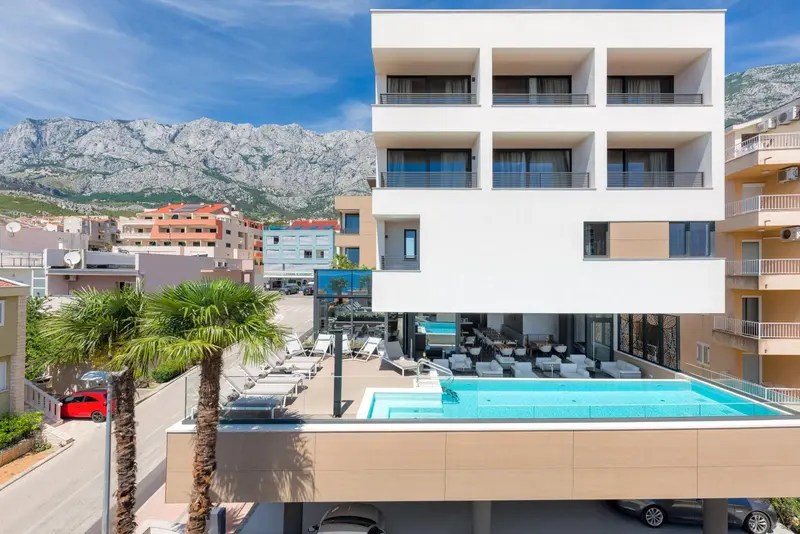
Allow five to seven days for a sensible land-based pattern: several boat outings, a coastal or introductory dive, and a non-diving day. Makarska keeps the practical side simple, with centres near the waterfront and accommodation spread through the town. Non-divers can use the beaches and promenade, walk in Biokovo, explore the old centre or take the ferry towards Brač. The result is a diving holiday with room for weather changes rather than a rigid run of daily departures.
Hello, I'm Marina, DivingDeal.com's AI assistant. I guide you through destinations, areas and countries.
Thinking about the whole trip and the flights? Talk it over with Edith →
Marina is an AI. Some links are affiliate links: DivingDeal may earn a commission, at no extra cost to you. Bookings are made with the partner.
May, June and September suit a quieter Makarska stay, with comfortable conditions for combining diving and time on land. July and August bring busier beaches and more boat traffic. West winds may build during the afternoon, so morning boat trips usually provide more options and exposed sites may become less appealing later.
Makarska accommodates beginners through experienced divers when you choose suitable sites. Sheltered shallow areas near the bases work for an introduction or first coastal dive. Vertical walls, deeper wrecks and some caves require stronger depth control and relevant experience. Advanced Open Water training is useful for deeper sites and certain wrecks.
Diving around Makarska includes Adriatic rocky reefs, coloured benthic life, vertical walls, caves, overhangs and Posidonia meadows. Vruja Bay offers cavities and the Silver Cave near Punta Rata. Boat trips towards Brač and the wider Riviera add wrecks and deeper terrain, while sheltered coastal sites remain shallower and simpler.
Plan a land-based Makarska stay with several boat outings, a coastal or introductory dive, and a flexible day for changing sea conditions. Allow five to seven days for this pattern. Ask whether each trip visits the coast, Osejava, Vruja Bay or Brač, then confirm depth, access and experience requirements before booking.