
Diving Center Pongo
Google 4.7/5 (194 reviews)
Croatia · Mediterranean
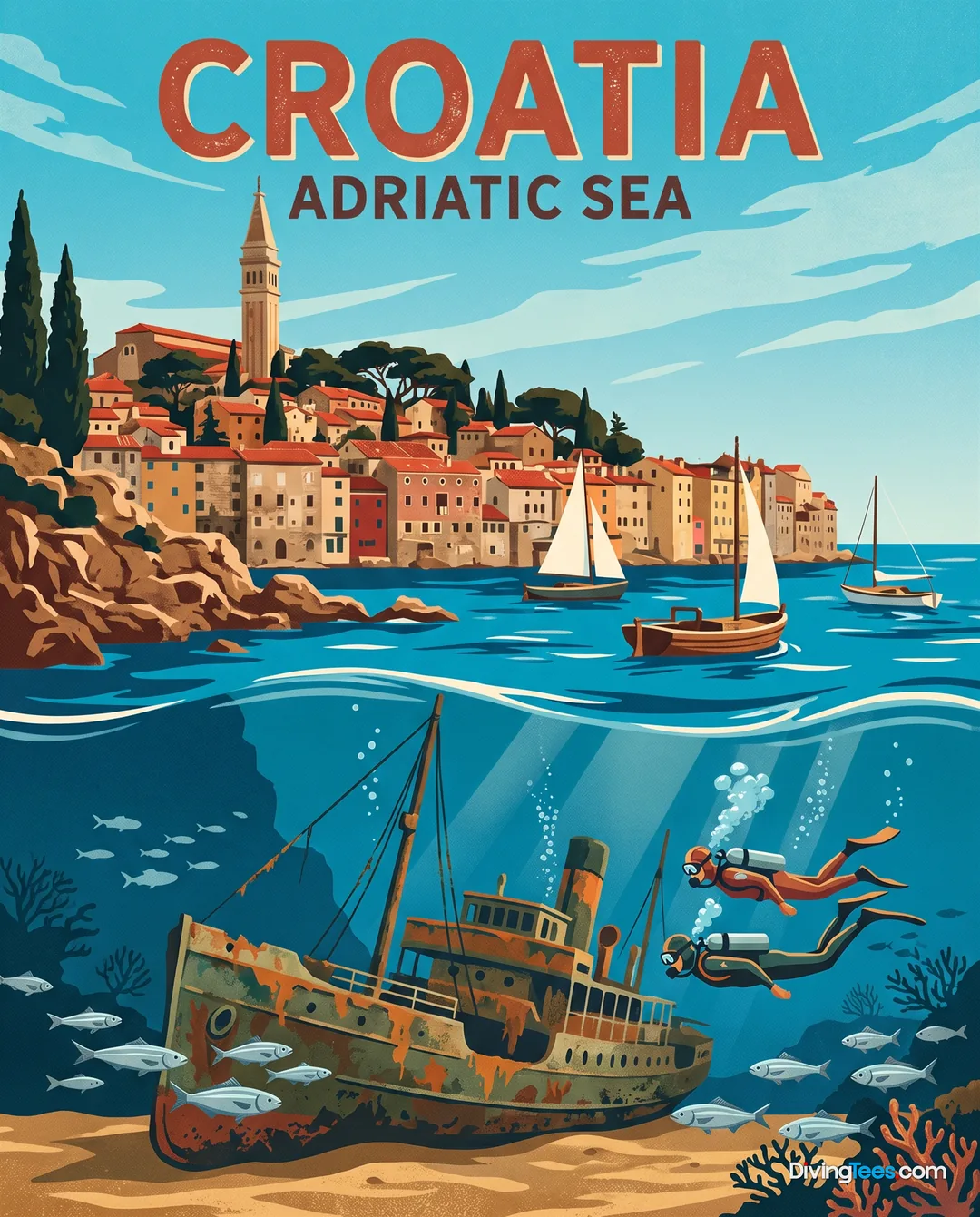
Gorgones on limestone drop-offs, narrow rock passages, Posidonia meadows and war wrecks make Primošten a practical Croatian base for varied diving.
For subtitles in English: start the video firstthen click the gearat the top right of the video, select “Subtitles/CC”, then “Auto-translate” and choose “English”.
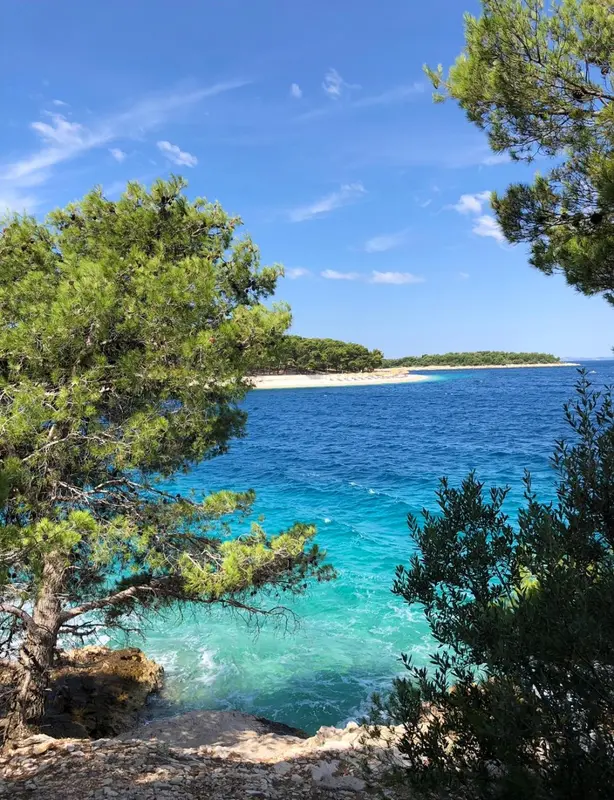
Gorgones spread across limestone walls are the defining underwater image around Primošten. From this small Dalmatian town, boats reach a mixture of sheer drop-offs, rock passages, small cavities, Posidonia meadows and historic war wrecks. A few coastal entries add flexibility, but the main attraction lies offshore. That suits divers who want several kinds of Adriatic scenery without committing to a liveaboard, while the old town, beaches and coastal walks give non-divers something worthwhile to do.
The diving is mainly by boat, with the limestone coast providing the visual structure: walls fall away into deeper water, gorgones cover exposed sections, and rocky swim-throughs and small cavities interrupt the route. Other outings run over Posidonia meadows or towards historic war wrecks. Conditions and currents are variable, so a site that looks straightforward on the chart may feel quite different on the day. Visibility is generally described as good, although it is not sensible to plan the trip around a fixed figure. Sheltered, shallower sites make sensible introductions, while the more exposed walls and deeper wrecks demand better planning. This is not a destination built around one standard profile. A typical programme alternates boat dives with coastal options, leaving room to change the plan when weather prevents a run to an exposed site.
The wildlife is Mediterranean rather than theatrical, but there is plenty to search for on the walls and among the rock. Conger eels occupy cracks, lobsters edge out from cover, and nudibranchs reward a slow look along the limestone. Sparids, barracuda and amberjack add movement in open water, while octopus are a familiar find around rocks and cavities. Gorgones are the standout habitat feature, especially on the drop-offs, with Posidonia meadows providing a different texture and pace. These animals are reported around the local sites rather than tied to a dependable month-by-month spectacle, so the best approach is to allow time for both wide-angle wall dives and patient close-up searching throughout the established season.
May, June and September offer the most comfortable balance for a diving holiday here. Diving activity is established, yet Primošten is less crowded than in July and August, when roads, accommodation and boat sites become busier. That matters because the destination relies heavily on departures towards offshore walls and wrecks, and a full summer timetable can leave less flexibility when weather changes the plan. July and August remain workable, particularly for divers happy to accept more traffic and busier sites. The shoulder months also make it easier to keep a non-diving day for the old town, coast or vineyards without feeling that every hour must be booked around peak-season movement.
Primošten works for all levels, provided the first dive is matched to the conditions. Beginners and returning divers can start on a sheltered, shallow site, while experienced divers can discuss deeper walls and historic wrecks. The wrecks are not automatically suitable for every qualification or logbook. PADI, SSI and BSAC divers should have the centre confirm depth, current and penetration expectations before booking. No single specialist rating is stated for every wreck, so personal experience matters as much as the card in your wallet.
From London Heathrow, Gatwick or Manchester, the journey is normally planned around reaching Split, followed by a road transfer to Primošten. Allow time for the flight connection and the onward drive, since schedules change with the season. Primošten lies on the coastal D8 between Šibenik and Split, so it can also be reached by road from either direction, and intercity coaches serve the town. No regular ferry is needed, and the harbour is used for local departures rather than as an essential link in the journey. Once there, staying in or near the centre can put the port within walking distance. From outlying accommodation, arrange a short local taxi journey or use a car, rather than assuming a general accommodation shuttle.
Ask in advance how the programme is divided between coastal sites, limestone walls, gorgone-covered drop-offs and wrecks. A generic boat booking may not deliver the underwater features you came to see. For a first outing, request a sheltered, shallow site before committing to an exposed wall or historic wreck. Confirm the depth and experience requirements for every wreck, especially if the group includes divers with different qualifications. Keep replacement dives in reserve because weather can stop boats reaching exposed sites. Accommodation near the centre makes the port easier to reach on foot; choosing a distant property without transport turns an otherwise simple departure into a daily nuisance. Do not build the whole holiday around wrecks, or around boat trips in July and August. Leave a day for the old town, coast or vineyards, and treat Primošten as a land-based base, not as a substitute for a Kornati liveaboard.
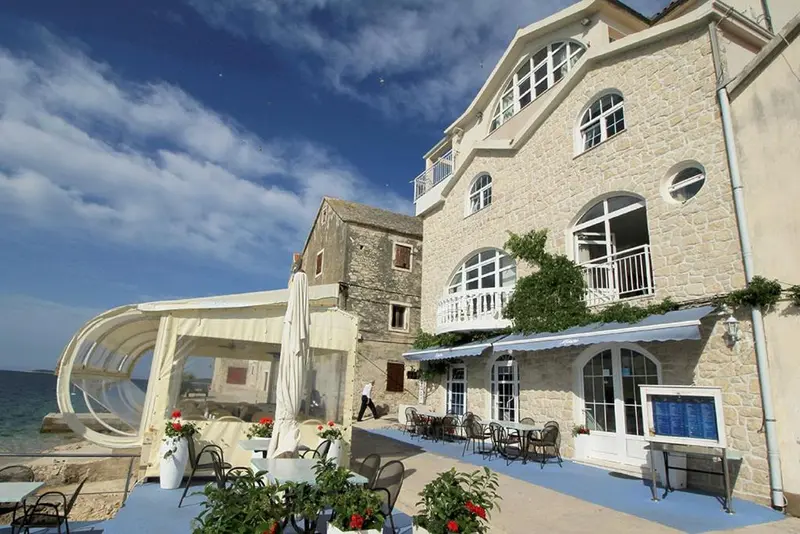
Allow five to seven days, enough for several boat outings, a day without diving and some resilience when weather changes the schedule. The harbour is the practical centre of the diving holiday. Staying in or close to Primošten’s centre keeps departures and evening walks straightforward, while peripheral accommodation makes a car or taxi more useful. Between dives, explore the old town on its peninsula, swim from the beaches, walk the coast or visit vineyards inland. Non-divers have plenty to occupy them without joining every boat trip.
Hello, I'm Marina, DivingDeal.com's AI assistant. I guide you through destinations, areas and countries.
Thinking about the whole trip and the flights? Talk it over with Edith →
Marina is an AI. Some links are affiliate links: DivingDeal may earn a commission, at no extra cost to you. Bookings are made with the partner.
May, June and September offer a comfortable balance for diving, with established activity and fewer visitors than July and August. The busier summer months remain workable if you accept more traffic and crowded boat sites. Shoulder-season conditions also leave room for a non-diving day exploring the old town, coast or vineyards.
Primosten suits different experience levels when your first dive matches the conditions. Beginners and returning divers can begin at sheltered, shallow sites, while experienced divers can consider deeper walls and historic wrecks. Before booking any wreck, ask the dive centre about depth, current and penetration expectations, since qualifications and personal experience both matter.
Around Primosten, you can explore limestone walls covered with gorgones, rocky passages, small underwater cavities and Posidonia meadows. Historic war wrecks add another type of outing. Look in cracks for conger eels and lobsters, search for nudibranchs, and watch open water for sparids, barracuda and amberjack.
Plan Primosten as a land-based base, with boat dives, coastal options and flexibility for changing weather. Staying near the centre keeps the harbour within easier reach. Allow time for several outings, a non-diving day and schedule changes, while leaving room to explore the old town, beaches, coast and inland vineyards.