
diving Rabac, Sport Sub d.o.o.
Google 5/5 (208 reviews)
Croatia · Mediterranean
Shallow sandy bays, rock arches, deep walls and Adriatic wrecks give Rabac a varied week beneath the surface.
For subtitles in English: start the video firstthen click the gearat the top right of the video, select “Subtitles/CC”, then “Auto-translate” and choose “English”.
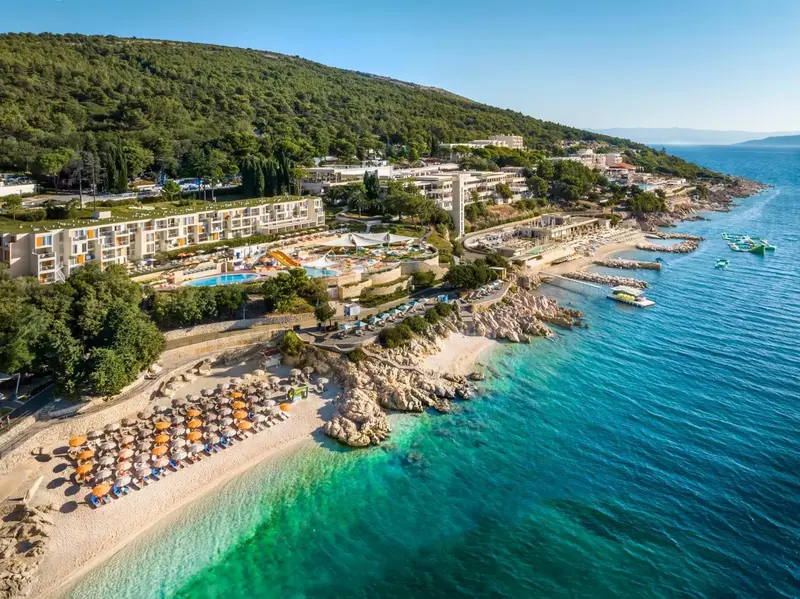
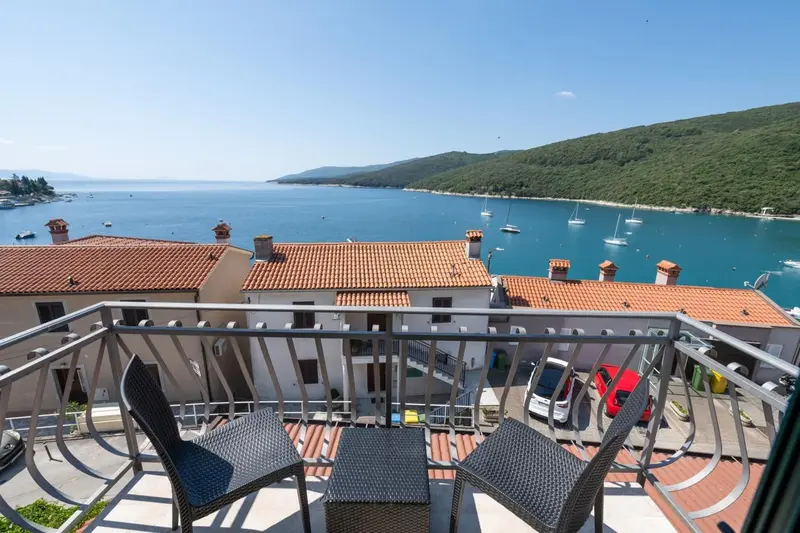
Rabac is a shore-based diving holiday on the east coast of Istria, with the town’s easy bays backed by a wider network of sites. Start in Rabac Bay over shallow sand for training, navigation or a gentle night dive, then move towards Girandella, Duga Luka, Ravni, Sveta Marina, Barbakovac and Jadrina for walls, fissures, arches and swim-throughs. Boat trips extend the range to wrecks, including the Lina. It is also a practical choice for non-divers, with beaches, coastal walks and historic Labin close by.
The diving alternates between shore entries and boat outings. Rabac Bay is the straightforward end of the scale: a pebble-beach entry, sandy bottom and shallow water that leave room for skills, kit checks and navigation. Around Girandella and Barbakovac, the rock becomes more interesting, with walls, cracks, arches and passages beneath the shore. Duga Luka, Ravni, Sveta Marina and the neighbouring coast broaden the choice, while wreck trips add a different sort of profile. Currents are variable rather than a defining feature, so a downcurrent or drift dive is not the assumption here. Visibility can run from 10 to 30 metres, but may fall after rough weather, swell or coastal run-off. Ask about depth, passage width and the day’s sea state before entering a swim-through.
Rabac’s underwater interest lies in the life attached to its limestone-like coastal terrain, particularly in the cracks, walls and sheltered corners where a slow inspection pays off. Divers looking for macro subjects should ask about the parietal sites rather than booking only wreck outings. The shallow bay offers a useful look at life over sand and rock, while the more broken ground around Girandella, Barbakovac and the neighbouring sites gives more crevices to search. No particular seasonal animal encounter defines the destination, so wildlife expectations are best kept broad and observation-led. The most productive approach is to move slowly, use the guide’s knowledge of the fissures and allow enough time for small marine life to reveal itself.
The active diving season runs from spring into early autumn, with May and June, then September and October, making the most practical compromise. Centres are operating, the sea usually offers workable conditions, and the shore sites and camping areas are less busy than in high summer. Summer suits a straightforward holiday programme, but popular entries can be livelier during the day. The bora matters most outside the settled summer period and can change the sea state and visibility, particularly in winter and spring. These shoulder months therefore work well for divers who want flexibility, quieter water access and a better chance of switching between shore and boat plans.
Rabac suits beginners, returning divers and experienced visitors who want different kinds of diving in one shore-based holiday. The bay is useful for training, a refresher, navigation and an uncomplicated first dive. Advanced Open Water is sensible for deeper sites and some wrecks, while a Wreck qualification is appropriate for wreck outings. Passages under rock and deeper walls are not simply extensions of the easy bay dives, so experience, depth planning and a realistic assessment of comfort in confined spaces matter. Nitrox may be useful for repetitive days if locally available.
From London Heathrow, Gatwick or Manchester, reach the region by air through a regional airport and continue by road. The final approach to Rabac runs along Istria’s road network via Labin, so the journey is not an airport-to-jetty transfer. Allow time for the connection and arrange the onward road leg rather than assuming a compulsory ferry or direct boat link. Rabac itself is compact enough for some accommodation-to-centre journeys on foot, particularly within the town, but the diving is spread along the coast. A car, taxi or transport arranged for the day may be needed for Sveta Marina, Duga Luka, Ravni, Crna Punta and other shore sites. Confirm the departure point for each booking.
Do not treat Rabac Bay as the whole destination. It is the right place to settle in, check equipment or make a shallow night dive, but the stronger relief lies in the neighbouring sectors. Before booking, ask which dives leave from Rabac and which require a minibus or boat, then group outings by area so a transfer does not consume half a day. Keep a shore-diving option in reserve when the bora disrupts boat departures, and ask where the sea is most sheltered that day. For Girandella or Barbakovac, establish the maximum depth, the width of every swim-through and whether the guide expects a turn-around decision inside the passage. Do not book an exposed site on the assumption that conditions will match the bay. If wrecks are the main aim, check the depth and qualification requirements for the Lina before building the week around it. If macro interests you more, request wall and fissure sites instead.
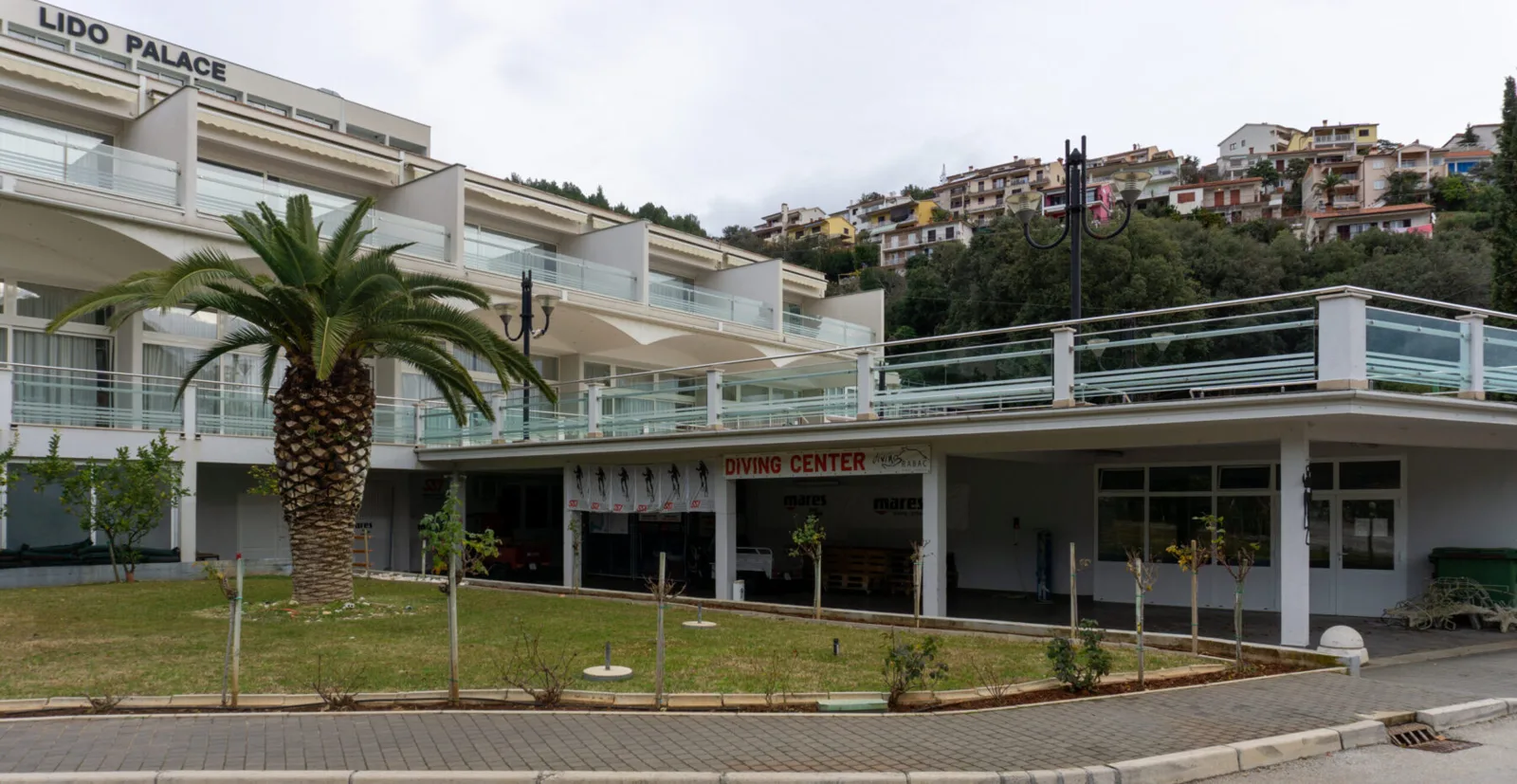
A five to seven-day stay gives enough time to combine Rabac’s nearby shore dives with Sveta Marina, Ravni, Duga Luka and Crna Punta, while keeping space for a weather change. Centres operate in Rabac, around Maslinica and Girandella, and also at Sveta Marina. Depending on where you stay, daily diving may be walkable or may involve a car, taxi or organised transfer. Rabac also works well for mixed groups, with beaches, watersports, coastal walks, Labin and the Istrian hinterland close at hand.
Hello, I'm Marina, DivingDeal.com's AI assistant. I guide you through destinations, areas and countries.
Thinking about the whole trip and the flights? Talk it over with Edith →
Marina is an AI. Some links are affiliate links: DivingDeal may earn a commission, at no extra cost to you. Bookings are made with the partner.
May, June, September and October offer a practical balance for diving in Rabac. Centres are operating, conditions are usually workable, and shore sites and camping areas are less busy than in high summer. Summer suits a straightforward holiday programme, while the bora can affect sea state and visibility outside settled periods.
Rabac suits beginners, returning divers and experienced visitors. Rabac Bay provides a shallow, sandy setting for training, refresher dives, navigation and equipment checks. Deeper sites, walls and some wrecks require appropriate experience and depth planning. A Wreck qualification is suitable for wreck outings, while confined passages require comfort and careful assessment.
Rabac offers shallow sandy bays, limestone-like rock terrain, walls, fissures, arches, passages and Adriatic wrecks. Girandella, Barbakovac and nearby sites provide crevices and sheltered corners for slow searching, while Rabac Bay combines sand and rock. Marine life is varied, with macro subjects particularly worth seeking around parietal sites and fissures.
Plan a shore-based holiday that combines Rabac Bay with sites around Girandella, Duga Luka, Ravni, Sveta Marina and Crna Punta, leaving flexibility for weather changes. Confirm departure points, transport and site requirements before booking. A car, taxi or organised transfer may be needed, while Rabac also suits mixed groups with beaches, walks and Labin nearby.