
Scuba Cyprus, Kyrenia / Cyprus
Google 5/5 (33 reviews)
Cyprus · Mediterranean
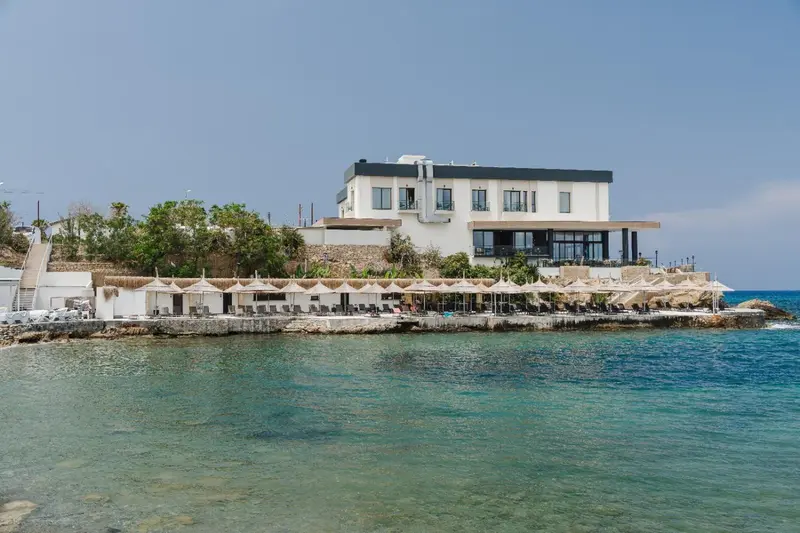
Kyrenia puts historic and artificial wrecks beside rocky pinnacles, cavities and shallow shore sites, with boat and shore diving from a harbour base.
For subtitles in English: start the video firstthen click the gearat the top right of the video, select “Subtitles/CC”, then “Auto-translate” and choose “English”.
Kyrenia is a land-based diving holiday built around a working harbour and a spread of nearby coastal sites. The underwater menu moves from shallow shore dives at Bambi and Fred to the Kyrenia Wreck, rocky formations, cavities and deeper structures such as Power Station. That makes it a useful choice for mixed-experience groups, or for anyone who wants proper diving days without committing to a liveaboard. Above water, the old harbour, castle, archaeological sites and Kyrenia range give non-divers a reason to come along.
Expect Mediterranean coastal diving rather than one signature reef. Depending on the site and the centre, you may enter from shore or leave the harbour by boat, then work across rock relief, pinnacles, cavities and artificial wrecks. The Kyrenia Wreck reaches about 23 metres, while Power Station is a more demanding landscape of deeper formations and enclosed spaces. Currents are variable, so a calm-looking plan is still worth checking locally before leaving the surface. Visibility is often described as capable of exceeding 30 metres, but it changes with site and sea conditions, so do not build the whole trip around a promised number. Outings can be tailored from an uncomplicated shallow dive to a more structured wreck or rock dive, with a safety stop built into the deeper profiles.
The first thing you meet around Kyrenia is the habitat itself: rough rock, crevices, cavities, wreck plating and the edges of artificial reefs. Marine life uses these surfaces and spaces, but the character of the diving is more about searching around structure than following a named seasonal animal encounter. On the historic wreck site, the archaeological story is the attraction, not a claim of unusually rich fauna. Expect the centre to frame wildlife sightings around the particular site and day rather than a fixed calendar. The artificial wrecks and rocky ground give you plenty to inspect slowly, especially where the relief breaks into holes and sheltered corners.
The most useful window is April, May, June, September and October. Kyrenia’s diving season is long, with local centres generally operating from April to November and some descriptions allowing year-round diving. The shoulder months make practical sense: they sit between the busiest summer period and the quieter edges of the season, giving a better balance of boat conditions, surface comfort and manageable site traffic. July and August are not ruled out, but they are the likeliest months for fuller boats and a busier harbour. Early or late season suits divers who would rather make several unhurried outings than fit into peak-season rhythms.
Kyrenia works for beginners, provided the first dive is matched to the site rather than the destination label. Bambi and Fred offer shallow introductions, while the Kyrenia Wreck and more involved rock formations need a more considered plan. An Advanced Open Water qualification is useful for the wrecks and sites beyond beginner depth, and the centre should confirm the required level for each outing. BSAC, PADI and SSI divers should find the important question is experience at the planned depth, not the logo on the certification card.
From London, whether you leave via LHR or LGW, or from Manchester, Kyrenia requires a journey plan rather than a direct flight assumption. There is no airport in the town. The usual air route is through Ercan, followed by a road transfer generally involving Nicosia, while the alternative structural route is by ferry from Turkey. Ferries from Taşucu take several hours, with seasonal fast services also linking Kyrenia with Taşucu and Mersin, so sailing times need checking when you build the itinerary. Once in Kyrenia, getting between accommodation and a centre depends on the exact location. Walking may work locally, while taxis or a centre-arranged transfer cover the rest.
Ask for the depth and required experience of every wreck before you book the week, not simply the name of the site. The Kyrenia Wreck is described at about 23 metres and may be treated as an Advanced Open Water dive; Power Station is a step further, with pinnacles, cavities and deeper formations. Start with Bambi or Fred if you are new to the area, then use the easier profile to judge the sea and your weighting before committing to the bigger relief. Do not expect every wreck to deliver the same wildlife interest: the ancient wreck is primarily an archaeological dive. Build variety into the plan with rocky sites and cavities, rather than repeating wrecks. If avoiding busy boats matters, aim for the edges of the April to November season. Finally, leave room for a land day, because Kyrenia’s castle, old harbour, archaeological sites and mountain villages are part of the reason to base yourself here.
Plan Kyrenia as a five- to seven-day land stay, with boat outings mixed with shore dives and at least one deeper wreck day. The town and nearby coastal complexes place diving within a walk, taxi ride or centre-arranged transfer, depending on where you sleep. Keep a non-diving day for the harbour, castle, museum, archaeological sites or the Kyrenia range. That rhythm also gives you room to change the next dive if sea conditions or your preferred depth do not line up.
Hello, I'm Marina, DivingDeal.com's AI assistant. I guide you through destinations, areas and countries.
Thinking about the whole trip and the flights? Talk it over with Edith →
Marina is an AI. Some links are affiliate links: DivingDeal may earn a commission, at no extra cost to you. Bookings are made with the partner.
April through October offers a comfortable compromise for diving in Kyrenia. Local centres generally operate from April to November, while July and August can bring fuller boats and a busier harbour. The shoulder months may suit you if you prefer several unhurried outings and a calmer rhythm than peak season.
Kyrenia suits beginners when your first dive matches the site. Bambi and Fred provide shallow introductions, while the Kyrenia Wreck and more involved rock formations require a more considered plan. An Advanced Open Water qualification is useful for the wrecks and deeper sites, with experience at the planned depth especially important.
You can explore rocky pinnacles, crevices, cavities, wreck plating and artificial wrecks that function as underwater habitat. The Kyrenia Wreck adds archaeological interest and descends to about twenty-three metres. Marine life uses the structure, but the experience centres on searching around relief, holes and sheltered corners rather than a fixed wildlife encounter.
Plan a land-based stay with boat outings, shore dives and at least one deeper wreck day. Choose accommodation near your centre, or allow for walking, taxis or a centre-arranged transfer. Keep a non-diving day for the old harbour, castle, archaeological sites or Kyrenia range, and leave flexibility for sea conditions.