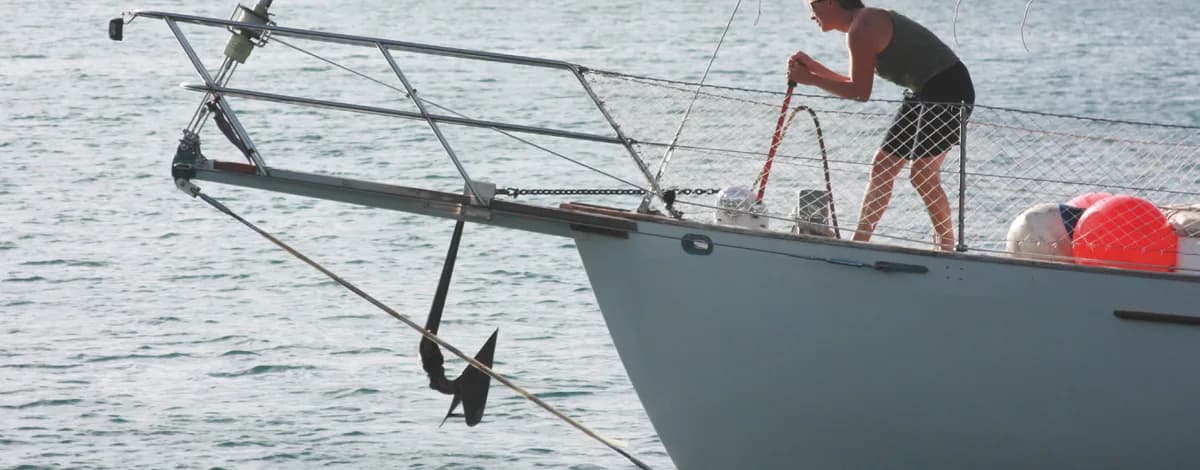

Baiarda Dive Boat Excursions
★ 4.9/5 (173 reviews)
3.3 km away as the crow flies
Italy · Mediterranean
Elba puts granite pinnacles, red gorgonians, the shallow Pomonte Wreck and protected island waters within a straightforward Mediterranean boat-diving holiday.
Elba is an island-based Mediterranean diving destination built around daily boat trips rather than a shore-diving routine. Granite reefs, walls, sheltered rocky ground and small wrecks provide the underwater substance, while the island itself supplies beaches, villages and walking routes for non-divers. The Pomonte Wreck is an unusually shallow cargo-ship dive, while Pianosa offers a more controlled experience within the Tuscan Archipelago National Park. Four to seven days gives enough time to follow the weather without making the holiday feel rushed.
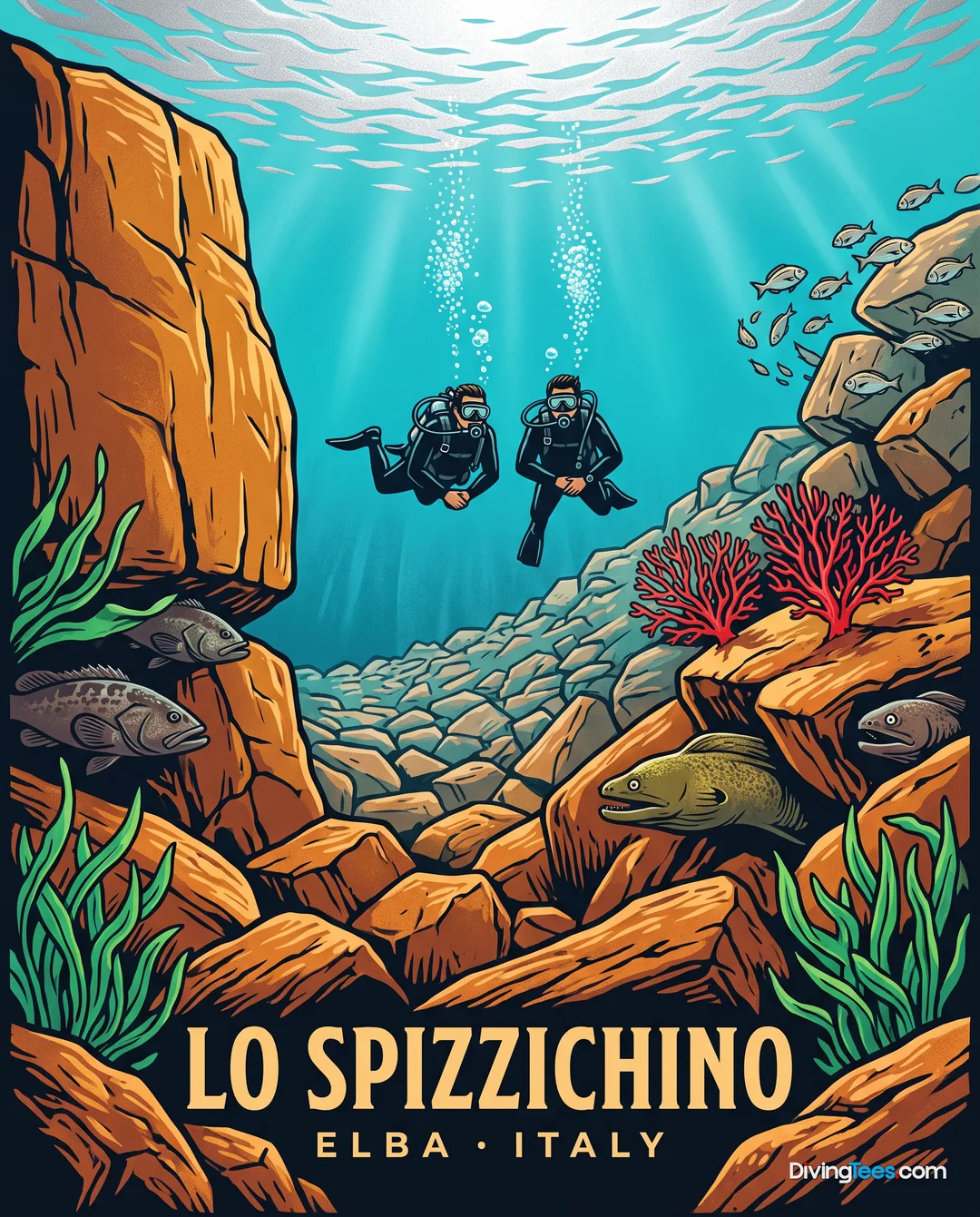
Most diving is from boats, with the choice of sites changing according to wind, swell and exposure around the island. Lo Spizzichino is a calm granite reef reaching 22 metres, while the Pomonte Wreck lies on sand beside Ogliera Rock, with its upper structure close to the surface. At the deeper end, Sasso Che Bara runs from a four-metre pinnacle cap to a 60-metre wall, and Secca del Semaforo drops from a plateau at 28–38 metres towards 58 metres. Current is often light, but exposed pinnacles and walls can run strongly. Visibility varies with sea conditions; the site notes report around 15–25 metres at Pomonte and 20–30 metres at Sasso Che Bara, with more than 25 metres commonly reported at Il Teschio.
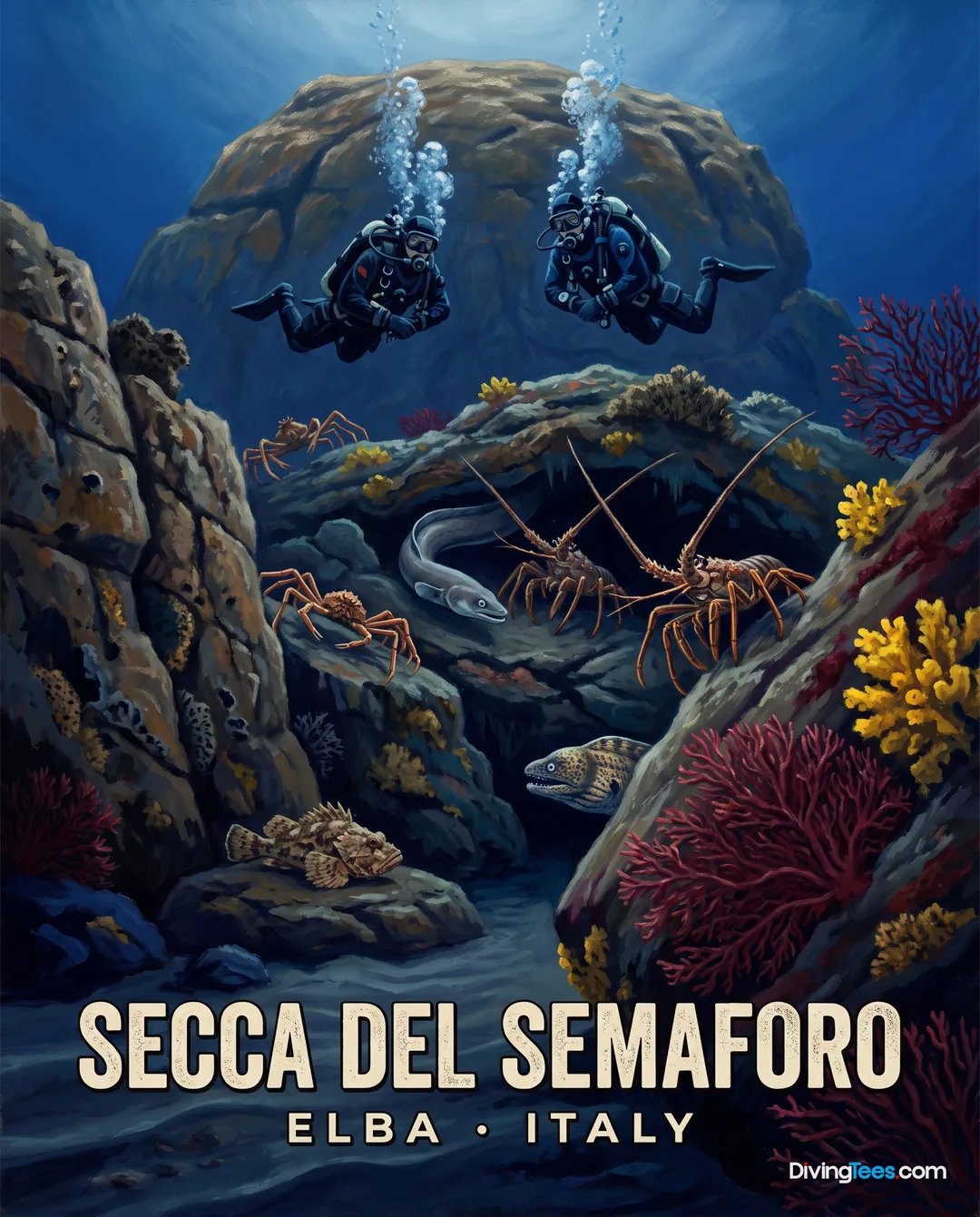
The attraction is the life that occupies Mediterranean rock rather than a tropical reef spectacle. Granite cracks and overhangs shelter grouper, moray eel, scorpionfish and sea bream, while red gorgonians and yellow sponges add colour to the deeper walls. Spiny lobster is associated with the more intricate rocky ground, particularly where there are holes and shelter. Il Teschio is noted for large dusky groupers and giant moray eels; Secca del Semaforo is known for resident crustaceans. Sériole and mérous bruns are occasional encounters rather than animals to plan an entire trip around. Nudibranches méditerranéens can reward slow searching on sheltered rock. Sightings are best treated as seasonal possibilities throughout the main diving period.
Measured conditions are most favourable from April to September, when the sea is generally at its calmest; rainfall is lowest from April to August. May, June, September and October make particularly sensible travel months because they combine comfortable Mediterranean diving with less pressure than the height of the Italian summer. July and August can still provide good diving, but ferries, harbours and boats are busier around the holiday period. The useful advantage of Elba’s shoulder season is practical rather than glamorous: fewer competing demands on the island and a better chance of keeping the day flexible when wind changes the plan.
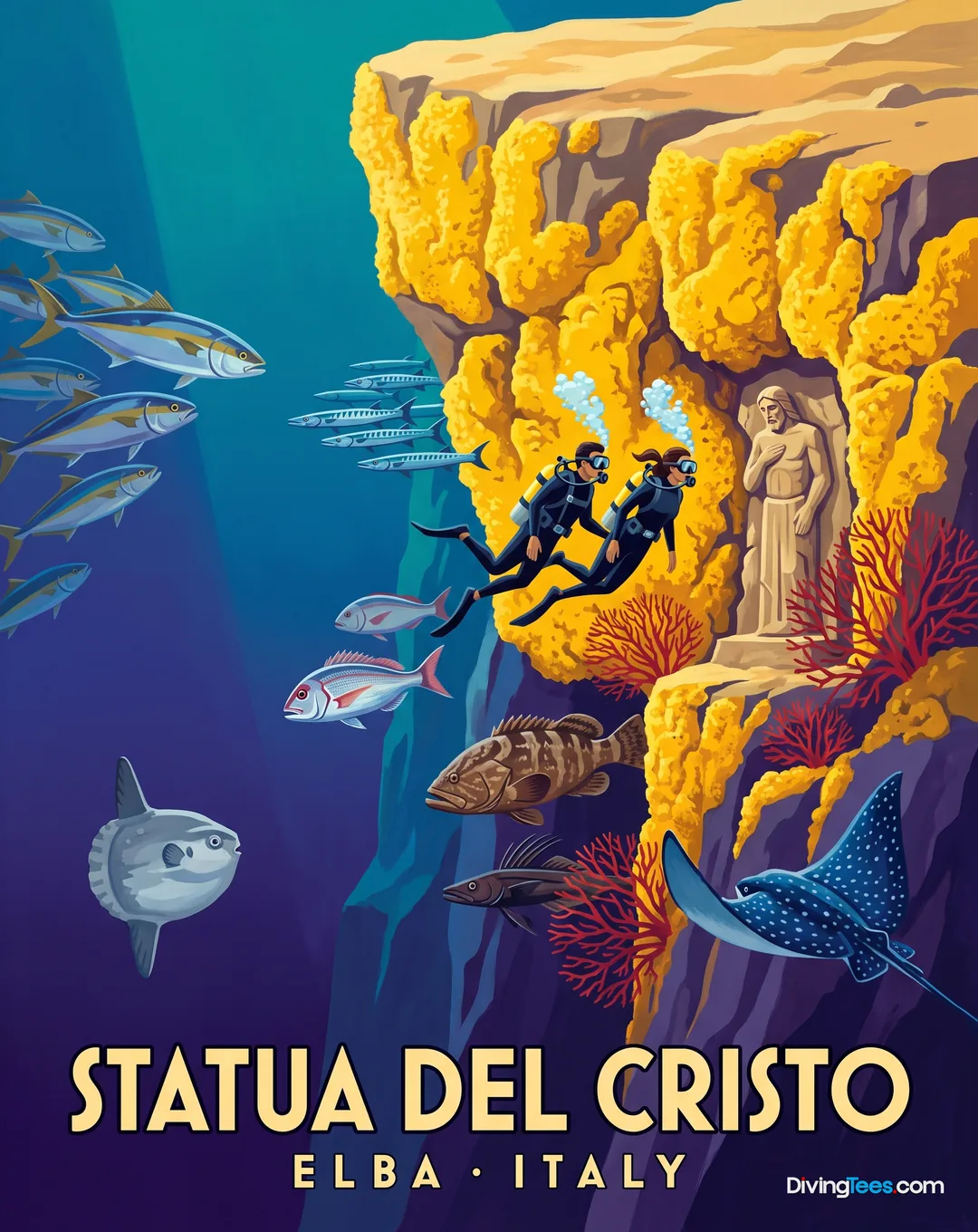
Elba suits all levels, provided the dive is matched to the diver. Open Water divers can enjoy Lo Spizzichino and the 13-metre Pomonte Wreck; any penetration of the wreck requires suitable experience, authorisation or direct supervision. Advanced Open Water, BSAC Sports Diver or equivalent experience is more appropriate for deeper walls, variable current and exposed pinnacles. Sasso Che Bara, Parete Delle Gorgonie, Il Teschio and Statua del Cristo reward sound buoyancy and depth control. Nitrox is useful for repeated boat dives, while a wreck qualification helps if penetration is being considered.
From London Heathrow, London Gatwick or Manchester, the journey begins with a flight to an airport on the Italian mainland, followed by the road journey to Piombino. The ferry from Piombino is essential: Elba is an island, and the sea crossing takes roughly an hour or a little more depending on the service. In summer, ferry demand is part of the travel plan, not an afterthought, so the itinerary needs slack for port queues, vehicle movements and maritime timetables. Once on Elba, staying in or near a harbour town keeps the dive operation practical; centres can usually be reached on foot, by bicycle, shuttle or taxi, depending on where the accommodation is located.
Treat the ferry as the fixed point of the holiday. During Italian school holidays, allow a proper margin around the crossing and avoid building the first or last dive day too tightly. On the island, keep the diving schedule flexible: when wind or swell affects one coast, boats may move to another face rather than cancel the whole day. Do not arrive expecting a shore-diving week; Elba’s normal rhythm is boat diving from local ports. Nitrox is worth considering for repeated intermediate-depth boat profiles. Photographers working macro should ask for sheltered rocky ground rather than a day dominated by depth or a wreck. Pianosa also needs advance thought, since access is controlled to particular days and times and dives are accompanied by accredited environmental underwater guides. A free day is useful for weather changes, the ferry timetable or a land excursion rather than squeezing every plan together.
A typical stay combines morning or full-day boat outings with evenings in one of Elba’s port towns. Four to seven days allows divers to mix shallow rock, the Pomonte Wreck and more demanding walls while leaving room for wind-related changes. Non-divers have genuine alternatives: coastal walks and viewpoints, villages and harbours, beaches, light snorkelling in sheltered water and natural areas within the national park. Elba works best as a land-based island holiday with diving woven through it, not as a liveaboard itinerary.
Hello, I'm Marina, DivingDeal.com's AI assistant. I guide you through destinations, areas and countries.

Thinking about the whole trip and the flights? Talk it over with Edith →
Marina is an AI. Some links are affiliate links: DivingDeal may earn a commission, at no extra cost to you. Bookings are made with the partner.
★★★
★ 8.9/10 (565 reviews)
12 km away as the crow flies
★ 9.2/10 (124 reviews)
23 km away as the crow flies
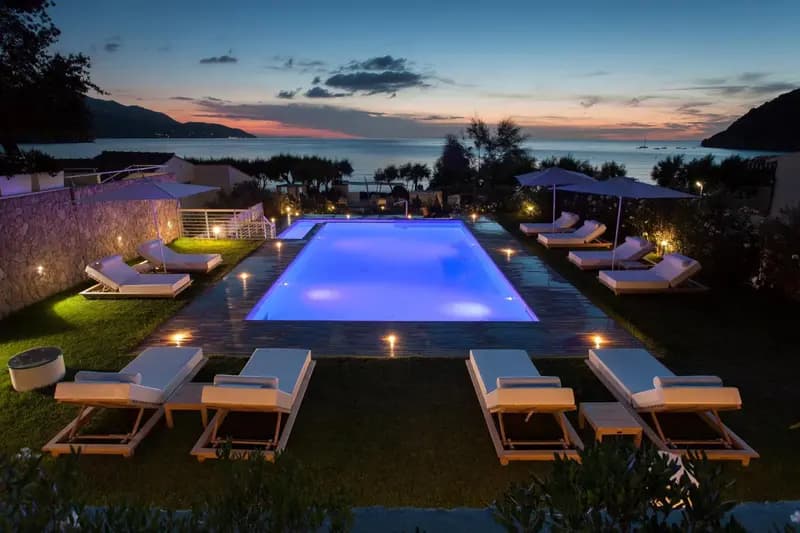
★ 9.6/10 (75 reviews)
8.5 km away as the crow flies
★★★
★ 8.7/10 (287 reviews)
3.7 km away as the crow flies
Your last day stays dry: no diving in the 18-24 hours before a flight the perfect window to see the destination from another angle.
 Culture
⏱ 4 h · ★ 5.0 (18 reviews)
from €40
see on Viator ↗
 Desert
⏱ 2 h · ★ 4.8 (125 reviews)
from €60
see on Viator ↗
 Culture
⏱ 4 h · ★ 5.0 (2 reviews)
from €397
see on Viator ↗
 Adventure
⏱ 3 h · ★ 5.0 (1 reviews)
from €190
see on Viator ↗
Ratings and reviews collected by Viator and Tripadvisor.