
Centro Immersioni Figarolo
Google 4.8/5 (307 reviews)
Italy · Mediterranean
Capo Figari’s rock passages and caves meet Figarolo’s posidonia, with boat dives ranging from shallow coastal water to around 40 metres.
For subtitles in English: start the video firstthen click the gearat the top right of the video, select “Subtitles/CC”, then “Auto-translate” and choose “English”.
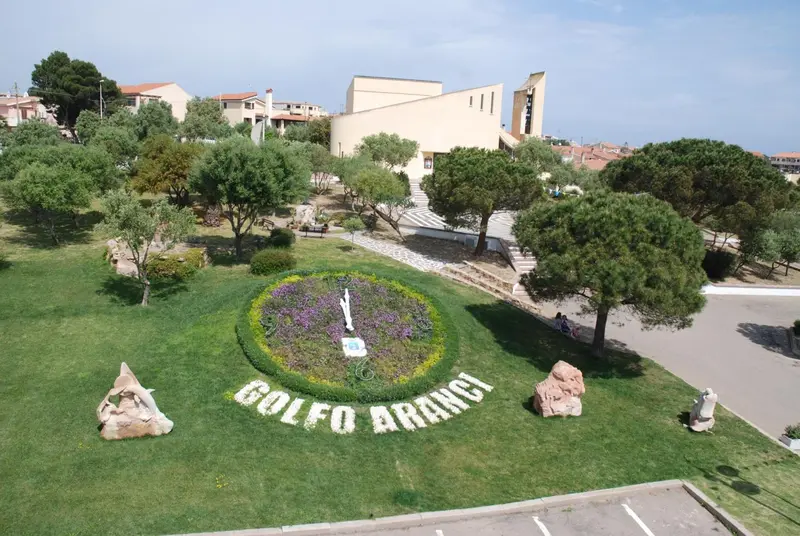
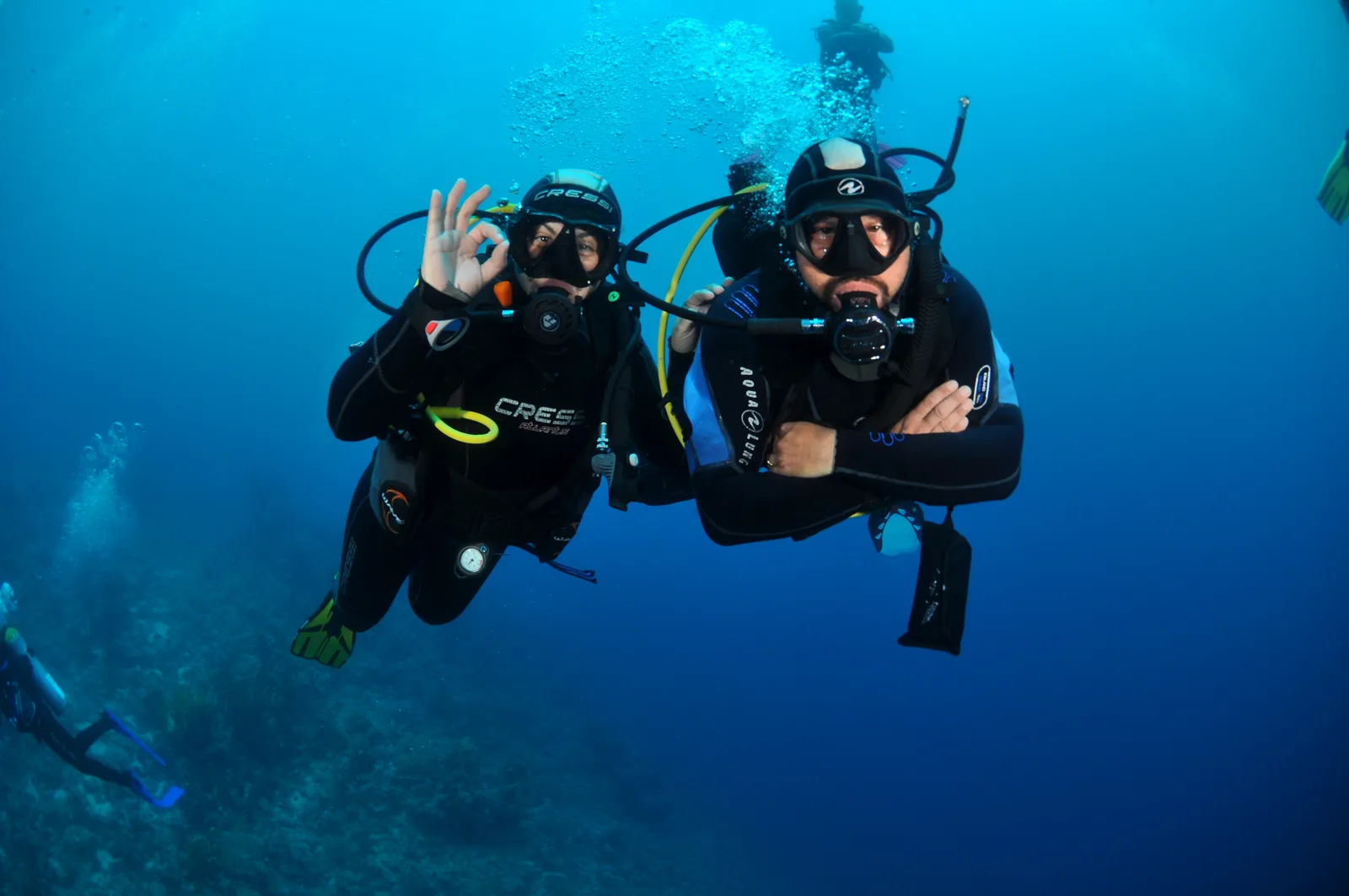
Golfo Aranci is a shore-based Sardinian base for boat diving around Capo Figari, Figarolo and nearby protected waters. Underwater, the scenery shifts between rock, sand and posidonia, with blocks opening into passages and caves where sunlight cuts through the darker sections. Depths range from easy shallows to around 40 metres, so a week here can mix straightforward dives with more demanding outings. Above water, beaches, coastal paths and boat trips make it practical for divers travelling with a non-diving partner.
The diving is predominantly from a local boat, with Capo Figari and Figarolo providing the main settings. Expect Mediterranean rock, sandy patches and posidonia rather than a single continuous reef. At Capo Figari, large blocks form swim-throughs and caves, and the changing light becomes part of the dive. Some sites are shallow and relaxed, while others descend towards 40 metres. Current is variable, so a site that looks sheltered on the map should not automatically be treated as calm. Visibility also follows the state of the sea and local conditions. In the regulated sectors linked to Tavolara–Punta Coda Cavallo, the outing must follow the marine park’s approved access, routes and moorings. This is a flexible boat-diving destination, not a liveaboard base, and the day’s plan may need to move to a more protected sector.
Golfo Aranci is primarily a destination for observing Mediterranean habitats rather than chasing a guaranteed seasonal animal encounter. The most constant subjects are the structure of the seabed itself: pale sand beside darker rock, posidonia meadows and the shadowed interiors of Capo Figari’s passages and caves. Figarolo offers another combination of rocky ground and seagrass, while the protected sectors around Tavolara–Punta Coda Cavallo place greater emphasis on leaving the habitat undisturbed. Wildlife will vary with the site, visibility and sea conditions, so the sensible approach is to slow down over the posidonia and examine cracks, blocks and sandy edges rather than expecting every dive to deliver the same cast of animals.
Diving is offered throughout the year, but Golfo Aranci suits a flexible calendar better than a trip built around one supposedly perfect month. Summer is likely to bring more people to the coast and more demand for boats, while wind and sea state can still dictate which sector is comfortable on a particular day. Spring and autumn can be attractive for a quieter land-based stay, but no season should be treated as a guarantee of calm water or better visibility. Keep one day open for a change of plan, and ask which sites are genuinely feasible when you arrive.
The destination suits all levels, provided the site is matched honestly to the diver. Shallower rock, sand and posidonia make sensible choices for newer divers or a relaxed refresher, while passages, caves and dives approaching 40 metres demand appropriate training, buoyancy and supervision. PADI and SSI qualifications, or equivalent BSAC experience, should be discussed against the planned depth and overhead environment. A cave-like swim-through is not automatically a beginner dive simply because its entrance is close to the surface.
From London Heathrow, London Gatwick or Manchester, arrange your journey to Olbia, then continue by road to Golfo Aranci, normally allowing roughly 20 to 30 minutes from the airport. A ferry can also bring you directly to Golfo Aranci from selected Italian mainland or French ports, but routes and frequencies vary by season. Once there, a hire car is useful for reaching different coastal sectors and for non-diving days. Taxis may cover individual transfers, but do not assume that accommodation and boat departures are beside one another. Check the actual embarkation point before booking somewhere on the strength of its distance from a beach.
Before reserving, ask exactly where the boat is expected to dive: Capo Figari, Figarolo and Tavolara are not interchangeable names for one site area. Confirm whether the planned route enters the Area Marina Protetta Tavolara–Punta Coda Cavallo, and whether the outing is being run under the required permissions and approved moorings. Zone A is normally closed to diving, while access in other zones follows specific rules. Do not accept an informal anchorage in protected water, and keep clear of the bottom, especially above posidonia and inside rocky passages. Ask about the current and the exposed side of the chosen site rather than assuming the whole gulf is sheltered. If a deep dive is proposed, confirm the maximum depth and ascent plan before boarding. Keep a spare day in the itinerary, since wind or sea state may shift the programme to a more protected sector. Finally, distinguish a Golfo Aranci departure from a trip marketed towards Tavolara, as the boat, regulations and practical arrangements may differ.
Allow three to seven days for a sensible land-based stay. Use the mornings or available boat days for Capo Figari, Figarolo and nearby protected sectors, then leave room for a coastal walk, a beach or a boat excursion. Cala Moresca and the surroundings of Capo Figari give non-divers something concrete to do, while Olbia suits a separate day out. Plan accommodation around the boat’s departure point, not simply the nearest sandy beach, and keep the final day free of diving before a flight.
Hello, I'm Marina, DivingDeal.com's AI assistant. I guide you through destinations, areas and countries.
Thinking about the whole trip and the flights? Talk it over with Edith →
Marina is an AI. Some links are affiliate links: DivingDeal may earn a commission, at no extra cost to you. Bookings are made with the partner.
You can dive Golfo Aranci throughout the year, but choose a flexible calendar rather than relying on one ideal month. Summer may bring more people and stronger demand for boats. Spring and autumn can suit a quieter land-based stay. Wind and sea state can change comfortable sites, so keep a day open for alternatives.
Golfo Aranci can suit all levels when the site matches your experience. Shallow rock, sand and posidonia work for newer divers or a relaxed refresher. Passages, caves and deeper dives require suitable training, buoyancy and supervision. Discuss your PADI, SSI or equivalent BSAC experience with the operator, especially for overhead environments.
In Golfo Aranci, you will find Mediterranean seabed rather than one continuous reef. Capo Figari has rock blocks, passages and caves where sunlight enters darker sections. Figarolo combines rocky ground with posidonia meadows, while sand, rock and seagrass shape other sites. Wildlife varies, so examine cracks, blocks and sandy edges carefully.
For a Golfo Aranci stay, base your accommodation near the boat departure point rather than simply the nearest beach. Use available boat days for Capo Figari, Figarolo and protected sectors, and leave time for Cala Moresca, a beach or boat excursion. A hire car helps with coastal sectors, and keep your final day free of diving before flying.