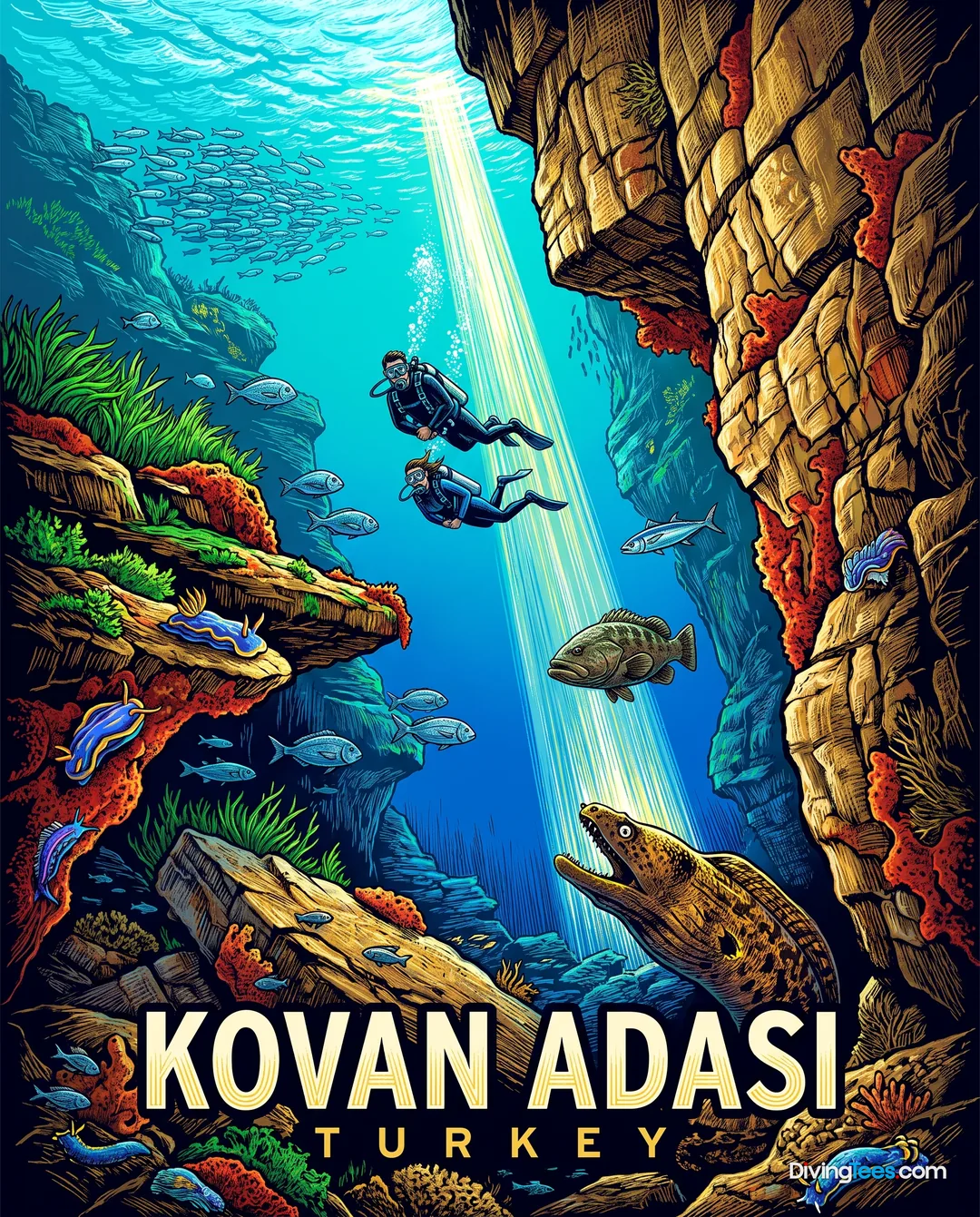
Kovan Adasi · Türkiye · Mediterranean
Max. depth · 30 mPina Reef, Heybeli Adasi: Mediterranean reef and pen shell colony
Explore a shallow sandy plateau defined by massive pen shells and frequent loggerhead sea turtle encounters.
What makes this site special
- Large colonies of pen shells (Pinna spp.)
- Frequent loggerhead sea turtle sightings
- Transition from sandy plateau to a 30m wall
- Presence of dusky grouper near the reef
- High visibility between 20 and 30 metres
- Diverse habitat including seagrass and rock slopes
For subtitles in English: start the video firstthen click the gearat the top right of the video, select “Subtitles/CC”, then “Auto-translate” and choose “English”.
Pina about the site
Pina Reef, sometimes referred to as Pina Banko, is a small island and reef structure located off the coast of Kaş. The site is approached by boat, which typically anchors either on the northeast side of the islet or directly along the reef wall. The topography is divided into two distinct zones: a shallow, relatively flat area and a deeper vertical drop. This layout allows for a varied dive profile that transitions from sandy seabed to structured reef environments.
The first section of the dive consists of a shallow sandy area situated between the island and the main reef wall. This zone is characterized by scattered small rocks and patches of seagrass, providing a complex substrate for smaller organisms. This area is historically significant for its large colonies of pen shells (Pinna spp.), which remain a defining feature of the seabed. Navigating this section requires careful buoyancy to avoid disturbing the sediment or the delicate shells.
As you move away from the islet, the seabed transitions into a structured reef wall that descends toward the depths. The wall reaches maximum depths of approximately 25 to 30 metres before tapering off into a more gradual rock and sand slope at the northwest end. This vertical element provides a different habitat compared to the shallow plateau, attracting species that prefer more sheltered or vertical surfaces. The transition from the sandy bottom to the wall marks the shift in the site's primary biological character.
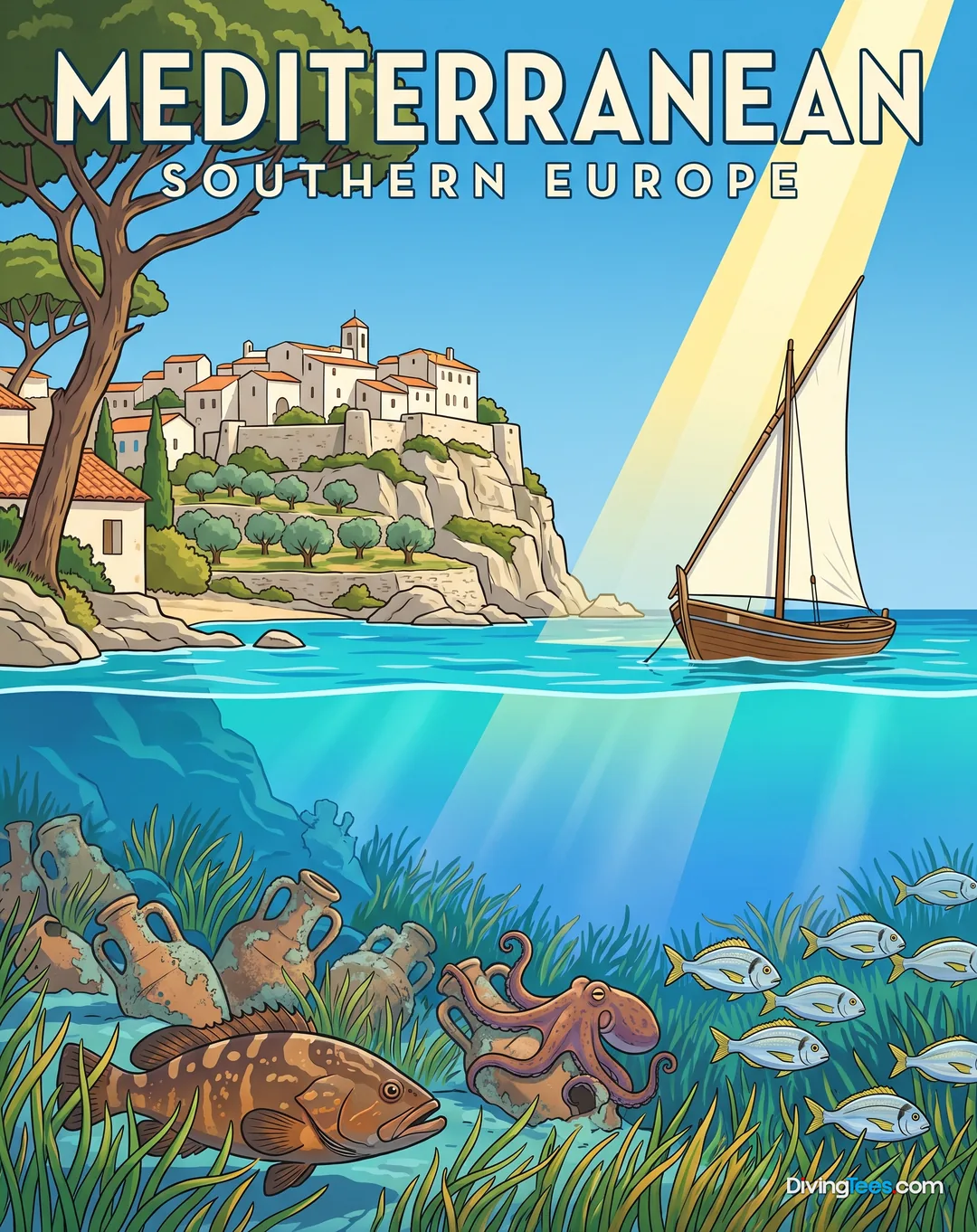
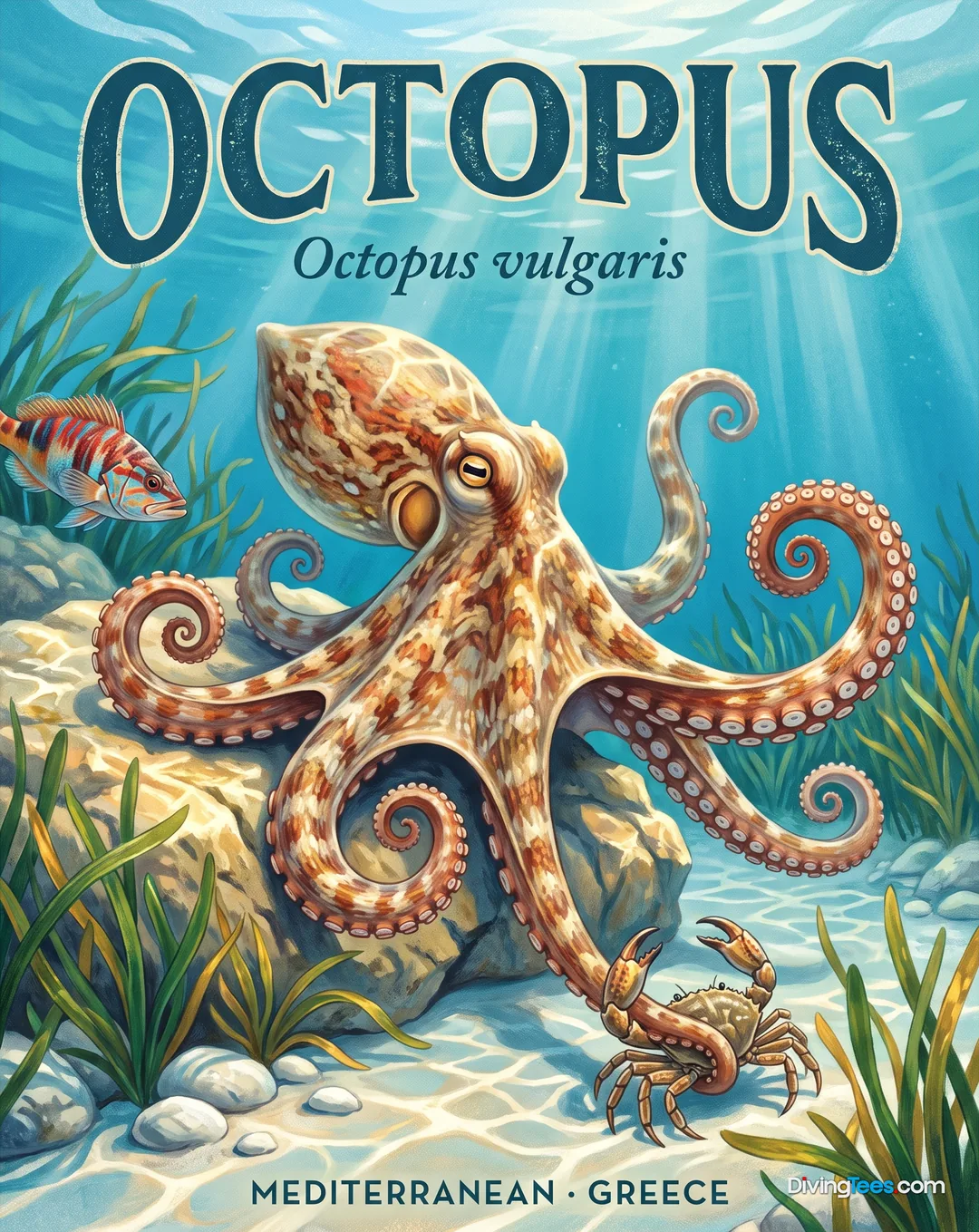
The shallow portions of the reef are excellent for observing resident Mediterranean fauna. You will often find Mediterranean damselfish moving through the seagrass and sea bream patrolling the edges of the reef. The presence of octopus and Mediterranean moray eels in the crevices of the rocks adds to the macro interest of the site. For those watching the substrate, the combination of seagrass and pen shells creates a specialized habitat that supports a range of smaller reef inhabitants.
One of the most consistent highlights of Pina Reef is the presence of the loggerhead sea turtle. These animals are frequently encountered in the shallower sections of the site, often utilizing the seagrass patches for foraging. Watching their movement across the sandy bottom or near the reef edge is a common experience for divers here. Their presence is not limited to specific depths, but they are most easily observed in the sunlit, upper layers of the water column.
The deeper sections of the site, approaching the 30-metre mark, offer a different perspective on the reef's ecology. Here, the environment is dominated by larger resident species such as the dusky grouper, which can often be found near the wall or within the rock structures. The descent toward the northwest slope provides a gradual change in light and pressure, moving from the bright, shallow plateau to the darker, more structured reef zones. This depth range allows for a comprehensive look at the Mediterranean reef system.
Conditions at Pina Reef are generally stable, making it a reliable site for those looking for a manageable dive. The visibility is typically high, often ranging between 20 and 30 metres, which provides excellent clarity for observing both the macro life in the shallows and the larger structures of the wall. While the site is known for its manageable flow, the layout of the reef and the proximity to the island offer a variety of environments that can be explored depending on your experience level and interest.
Diving Pina: the marine life you’ll meet
Diving conditions
Depths range from 2 to 30 metres. The site is accessible for Open Water Divers, provided they have comfortable buoyancy control and can manage mild currents on the reef slopes and walls. Expected visibility is between 20 and 30 metres. The best period for diving this site is from May to October.
Two dives not to miss
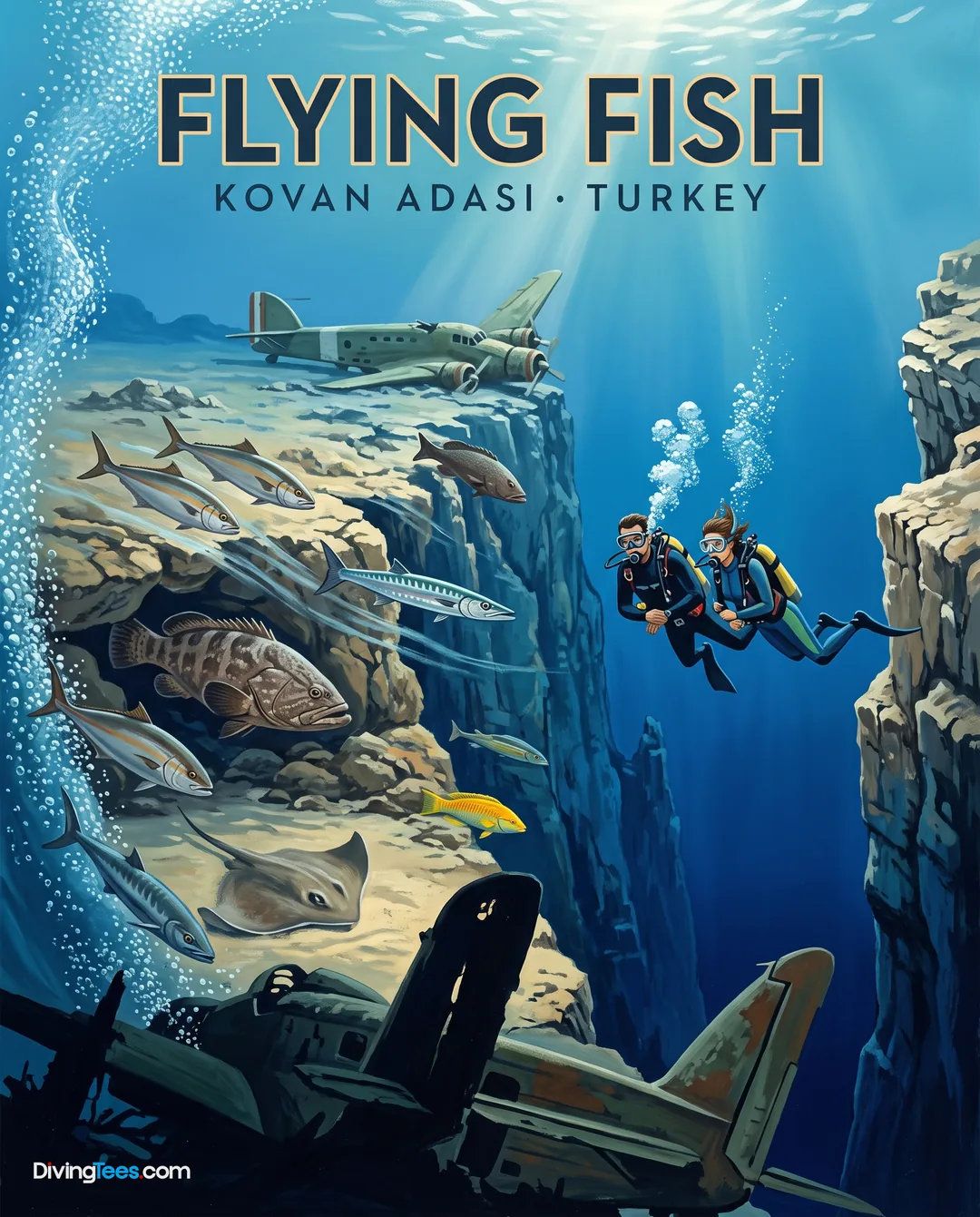
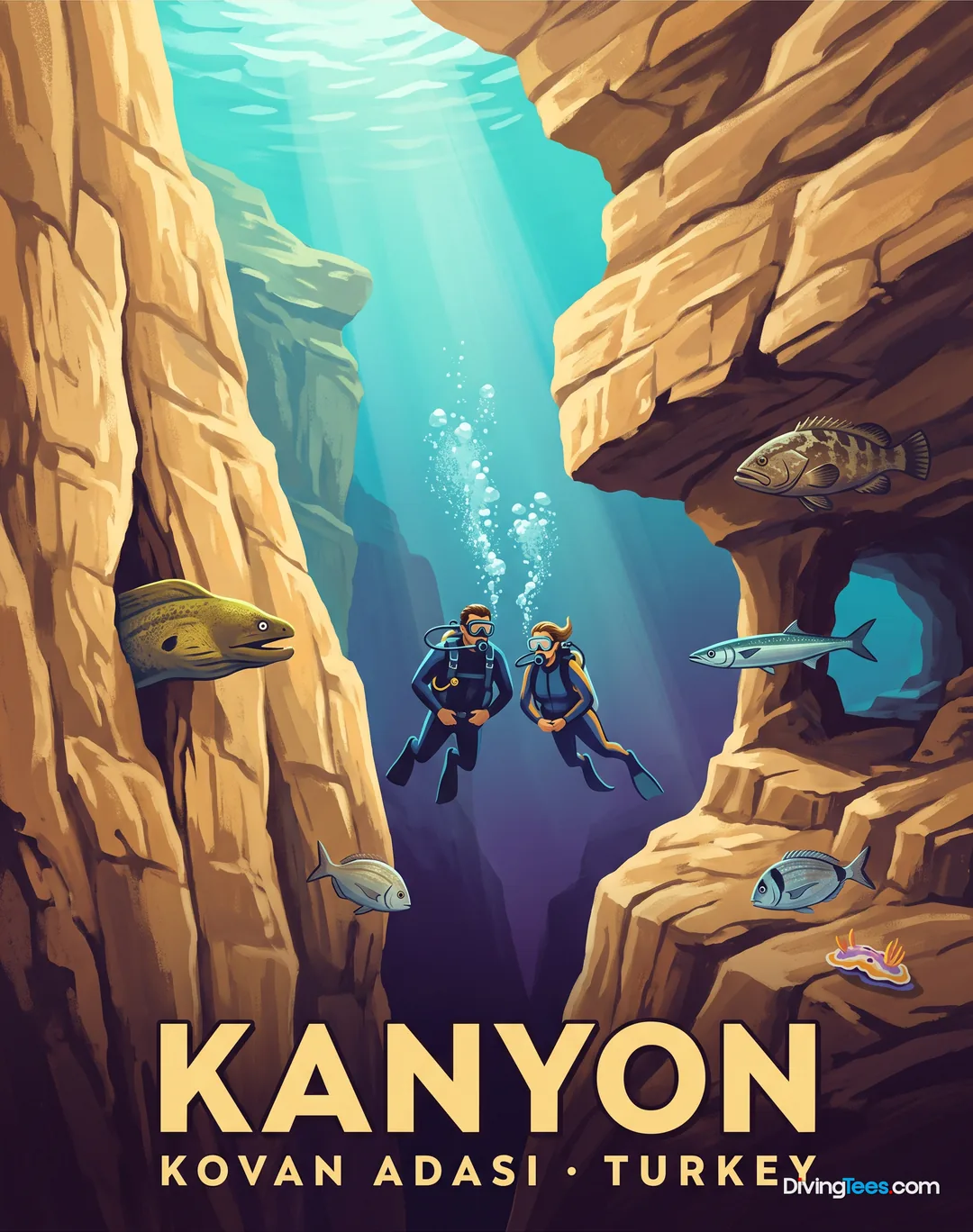
Map of hotels, dive sites and dive centres in Kovan Adasi
Frequently asked questions about Pina
When should you dive Pina?
You can dive Pina during the best period from May to October. Visibility is typically high, ranging between 20 and 30 metres, helping you observe both shallow habitats and the deeper wall. The site’s generally stable conditions suit divers seeking a manageable reef experience during this season.
What experience level do you need for Pina?
Pina is accessible to Open Water Divers who have comfortable buoyancy control and can manage mild currents along the reef slopes and walls. You should maintain careful buoyancy over the sandy seabed, seagrass and pen shells, while choosing a route that matches your experience and interest.
How deep is Pina, and what currents should you expect?
Pina ranges from 2 to 30 metres, with a shallow sandy plateau leading to a vertical reef wall. You can expect mild currents on the reef slopes and walls, while conditions are generally stable and the flow is manageable. Careful buoyancy helps you avoid disturbing sediment and delicate shells.
What can you see at Pina?
At Pina, you can see large colonies of pen shells, seagrass, rock slopes and a transition from sandy seabed to reef wall. Loggerhead sea turtles are frequently seen in shallow areas, while damselfish, sea bream, octopus, Mediterranean moray eels and dusky grouper inhabit the reef.