
Dive Wellington
Google 4.8/5 (133 reviews)
New Zealand · Pacific
Rocky reefs at Island Bay, the shallow Yung Pen and HMNZS Wellington at 21 metres sit beside a protected coastal reserve.
For subtitles in English: start the video firstthen click the gearat the top right of the video, select “Subtitles/CC”, then “Auto-translate” and choose “English”.
Taputeranga Marine Reserve’s rocky reefs are the natural starting point for diving Wellington. From Island Bay and Breaker Bay, shore dives lead over shallow reef, marine growth and coastal relief, while local boats reach the Yung Pen and HMNZS Wellington wrecks. Most coastal diving sits between 6 and 15 metres, making this a practical destination for mixed experience levels. The character is distinctly temperate: changeable weather, modest visibility and a city base matter as much as the underwater scenery.
Wellington’s diving is built around rock rather than coral. Island Bay and Breaker Bay offer shore entries, shallow reef and passages where the shape of the coast affects the conditions from one site to the next. Local dives commonly sit around 6–15 metres, with visibility often around 5–10 metres in summer. Currents are variable, so a site that looks workable from town may not be the right choice on the day. When the weather opens a window, a boat trip adds the shallow Yung Pen and the HMNZS Wellington, an artificial wreck lying at about 21 metres off Island Bay. The latter is a more committed dive than the shore sites, while the coast provides useful alternatives when a boat cannot run.
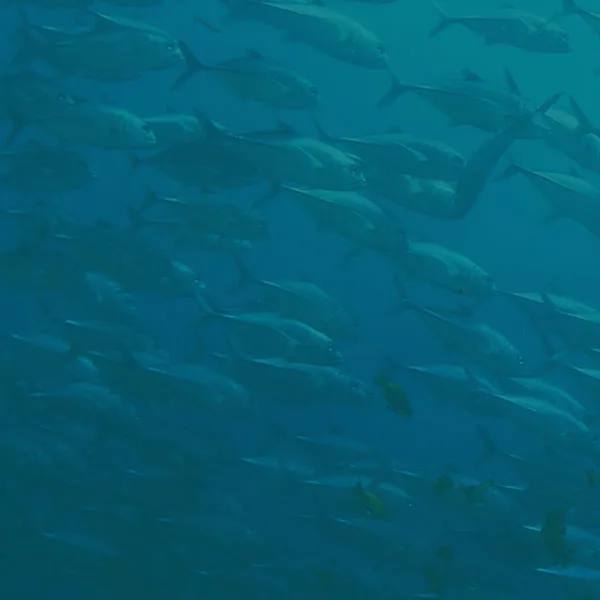
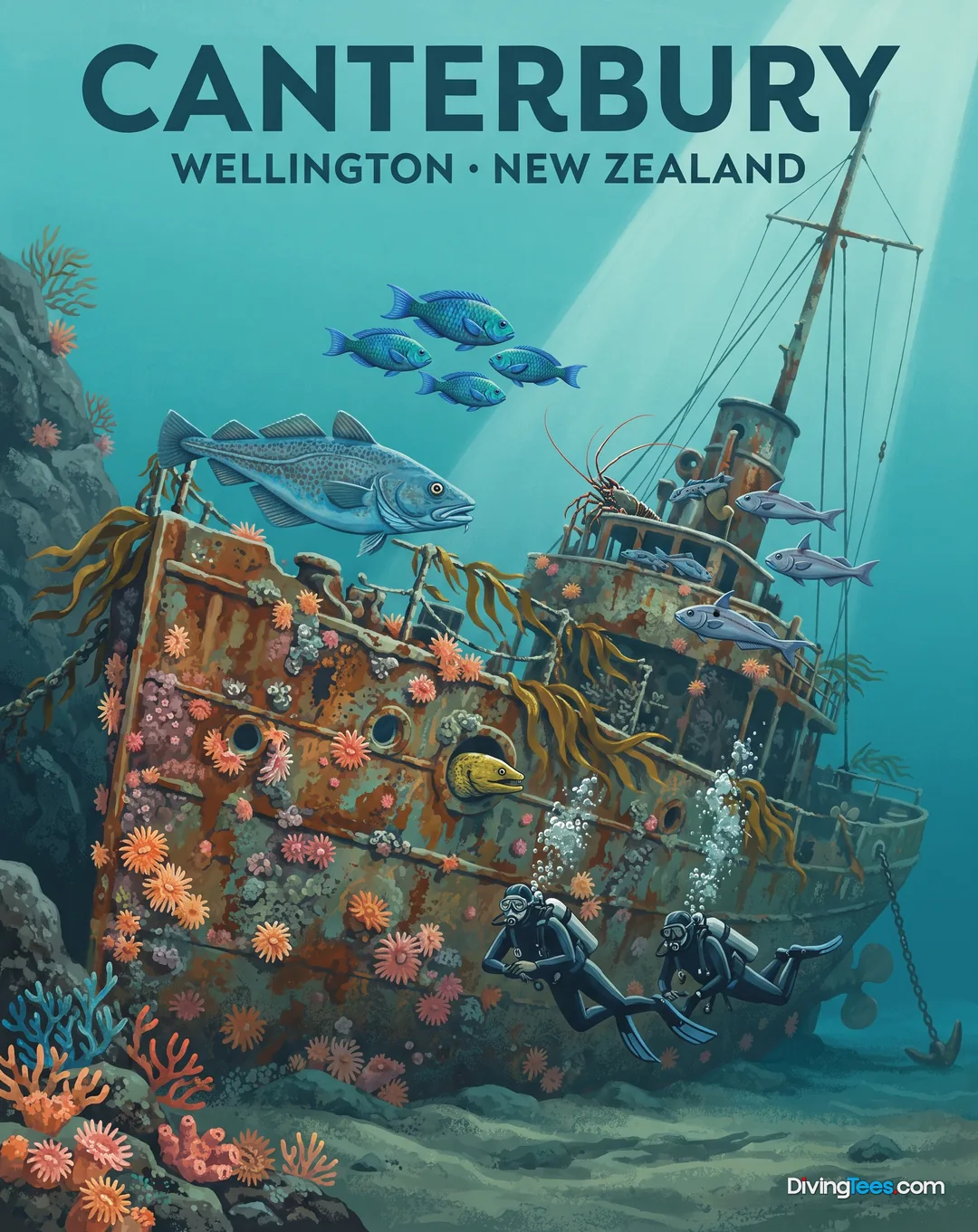
The underwater appeal is the combination of living rocky reef, marine growth and man-made structure. Taputeranga Marine Reserve protects the coastal life around Island Bay, leaving the reef and its natural materials undisturbed. Around the reserve and neighbouring bays, divers can look closely at growth covering the rock, follow the contours of the reef and explore the coastal relief rather than search for one headline animal. The Yung Pen and HMNZS Wellington add wreck surfaces to that setting, giving the eye a change from natural rock to steel. Summer usually brings the clearest working conditions, while weather and exposure can alter what is visible from one dive to the next.
The measured diving window runs from December to April, during the New Zealand summer. That is when visibility is commonly around 5–10 metres and the coastal sites are most likely to offer workable conditions. It is not a guarantee of calm water: Wellington remains strongly weather-dependent, and winds from the north can clean the southern coast. Plan the trip around flexibility rather than a rigid run of boat dives. Four to seven days gives you time to use a shore site when the sea turns, then take the HMNZS Wellington opportunity when the weather allows.
The shore diving suits beginners and experienced divers, provided they are comfortable with temperate water and changing coastal conditions. PADI, SSI and BSAC divers can all find appropriate guided options around the southern coast. The HMNZS Wellington is different: at approximately 21 metres, it calls for suitable depth experience and wreck training, whether that is a recognised wreck qualification or equivalent competence. A properly warm temperate-water set-up matters, with local water temperatures reported around 15–17°C.
From London Heathrow, London Gatwick or Manchester, reach Wellington by international flight, either directly where available or through Auckland. Allow room for the connection, particularly if the itinerary uses Auckland before the final domestic leg. Travellers coming from New Zealand’s South Island need either the inter-island ferry or a flight to the North Island before continuing to Wellington, so the ferry is not part of the normal journey from Britain. Once in Wellington, the southern coast is about 6 kilometres from the city centre. Island Bay and Taputeranga are reached by road, using public transport, a taxi or a hire car.
Treat the weather as the day’s main decision, not as a minor adjustment to the plan. Check the local conditions before committing to a boat trip, and keep Island Bay or another shore dive available when the HMNZS Wellington window closes. Start with a shore dive at Island Bay if the environment is unfamiliar, then move to the wreck once depth, visibility and conditions feel right. Do not mistake HMNZS Wellington for a shallow excursion: it lies at about 21 metres and needs suitable wreck experience. Pack thermal protection for temperate water, and expect visibility to be modest rather than tropical. In Taputeranga, take nothing at all, including shells, seaweed or other natural material, and do not interfere with marine life. Build spare days into the itinerary rather than booking every dive around a fixed boat schedule.
Wellington works best as a land-based diving stay. Base yourself in the city and travel to the southern coast by public transport, taxi or car, with Island Bay and Taputeranga close enough for repeated shore outings. Keep the day flexible so a cancelled boat trip can become a coastal dive, a walk or snorkelling around Island Bay. Non-divers have beaches, coastal paths, the City to Sea routes and urban activities within easy reach.
Hello, I'm Marina, DivingDeal.com's AI assistant. I guide you through destinations, areas and countries.
Thinking about the whole trip and the flights? Talk it over with Edith →
Marina is an AI. Some links are affiliate links: DivingDeal may earn a commission, at no extra cost to you. Bookings are made with the partner.
Your last day stays dry: no diving in the 18-24 hours before a flight, the perfect window to see the destination from another angle.

⏱ 1 h · ★ 5.0 (36 reviews)
from £28$38€34
see on Viator ↗
 Nature
⏱ 5 h · ★ 5.0 (33 reviews)
from £128$172€153
see on Viator ↗
 City
City⏱ 4 h · ★ 5.0 (31 reviews)
from £248$332€296
see on Viator ↗
 City
City⏱ 7 h · ★ 5.0 (13 reviews)
from £282$376€336
see on Viator ↗
Ratings and reviews collected by Viator and Tripadvisor.
The measured diving window runs from December to April, during New Zealand’s summer. Visibility is commonly around 5, 10 metres then, although weather remains changeable. Plan flexibly because winds can affect the southern coast, and keep shore diving available if conditions prevent a boat trip.
Wellington’s shore diving suits beginners and experienced divers who are comfortable with temperate water and changing coastal conditions. Guided options are available for PADI, SSI and BSAC divers. The HMNZS Wellington wreck is different, lying at approximately 21 metres and requiring suitable depth experience plus wreck training or equivalent competence.
You can explore protected rocky reefs, marine growth and coastal relief around Island Bay and Breaker Bay, including passages shaped by the shoreline. Local boats may reach the shallow Yung Pen and HMNZS Wellington wrecks. Expect natural rock, living reef surfaces and steel wreck structure rather than coral scenery or one headline animal.
Use Wellington as a land-based diving stay, with the city as your base and the southern coast reached by public transport, taxi or hire car. Keep each day flexible, reserving shore sites as alternatives to boat trips. Build spare time into your itinerary, and pack thermal protection for temperate water.