
Global Dive
Google 4.9/5 (142 reviews)
New Zealand · Pacific
Auckland combines the Rainbow Warrior wreck, rocky island reefs and jewel anemones with day-boat diving shaped by wind, swell and changing visibility.
For subtitles in English: start the video firstthen click the gearat the top right of the video, select “Subtitles/CC”, then “Auto-translate” and choose “English”.
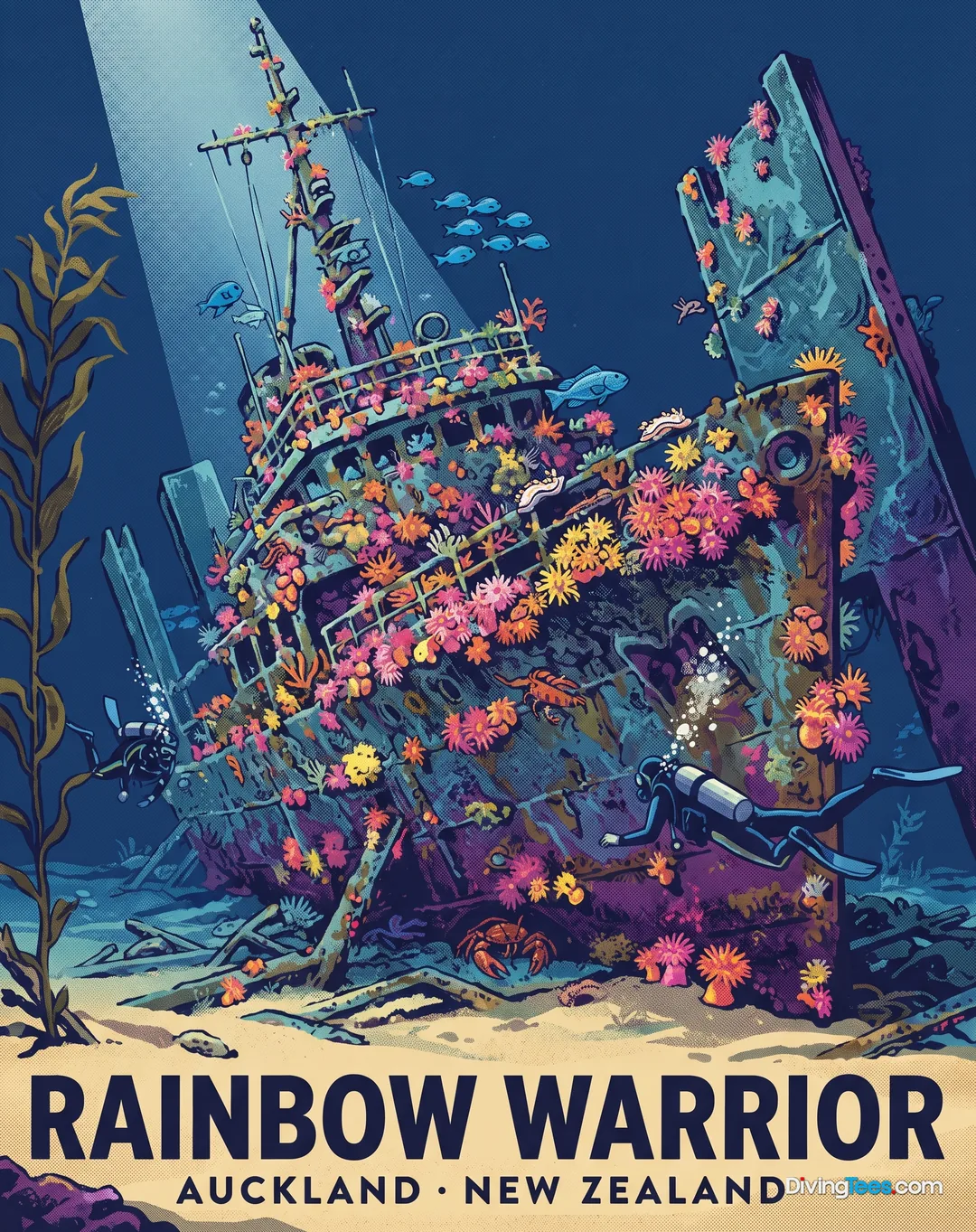
The Rainbow Warrior lies between 18 and 26 metres around the Cavalli Islands, giving Auckland diving a tangible centrepiece rather than an abstract promise of variety. Around it are rocky reefs, island drop-offs, macro subjects and other wrecks in the Hauraki Gulf. The practical advantage is the city base: divers sleep ashore, board day boats from Auckland or nearby, and return to restaurants, museums and ferries the same day.
Auckland is predominantly temperate, mixed diving: rocky reefs, island contours, drop-offs and wreck structure rather than coral gardens. The Rainbow Warrior is the clearest example, resting as an artificial reef between 18 and 26 metres, where divers can work around the submerged hull and inspect jewel anemones on the structure. Currents are variable, and conditions can change with wind and swell. Visibility is not a fixed asset here; runoff, wave action and weather can make the water less readable, so site choice matters more than a rigid itinerary. Boat trips are the main way to reach the worthwhile island sites, while some coastal spots are accessible by car. The Advanced qualification is useful for the deeper end of the wreck and for sites more exposed to conditions, but the area also accommodates less experienced divers when the sea state and chosen site are suitable.
Jewel anemones are the most clearly identified attraction in the available site material, particularly on the Rainbow Warrior, where they soften the hard lines of the wreck with delicate colour and texture. The surrounding artificial reef also supports active marine life, while rocky relief and macro subjects reward a slower pace when visibility is modest. Auckland is not presented as a destination with a dependable calendar of passing animals or named seasonal species. February and March matter mainly because calmer conditions make it easier to stay close to the structure, read the reef and spend time looking rather than fighting the water. The appeal is therefore close observation: tracing wreck edges, checking shaded surfaces and using the rockwork for small subjects, rather than expecting a tropical parade of large animals.
February and March are the best measured months for Auckland diving and the period when the sea is most often at its calmest. The Rainbow Warrior material also places the most suitable water conditions from late January into early April. That window matters because wind, swell and runoff can quickly reduce visibility or force a change of site. It is not a guarantee of flat water, so a flexible stay remains sensible. Weekends, local holidays and the limited periods of settled weather bring the most activity; outside those times, the diving scene is generally quieter.
Auckland can suit all levels, provided the site is matched to the day’s conditions. A qualified beginner can use a sheltered outing to experience rocky reef and macro diving, while more experienced divers have greater freedom when choosing exposed island sites or the deeper sections of the Rainbow Warrior. Advanced training is useful rather than universally essential, especially for wreck work down to 26 metres and variable conditions. BSAC, PADI and SSI divers should bring their certification details and recent experience record.
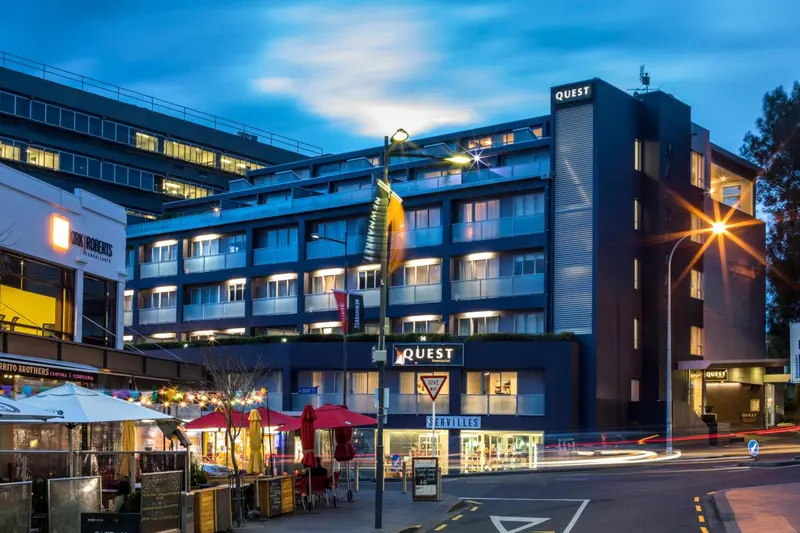
From London Heathrow, London Gatwick or Manchester, the journey to Auckland normally involves one or two connections; no direct Europe–Auckland service is indicated here. Allow roughly 24 to 30 hours overall, depending on the routing and length of the stops. Once in Auckland, the diving is reached from the city’s quays or nearby departure points, with boat trips carrying divers into the Hauraki Gulf and towards its islands. Some coastal sites can instead be reached by car. Accommodation near the centre may allow a walk to the dive meeting point; otherwise a taxi or hire car covers the short local transfer. The long journey makes a tight connection between arrival and first boat an unattractive plan, particularly when fatigue and weather can both disrupt the first day.
Build the diving around a weather window, not around a fixed sequence of sites. In Auckland, moving a boat day by 24 hours can make more difference than insisting on the original plan, so a four- to seven-day stay gives useful room for change. Keep the final day clear of diving before the long flight home; losing that day to weather is far less troublesome than having the whole schedule depend on a last-minute sea crossing. Aim for a combination of islands, rocky reefs and wrecks rather than treating the Rainbow Warrior as the sole purpose of the trip. When conditions are marginal, slow macro work and close inspection of rock relief may still be rewarding even when visibility is ordinary. The common disappointment is arriving with tropical expectations: Auckland is temperate, changeable and sometimes visually subdued. In protected areas, follow local reserve rules, do not collect marine life, and avoid anchoring where restrictions apply.
Auckland works best as a city-based diving holiday rather than a liveaboard trip. Allow four to seven days, with boat diving fitted around the weather and at least one non-diving day. A non-diving companion can use the waterfront, museums, ferries, coastal walks and Hauraki Gulf islands while the diver is at sea. The arrangement also leaves room to watch the coast, adjust the plan and take a second opportunity when the first boat day is lost.
Hello, I'm Marina, DivingDeal.com's AI assistant. I guide you through destinations, areas and countries.
Thinking about the whole trip and the flights? Talk it over with Edith →
Marina is an AI. Some links are affiliate links: DivingDeal may earn a commission, at no extra cost to you. Bookings are made with the partner.
Your last day stays dry: no diving in the 18-24 hours before a flight, the perfect window to see the destination from another angle.
 Culture
⏱ 4 h · ★ 5.0 (38 reviews)
from £85$113€101
see on Viator ↗
 Culture
⏱ 2 days · ★ 5.0 (31 reviews)
from £396$529€473
see on Viator ↗
 City
City⏱ 5 h · ★ 5.0 (23 reviews)
from £501$669€598
see on Viator ↗

⏱ 6 h · ★ 5.0 (19 reviews)
from £144$192€172
see on Viator ↗
Ratings and reviews collected by Viator and Tripadvisor.
February and March are the calmest measured period for Auckland diving, with suitable water conditions also described from late January into early April. Wind, swell and runoff can still change visibility or require a site change, so keep your schedule flexible and plan around a useful weather window.
Auckland can suit qualified beginners when the sea state and selected site are suitable, particularly on sheltered rocky reefs. More experienced divers have greater freedom on exposed island sites and deeper wreck sections. Advanced training is useful for the Rainbow Warrior and variable conditions, and you should bring certification details and recent experience records.
You can explore the Rainbow Warrior artificial reef, rocky reefs, island drop-offs and other wrecks in the Hauraki Gulf. Jewel anemones cover parts of the submerged wreck structure, while macro subjects and active marine life reward slow observation. Expect temperate scenery and close inspection rather than a tropical parade of large animals.
Use Auckland as a city-based diving holiday, with day boats from the city or nearby departure points and some coastal sites reachable by car. Build the itinerary around weather, combine islands, reefs and wrecks, and leave room for a non-diving day. Keep your final day free of diving before flying home.