
Palau LT Dive
Google 4.9/5 (534 reviews)
35 km away as the crow flies
Palau · Pacific
Max. depth · 30 mA continuous vertical reef system stretching along Ngemelis Island with a sudden drop to depths exceeding 300 metres.
The Ngemelis Wall is not a single dive site but a continuous, sheer vertical reef system that follows the entire perimeter of Ngemelis Island. It begins in extremely shallow water, sometimes just a few feet from the shoreline, before moving out to a reef plateau that typically sits between 1 and 5 metres. This plateau eventually levels out at depths of 13 to 20 metres, at which point the seabed falls away almost vertically. The wall continues to descend into the deep ocean, reaching depths of more than 300 metres. This unique topography creates a massive vertical profile that defines the entire diving experience around the island.
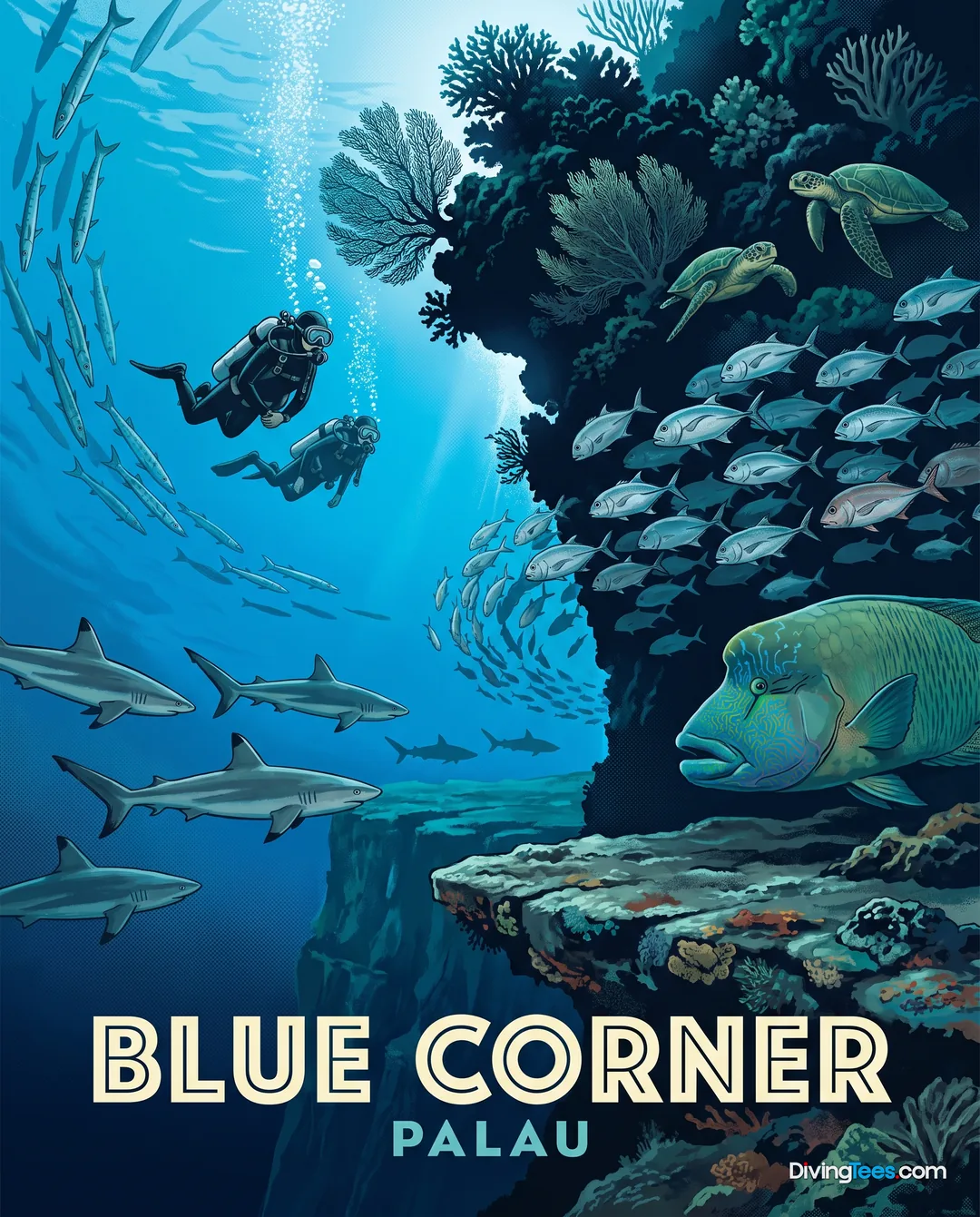
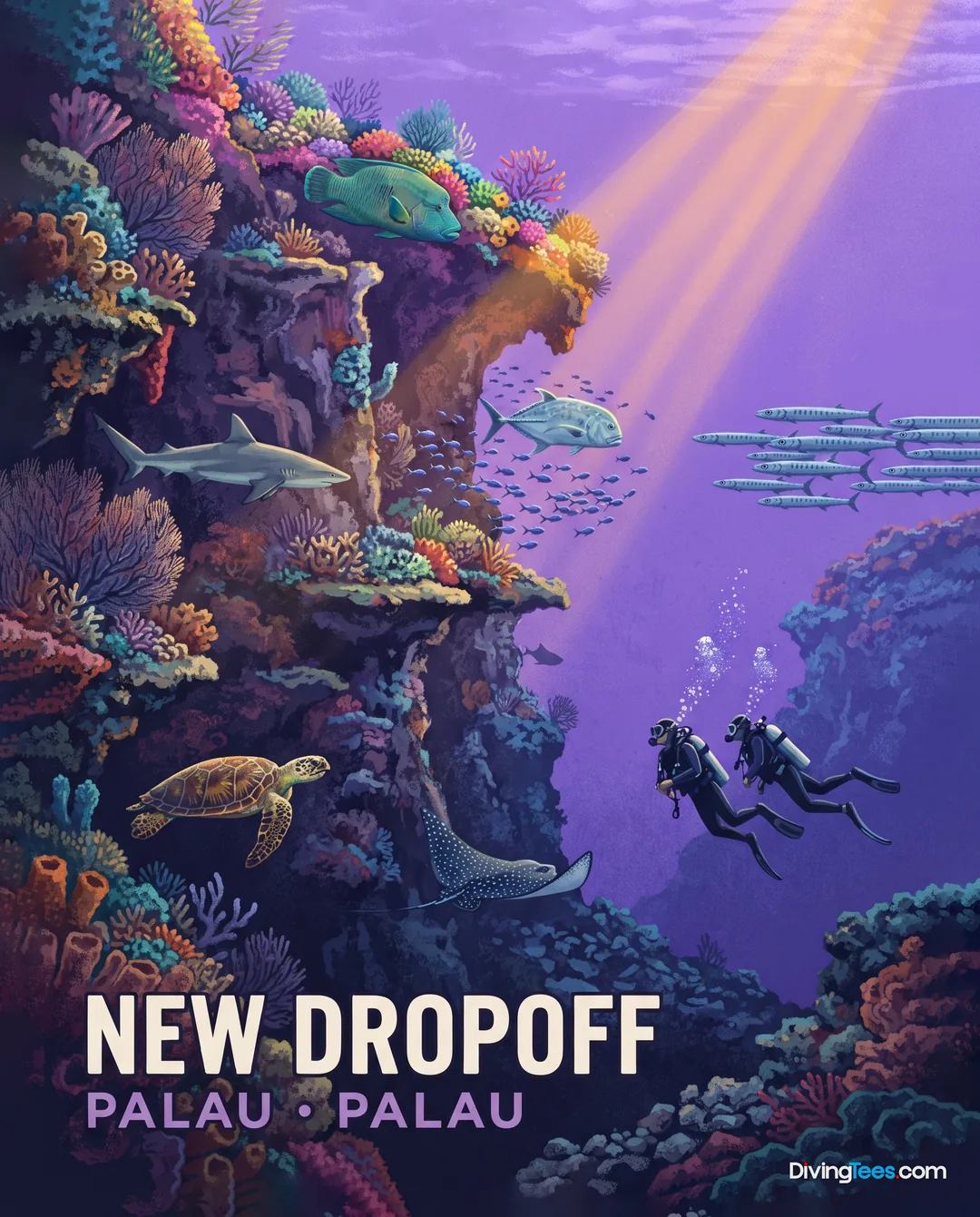
Because the wall is so extensive, it is composed of several distinct named sections, each offering a different environment. Divers will encounter areas like the Big Drop-Off, Turtle Wall, New Drop-Off, and Blue Corner. Some segments provide more sheltered conditions with slight curves and caverns, while others are more exposed to the open ocean. This variety allows the system to function as a single continuous structure while providing different challenges depending on which mooring you use. The sheer scale of the drop-off is a defining characteristic that separates this site from smaller, more isolated reef structures in the region.
The descent usually begins at a mooring buoy on the edge of the reef, where you transition from the shallow plateau to the vertical face. As you move along the wall, the landscape is defined by a dense coverage of hard corals, soft corals, and large sea fans. The light changes significantly as you move from the sunlit plateau down the vertical face, highlighting the textures of the reef. This verticality provides a constant visual reference point, making it easy to maintain position while observing the depth changes. The wall's structure offers numerous nooks and crevices that support a high density of marine life.
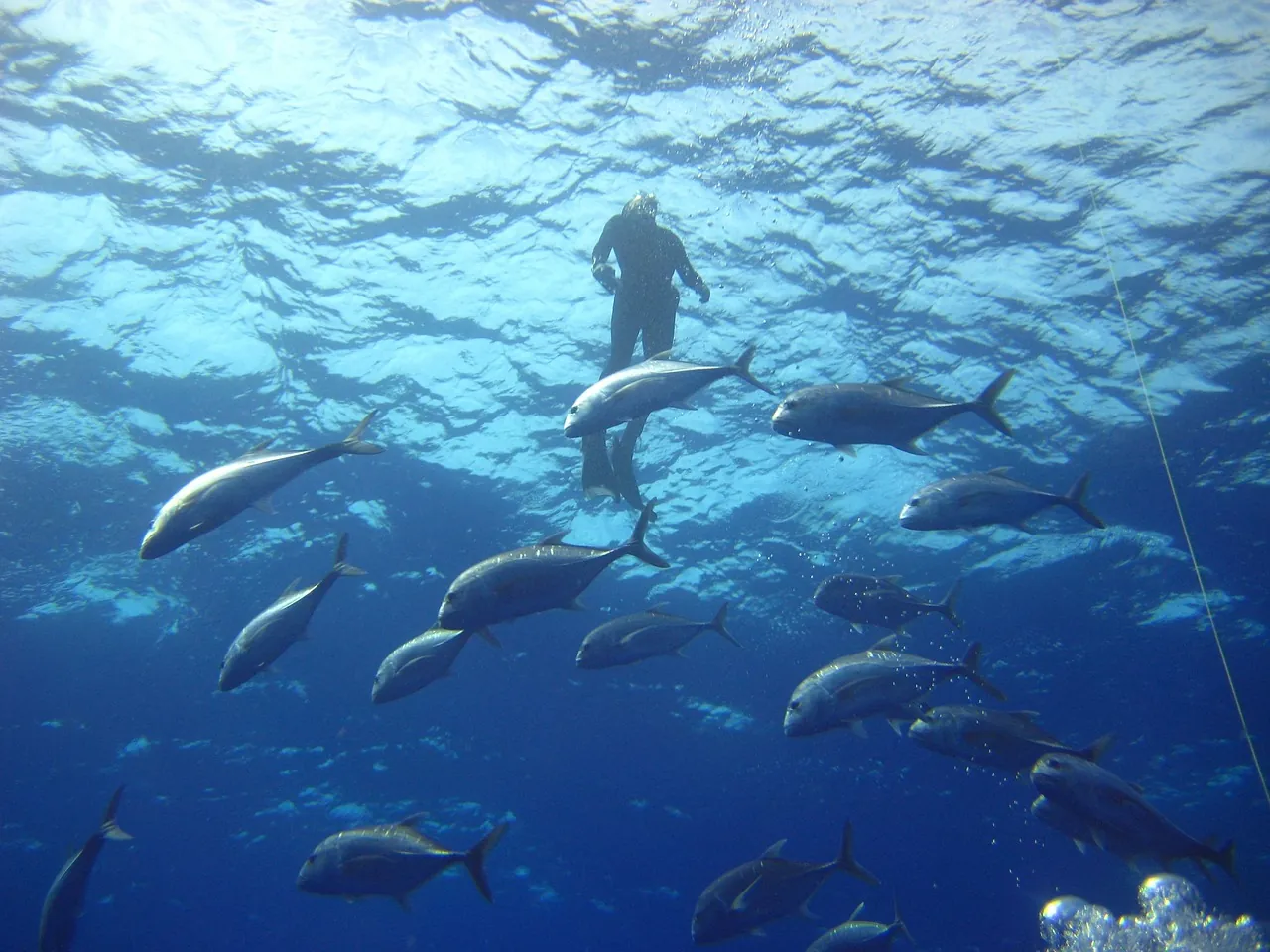
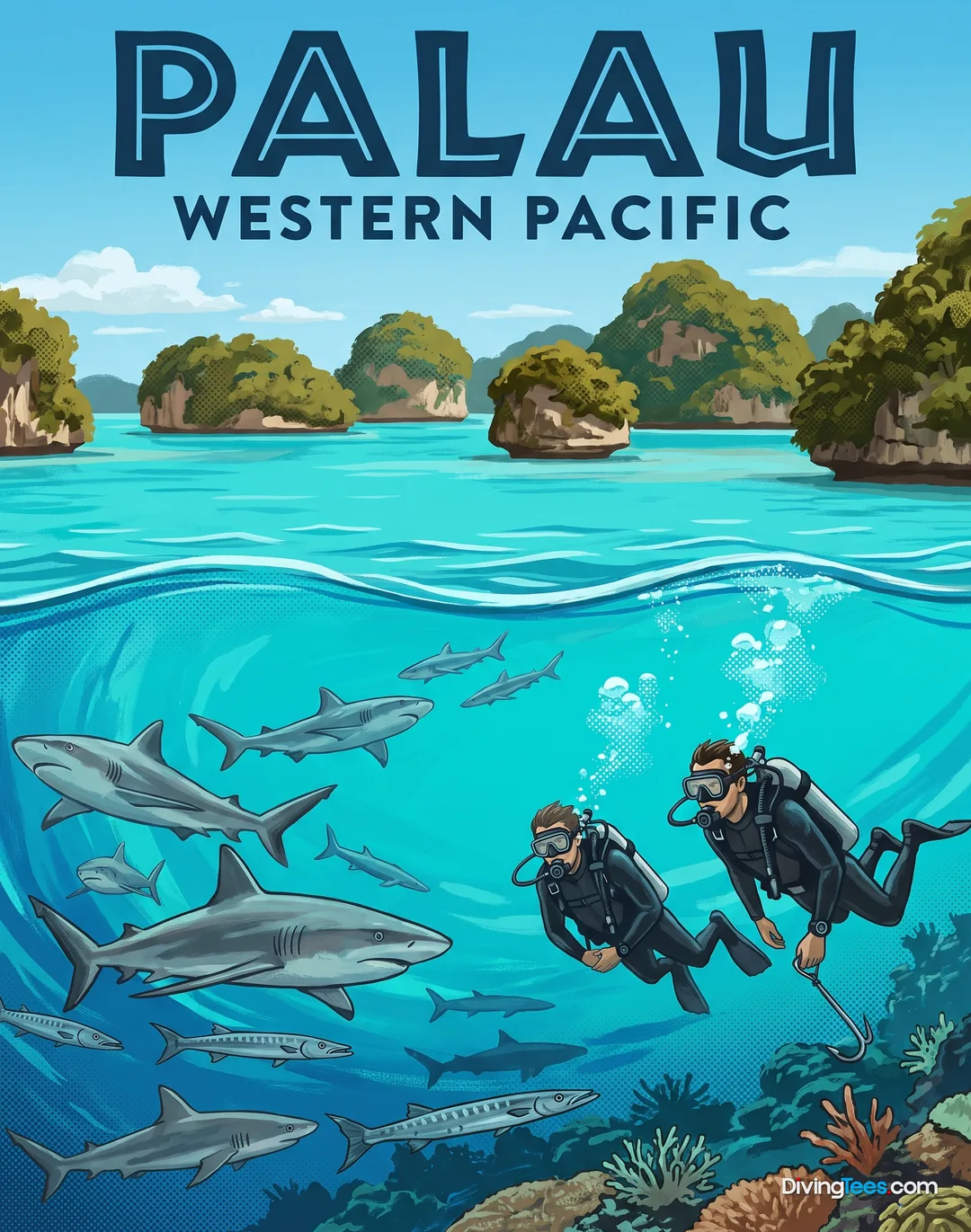
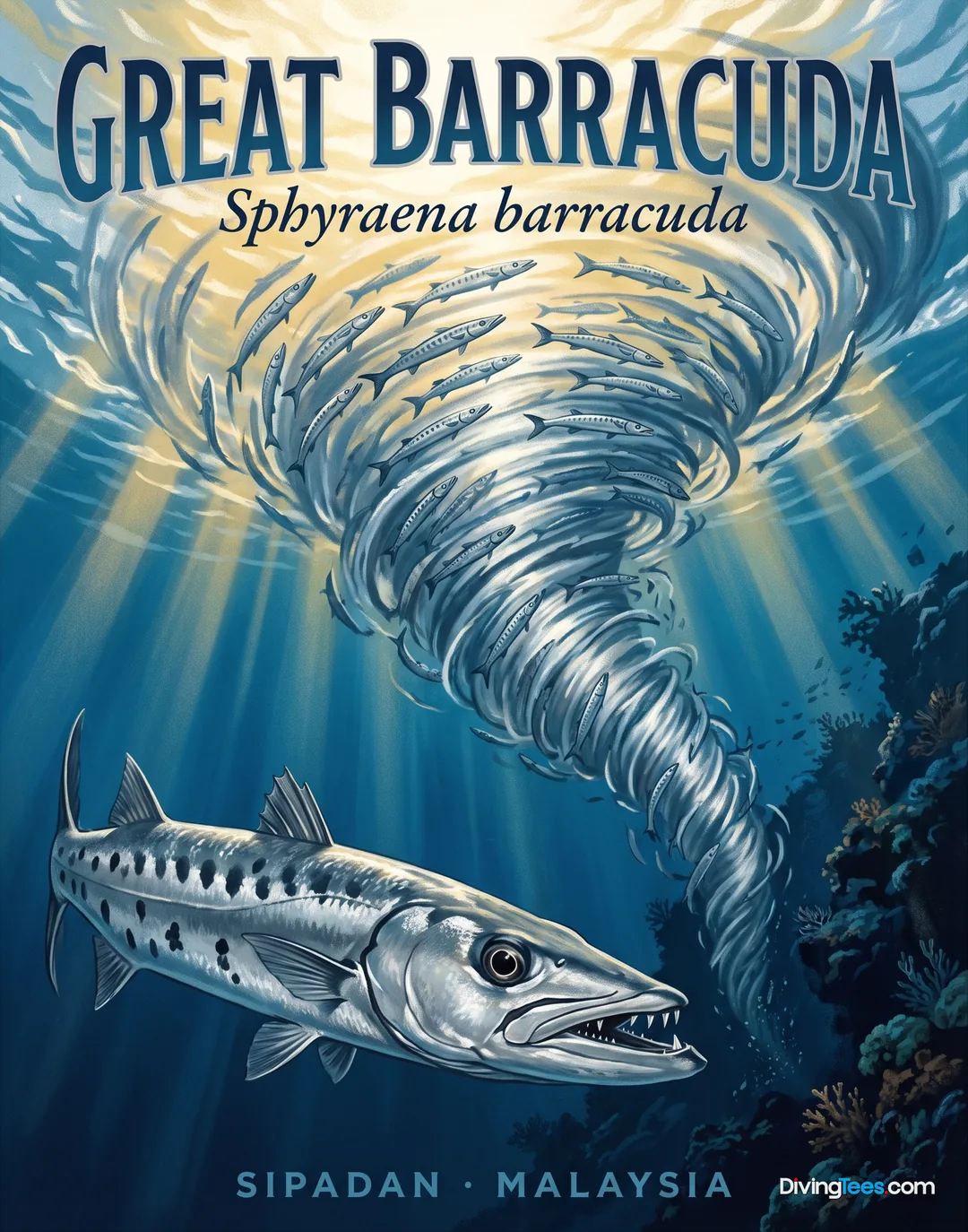
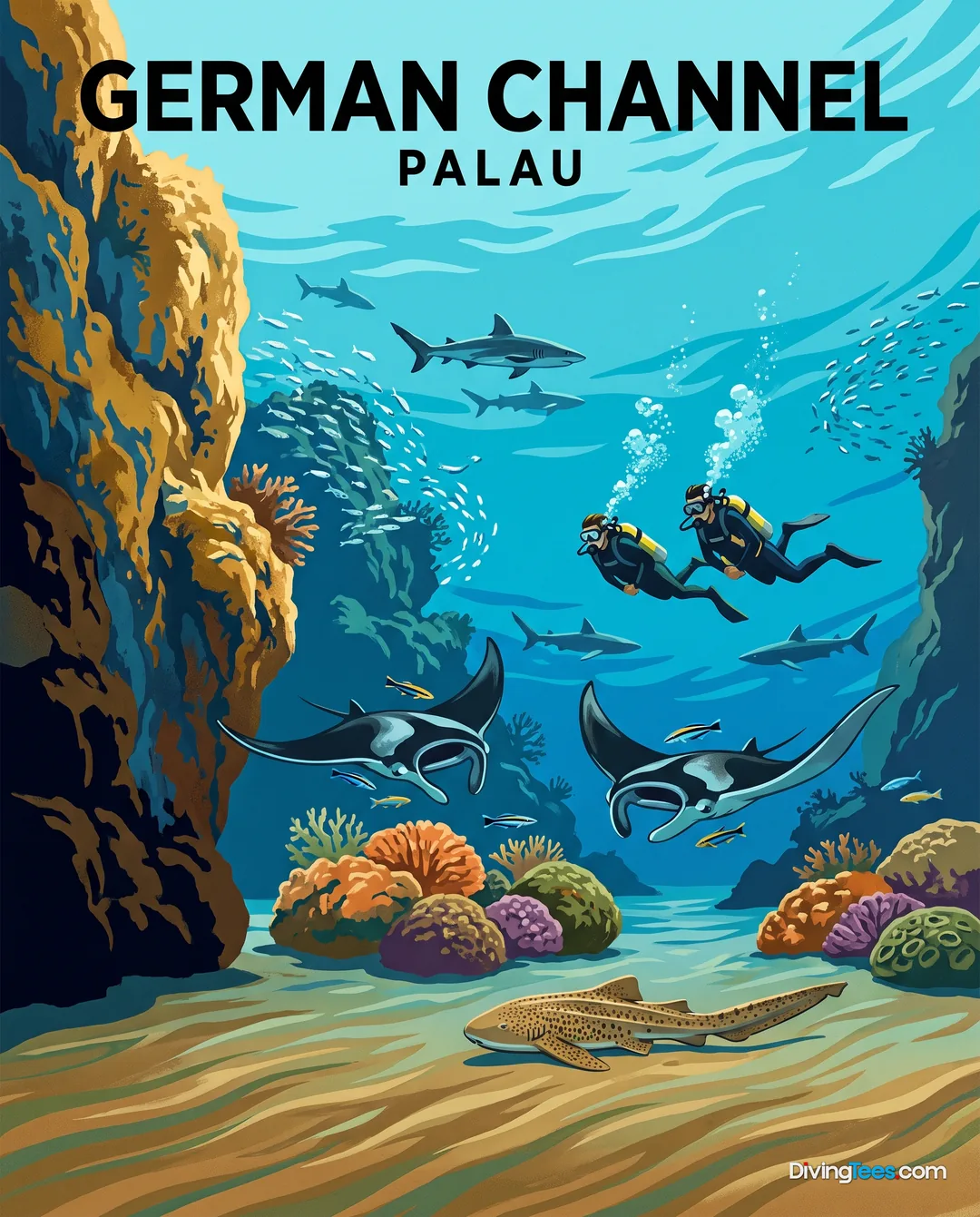
Pelagic activity is a consistent feature of the Ngemelis Wall, particularly when the currents are active. You will frequently see grey reef sharks and white-tip reef sharks patrolling the edges of the wall or resting in the crevices of the coral. Large schools of barracuda and trevally often cruise the blue water just off the reef edge, appearing as silhouettes against the deeper water. These predators are drawn to the nutrient-rich currents that run along the island's perimeter. Observing their movement along the vertical plane is a primary reason divers seek out this specific wall system.
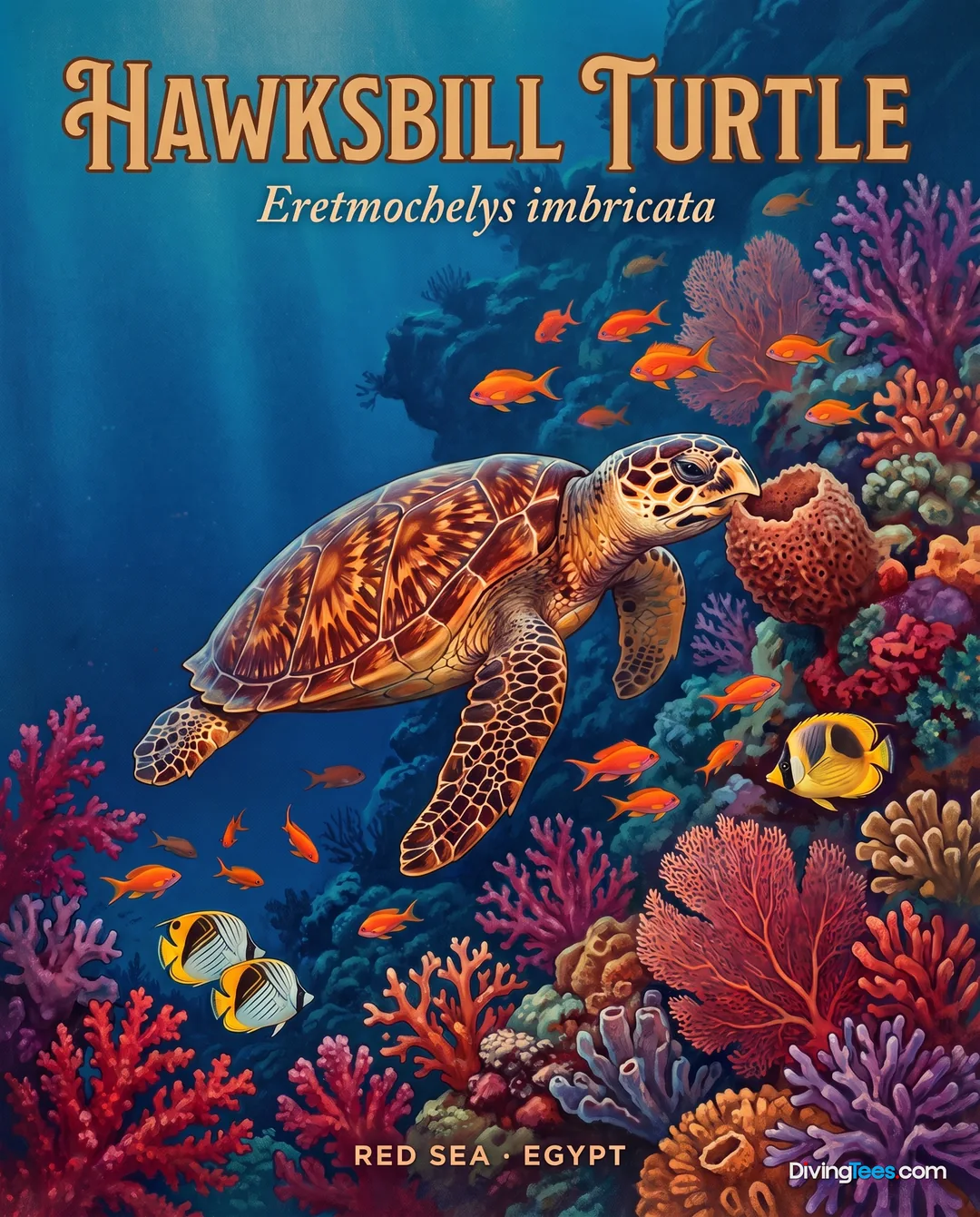
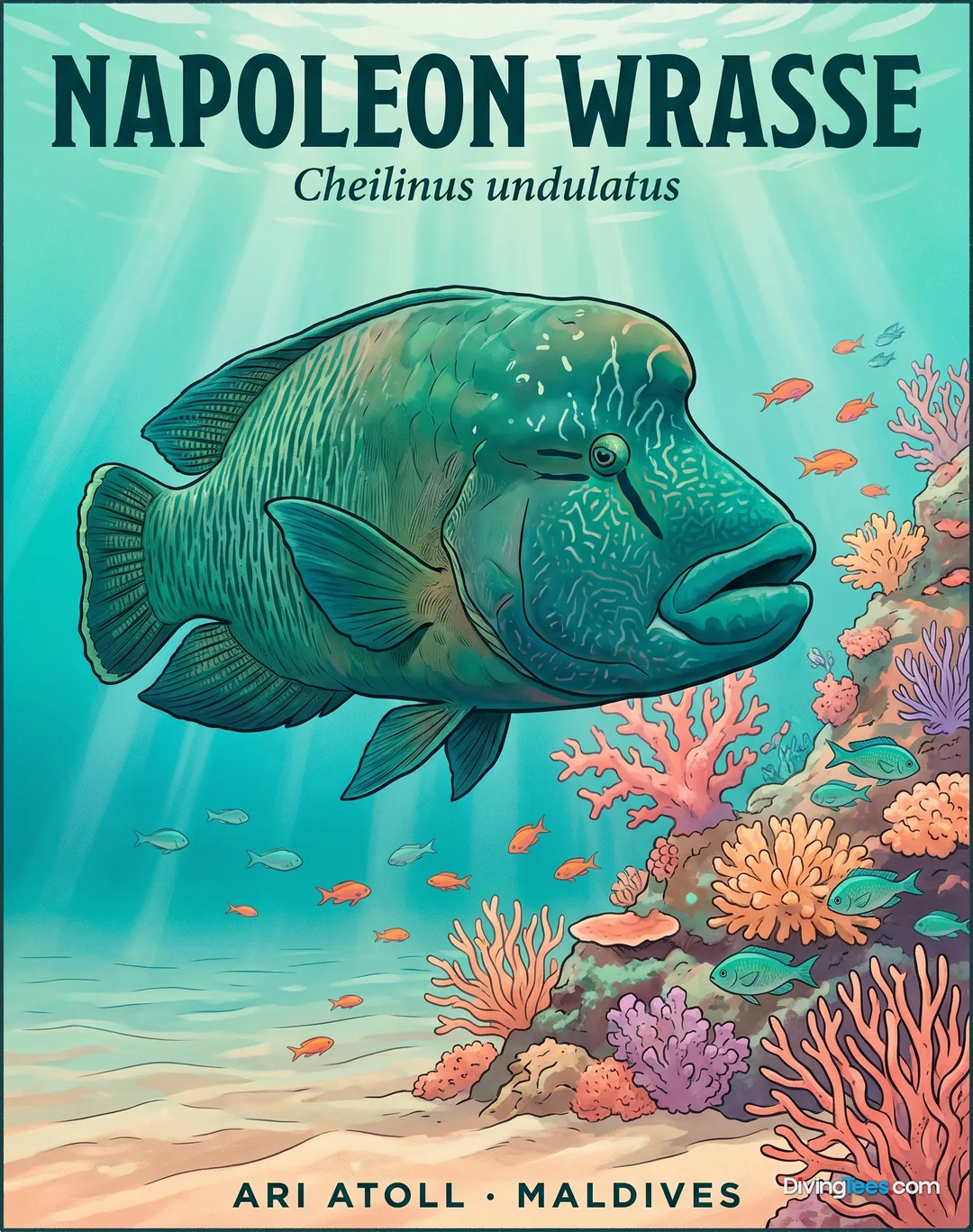
The resident reef fauna is equally diverse, providing constant interest even when the larger predators are less visible. Green sea turtles and hawksbill turtles are commonly seen navigating the reef slopes and resting near the coral formations. Larger reef fish, such as the Napoleon wrasse, inhabit the deeper sections of the wall and can often be found near the coral heads. You will also see large numbers of fusiliers and anthias moving in schools around the reef edge. The combination of large resident fish and smaller reef dwellers makes the wall a high-biodiversity environment.
Current conditions at Ngemelis Wall are heavily influenced by the tide direction and the specific section of the wall you are diving. Some areas, like the Turtle Wall, may remain relatively calm, while segments like Blue Corner are known for more significant water movement. When the current is moderate to strong, it often facilitates drift diving along the wall, allowing you to observe the reef with minimal effort. However, the unpredictable nature of these currents means that experienced buoyancy control and positioning are necessary. Understanding how the current interacts with the island's shape is key to navigating the site safely.
Visibility at this site is consistently high, often ranging between 15 and 40 metres, which enhances the sense of scale when looking down the wall. This clarity allows you to see the transition from the colourful reef face into the deep blue of the open ocean. High visibility also makes it easier to spot sharks and other pelagic species from a distance as they approach the reef. The way light penetrates the water here accentuates the different colours of the soft corals and sea fans. For divers, this clarity provides a clear view of both the intricate reef details and the vastness of the drop-off.
The best time to experience the Ngemelis Wall is typically between December and June. During these months, the conditions often provide the best balance of visibility and manageable currents. This seasonal window is preferred by many because the water clarity is at its peak, making the deep vertical sections more visually striking. While the site can be dived year-round, the calmer conditions during this period make it more accessible for a wider range of experience levels. Planning your visit during this time increases the likelihood of seeing the site in its most stable state.
The site features a depth range from 1 to 30 metres for most recreational dives, though the wall drops to over 300 metres. Visibility is typically between 15 and 40 metres. While accessible from Open Water Diver level in calm conditions, an Advanced Open Water certification and at least 50 logged dives are recommended due to unpredictable and potentially strong currents that vary by section. The best period to dive is from December to June.
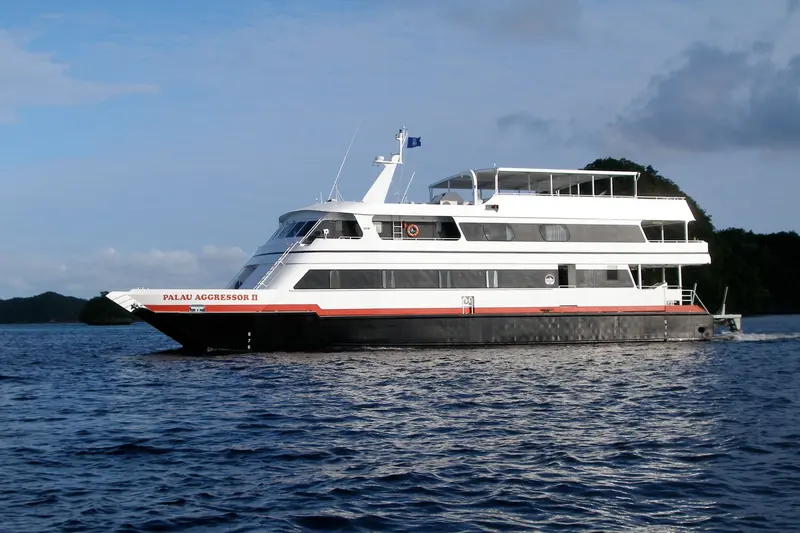
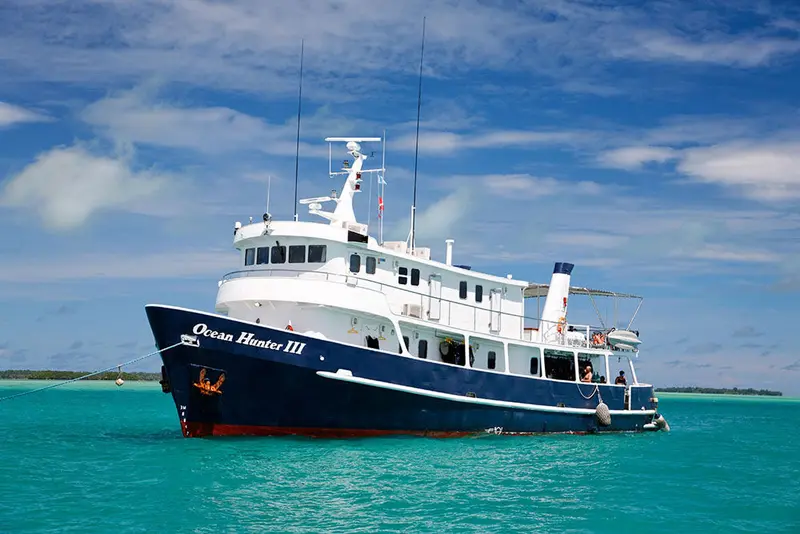
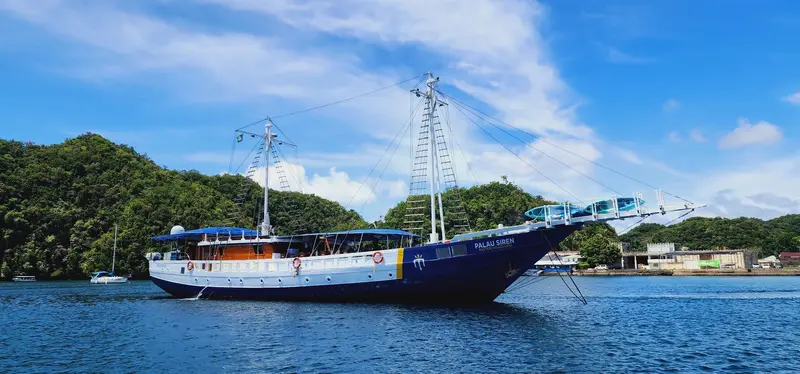
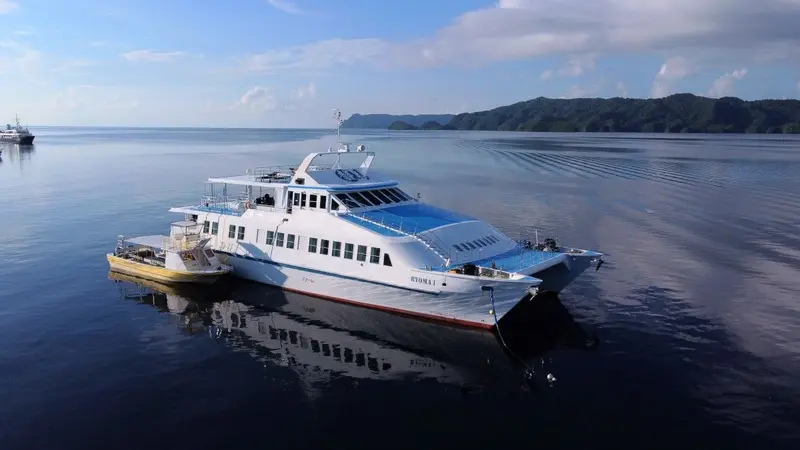
4 liveaboards depart from Palau another way to explore the region, over several days at sea.
You can dive Ngemelis Wall year-round, but the preferred period is from December to June. During this window, conditions typically offer a balance of high visibility and more manageable currents. Visibility commonly ranges from 15 to 40 metres, helping you appreciate the reef’s vertical profile and deep blue surroundings.
You can access Ngemelis Wall with an Open Water Diver certification in calm conditions, but Advanced Open Water certification and at least 50 logged dives are recommended. Recreational dives generally range from 1 to 30 metres, while the wall continues beyond 300 metres, making depth awareness and buoyancy control important.
Currents at Ngemelis Wall depend on tide direction and the section you choose. Turtle Wall may be relatively calm, while Blue Corner can have stronger movement. Currents are unpredictable and may support drift diving along the wall, so you need reliable buoyancy control, positioning skills, and awareness of changing conditions.
At Ngemelis Wall, you can see dense hard and soft coral coverage, large sea fans, and reef nooks supporting diverse marine life. Grey reef sharks, white-tip reef sharks, green and hawksbill turtles, Napoleon wrasse, barracuda, trevally, fusiliers, and anthias are among the creatures found along the wall.