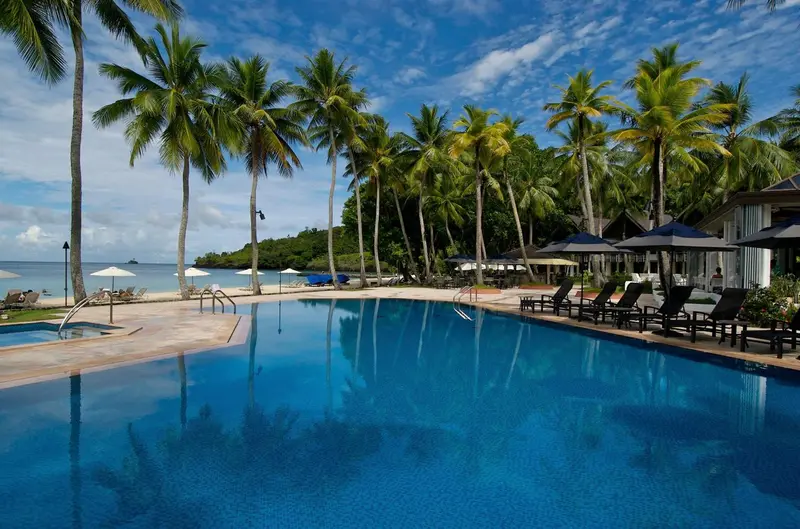
 Dive centre in the hotel
Palau Pacific Resort & The Pristine Villas and Bungalows
★★★★★
Google 4.6/5 (750 reviews)
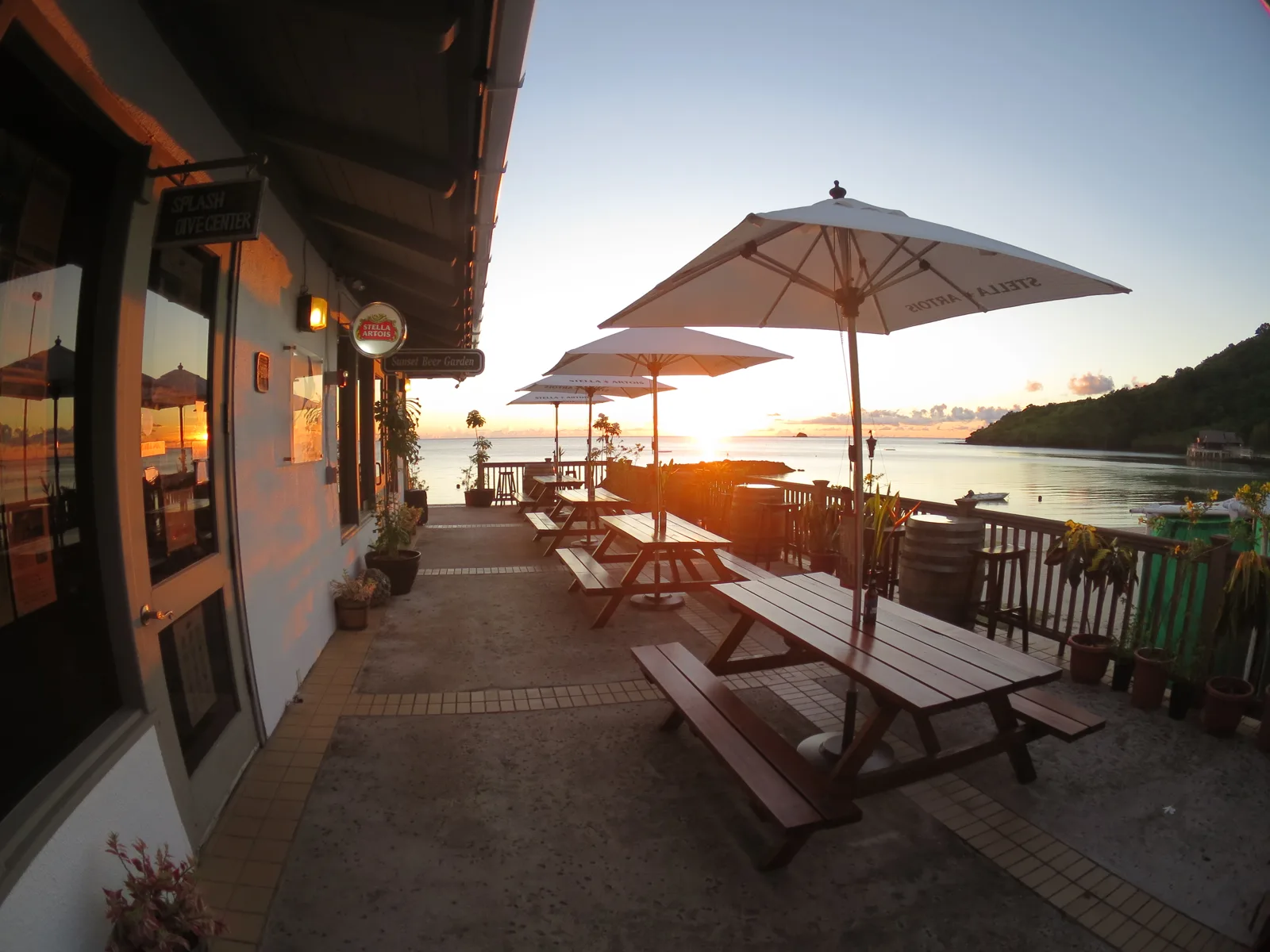
The dive centre
Splash Dive Center
PADI
Google 4.4/5 (19 reviews)
Pacific
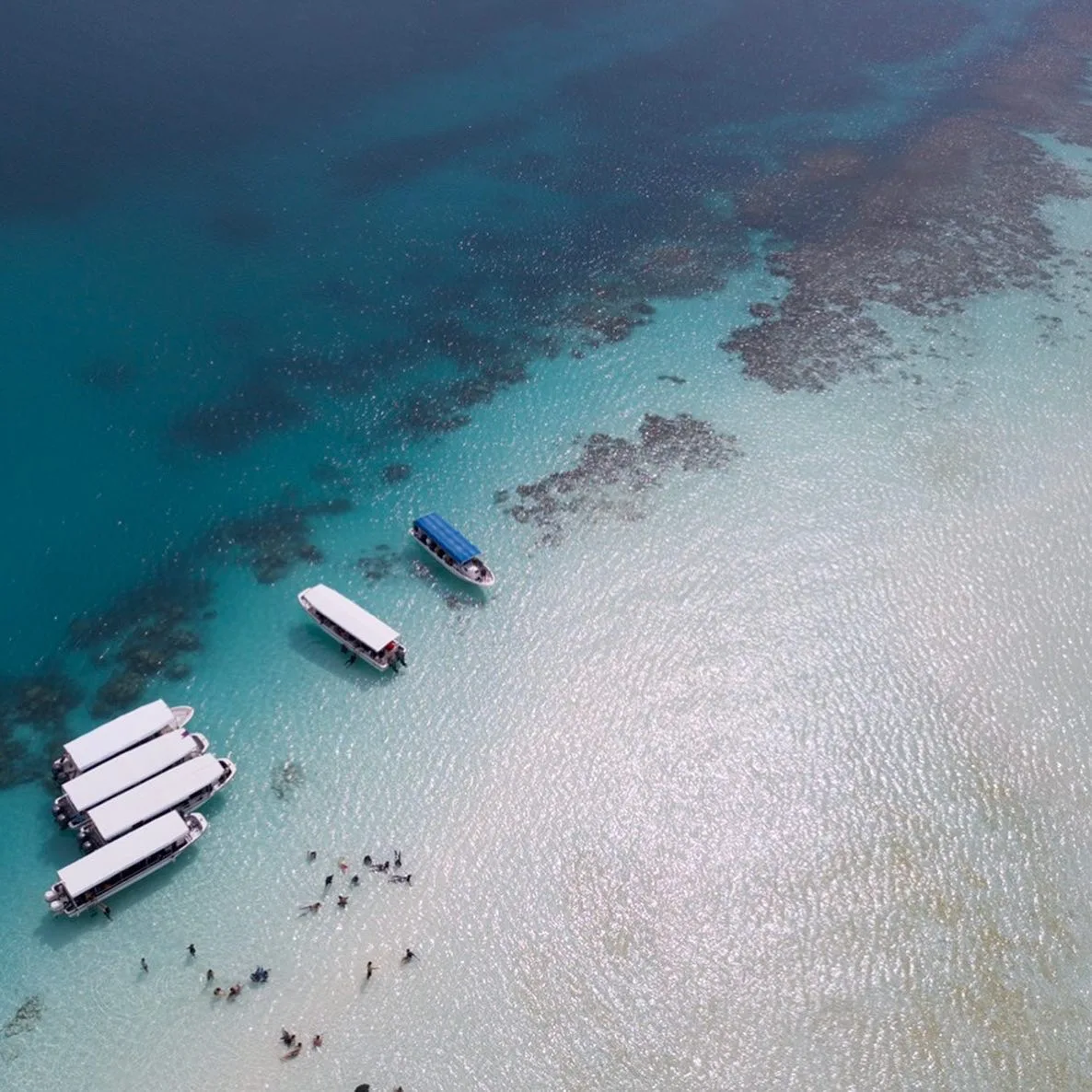
Palau brings the Rock Islands, Blue Corner and the wartime wreck Iro Maru into one Micronesian itinerary for experienced divers.
For subtitles in English: start the video firstthen click the gearat the top right of the video, select “Subtitles/CC”, then “Auto-translate” and choose “English”.
Palau stands apart through the combination of preserved marine ecosystems and a substantial Second World War underwater heritage. Its diving is organised around the central Rock Islands, while Peleliu gives the country a distinct southern dimension rather than simply another nearby departure point. Across the country, current management and negative entries are part of the practical picture. This is not best treated as a first ocean-dive destination: divers arriving with solid certification experience will be better placed to handle the briefings and the water movement.
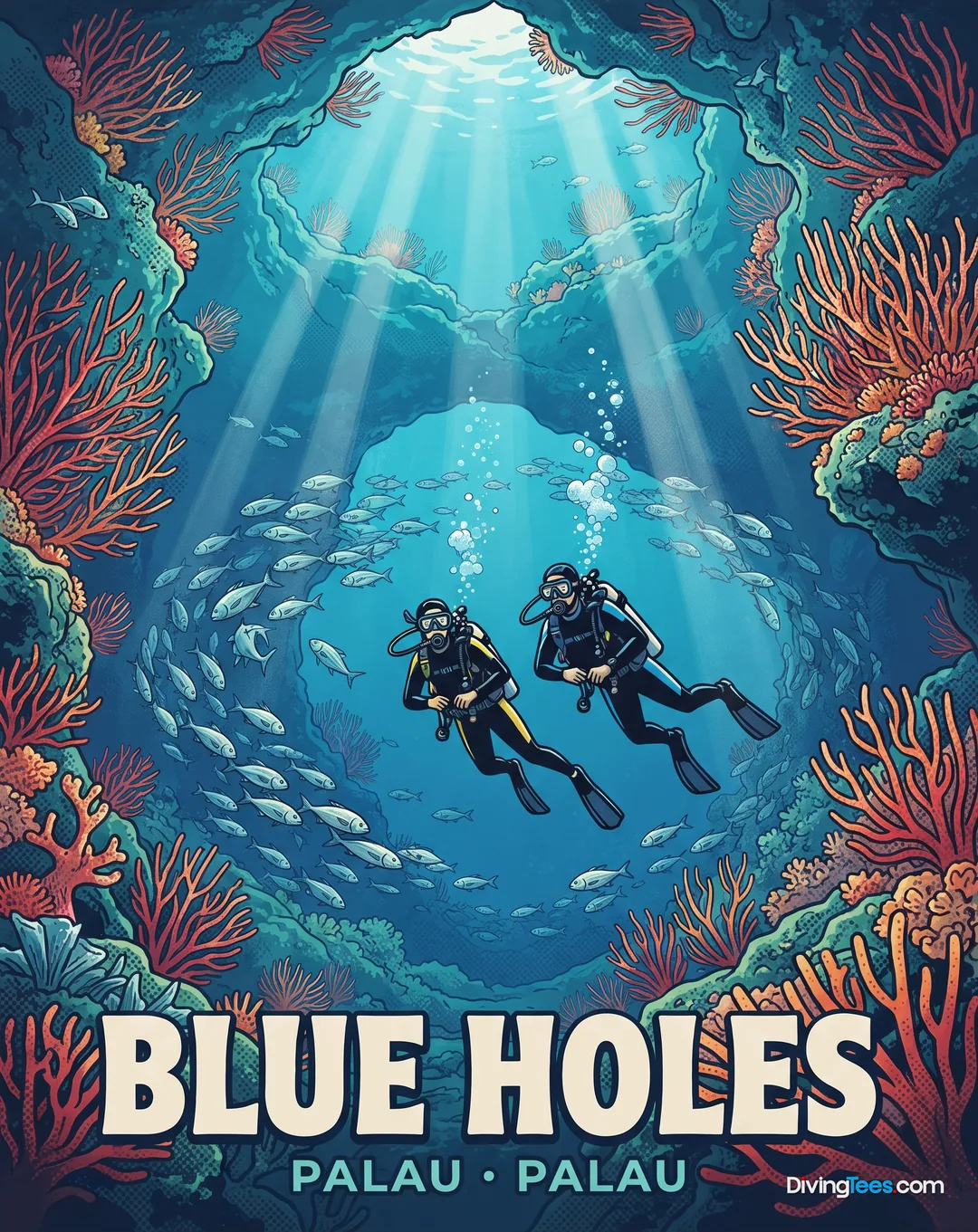
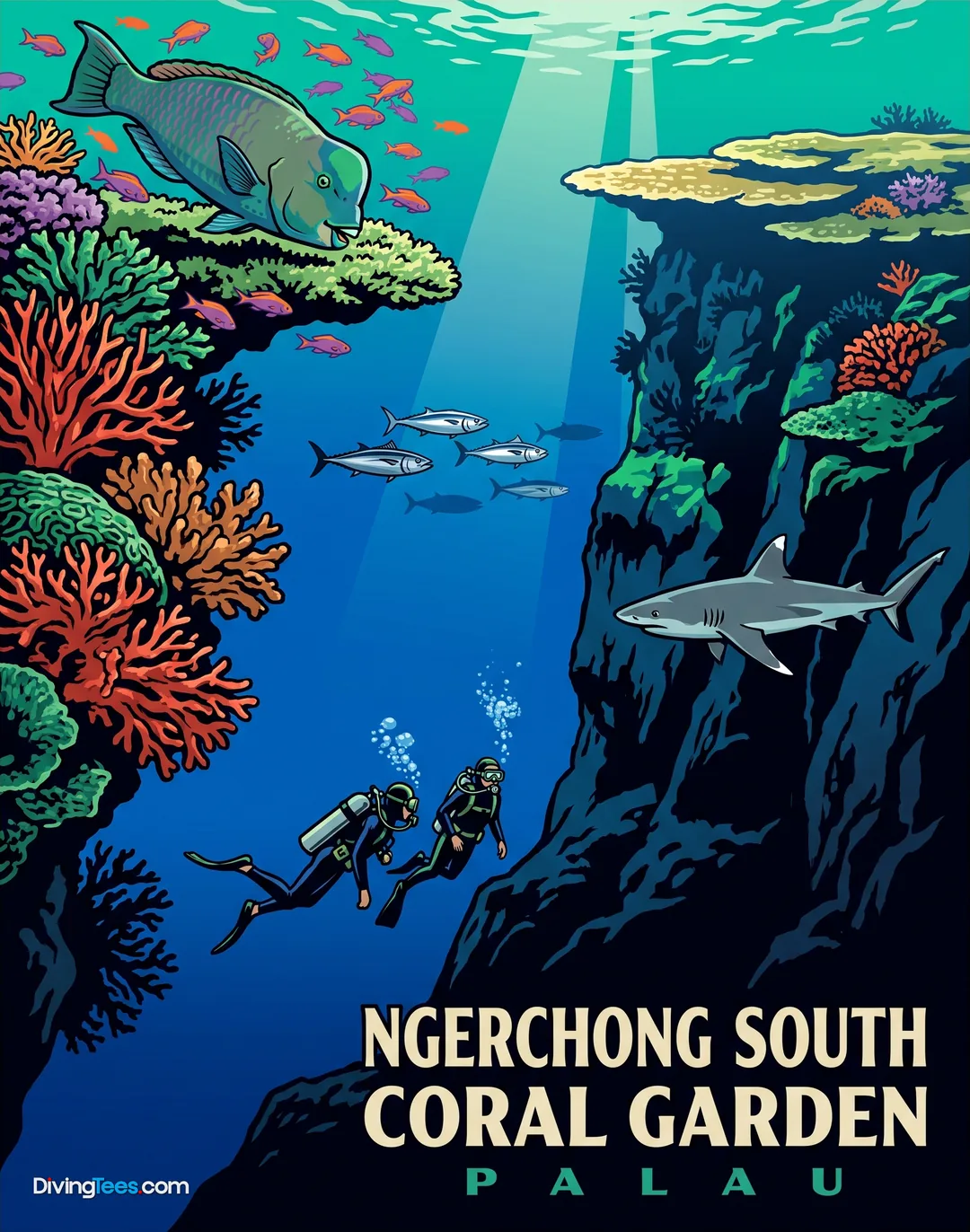
Walls, channels, caverns and current-swept plateaux shape the diving. Blue Corner runs from roughly 15 to 40 metres, with strong, rapid currents that make drift-diving technique part of the experience. New Dropoff adds vertical drop-offs, canyons and a large cavern, with upwellings and down-currents possible around its corner. Ulong Channel is shallower, between 5 and 20 metres, but the current remains central to the dive. Blue Holes reaches 50 metres inside a chamber lit through openings in the roof; it is an overhead environment, even though natural light is present. Visibility is typically excellent, aligning with regional readings of around 30 metres or more. Reef hooks may be useful where the current demands a fixed position, but the exact entry, exit and drift plan matters more than simply choosing a depth.
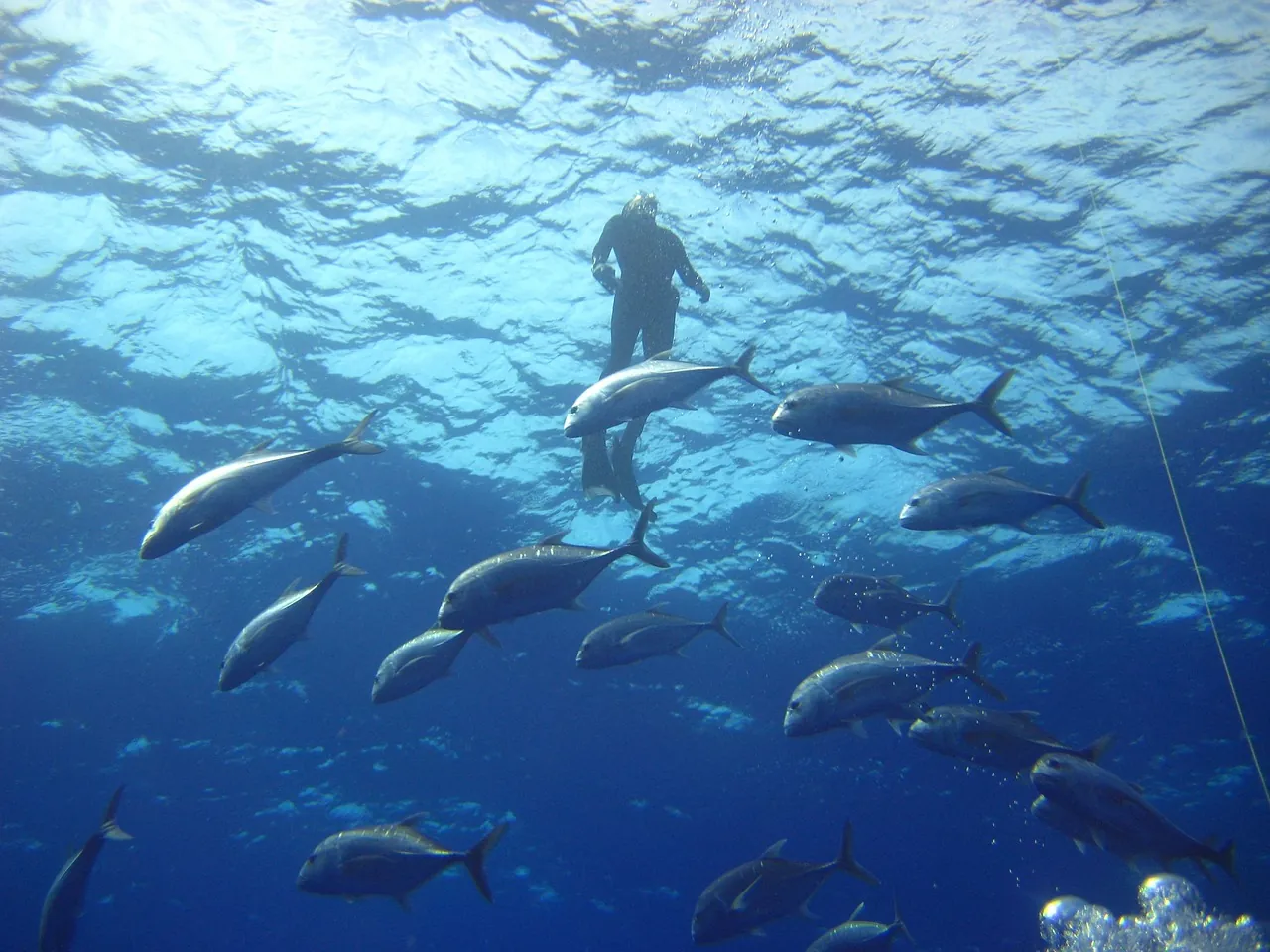
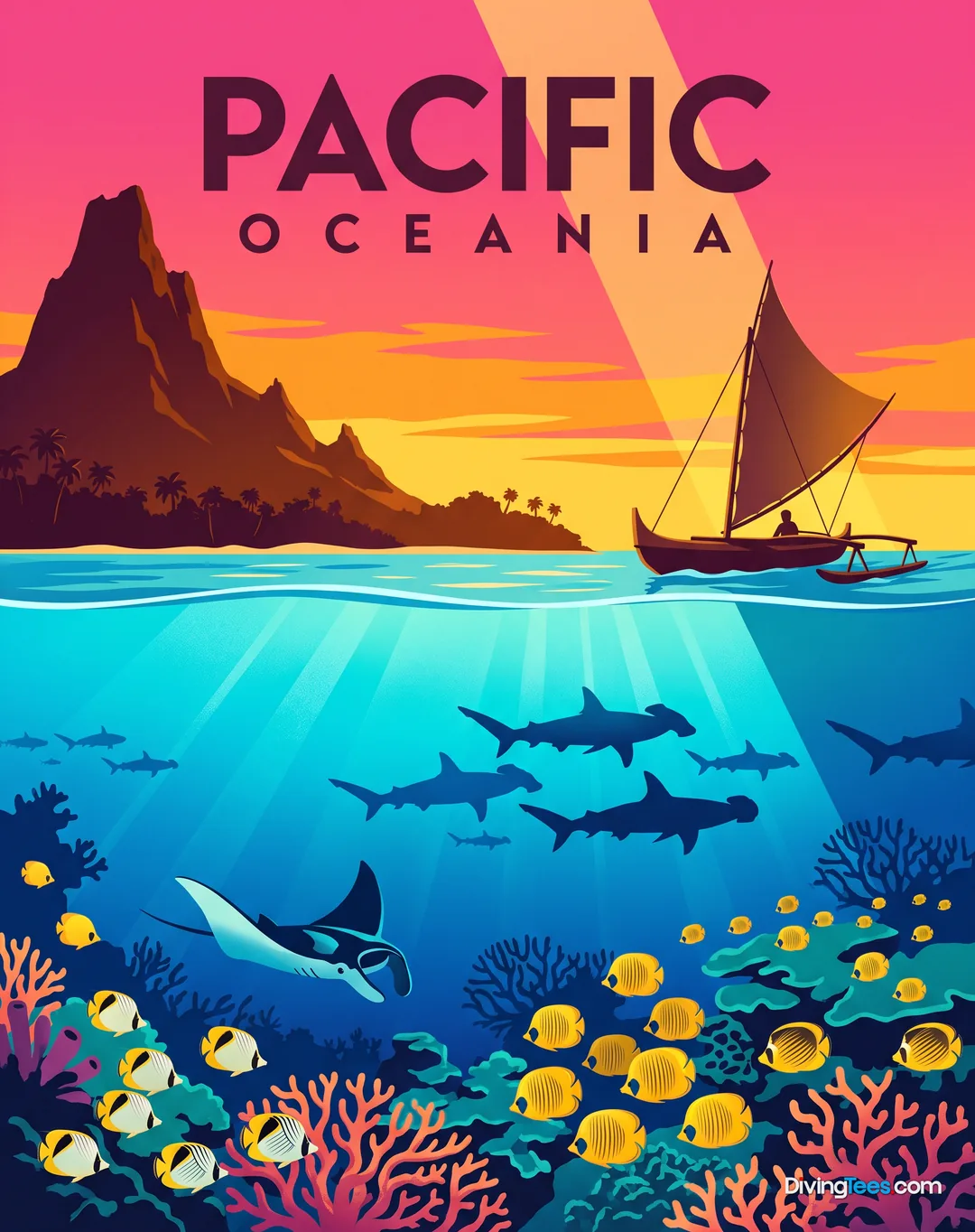
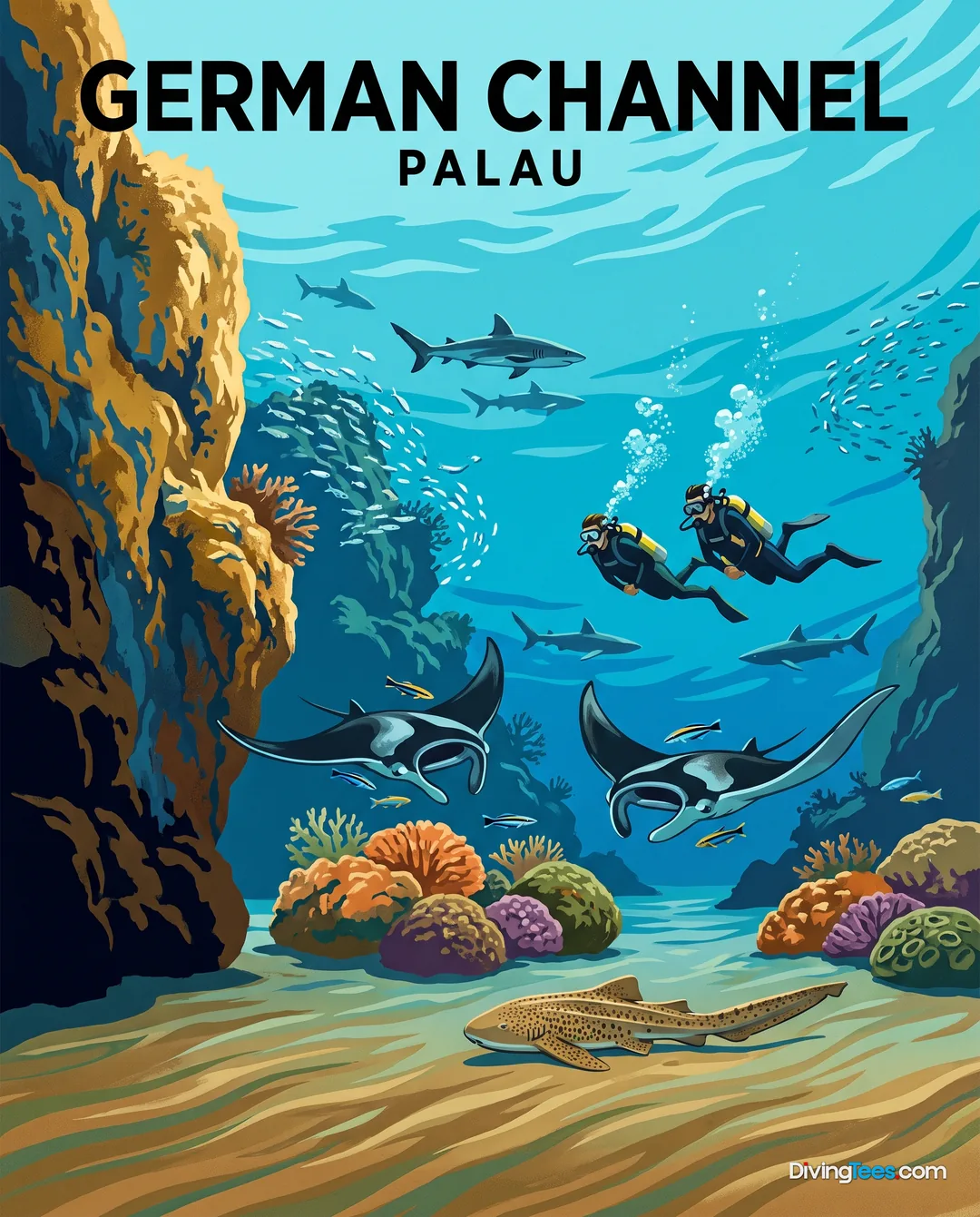
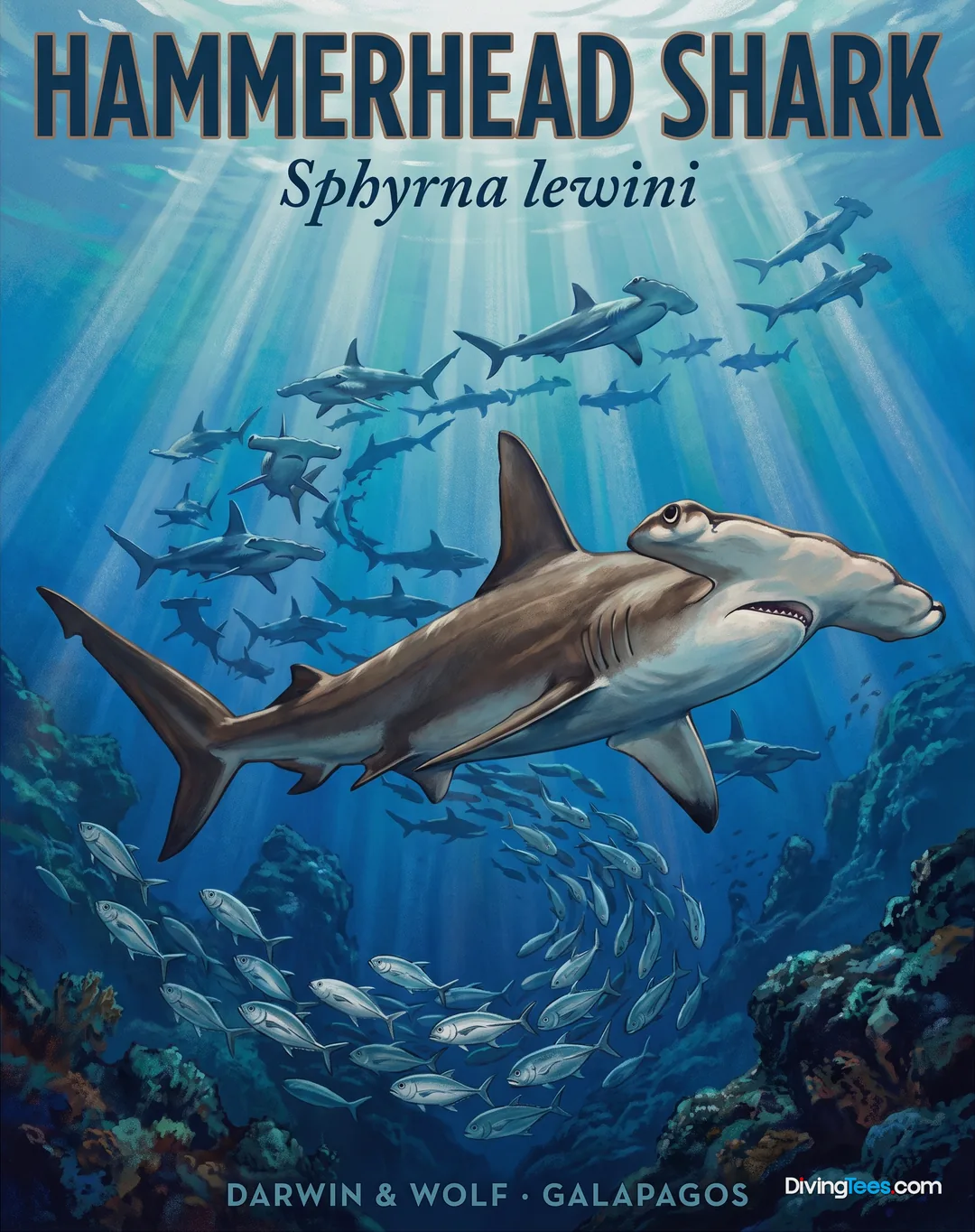
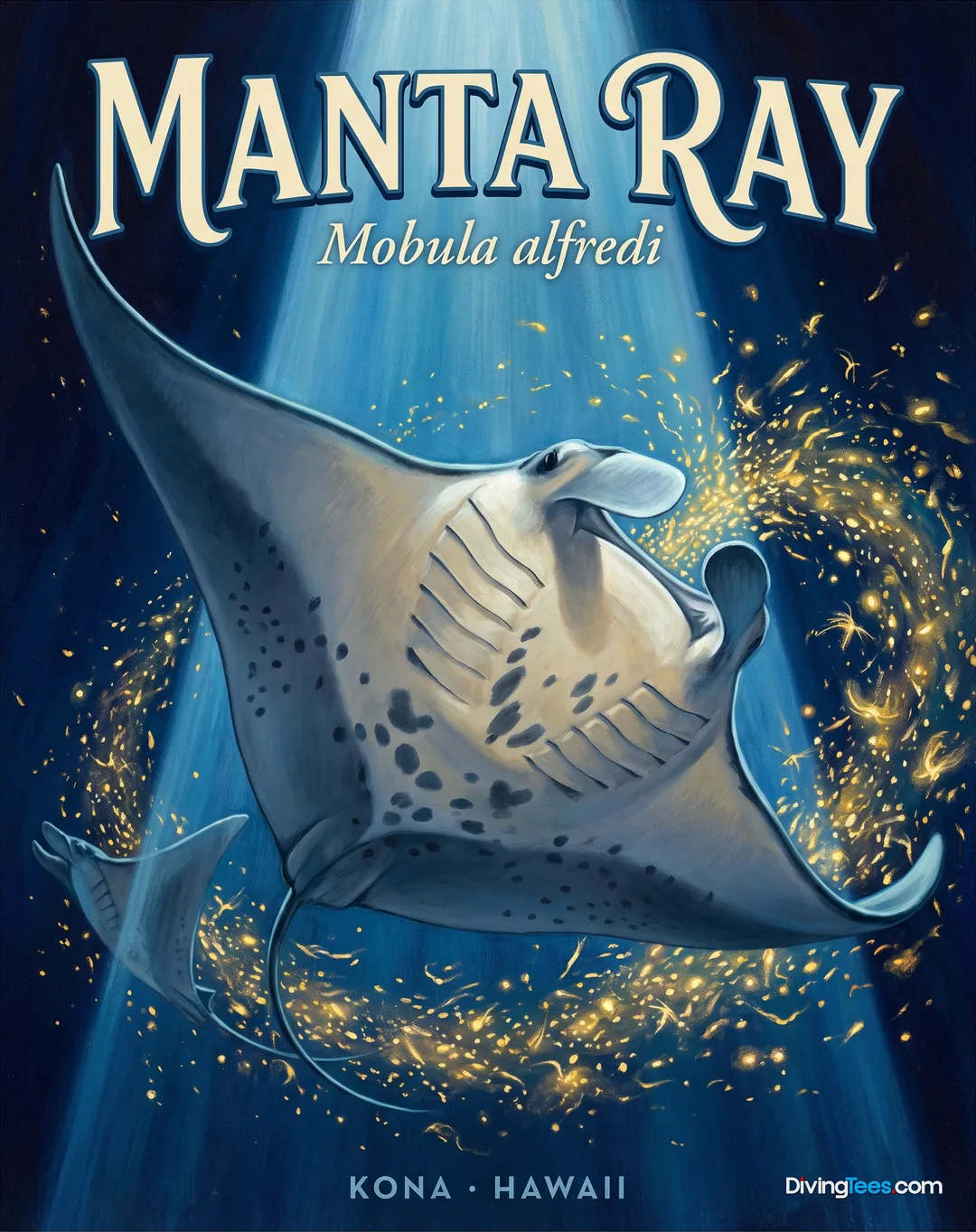
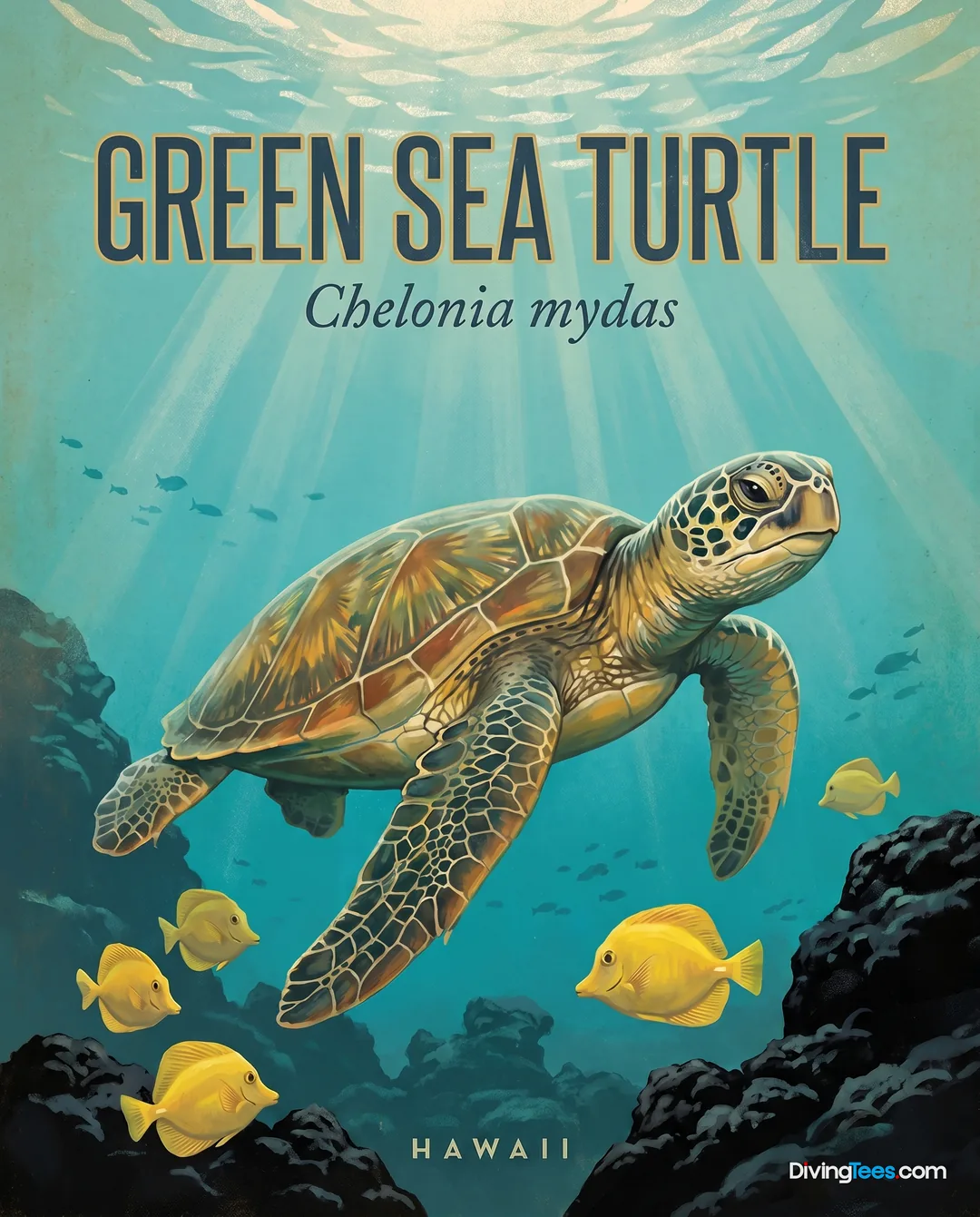
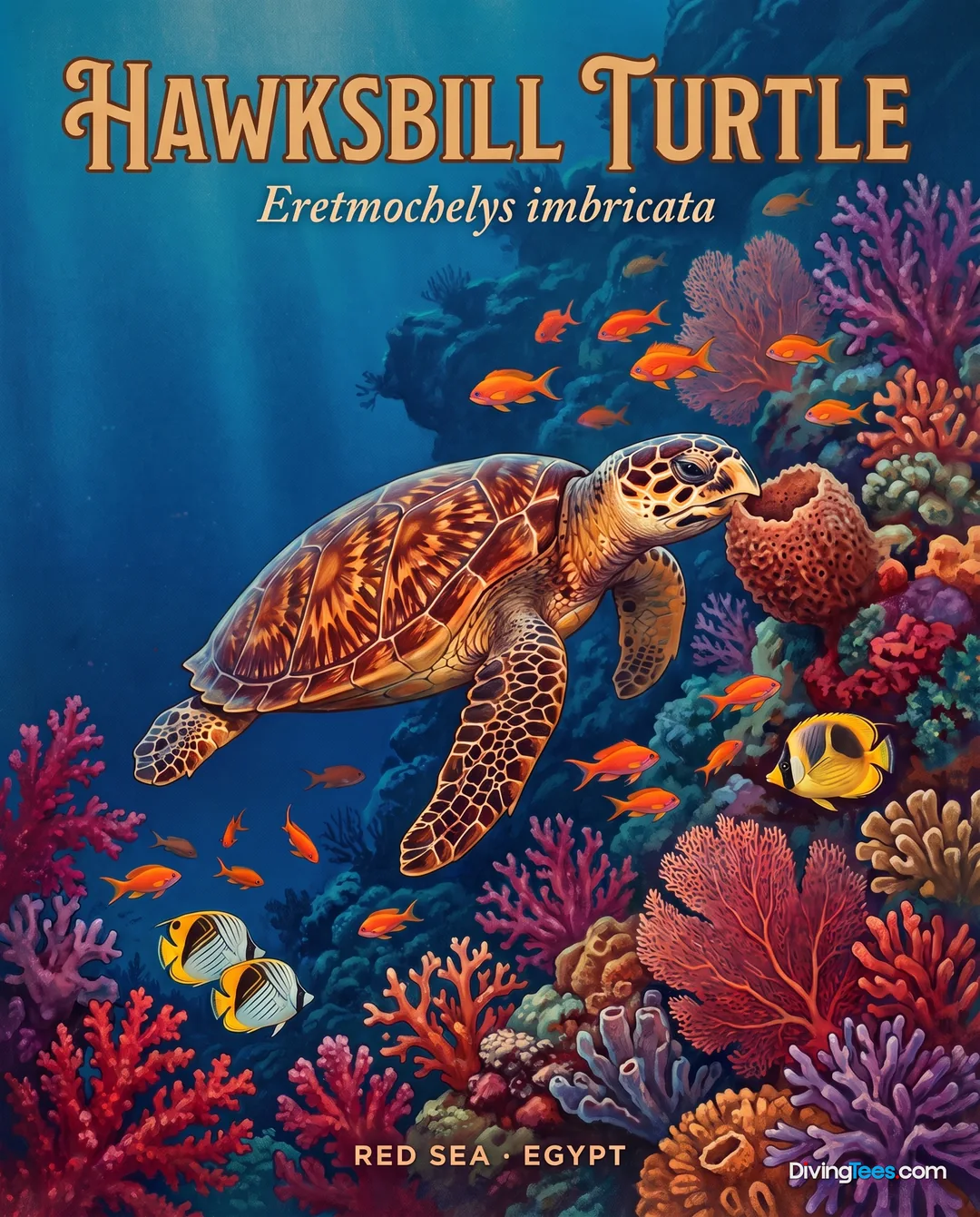
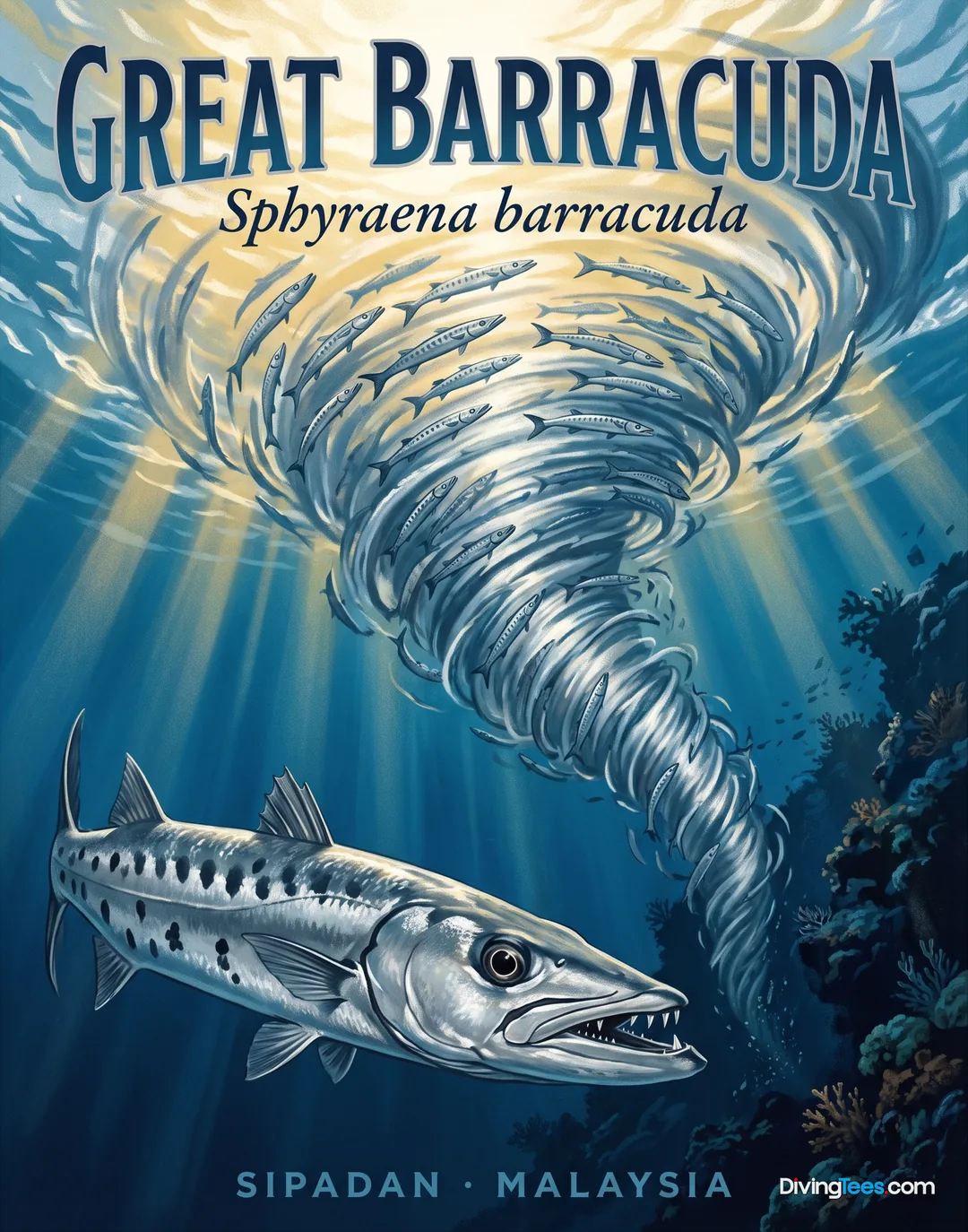
The reward for accepting the water movement is concentrated marine life. Reef sharks and grey reef sharks are prominent possibilities at Blue Corner and along the walls, while great barracuda, jacks and schools of fish add movement above the reef. German Channel is the place to look for manta rays at cleaning stations, alongside sharks and reef fish. Yellowtail fusiliers, square anthias, pyramid butterflyfish, Moorish idols and emperor angelfish bring colour to the current-facing reef. Leaf scorpionfish and clownfish reward slower observation in quieter sections. Sea turtles may also appear. Jellyfish Lake offers a completely different encounter: golden jellyfish in calm, brackish water, seen while snorkelling rather than diving.
The calmest measured sea conditions occur from April to June, making this the most comfortable window for boat days and current-sensitive sites. That matters in Palau because the sites that deliver the most action also depend on moving water. Blue Holes reports excellent visibility, while the broader diving picture is generally clear. Conditions can become choppier during the trade-wind season from May to October, so divers who prefer easier boat transfers and less surface movement should favour April to June. Palau can be dived year-round, but the calmer spring window gives the most forgiving balance between access, visibility and demanding reef currents.
Palau suits divers who are comfortable with drift diving and changing current strength. Open Water Divers can access sites such as New Dropoff, but strong-current experience is strongly recommended, and Advanced Open Water training is advisable when conditions intensify. Peleliu Wall is for experienced, advanced divers with substantial logged current-diving experience; currents there can exceed two knots. Blue Holes also requires comfort in an overhead setting. BSAC, PADI and SSI divers should match the planned sites to their logged experience, not merely the maximum depth on the certification card.
For readers leaving from London Heathrow, Gatwick or Manchester, Palau needs to be treated as a flight itinerary rather than a simple onward transfer. The available connections and their timing should be checked as one complete booking plan, with enough margin that a delayed first leg does not remove a boat day. Once in Palau, the diving is organised around boat departures, so accommodation should be close enough to the operating base for an early start or have a dependable transfer arrangement. The local picture is not one of walking from a hotel to a shore entry: the named sites lie around reef walls, channels and islands, and Jellyfish Lake requires a boat journey from Koror to Eil Malk followed by access to the lake.
Treat the current as the organising fact of the holiday, not a detail to deal with underwater. At Blue Corner and Ulong Channel, be ready for a genuine drift dive; at New Dropoff, expect the corner to produce upwellings or down-currents when the flow strengthens. A reef hook can be useful for holding position where the dive plan allows it, particularly when watching sharks or barracuda from the plateau. Do not assume that a shallow site is automatically easy: Ulong Channel reaches only 20 metres, but its current is integral to the dive. Reserve a day for Jellyfish Lake as a snorkelling excursion, and do not arrive expecting to scuba there. Blue Holes deserves an honest check of overhead comfort before it is included, while Peleliu Wall should be left to divers with real current experience. April to June is the sensible period to protect if surface conditions matter.
A practical stay alternates current-focused boat dives with days that leave room for weather and surface conditions. Blue Corner, German Channel, New Dropoff and Ulong Channel provide contrasting reef shapes and encounters, while Blue Holes adds a cavernous dive and Jellyfish Lake offers a non-scuba day. Peleliu Wall belongs on the itinerary only when the diver is properly prepared for its deeper, unpredictable current. A little flexibility is more useful here than filling every day in advance.
Palau’s identity above the water is closely bound to the same preservation that defines its marine reputation. Micronesia is presented through the protection of its marine ecosystems, including one of the world’s largest marine reserves. That gives Palau a strong environmental character rather than a purely recreational one. Its other defining layer is history. The islands carry numerous Second World War wrecks, and Iro Maru and Helmet Wreck connect the underwater landscape with a specific period of Micronesian history. For a non-diving day, that combination of protected sea and wartime memory is the country’s clearest subject: Palau is not simply a place of reef scenery, but a country where conservation and conflict remain visible in the same maritime setting. The result is a destination whose character is shaped as much by what has been preserved as by what was left behind.
Current management is a country-wide practical theme in Palau, and it should shape the way divers prepare for the water. Briefings matter, particularly where negative entries and current management are involved. Bring enough certification experience to deal with those demands; Palau is not best treated as a first ocean-dive destination. That advice applies whether the itinerary stays around the central Rock Islands or reaches Peleliu. A diver comfortable with the relevant procedures will get more from the area choice, because the trip can then be planned around the intended sector rather than softened into a generic introduction. Palau rewards preparation that is specific to current, entry style and briefing discipline, not assumptions carried over from easier holiday diving.
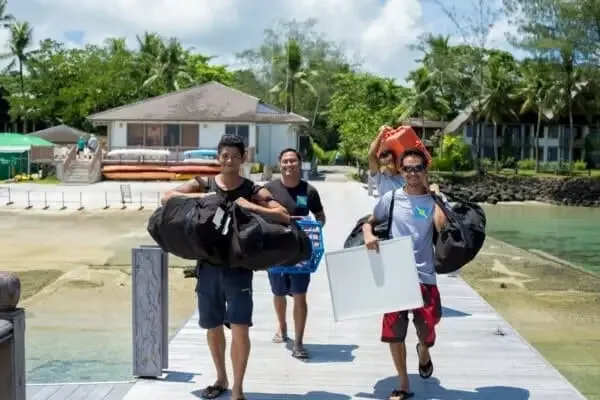
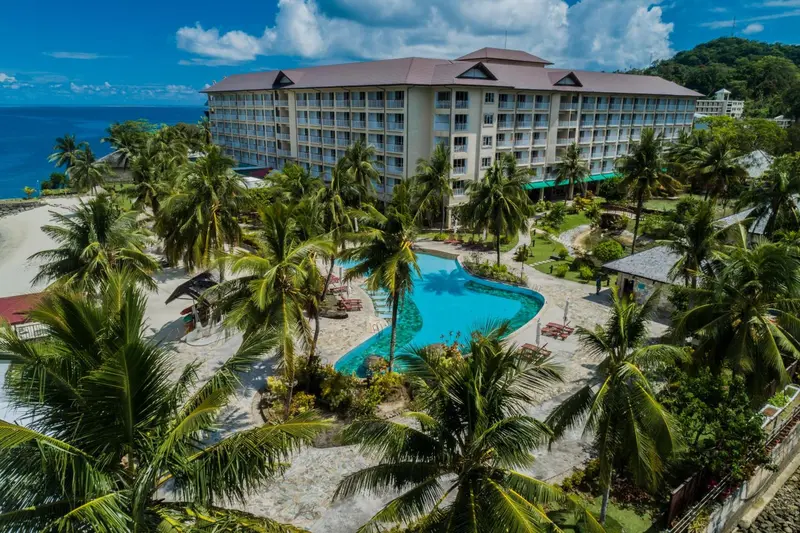
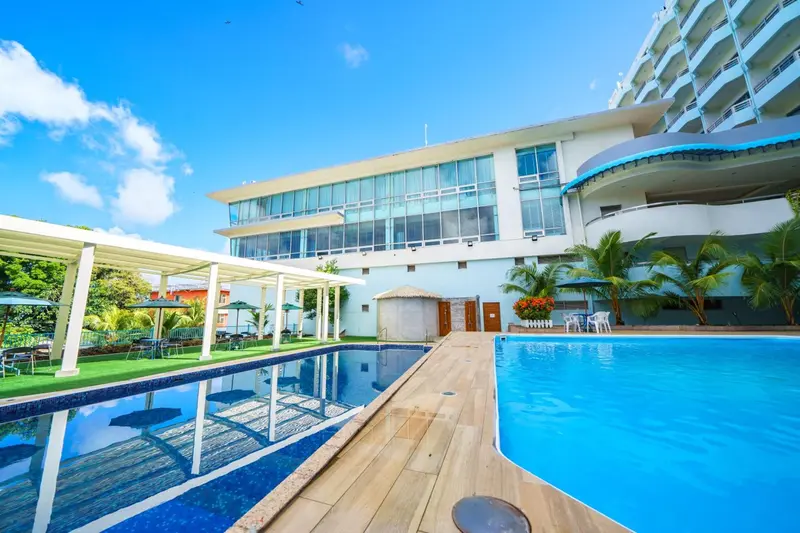
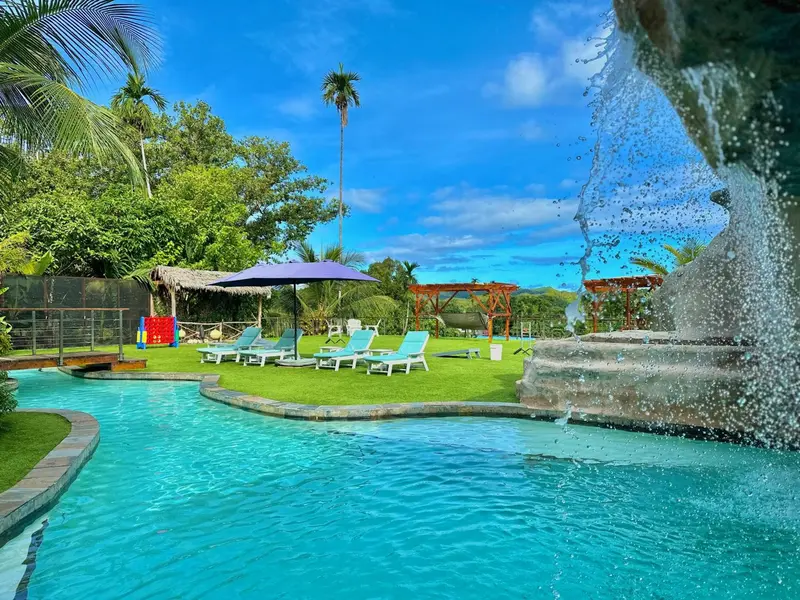
In each one, the dive centre is inside the hotel: step out of your room and go diving.
Dive centre in the hotel★★★★★
Google 4.6/5 (750 reviews)
The dive centre
Splash Dive Center
PADI
Google 4.4/5 (19 reviews)
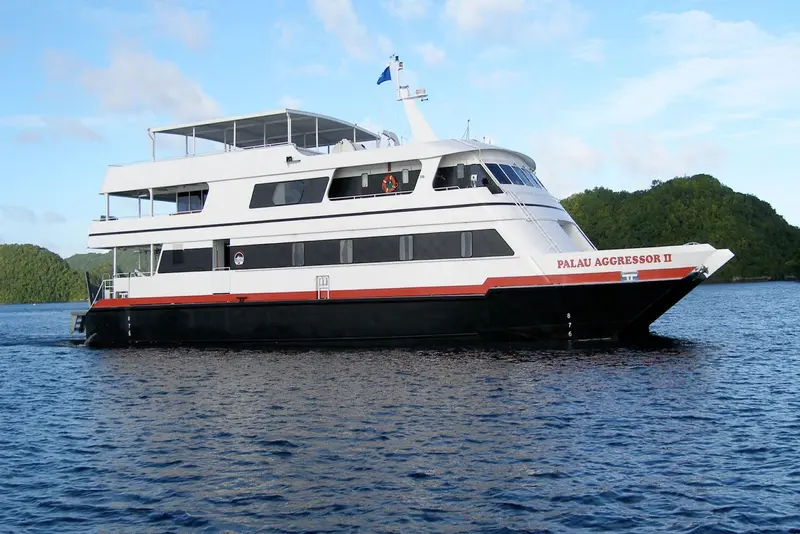
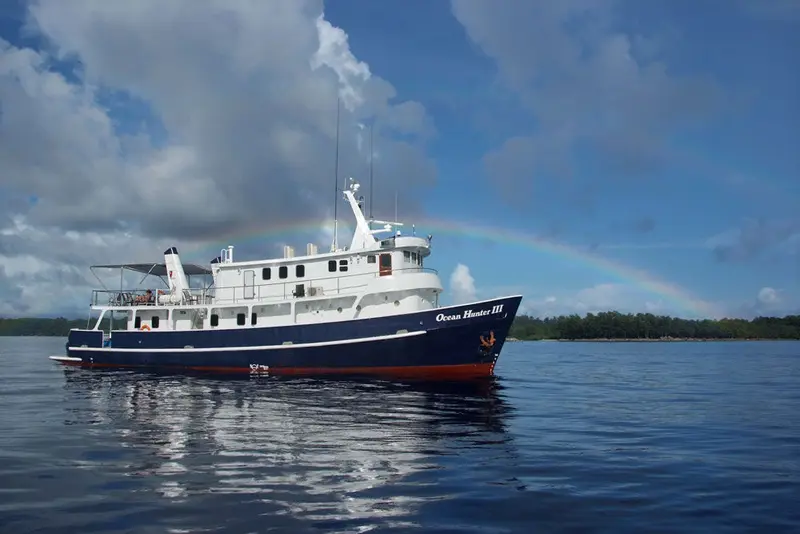
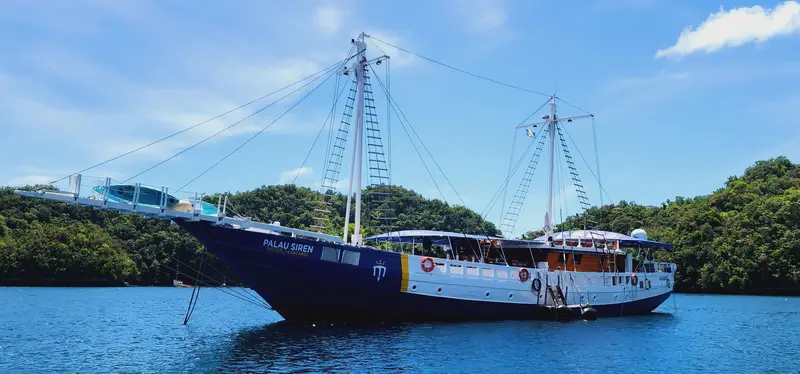
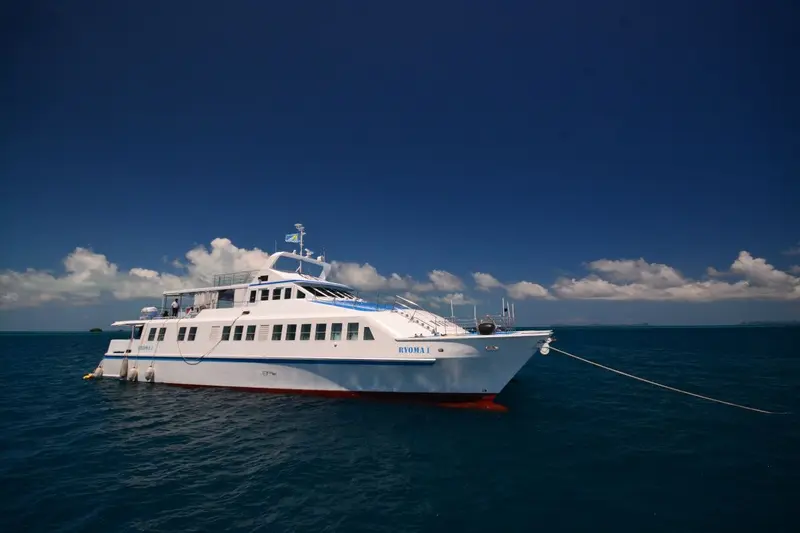
4 liveaboards depart from Palau another way to explore the region, over several days at sea.
Plan your Palau trip for April through June if you want to follow the suggested seasonal window for Palau itineraries. This timing fits a destination built around the Central Rock Islands, Peleliu, Blue Corner, German Channel, and wartime wreck sites, while keeping the itinerary focused on its ecological and historical character.
Palau is suited to experienced divers, especially those interested in combining varied underwater settings within one itinerary. You can encounter protected marine ecosystems around the Rock Islands and Peleliu, while also exploring sites connected with wartime history, including Iro Maru and Helmet Wreck, in a destination presented for experienced diving.
Diving in Palau brings together the Central Rock Islands, Peleliu, Blue Corner, and German Channel, alongside wartime wreck heritage. You can explore protected marine ecosystems and historical sites such as Iro Maru and Helmet Wreck. The experience combines a preserved marine setting with underwater locations linked to Palau’s remembered maritime past.
Plan your Palau stay around the emphasis you want from the itinerary. The Central Rock Islands and Blue Corner fit the central Palau programme, while Peleliu lies southward and adds wartime wreck heritage through sites such as Iro Maru and Helmet Wreck. Area choice shapes whether your focus is ecological or historical.