
Big Blue Vanuatu
Google 4.8/5 (166 reviews)
3.9 km away as the crow flies
Efate · Vanuatu · Pacific
Max. depth · 30 mDescend along two vibrant coral bommies, home to countless reef fish, before they drop to a white sand bottom at 30 metres.
For subtitles in English: start the video firstthen click the gearat the top right of the video, select “Subtitles/CC”, then “Auto-translate” and choose “English”.
Twin Bommies is centered around two prominent coral formations that rise from the seafloor. The dive typically begins by exploring the shallower plateau, which sits comfortably between 12 and 18 metres. This upper reef is a hive of activity, with numerous species seeking shelter and sustenance within the intricate coral structures. You'll find yourself navigating through large formations, always keeping an eye on the smaller details as the topography provides varied habitats.
From this plateau, the reef transitions into a distinct wall that extends down to a flat, white sandy bottom at a maximum depth of 30 metres. This drop-off creates an engaging profile, allowing you to trace the edge of the coral as it gives way to the deeper, more exposed sections of the dive. The contrast between the vibrant, sunlit reef top and the deeper, cooler waters of the wall is noticeable, defining the character of the dive as you descend.
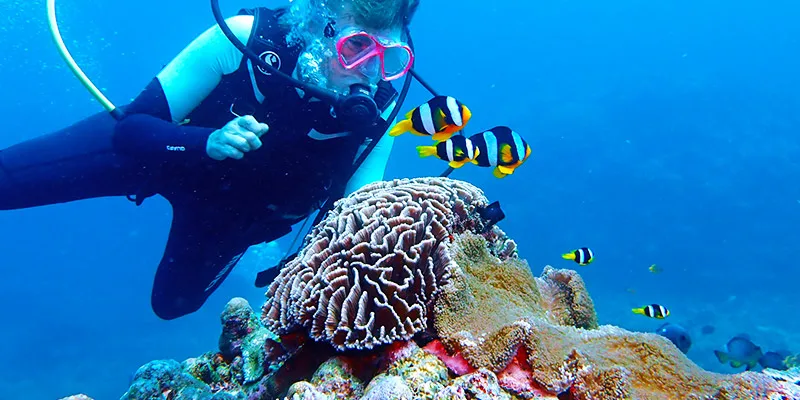
As you explore the reef, observe the local residents. Butterflyfish are a common sight, moving through the yellow and blue staghorn corals that dominate sections of the upper reef. These corals provide shelter and foraging grounds, creating constant movement and color. Take your time to observe their patterns and behaviours as they navigate their habitat, a simple pleasure that defines healthy reef diving.
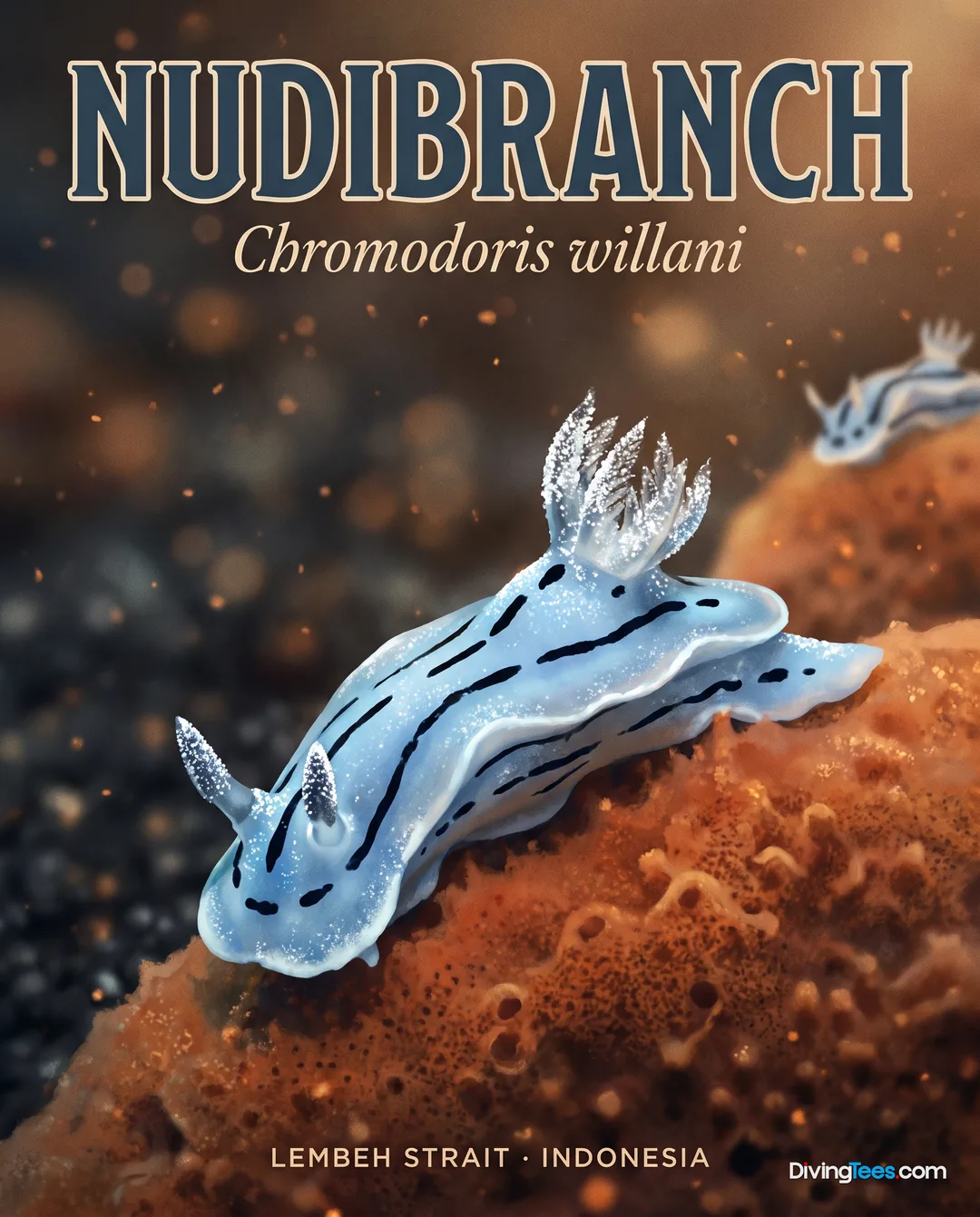
Closer to the substrate, particularly on the more rocky areas of the bommies, you can find smaller, more cryptic species. Nudibranchs in varying colours are present here, often camouflaged against the rock or coral, requiring a keen eye to spot. Leaf scorpionfish also frequent these same areas, masters of disguise that blend seamlessly into their surroundings, waiting for prey.
This site is accessible to divers of all levels, offering a maximum depth of 30 metres. The dive begins on a reef plateau between 12 and 18 metres before transitioning to a wall that reaches the sandy bottom. Current is generally mild, making it suitable for less experienced divers.
Twin Bommies is accessible to divers of all levels. The dive starts on a reef plateau between 12 and 18 metres, then follows the reef as it transitions into a wall. Its profile offers shallower and deeper sections, while the generally mild current suits less experienced divers.
Twin Bommies begins on a reef plateau between 12 and 18 metres. From there, the reef changes into a wall that descends to a flat, white sandy bottom at 30 metres. You can follow the coral edge from the sunlit upper reef into deeper, cooler water.
The current at Twin Bommies is generally mild. This makes the site suitable for less experienced divers as you explore the two adjacent coral bommies, the reef plateau and the wall. The dive includes sections between 12 and 18 metres before continuing toward the sandy bottom at 30 metres.
At Twin Bommies, you can see butterflyfish moving among yellow and blue staghorn corals on the upper reef. Rocky sections may hold nudibranchs in varying colours and leaf scorpionfish, which blend into the reef. The two coral bommies provide varied habitats from the plateau to the wall.