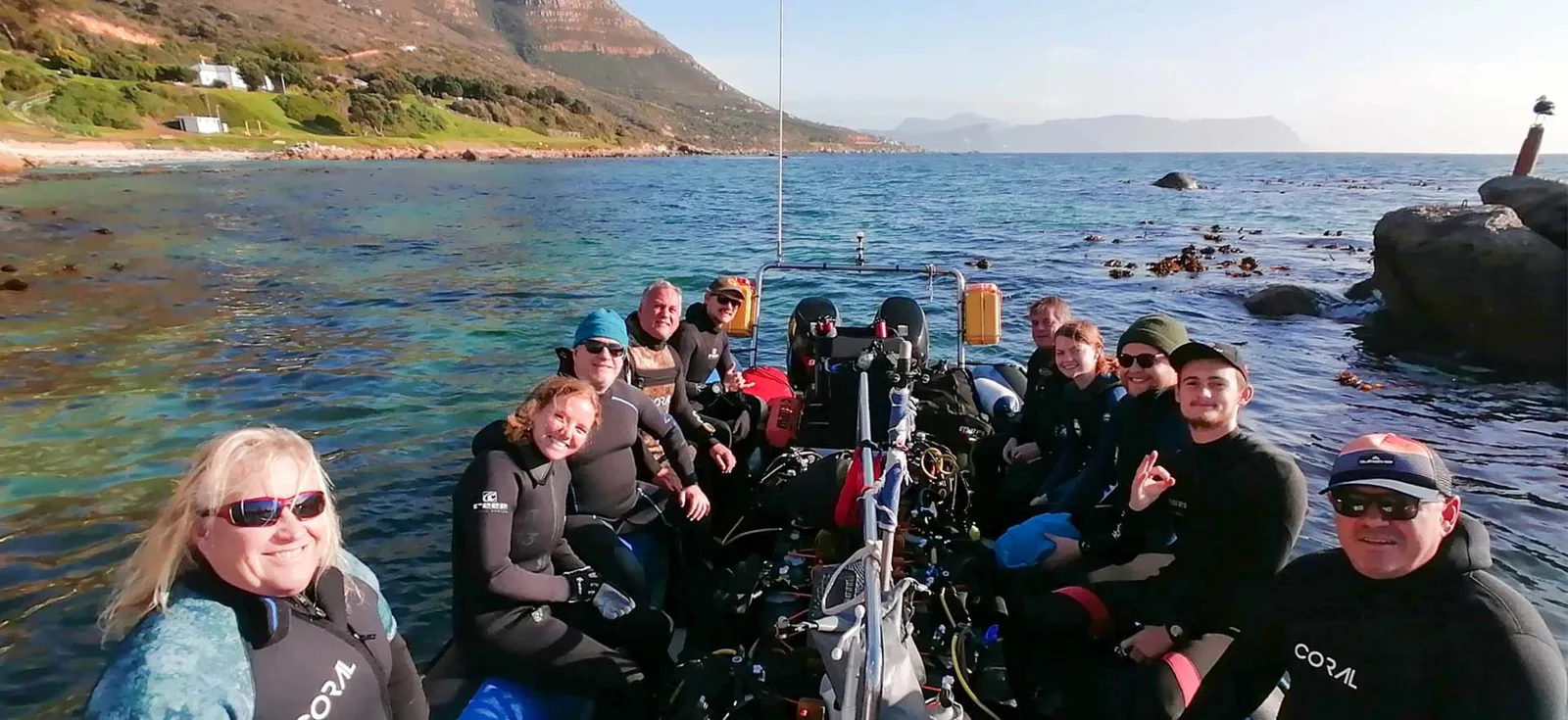

Dive Team
Google 5/5 (170 reviews)
South Africa · Africa
Kelp forests, granite reefs, historic wrecks, Cape fur seals and sevengill sharks shape diving between the Atlantic coast and False Bay.
For subtitles in English: start the video firstthen click the gearat the top right of the video, select “Subtitles/CC”, then “Auto-translate” and choose “English”.
Cape Town is a shore-based diving destination built around two very different coastlines. False Bay offers sheltered coves, kelp-covered reefs and straightforward shore dives, while the Atlantic side brings more exposure, boat journeys and changing sea conditions. Underwater, the scenery moves from shallow kelp stalks to granite reefs, colourful reef growth and historic wrecks reaching beyond recreational entry-level depths. Cape fur seals and sevengill sharks add distinctive wildlife encounters without requiring a liveaboard itinerary.
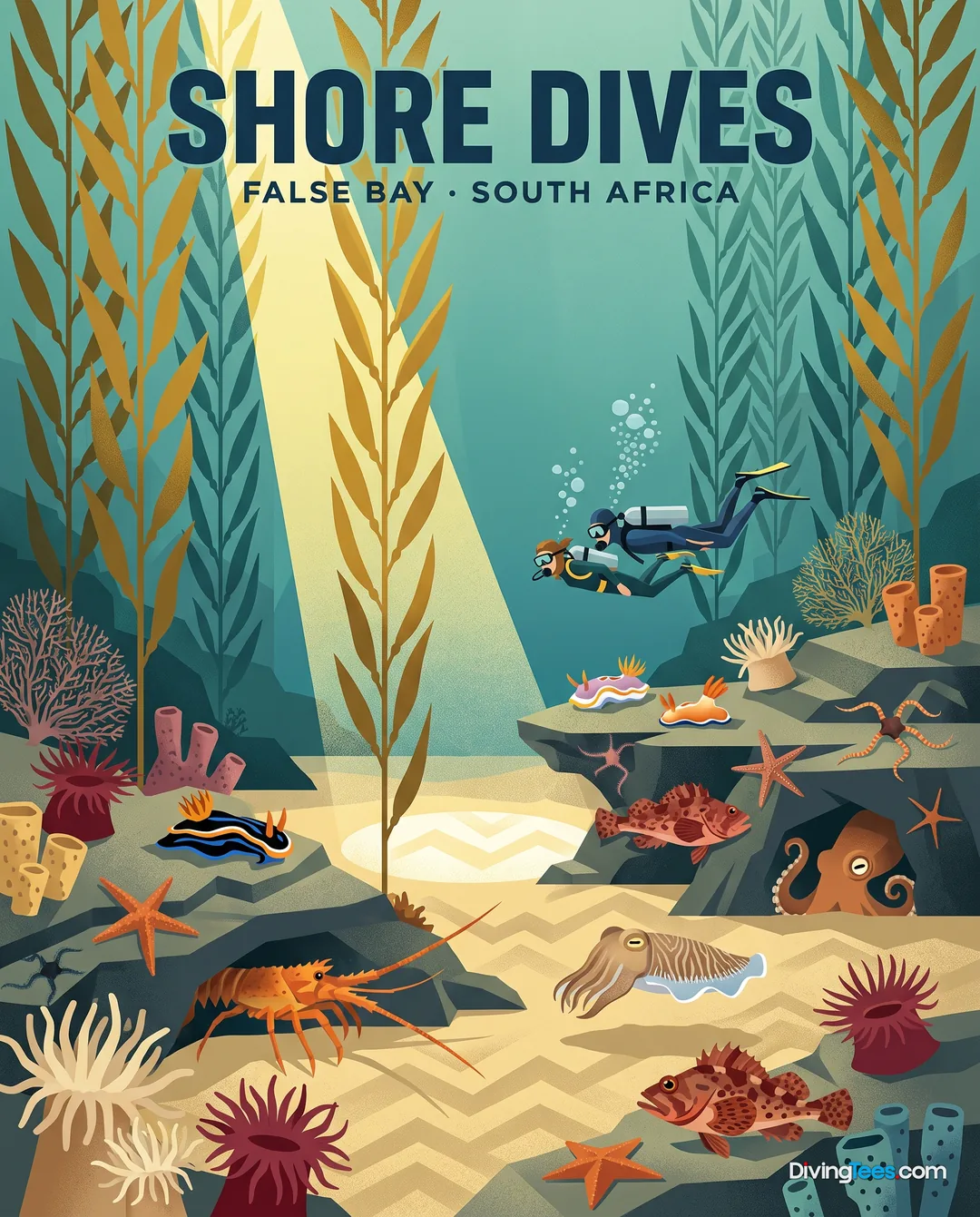
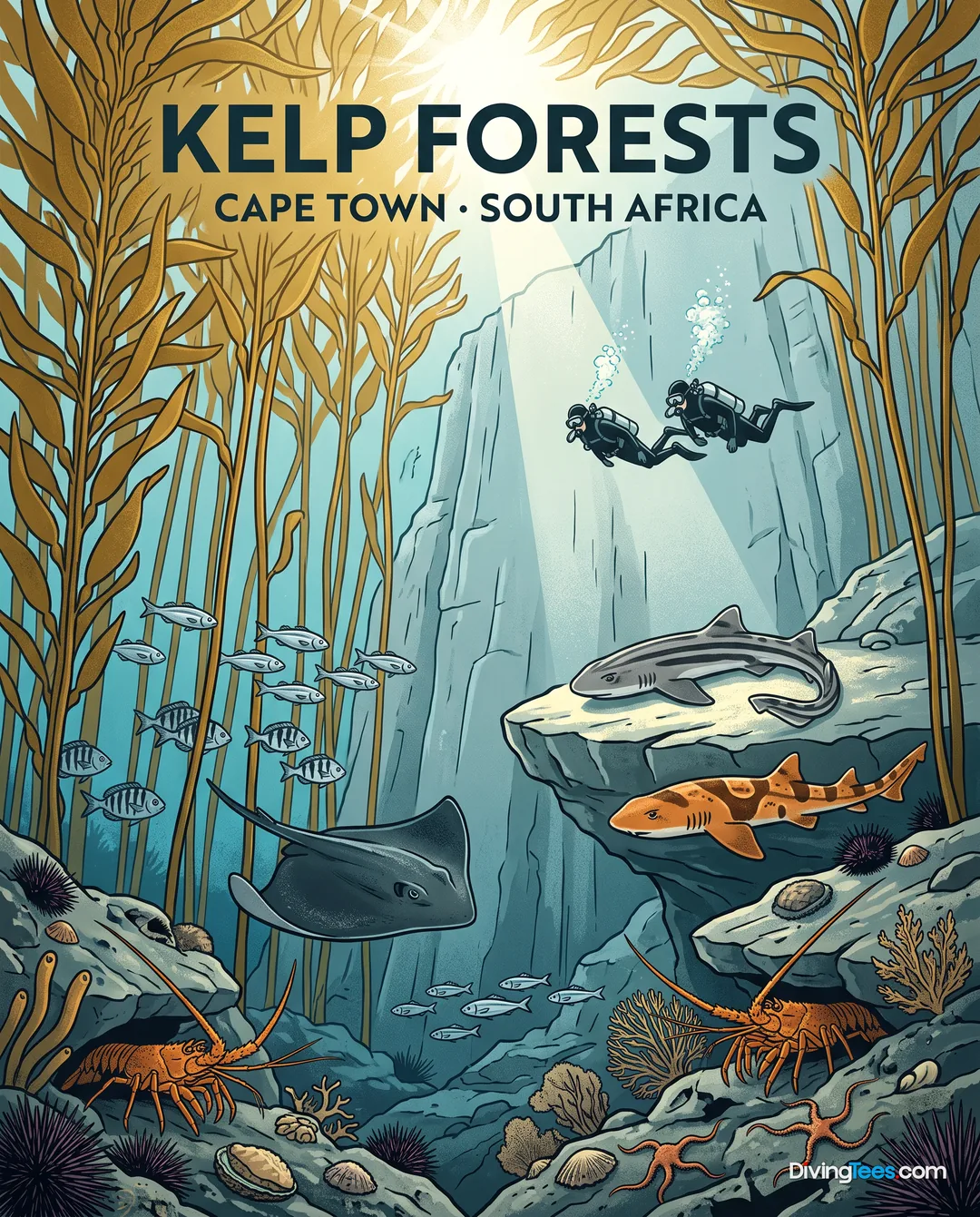
The diving alternates between sheltered shore entries and semi-rigid boat trips from Simon’s Town, Hout Bay, Kommetjie or the Waterfront. Forêts de Kelp reaches 18 metres and is also suitable for snorkelling, with thick kelp providing the structure rather than a sandy tropical reef. Shore Dives in False Bay stays shallower, around 12 metres, making it useful for relaxed observation of smaller marine life. The Récifs de Cape Town extend from roughly 10 to 30 metres, while wrecks around Smitswinkel Bay and Maori Bay demand greater depth experience and, in some cases, wreck-diving training. Visibility commonly sits around 4 to 10 metres near shore and may reach about 20 metres after calm weather. Currents are variable; swell and wind are often more decisive than current strength, and exposed Atlantic sites can become uncomfortable quickly.
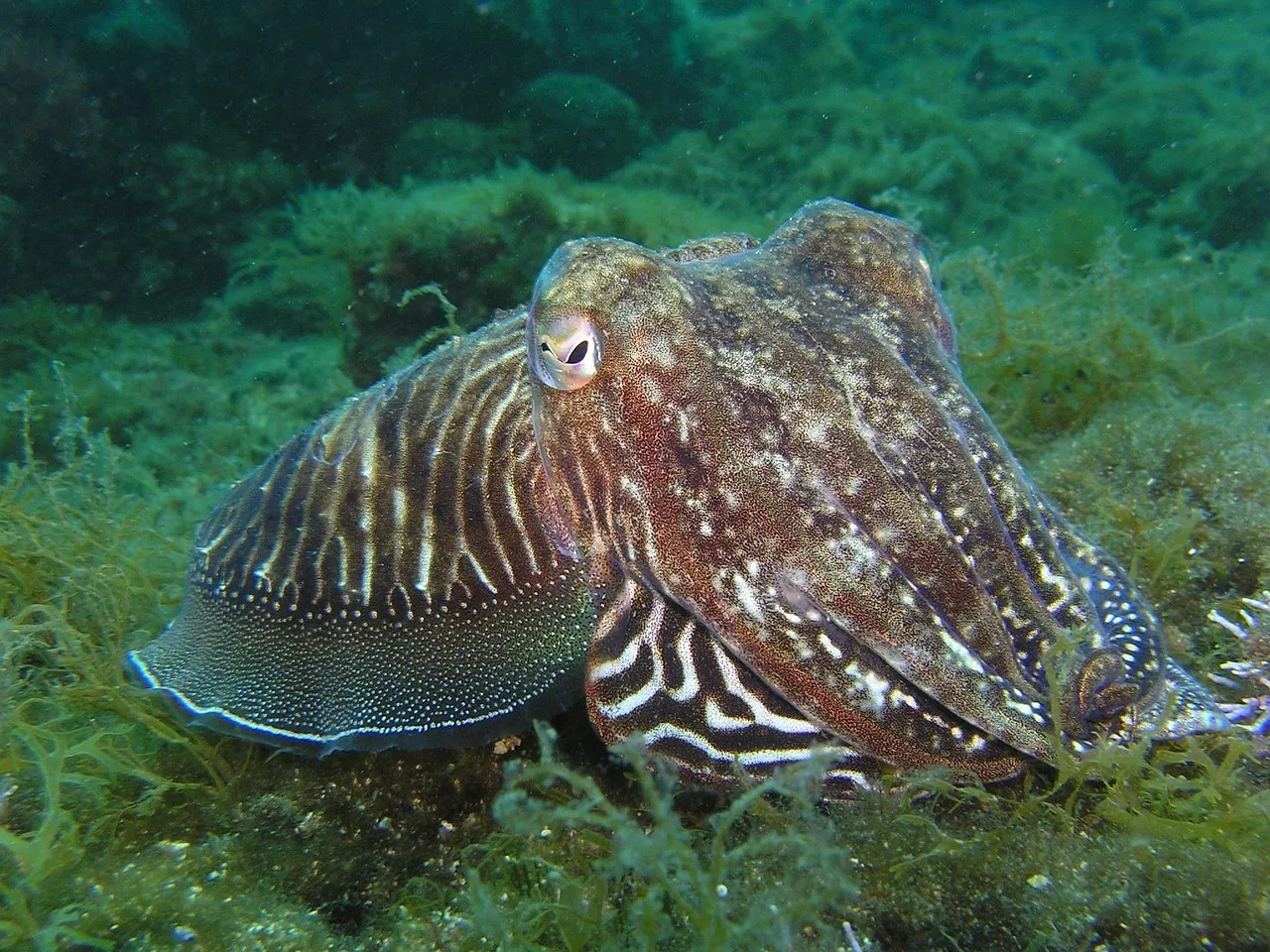
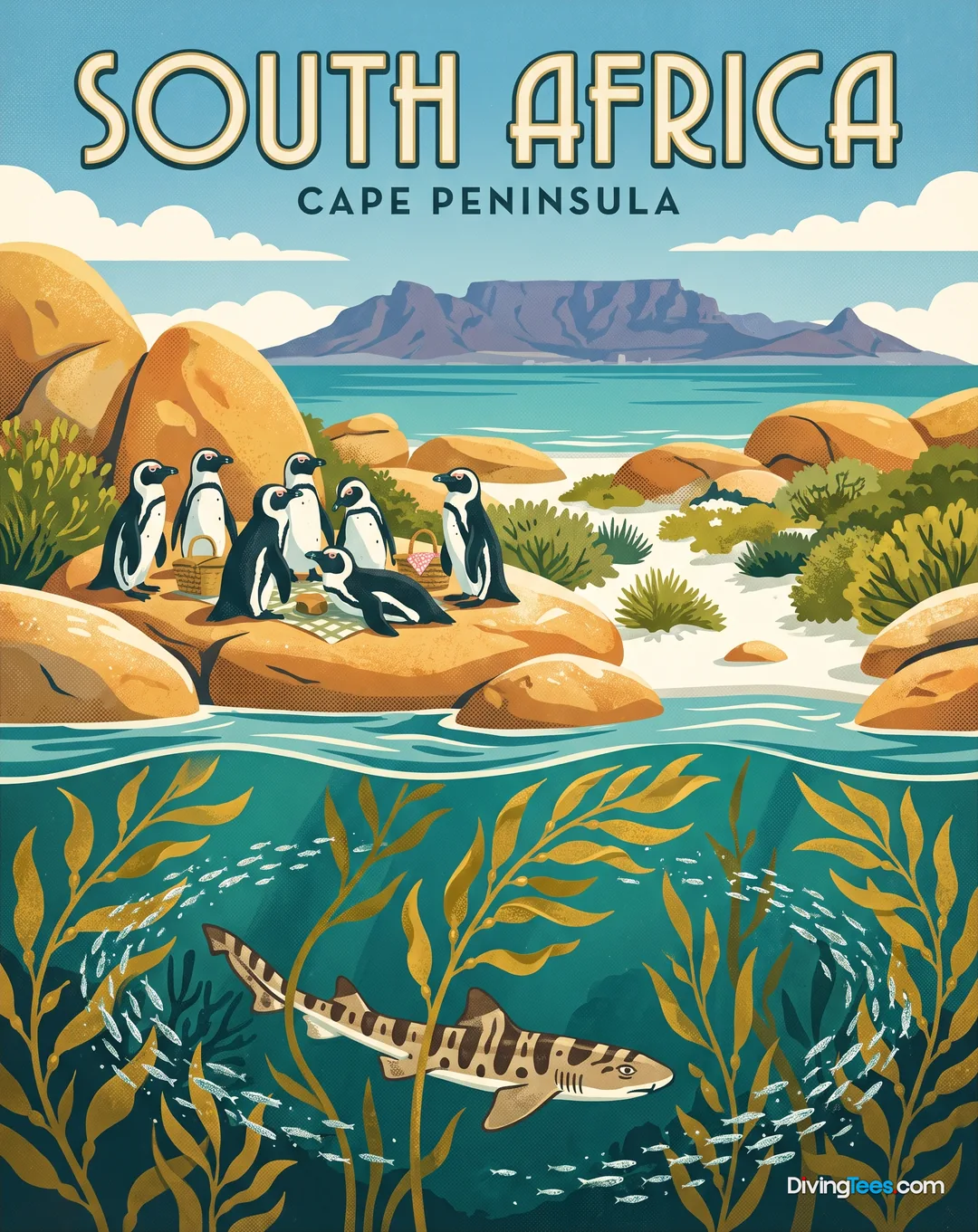
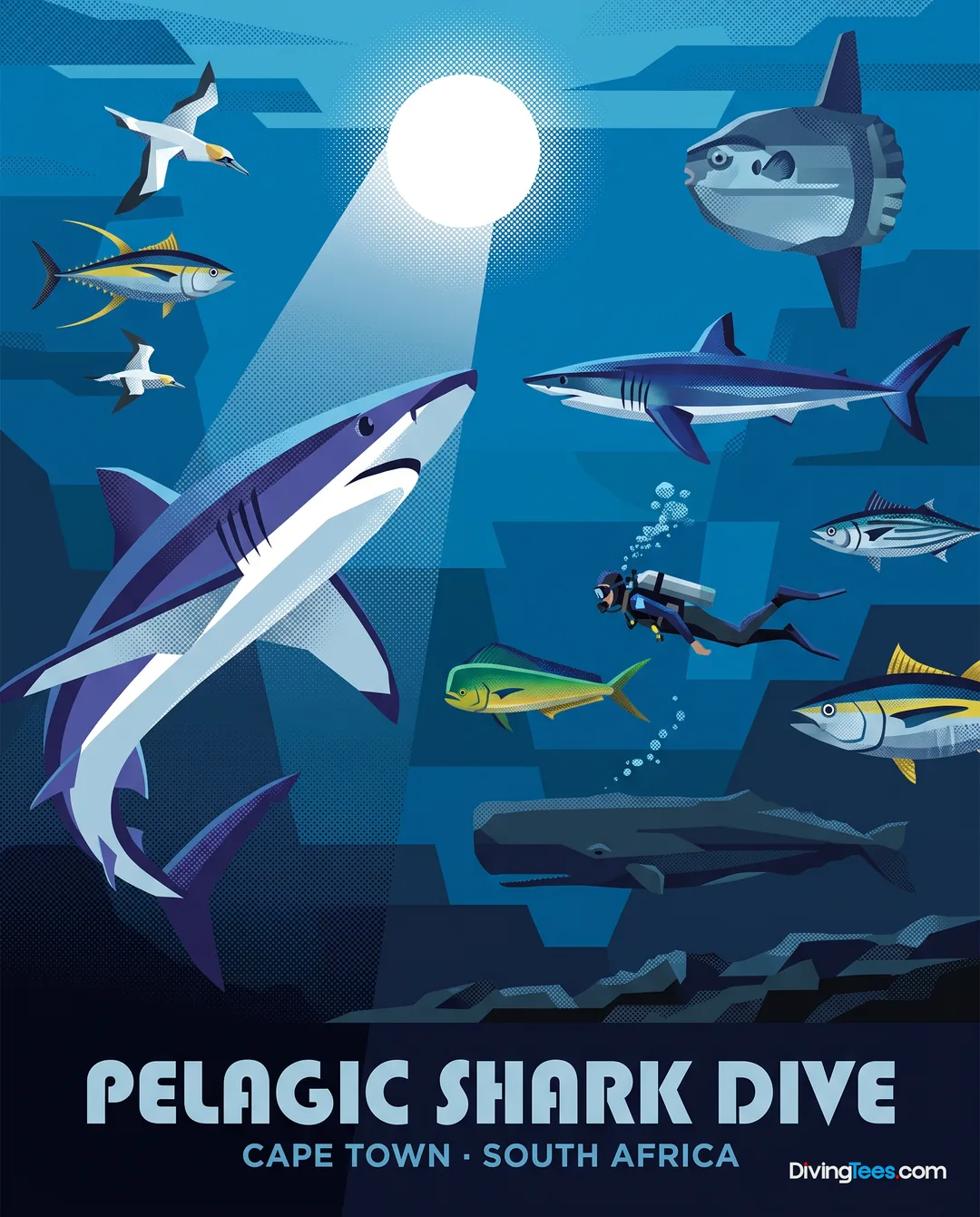
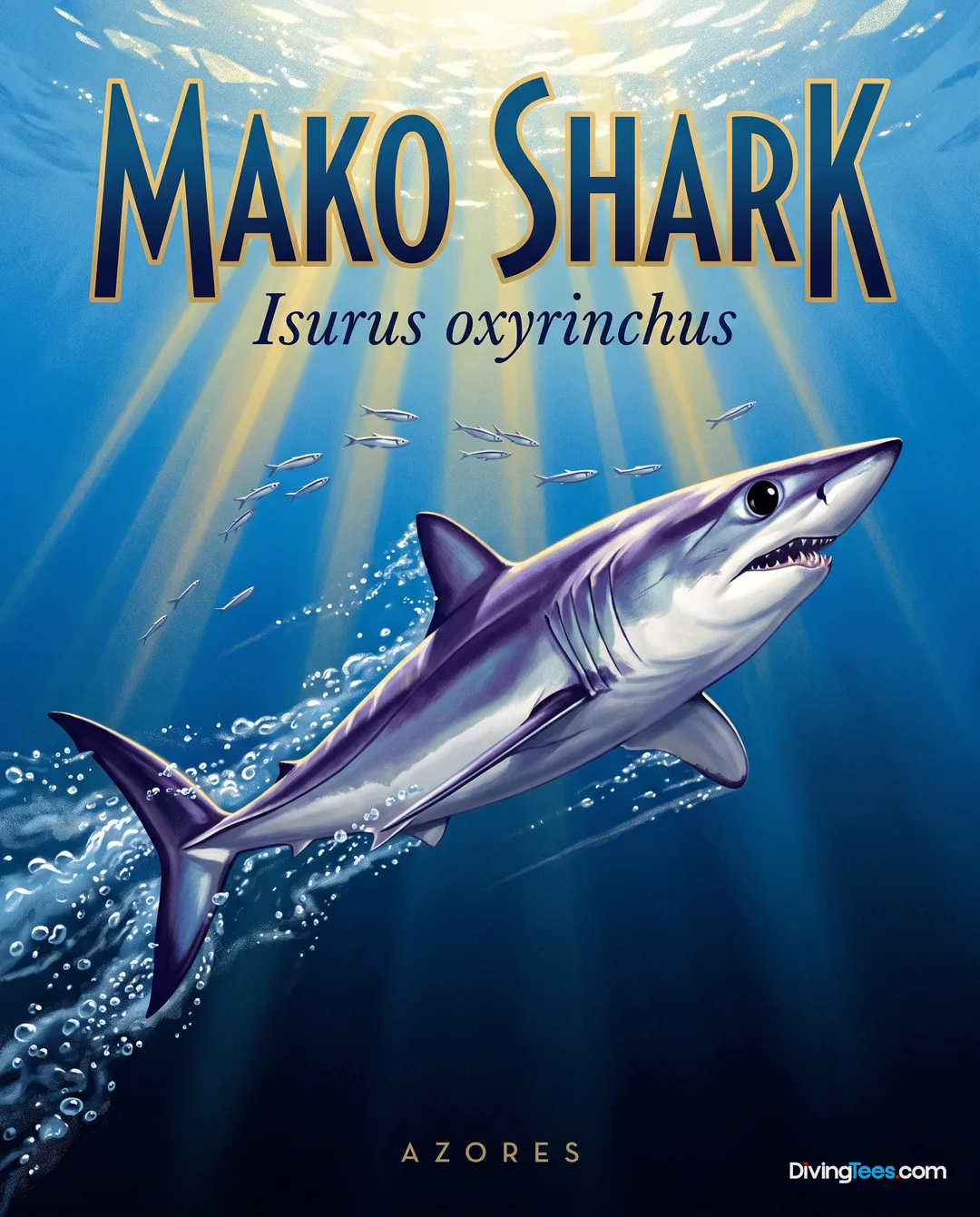
Kelp is the defining habitat, with dense vertical stalks sheltering octopus, nudibranchs, sponges, crustaceans and small sharks. The broadnose sevengill cow shark is the area’s more unusual encounter. Sightings are reported throughout the year in False Bay, particularly around Pyramid Rock and Miller’s Point, although some outings record them more often from September to May. Cape fur seals are present year-round around Duiker Island and Partridge Point, where their fast, close manoeuvring can turn a short dive into an absorbing wildlife session. Blue sharks and shortfin makos are occasional visitors on full-day offshore trips such as Pelagic Shark Dive, where the experience takes place in open water rather than among the coastal kelp.
The measured period with the lowest rainfall runs from October to March, but the driest months are not automatically the easiest for diving. In December, January and February, strong south-easterly winds can spoil visibility in False Bay and stir up fine sediment for more than a week after rough weather. May to October is generally the more dependable window for False Bay: the bay is better sheltered from the prevailing swell and can offer clearer water. Winter storms can still affect the Atlantic coast, so a flexible plan is essential. The useful strategy is to keep both sides of the peninsula available rather than treating one season or one coast as guaranteed.
Open Water divers can use the shallower kelp and shore sites, including Forêts de Kelp and Shore Dives, provided they are comfortable in cold water and changing visibility. Advanced Open Water is useful for reefs and wrecks beyond 18 metres, while deeper or penetrable wrecks call for appropriate wreck experience rather than certification alone. A 7 mm full suit with hood and gloves, or a semi-dry suit, is the practical minimum for repeated dives. Dry-suit or cold-water training can make longer days substantially more comfortable. Nitrox is useful when several dives are planned.
From London, whether departing from Heathrow or Gatwick, or from Manchester, Cape Town is reached by air; the diving area itself is then a road journey around the peninsula rather than a separate sea crossing. Bases lie in Simon’s Town, Kalk Bay, Kommetjie, Hout Bay, Gordon’s Bay and the Waterfront. Divers staying in central Cape Town may use an operator’s vehicle where available, but early departures and peninsula traffic can make the road south a tiring part of the morning. Staying closer to Simon’s Town or Kommetjie reduces that repeated transfer and makes it easier to change coast when wind or swell closes the planned side. Shore dives involve short walks from beaches or coves; boat dives use local slipways and ports.
Keep the itinerary deliberately loose. The decision between False Bay and the Atlantic coast is often made the day before, or on the morning itself, because wind and swell can change the workable sites. A day that was intended for kelp may become a boat trip from the opposite side, and that flexibility is more valuable here than insisting on a named site. After rough weather, allow several days before judging False Bay visibility; suspended fine sediment can remain in the water well after the sea surface looks calmer. Pack extra thermal protection for boat waits and repeated dives, not just the suit used underwater. If sevengill sharks are a priority, ask about Miller’s Point or Pyramid Rock and accept that sightings are not a fixed timetable. For Smitswinkel Bay or Maori Bay, provide an honest account of depth and wreck experience before arrival. Check that the personal recreational-diving permit is in place, and that the operator’s activity permit covers the protected area.
A stay of seven to ten days gives the best chance of using both coasts without forcing dives into poor conditions. Simon’s Town, Kalk Bay, Kommetjie or Hout Bay are practical bases for morning departures, while central Cape Town works if transport to the peninsula is arranged reliably. Build in spare days for wind and visibility, then alternate shore dives, kelp, wrecks, seal outings and sevengill trips. Non-divers have Table Mountain National Park, coastal walks, wildlife outings, the city and the waterfront within reach.
Hello, I'm Marina, DivingDeal.com's AI assistant. I guide you through destinations, areas and countries.
Thinking about the whole trip and the flights? Talk it over with Edith →
Marina is an AI. Some links are affiliate links: DivingDeal may earn a commission, at no extra cost to you. Bookings are made with the partner.
Your last day stays dry: no diving in the 18-24 hours before a flight, the perfect window to see the destination from another angle.
 Nature
⏱ 2 h · ★ 5.0 (73 reviews)
from £116$155€138
see on Viator ↗
 Culture
⏱ 8 h · ★ 5.0 (67 reviews)
from £116$155€138
see on Viator ↗
 Culture
⏱ 7 h · ★ 5.0 (39 reviews)
from £106$142€127
see on Viator ↗
 Nature
⏱ 8 h · ★ 5.0 (30 reviews)
from £93$124€111
see on Viator ↗
Ratings and reviews collected by Viator and Tripadvisor.
May to October is generally the more dependable period for False Bay, which is sheltered from prevailing swell and can offer clearer water. Winter storms may still affect the Atlantic coast. December through February can bring strong south-easterly winds, reduced visibility and sediment, so keep your plans flexible between both coasts.
Open Water divers can use the shallower kelp and shore sites if they are comfortable with cold water and changing visibility. Advanced Open Water is useful for deeper reefs and wrecks. Deeper or penetrable wrecks require appropriate wreck experience. Cold-water training, thermal protection and Nitrox can help.
You can explore dense kelp forests, granite reefs, colourful reef growth, octopus, nudibranchs, sponges, crustaceans and small sharks. Cape fur seals are present around Duiker Island and Partridge Point, while broadnose sevengill cow sharks occur in False Bay. Offshore trips may encounter blue sharks and shortfin makos in open water.
Choose a base such as Simon’s Town, Kalk Bay, Kommetjie or Hout Bay to reduce repeated peninsula transfers, and keep the itinerary loose. Operators may switch between False Bay and the Atlantic according to wind and swell. Allow spare days after rough weather, arrange transport, confirm permits, and discuss wreck experience before booking.