
Dive In Adventure Tours
Google 5/5 (171 reviews)
South Africa · Africa
Rocky passages at Northern Pinnacles, schooling fish beneath six metres, ragged-tooth sharks in winter, and boat dives shaped by the open sea.
For subtitles in English: start the video firstthen click the gearat the top right of the video, select “Subtitles/CC”, then “Auto-translate” and choose “English”.
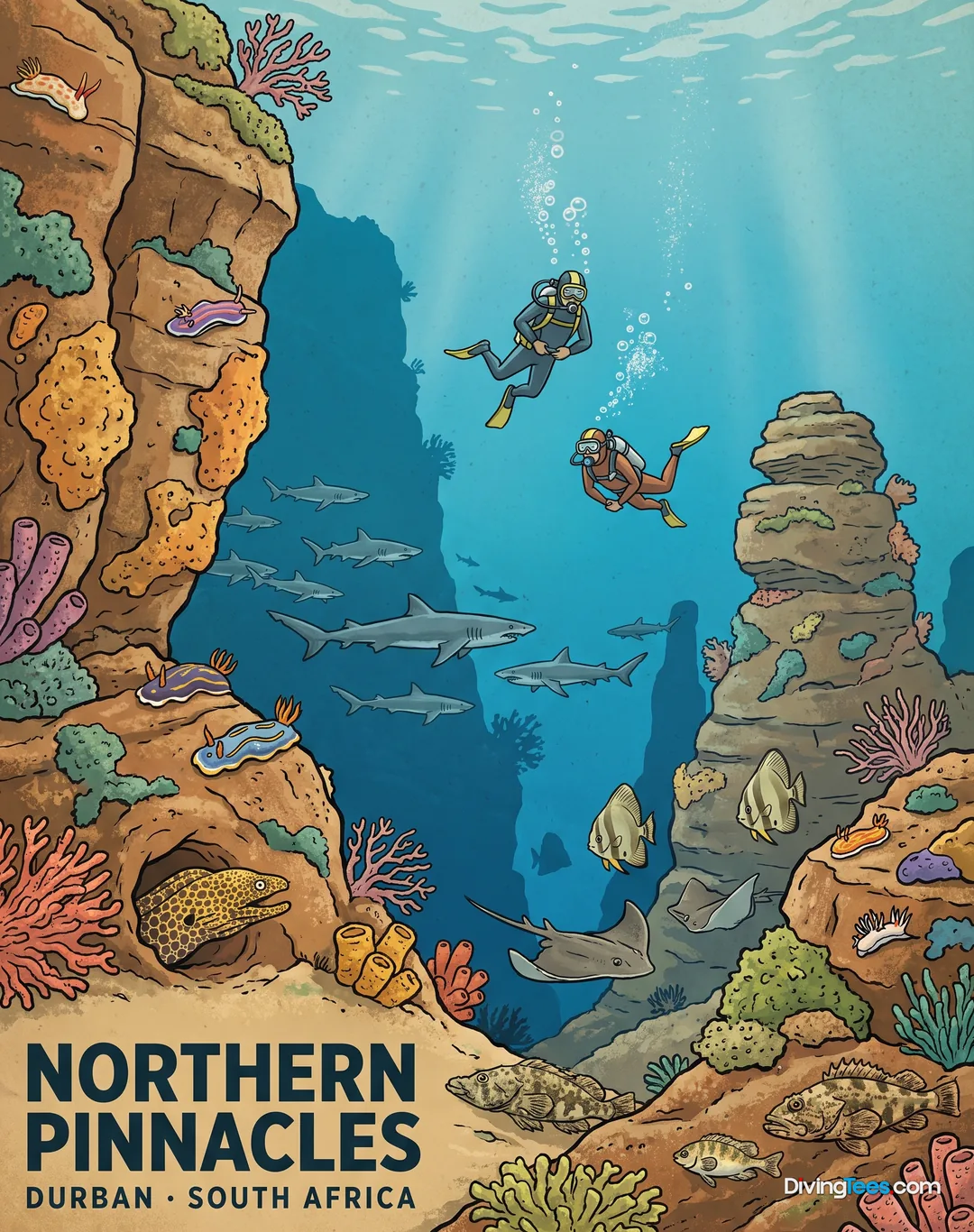
Northern Pinnacles gives Durban its clearest underwater image: submerged rocky formations rising to within six metres of the surface, with passages and caves dropping to about 18 metres. Around this urban KwaZulu-Natal base, diving is generally done from boats over coastal reefs, wrecks and open water. It is a useful choice for divers who want South African marine life without committing to a liveaboard, provided they are prepared for weather-dependent departures and a sea that can be more demanding than the depth suggests.
Durban’s diving is shaped by open water rather than a sheltered lagoon. Coastal reefs, wrecks and rocky formations provide the main terrain, while Northern Pinnacles offers a particularly hands-on dive: divers work through passages and caves between submerged rocks, with the bottom reaching about 18 metres and the formations coming up to roughly six metres. Currents are variable, and swell, wind and general sea state can decide whether a planned site is practical. Visibility is similarly changeable; agitation and coastal mixing can reduce it, and there is no dependable figure to plan around. Most outings are boat-based, combining reef diving with the possibility of larger animals. Advanced training is useful when the sea is lively, while a wreck qualification adds value on the appropriate outings.
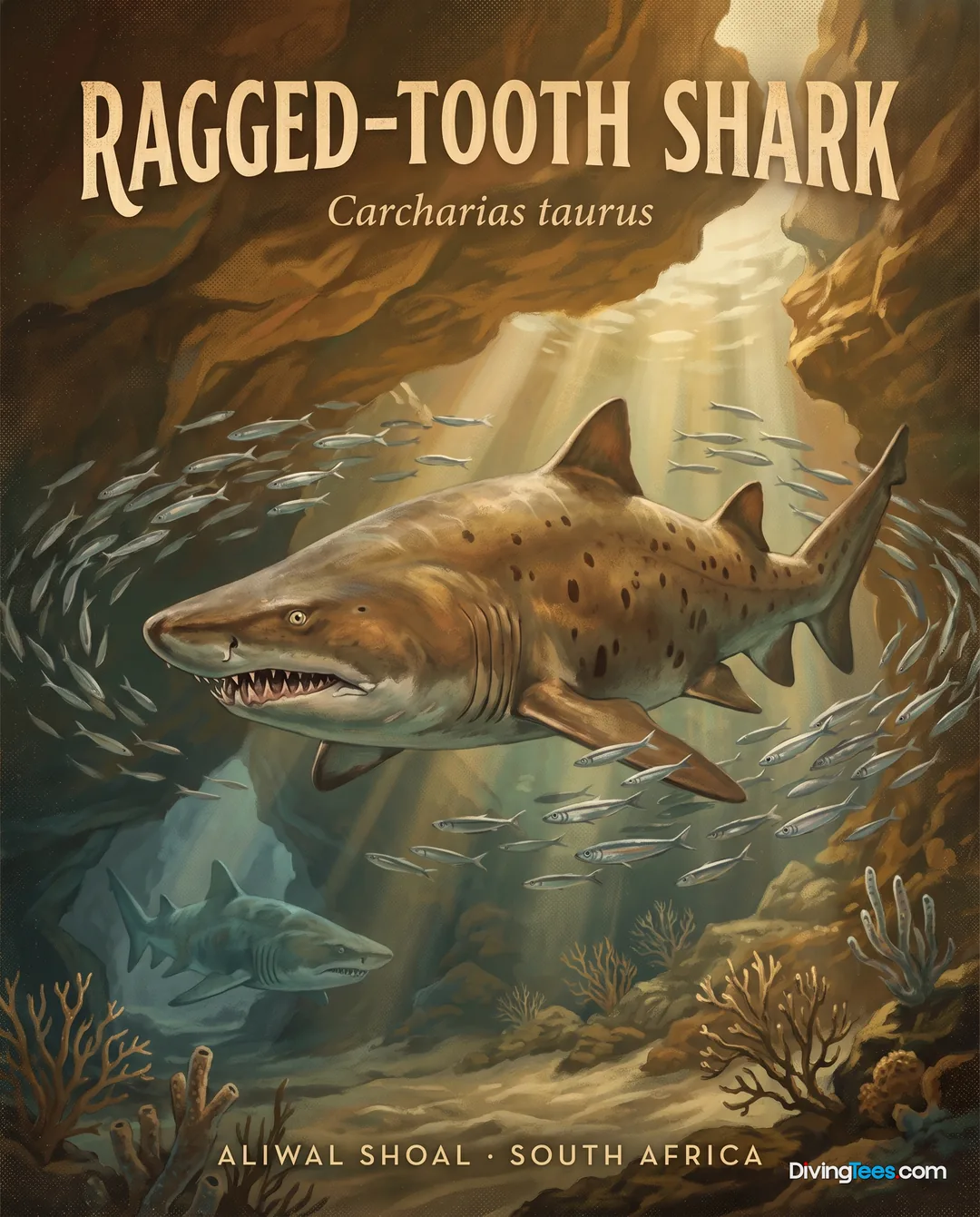
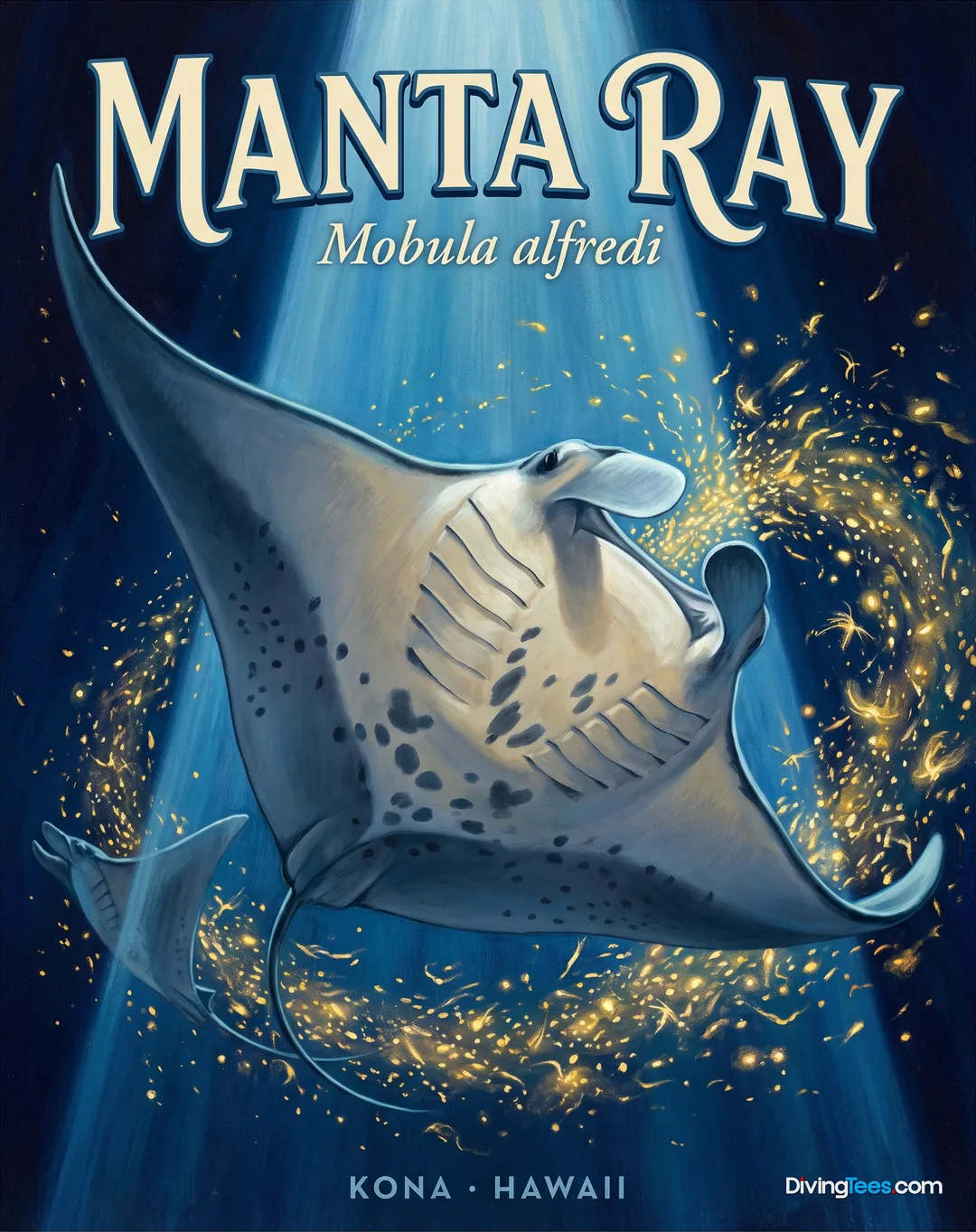
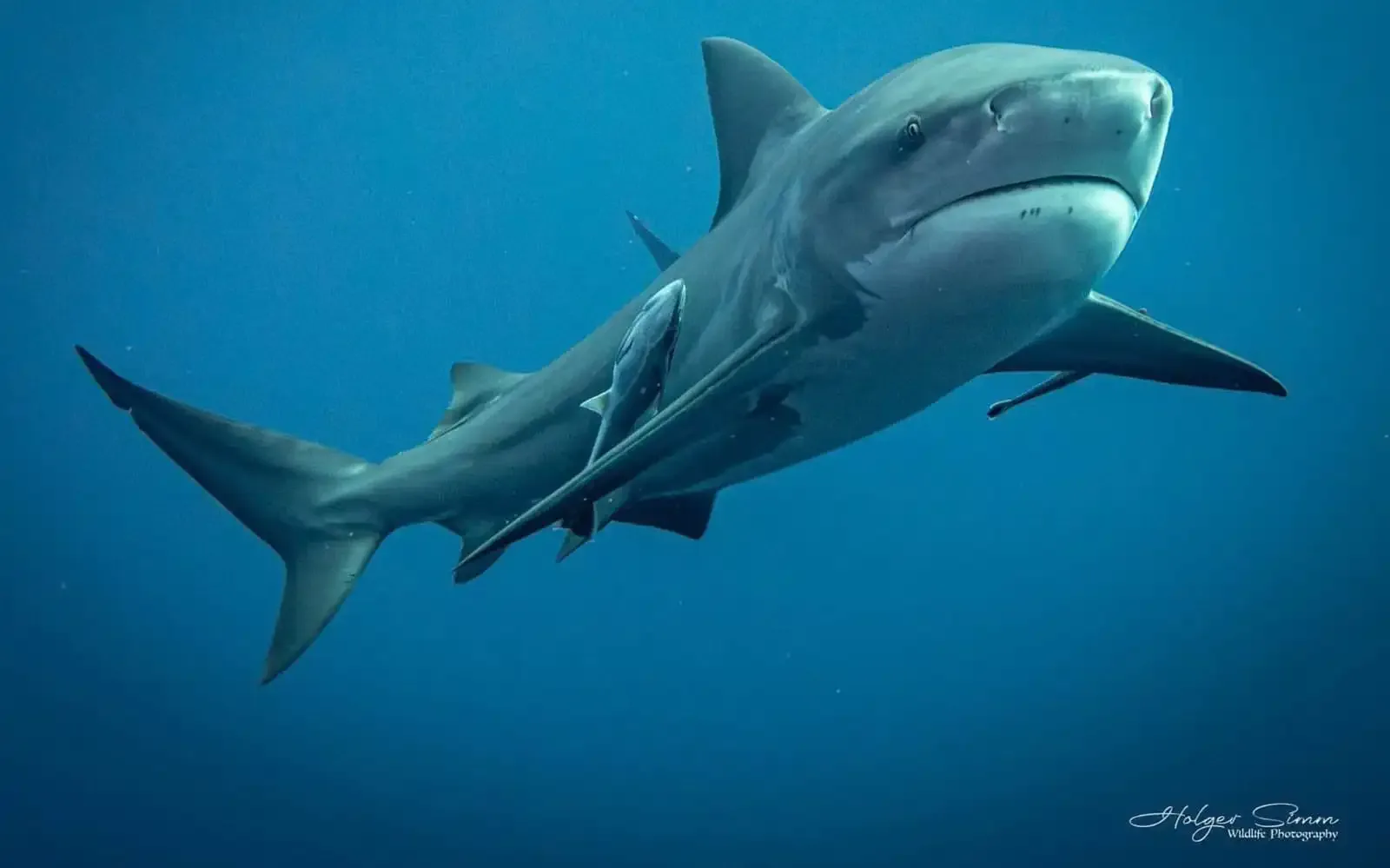
The attraction is the chance of seeing animals that suit a more exposed, ocean-facing setting. Ragged-tooth sharks are seasonal visitors, with Northern Pinnacles specifically associated with better winter chances from June to August. Manta rays may also appear seasonally, although sightings are not fixed to a guaranteed calendar. Hammerheads, rays and other large pelagic life are occasional rather than dependable appointments, so a single signature dive should not carry the whole trip. Schooling fish gather around the rocky formations and use the passages and caves for shelter, making Northern Pinnacles worthwhile even when the larger animals stay away. The sensible approach is to allow several boat outings: Durban rewards time on the water more reliably than a tightly planned attempt to secure one particular encounter.
The measured diving period is December to May, while rainfall is lowest from April to August. Those two useful windows do not produce exactly the same kind of trip: December to May is the stronger general period in the available records, whereas April to August can make the land-based part of a stay easier. Sea conditions remain the deciding factor throughout, because swell and wind can cancel or reshape boat plans. Divers travelling chiefly for ragged-tooth sharks should note the winter emphasis at Northern Pinnacles, particularly June to August, accepting that this overlaps with a period when marine conditions still need to be judged day by day.
All levels may find suitable outings, but basic certification alone does not remove the demands of an open-water boat dive. Divers should be comfortable with entries, exits and changing conditions at sea, rather than judging the destination only by the maximum depth. Advanced certification is useful for the more exposed or current-affected outings, and a wreck qualification is worthwhile when wreck dives are included. BSAC, PADI and SSI divers should focus on recent experience in comparable sea conditions and on honest personal limits.
Travellers from London Heathrow, London Gatwick or Manchester reach the destination by international flight to Durban, then continue overland to the relevant coastal departure point. The diving areas lie in and around the metropolitan area and immediately north or south of Durban, so no defining ferry crossing or offshore transfer is built into the destination. Once there, the practical movement is by road: taxi, shuttle or an operator-arranged transfer can link accommodation in Durban or the nearby conurbation with the boat meeting point. The exact arrangement depends on where the day’s departure is located, so accommodation and pick-up details need to be matched before the first morning rather than assumed from the city name alone.
Build flexibility into the dive schedule. At Durban, swell and wind can cancel a boat outing, so a tightly packed itinerary leaves no useful margin; keeping non-dive days available is more than a convenience. If the trip is organised around ragged-tooth sharks, treat the winter window at Northern Pinnacles as an increased chance, not a promise, and allow several outings rather than relying on one booking. Bring the buoyancy and weighting setup that works reliably in choppy sea: stable trim and controlled movement matter when working through passages and caves, and when the surface is moving above a shallow pinnacle. Do not mistake the 18-metre maximum at Northern Pinnacles for a sheltered novice experience. Before entering protected areas, confirm the local mooring arrangements and follow the no-touch, no-collecting and fishing restrictions. The point is not simply to protect the reef; it also avoids turning an exposed dive into a rushed one by ignoring the site’s operating rules.
Durban works best as a land-based stay with boat diving fitted around the sea state. Accommodation in the city or nearby urban areas leaves non-divers with a coastline and city activities, while divers can use no-dive days for coastal walks or inland outings. A flexible plan also suits older travellers who prefer not to stack consecutive rough-water mornings. Leave room at the end for a quieter land day, particularly if several boat trips have made the journey home more tiring than expected.
Hello, I'm Marina, DivingDeal.com's AI assistant. I guide you through destinations, areas and countries.
Thinking about the whole trip and the flights? Talk it over with Edith →
Marina is an AI. Some links are affiliate links: DivingDeal may earn a commission, at no extra cost to you. Bookings are made with the partner.
Your last day stays dry: no diving in the 18-24 hours before a flight, the perfect window to see the destination from another angle.
 Culture
⏱ 12 h · ★ 5.0 (14 reviews)
from £162$216€193
see on Viator ↗
 Culture
⏱ 13 h · ★ 5.0 (10 reviews)
from £178$238€213
see on Viator ↗
 Nature
⏱ 11 h · ★ 5.0 (9 reviews)
from £157$210€188
see on Viator ↗
 City
City⏱ 3 h · ★ 4.4 (8 reviews)
from £45$61€54
see on Viator ↗
Ratings and reviews collected by Viator and Tripadvisor.
The measured diving period is December to May, while rainfall is lowest from April to August. Divers seeking ragged-tooth sharks should consider winter, especially June to August, when Northern Pinnacles offers increased chances. Throughout the year, swell, wind and sea state can alter or cancel boat departures, so keep plans flexible.
All certification levels may find suitable outings, but Durban’s open-water boat diving requires comfort with entries, exits and changing sea conditions. Advanced training is useful for exposed or current-affected dives, while wreck certification helps when wreck sites are included. Recent experience in comparable conditions matters more than depth alone.
Northern Pinnacles features submerged rocky formations, passages and caves, with schooling fish sheltering among them. Ragged-tooth sharks are seasonal visitors, with better chances in winter, while manta rays may appear seasonally. Hammerheads, rays and other large pelagic animals are occasional. Coastal reefs, wrecks and open water add variety to boat outings.
Plan a land-based stay in Durban or nearby urban areas, matching accommodation and transport with the boat meeting point before diving. Use taxi, shuttle or operator-arranged transfers, and leave non-dive days free for weather cancellations, coastal walks or inland outings. Allow several boat trips and finish with a quieter land day.