
Pisces Diving Charter-Sodwana Bay
Google 5/5 (403 reviews)
South Africa · Africa
Pinnacles’ shallow pinnacles, 2 Mile Reef’s walls and sandy channels, sea turtles and potato groupers define Sodwana Bay’s boat diving.
For subtitles in English: start the video firstthen click the gearat the top right of the video, select “Subtitles/CC”, then “Auto-translate” and choose “English”.
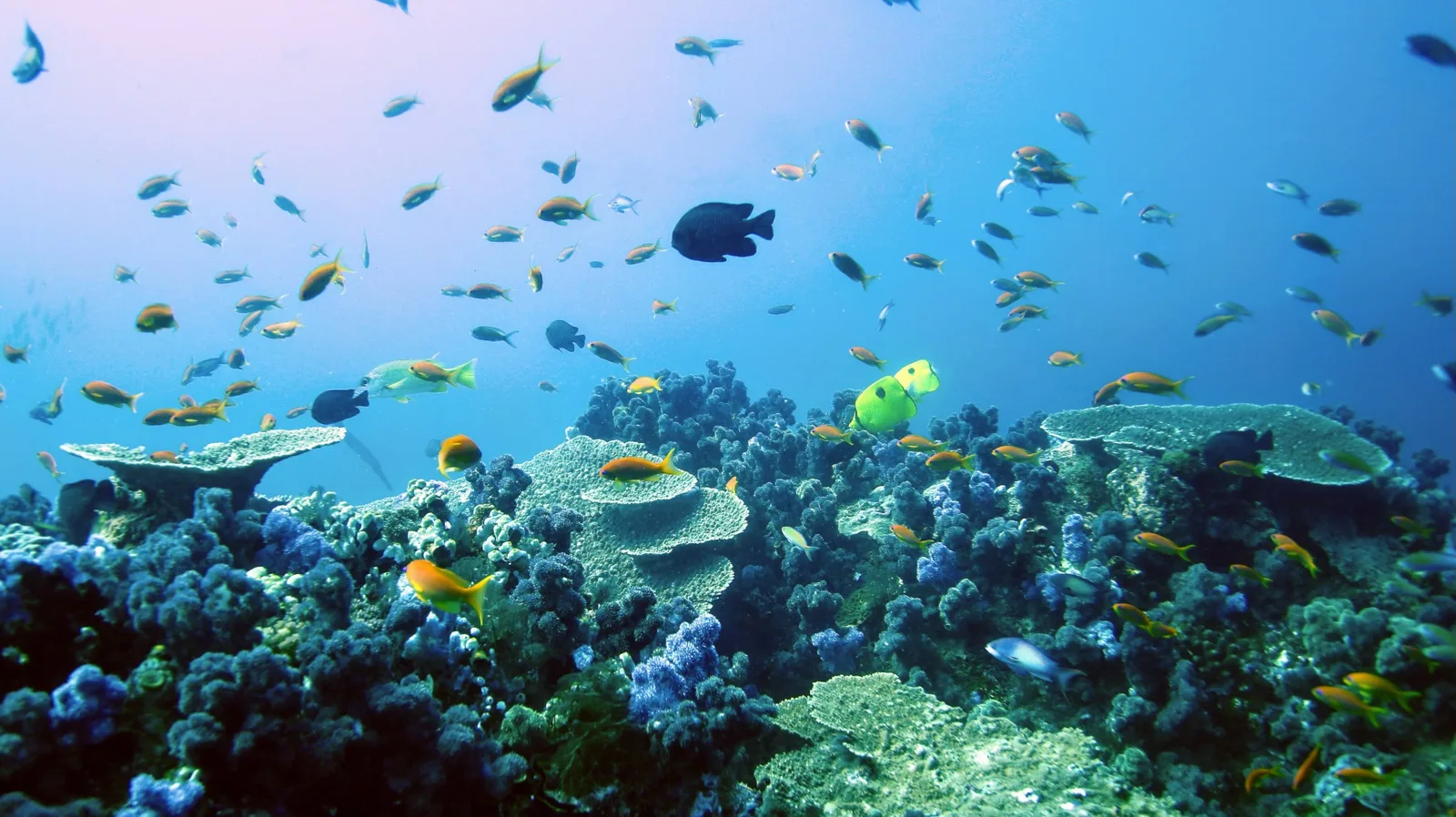
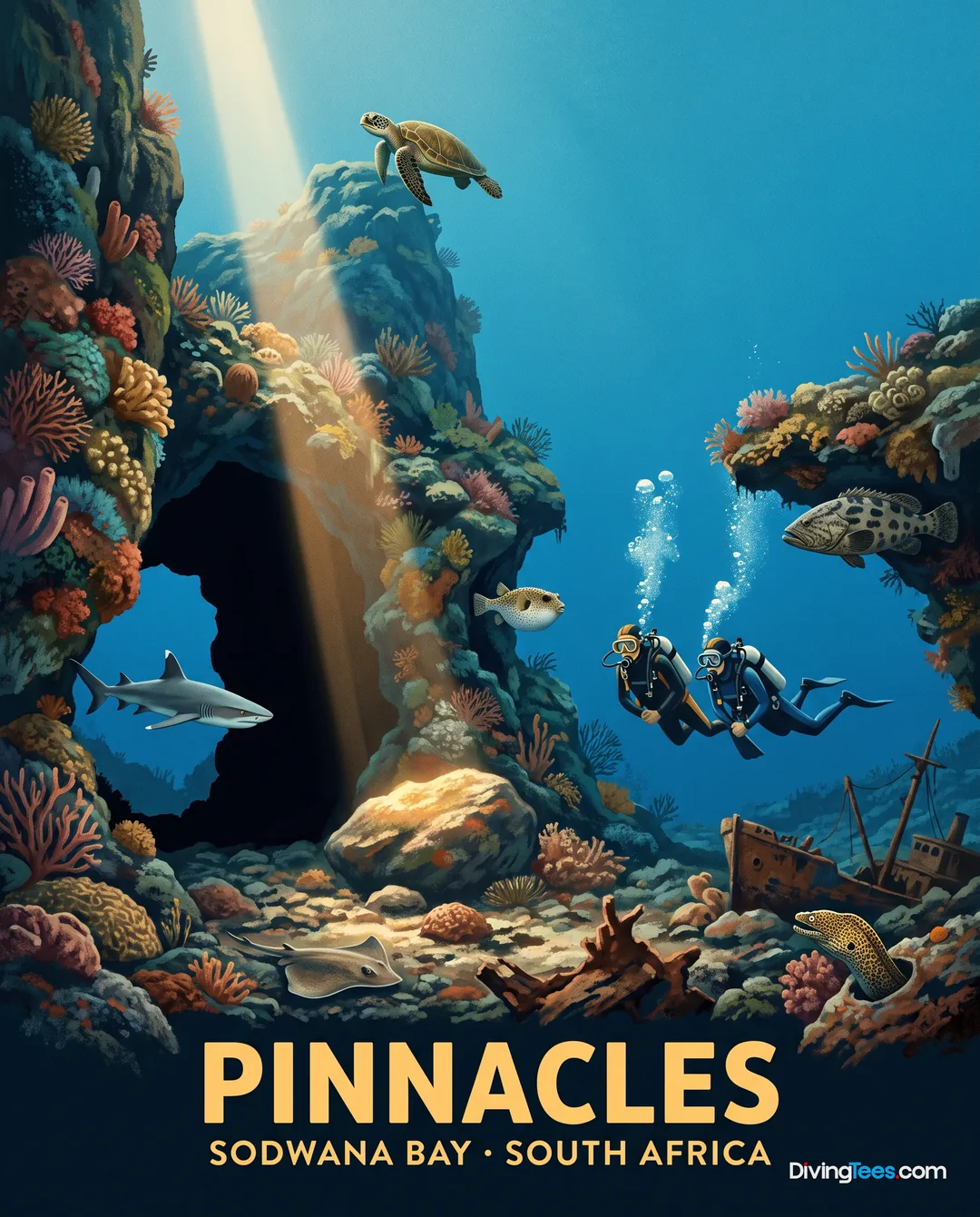
At Pinnacles, divers weave between large formations rising from the seabed, with sand patches, small caves and overhangs sheltering reef life in relatively shallow water. That gives Sodwana Bay a clear identity: a land-based, boat-diving destination where several days can be built around coral reefs rather than a liveaboard schedule or a single wreck. The setting is the iSimangaliso Wetland Park and Sodwana Bay Marine Reserve, so diving takes place within a regulated protected area.
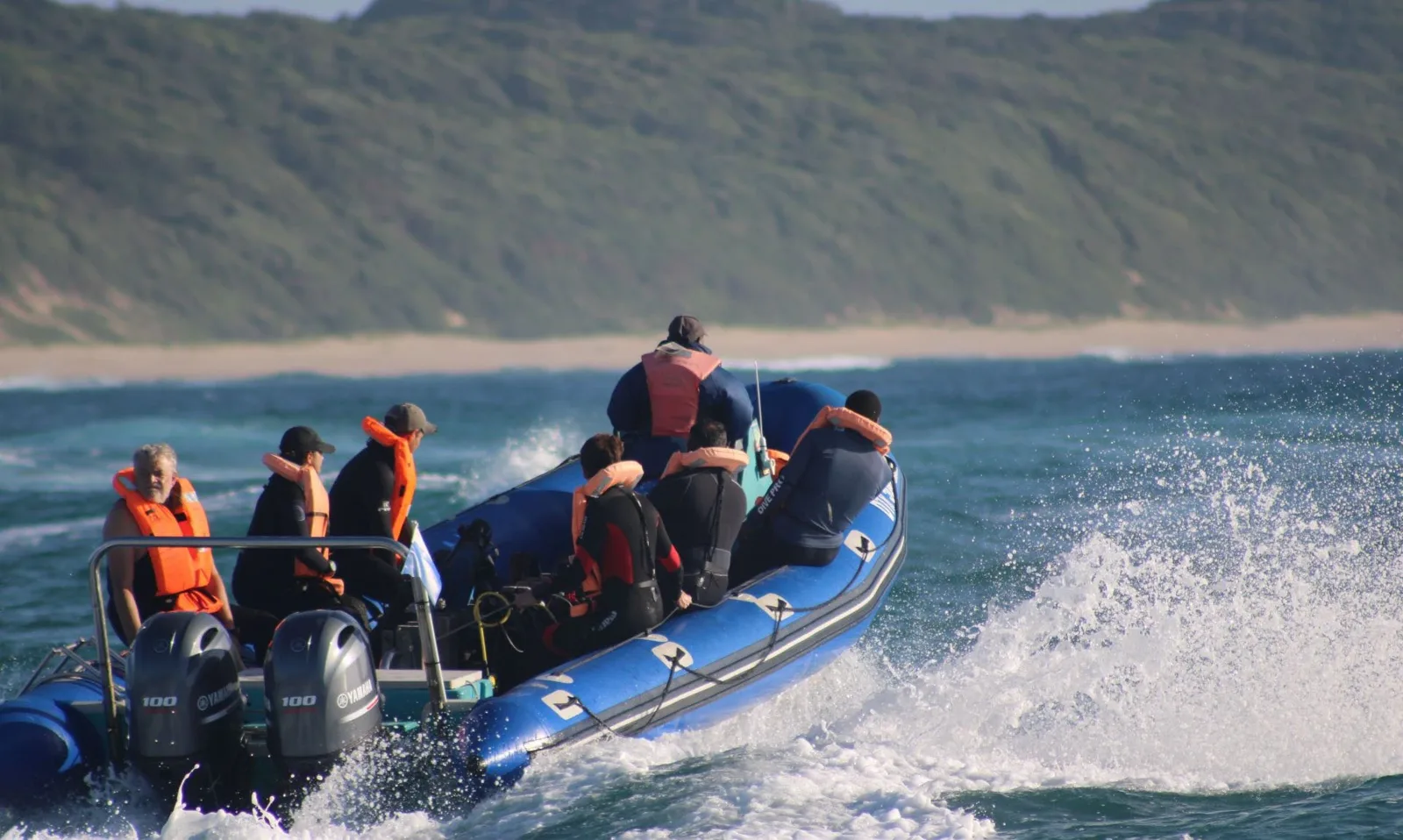
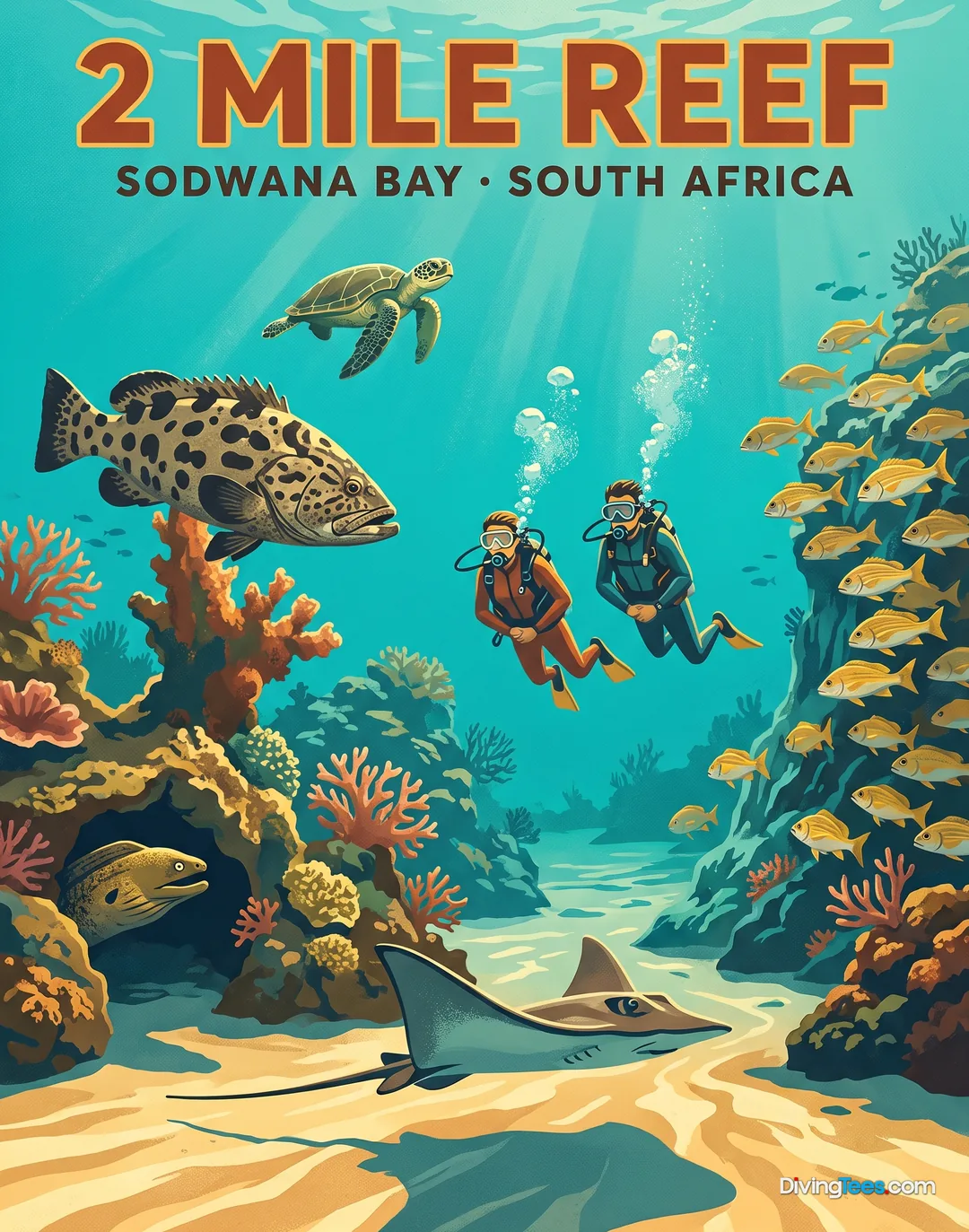
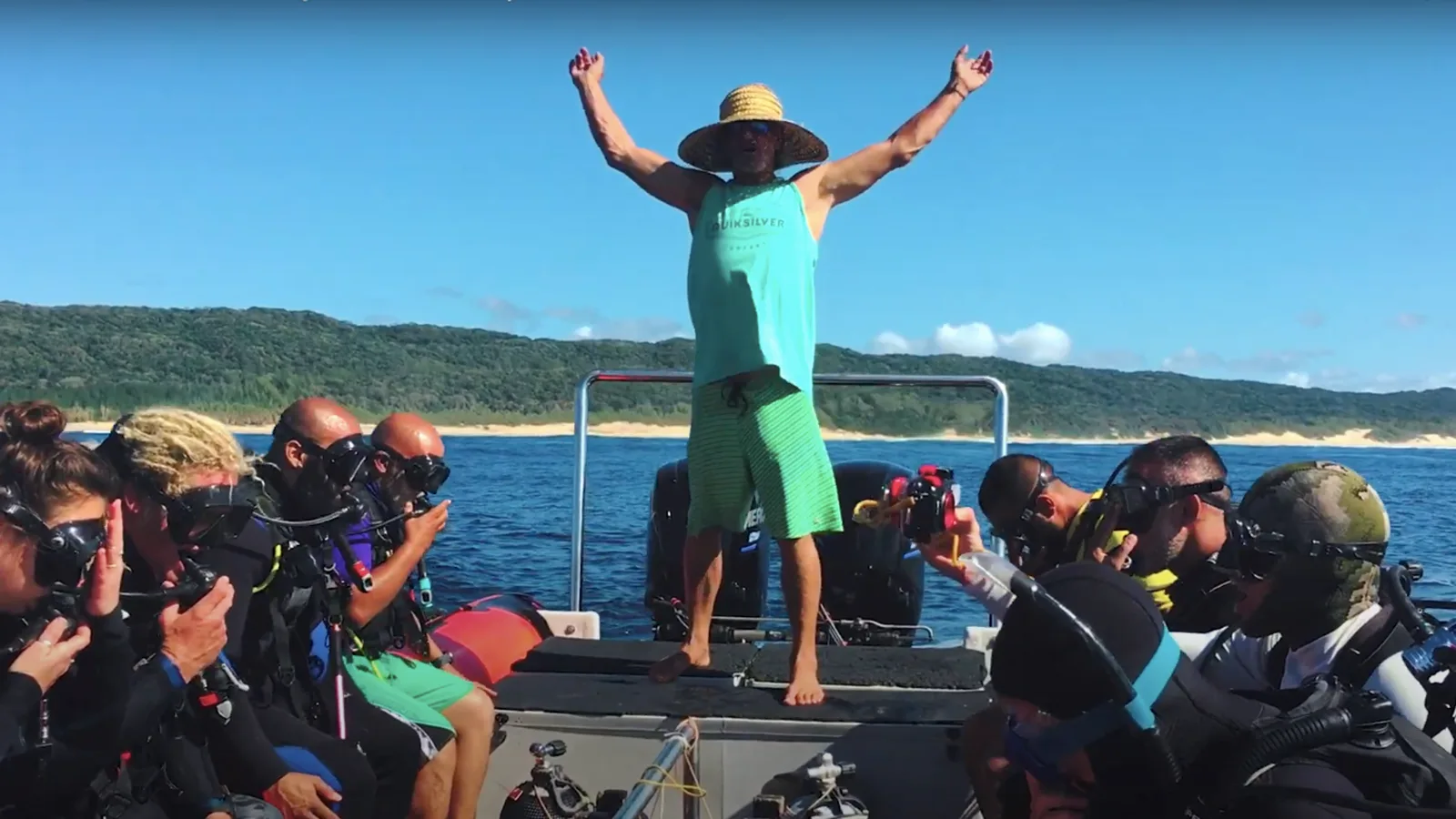
Sodwana Bay is mainly explored from boats, with reefs close enough to the coast for a straightforward day-boat routine. Pinnacles keeps the terrain manageable, with formations between four and 17 metres, while 2 Mile Reef opens into walls, pinnacles, sandy channels and grottos, reaching 35 metres. The shallow reef allows unhurried exploration, but the deeper sections demand better depth control and planning. Currents are variable: some dives may feel calm, while particular sections can turn into more committed, occasional drift dives. Surface conditions matter just as much as the forecast on land because the bay is exposed to the ocean. Visibility is therefore best treated as a conditions-led part of the day, not a fixed feature. Nitrox is useful for repeated boat dives, especially when the plan includes several days in succession.
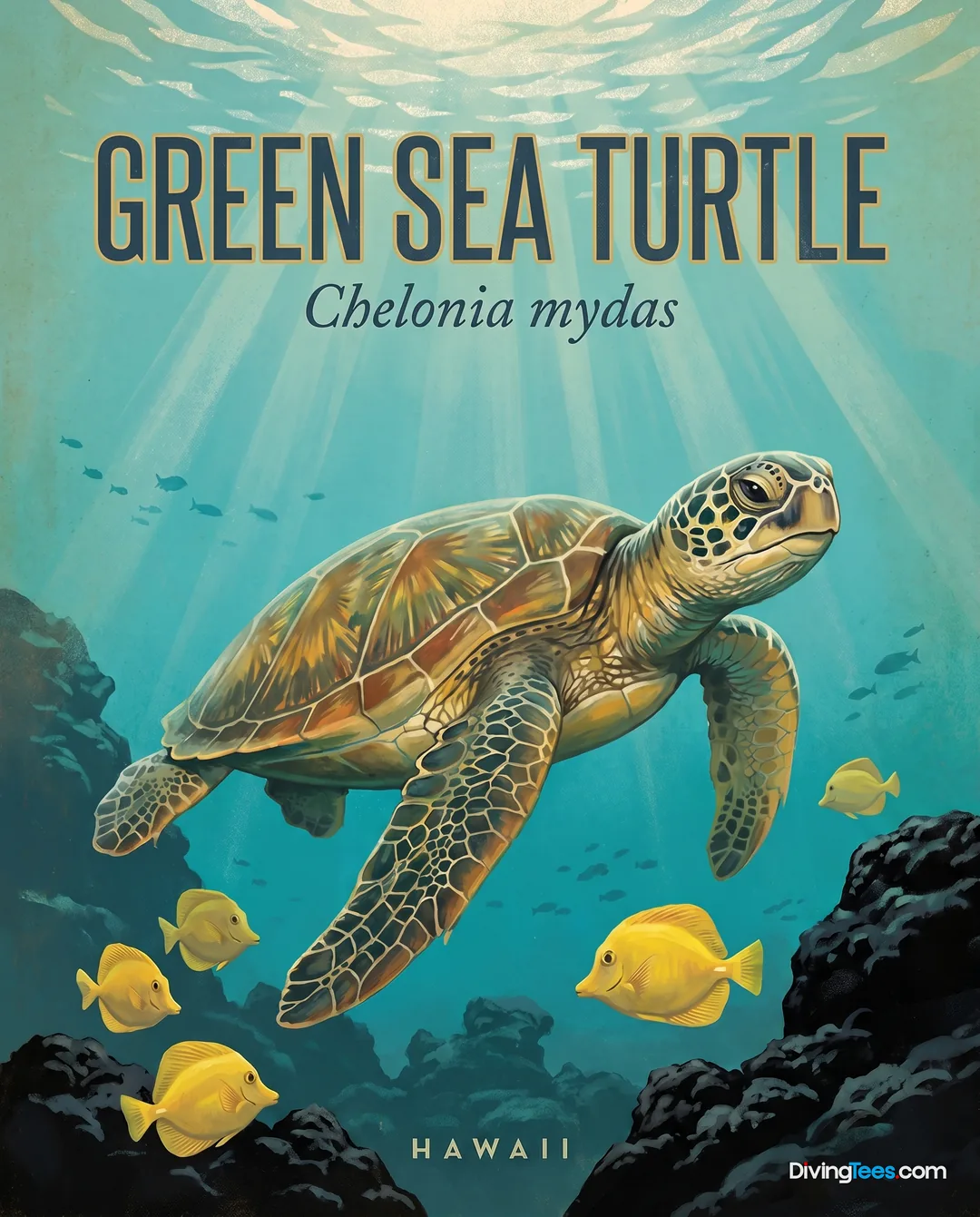
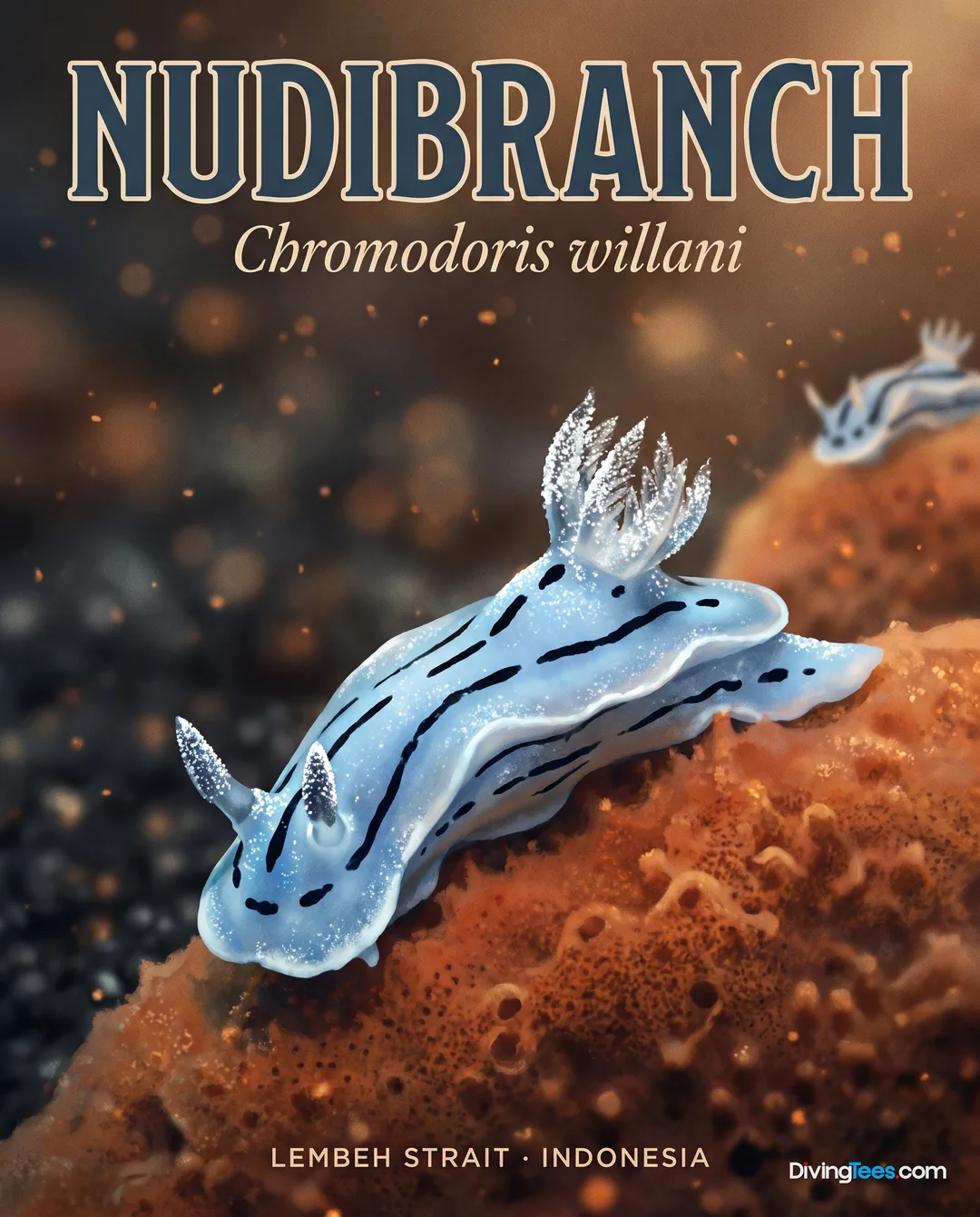
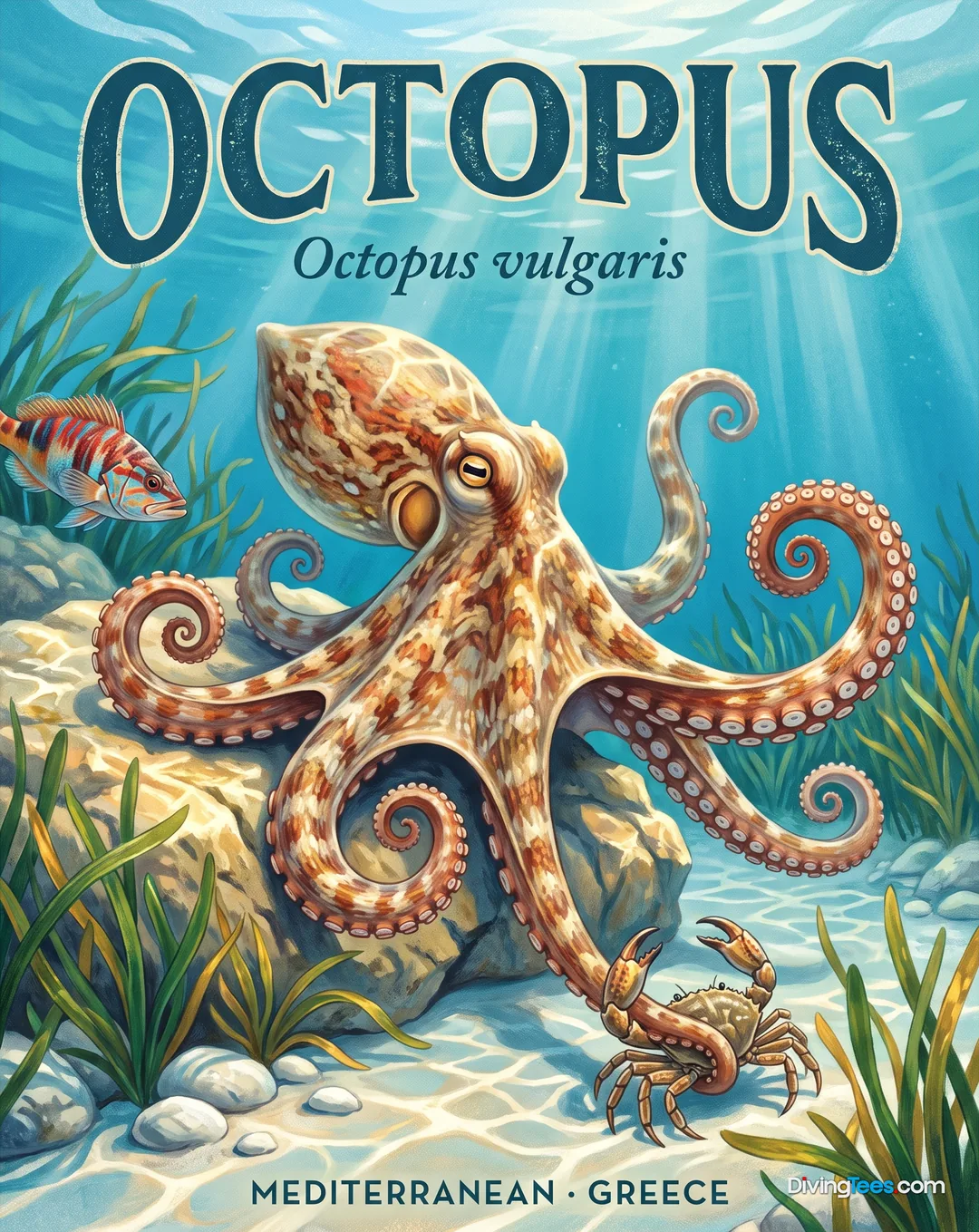
The reef scenery provides the framework for encounters rather than a single headline animal. Sea turtles may appear over the coral, while potato groupers occupy the larger reef structure and sheltered sections. Moray eels, octopus and nudibranchs reward slower inspection around caves, overhangs and the edges of sandy patches; rays suit the open sand and channels. Pinnacles’ intricate formations encourage close, methodical looking in shallow water, whereas 2 Mile Reef gives more room for scanning walls, grottos and deeper reef. The wider appeal is the mixture of coral habitat and reef fish life within a protected area. No particular animal should be treated as season-guaranteed, so the sensible expectation is varied reef encounters across a multi-day stay rather than a fixed wildlife appointment.
The measured diving window runs from December to May, when Sodwana Bay is most suitable for planning a reef-focused stay. Rainfall is lowest from April to September, which can make the land-based side of the trip more comfortable, but dry weather does not remove the main variable: sea conditions. The bay is exposed, and a rising swell can affect launches or make a planned site less practical. For that reason, the useful approach is to combine the December-to-May diving period with spare days in the itinerary, rather than treating a particular calendar month as a guarantee of calm water.
Open Water divers can enjoy the shallower terrain at Pinnacles, where the four- to 17-metre profile supports relaxed exploration. 2 Mile Reef also suits a range of experience, but its deeper sections down to 35 metres and changeable current call for Advanced Open Water, BSAC Advanced Diver or equivalent experience. Good buoyancy matters around coral formations and sandy patches. Nitrox is a practical addition for divers planning repeated boat sorties, although it does not replace the need for sensible depth and gas planning.
For a UK diver, the journey starts from London Heathrow, London Gatwick or Manchester, followed by the onward arrangements needed to reach the region. The structural point is simpler: Sodwana Bay is reached by road, with no compulsory ferry or sea crossing. The final approach continues along local roads to the bay and diving area, so the trip needs to be planned as a road-based coastal journey rather than as an airport-to-resort transfer. Once there, the diving pattern remains shore-based in the broad sense, with daily boat departures to the reefs rather than a liveaboard or island-hopping operation.
Keep the itinerary loose enough to absorb a poor sea day. At Sodwana Bay, a forecast that looks acceptable on land does not settle whether the boat programme will run comfortably, so a spare day is more useful than a tightly packed schedule. Treat the permit and marine-park access as part of the diving arrangements, not an optional beach detail. The reserve rules also make the practical behaviour clear: no anchoring on reef, no touching marine life and no collecting. Bring equipment that helps maintain steady buoyancy, particularly for the shallow formations and sand-edged overhangs at Pinnacles. If the plan includes 2 Mile Reef’s deeper sections, arrive with the relevant experience rather than relying on the shallower profile to represent the whole destination. Finally, do not arrive expecting a cruise itinerary or a compact tropical island; the rhythm here is repeated day-boat diving from a coastal base, with the programme shaped by the ocean.
A five- to seven-day stay gives enough time for repeated boat outings and a buffer when sea conditions interrupt the plan. Diving can be built around contrasting reef profiles, from Pinnacles’ shallow formations to the deeper walls and grottos of 2 Mile Reef. Non-diving days suit quiet beach time or naturalist activities in iSimangaliso Wetland Park. An accompanying non-diver is best matched to the coast and park rather than nightlife or urban entertainment.
Hello, I'm Marina, DivingDeal.com's AI assistant. I guide you through destinations, areas and countries.
Thinking about the whole trip and the flights? Talk it over with Edith →
Marina is an AI. Some links are affiliate links: DivingDeal may earn a commission, at no extra cost to you. Bookings are made with the partner.
Plan Sodwana Bay between December and May, the measured diving window for reef-focused trips. April to September brings lower rainfall, which may make the land-based part more comfortable, but it does not remove the bay’s exposure to ocean conditions. Keep spare days available because swell can affect launches and site choices.
Open Water divers can enjoy Pinnacles, where formations lie between four and 17 metres and support relaxed exploration. The deeper sections of 2 Mile Reef reach 35 metres and include changeable currents, so Advanced Open Water, BSAC Advanced Diver or equivalent experience is appropriate there. Good buoyancy and careful depth and gas planning matter.
Sodwana Bay combines coral reef scenery with varied marine life. Pinnacles offers shallow formations, sand patches, caves and overhangs, while 2 Mile Reef has walls, grottos and sandy channels. You may encounter sea turtles, potato groupers, rays, moray eels, octopus and nudibranchs, with sightings varying across a multi-day stay.
Plan Sodwana Bay as a road-based coastal trip with repeated daily boat departures, not a liveaboard or island-hopping itinerary. A five- to seven-day stay allows several reef outings and a buffer for poor sea conditions. Include marine-park access and permits, bring equipment supporting steady buoyancy, and leave the schedule flexible.